01. Flocking Market Size and Industry Developments
Market data indicates that the flocking industry continues to benefit from a substantial demand base.
In 2025, apparent consumption of flocked fabric in China reached 1.87 billion meters. If these fabrics were laid end to end, they would circle the Earth more than four times.
The market for warp-knitted pile fabrics has exceeded RMB 80 billion, with a compound annual growth rate of more than 8.5%. The market for flocked artificial leather is projected to reach RMB 8.76 billion in 2026, representing year-on-year growth of 10.3%. These figures suggest that the flocking industry still has room to grow and is undergoing an industrial upgrade.
At the same time, pressure on profitability deserves attention.
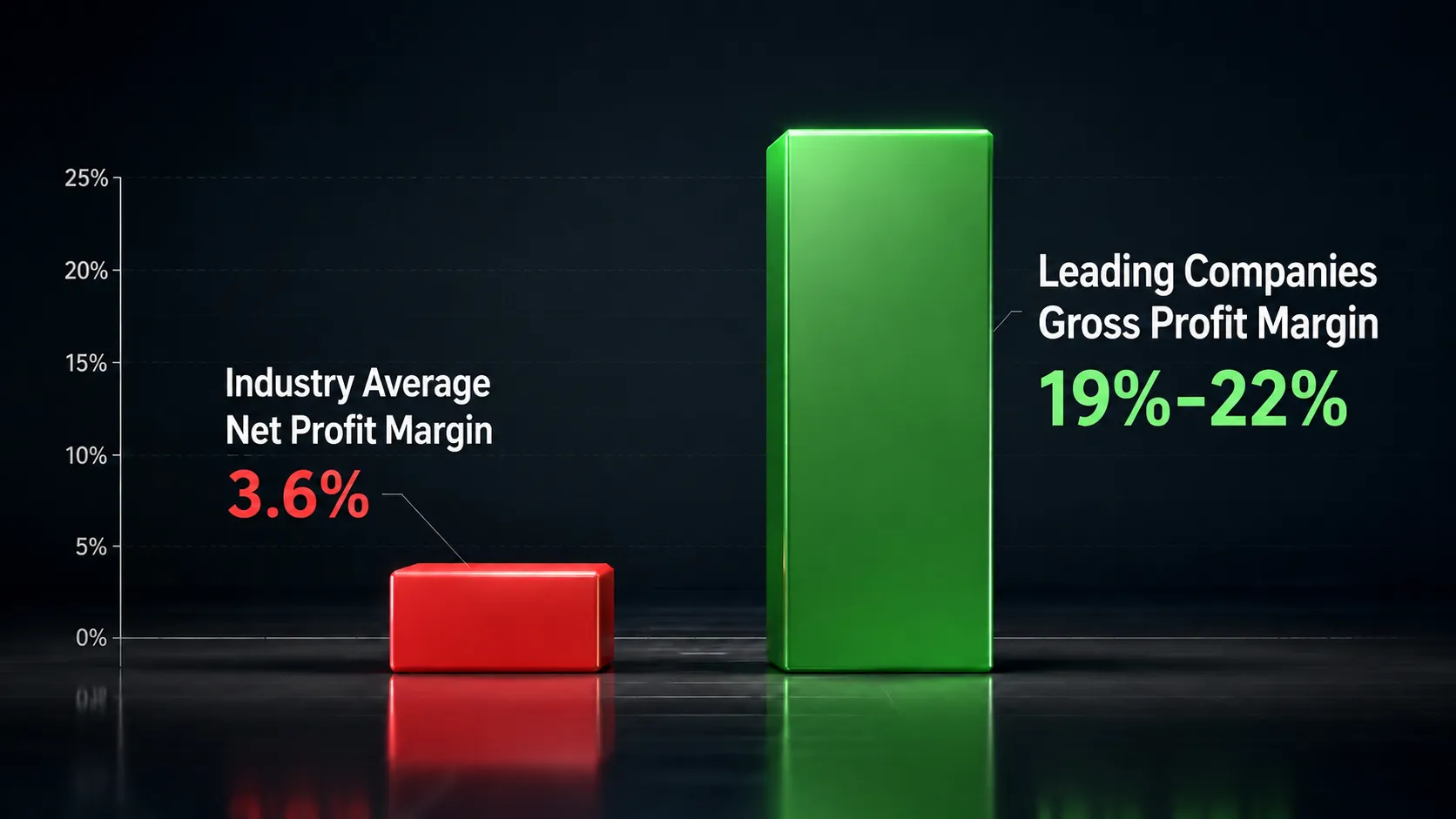
The industry’s average net profit margin has narrowed to 3.6%, while leading companies continue to maintain gross profit margins of 19%–22%.
02. Environmental Compliance Costs and Business Competitiveness
Business performance varies across the industry, and environmental compliance costs are one factor worth examining.
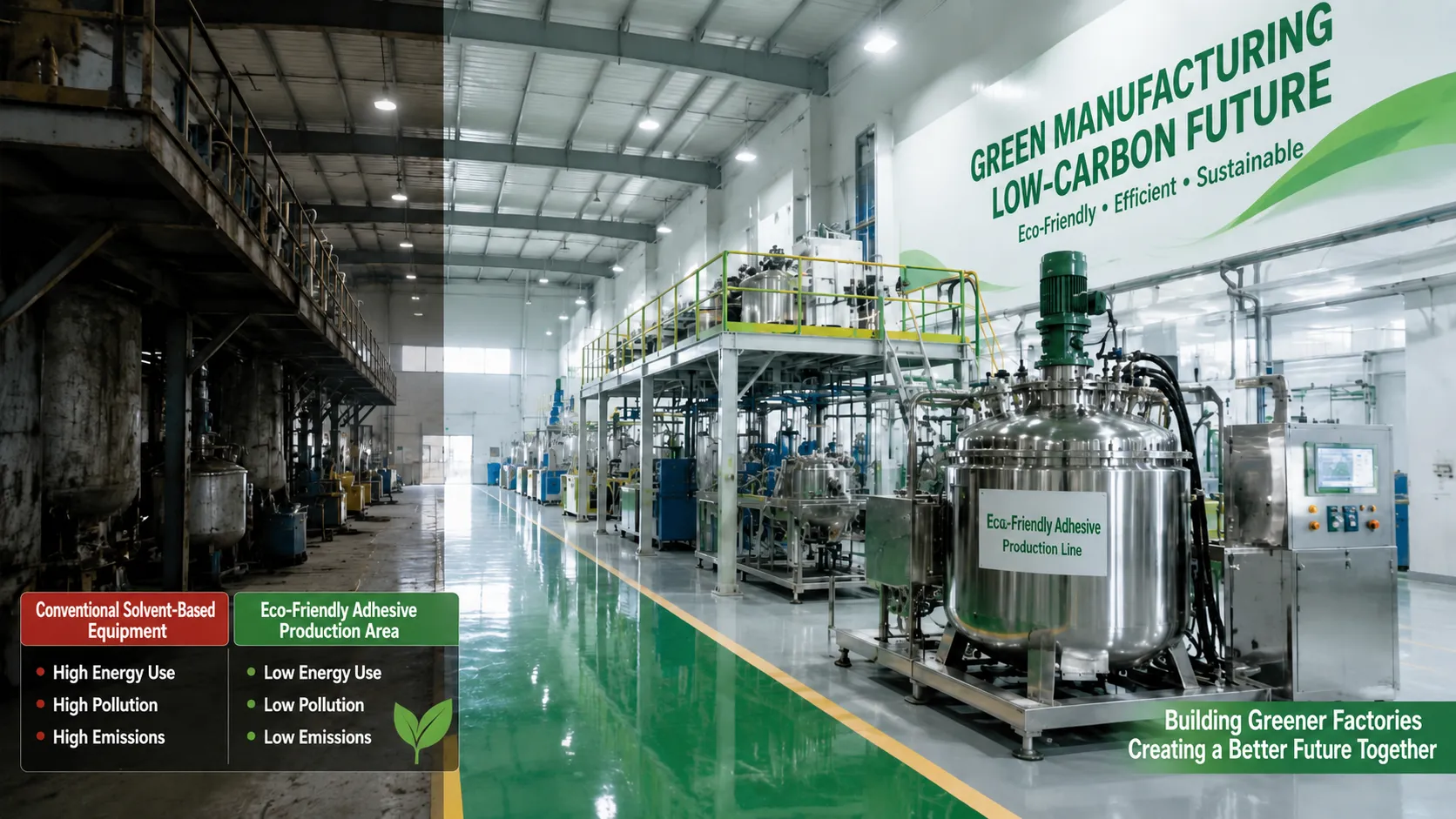
In 2026, environmental compliance has become a basic requirement for competing in the flocking market. Data shows that average environmental costs per unit of output have reached RMB 4.82 per square meter. This places considerable operating pressure on small and medium-sized businesses.
From another perspective, companies that turn their environmental capabilities into a competitive advantage are better positioned for the next stage of industry development.
Capacity utilization on high-end waterborne polyurethane production lines has reached 92%, compared with just 58% on conventional solvent-based lines. Among environmentally friendly adhesives, waterborne polyurethane formulations now achieve solids contents of 55%–60%, while commercial production capacity for bio-based adhesives has increased by 86% year on year.
These developments indicate that environmental capabilities have become a fundamental consideration for the long-term development of flocking businesses.
03. New Energy Vehicle Interiors Set New Requirements for Flocking
Flocking applications are no longer limited to apparel fabrics.
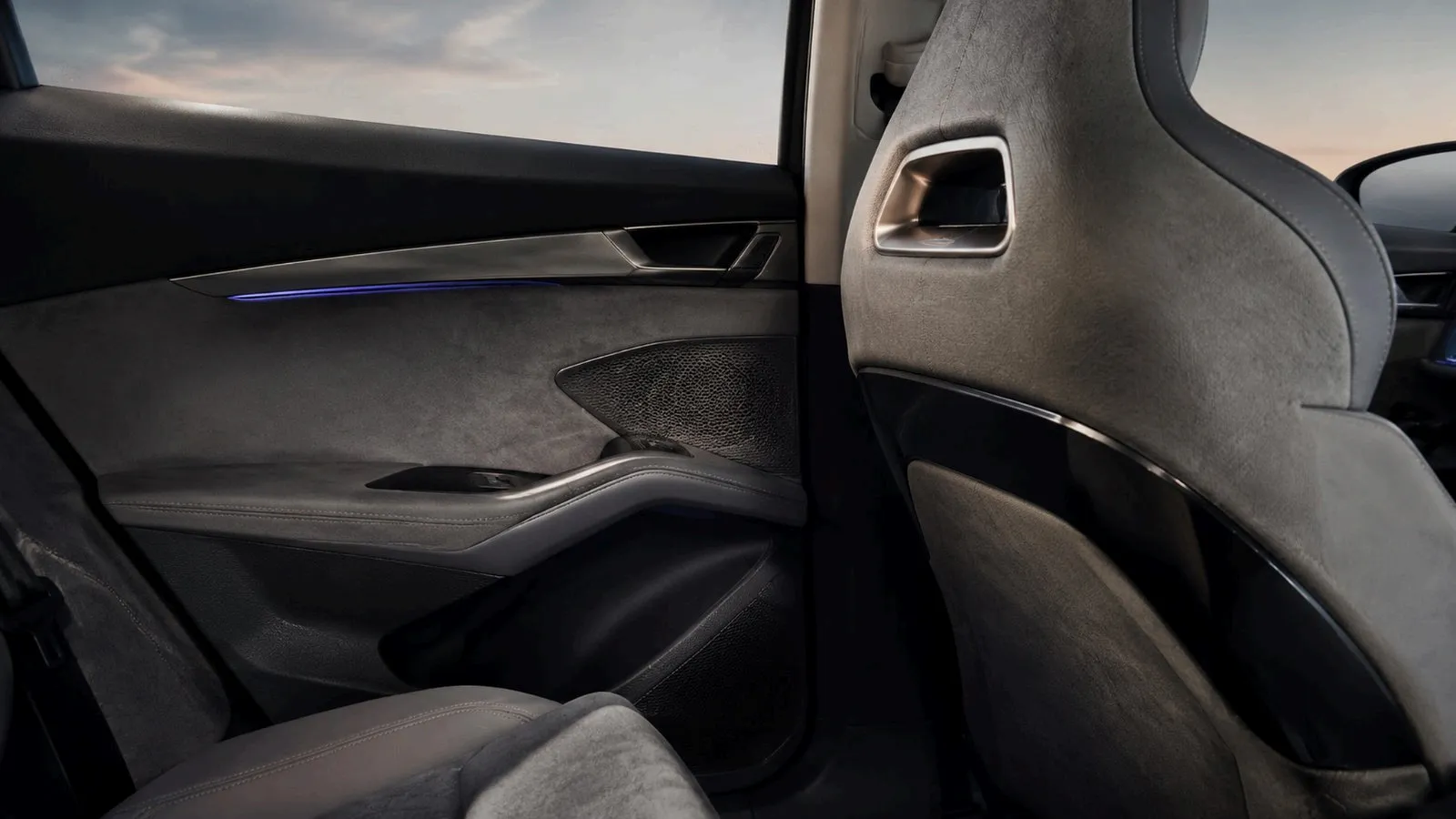
New energy vehicle interiors have become the most prominent growth area in the flocking industry.
Flocked surface area per vehicle has increased to 2.8 square meters, while average procurement prices have risen by 18%. The shift toward synthetic leather in automotive interiors is clear, with low VOC emissions, lightweight materials, and functional performance becoming core requirements. To enter the relevant supply chains, flocking companies must meet the automotive industry’s stringent environmental and quality standards.
Businesses that can meet these requirements are gaining new opportunities as the market evolves.
04. Flocking Applications Continue to Expand Beyond Automotive Interiors
The range of flocking applications is expanding at an unprecedented pace.
Beyond traditional uses in apparel, bags, and luggage, flocking is now extending into new applications such as electronic accessories, decorative building materials, and surface treatments for everyday products. From January to May 2026, retail sales of clothing, footwear, and headwear increased by 8.1% year on year, confirming a recovery in domestic demand. In 2025, capacity utilization among textile enterprises above the designated size reached 77.5%, exceeding the national industrial average.
Recovering demand and expanding applications are creating more opportunities for flocking companies. A key consideration is whether businesses have the production capacity and technical capabilities to meet these needs.

05. Smart Manufacturing and Digitalization Advance Flocking Production
As environmental capabilities become a basic requirement, smart manufacturing and digital capabilities are also becoming important factors in business competitiveness.
The flocking industry is transitioning toward smart manufacturing, and digital twin technology is beginning to be used to control process parameters. Electrostatic flocking remains the mainstream process, while equipment is evolving toward greater automation and operating stability.
Future competitiveness will depend increasingly on data-driven production and management capabilities, rather than simply workforce size.

06. Zhang’s Perspective: Building Long-Term Competitiveness
Against this backdrop, flocking companies need to consider how to build lasting competitive advantages.
The key is sustained investment in capabilities that require specialized expertise and long-term development.
Investments in environmental certifications, automated production lines, automotive-grade quality control, and digital management can gradually create competitive advantages that are difficult to replicate.
These are also areas that Zhang’s has consistently focused on throughout its development.
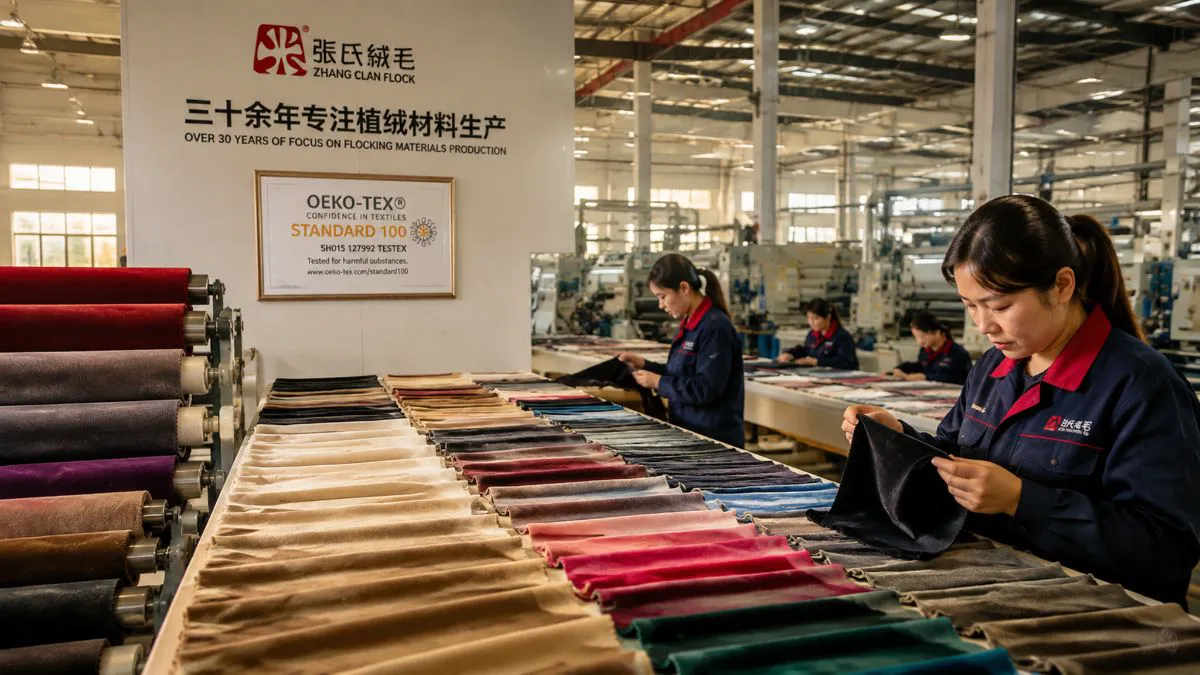
Founded in Shenzhen in 1993, Zhang’s Flock has been dedicated to the flocking industry for more than three decades. Our business spans the development and manufacture of electrostatic flocking machines, as well as the production and sale of flock fibers for electrostatic applications. With annual output exceeding 1,000 metric tons, our products are exported to more than 20 countries, and we have obtained internationally recognized OEKO-TEX certification.
We have witnessed the industry’s full evolution—from a focus on availability to a focus on quality, and from basic production practices to more precise, carefully managed operations.
Conclusion
In 2026, the flocking industry is showing increasingly clear differences in business performance and development.
Traditional operating models face pressure from thin margins and, in some cases, losses. Meanwhile, leading companies are using their technical, environmental, and smart manufacturing capabilities to expand their share of high-margin markets.
The flocking industry now demands greater professional expertise from businesses, but it remains an industry worth a long-term commitment.
In a market spanning 1.87 billion meters, companies with a strong understanding of the industry, accumulated expertise, and a commitment to continued investment still have opportunities to establish a position suited to their strengths.
Planning a flocking project? Contact Zhang’s to discuss your material requirements, sample needs and production setup.
Explore Zhang’s Flocking Solutions
Data Sources: Some industry figures in this article are drawn from publicly available market research and industry statistics and are provided for reference only.
About Zhang’s Flock: Founded in Shenzhen in 1993, Zhang’s specializes in the development and manufacture of electrostatic flocking machines and flock fibers for electrostatic applications. The company holds OEKO-TEX certification, has annual output exceeding 1,000 metric tons, and exports its products to more than 20 countries worldwide.