OEM and ODM flocking support for apparel, packaging, automotive interiors, decorative products, and selected industrial components. Zhangs helps buyers move from material matching and sample development to an approved production route based on the actual substrate and performance requirements.
Every flocking project begins with the substrate, product structure,
surface condition, required effect, and final operating environment.
Zhangs reviews these factors before recommending the flock material,
adhesive direction, application process, curing conditions, and tests
required for sample approval.
Depending on the project, our support can include customized fiber
development, color matching, adhesive and process selection,
customer-supplied material processing, sample preparation,
performance verification, trial production, bulk production,
inspection, and packaging confirmation.
Projects can be developed for compatible textile components,
packaging and display materials, automotive interior parts,
decorative products, and selected industrial components.
The final service scope is confirmed according to the buyer’s
drawings, substrate, quantity, acceptance criteria, and
delivery requirements.
6,000㎡
Manufacturing Facility
20
Machines for Precision Cutting
5
High-Efficiency Dryers
12
Dyeing Vats in Operation
50+
Lab Technicians
OEM PROJECT SUPPORT
What Can Zhangs Support for OEM Projects?
From custom flock development to process matching,
sample verification, and bulk production, Zhangs supports
each stage of OEM project development.
01
Custom Flock Development
Zhangs can develop flock according to the required fiber material,
color, cut length, fineness, and surface effect. Available fiber
materials include polyamide, rayon, cotton, and polyester. Final
selection depends on the substrate, application process, hand feel,
appearance, and performance expected from the finished product.
02
Adhesive and Process Matching
The adhesive and curing route must suit the substrate instead of
being selected independently. Zhangs can review surface condition,
absorbency, flexibility, heat tolerance, application method, and
end-use exposure before recommending a matching direction for the
sample stage.
03
Sample and Performance Verification
Samples are prepared to confirm whether the selected materials
and process can create the required color, pile, coverage,
touch, pattern definition, and adhesion. Test items are agreed
according to the application rather than applying the same
standard to every project.
04
OEM and Bulk Production Support
After the sample, specification, artwork, inspection criteria,
and commercial terms are approved, the project can move into
trial or bulk production. Zhangs can support material
preparation, production control, inspection, packaging
confirmation, and shipment preparation according to the
agreed project scope.
FLOCKING APPLICATIONS
Which Products and Substrates Can Be Flocked?
From textiles and packaging to automotive and industrial parts,
substrate suitability is evaluated according to material,
surface condition, process limits, and end-use requirements.
01
TEXTILE
Apparel and Textile Components
Compatible fabrics, garment panels, logos, labels, trims,
and transfer elements can be evaluated for custom flock printing.
Buyers should provide the fabric composition, construction,
stretch, surface treatment, color, care method, and final placement
because these conditions affect adhesive selection, curing,
hand feel, and durability.
02
PACKAGING
Packaging and Display Parts
Paperboard, paper, selected plastics, presentation boxes,
inserts, display materials, and decorative packaging surfaces
can be reviewed for partial or full flocking. The intended
effect may focus on presentation, a soft protective contact
surface, texture, or controlled friction.
03
AUTOMOTIVE
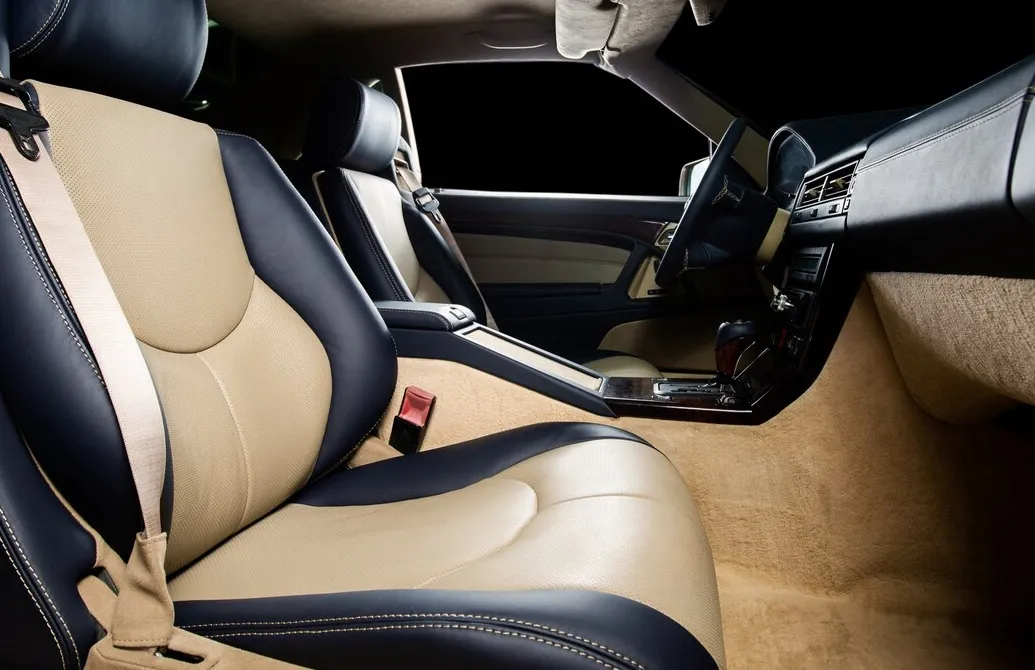
Automotive Interior Parts
Selected storage components, molded parts, trims, and decorative
or functional interior surfaces can be assessed for flocking.
The buyer should identify the substrate resin or coating,
part geometry, service temperature, abrasion exposure,
environmental conditions, and required automotive tests.
04
INDUSTRIAL
Industrial and Decorative Products
Selected plastic, metal, rubber, foam, paper, and composite
parts can be evaluated when a project requires a soft-touch
finish, decorative texture, surface protection, or controlled
contact. Suitability depends on surface preparation,
part geometry, masking, curing limits, and operating conditions.
RELATED
Related Materials
Explore materials, adhesives, equipment,
and application examples for your flocking project.
Flocking Application Examples
Explore flocked textures, raised graphics, and soft-touch finishes for different products.
Share your substrate and reference effect with Zhangs to discuss a suitable customization approach.
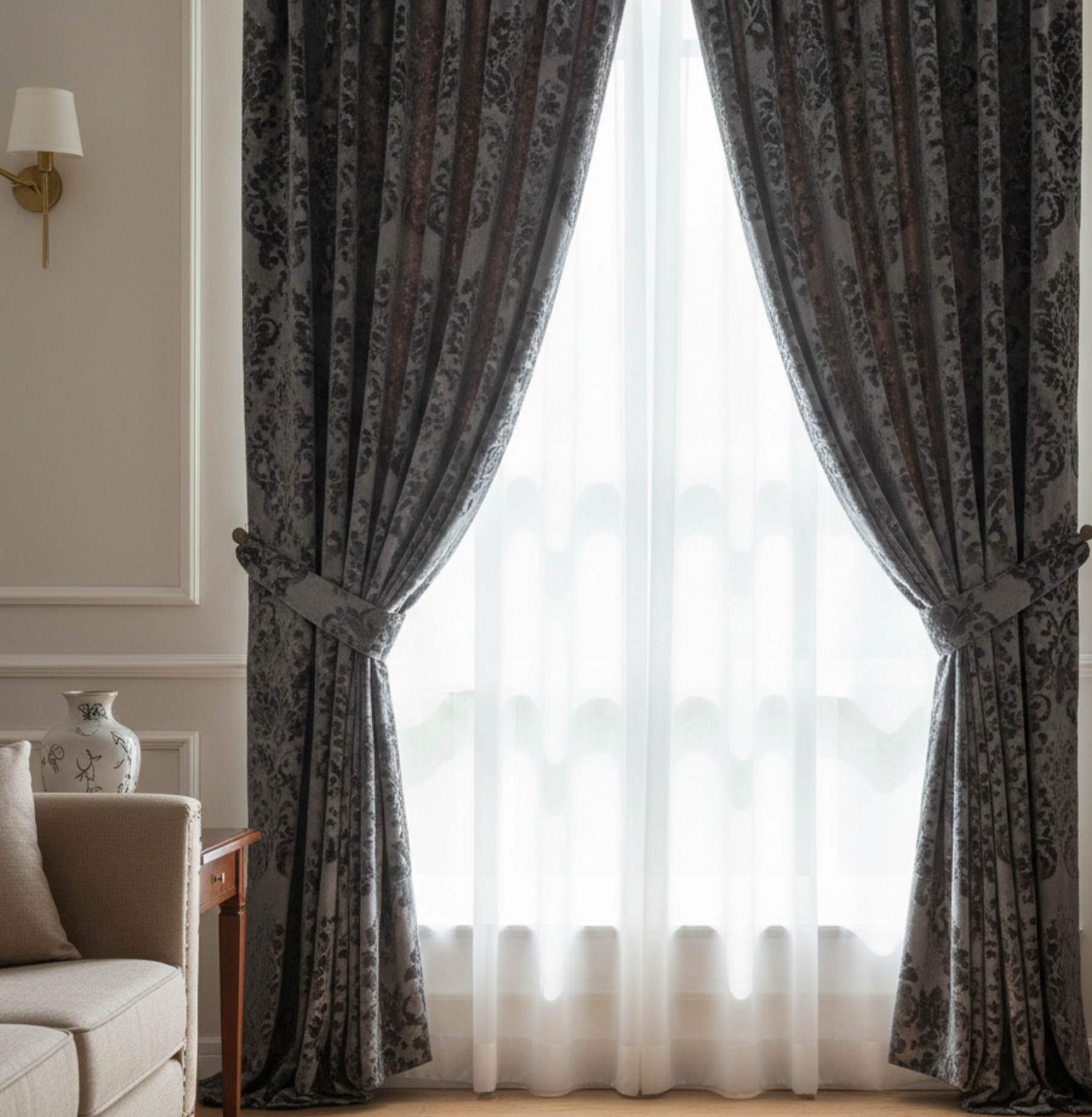
Flocked Upholstery and Drapery
Velvet-like patterns and textured finishes for compatible
upholstery and curtain fabrics. Customize color, pattern
coverage, and hand feel, with samples developed on your
intended fabric.
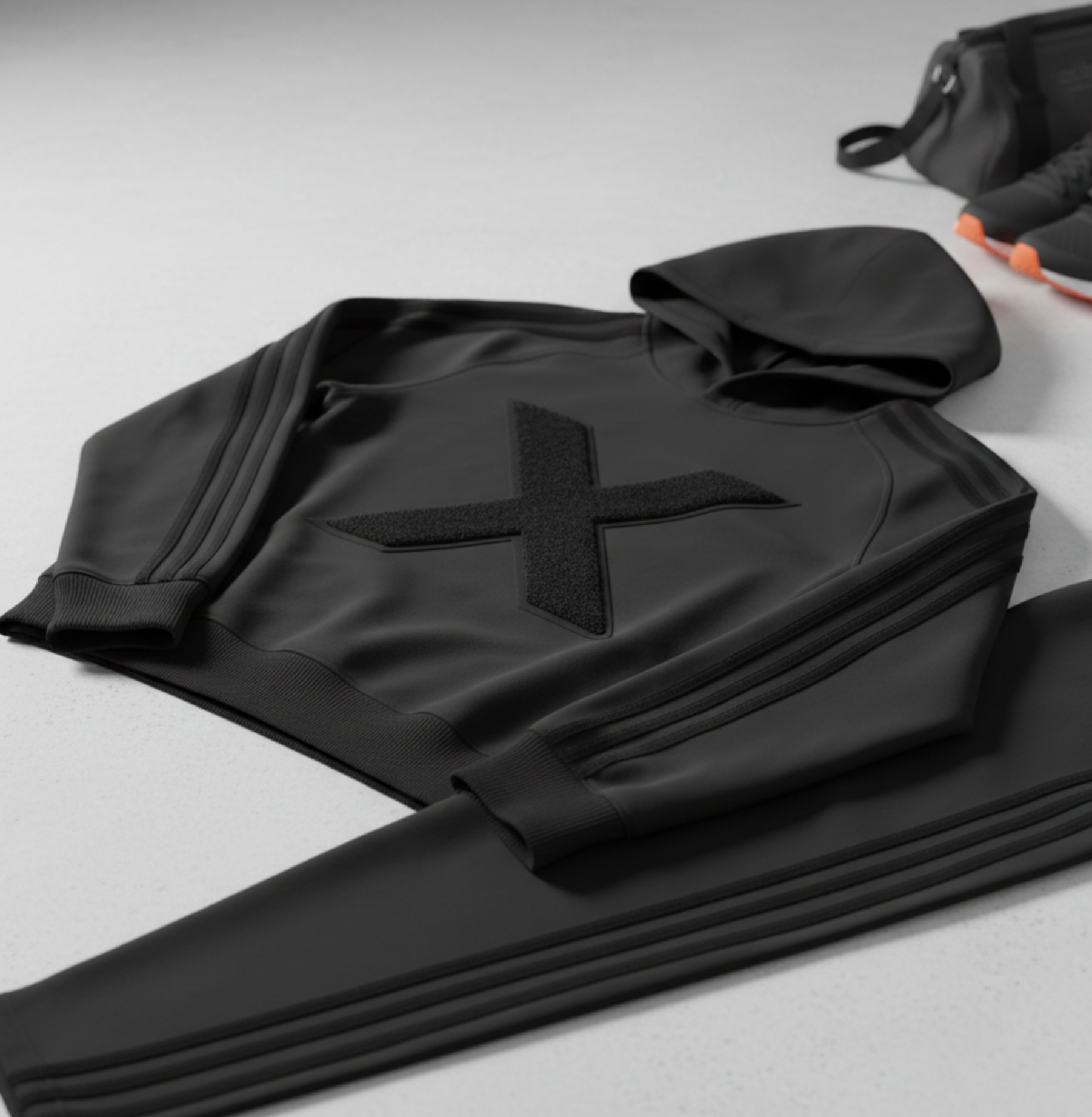
Custom Flock Printing for Apparel
Raised logos, lettering, and decorative patterns for
compatible garment fabrics. Customize artwork, color,
and texture, with fabric stretch and care requirements
considered during sample development.
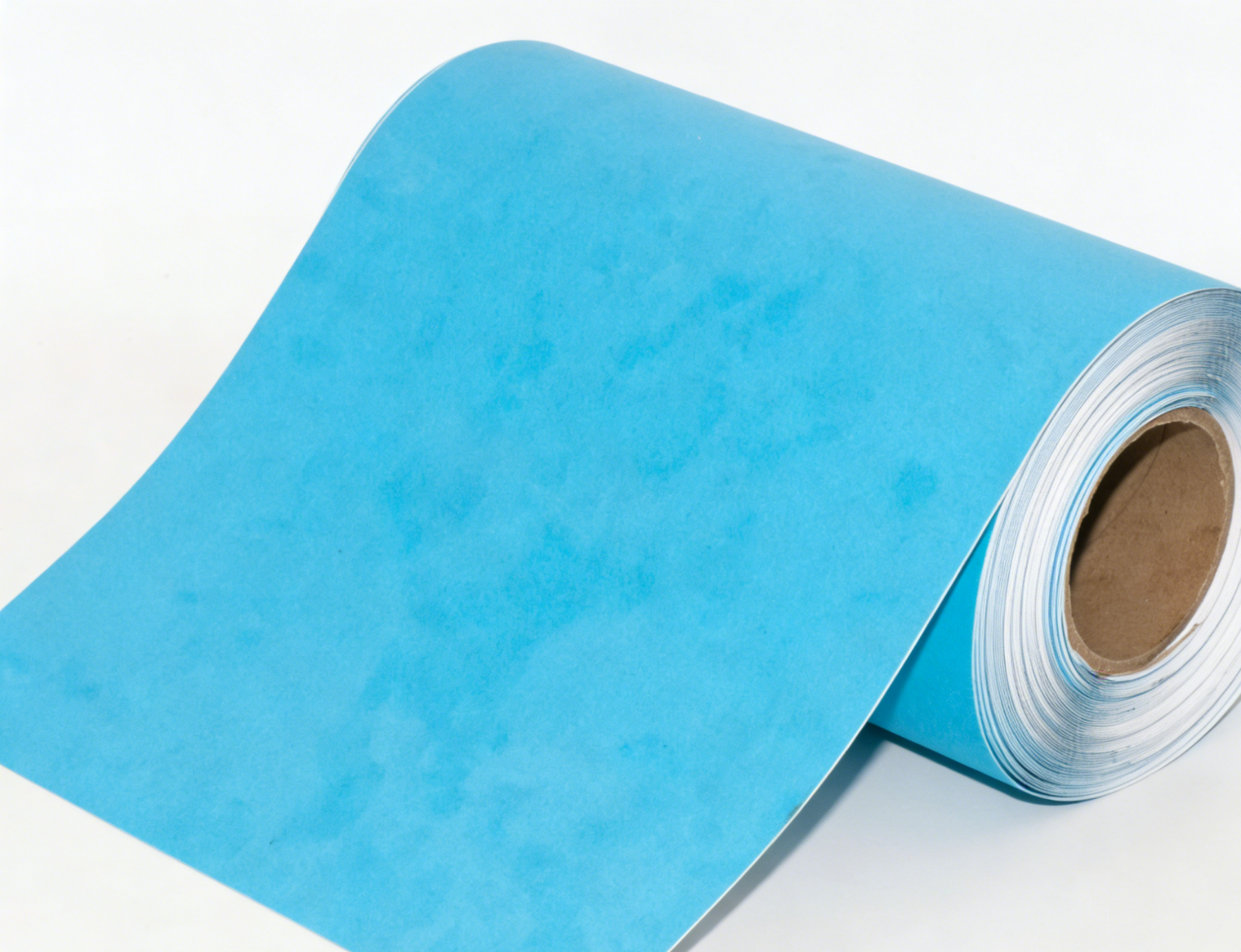
Flocked Graphics and Decorative Surfaces
Tactile graphics and contrasting textures for compatible
paper, card, film, and selected plastics. Define the design,
flocking area, and target finish for sample evaluation.
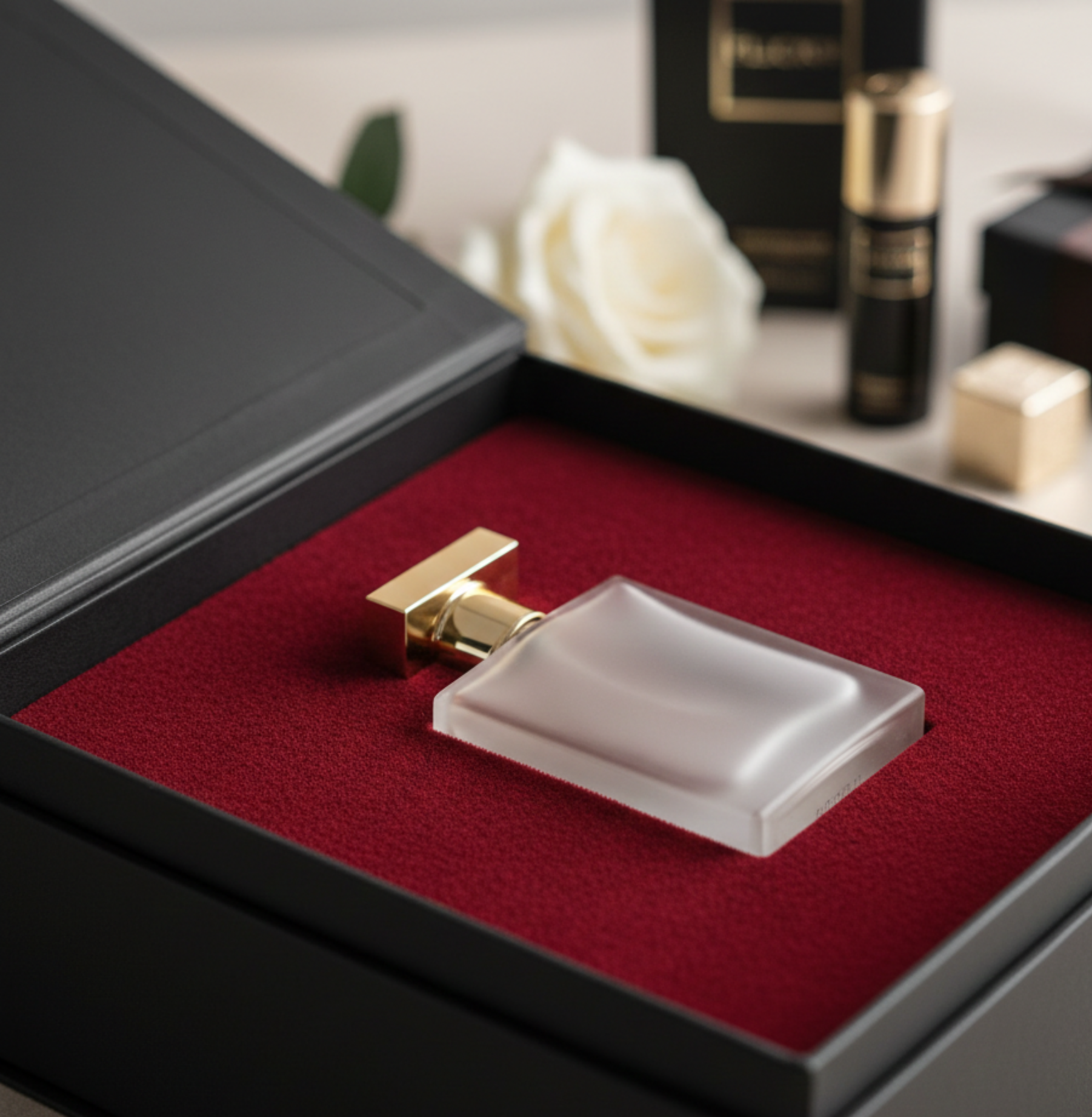
Flocked Packaging and Display Surfaces
Soft-touch finishes for compatible jewelry boxes,
packaging inserts, and display surfaces. Explore custom
colors, textures, and partial or full flocking to
complement your product presentation.
Flocked Automotive Interior Parts
Flocked finishes for selected storage components and
interior trim. Development considers the actual substrate,
part geometry, target surface effect, and required
performance tests.
A complete project brief helps Zhangs evaluate material compatibility,
sampling scope, test requirements, production risks, and quotation
conditions before development begins.
BUYER CHECKLIST
Information Recommended Before Sampling
Provide as much information as is currently available.
Missing parameters can be reviewed during project evaluation.
01
PRODUCT DATA
Product Information
✓Finished product and application
✓Substrate material, grade, construction, and color
✓Surface coating or treatment
✓Product dimensions and flocking area
✓Sample quantity and estimated bulk quantity
✓Market, operating environment, and care conditions
02
DESIGN & PERFORMANCE
Design and Performance Information
✓Vector artwork or 2D or 3D drawing
✓Flocking area, masking area, dimensions, and tolerances
✓Target color and physical reference when available
✓Required fiber, pile, density, softness, and surface appearance
✓Washing, rubbing, abrasion, stretch, heat, humidity,
or buyer-specific tests
✓Target sample date, bulk delivery date,
packaging, and destination
How Does the OEM Flocking Process Work?
From project review and material proposal to sample testing and golden sample approval,
each stage is confirmed before trial or bulk production begins.
1. Project Review
The buyer submits the substrate information, drawings,
artwork, reference sample, quantity, and performance
requirements. Zhangs reviews technical feasibility,
available materials, expected process steps, and missing
information.
2. Material Proposal
A preliminary proposal is prepared for the flock material,
color route, fiber specification, adhesive direction,
application process, curing conditions, and test requirements.
Where several options are needed, each option should have a
clear comparison purpose.
3. Sample Confirmation
Both sides confirm the sample quantity, material
responsibilities, artwork version, development scope,
sample charge when applicable, delivery method, and
estimated schedule before sample production begins.
4. Sample Development
The sample is prepared using the agreed materials and
process. The actual production substrate should be used
whenever possible because a substitute can show appearance
but cannot confirm final bonding or durability.
5. Testing and Buyer Review
The sample is reviewed for color, pile, coverage, touch,
edge definition, adhesion, and the tests required by the
application. Buyer comments should identify the exact
sample version and the specific change required.
6. Golden Sample Approval
The approved sample, artwork, material specification,
process conditions, inspection criteria, and packaging
requirements become the reference for trial or bulk
production. Changes after approval may require a new
sample or renewed testing.
SAMPLE & QUALITY APPROVAL
How Are Samples and Quality Approved?
From sample appearance and application testing to bulk production control,
each approval point should be agreed before production is released.
01SAMPLE APPEARANCE
Material and Appearance Approval
The sample should confirm fiber material, color, cut length,
fineness, pile density, softness, directional appearance,
pattern definition, and acceptable visual variation.
A physical sample is more reliable than a photograph when
color, texture, and touch are important.
02PERFORMANCE TESTING
Application Testing
Testing is selected according to the finished product.
Apparel and textile components may require adhesion,
shedding, washing, rubbing, stretch, and appearance checks.
Packaging may require rubbing, edge coverage, contamination,
and contact-surface review.
Automotive and industrial parts may require abrasion, heat,
humidity, chemical exposure, dimensional stability,
or buyer-specified testing.
03PRODUCTION CONTROL
Bulk Production Control
Production controls should follow the conditions that created
the approved sample. Depending on the project, checks may cover
incoming materials, adhesive coverage, fiber application,
pile density, curing settings, loose-fiber removal, appearance,
dimensions, and packaging.
Test methods, cycle counts, pass criteria, and testing
responsibility must be confirmed before bulk production.
READY TO CONFIRM YOUR SAMPLE?
Share your substrate, required finish, test criteria, and
acceptance requirements so the sample approval route can be reviewed.
What Are the MOQ, Lead Time, and Packaging Options?
Review the standard MOQ, production lead time, and packaging
requirements that should be confirmed before an OEM flocking
project moves into quotation or production.
MOQ
Lead Time
Packaging
MOQ
The standard MOQ for made-to-order flock fiber is
50 kg per color. Finished components and other OEM
projects are evaluated separately because substrate
purchasing, color quantity, tooling, masking,
production setup, testing, and packaging can change
the practical minimum.
Standard MOQ
50 kg per color
Finished Components
Evaluated Separately
Other OEM Projects
Project-Specific MOQ
Lead Time
The typical production lead time for customized flock
fiber is 10 to 15 days after the specification, color,
commercial terms, and order are confirmed. Sampling,
finished components, machines, transfers, and projects
requiring third-party testing receive a separate schedule.
Customized Flock Fiber
10–15 Days
Production Schedule
After Order Confirmation
Sampling & Special Projects
Separate Schedule
Packaging
Packaging is confirmed according to product dimensions,
pile protection, surface sensitivity, quantity per
package, labeling, barcode, traceability, pallet, and
destination requirements. These details should be
supplied before the final quotation when special
packaging is required.
Frequently Asked Questions About OEM Flock Printing Services
1What information is required for an OEM flocking quotation?
Provide the product application, substrate information, dimensions,
photos or drawings, artwork, flocking area, target color and texture,
sample quantity, expected bulk quantity, required tests, packaging,
and delivery destination. An actual substrate sample and a physical
effect reference are useful when the surface treatment, touch, or
color is important.
If some parameters are unavailable, Zhangs can first review the
application, substrate, target effect, and quantity, then identify
the missing information required for an accurate quotation.
2Can Zhangs develop custom colors and flock specifications?
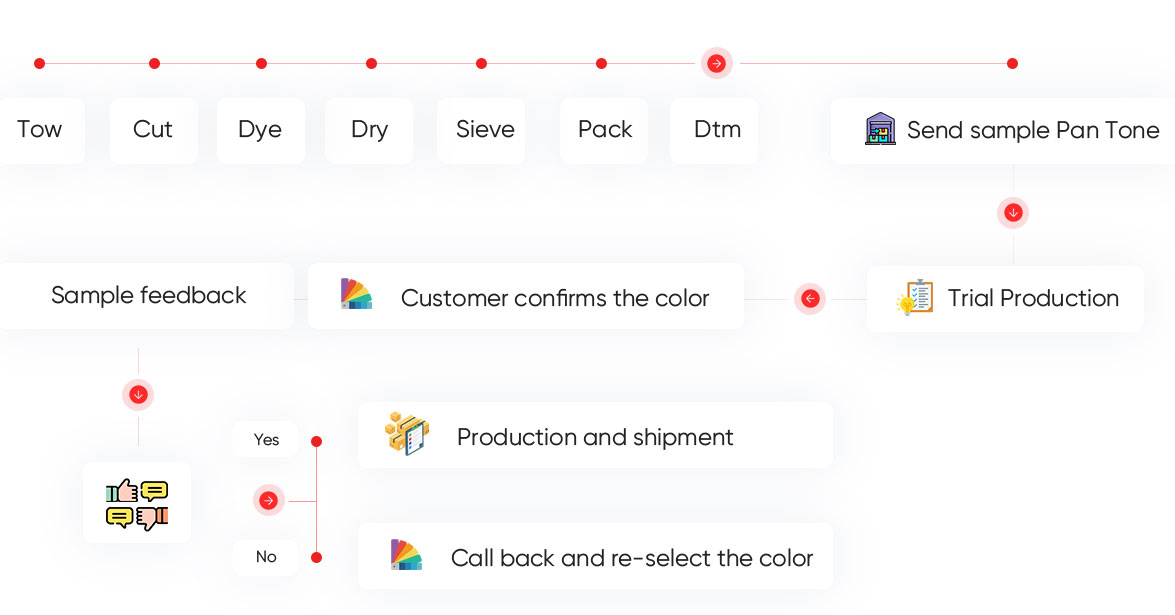
Yes. Development can cover fiber material, color, cut length,
fineness, and the intended pile effect. Zhangs prepares flock
through cutting, dyeing with conductivity and electro-treatment,
controlled drying, and sieving.
Final color should be approved on the intended substrate because
fiber direction, pile density, adhesive, substrate color, and
lighting can change the finished appearance. Customized flock
fiber currently has an MOQ of 50 kg per color.
3Can you process customer-supplied substrates or parts?
Customer-supplied materials can be reviewed for suitable projects.
Acceptance depends on the substrate, dimensions, surface treatment,
storage condition, quantity, production tolerance, curing limit,
and flocking requirements.
Buyers should provide enough material for trials, setup, testing,
and normal process loss. The bulk material should match the
approved sample substrate. A change in coating, color, grade,
or surface condition may require renewed verification before
production.
4What is the MOQ for an OEM flocking project?
The confirmed MOQ for made-to-order flock fiber is 50 kg per color.
There is no single MOQ that applies to every finished part or OEM
project.
The practical minimum can depend on substrate sourcing, color
quantity, artwork, tooling, masking, adhesive preparation,
production setup, inspection, and packaging. Buyers should provide
the trial quantity, expected bulk quantity, annual demand, and
number of variants so that the MOQ can be evaluated for the
actual project.
5How long do sampling and bulk production take?
The sample schedule is confirmed after the substrate, artwork,
required effect, test plan, and sample quantity are reviewed.
Projects requiring a new color, several material trials, tooling,
customer-supplied parts, or third-party testing need additional
time.
Customized flock fiber normally requires 10 to 15 days after the
specification and order conditions are confirmed. Finished parts
and other OEM projects receive separate sampling, production,
packaging, and shipping schedules.
6Which tests should be completed before mass production?
Testing should reflect the final application. Textile projects may
require adhesion, shedding, washing, rubbing, stretch, and
appearance checks. Packaging and decorative parts may require
rubbing, edge coverage, color consistency, and contamination
inspection.
Automotive and industrial parts may require abrasion, heat,
humidity, chemical exposure, dimensional checks, or
customer-specific standards. Both sides should confirm the test
method, conditions, cycle count, pass criteria, and testing
responsibility before the bulk order is released.
Elevate Your Products with
Zhangs’ Custom Flock Printing
Ready to transform your designs with high-quality flocking technology?
Zhangs offers advanced flock powders, adhesives, equipment, and sheets to meet your specific
needs and elevate your product offerings.
Get in touch with us now and let' s work together to achieve outstanding results for your
projects.
*Name
*Email
+1
*
*WhatsApp
*Your Message:
Start Your Project
How can we help you?
Have specific questions or requests? Fill out our inquiry form, and our
dedicated
team will get back to you promptly. Your inquiries are important to us, and we
are committed to providing comprehensive and personalized responses tailored
to your needs.
Send Message
Contact Information
Feel free to drop us an email, give us a call,
or stop by our office, we are ready to assist you in any way we can.
Address
NO. 1 Laiying Road, Xinsheng Village, Longgang Street Longgang District Shenzhen P.R.China

_1758331778.webp)