_1739519993.webp)
_1739519998.webp)

Custom Flocking Development
Based on customer requirements, Zhangs supports custom flock development by adjusting fiber materials, colors, specifications and surface effects to create unique flocking results.
View Specifications

From basic materials to production equipment, Zhangs provides a complete product portfolio to support different flocking applications.
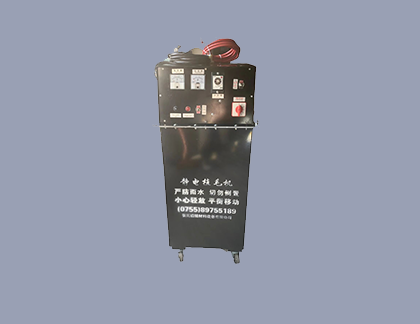
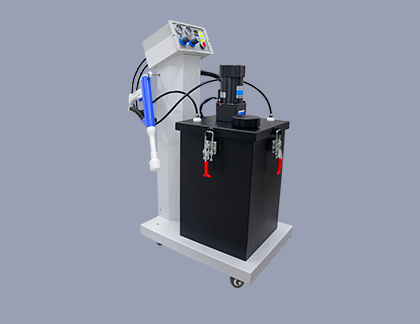
Designed for electrostatic flocking processes, Zhangs flocking machine is suitable for different flocking production requirements. With fast flocking speed, high flocking density and stable operation, the equipment supports various flocking powder applications.

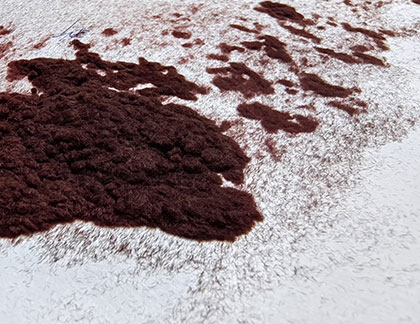
Zhangs provides various flocking powder products, including Nylon, Rayon, Cotton and Polyester materials. Different fiber lengths, specifications and color options are available to meet various application requirements.
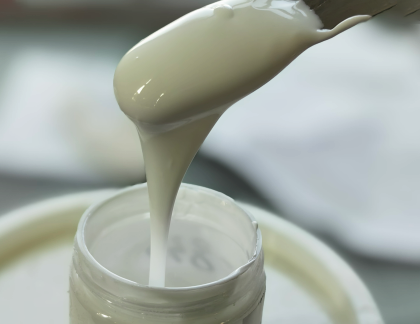
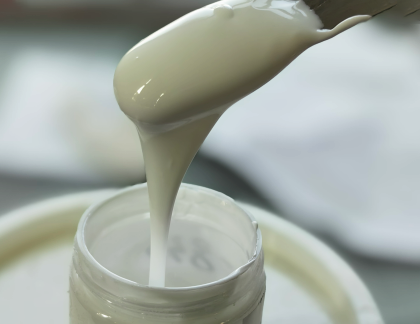
All kinds of fabric adhesive: soft hand feel, 20 cycles wash fastness.
Zhangs provides flocking adhesive products suitable for different substrates and applications. With excellent adhesion performance and processing adaptability, these adhesives help achieve uniform and durable flocking effects.
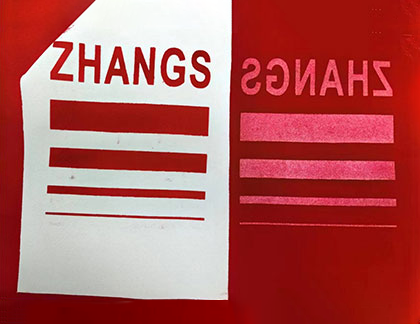
Designed for matching colors precisely in flocking applications, ensuring consistency across all prints.
Multi-Color Flocking Transfer Paper,3D Digital Flocking Transfer Paper.
Creates a three-dimensional effect in flocking, adding depth and texture to the final product.
Zhangs provides diversified flocking services based on different application requirements, offering flexible cooperation from sample development to mass production.

Based on customer requirements, Zhangs supports custom flock development by adjusting fiber materials, colors, specifications and surface effects to create unique flocking results.

Zhangs provides flock transfer and customized heat transfer labels services, supporting brand logos, patterns and special surface effects for apparel and textile applications.

Through electrostatic flocking technology, different types of fibers are evenly applied onto product surfaces to create soft textures and three-dimensional decorative effects.

Zhangs supports OEM/ODM cooperation from material selection and sample development to mass production, providing flexible manufacturing options for different markets and applications.
Zhangs’ flocking materials are widely used in apparel, automotive interiors, packaging, decorative products and industrial applications, helping customers improve product appearance, surface texture and user experience.
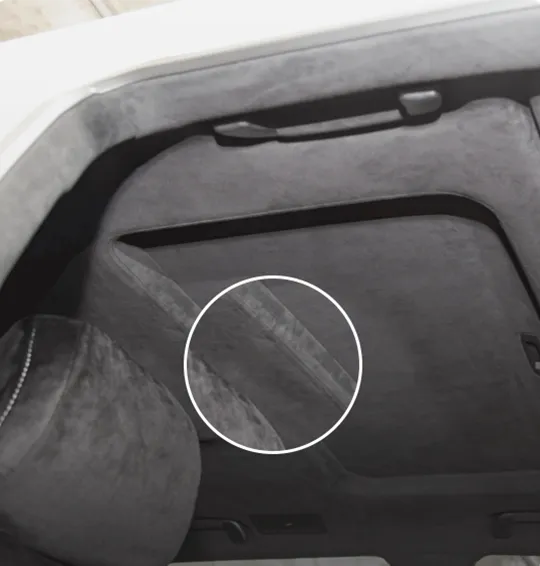
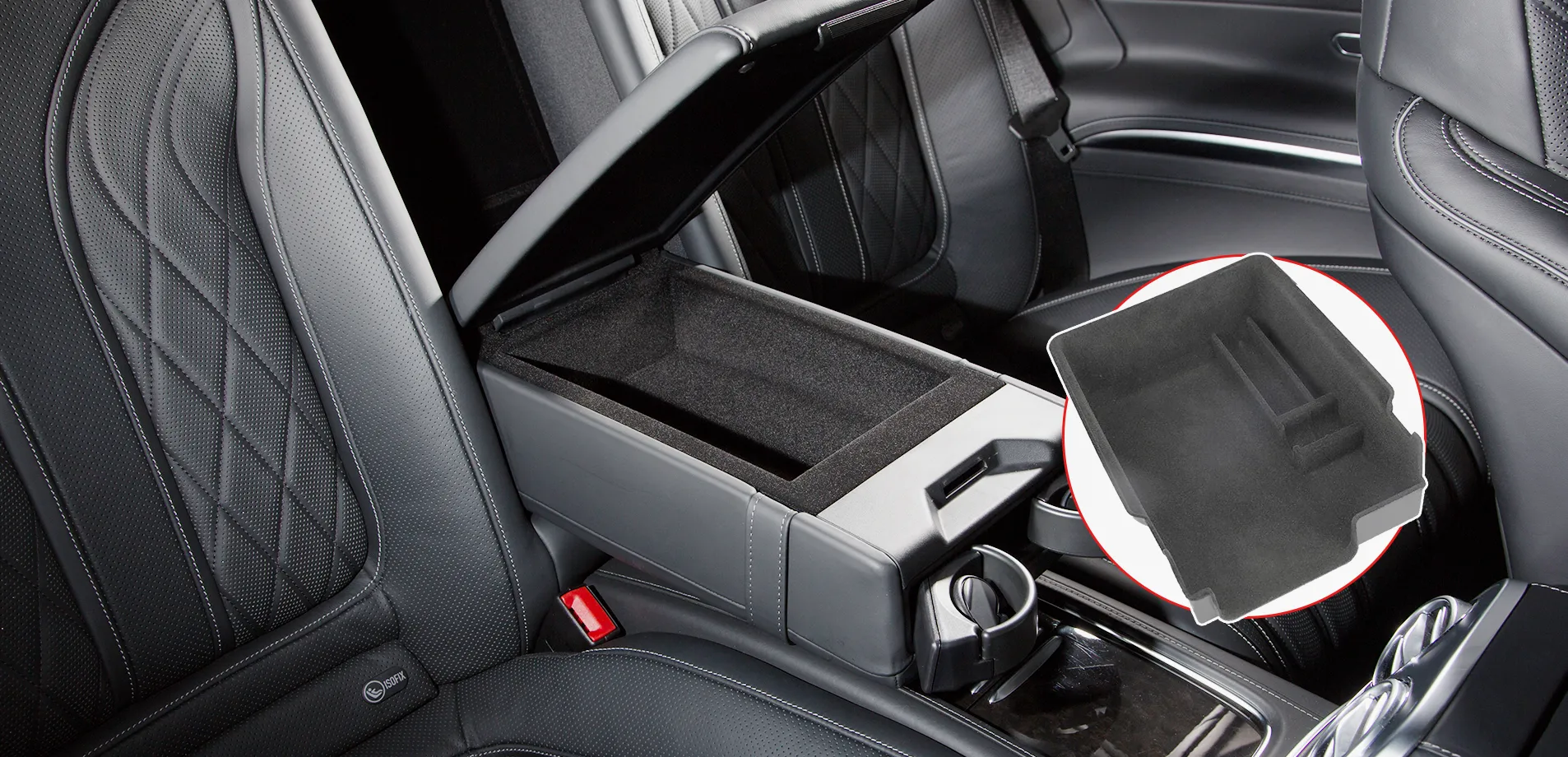
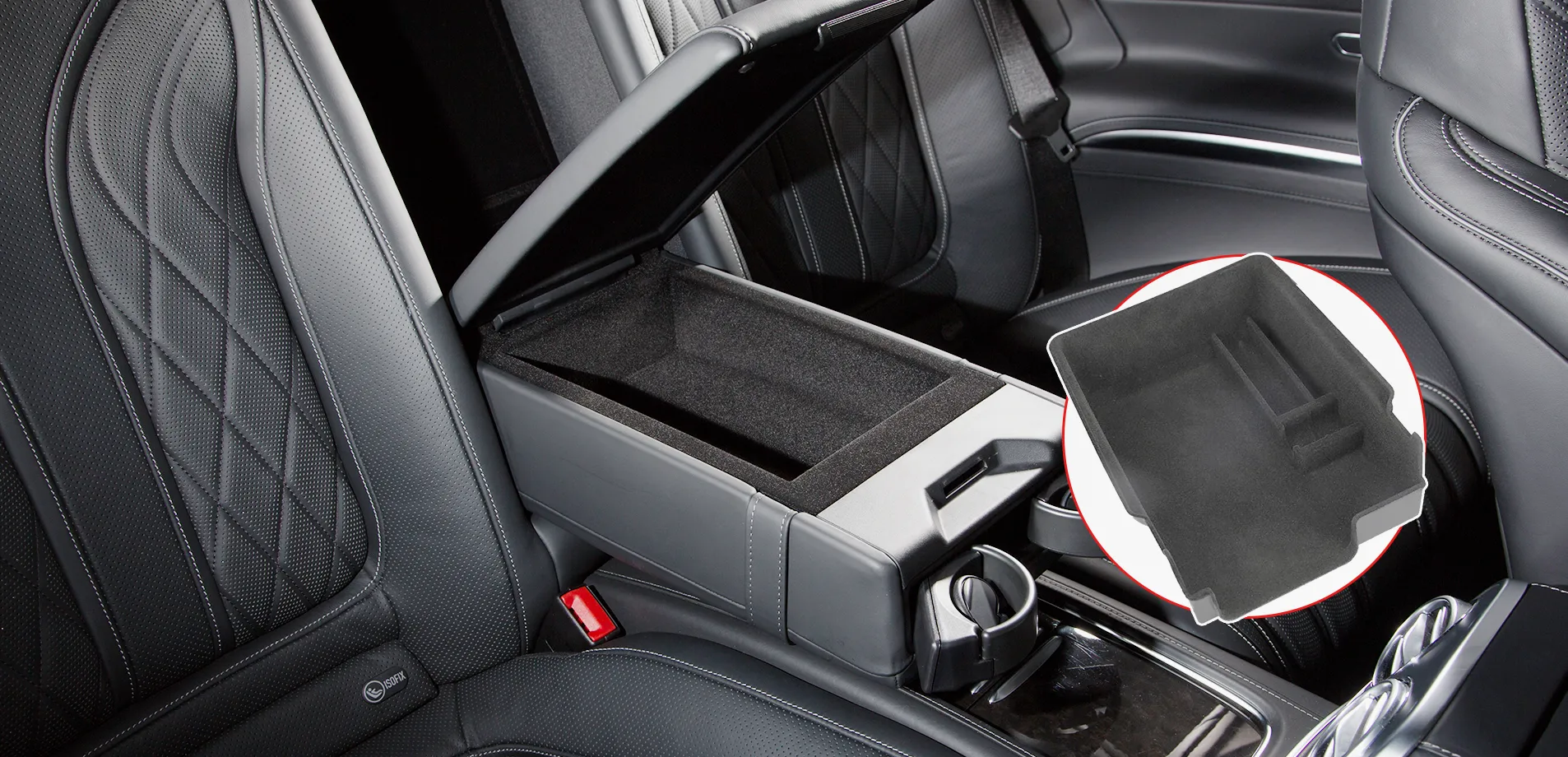
Flocking is applied to automotive interior parts, storage compartments and functional components to improve surface touch while reducing friction, noise and surface damage.

Flocking is widely used for garment patterns, brand logos and textile decoration. The soft surface texture and three-dimensional visual effects help create unique design value for textile products.
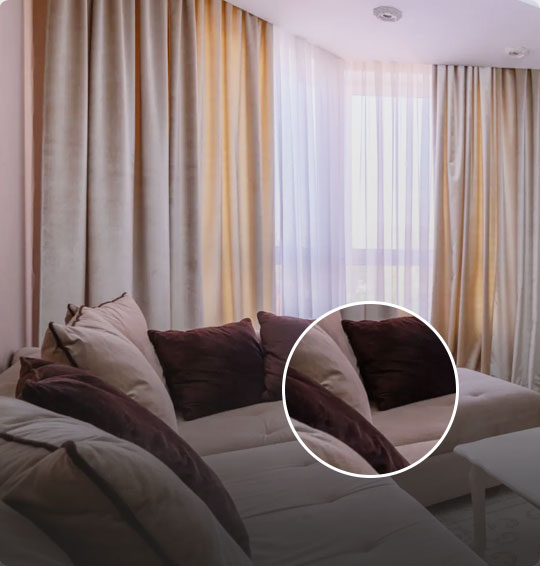
Enhance home decor with flocked textiles, perfect for curtains, upholstery, cushions, and wall coverings. Flocking adds a luxurious feel and rich texture to home furnishings, combining elegance with durability for long-lasting beauty.
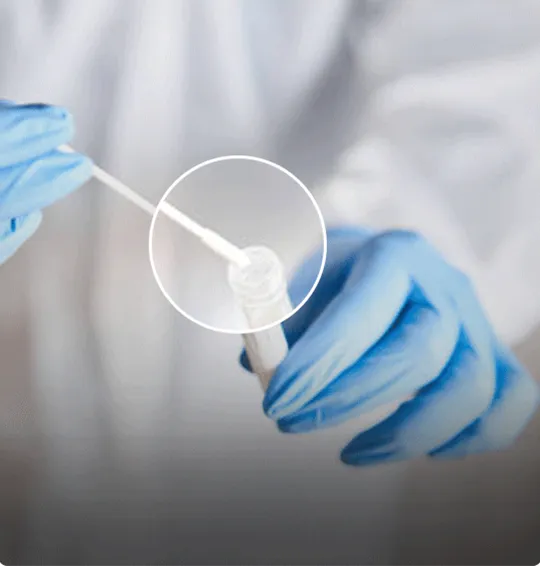
Flocking materials can be applied to industrial components and functional products, providing surface protection, friction reduction, noise control and thermal insulation performance for different industrial requirements.
Zhangs was established in 1993 and has focused on the flocking industry for decades. Starting from flocking equipment development, Zhangs has developed a complete business system covering flocking powder, flocking adhesive, flocking machine, transfer materials and customized services, providing stable flocking products and application support for global customers.
With years of experience in flocking technology development and product manufacturing, Zhangs has built extensive knowledge of materials, equipment and applications, helping customers better achieve their desired flocking effects.
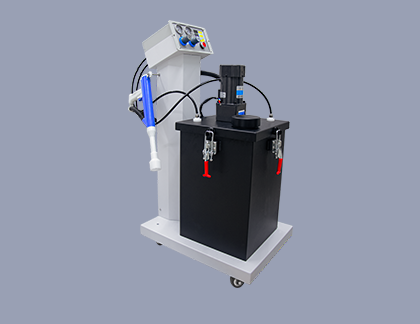
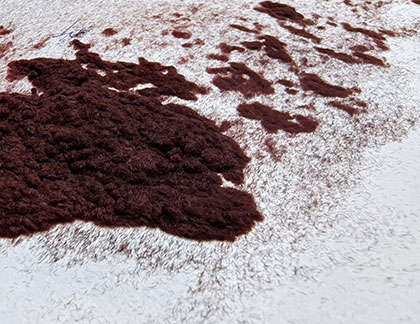
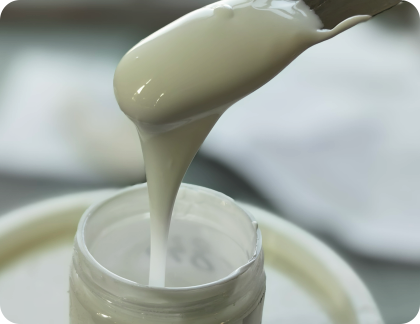
Zhangs provides essential flocking products including flocking powder, flocking adhesive, flocking machine and transfer materials, helping customers simplify supplier management and obtain complete flocking product support.


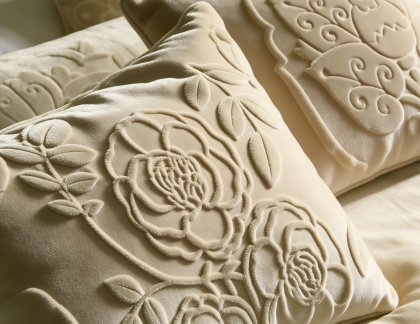
Based on different substrates and application requirements, Zhangs combines material knowledge with process experience to recommend suitable materials, adhesives and flocking processes.

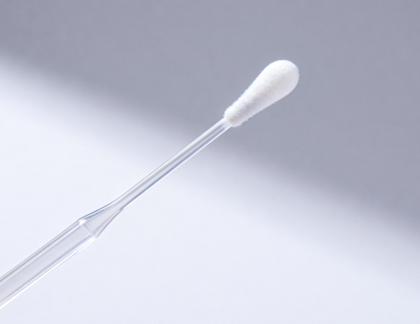

Zhangs supports customized development for different colors, specifications and application requirements, helping customers create suitable flocking effects for apparel, packaging, automotive and industrial products.
With complete production processes including fiber cutting, dyeing, drying, screening and packaging, Zhangs maintains product consistency and stable supply capability for long-term cooperation.
Flocking is a surface finishing process that applies short fibers to an adhesive-coated surface to create a soft, textured finish. It is used in apparel, packaging, automotive interiors, decorative products and industrial parts where appearance, touch or surface performance needs to be improved. Explore moreflocking applications.
Flocking materialis made from short fibers prepared for different flocking processes. Common materials include rayon, polyamide, polyester and cotton. The right fiber depends on the substrate, required texture, durability, fiber length and final surface effect.
Flocking powderis used to create soft, velvet-like or textured surfaces on materials such as fabric, paper, plastic, packaging and selected industrial parts. Different fiber types, lengths and colors can be selected according to the required appearance and processing conditions.
The correctflocking adhesivedepends on the substrate and the finished product requirements. Fabric, paper, plastic and other surfaces may require different adhesive systems. Compatibility, curing conditions, flexibility and bonding strength should be checked before production.
Flocking can be applied to many substrates, including textiles, paper, plastics, packaging materials and selected automotive or industrial components. The suitability depends on the surface condition, adhesive compatibility and the required flocked effect. See moreflocking applications.
Yes. Zhangs can support flocking projects with flock fibers,flocking adhesive,flocking machineand related materials. Forcustom flockingprojects, the material, substrate, required surface effect and production needs can be reviewed together before sampling or production.
With stable product supply and extensive flocking experience, Zhangs has built long-term partnerships with customers from different countries and industries.

 Spain
Spain
We've been using Zhangs' flocking machines for over a year now, and the quality is unmatched. The precision and durability of their equipment have significantly improved our production line. Their customer service is also top-notch—responsive and knowledgeable.

 India
IndiaZhangs has become our go-to supplier for flocking products. Their commitment to quality and customer satisfaction is evident in every interaction. Whether it's flocking powder or equipment, we trust Zhangs to deliver exceptional products that meet our standards.

 russia
We chose Zhangs for their reputation in the flocking industry, and they did not disappoint. The flocking machines and powders we purchased have enhanced our product offerings. Their support team has been incredibly helpful, making the entire experience smooth and professional.






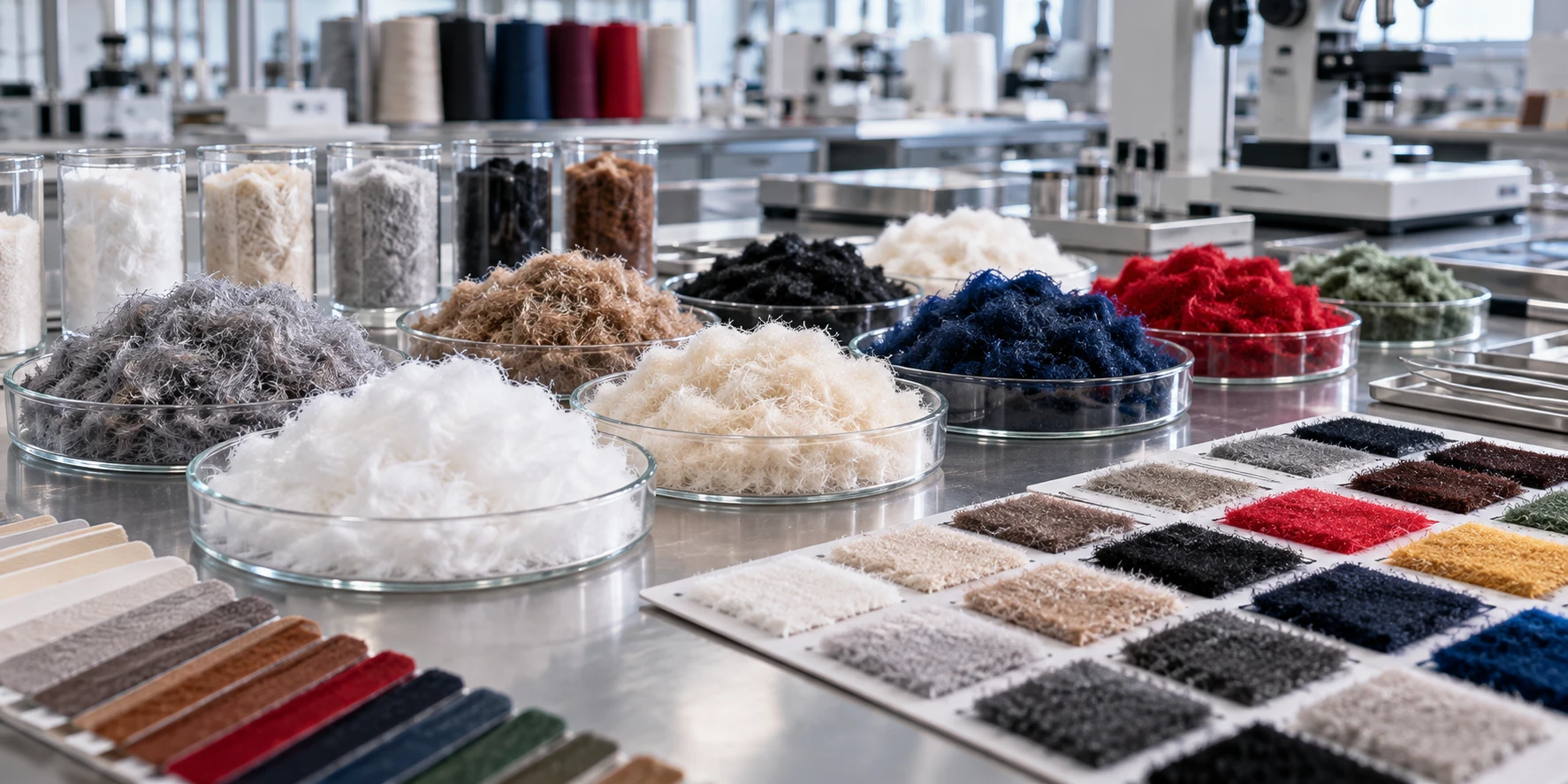
How Is Flocking Powder Made? Cutting, Dyeing, Drying and Sieving
Flocking powder is not simply fiber that has been cut into small particles. Its performance depends on how the fiber is selected, processed, and controlled throughout production. Factors such as fiber length, color consistency, moisture condition, and material stability all influence the final flocking effect.For manufacturers purchasing flocking materials, understanding how flocking powder is made provides valuable insight into why different suppliers may achieve different results even when using similar raw materials.The production of flocking powder involves several important stages, including fiber preparation, cutting, dyeing, drying, and sieving. Each stage contributes to the final surface appearance, processing stability, and suitability for different applications such as textiles, packaging, automotive interiors, and industrial products.What Materials Are Used to Make Flocking Powder?The production of flocking powder begins with selecting suitable fiber materials. Different fibers create different surface characteristics, so the choice of material should be based on the final application requirements rather than a single standard solution.Common flocking materials include rayon, polyamide, polyester, and cotton. Each material provides different advantages depending on the required softness, durability, appearance, and processing performance.Rayon flocking fiber is often selected for applications where a soft hand feel and refined visual effect are important. It is commonly used for decorative products, packaging, and surfaces where tactile experience plays an important role.Polyamide flocking fiber provides stable performance and durability, making it suitable for applications where the flocked surface needs to maintain consistent quality during use. Polyester offers reliable processing characteristics, while cotton can be considered when a more natural fiber appearance is preferred.Because different applications require different surface effects, selecting the correct fiber material is the first step in producing suitable flocking powder.How Is Flocking Powder Manufactured?The manufacturing process of flocking powder focuses on transforming selected fibers into short, controlled fibers with consistent characteristics.Fiber preparation is the foundation of the process. Before fibers are converted into flocking powder, manufacturers need to evaluate material properties, target fiber length, and application requirements. These factors determine how the final flocked surface will look and perform.Fiber cutting is one of the most important stages because fiber length directly affects texture and surface appearance. Shorter fibers generally create a finer and smoother finish, which is suitable for applications requiring detailed patterns or a softer visual effect. Longer fibers create a stronger raised texture and more noticeable surface depth.After cutting, fibers are dyed according to required colors and application needs. Color consistency is especially important for customers producing repeated orders, branded products, packaging, or decorative components. A stable dyeing process helps ensure that different production batches maintain a similar appearance.The drying process helps control fiber condition after dyeing and supports stable processing performance. Proper moisture control helps improve storage stability and reduces variations during later flocking applications.The final sieving and classification process helps maintain fiber consistency by separating unsuitable particles and improving fiber distribution. This stage plays an important role in achieving a more uniform flocking effect.Through these combined processes, raw fibers are transformed into flocking powder suitable for different production environments.Why Does Manufacturing Control Affect Flocking Powder Quality?The quality of flocking powder is determined not only by the selected fiber material but also by how consistently each production stage is controlled.For example, differences in fiber length distribution can influence the final texture and density of the flocked surface. Variation during dyeing may affect color consistency between production batches. Changes in moisture conditions or fiber separation may also influence processing stability.For buyers, this difference becomes especially important during repeated production. A material that performs well in one sample does not always guarantee the same result in future orders unless the supplier has reliable manufacturing control.Zhangs manages important production stages including fiber cutting, dyeing, drying, and sieving to maintain stable flocking fiber characteristics. This process control supports customers who require consistent material performance for different applications.How Does Flocking Fiber Selection Influence Final Performance?Choosing the right flocking fiber requires understanding the relationship between material characteristics and the final product requirements.For packaging applications, appearance, softness, and premium surface texture are often important considerations. A finer fiber may create a smoother effect that enhances the perceived quality of the finished product.For automotive interiors and industrial applications, durability and stable performance may become more important because the flocked surface can experience repeated contact or environmental changes.Textile applications may focus more on touch, color effect, and design expression.Therefore, flocking powder selection should not be based only on color. Fiber type, fiber length, substrate compatibility, and intended use should be considered together to achieve the desired result.What Should Buyers Consider When Choosing Flocking Powder?Choosing flocking powder requires evaluating the relationship between the material and the final application.Before purchasing, buyers should consider the substrate, required surface effect, fiber material, fiber length, color requirements, and production conditions. Different products require different combinations of softness, appearance, and durability.For example, decorative packaging may prioritize visual effect and tactile experience, while industrial components may require stronger performance and more stable processing results.Providing product samples, drawings, or detailed application requirements allows suppliers to better evaluate compatibility and recommend suitable flocking specifications before mass production.How Can Manufacturers Ensure Consistent Flocking Powder Supply?For long-term production, consistency is often more important than a single successful sample.A reliable flocking powder supplier should be able to maintain stable raw materials, controlled production processes, and consistent product specifications over repeated orders.Zhangs supports different flocking applications with multiple fiber options, including rayon, polyamide, polyester, and cotton. Through controlled processing stages and quality management, Zhangs helps customers select suitable flocking materials according to their application requirements.For custom projects, cooperation during the sample stage allows material performance, surface effect, and production requirements to be evaluated before larger-scale manufacturing.Frequently Asked Questions About Flocking Powder ProductionHow do you make flocking powder?Flocking powder is produced by processing selected fibers through controlled stages including fiber preparation, cutting, dyeing, drying, and sieving. These processes determine fiber length, color consistency, and final flocking performance.How to make flocking material?Flocking material is made by selecting suitable fibers and processing them into controlled short fibers for flocking applications. The production process focuses on maintaining consistent fiber characteristics for different surface requirements.What fibers are used to make flocking powder?Common flocking fibers include rayon, polyamide, polyester, and cotton. The suitable fiber depends on the required softness, appearance, durability, and application environment.Why does fiber length matter in flocking powder?Fiber length affects the texture, softness, and visual depth of flocked surfaces. Short fibers create finer finishes, while longer fibers provide stronger texture and a more raised surface effect.Can flocking powder be customized?Yes. Flocking powder can be customized according to fiber type, fiber length, color, and application requirements to achieve different surface effects.How do I choose the right flocking powder?The right flocking powder depends on the substrate, application purpose, required texture, durability expectations, and production conditions. Providing application details helps suppliers recommend more suitable materials.ConclusionUnderstanding how flocking powder is made helps buyers better evaluate material quality and supplier capability.From fiber selection and cutting to dyeing, drying, and sieving, each production stage influences the final flocking performance. A reliable manufacturing process helps maintain consistent appearance, stable application results, and predictable quality during repeated production.By selecting suitable flocking material based on actual application requirements and working with an experienced supplier, manufacturers can achieve more reliable flocking solutions for textiles, packaging, automotive interiors, and industrial products.
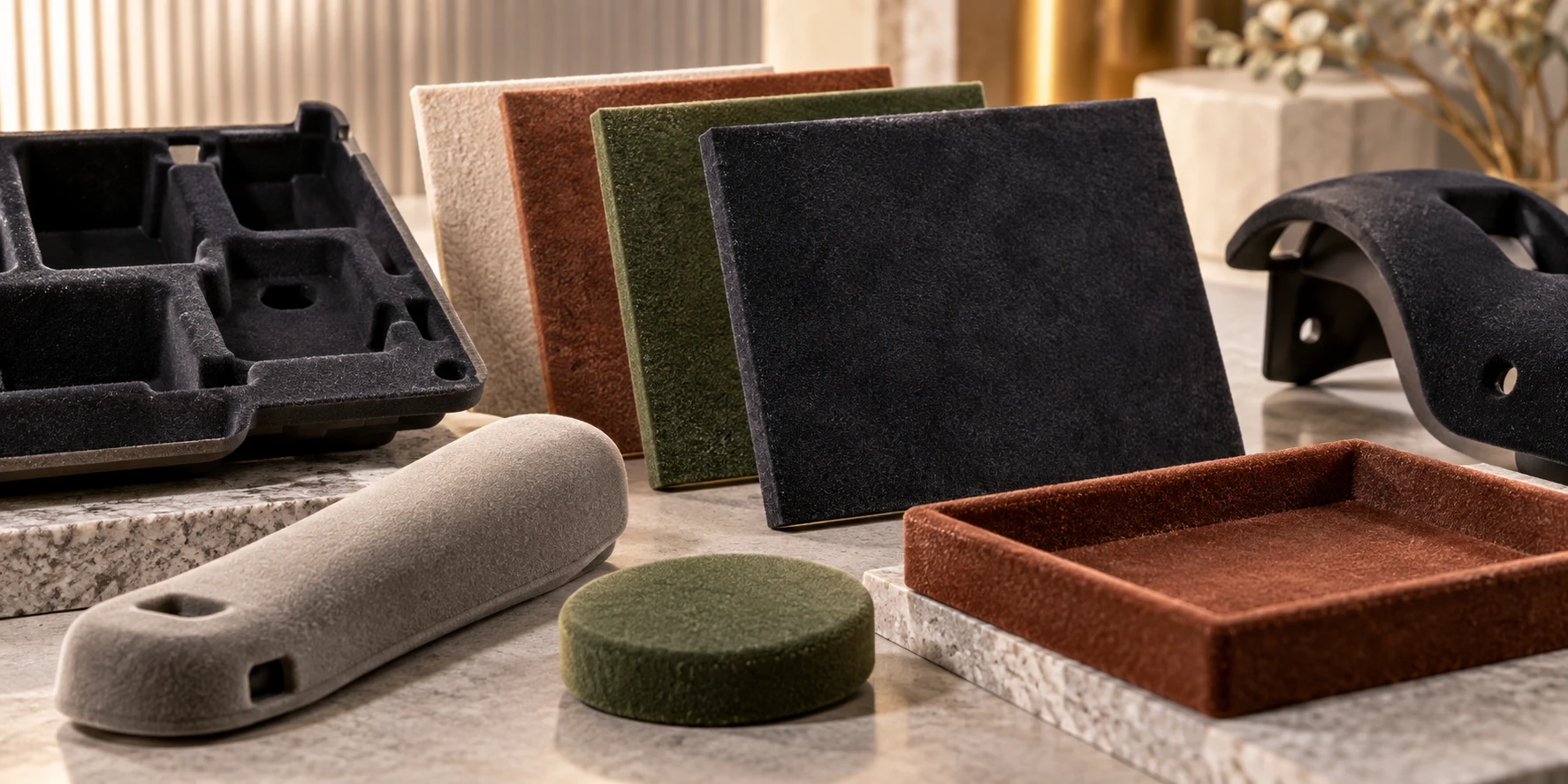
What Is Flock Coating? Applications for Automotive, Plastic and Packaging Parts
Flock coating is a surface treatment process that applies short fibers onto an adhesive-coated substrate to create a soft, textured or functional surface. Unlike conventional paint or flat coating, flocking adds a physical fiber layer, which can change not only appearance but also touch, friction, light reflection and surface behavior.For buyers, the important question is usually not simply what flock coating is, but whether it is suitable for a specific part. Automotive dashboards, plastic components and packaging structures can all use flocking, but each application places different demands on fiber type, adhesive, substrate preparation and final durability.This guide focuses on how flock coating works in practical applications and what manufacturers should confirm before sampling.What Is Flock Coating?Flock coating creates a fiber-covered surface by combining a substrate, adhesive and prepared flock fibers.During production, adhesive is applied to the target area first. The flock fibers are then transferred onto the adhesive layer. In electrostatic flocking, the fibers are electrically charged so they move toward the coated surface and stand more vertically, helping create a more uniform finish.The final result depends on the complete material system. Fiber length affects texture and visual depth, fiber material influences softness and durability, while adhesive compatibility determines how well the flock remains bonded to the substrate.For this reason, the same flock specification should not automatically be used for an automotive dashboard, a molded plastic component and a premium packaging insert.How Does Flock Coating Work?A typical flock coating process begins with surface preparation. Dust, oil, mold-release residues or other contaminants can interfere with adhesive bonding, especially on plastic and rubber parts.Once the surface is ready, a suitable flocking adhesive is applied at a controlled thickness. Flock fibers are then deposited onto the wet adhesive, often through electrostatic application when consistent fiber orientation is required.After flocking, the coated part is cured or dried according to the adhesive system. Loose fibers are then removed so that only the bonded flock remains.The stability of the result depends on several connected factors: substrate condition, adhesive chemistry, fiber conductivity, fiber length, curing conditions and the intended use of the part.Zhangs supports flocking projects with different fiber materials, including rayon, polyamide, polyester and cotton, and controls production stages such as cutting, dyeing, drying and sieving to maintain consistent fiber characteristics.Flock Coating for Automotive DashboardsDashboard flock coating is used when automotive interior components require a low-reflective, soft-touch or visually refined surface.One important advantage of flocking on dashboards and interior trim is light management. A flocked surface can reduce direct reflection compared with smooth plastic, which can be useful on parts positioned close to the windshield or within the driver’s field of view.The fiber layer can also change the perceived quality of molded plastic surfaces by adding texture and reducing the hard appearance associated with untreated polymer parts.For automotive flock coating, material selection should consider temperature exposure, abrasion, interior durability requirements and adhesive compatibility with the plastic substrate.Parts such as dashboard sections, storage compartments, trim panels and interior accessories may require different flock lengths or fiber types depending on how frequently the surface is touched and how visible it is in the finished vehicle.Flock Coating for Plastic and Rubber PartsPlastic and rubber components are common candidates for flock coating because the process can modify the surface without changing the basic molded structure of the part.For decorative plastic products, flocking can create a more premium and tactile finish. For functional parts, it may also help reduce friction, noise or direct contact between surfaces, depending on the application.The key challenge is adhesion.Different plastics have different surface characteristics, and some substrates may require cleaning, surface treatment or a specifically matched adhesive before flocking. A process that works well on one polymer should not automatically be applied to another without testing.Part geometry also matters. Flat areas, deep recesses, sharp corners and complex molded shapes can affect fiber distribution during electrostatic flocking. Sampling is therefore important when coating three-dimensional plastic or rubber parts.Flock-Coated Packaging ApplicationsFlock coated packaging is commonly used when the package itself contributes to the perceived value of the product.Jewelry boxes, cosmetic packaging, gift boxes, presentation boxes and inserts can use flocking to create a soft, velvet-like surface. The flock may be applied to the entire box, selected exterior panels or only the inner tray and insert.For packaging, appearance and touch are usually more important than extreme mechanical performance. Color consistency, surface density and the way the flock interacts with lighting can strongly affect the finished presentation.Shorter fibers usually create a finer and cleaner surface, which can work well for structured packaging and smaller decorative areas. Longer fibers create stronger visual depth and a more pronounced tactile effect.The paperboard, plastic insert or other packaging substrate should be considered together with the adhesive and flock specification before production.How to Select Flock Fiber and AdhesiveFiber and adhesive should be selected as one system rather than as two separate purchasing decisions.Rayon flock is often considered where softness and visual smoothness are important. Polyamide can be selected for applications requiring more robust performance and stable processing. Polyester provides another option for consistent industrial production, while cotton may be used when a more natural fiber character is preferred.Fiber length changes the final texture. Short fibers generally create a finer surface, while longer fibers produce a more obvious raised effect.The adhesive must match both the substrate and the intended use. Paperboard, ABS, PP, PVC, rubber and coated surfaces can require different adhesive strategies.Before final production, the supplier should know the substrate type, target texture, expected durability, curing conditions and whether the finished part will be frequently handled, exposed to heat or subjected to friction.Common Flock Coating ProblemsMany flock coating defects come from material mismatch rather than from the flocking step alone.Uneven fiber density may result from inconsistent adhesive coverage, poor electrostatic conditions or unsuitable fiber conductivity. Weak bonding can occur when the substrate is not properly cleaned or when the adhesive does not match the surface.Color or texture variation may come from inconsistent flock batches, uneven fiber length or differences in application conditions.Excessive loose fibers after curing can indicate poor bonding, incorrect curing or insufficient finishing.For buyers, these problems are easier to prevent during sampling than to correct after mass production. This is why substrate testing, adhesive compatibility and fiber specification should be confirmed before a production order.What Buyers Should Confirm Before SamplingBefore requesting a flock coating sample, buyers should provide more than a color reference.The supplier should know the substrate material, product dimensions, coated area, target surface effect, preferred fiber length if known, expected durability and final use environment.For automotive parts, temperature, abrasion and interior performance requirements should be included. For packaging, visual appearance, softness and color matching may be more important. For plastic or rubber parts, substrate identification and surface treatment requirements are especially important.Providing the actual component or representative substrate can make the sampling process more reliable because flock performance depends on the full combination of part, adhesive and fiber.Frequently Asked Questions About Flock CoatingWhat is flock coating used for?Flock coating is used to add a soft, textured or functional fiber surface to substrates such as plastic, paperboard, rubber and automotive interior components. Common applications include dashboards, packaging inserts, decorative parts and molded components.Is flock coating suitable for automotive dashboards?Yes. Automotive flock coating can be used on dashboard and interior components where reduced reflection, softer touch or improved surface appearance is required. Fiber and adhesive selection should match the substrate and interior durability requirements.Can plastic parts be flock coated?Yes. Many plastic parts can be flocked, but surface preparation and adhesive compatibility must be checked first. Different polymers may require different cleaning, treatment or bonding systems before flocking.What fibers are used for flock coating?Common flock fibers include rayon, polyamide, polyester and cotton. The correct material depends on the required softness, durability, appearance, fiber length and application conditions.What causes poor adhesion in flock coating?Poor adhesion may result from surface contamination, incompatible adhesive, incorrect curing or insufficient substrate preparation. Testing the substrate and adhesive before production helps reduce bonding problems.What should I provide before requesting a flock coating sample?Provide the substrate material, part size, application area, desired texture, color, durability requirements, expected environment and order quantity. Sending the actual part or material sample can improve the accuracy of testing.Need to Evaluate a Flock Coating Application?If you are developing an automotive interior part, plastic component, packaging product or other flocked surface, Zhangs can support material selection, flock fiber matching, adhesive coordination and sample development.Send us your substrate, drawing or application requirements to evaluate the suitable flocking solution before production.
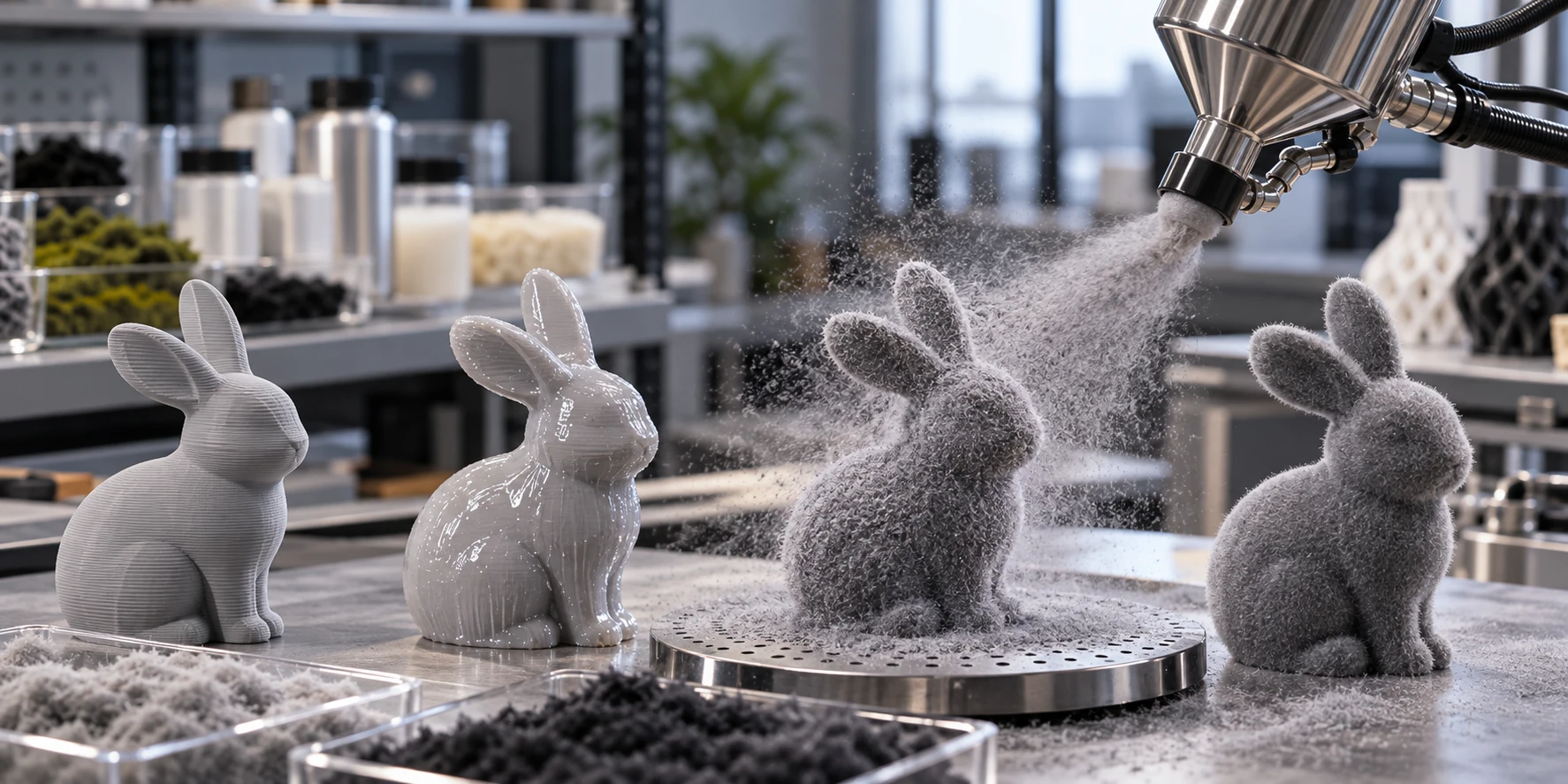
How to Flock a 3D Print?
Flocking a 3D print is a surface finishing process that applies short fibers onto a printed part to create a soft, textured, and velvet-like appearance. Compared with traditional painting or coating methods, flocking adds a three-dimensional fiber layer that changes both the visual effect and tactile experience of the printed object.With the development of 3D printing technology, more designers and manufacturers are exploring 3D print flocking for prototypes, product models, decorative components, and customized parts. By combining 3D printing with flocking technology, manufacturers can create products with unique surface textures and premium finishes.The basic process involves preparing the printed surface, applying suitable adhesive, transferring flock fibers, and completing the drying and finishing steps. The final quality depends on surface preparation, fiber selection, adhesive compatibility, and process control.What Materials Are Needed for 3D Print Flocking?Successful flocking 3D print applications require the right combination of printed substrate, adhesive, and flocking materials.The first requirement is suitable flocking fiber. Different fibers provide different surface effects, softness, and performance characteristics. Common flocking fiber materials include polyamide, rayon, polyester, and cotton.Rayon fibers are often selected for applications requiring a soft hand feel and smooth appearance. Polyamide fibers provide stable performance and consistent flocking results, while polyester offers reliable processing characteristics for different applications.Fiber length is another important factor. Short fibers create a finer and smoother texture, while longer fibers create a stronger raised velvet effect. The selection should depend on the desired appearance and the final product requirements.Zhangs provides different flock fiber solutions, including polyamide, rayon, polyester, and cotton materials, supporting customers with different application needs.How to Prepare a 3D Print Surface Before Flocking?Surface preparation is one of the most important steps when learning how to flock a 3D print.The printed surface should first be cleaned to remove dust, oil, and loose particles. Depending on the printing material and required finish, additional surface treatment may be needed to improve smoothness and adhesive bonding.For better flocking results, manufacturers usually check:• Surface cleanliness• Surface smoothness• Adhesive compatibility• Final texture requirementsA properly prepared surface allows the adhesive to form a stable bonding layer and helps flock fibers attach evenly.For industrial applications, surface preparation is especially important because uneven surfaces or poor bonding can affect fiber density and final appearance.How Does the Flocking Process Work on a 3D Print?The 3D print flocking process follows similar principles to other industrial flocking applications.The first step is applying a suitable flocking adhesive to the printed surface. The adhesive layer determines how effectively fibers bond to the part, so thickness and coverage need to be controlled.After adhesive application, flock fibers are transferred onto the surface. In professional production, electrostatic flocking is commonly used because charged fibers can move vertically toward the adhesive layer, creating a more uniform fiber arrangement.After flocking, the part requires drying and finishing. Excess fibers are removed, and the surface is checked to ensure consistent coverage and appearance.Zhangs controls important fiber production stages including cutting, dyeing, drying, and sieving to maintain stable flocking performance for different applications.What Types of 3D Prints Can Be Flocked?Flocking can be applied to many types of 3D printed parts when the surface condition and adhesive compatibility are suitable.Common applications include:Prototype ModelsDesigners can use flocking to improve the appearance of prototypes and create more realistic surface simulations before mass production.Decorative Products3D printed decorative objects can use flocking to achieve a premium soft-touch finish that is difficult to achieve through ordinary painting methods.Display Models and Exhibition PartsFor exhibition models, architectural models, and creative displays, flocking can add visual depth and make surfaces appear more refined.Functional ComponentsSome industrial parts may use flocking where a soft surface, reduced friction, or improved touch experience is required.What Are the Benefits of Flocking a 3D Print?Adding flocking to a 3D printed product can provide several advantages compared with standard printed surfaces.A flocked surface can create:• A soft velvet-like texture• Improved visual appearance• A premium product feeling• Customized colors and surface effectsFor designers and manufacturers, flocking provides an additional way to enhance 3D printed products without changing the original printing structure.The combination of 3D printing and flocking technology allows companies to develop unique prototypes and customized products with greater design flexibility.How to Choose the Right Flocking Materials for 3D Prints?Choosing the correct materials is essential for achieving stable flocking results.Important considerations include:Fiber SelectionDifferent fibers create different softness, appearance, and durability. The choice depends on whether the product requires decorative effects, premium touch, or functional performance.Fiber LengthShort fibers are suitable for fine textures, while longer fibers create stronger visual depth.Adhesive CompatibilityThe adhesive must match the 3D printing material to ensure good bonding performance.Production RequirementsFor commercial production, manufacturers should consider color consistency, supply stability, and processing capability.Working with an experienced flocking material supplier helps ensure that fiber selection and production parameters are suitable for the final application.Frequently Asked Questions About 3D Print FlockingHow to flock 3D prints?To flock 3D prints, prepare and clean the printed surface, apply suitable flocking adhesive, and transfer flock fibers onto the adhesive layer. Professional applications often use electrostatic flocking to create an even velvet-like surface.How to flock a 3D print?Flocking a 3D print requires selecting suitable fibers and adhesive according to the printed material and desired finish. The process includes surface preparation, adhesive application, fiber application, drying, and final cleaning.What flocking materials are suitable for 3D prints?Suitable flocking materials depend on the required texture and application. Rayon, polyamide, polyester, and cotton fibers can be selected according to softness, appearance, and performance requirements.Can all 3D printed parts be flocked?Not all 3D printed parts are automatically suitable for flocking. Surface condition, material compatibility, and adhesive bonding performance should be evaluated before production.Does flocking improve the appearance of 3D prints?Yes. Flocking adds a soft, textured surface that can make 3D printed parts look more premium and closer to finished products rather than raw printed models.What is the difference between painting and flocking a 3D print?Painting mainly changes color and surface appearance, while flocking adds a fiber layer that creates a soft tactile effect and three-dimensional texture.ConclusionFlocking a 3D print is an effective way to transform a standard printed surface into a soft, premium, and visually distinctive product.The quality of 3D print flocking depends on several factors, including surface preparation, adhesive selection, fiber type, and process control. By choosing suitable flocking fiber and working with an experienced supplier, manufacturers can achieve consistent and customized surface effects.For companies developing prototypes, decorative models, or customized products, combining 3D printing with professional flocking technology provides a flexible solution for creating unique product experiences.
Ready to transform your designs with high-quality flocking technology?
Zhangs offers advanced flock powders, adhesives, equipment, and sheets to meet your specific
needs and elevate your product offerings.
Get in touch with us now and let' s work together to achieve outstanding results for your
projects.

+1


Address
NO. 1 Laiying Road, Xinsheng Village, Longgang Street Longgang District Shenzhen P.R.China

Email Us:

Talk to Our Expert and Get a Quote within 72 Hours

