In the world of high-end products, appearance and tactile experience are everything. From luxurious packaging to fashion accessories and electronics, the presentation of a product plays a crucial role in how consumers perceive its quality. One of the most effective ways to enhance a product's finish is by using flocking material, a technique that creates a unique texture and visual appeal. This blog delves into the role of flocking material in improving the finish of high-end products, how it works, the different types available, and why it is such an essential element in product presentation.
What is flock material?
-What is flocking material made of?
-How to make flocking material?
Understanding different types of flocking materials
-Nylon flocking material: the ideal choice for high-end finishing
-Flocked material for special applications
Flocking Glue: Choosing the Right Adhesive for Quality Results
-The role of flock glue in achieving a durable finish
-Choosing the best flocking adhesive for flocking materials
The impact of flocking on packaging and product presentation
-The role of the best flocking material in high-end product packaging
-Using flocking material for luxury product finishing
Zhangsflock : Trustworthy flock material suppliers
What is Flock Material?
What is Flocking Material Made Of?
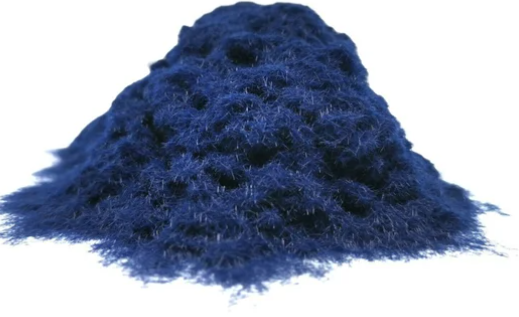
Flocking material is composed of tiny fibers that are applied to a surface to create a velvety or plush texture. These fibers can be made from various materials, including nylon, polyester, cotton, and other synthetic fibers. The fibers are electrostatically charged and applied to a surface coated with a suitable adhesive, forming a dense, velvety texture. The resulting finish can be soft, luxurious, and appealing, making it ideal for high-end products such as packaging, clothing, and accessories.
How to Make Flocking Material?
The process of creating flocking material involves several steps. First, the fibers are cut to a desired length, usually ranging from 0.5 to 1 millimeter. The fibers are then coated with a special adhesive that allows them to be applied to a surface. Electrostatic methods are typically used to charge the fibers and make them stand upright, creating the characteristic velvety appearance. This process ensures that the fibers are evenly distributed and securely attached to the surface, resulting in a long-lasting, high-quality finish.
Understanding Different Types of Flocking Materials
Nylon Flocking Material: The Ideal Choice for High-End Finishing
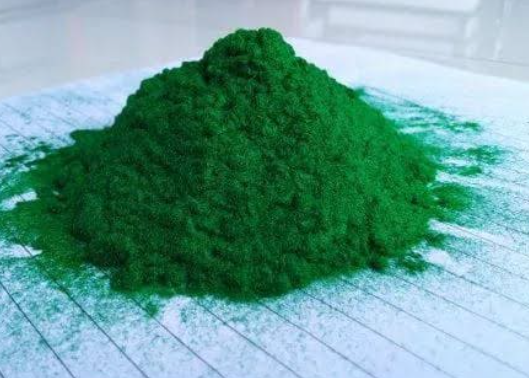
When it comes to high-end finishing, nylon flocking material is often the preferred choice. Nylon is known for its durability, resistance to wear, and ability to hold color. Its smooth texture and luxurious appearance make it ideal for products that demand a premium finish. Whether used on packaging, fashion accessories, or automotive interiors, nylon flocking material provides a soft yet durable surface that enhances the tactile experience of the product. It also retains its shape and texture over time, ensuring that the product maintains its high-end appeal even after prolonged use.
Flocked Material for Special Applications
In addition to traditional uses in packaging and fashion, flocked material has applications in various other industries. For example, flocked material for printing is used in specialized printing techniques to create intricate textures on greeting cards, luxury invitations, and product labels. The versatility of flocked material allows it to be used in a range of applications, each providing a unique texture that adds to the product’s overall appeal. Whether used on a product's exterior for visual enhancement or in the interior to create a smooth, tactile surface, flocked material is adaptable to meet specific needs.
Flocking Glue: Choosing the Right Adhesive for Quality Results
The Role of Flock Glue in Achieving a Durable Finish
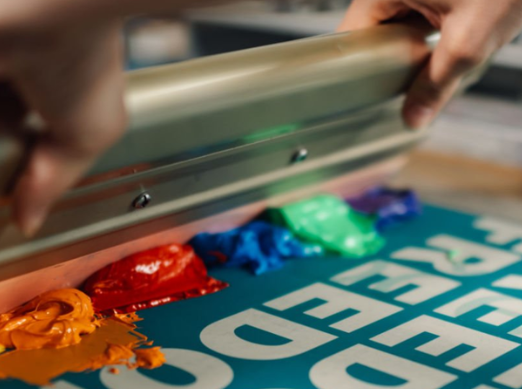
One of the most crucial components of the flocking process is the flocking glue, which ensures that the fibers adhere properly to the surface and form a durable, long-lasting finish. The right flocking glue is essential for achieving the desired effect, as it ensures that the fibers stay securely in place and retain their soft, plush texture. The glue used in flocking must be strong enough to withstand wear and tear while also allowing for easy application without damaging the surface or compromising the flocking effect.
Choosing the Best Flocking Adhesive for Flocking Materials
Choosing the best flocking adhesive depends on the type of material being flocked and the intended use of the product. For example, when flocking nylon fibers, it is essential to use a glue that can bond securely to synthetic materials without causing the fibers to flatten or lose their shape. In general, harder adhesives are preferred for synthetic fibers like nylon, while softer glues might be suitable for other types of flocking materials. The adhesive must also be easy to apply, provide uniform coverage, and cure effectively without causing any distortion or damage to the flocked surface.
The Impact of Flocking on Packaging and Product Presentation
The Role of the Best Flocking Material in High-End Product Packaging
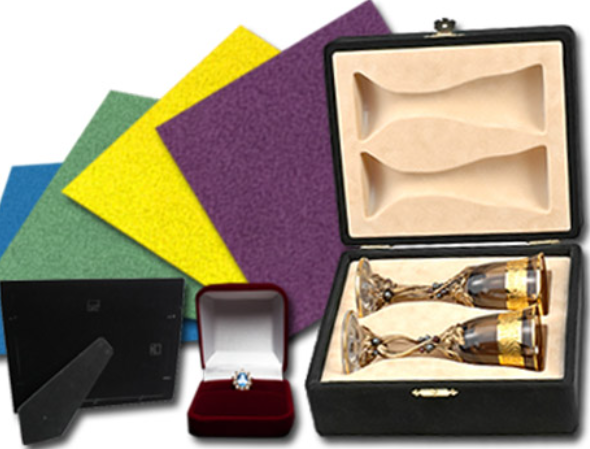
In the realm of luxury packaging, the visual and tactile appeal of a product can significantly impact the consumer's perception of its value. Flocking material plays a key role in enhancing the look and feel of high-end product packaging. Whether it’s a luxurious jewelry box, a high-end perfume packaging, or a premium electronic product box, flocking material adds a soft, plush touch that enhances the overall unboxing experience. The best flocking material creates an upscale, elegant presentation that communicates quality and sophistication to the consumer. The tactile feel of a flocked surface also gives consumers a sense of luxury, which helps justify the premium price of the product.
Using Flocking Material for Luxury Product Finishing
Flocking material is not just limited to packaging; it’s also used in the finishing of luxury products such as leather accessories, electronics, and automotive interiors. The velvety texture provided by flocking material enhances the aesthetic value of these products, making them feel more refined and exclusive. For example, flocked material can be used in the interior of high-end handbags, wallets, and even the dashboards of luxury cars, creating a premium feel that sets these products apart from others. The use of flocking material in finishing touches elevates the entire product, making it stand out in the competitive high-end market.
Zhangsflock: Trustworthy Flock Material Suppliers
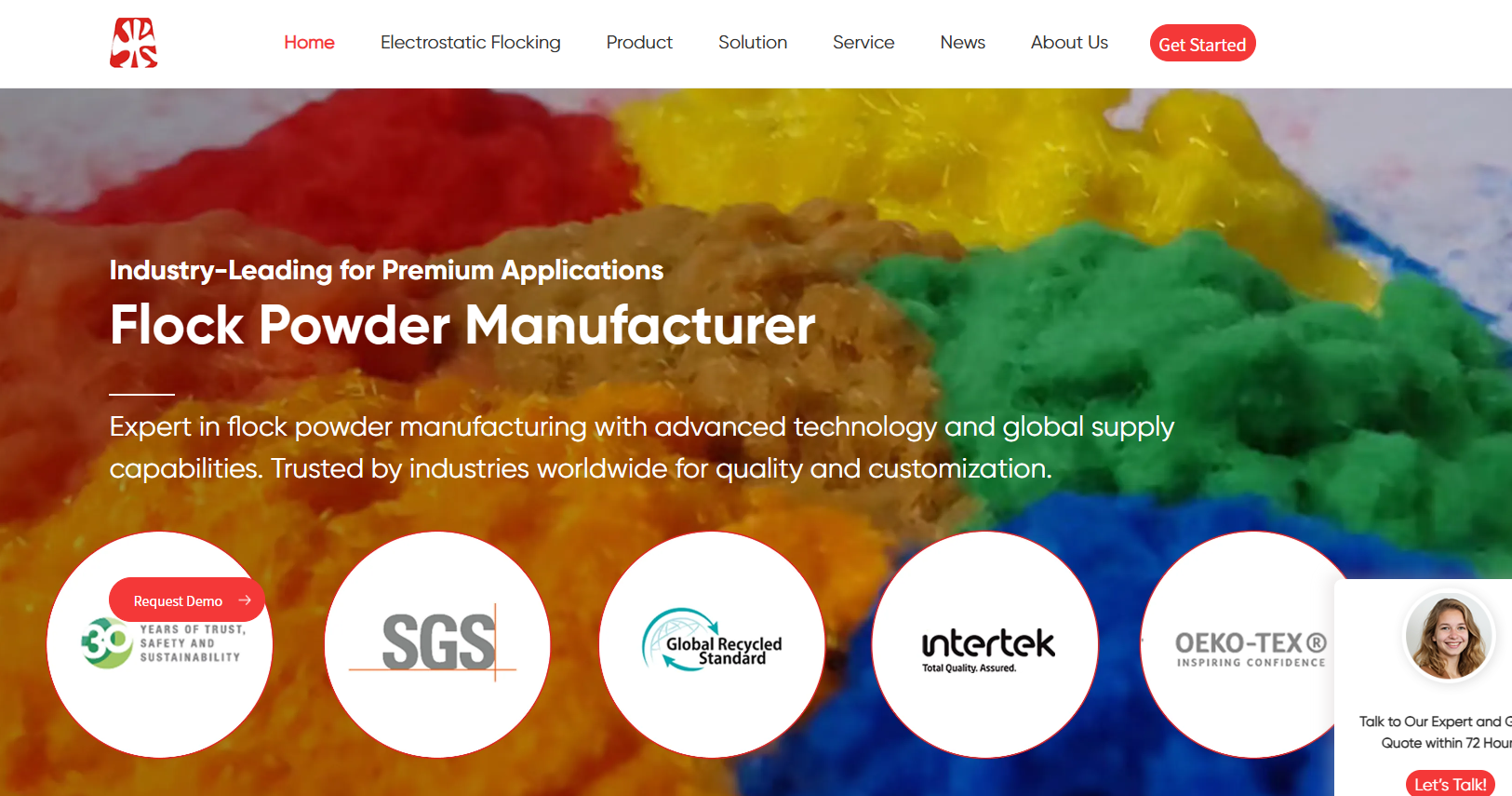
When looking for high-quality flocking material, it’s essential to choose a reputable supplier that offers reliable, consistent products. Zhangsflock is one such trusted supplier of flocking materials that has been serving industries with top-notch flocking solutions. Offering a variety of flocking materials, including nylon and other premium fibers, Zhangsflock ensures that the materials used for your high-end products meet the highest standards of quality and durability. Their range of flocking adhesives ensures that your flocked surfaces remain soft, resilient, and long-lasting.
Conclusion
The role of flocking material in enhancing the finish of high-end products cannot be overstated. Whether it’s creating a luxurious texture for packaging, adding refinement to clothing or accessories, or improving the aesthetic of automotive interiors, flocking material plays a vital role in giving products an upscale, premium feel. The right flocking glue and material are key to achieving the best results, ensuring that the final product is not only visually appealing but also durable and functional. By understanding the different types of flocked material and how to choose the best adhesive, manufacturers can elevate their products and provide consumers with an unforgettable experience.