White Flocking
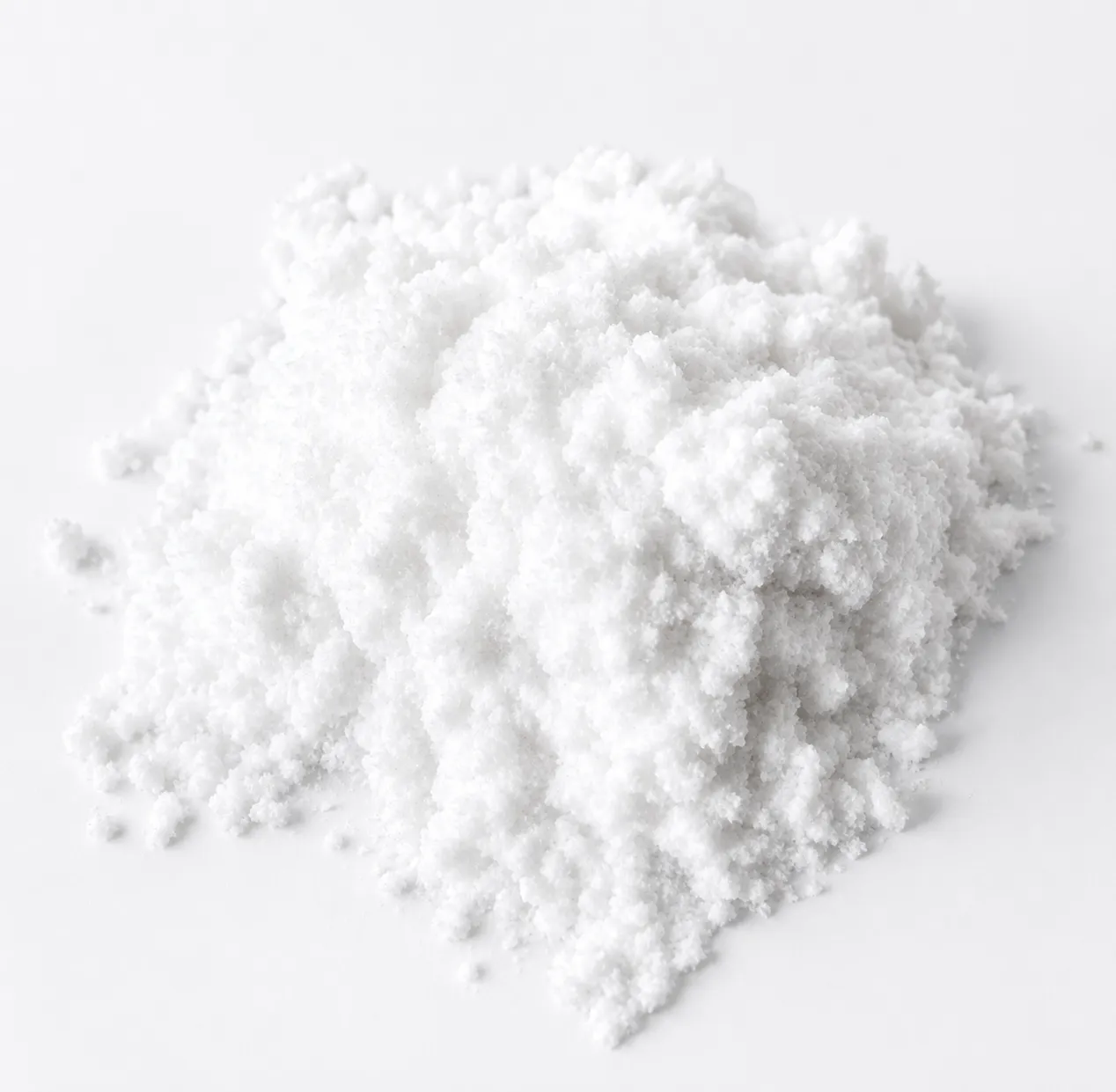
White Flocking Powder and White Flocking Fiber create clean, soft and velvet-like white surfaces for packaging, paper products, textile printing, toys, displays and decorative materials.
Quick Facts
Color Effect: Clean white, soft, matte and velvet-like surface
Material Options: Nylon, polyester, viscose or custom flock fibers
Applications: Packaging, paper products, textile printing, toys and displays
Performance Focus: Clean appearance, uniform whiteness and soft texture
Customization: White shade, length, dtex, luster and surface treatment
Sample Support: Samples available for whiteness, texture and adhesion testing
White Flocking for Clean and Soft Decorative Surfaces
White Flocking is used to create a clean, soft and velvet-like white surface on paper, packaging, textile, plastic, toy and display materials.
Zhangs provides custom White Flocking Powder and White Flocking Fiber with different white shades, materials, lengths and dtex options for clean decorative surfaces.
| Specification | Options |
|---|---|
| Color | Pure white, warm white, off-white, custom white shade |
| Material Options | Nylon, polyester, viscose or customized flock fiber |
| Fiber Length | 0.3mm, 0.5mm, 0.8mm, 1.0mm or customized |
| Fineness | Fine to medium dtex options available |
| Surface Effect | Clean, soft, matte, decorative, velvet-like |
| Substrates | Paper, cardboard, textile, toys, plastic, coated surfaces |
| Customization | White shade, material, length, dtex, luster and packaging |

Clean White Velvet Appearance
Creates a bright and soft white flocked surface for light-color product designs.

Soft Matte Texture
Adds a gentle velvet-like touch without making the surface look heavy.

Custom White Shade Options
Pure white, warm white, off-white or sample-based white shades can be developed.

Light-Color Design Fit
Suitable for products needing a clean background, soft decoration or elegant appearance.
Material Flexibility
Different fiber materials can be selected according to whiteness, softness, stability and processing compatibility.
Creates a Clean Premium Surface
White Flocking Powder helps products look softer, cleaner and more refined.
Enhances Light-Color Product Design
It works well for minimal, soft, seasonal and elegant product styles.
Supports Brand Appearance Control
White shade, luster and texture can be adjusted to match brand or product series.
Suitable for Details and Larger Areas
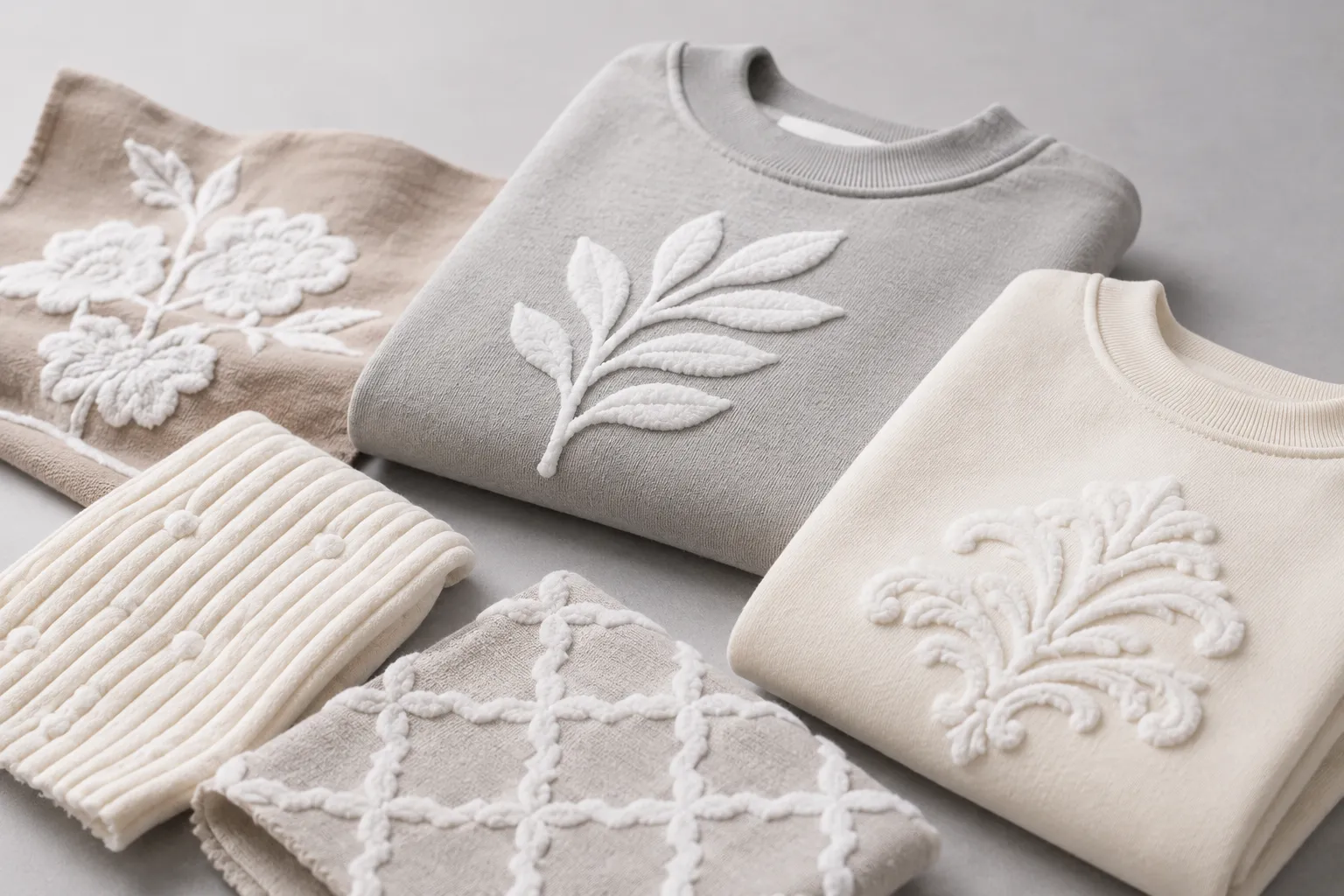
It can be used for logos, borders, linings or full-area white flocked finishes.
Improves Touch and Visual Softness
It adds tactile texture to flat paper, cardboard, textile, toy or coated surfaces.
 01
01Packaging Boxes
Used for jewelry boxes, gift boxes, cosmetic boxes and clean soft-touch linings.
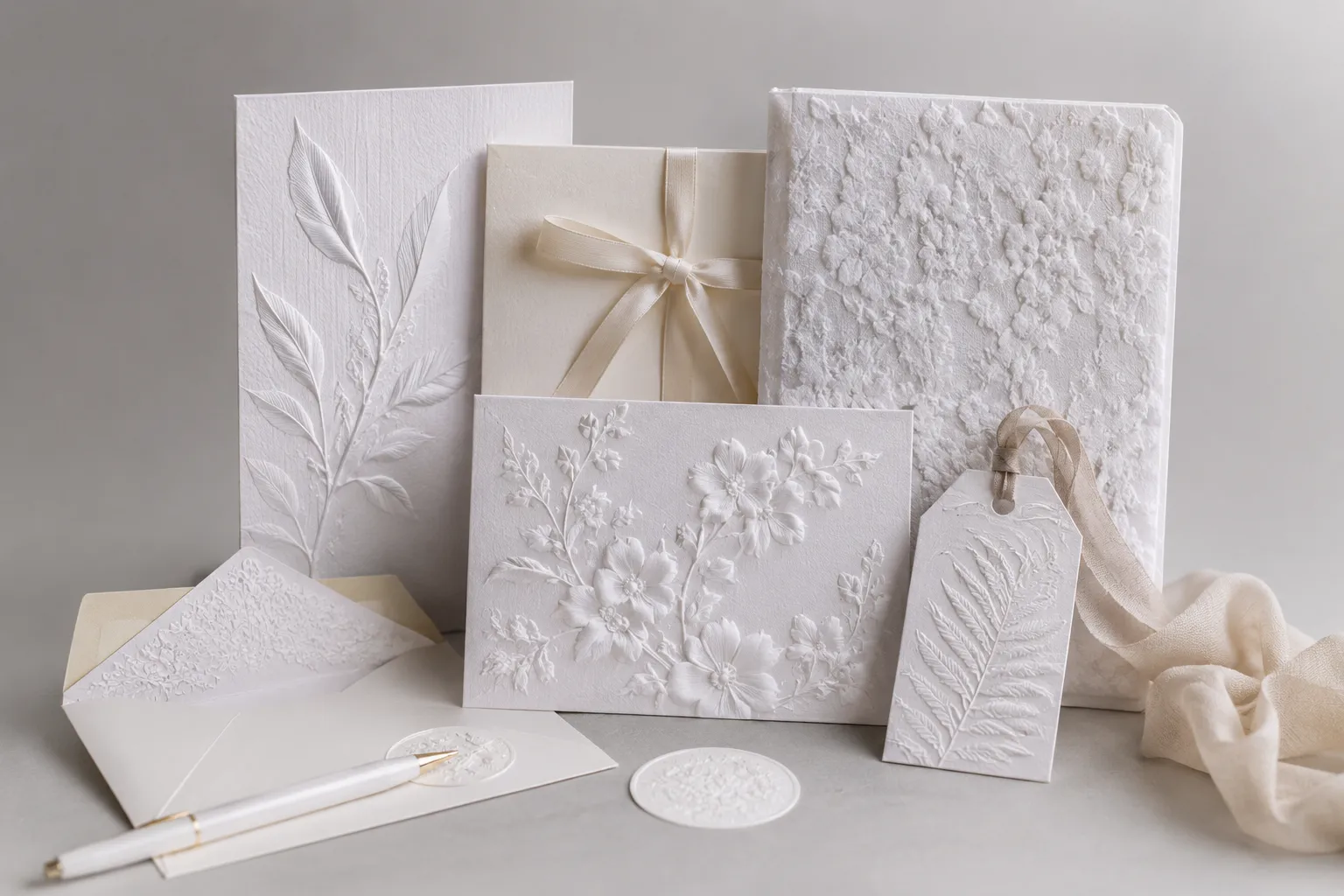
 02
02Paper Products
Suitable for greeting cards, invitation cards, labels, book covers and stationery.
 03
03Textile Printing
Used for raised white logos, garment details, labels and decorative fabric patterns.
 04
04Toys and Craft Products
Suitable for toys, handmade crafts, seasonal decorations and creative surfaces.
 05
05Display Materials
Used for jewelry trays, retail props, promotional panels and refined visual displays.
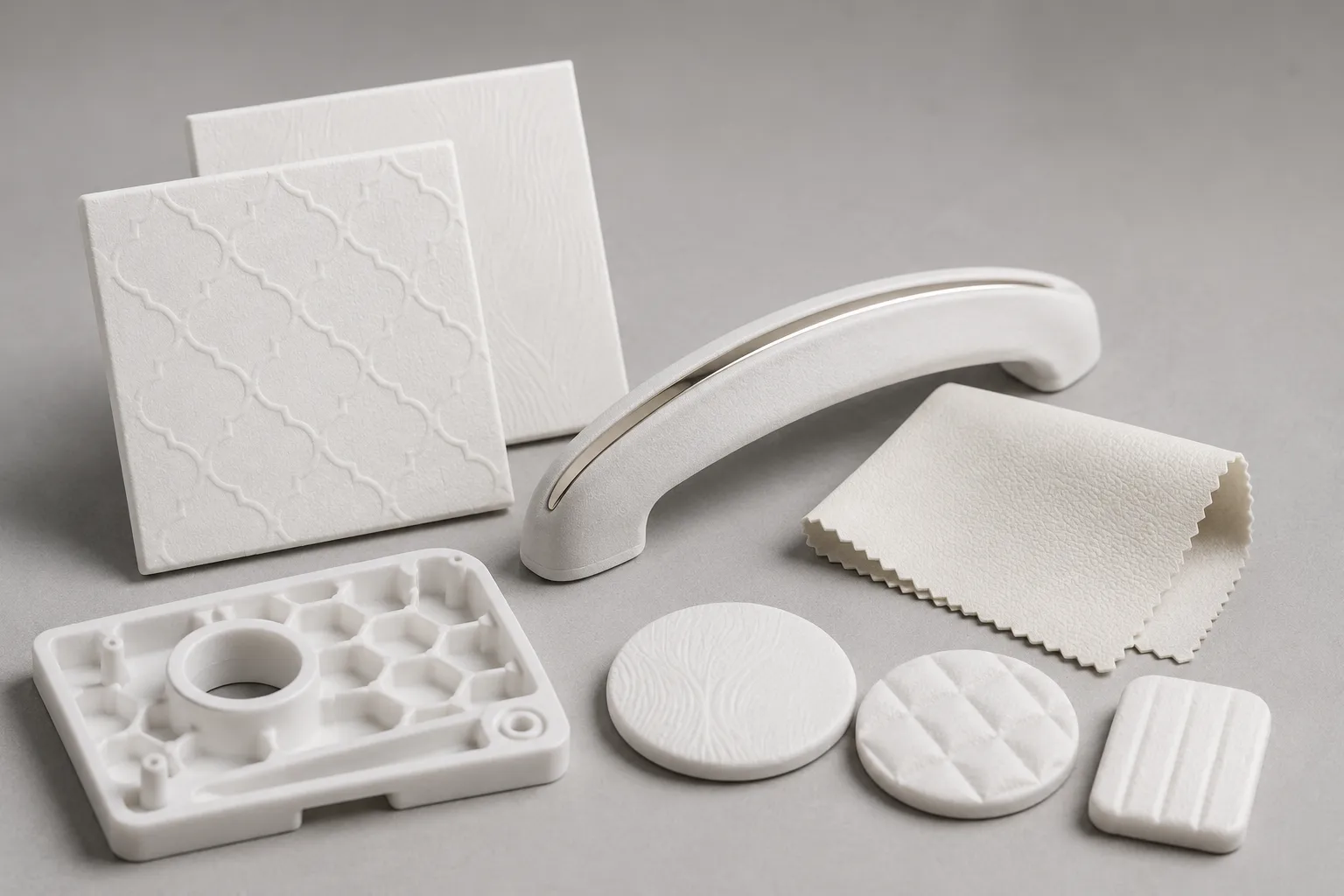
 06
06Decorative Plastic or Leather Surfaces
Applied to selected plastic, synthetic leather or coated surfaces after testing.
Problems & Solutions for White Flocking Applications
White flocking requires strict control of whiteness, cleanliness, adhesive color and substrate coverage.
| Common Problems | Why It Happens with White Flocking | Zhangs Solution |
|---|---|---|
| White surface looks uneven | Substrate color, adhesive coating or flock density may not be uniform. | Use approved white flocked samples and control adhesive and flock density. |
| White looks yellowish or dull | Adhesive color, lighting or white shade selection may affect the result. | Confirm pure white, warm white or off-white on actual substrates. |
| Surface is contaminated | Dust, dark fibers or oil marks are more visible on white flocking. | Keep the production area clean and separate white flocking from dark colors. |
| Dark substrate shows through | Flock density may be too low or the base color may be too strong. | Increase flock density or test a suitable base coating before flocking. |
| Loose fibers remain | Curing or cleaning may not be complete. | Optimize curing and clean excess fibers after the adhesive is fully set. |
-
1 Can I get samples before production?
-
2 Which flock material is better for white flocking?
-
3 Can white flocking be used on dark substrates?
-
4 How can I avoid contamination during white flocking?
-
5 Can Zhangs customize different white shades?
-
6 What is White Flocking used for?