Article Summary
Flocking adhesion problems usually occur when the adhesive system does not properly match the substrate, flocking fiber, or production conditions. Fiber shedding, weak bonding, and uneven flocking surfaces are often related to surface preparation, adhesive compatibility, coating conditions, or curing processes. Understanding the real cause of failure helps manufacturers improve flocking quality and develop more reliable flocking solutions.
Written by Zhangs Flocking Material Team
With more than 30 years of experience in flocking material development and application support, Zhangs has worked with different substrates, fibers, adhesives, and flocking requirements across multiple industries.
In practical flocking production, adhesion problems are rarely caused by one single factor. A stable flocked surface depends on the interaction between the substrate, flocking adhesive, flocking fiber, and the overall flocking process.
When a flocking problem occurs, simply replacing the adhesive is not always the right solution. Manufacturers need to identify whether the issue comes from surface preparation, material compatibility, adhesive application, fiber selection, or curing conditions.
This troubleshooting approach helps companies solve the actual cause of adhesion failure instead of repeatedly adjusting individual materials without understanding the complete flocking system.
Why Does Flocking Adhesion Fail?
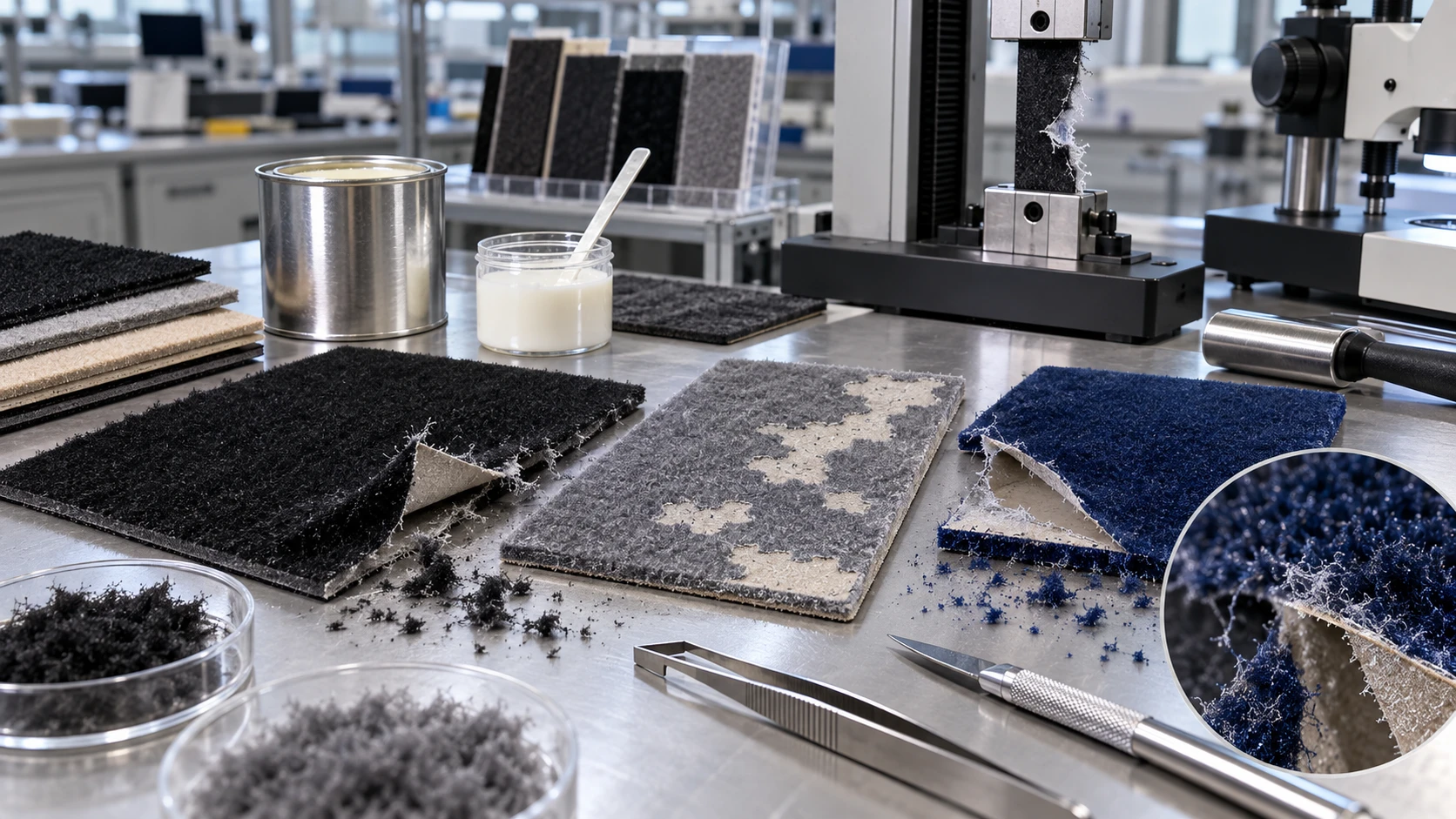
A successful flocking application requires a strong connection between the substrate surface and the fiber layer. The adhesive acts as the bonding bridge, allowing the flocking fiber to remain attached while maintaining the required surface texture and product performance.
However, different substrates create different bonding challenges. A material that works well for textile applications may not provide the same performance on plastic, metal, or other industrial surfaces.
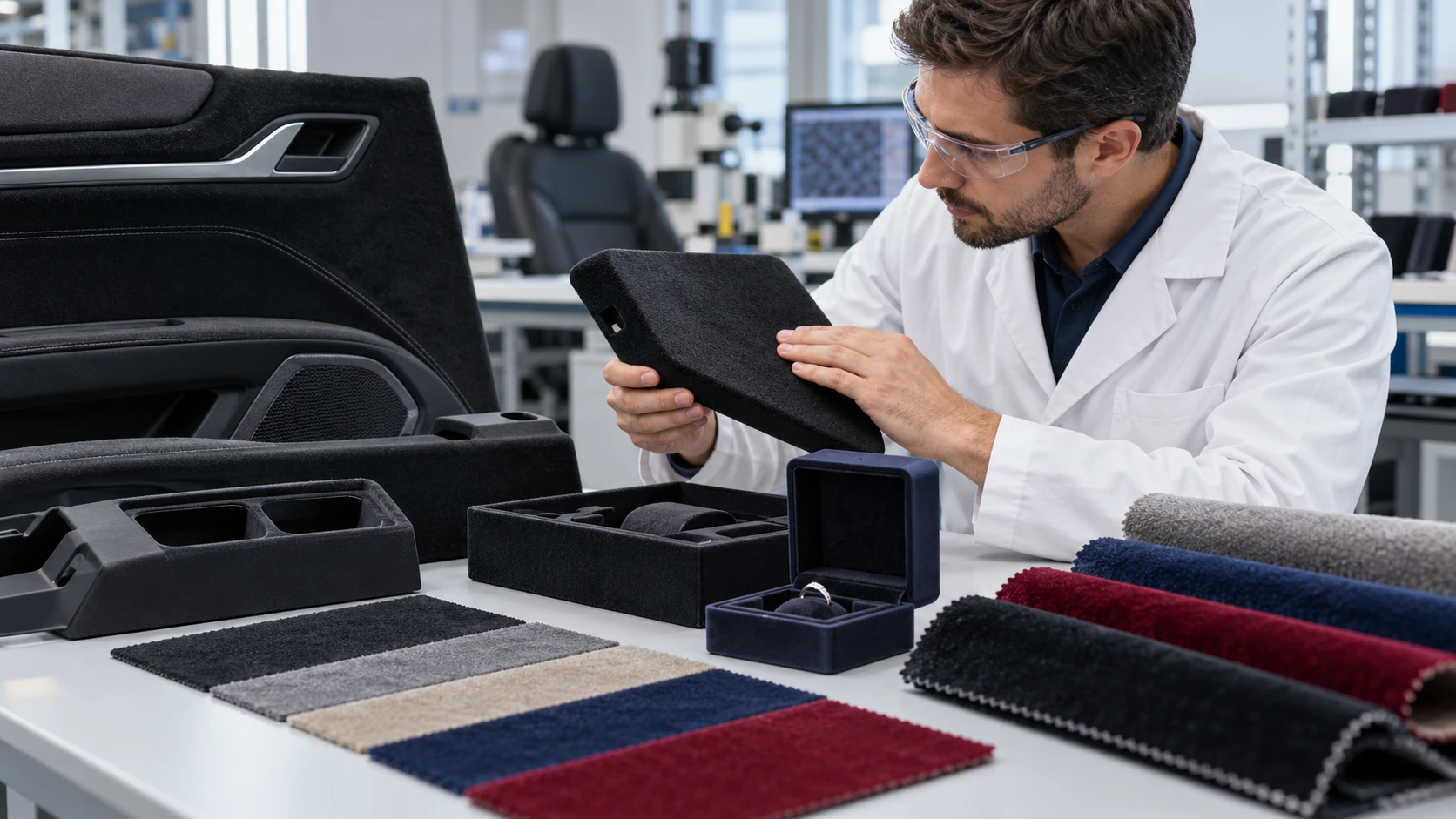
For example, flexible fabrics usually require an adhesive system that maintains softness and flexibility, while automotive interior components may require stronger resistance to repeated contact and environmental changes.
Many adhesion problems happen because the adhesive, substrate, fiber, and production conditions are not properly matched. Therefore, solving flocking failures requires evaluating the complete system rather than focusing only on the adhesive itself.
How to Identify Common Flocking Adhesion Problems?
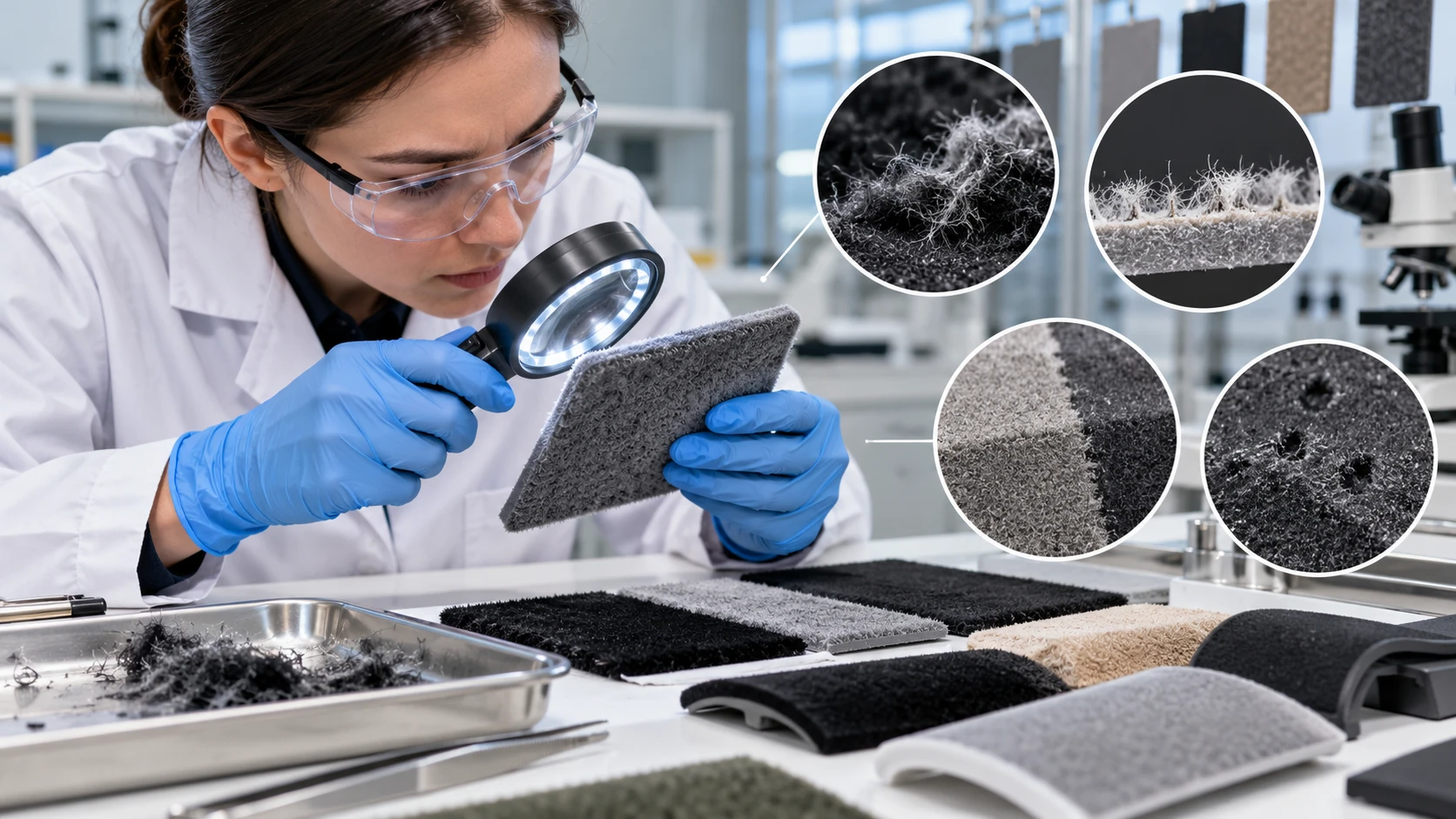
Fiber Falling Off After Flocking
One of the most common flocking problems is fiber shedding after production. This usually appears when fibers become loose after handling, brushing, or during product use.
Although the first assumption is often that the adhesive is not strong enough, the actual cause may involve several factors. The adhesive may not be compatible with the substrate, the adhesive coating may not be uniform, the fiber selection may not match the application, or the curing process may not provide sufficient bonding strength.
The relationship between adhesive and flocking fiber is especially important. Different fiber materials and fiber lengths create different bonding requirements. A suitable adhesive needs to hold the fibers securely while maintaining the desired surface appearance.
When fiber shedding occurs, manufacturers should review the complete flocking process, including surface preparation, adhesive selection, fiber characteristics, and curing conditions.
Weak Adhesion on Plastic or Difficult Surfaces
Plastic substrates are one of the common challenges in flocking applications because many plastic materials have surface characteristics that can make adhesive bonding more difficult.
When flocking fails on plastic components, the problem is often related to insufficient surface preparation or unsuitable adhesive compatibility. Contamination such as dust, oil, or release agents can prevent the adhesive from forming a stable bond with the surface.
For automotive interiors, electronic components, and decorative plastic products, the adhesive system must provide reliable bonding while maintaining long-term appearance and performance.
In these applications, manufacturers need to evaluate the relationship between the substrate surface, flocking adhesive, and the overall flocking material combination.
Uneven Flocking Surface and Inconsistent Appearance
A flocked surface may sometimes show uneven fiber distribution even when the fibers are attached successfully.
This issue is often related to inconsistent adhesive application, uneven coating thickness, unsuitable fiber distribution, or unstable production conditions.
The flocking process plays an important role in surface consistency. During electrostatic flocking, factors such as adhesive coverage, fiber positioning, and curing conditions influence how evenly the fibers form the final surface layer.
For products requiring premium appearance, such as luxury packaging or decorative components, even a small inconsistency can affect the final product quality.
Therefore, manufacturers should consider adhesive application and production control together rather than treating the adhesive as an independent factor.
Poor Bonding After Drying or Curing
Some flocking problems appear only after the product has been dried, cured, or used for a period of time.
This usually indicates that the adhesive has not developed sufficient bonding performance under the actual production conditions.
Drying and curing behavior can influence how effectively the adhesive connects the fiber layer with the substrate. If curing is incomplete, fibers may gradually loosen. If the adhesive dries too quickly before proper fiber placement, surface quality may also be affected.
For this reason, adhesive selection should consider not only initial bonding strength but also how the adhesive performs throughout the complete production process.
How to Fix Flocking Adhesion Problems?
The most effective way to solve flocking adhesion problems is to identify the actual failure point before making adjustments.
The first step is checking the substrate condition. A clean and properly prepared surface provides a better foundation for adhesive bonding. For challenging materials, additional surface preparation may be required to improve compatibility.
The second step is reviewing whether the selected flocking adhesive matches the substrate and application requirements. Different industries have different priorities. Textile applications may require flexibility, while industrial components may require stronger durability and stability.
The third step is evaluating the complete flocking system. The selected flocking fiber, adhesive coating method, drying conditions, and curing process all influence the final result.
A reliable solution does not come from choosing the strongest adhesive alone. It comes from balancing material compatibility, process control, and application requirements.
How Material Selection Influences Flocking Adhesion Performance
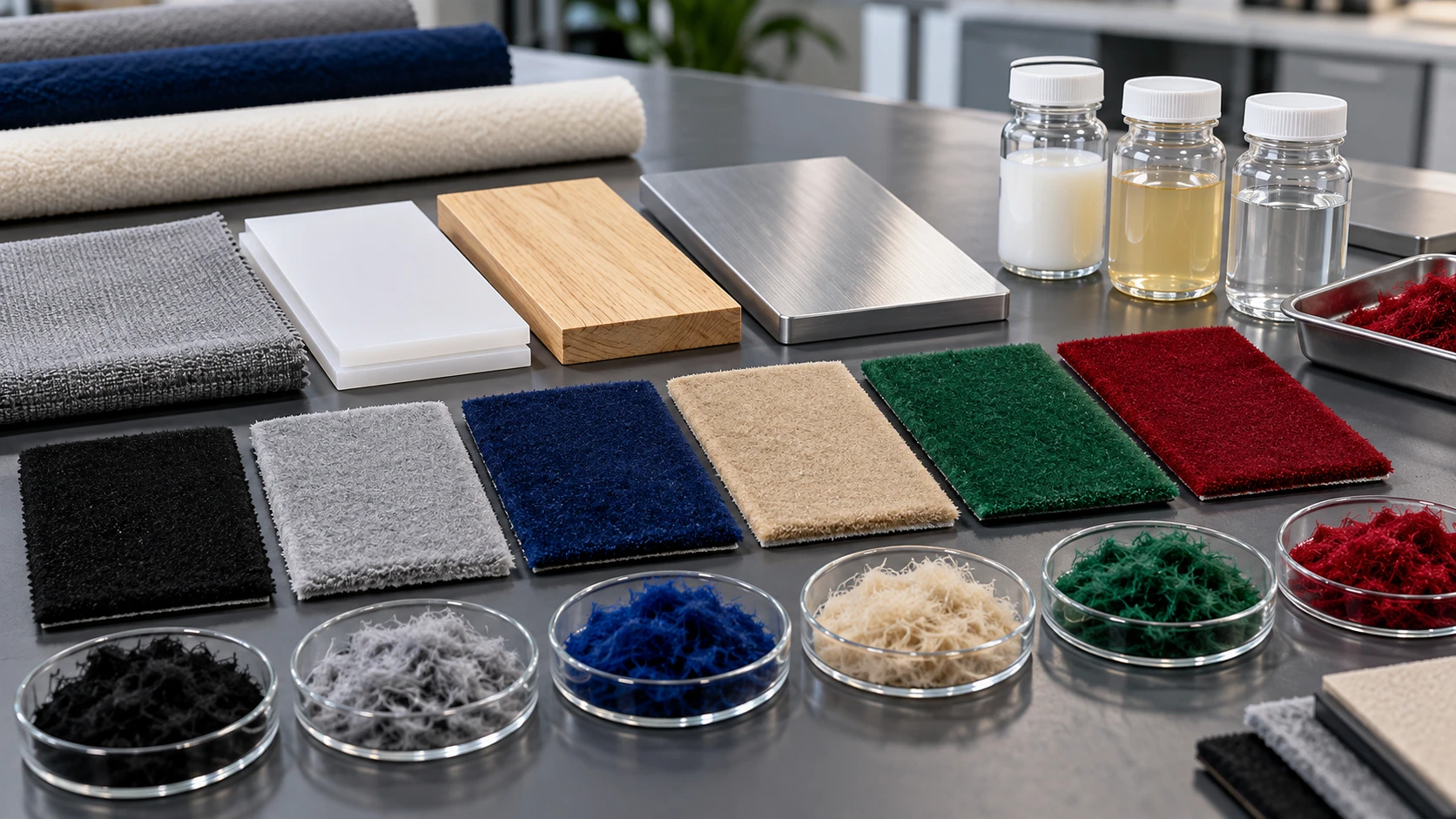
Many flocking adhesion failures are actually caused by incorrect material matching.
The substrate determines how the adhesive interacts with the surface. The adhesive determines how effectively the fiber layer is bonded. The flocking fiber determines the final texture, softness, and visual effect.
For example, automotive applications usually require stable performance and durability because interior surfaces experience repeated contact. Packaging applications may focus more on appearance, soft touch, and product presentation. Textile applications often require flexibility and comfort.
Because different applications have different requirements, manufacturers should evaluate the complete flocking material system before production.
At Zhangs, flocking development focuses on the relationship between fiber, adhesive, substrate, and process rather than treating each material separately. This approach helps customers develop more stable flocking solutions for different applications.
Troubleshooting Flocking Adhesion Problems in Different Applications
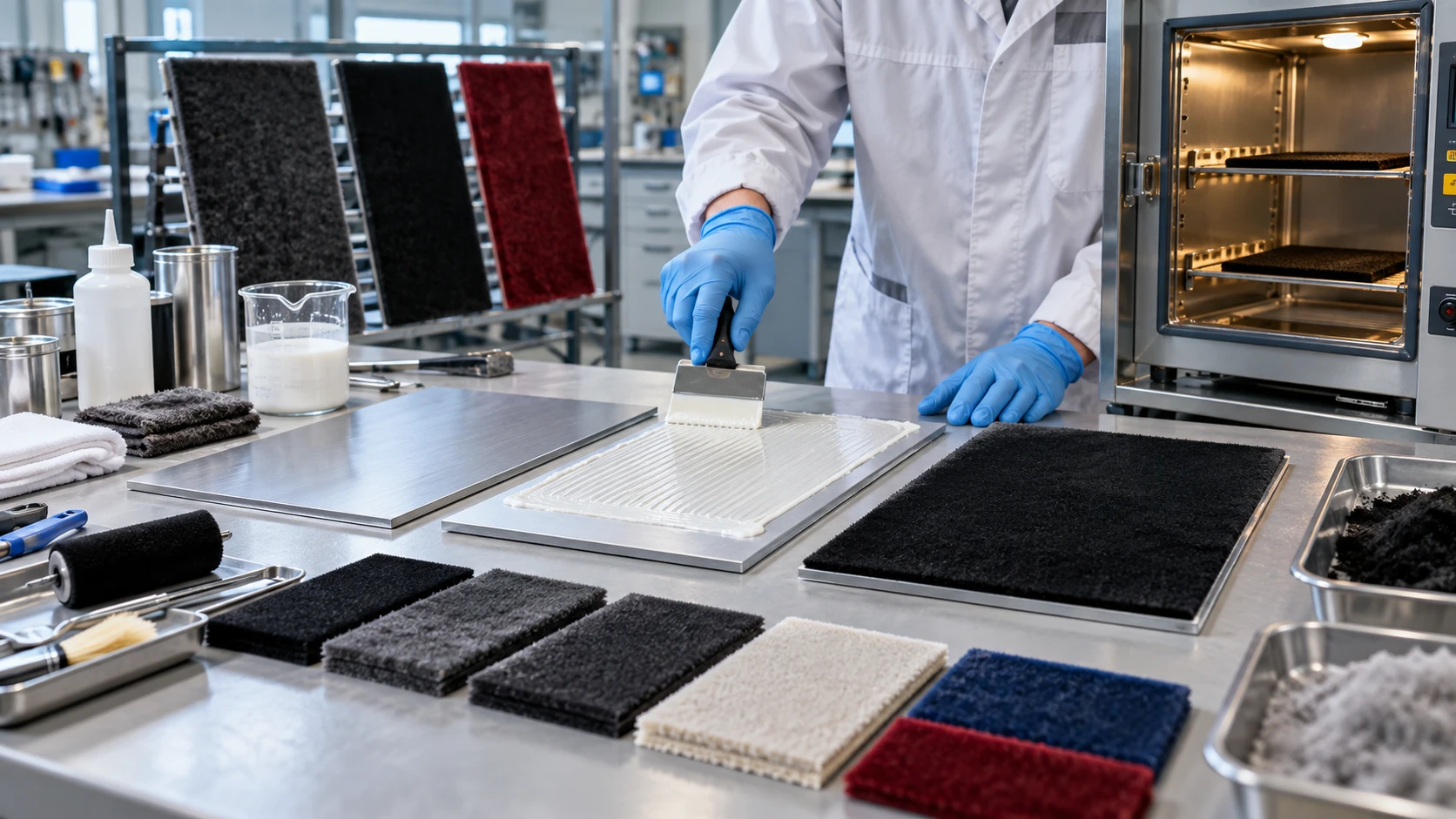
Different industries face different flocking challenges because their performance requirements are not identical.
In automotive applications, flocking adhesion needs to support long-term use, frequent contact, and consistent surface appearance. Interior components require stable bonding because surface defects can directly affect product quality and user experience.
In packaging applications, the focus is often on visual presentation and tactile experience. Luxury packaging products require uniform flocking effects and a refined surface feeling.
In textile applications, the adhesive system needs to maintain bonding performance while preserving softness and flexibility.
Understanding these application differences helps manufacturers select more suitable adhesive systems and avoid repeated trial-and-error during production.
How Zhangs Helps Solve Flocking Adhesion Challenges
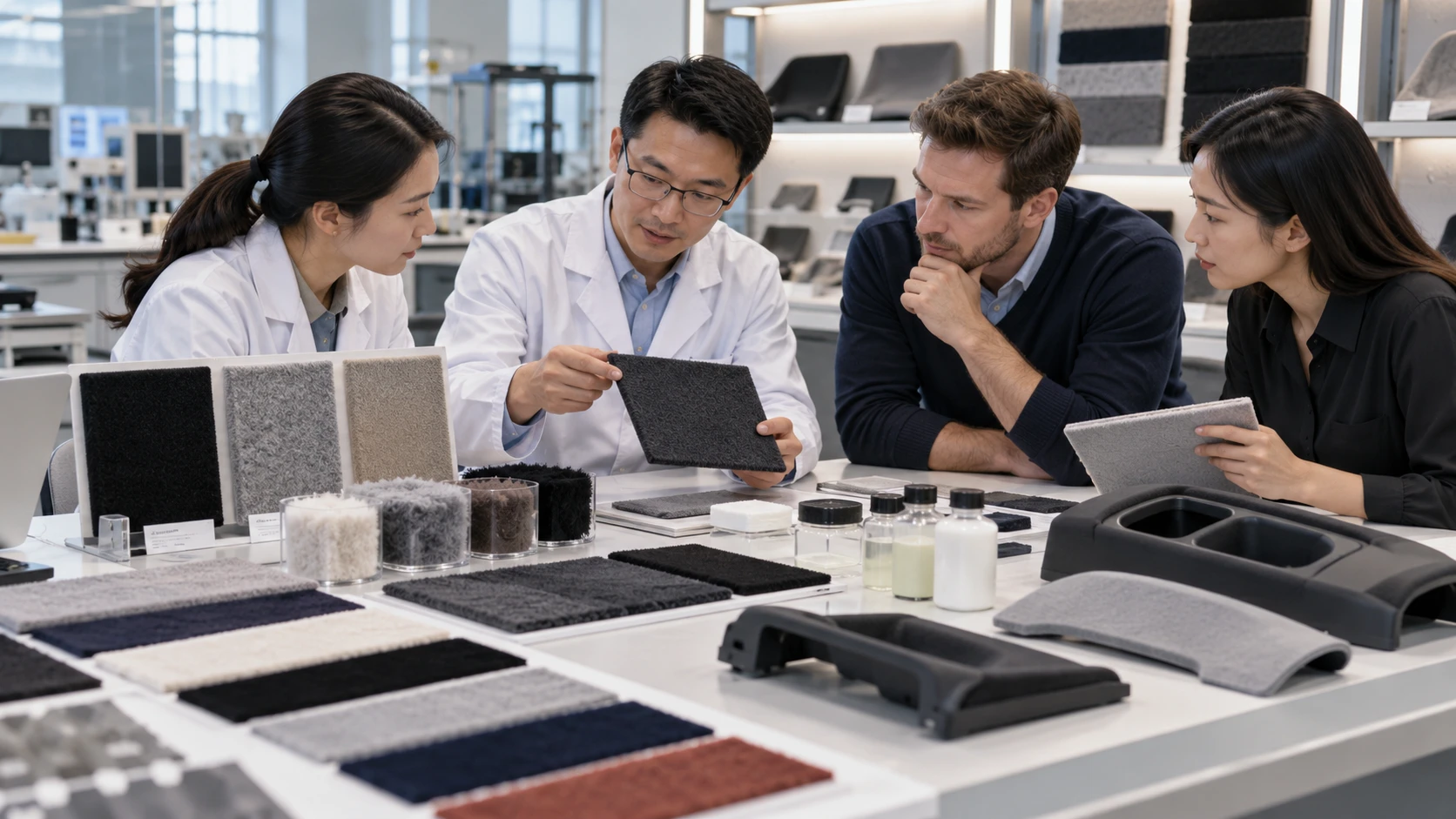
Solving flocking adhesion problems requires experience across materials, processes, and applications.
As an experienced flocking supplier, Zhangs approaches flocking challenges from a complete material perspective. Instead of providing only individual materials, Zhangs evaluates how flocking fiber, adhesive systems, substrates, and production requirements work together.
Through custom flocking service, Zhangs supports customers in developing suitable flocking solutions according to their product requirements, application environment, and expected surface performance.
With experience in flocking material, flocking powder, fiber selection, and flocking processes, Zhangs helps customers identify potential adhesion problems and improve flocking reliability.
The goal is not only to make fibers stick to a surface, but to create a stable flocked finish that meets real production and application requirements.
Frequently Asked Questions About Flocking Adhesion Problems
Why does flocking peel off after application?
Flocking peeling can happen because of unsuitable adhesive selection, poor surface preparation, incorrect application conditions, insufficient curing, or incompatibility between the adhesive and substrate.
How can I improve flocking adhesion on plastic surfaces?
Improving plastic flocking usually requires proper surface preparation, suitable flocking adhesive selection, and control of the complete flocking process.
Does flocking fiber affect adhesion performance?
Yes. Different flocking fiber characteristics can influence bonding performance, surface appearance, and the final flocking effect.
Can the same adhesive be used for all flocking applications?
No. Different substrates and applications require different adhesive characteristics. Fabric, plastic, metal, and packaging materials may require different flocking solutions.
What causes uneven flocking results?
Uneven flocking can be caused by inconsistent adhesive coating, fiber distribution problems, unsuitable materials, or unstable production conditions.
How do I choose a reliable flocking supplier?
A reliable flocking supplier should understand not only adhesive products but also fiber selection, substrate compatibility, and complete flocking processes.
Conclusion
Flocking adhesion problems are rarely caused by one single factor. The final result depends on the relationship between substrate preparation, flocking adhesive, flocking fiber, flocking material, and production conditions.
The most effective troubleshooting approach is to identify the real cause of failure and adjust the complete flocking system rather than replacing individual materials without analysis.
By combining suitable materials, controlled flocking process conditions, and professional technical support, manufacturers can achieve stronger bonding, better surface consistency, and more reliable flocking performance.
With more than 30 years of flocking experience, Zhangs helps customers develop customized flocking solutions for automotive, packaging, textile, and industrial applications.