Article Summary
The best adhesive for flocking depends on the substrate material, flocking fiber, application requirements, and production conditions. Fabric, plastic, wood, and metal surfaces require different adhesive characteristics to achieve stable fiber bonding and consistent flocking results. Choosing the right adhesive system together with proper surface preparation and flocking process control helps manufacturers improve flocking quality and reduce bonding problems.
Written by Zhangs Flocking Material Team
Selecting a suitable adhesive is one of the most important steps in developing a reliable flocking solution. However, in practical production, adhesive selection is rarely an independent decision.
The performance of a flocked surface depends on the relationship between the adhesive system, substrate characteristics, flocking fiber, and the overall flocking process. A glue that works well on one material may not achieve the same result on another surface because different substrates have different structures, surface energies, flexibility, and application requirements.
Based on practical experience in flocking material development, Zhangs has found that many flocking problems are not caused by adhesive quality alone. Fiber selection, surface preparation, coating conditions, curing process, and material compatibility all influence the final bonding performance.
Therefore, choosing the right flocking adhesive requires understanding the complete application rather than searching for a universal “strongest glue”.
How Adhesive Selection Determines Flocking Quality
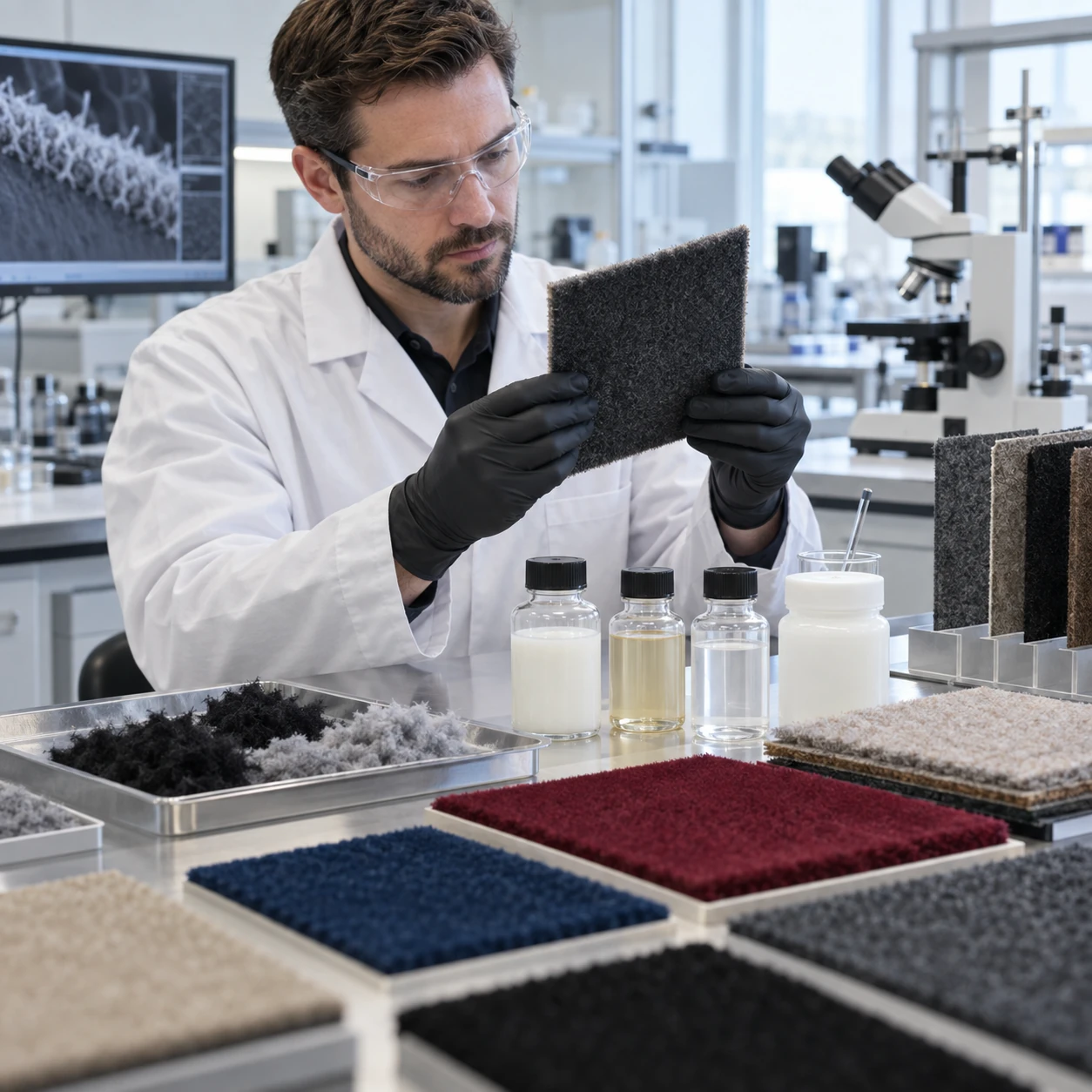
The adhesive layer is the connection between the substrate and the flocking fiber. Its primary role is to securely hold fibers on the surface while maintaining the required appearance, flexibility, and durability.
A suitable adhesive needs to match three key elements: the base material, the selected flocking fiber, and the final application environment.
For example, textile applications usually require an adhesive system that can maintain flexibility because fabrics may bend, stretch, or experience repeated handling. Plastic components often require stronger attention to surface compatibility because many plastic surfaces have different bonding characteristics compared with porous materials. Industrial applications may require additional consideration of durability and environmental conditions.
This is why selecting flocking glue based only on general recommendations can create problems during production. The adhesive must be evaluated as part of a complete material system.
In professional flocking applications, manufacturers usually consider not only whether fibers can initially stick, but also whether the flocked surface can maintain consistent appearance and performance during actual use.
Matching Flocking Adhesive with Different Substrate Materials
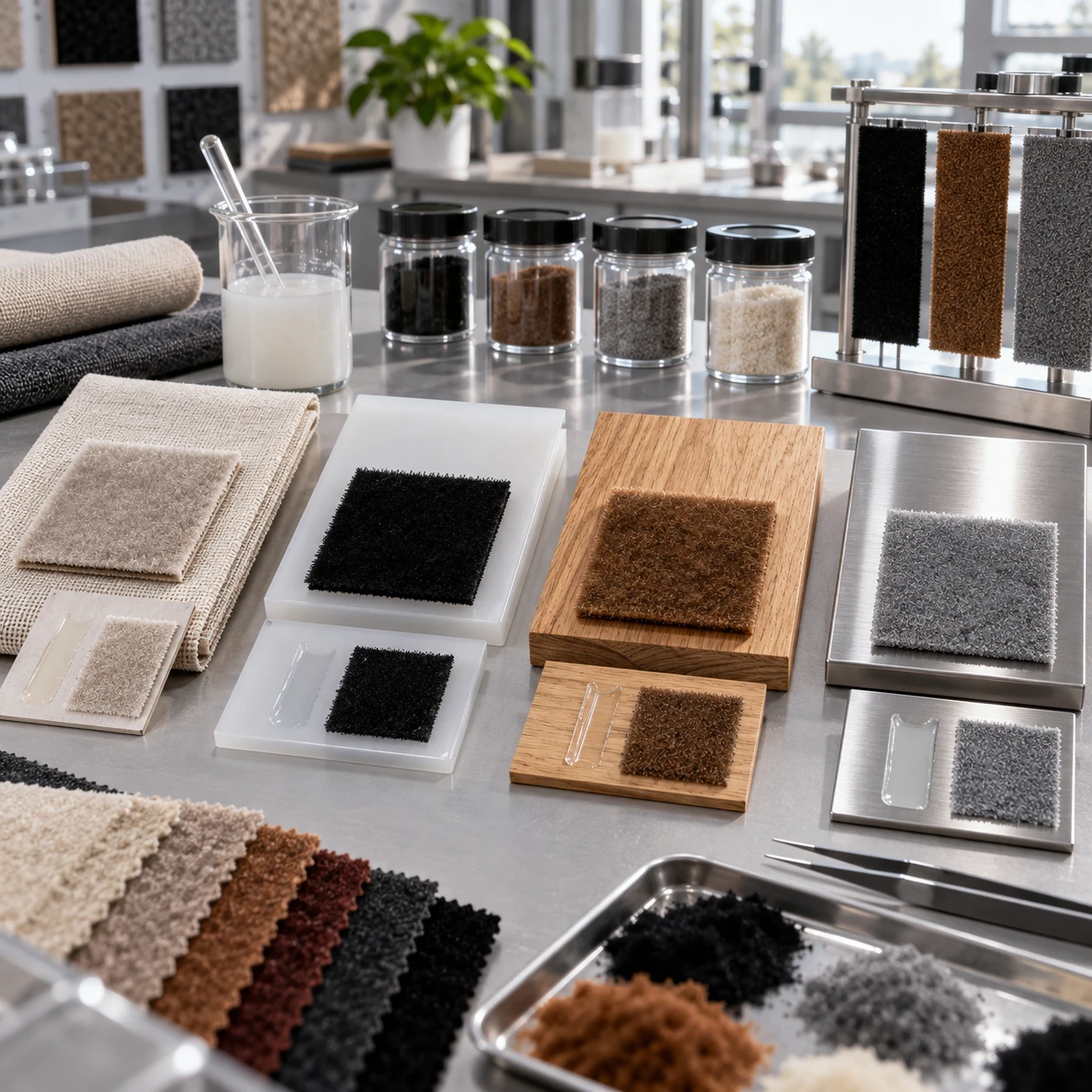
Different substrate materials create different challenges during flocking. The correct adhesive selection depends on understanding the characteristics of each surface.
Fabric and Textile Materials
Fabric is one of the common substrates used in decorative and functional flocking applications. Compared with rigid materials, textiles usually require adhesives that can maintain flexibility while providing reliable fiber bonding.
When flocking is applied to fabrics, the adhesive needs to work with the textile structure rather than creating an overly rigid surface. This is especially important for applications where the material needs to maintain softness, comfort, or flexibility after flocking.
In textile applications, manufacturers usually evaluate the relationship between adhesive flexibility, fiber characteristics, and washing or handling requirements.
The selection of flocking material should therefore consider both the visual effect and the practical use environment.
Plastic and PVC Surfaces
Plastic surfaces require more careful adhesive selection because different plastics can have different surface properties.
A common challenge with plastic substrates is achieving stable bonding between the surface and the adhesive layer. Without suitable compatibility, fibers may not achieve the expected bonding strength or long-term stability.
For automotive interior components, decorative plastic parts, and other industrial products, manufacturers often consider factors such as surface preparation, adhesive compatibility, and environmental durability.
A successful flocking solution for plastic is usually the result of combining suitable adhesive selection with proper surface treatment and controlled production conditions.
Wood, Paper, and Absorbent Materials
Wood and paper substrates behave differently because they can absorb adhesive during application.
For these materials, adhesive selection needs to consider absorption behavior, drying characteristics, and surface uniformity.
In packaging applications, the adhesive must support both reliable fiber attachment and the desired visual effect. Since packaging often represents brand image, surface appearance and consistency are especially important.
The right adhesive system helps balance bonding performance with the final decorative requirements.
Metal and Industrial Components
Metal substrates are often used in applications where durability and stable performance are important.
Compared with porous materials, metal surfaces usually require attention to surface preparation and adhesive compatibility. The adhesive needs to create reliable bonding while supporting the expected service environment.
For industrial flocking applications, the adhesive selection process should consider the interaction between the metal surface, fiber characteristics, and production conditions.
Why Does Flocking Adhesive Fail? Common Problems and Solutions
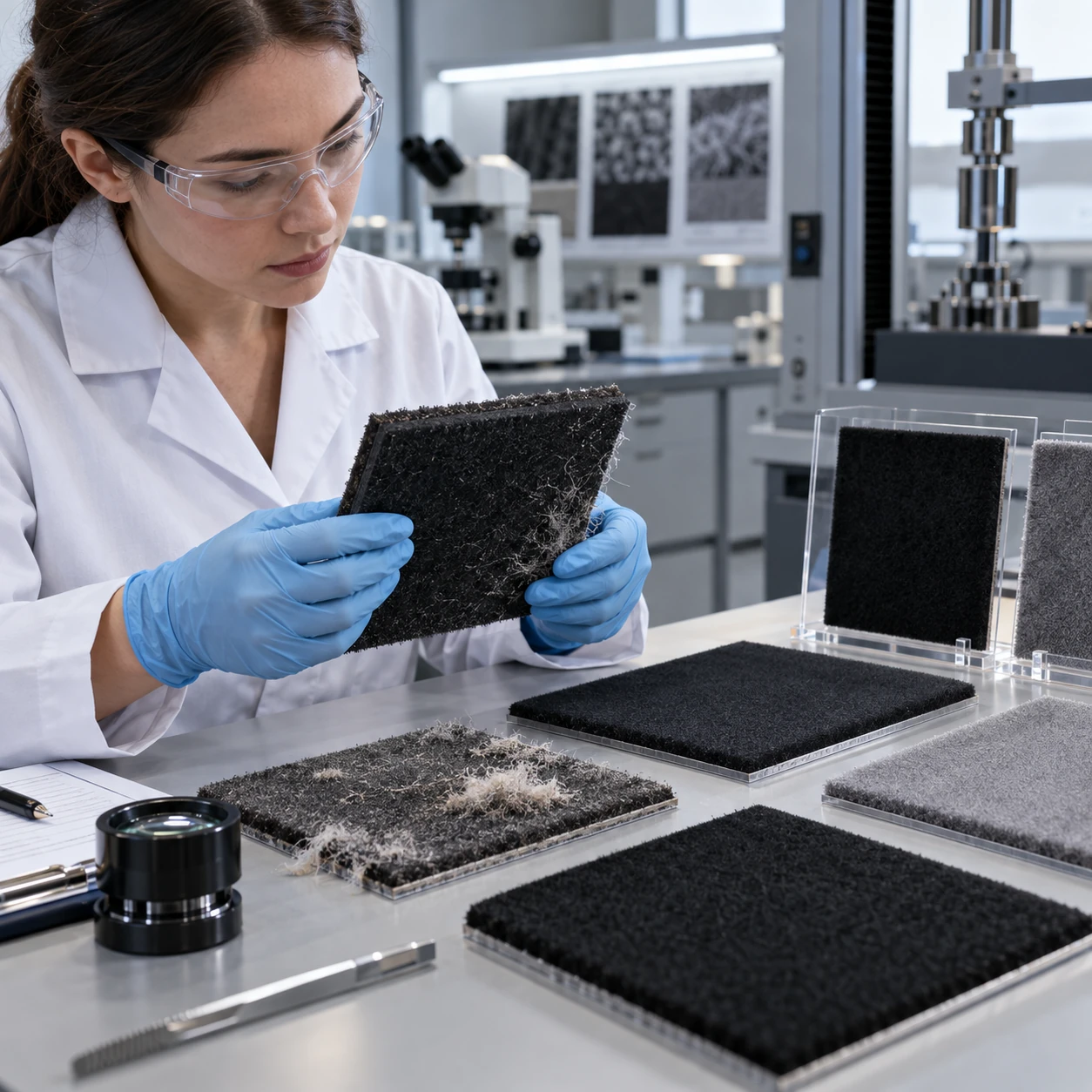
Many flocking problems are not caused by choosing a weak adhesive alone. In many cases, the issue comes from a mismatch between adhesive, substrate, fiber, and process conditions.
One common problem is fiber shedding after production. This may happen when the adhesive does not properly match the substrate surface or when the bonding conditions are not suitable.
Another issue is uneven flocking appearance. Even when the adhesive has sufficient bonding ability, inconsistent application, unsuitable viscosity, or poor process control can affect fiber distribution and surface quality.
Some applications also experience reduced durability because the adhesive system does not match the actual working environment. A material used for decorative packaging may not require the same performance characteristics as an automotive interior component.
From practical flocking development experience, Zhangs considers adhesive selection together with the complete flocking system. The goal is not only to make fibers stick, but to create a stable flocked surface suitable for long-term application.
Choosing Adhesive Based on Different Application Requirements

The “best” adhesive depends on what the final product needs to achieve.
For automotive applications, manufacturers usually focus on durability, surface consistency, and long-term stability because interior components experience frequent contact and changing environmental conditions.
For packaging applications, the priority may be different. Luxury packaging often requires excellent surface appearance, soft touch, and a premium visual experience.
For textile applications, flexibility and surface feeling are usually more important because the flocked material needs to maintain the characteristics of the fabric.
This means adhesive selection should always start from the application requirement. Instead of asking “Which adhesive is strongest?”, manufacturers should ask “Which adhesive system is most compatible with my material and usage environment?”
The Relationship Between Adhesive, Flocking Fiber, and Flocking Process
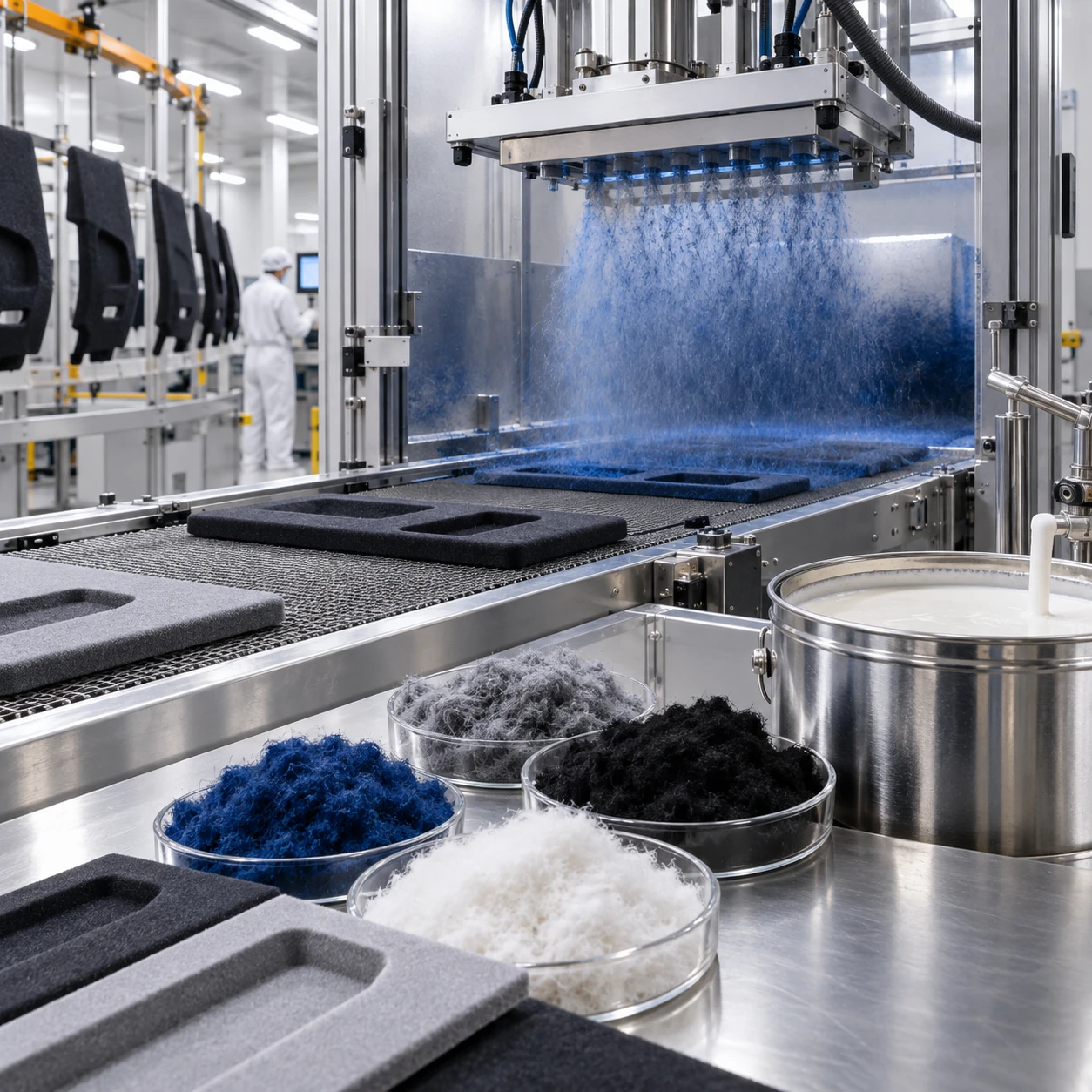
A high-quality flocked surface depends on the cooperation between adhesive, fiber, and production process.
The selected flocking fiber determines the texture, softness, and appearance of the final surface. The adhesive determines how effectively these fibers are bonded to the substrate. The electrostatic flocking process influences fiber placement and surface consistency.
During production, factors such as adhesive application amount, fiber distribution, drying conditions, and curing control all affect the final result.
For this reason, manufacturers should evaluate flocking as a complete solution rather than selecting individual materials separately.
A suitable flocking supplier should understand how different materials interact during production and provide guidance based on the final application.
How Zhangs Develops Reliable Flocking Solutions
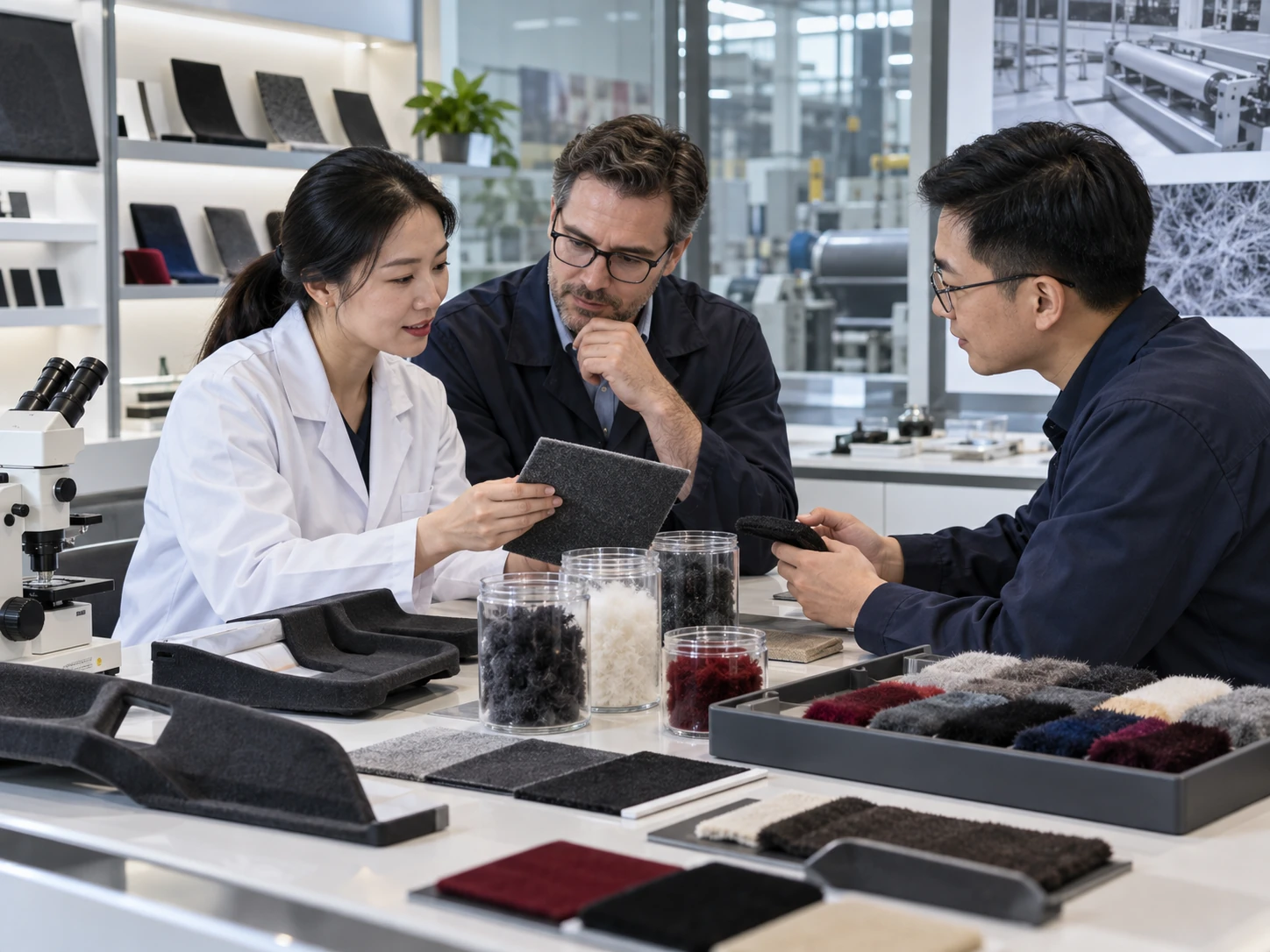
As an experienced flocking material manufacturer, Zhangs focuses on helping customers develop suitable flocking solutions based on real application requirements.
In practical development, Zhangs evaluates the relationship between flocking fiber, adhesive system, substrate material, and final product purpose.
Different industries require different solutions. A textile product may prioritize flexibility and soft touch, while an automotive component may require stronger attention to durability and surface stability. Premium packaging may focus more on appearance and customer experience.
Through custom flocking service, Zhangs supports customers in developing flocking solutions that match their product design and manufacturing requirements.
The company’s experience covers different flocking materials, including flocking fiber, flocking powder, adhesive systems, and related flocking technologies.
Rather than providing a single material recommendation, Zhangs focuses on helping customers achieve a complete and reliable flocking result.
Frequently Asked Questions About Flocking Adhesive
What is the best adhesive for flocking different materials?
The best adhesive depends on the substrate, application requirements, and flocking process. Fabric, plastic, wood, and metal surfaces require different adhesive characteristics.
Can one flocking adhesive be used for all materials?
No. Different materials have different surface properties, so adhesive selection should be based on substrate compatibility and final application requirements.
Why do flocking fibers fall off after application?
Fiber shedding may be caused by unsuitable adhesive selection, poor surface preparation, incorrect process conditions, or incompatibility between adhesive and substrate.
Does flocking adhesive affect the final surface appearance?
Yes. Adhesive selection influences fiber bonding, surface consistency, and the final flocking effect.
How does flocking fiber work with adhesive?
The adhesive provides the bonding layer while flocking fiber creates the final surface texture. Both need to work together to achieve stable performance.
How can I choose a reliable flocking supplier?
A reliable supplier should understand not only adhesive products but also flocking material, fiber selection, and production processes.
Conclusion
Choosing the best adhesive for flocking different materials requires more than selecting a strong bonding product.
A successful flocking solution depends on matching the adhesive system with the substrate material, flocking fiber, application environment, and production process.
Fabric, plastic, wood, and metal surfaces all require different considerations. By understanding material compatibility and working with an experienced flocking partner, manufacturers can achieve more stable bonding, better surface quality, and improved product performance.
With experience in flocking adhesive, flocking material, and complete flocking solutions, Zhangs helps customers develop customized flocking applications for different industries.