Last updated: April 23, 2026
Summary
Flocking printing and screen printing are both widely used for custom textile decoration, but they serve different business needs. Flocking printing is known for its soft, raised, premium-looking finish, while screen printing is valued for speed, color impact, and cost efficiency in larger runs. This article explains how each method works, where each one performs best, and how to choose the right option for your product, budget, and design goals.
Quick Answer
Flocking printing is better when you want a soft, raised, and premium tactile finish, while screen printing is usually better for bold flat graphics, faster production, and larger order quantities. The best choice depends on your design complexity, fabric, order size, and budget.
What is Flocking Printing?
-Materials Used in flock print
-Benefits of flock printed
What is Flock Screen Printing?
-Materials Used in flocking for screen printing
-Benefits of screen print flocking
Flocking Printing vs. Screen Printing: Key Differences
Cost Comparison: Flocking Printing vs. Screen Printing
-What is the price of flocking printing?
-How much do screen printing cost?
Common Applications for Flocking Printing and Flock Screen Printing
-custom flock printing
-screen printer for shirts
Pros and Cons of Flocking Printing vs. Screen Printing
-What are the advantages and disadvantages of Flocking Printing?
-What are the advantages and disadvantages of Screen Printing?
Which Printing Method is Right for Your Business?
FAQs
What is Flocking Printing?
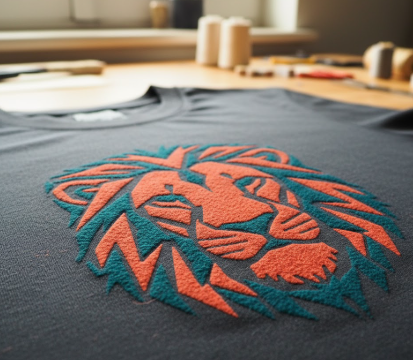
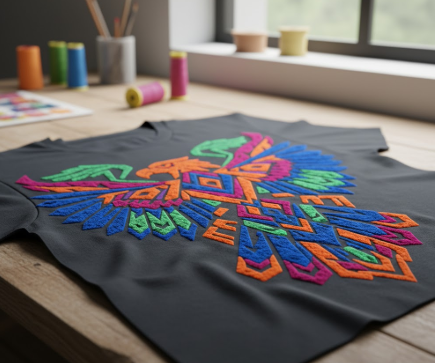
Flocking printing is a method that applies fine fibers to an adhesive-coated surface to create a soft, raised, velvet-like finish. It is often used when a product needs a more premium tactile effect than a flat print can provide.
Materials Used in Flock Print
Flocking printing is typically used on materials like cotton, polyester, and various fabrics. The adhesive used can be applied to almost any surface that allows the fibers to adhere effectively, including textiles, paper, and cardboard. The flocking fibers can come in a variety of colors and textures, offering a wide range of customization options.
Benefits of Flock Printed
1.Textured, Luxurious Feel: Flock printing creates a soft, velvety texture that adds a touch of sophistication to any product.
2.Durability: Flock prints are long-lasting and resistant to wear and tear, especially when used on fabrics that undergo regular washing.
3.Unique Visual Appeal: The raised texture of flock printing offers a distinctive aesthetic compared to traditional flat prints.
4.Premium Branding: Often used for high-end products, flock printing can elevate the perception of your brand.
What is Flock Screen Printing?
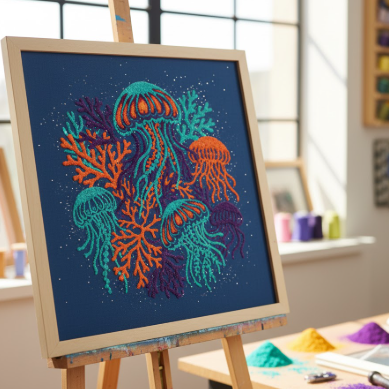
Screen printing with flocking is a method that combines screen-printed adhesive with flock fibers to create a textured print. It allows businesses to keep the structured application advantages of screen printing while adding a softer and more dimensional surface effect.
Materials Used in Flocking for Screen Printing
Flocking for screen printing can be applied to a variety of materials, just like traditional screen printing. Common substrates include cotton, polyester, and other fabrics. The screen-printed adhesive must be carefully applied to ensure that the fibers stick properly without clumping or causing uneven coverage.
Benefits of Screen Print Flocking
1.Efficiency: Screen printing is one of the most efficient methods for large runs of custom designs, and adding flocking enables the creation of texture without sacrificing speed.
2.Customization Options: The use of different adhesives and flocking fibers allows for a wide range of textures and colors, giving businesses flexibility in design.
3.Cost-Effective for Large Orders: Like standard screen printing, flock screen printing becomes more cost-effective as order quantities increase.
4.Durable and High-Quality: The combination of screen printing and flocking ensures durability while offering a premium finish.
Flocking Printing vs. Screen Printing: Key Differences
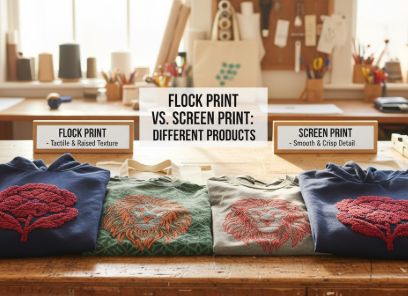
The main difference between flocking printing and screen printing is that flocking focuses on texture and tactile value, while screen printing focuses on flat graphic output, speed, and production efficiency. Flocking is often selected for premium-looking finishes, while screen printing is often preferred for large runs and bold color applications.
While both flocking printing and screen printing are highly effective methods, they serve different purposes and offer distinct features.
1.Texture and Finish: Flocking printing offers a raised, velvety texture, making it ideal for luxury or high-end products. Screen printing provides a smooth, flat finish, which is great for designs with multiple colors or large areas of ink.
2.Cost and Efficiency: Screen printing is generally more cost-effective for larger production runs. It’s quicker and more scalable than flock printing, especially when creating simple designs. On the other hand, flocking printing is better suited for smaller batches or high-end, intricate designs.
3.Durability: Both methods can produce durable results when the substrate, adhesive or ink system, and curing process are appropriate. Actual durability depends on production quality, material compatibility, and end-use conditions.
4.Design Complexity: Flocking printing is better for intricate designs with fine details or textures, whereas screen printing is better suited for bold, solid designs with fewer details.
Cost Comparison: Flocking Printing vs. Screen Printing
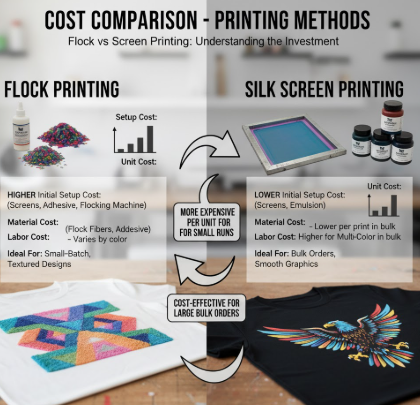
Understanding the costs involved with each method is essential when making a decision for your business.
What is the price of flocking printing?
While flock printing is highly effective for smaller, specialized orders, the process can be more expensive. The additional materials (adhesive and flocking fibers) and setup time make it less cost-effective for bulk orders. The texture also requires more precise handling, which can increase labor costs.
how much do screen printing cost
Screen printing is often more affordable for bulk orders. The initial setup costs (screen creation and preparation) are higher, but once the setup is done, printing costs per unit are generally lower. This method is ideal for businesses looking to print large quantities of a design.
Common Applications for Flocking Printing and Flock Screen Printing

Both flock printing and screen printing with flocking have widespread applications across a variety of industries.
Custom Flock Printing
Custom flock printing is often used in the fashion and apparel industries to create high-end custom t-shirts, hoodies, and other clothing items. The luxurious texture adds a premium feel to garments, making them more appealing to customers looking for exclusive or limited-edition products.
Screen Printer for Shirts
Screen printing with flocking is commonly used for custom t-shirts, particularly for larger orders. This method allows for vibrant colors and intricate designs, while the addition of flocking offers a unique, tactile finish. This combination works well for promotional items, team uniforms, and fashion brands.
Pros and Cons of Flocking Printing vs. Screen Printing
What Are the Advantages and Disadvantages of Flocking Printing?
Advantages:
1.Premium, tactile texture.
2.Suitable for intricate and detailed designs.
3.Adds sophistication to the product.
Disadvantages:
1.More expensive for large orders.
2.Limited to simpler designs for bulk printing.
3.Time-consuming setup and process.
What Are the Advantages and Disadvantages of Screen Printing?
Advantages:
1.Cost-effective for large runs.
2.Versatile in terms of design complexity and color options.
3.Quick and efficient for bulk production.
Disadvantages:
1.Flat finish with no texture.
2.Limited texture options compared to flocking printing.
3.May not be as suitable for small, intricate designs with high detail.
Which Printing Method is Right for Your Business?

Choosing the right printing method depends on several factors:
1.Order Size: If you're looking for large quantities of customized products, screen printing is likely your best choice due to its cost-effectiveness for bulk orders.
2.Design Complexity: For intricate designs with textures, flocking printing is ideal. However, if your design is simpler and requires vibrant colors, screen printing might be a better fit.
3.Product Type: Consider the type of product you're printing on. Flocking printing is more suited for high-end items, while screen printing is great for promotional products and everyday wear.
4.Budget: For smaller orders or limited edition products, flock printing offers a premium finish but comes with higher costs. For larger, more straightforward runs, screen printing is more budget-friendly.
In conclusion, flocking printing and screen printing with flocking are both excellent choices, but they serve different needs. Flocking printing is ideal for smaller, luxury items that require texture and premium quality. On the other hand, screen printing is perfect for mass production of bold, vibrant designs. Both methods have their own pros and cons, and the best choice depends on your business needs and product requirements.
If you’re looking for high-quality, luxurious custom products, Zhangs flocking materials and products are a great option. They offer a wide range of flock printing solutions that can elevate your brand and make your designs stand out.
FAQs
1.Can You Screen Print on T-Shirts?
Yes, screen printing is one of the most common methods for printing on T-shirts. It is widely used for bold graphics, large orders, and durable flat-color designs.
2.Is Screen Printing Easy to Learn?
Screen printing can be learned, but it requires practice, setup knowledge, and process control. Consistent results depend on artwork preparation, screen setup, ink handling, and curing.
3.How to Make Flock Print?
A flock print is made by applying adhesive to the target surface and then adding fine flock fibers to create a raised, velvet-like finish. In production settings, electrostatic application is often used to help the fibers stand upright and create a more even texture.
Conclusion
Flocking printing and screen printing are both valuable methods, but they solve different business needs. Flocking printing is best for products that need a premium, textured, and tactile finish, while screen printing is best for efficient production, bold graphics, and larger volumes. Choosing the right method based on your fabric, design, order size, and budget will help you achieve a more suitable result.