Last updated: 2026-04-22
Quick Answer
Flock printing is a printing and surface decoration method in which fine fibers are applied to adhesive-coated areas to create a soft and textured finish. It is commonly used when a product needs both visual depth and a premium hand feel, especially on textiles, paper products, packaging, and custom-branded items.
Summary
Flock printing is a decorative process that applies short fibers to an adhesive-coated surface to create a soft, raised, velvet-like finish. It is commonly used on fabric, paper, packaging, and branded products when a design needs more texture, depth, and tactile appeal than a flat print can provide. This article explains what flock printing is, how it works, where it is used, how it compares with flex and digital printing, and what to consider when applying it in custom projects.
Article Guide
- What is flock printing?
- How does flock printing work?
- What is flock printing suitable for?
- What are the characteristics of flock printing?
- What is the difference between flex and flock printing?
- What is the difference between flock printing and digital printing?
- What is flock printing on fabric?
- What is flocking on paper?
- Custom flock printing
- FAQ
What is Flock Printing?
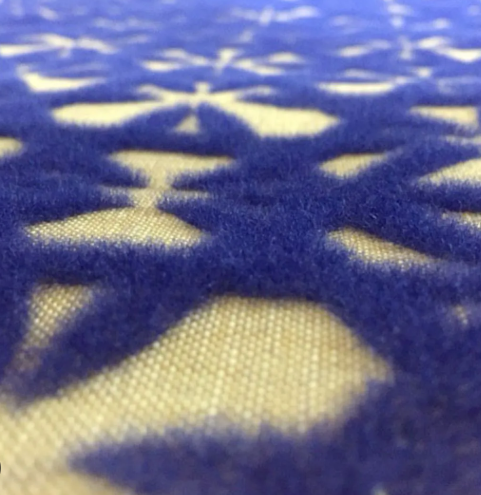
Flock printing is a process that applies short fibers to an adhesive-coated surface to create a soft, raised, velvet-like texture. In most applications, the fibers are electrostatically charged so they stand upright on the substrate instead of lying flat. This creates the distinctive tactile effect that makes flock printing different from ordinary flat printing methods. Flock printing is commonly used on fabric, paper, packaging, labels, and selected decorative product surfaces where both appearance and touch matter.
What is the Difference Between Flex and Flock Printing?
The main difference between flex printing and flock printing is that flex creates a smooth vinyl finish, while flock printing creates a soft and raised textured finish. Flex printing is usually chosen for clean shapes, solid colors, and a flat surface effect. Flock printing is chosen when a design needs a warmer hand feel, more surface depth, and a more premium decorative look. In simple terms, flex is better for smooth graphic clarity, while flock is better for texture and tactile impact.
| Item | Flex Printing | Flock Printing |
| Surface Effect | Smooth and flat | Soft, raised, velvet-like |
| Main Visual Style | Clean and simple | Textured and more decorative |
| Touch | Smooth hand feel | Soft and tactile hand feel |
| Best For | Solid shapes, simple graphics, clean edges | Premium designs, textured logos, decorative finishes |
| Design Strength | Sharp graphic clarity | Strong surface depth and tactile appeal |
| Typical Use | Sportswear graphics, lettering, simple branding | Apparel decoration, packaging, labels, premium branding |
What is the Difference Between Flock Printing and Digital Printing?
The main difference between digital printing and flock printing is that digital printing focuses on image detail and color, while flock printing focuses on texture and tactile effect. Digital printing is better suited to detailed artwork, gradients, and full-color visuals. Flock printing is better suited to designs that need a soft, raised, and more dimensional surface. When visual detail is the priority, digital printing is often the better choice. When touch, depth, and a premium surface finish are the priority, flock printing is often the better choice. Final durability depends on the substrate, adhesive system, and production quality.
| Item | Digital Printing | Flock Printing |
| Main Focus | Image detail and color | Texture and tactile effect |
| Visual Result | Flat, detailed, full-color | Raised, soft, dimensional |
| Best For | Complex artwork, gradients, photo-style visuals | Logos, patterns, and areas needing texture |
| Touch | Usually smooth | Soft and velvet-like |
| Color Performance | Excellent for multicolor designs | Better for texture-focused decoration |
| Suitable When | Visual detail is the priority | Surface feel and premium effect are the priority |
How Does Flock Printing Work?
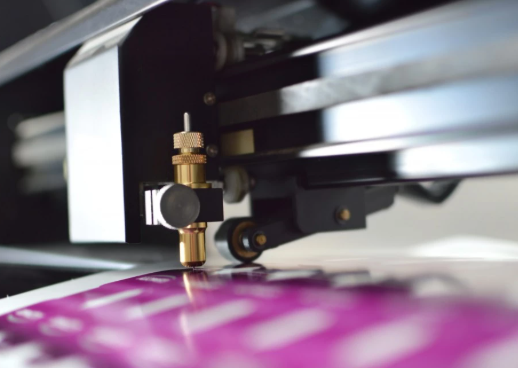
Flock printing works through a multi-step process that involves the following:
1. Design Preparation: First, a design or logo is created in a digital format. This design will be used to determine where the adhesive will be applied.
2. Surface Preparation: The substrate, usually fabric, paper, or other materials, is prepared by cleaning and possibly priming the surface to ensure the adhesive bonds well.
3. Adhesive Application: An adhesive is applied to the surface in the desired pattern, using either a screen printing or roller method. This adhesive acts as a glue that will hold the flock fibers in place.
4. Flock Application: The flock fibers, which are typically made of rayon or nylon, are electrostatically charged and then sprayed or sprinkled onto the adhesive-coated areas. The fibers stand upright, creating a plush, velvet-like texture.
5. Curing and Fixing: After the fibers are applied, the piece is then cured, usually by heating, to ensure the adhesive sets and the flock fibers stay securely in place.
6. Finishing: The final product may undergo additional processing, such as trimming excess fibers or heat-pressing, to ensure the design looks polished and professional.
What is Flock Printing Suitable For?
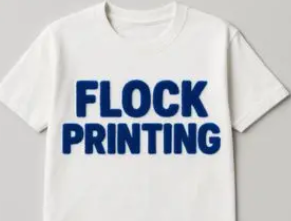
Flock printing is versatile and can be applied to a variety of materials, from fabrics to paper. Below are the most common applications:
What is Flock Printing on Fabric?
Flock printing on fabric involves using the process to create textured designs on clothing, textiles, or accessories. This technique is popular in the apparel industry, particularly for creating luxury or high-end fashion pieces. Flock printing provides a soft, velvety finish that adds a unique touch to garments like T-shirts, hoodies, and hats. It’s also used in home textiles like curtains, cushions, and upholstery to give them a plush feel.
What is Flocking on Paper?
Flock printing on paper can add depth and texture to greeting cards, invitations, packaging, and other paper products. The process is similar to fabric flocking, with adhesive applied to the paper and flock fibers added on top. Flocking on paper is often used in high-end stationery, art prints, or luxury packaging for products that aim to stand out. The soft texture enhances the tactile experience, making it perfect for special events and premium product designs.
Custom Flock Printing
Custom flock printing is an excellent way to create unique, personalized designs for various applications. Whether for a business, event, or promotional product, custom flock printing allows you to create one-of-a-kind designs with a soft and tactile finish. From branded apparel and corporate gifts to custom stationery and accessories, the possibilities are endless with custom flock printing.
What Are the Characteristics of Flock Printing?
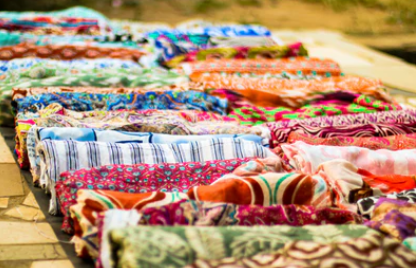
Flock printing has several characteristics that make it different from flat printing methods. Its most recognizable features are a velvet-like texture, a raised appearance, and a more premium tactile feel.
1. Soft Texture: Flock printing is known for its soft hand feel and velvet-like finish.
2. Dimensional Appearance: Flock printing adds visible depth and helps logos, lettering, and decorative graphics stand out more clearly.
3. Premium Visual Effect: Flock printing is often chosen when a product needs a more distinctive and higher-value decorative surface.
4. Application Flexibility: Flock printing can be used on selected fabrics, paper products, packaging components, and other compatible surfaces.
5. Process-Dependent Performance: Final appearance and durability depend on fiber selection, adhesive compatibility, curing conditions, and substrate suitability.
FAQ
1. Is Flocking Spray or Powder Better?
Flocking powder is generally better for production use, while flocking spray is more suitable for small-scale or craft applications. Powder usually provides a more even and professional flocked surface, especially in controlled manufacturing processes. Spray can be easier to use for small decorative projects, but the final result depends on the substrate, adhesive system, and required finish.
2. What Is Flocking Fabric Used For?
Flocking fabric is used for products that need a soft texture, decorative surface, and more premium visual effect. Common applications include apparel, upholstery, home textiles, display materials, labels, and selected packaging or decorative components. It is often chosen when a product needs more tactile appeal than a standard flat surface can provide.
3. Can You Wash Off Flocking?
Properly applied flocking should not wash off easily under normal use conditions. However, wash resistance depends on the substrate, adhesive quality, curing process, and care method. Gentle washing and lower abrasion usually help preserve the flocked surface for longer, especially in textile applications.
4. What Is the Main Benefit of Flock Printing?
The main benefit of flock printing is its soft, raised, and velvet-like surface effect. Unlike flat printing methods, flock printing adds both texture and visual depth to the design. It is often used when a product needs a more distinctive and premium finish.
5. Is Flock Printing Suitable for Packaging?
Yes, flock printing is suitable for selected packaging applications that need a more tactile and premium finish. It is commonly used for rigid boxes, inserts, presentation packaging, and decorative branded surfaces. The final result depends on substrate compatibility and process control.
Conclusion
Flock printing is a versatile and effective technique for adding texture and visual depth to various materials, including fabric, paper, and more. Whether you're looking to enhance a product with a luxurious feel, create unique custom designs, or add a professional touch to your brand, flock printing offers numerous benefits.
If you're looking to incorporate flock printing into your design, consider Zhangs, a trusted provider of high-quality flock printing services. With years of experience and expertise, Zhangs ensures that your custom designs are crafted with precision and care, creating a premium product every time.