Written by Zhangs Flocking Material Team
This article is based on Zhangs’ practical experience in flocking fiber manufacturing, textile flocking applications, and material selection support. Through involvement in fiber preparation, production control, and application development, Zhangs helps apparel manufacturers and textile companies evaluate suitable flocking solutions for different product requirements.
In many textile applications, flock printing can maintain good appearance through approximately 30–50 wash cycles when suitable materials, proper application processes, and appropriate care conditions are used.
However, the actual durability of flock printing is not determined by the printing method alone. Long-term performance depends on the complete flocking system, including flocking fiber quality, flocking glue compatibility, fabric structure, curing conditions, and production control.
For apparel manufacturers, durability is not only about whether the flocked pattern remains attached to the fabric. It is also about whether the product can maintain its original texture, softness, visual appearance, and premium feel throughout its expected service life.
This is why different garments using the same flock printing technology may achieve different results. A stable flocking solution requires the right combination of raw materials, processing conditions, and application methods.
From a manufacturing perspective, durability issues are often related to material consistency or process control rather than the flocking method itself. Selecting suitable flocking material at the beginning of product development can help reduce quality risks and improve the reliability of finished apparel products.
How Long Does Flock Printing Usually Last on Fabric?
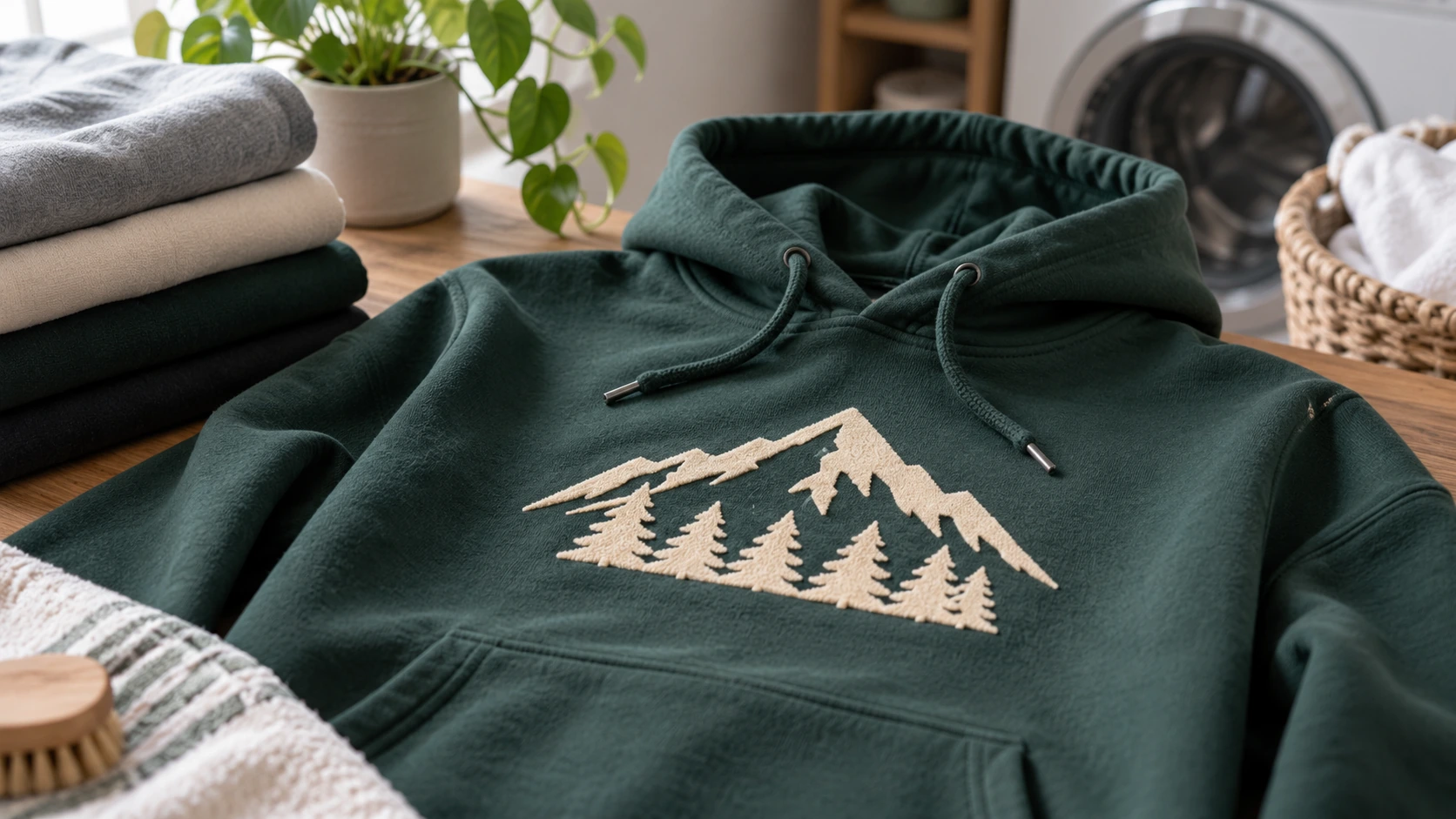
The lifespan of flock printing is usually evaluated through washing performance, adhesion stability, surface appearance, and resistance to daily wear.
In commercial apparel applications, a properly produced flocked design can maintain its visual effect for an extended period when high-quality materials and suitable processing conditions are applied. However, the actual service life depends on several conditions, including the type of fabric, frequency of use, washing environment, and the quality control of the flocking process.
For example, premium hoodies and sweatshirts often provide a stable surface for flock printing because their heavier fabric structure can reduce excessive stretching and friction. Lightweight fabrics or garments exposed to frequent mechanical stress may require more careful material selection and process adjustment.
Therefore, when apparel manufacturers evaluate flock printing durability, they should not only ask “How many washes can it last?” but also consider whether the flocked surface can maintain consistent quality under the actual conditions where the product will be used.
What Factors Affect Flock Printing Durability?
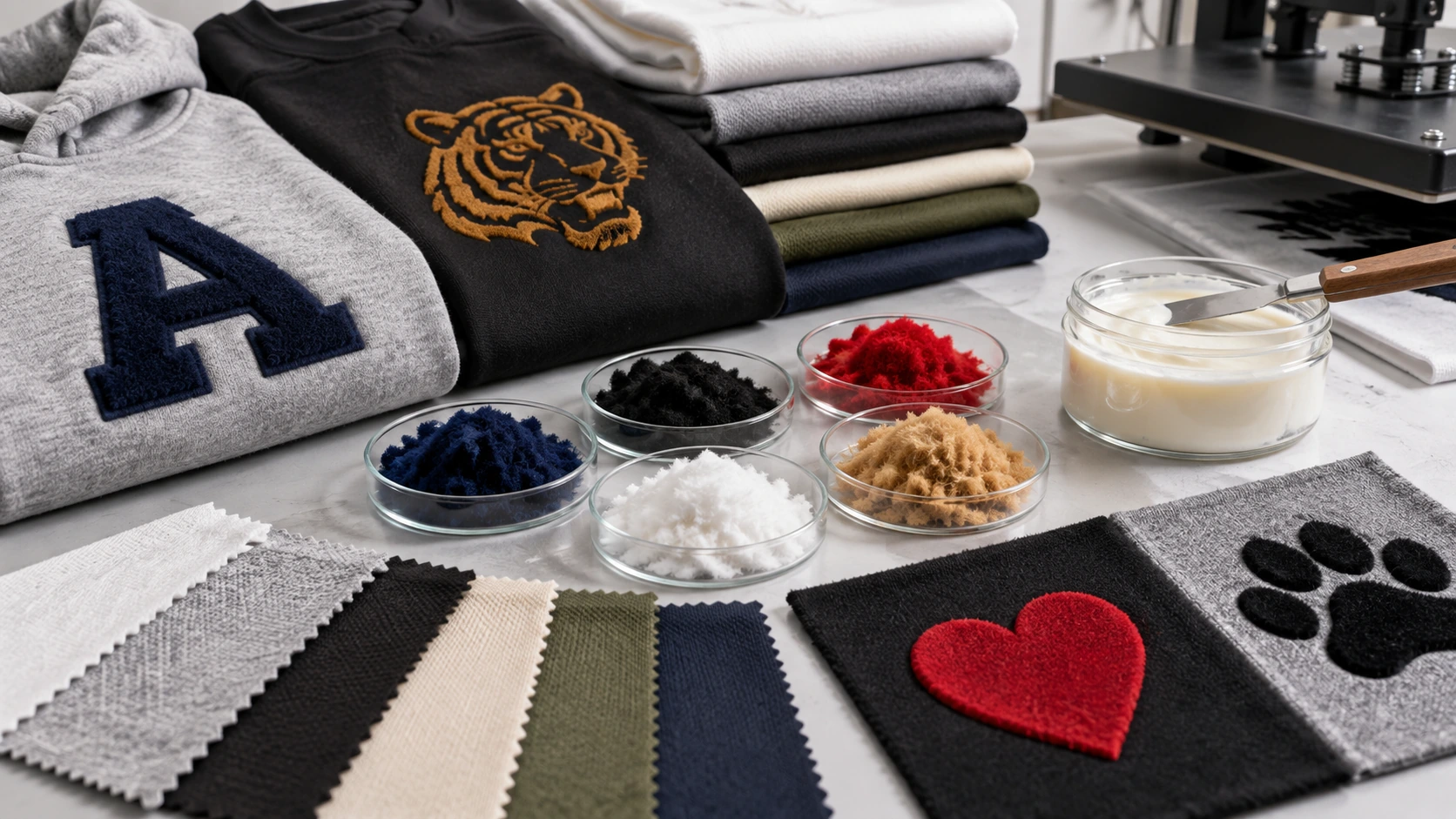
The durability of flock printing is influenced by the interaction between materials, production technology, and final application conditions.
A durable flocked surface is created through the cooperation of multiple elements. The fiber determines the texture and appearance, the adhesive system determines bonding performance, the flocking process affects fiber placement and stability, and the fabric provides the foundation for the final decoration.
Understanding these factors helps manufacturers make better decisions when developing apparel products.
How Flocking Fiber Quality Affects Flock Printing Durability?
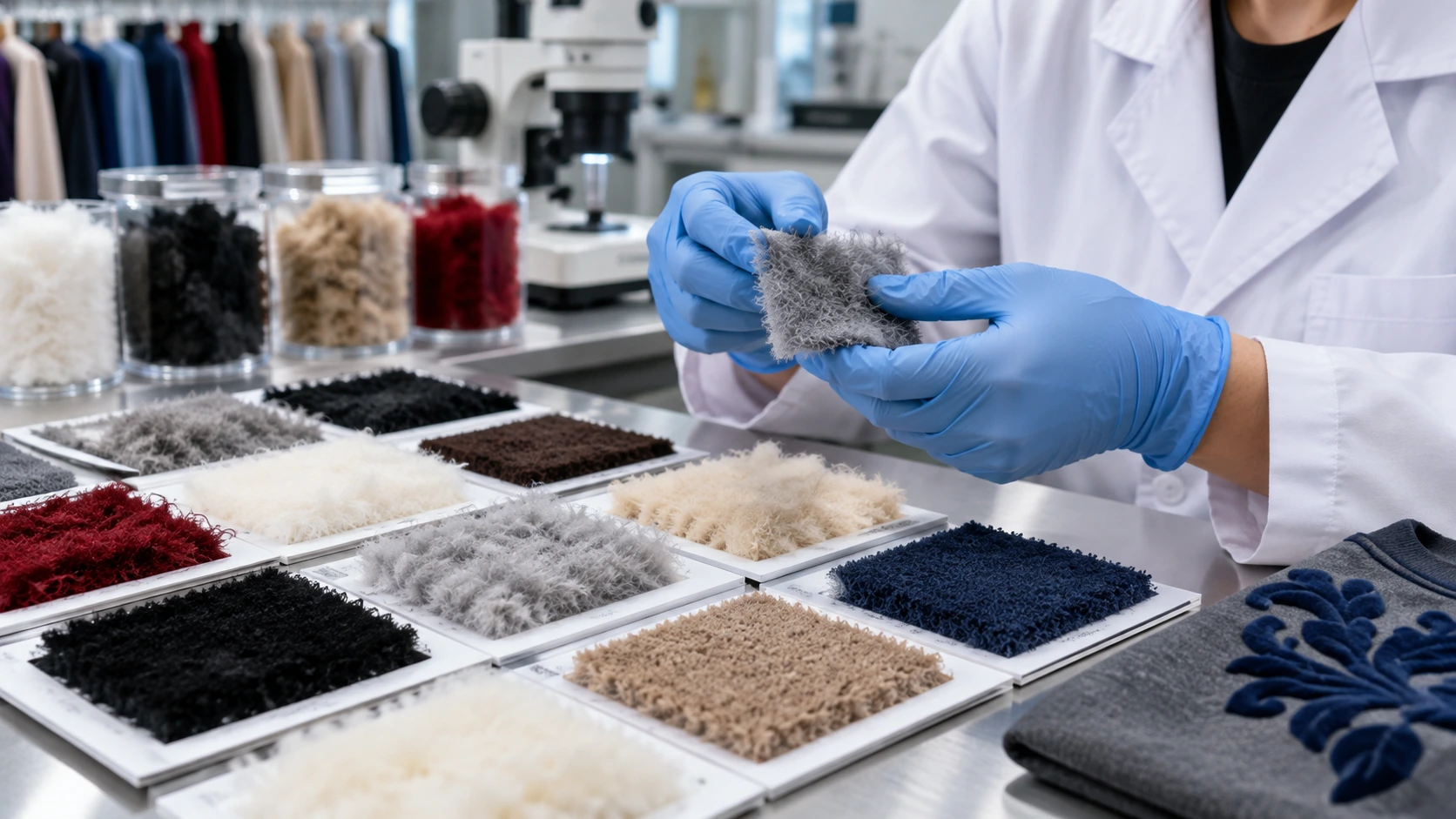
The quality of flocking fiber is one of the key factors influencing the final performance of flock printing.
Different fiber materials provide different characteristics. Common materials used in textile flocking applications include rayon, polyamide, polyester, and cotton. Each material offers different advantages depending on the required softness, appearance, processing performance, and application environment.
For example, rayon flocking fiber is often selected for apparel applications where a soft hand feel and smooth surface appearance are important. Other synthetic fibers may be considered when manufacturers require different levels of durability, stability, or processing performance.
Beyond fiber type, consistency is equally important. During production, variations in fiber length, size distribution, or surface characteristics may affect how evenly fibers stand during electrostatic flocking. Uneven fiber performance can influence the final surface texture and overall appearance.
Based on practical flock fiber manufacturing experience, maintaining stable fiber characteristics is an important part of achieving predictable flocking results. This is why apparel manufacturers should consider not only the material type but also the production capability and quality control ability of the flocking fiber supplier.
Explore our flocking fiber options for apparel production.
How Flocking Glue and Adhesive Compatibility Influence Durability?
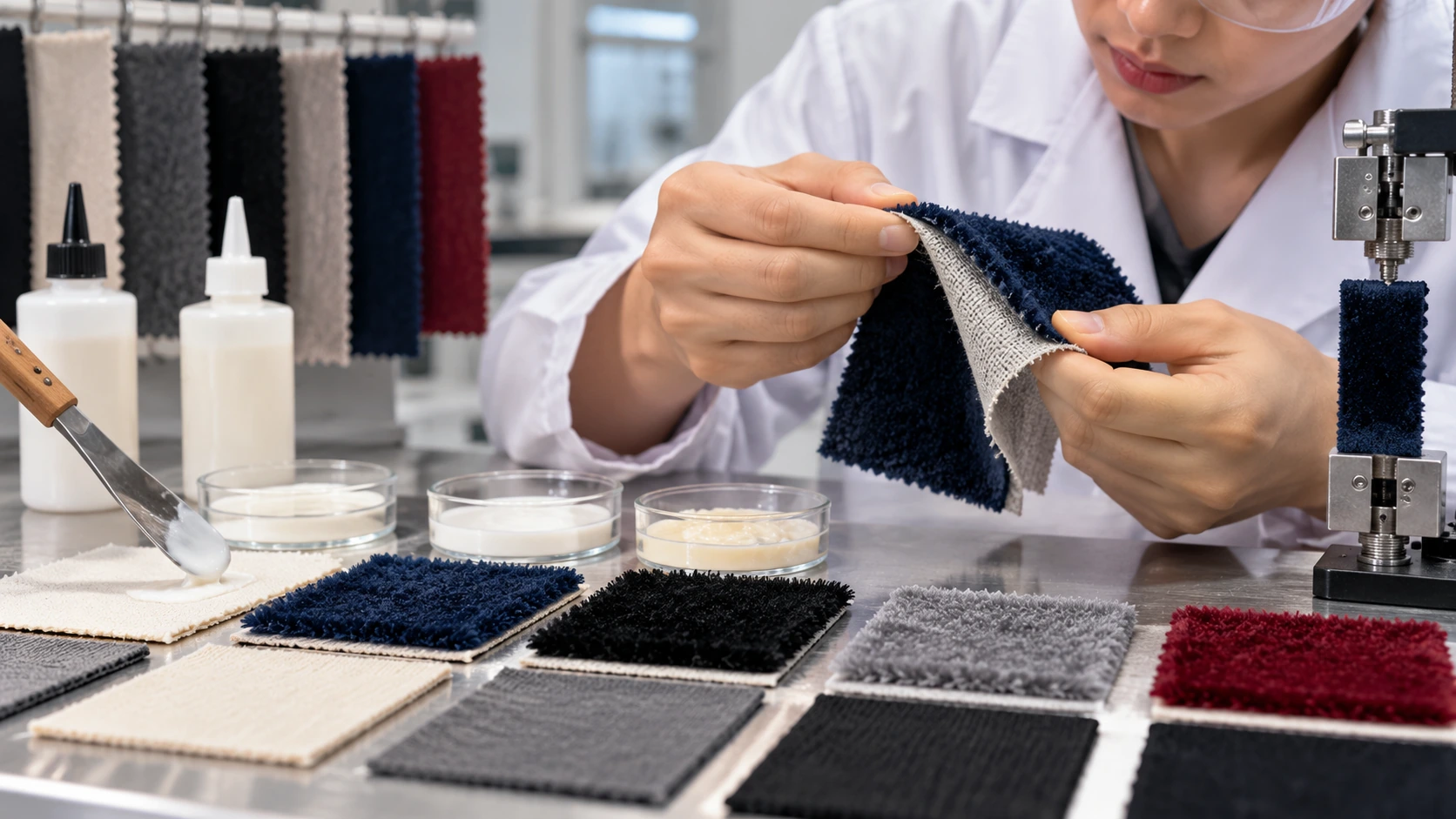
The bonding system is another important factor affecting how long flock printing lasts on fabric.
During the flocking process, fibers are attached to the fabric through an adhesive layer. The compatibility between flocking glue, fiber characteristics, and fabric type directly influences the stability of the final flocked surface.
A suitable adhesive system needs to provide strong bonding while maintaining the desired softness and appearance of the finished product. If the adhesive does not match the fabric or fiber requirements, the flocked design may experience reduced adhesion, uneven surface performance, or fiber loss after repeated use.
For apparel manufacturers, durability should therefore be evaluated as a complete system rather than focusing only on the fiber itself. The combination of flocking fiber, adhesive selection, and processing conditions determines the final quality of the flocked design.
How the Flocking Process Influences Print Longevity?
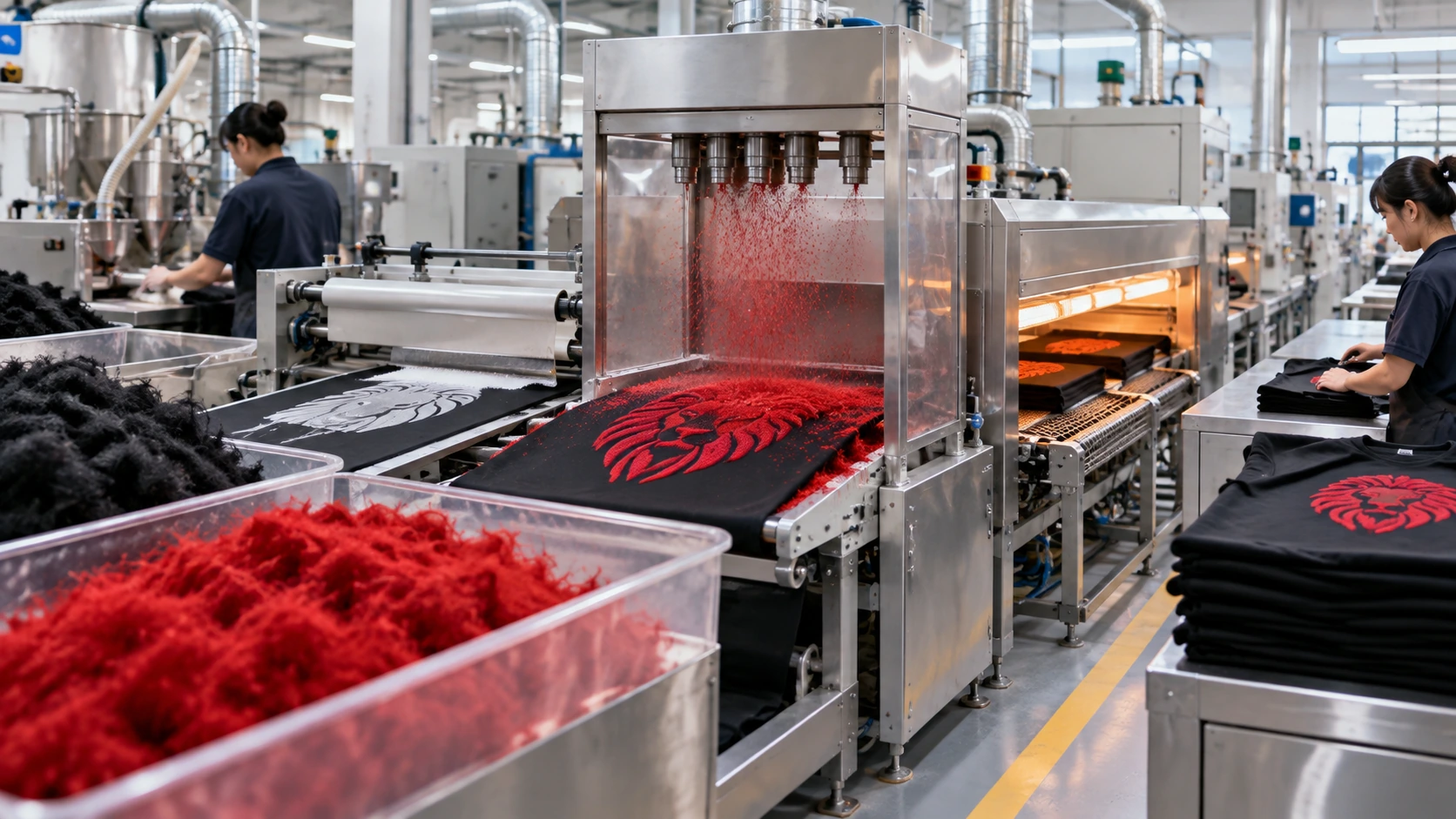
The flocking process plays an important role in determining the stability and appearance of flock printing.
Industrial flocking usually involves several controlled stages, including fiber preparation, adhesive application, electrostatic flocking, drying, and finishing. Each stage contributes to the final performance of the product.
During electrostatic flocking, fibers are positioned onto adhesive-coated areas. A stable process helps achieve better fiber distribution and creates a more uniform surface effect.
After fiber application, drying and curing conditions influence how securely fibers remain attached to the fabric. Poor process control may result in inconsistent texture, reduced adhesion, or unstable surface performance.
According to Zhangs’ manufacturing information, its flock fiber production process includes cutting, dyeing, drying, and sieving procedures to maintain fiber consistency and support stable application performance.
Learn more about electrostatic flocking technology and process control.
How Manufacturers Evaluate Flock Printing Quality Before Production?
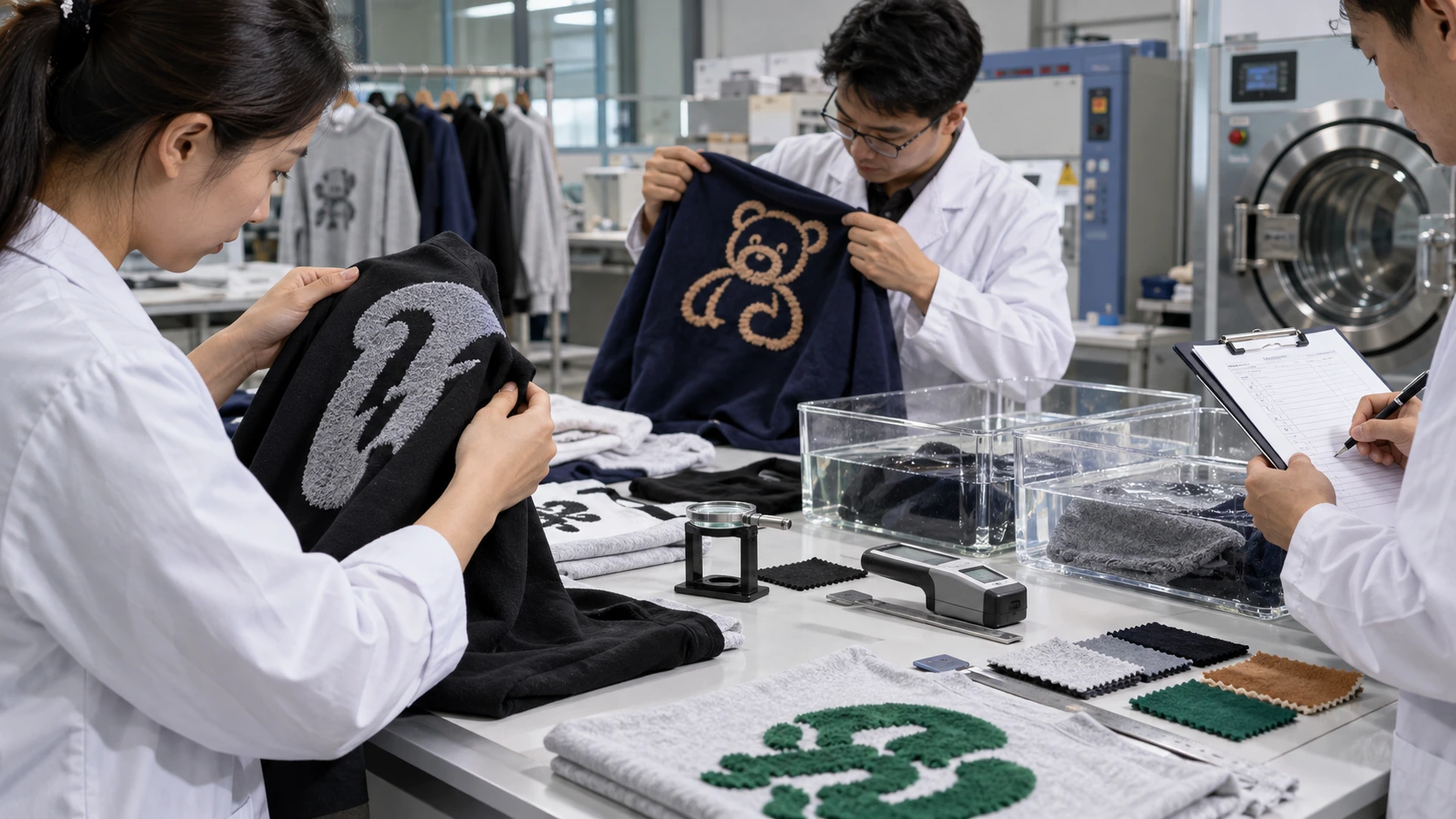
For apparel manufacturers, durability evaluation should begin before bulk production rather than after finished products enter the market.
A professional evaluation process usually focuses on whether the flocked surface can maintain its intended appearance and performance under expected usage conditions.
Washing tests are commonly used to evaluate whether fibers remain attached after repeated cleaning. Manufacturers also examine adhesion stability, surface consistency, and whether the flocked area maintains the expected softness and visual effect.
In addition to product testing, supplier evaluation is also important. A reliable flocking fiber supplier should be able to provide consistent materials, understand different application requirements, and support product development before mass production.
From a purchasing perspective, manufacturers should pay attention to factors such as:
Whether the supplier can provide stable material quality
Whether fiber specifications match the intended application
Whether production processes are controlled
Whether samples can be evaluated before bulk orders
This approach helps reduce production risks and improves the consistency of final apparel products.
How to Make Flock Printing Last Longer?
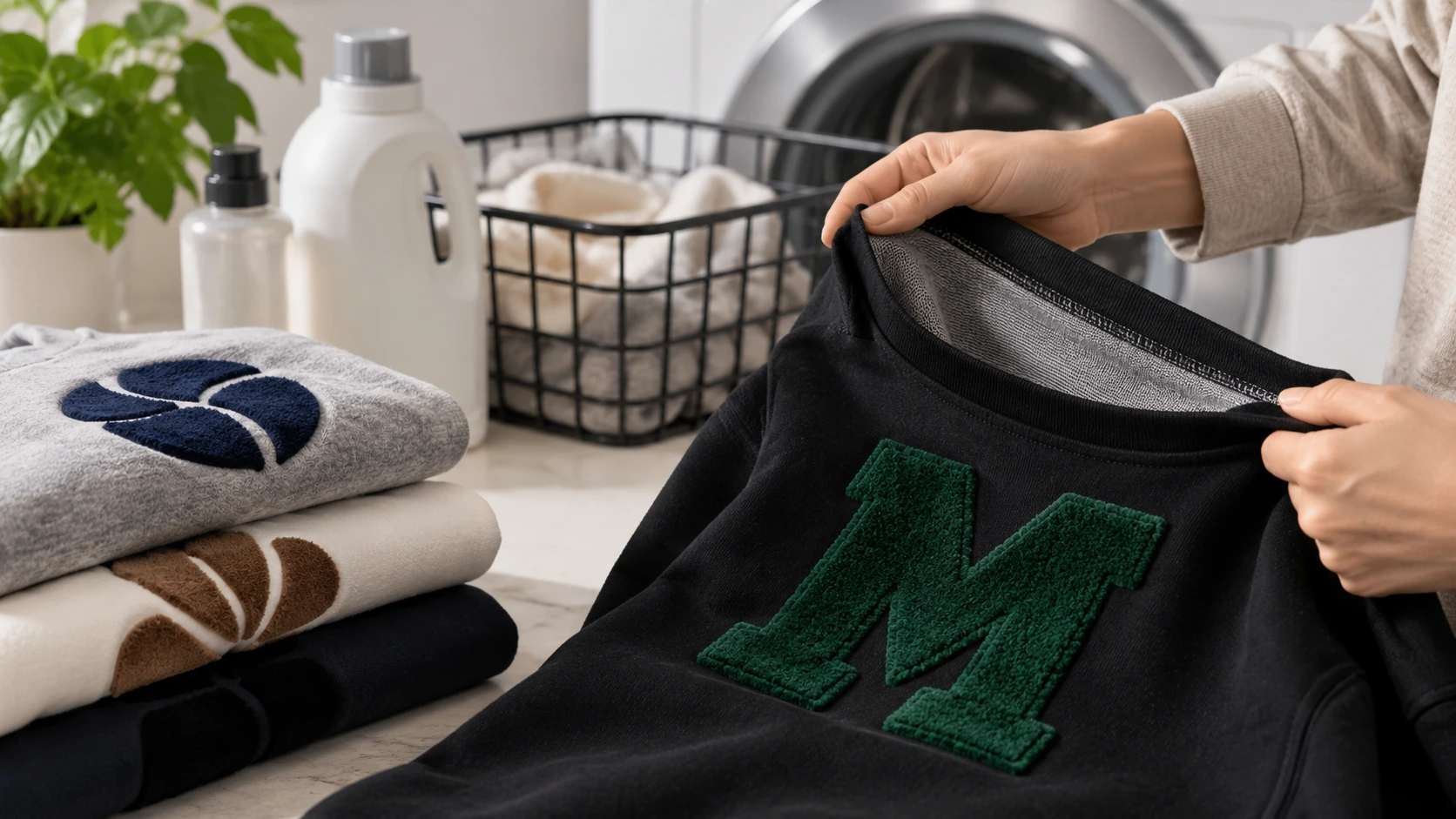
The durability of flock printing depends on both manufacturing control and product usage conditions.
For manufacturers, long-lasting performance begins with selecting suitable materials and controlling the production process. Choosing the right flocking fiber, matching the correct adhesive system, and ensuring fabric compatibility are essential steps during product development.
For finished garments, proper care methods can also help maintain flocked surfaces. Reducing excessive friction, using suitable washing conditions, and avoiding harsh treatment can help preserve the texture and appearance of flocked designs.
In addition, different applications require different material strategies. A fashion brand creating premium garments may focus on softness and visual impact, while a sportswear manufacturer may prioritize durability and repeated-use performance.
Therefore, the best flocking solution is not simply the strongest material, but the one that matches the product requirements.
How Zhangs Supports Durable Flocking Solutions?
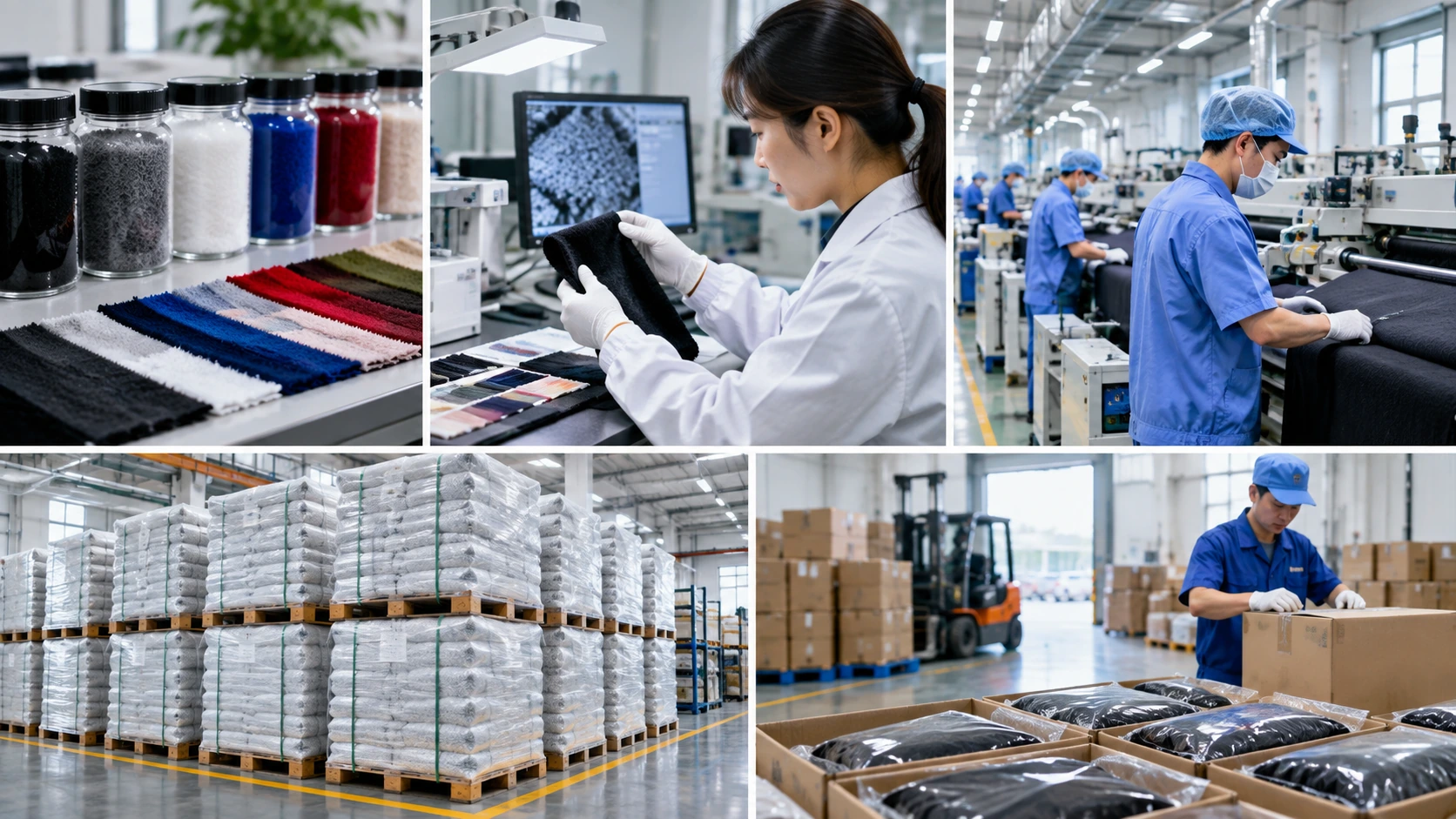
For apparel manufacturers, achieving stable flock printing performance requires reliable materials, controlled production, and application experience.
As a flocking fiber supplier, Zhangs provides flocking solutions for textile and industrial applications, helping customers select suitable materials according to their product requirements.
Zhangs supplies different flocking material options, including rayon, polyamide, polyester, and cotton fibers. These options allow manufacturers to select suitable materials based on softness, appearance, processing requirements, and application conditions.
According to Zhangs’ manufacturing information, the company’s production process includes fiber cutting, dyeing, drying, and sieving procedures to support consistent material performance. The company has a production capability of 150 tons per month, supports MOQ starting from 50kg per color, and provides typical lead time of 10–15 days.
For manufacturers developing different apparel products, Zhangs also supports customized flocking solutions. Through custom flocking service, customers can discuss requirements related to fiber type, fiber length, color, and surface effect to achieve a suitable final result.
Work with an experienced flocking fiber supplier for stable material quality.
Contact us to discuss our custom flocking service for your products.
Frequently Asked Questions About Flock Printing Durability
How many washes does flock printing last?
Flock printing can often maintain good appearance through approximately 30–50 wash cycles when suitable materials, proper processing, and appropriate care conditions are used.
The actual durability depends on factors including flocking fiber quality, adhesive compatibility, fabric type, and production control.
Does flock printing peel off over time?
Flock printing may lose fibers or reduce adhesion if unsuitable materials, poor adhesive compatibility, or unstable production conditions are used.
Using suitable flocking material, reliable flocking glue, and controlled production processes can help improve long-term performance.
Is flock printing more durable than screen printing?
Both methods have different advantages.
Screen printing creates a flat printed surface and is widely used for large-volume apparel production. Flock printing creates a raised fiber texture and is often selected when brands need a premium tactile effect.
The durability of each method depends on material quality, production control, and application conditions.
What makes flock printing last longer?
Long-lasting flock printing depends on the combination of suitable fibers, compatible adhesive systems, controlled flocking process, and proper garment care.
For manufacturers, durability should be considered throughout the entire product development process.
How do manufacturers test flock printing quality?
Manufacturers typically evaluate flock printing through washing tests, adhesion checks, surface inspection, and sample evaluation before bulk production.
These tests help determine whether the flocked design can maintain its appearance and performance under expected application conditions.
Can flocking materials be customized for different apparel products?
Yes. Flocking material solutions can be customized according to different apparel requirements.
Customization may include fiber type, fiber length, color matching, and surface effect adjustment to achieve the desired product appearance and performance.
About Zhangs Flocking Material Team
This article is based on Zhangs’ practical experience in flocking fiber manufacturing and textile flocking applications.
Through material development, production control, and application support, Zhangs helps apparel manufacturers and textile companies develop suitable flocking solutions for different product requirements.
With controlled production processes and experience in flocking applications, Zhangs supports customers in achieving stable and consistent flock printing results.
Conclusion: Achieving Long-Lasting Flock Printing Performance
The durability of flock printing depends on more than the printing technique itself. Fiber quality, adhesive compatibility, production control, fabric selection, and care conditions all influence the final performance.
For apparel manufacturers, selecting the right flocking fiber, flocking material, and experienced flocking fiber supplier is essential for creating products with stable quality and long-lasting appearance.
With suitable materials and controlled processing, flock printing can provide apparel products with a premium texture, soft touch, and durable visual effect.