Article Summary
Choosing the right flocked sponge requires understanding how sponge substrate, flocking fiber, adhesive system, and thickness work together for a specific application. Automotive components usually require durability, friction control, and consistent surface performance, while premium packaging focuses more on soft touch, appearance, and product presentation. By evaluating material structure, surface requirements, and application conditions, manufacturers can select a more suitable flocking sponge solution.
Written by Zhangs Flocking Material Team
This article is based on Zhangs’ practical experience in flocking fiber production, material development, and flocking application solutions.
In practical flocking production, Zhangs has found that successful flocking applications are rarely determined by a single material choice. The final performance depends on how the sponge substrate, fiber characteristics, adhesive system, surface effect, and production process work together.
Different industries also have different expectations. Automotive suppliers usually focus on durability, consistency, and functional performance, while packaging manufacturers often pay more attention to softness, appearance, and customer experience. Therefore, selecting flocked sponge requires evaluating the complete application requirement rather than choosing materials only based on appearance.
What Factors Should You Consider When Choosing Flocked Sponge?
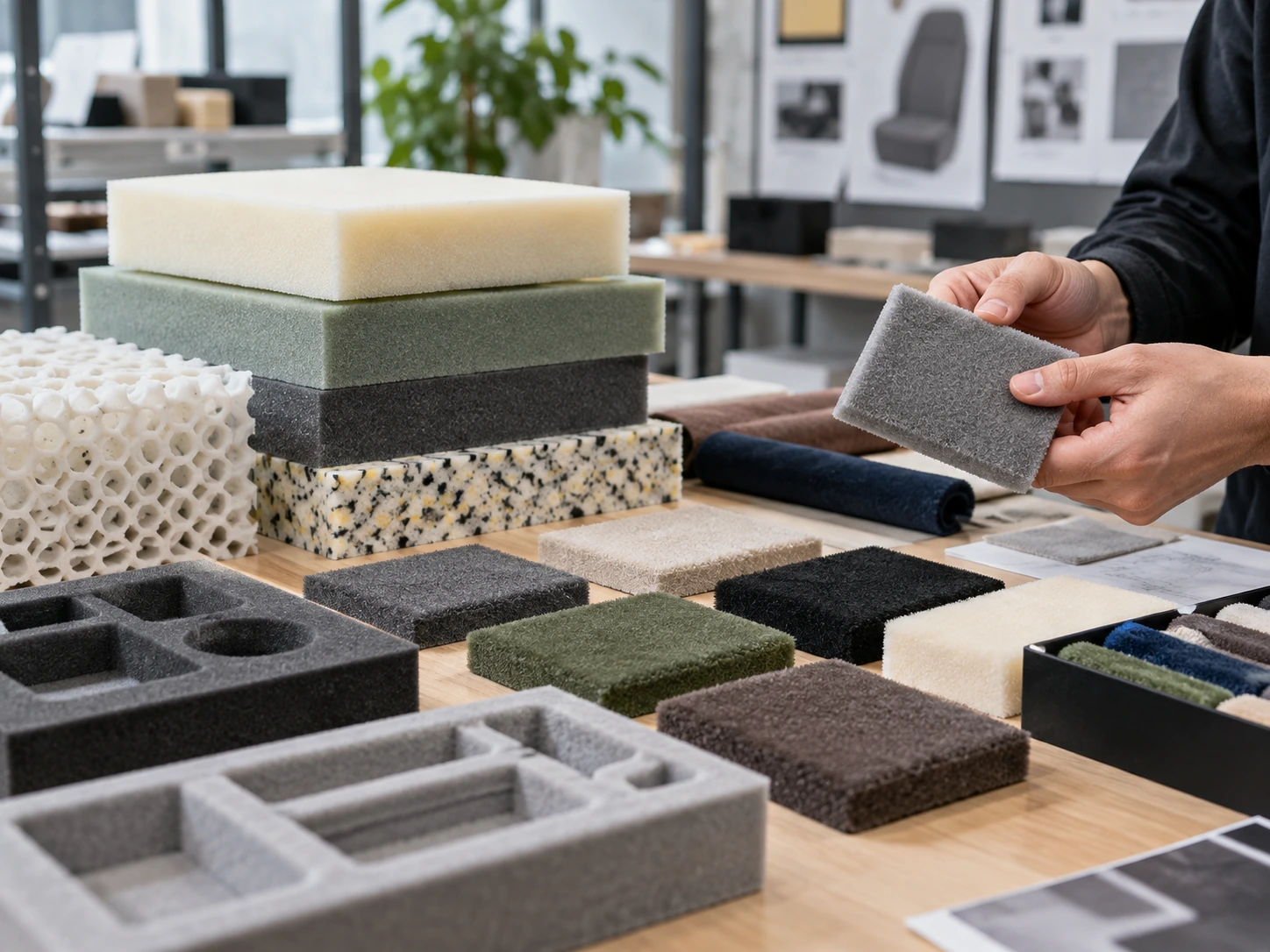
Selecting suitable flocked sponge material starts with understanding the purpose of the final product.
A flocked sponge is not simply a soft decorative material. It is a composite structure that combines a sponge base, adhesive layer, and fiber surface to achieve specific functional and aesthetic effects.
The sponge substrate determines the basic physical characteristics of the material, including flexibility, compression behavior, and structural support. The adhesive system connects the fiber layer with the sponge surface, while the flocking fiber determines the final texture, softness, and visual appearance.
For manufacturers, the first question should not be “Which material looks better?” but rather “What performance does the final product require?”
For example, an automotive interior component may need a flocked surface that can withstand repeated contact and maintain consistent appearance over time. A luxury packaging insert may require a softer texture and a more premium visual effect.
Therefore, selecting the correct flocking material requires considering the application environment, product structure, expected user experience, and manufacturing requirements together.
How to Choose the Right Sponge Material for Flocked Applications?
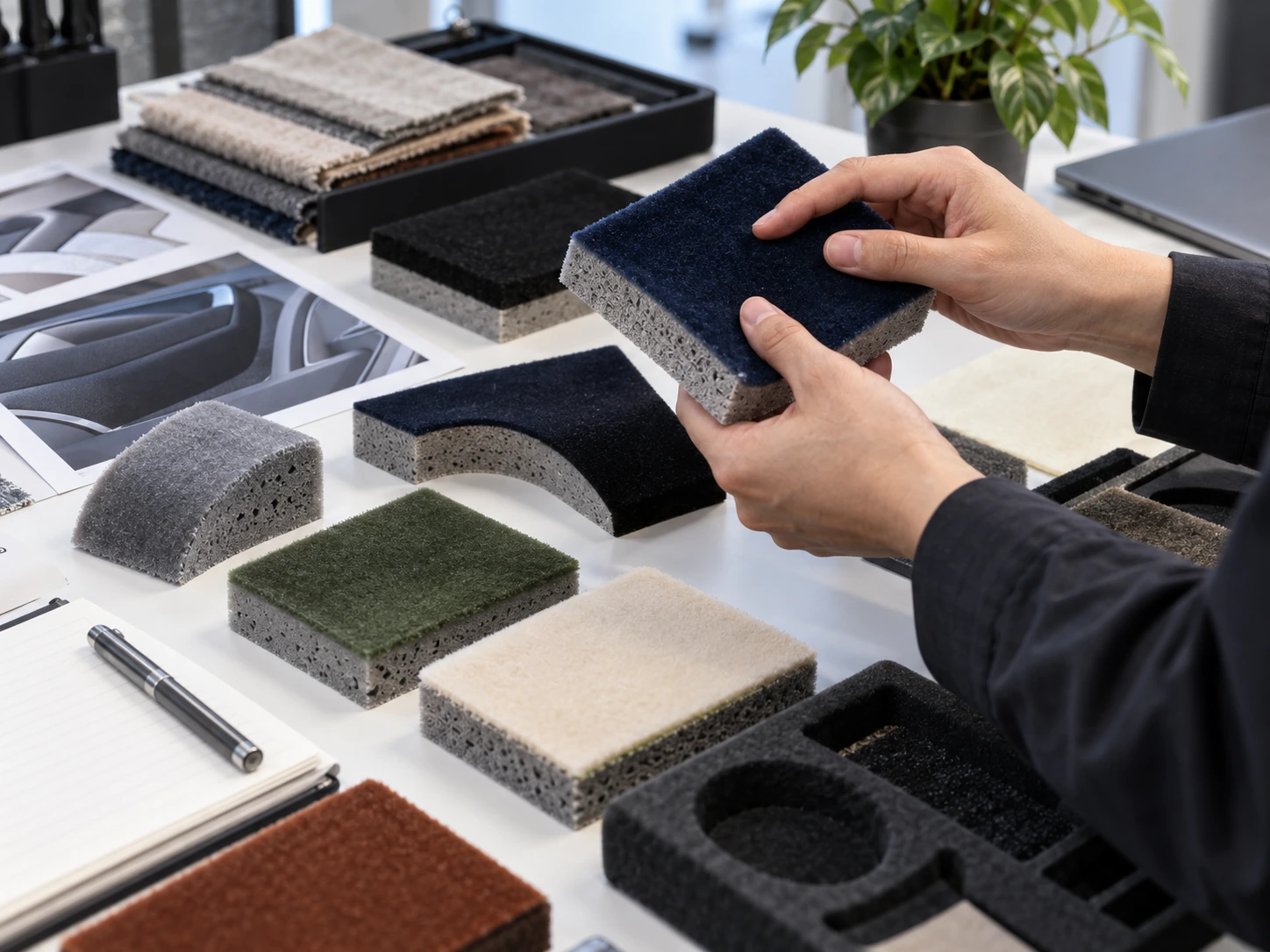
The sponge substrate provides the foundation of a flocked sponge solution. Different sponge materials offer different levels of softness, flexibility, support, and protection.
Polyurethane foam is commonly considered for applications requiring a balance between flexibility and soft-touch performance. Its structure allows manufacturers to create flocked surfaces that provide comfortable contact and cushioning effects, making it suitable for applications such as packaging inserts and certain interior components.
Other sponge substrates may be selected when the product requires different characteristics, such as stronger structural support, specific compression performance, or different processing conditions.
The important point is that there is no universally best sponge material. The suitable choice depends on how the product will be used.
For example, packaging products often require a material that protects the item while creating a refined presentation experience. In contrast, automotive components may require more attention to repeated contact, dimensional stability, and long-term surface consistency.
An experienced flocking supplier usually evaluates the relationship between sponge structure and flocking performance before recommending a solution.
How to Choose Flocking Fiber for Different Surface Effects?
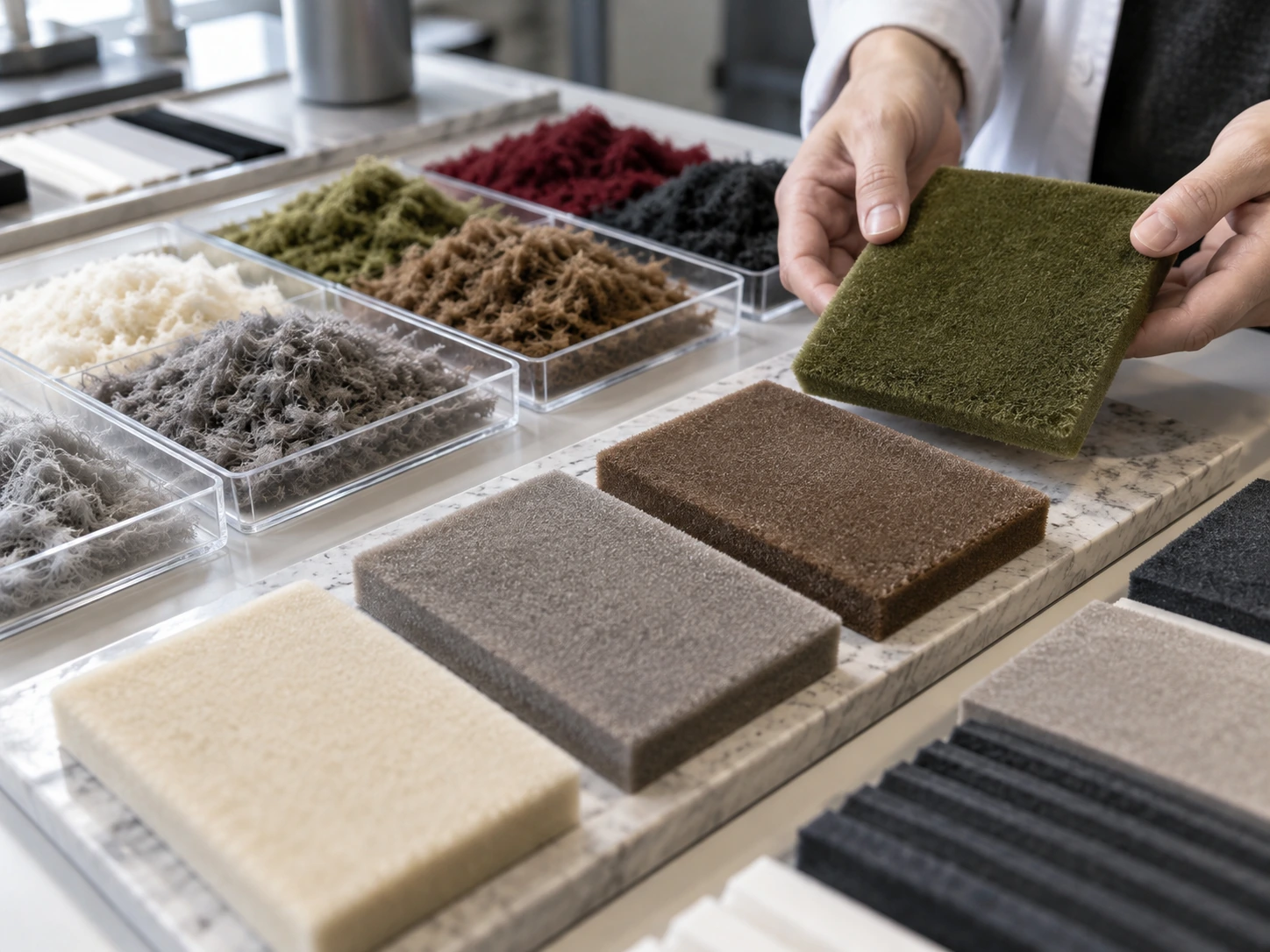
The selection of flocking fiber directly influences the final appearance and tactile performance of flocked sponge.
Different fiber characteristics can create different surface effects. A shorter fiber structure may create a smoother and more compact surface, while a longer fiber can provide a stronger texture and more noticeable visual depth.
However, fiber selection should not be based only on appearance. The final choice needs to match the application requirement.
For premium packaging, manufacturers often focus on creating a soft, luxurious surface that enhances product presentation. In automotive applications, the priority may shift toward surface consistency, durability, and compatibility with interior components.
Fiber material, length, color, and surface treatment all work together to influence the final result.
Based on practical flocking development experience, Zhangs understands that the best flocking solution usually comes from balancing fiber characteristics with the substrate, adhesive system, and application environment rather than selecting one component independently.
How Does Flocked Sponge Thickness Affect Performance?
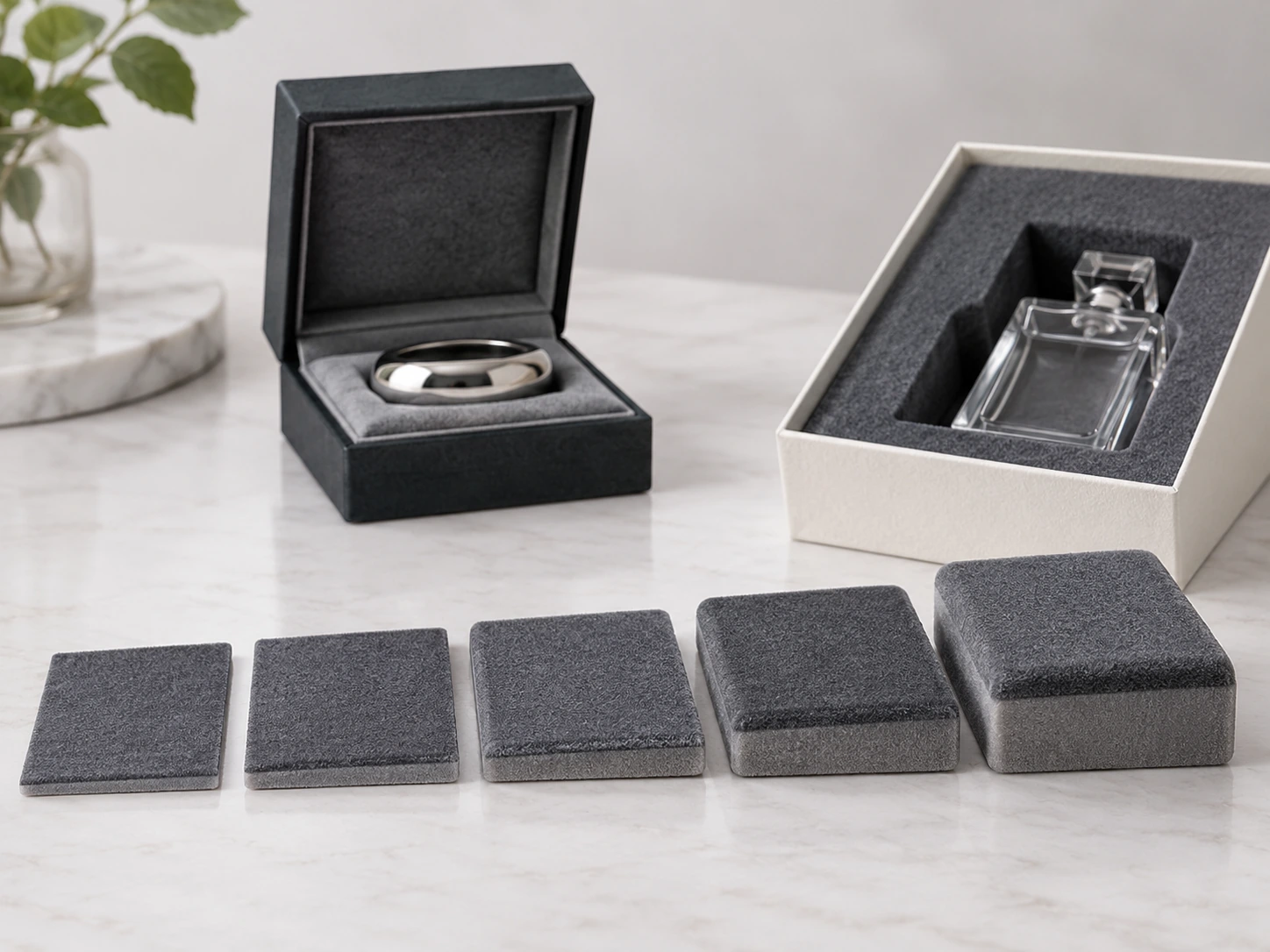
Thickness is another important factor when selecting flocked sponge material.
Many manufacturers initially focus on thickness because it is easy to compare visually. However, thickness alone does not determine whether a flocked sponge solution is suitable.
The correct thickness depends on the product structure, available installation space, cushioning requirements, and desired surface effect.
A thicker sponge structure may provide more cushioning and a softer feeling, which can be beneficial for products requiring additional protection. However, excessive thickness may affect assembly space, product design, or overall appearance.
A thinner flocked sponge may be more suitable for applications where space is limited and the main goal is improving surface texture or visual quality.
For example, luxury packaging inserts need enough thickness to protect products while maintaining an elegant and compact design. Automotive components need thickness choices that match the interior structure and functional requirements.
Therefore, thickness selection should always be based on the complete product application rather than a fixed thickness standard.
Choosing Flocked Sponge for Different Applications

Different industries have different expectations for flocked sponge performance. Understanding these differences helps manufacturers make more suitable material decisions.
Automotive Interior Applications
Automotive interiors are one of the important application areas for flocked sponge applications.
Vehicle interiors contain many areas where users frequently interact with surfaces. Traditional hard plastic materials may create a less refined touch experience or generate unwanted contact noise when objects move against surfaces.
Flocked sponge provides a softer surface layer that can improve tactile experience and surface protection. In areas such as glove boxes, storage compartments, and interior trim components, manufacturers often consider flocking solutions to improve both functional performance and perceived quality.
For automotive applications, material selection usually focuses on durability, surface consistency, friction control, and compatibility with the final component design.
The successful application of flocked sponge depends on the combination of sponge structure, flocking fiber, adhesive compatibility, and controlled production.
Luxury Packaging Applications
Luxury packaging has different requirements compared with automotive applications.
For jewelry, cosmetics, watches, and premium products, packaging is part of the customer experience. The surface texture, softness, and appearance of the packaging material influence how consumers perceive product value.
Flocked sponge provides a soft-touch surface that can protect products while creating a premium presentation effect.
In these applications, manufacturers usually focus on achieving the right balance between protection and visual appeal. The selection of flocking material should match the product positioning, packaging design, and expected customer experience.
Electronics and Product Protection Applications
Flocked sponge can also be used for products that require both cushioning and surface protection.
For electronic products and precision components, the material needs to reduce direct contact with harder packaging structures while maintaining appropriate support.
In these applications, manufacturers need to consider product sensitivity, packaging structure, and protection requirements when selecting sponge structure, fiber characteristics, and thickness.
How Does the Flocking Process Influence Material Quality?
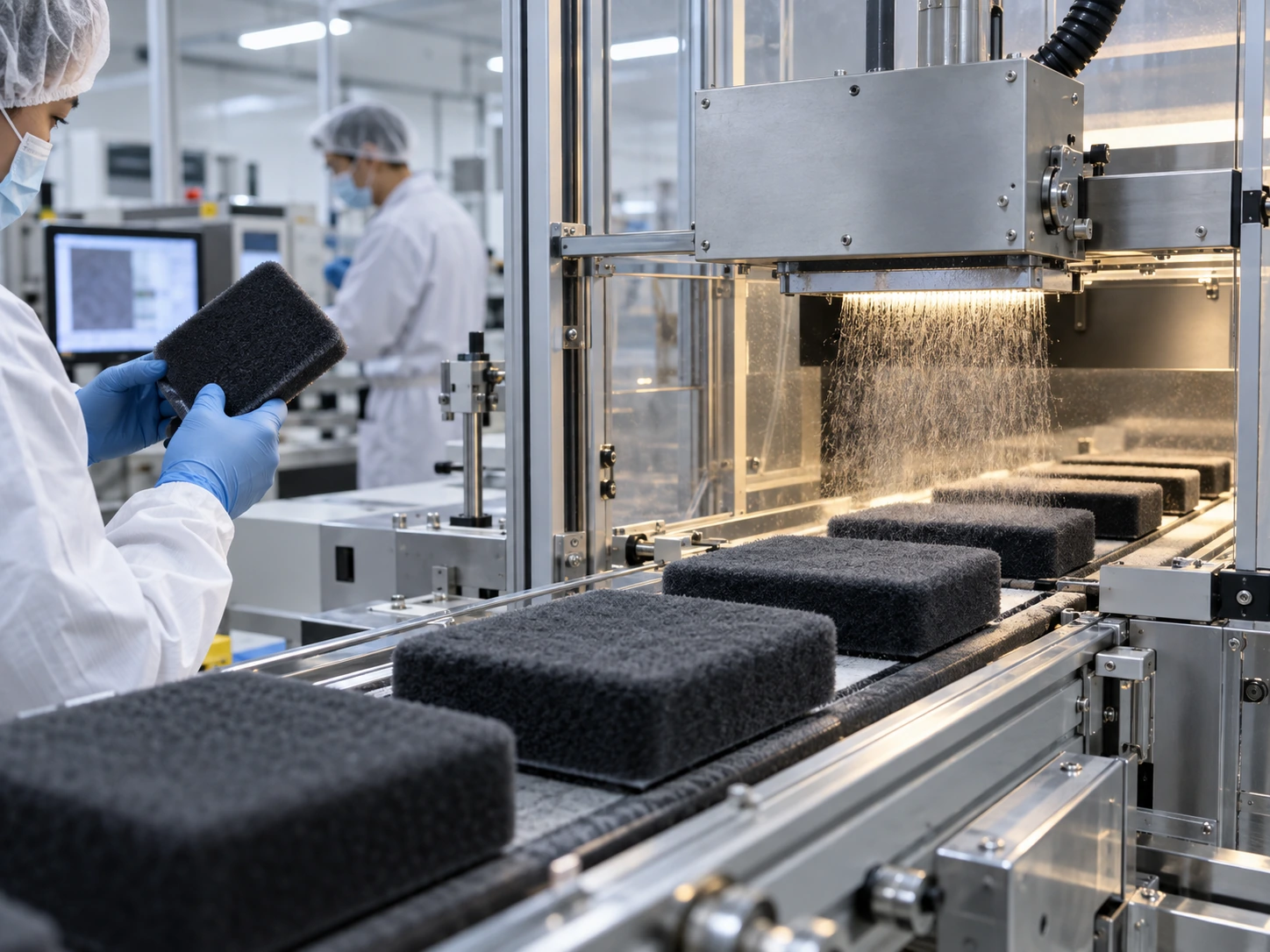
Material selection is only one part of achieving a high-quality flocked sponge solution. The flocking process also has a significant influence on the final result.
A typical process includes surface preparation, adhesive application, fiber application, drying, and quality control.
During electrostatic flocking, fibers are applied onto an adhesive-coated surface to create a consistent fiber layer. The stability of this process affects fiber distribution, surface appearance, and overall quality.
In practical manufacturing, even suitable materials may not achieve the expected result if process control is insufficient.
For this reason, manufacturers should evaluate both material capability and production capability when selecting a flocking partner.
Common Mistakes When Choosing Flocked Sponge

One common mistake is selecting flocked sponge based only on appearance. A visually attractive surface does not always mean the material is suitable for the final application.
Another mistake is ignoring the relationship between different material components. The performance of flocked sponge depends on the interaction between sponge substrate, flocking glue, fiber characteristics, and processing conditions.
Some manufacturers also focus only on thickness while overlooking the actual usage environment. A suitable solution requires balancing protection, appearance, space limitations, and production requirements.
A professional flocking supplier helps customers evaluate these factors together instead of recommending a single material without considering the final application.
How Zhangs Supports Flocked Sponge Material Development

Based on practical experience in flocking material production, Zhangs understands that different applications require different material combinations.
When developing a flocked sponge solution, Zhangs evaluates the complete application requirement, including the expected surface effect, material compatibility, production conditions, and final product purpose.
For example, automotive applications may require stronger attention to durability and functional performance, while premium packaging applications may place greater emphasis on softness, appearance, and presentation quality.
Through material development experience and custom flocking service, Zhangs helps customers explore suitable solutions based on their product requirements.
The goal is not simply to provide individual materials, but to support customers in developing a flocking solution that matches their application.
Why Choose Zhangs as Your Flocking Material Partner?

Choosing the right supplier is an important step in developing stable flocked sponge products.
As an experienced flocking fiber supplier, Zhangs provides support for customers who need customized flocking solutions.
Through cooperation during product development, Zhangs can help customers evaluate different material combinations, surface effects, and application requirements.
A reliable supplier should not only provide flocking materials but also understand how those materials perform in real applications.
With experience in flocking fiber, flocking powder, flocking glue, and flocking technologies, Zhangs supports customers in developing solutions for automotive, packaging, and other industrial applications.
Frequently Asked Questions
What is the most important factor when choosing flocked sponge?
The most important factor is matching the material combination with the final application. Sponge structure, fiber characteristics, adhesive compatibility, and thickness should all be considered together.
How do I choose the thickness of flocked sponge?
Thickness should be selected based on product structure, protection requirements, available space, and desired surface effect rather than choosing a standard thickness.
Does flocking fiber affect the final product appearance?
Yes. Flocking fiber characteristics such as length, material, and surface treatment influence softness, texture, and visual appearance.
What affects flocking sponge quality?
Quality depends on the combination of flocking material, sponge substrate, adhesive system, and flocking process control.
Can flocked sponge be customized?
Yes. Through custom flocking service, manufacturers can develop customized solutions based on product requirements, including surface effects, colors, and material combinations.
How do I choose a reliable flocking supplier?
A reliable supplier should have experience in material development, production control, application understanding, and customization support.
Conclusion
Choosing the right flocked sponge material and thickness requires a complete understanding of application requirements, material structure, and production capability.
Different industries have different priorities. Automotive applications usually focus on durability, consistency, and functional performance, while premium packaging applications emphasize softness, appearance, and product experience.
By selecting suitable flocking fiber, flocking material, adhesive systems, thickness, and working with an experienced flocking fiber supplier, manufacturers can develop flocked sponge solutions that provide both functional value and premium surface performance.