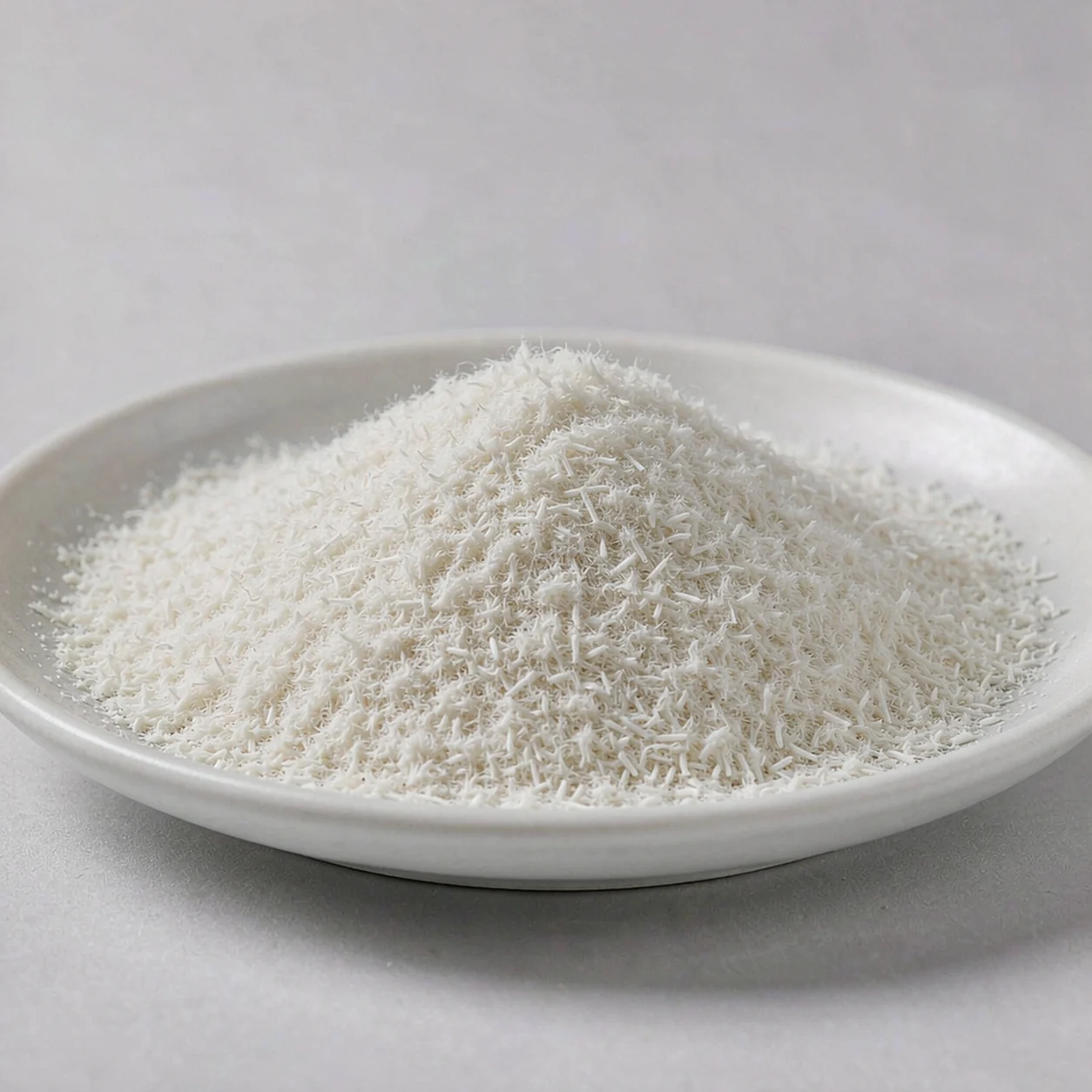
Cotton Flock Powder
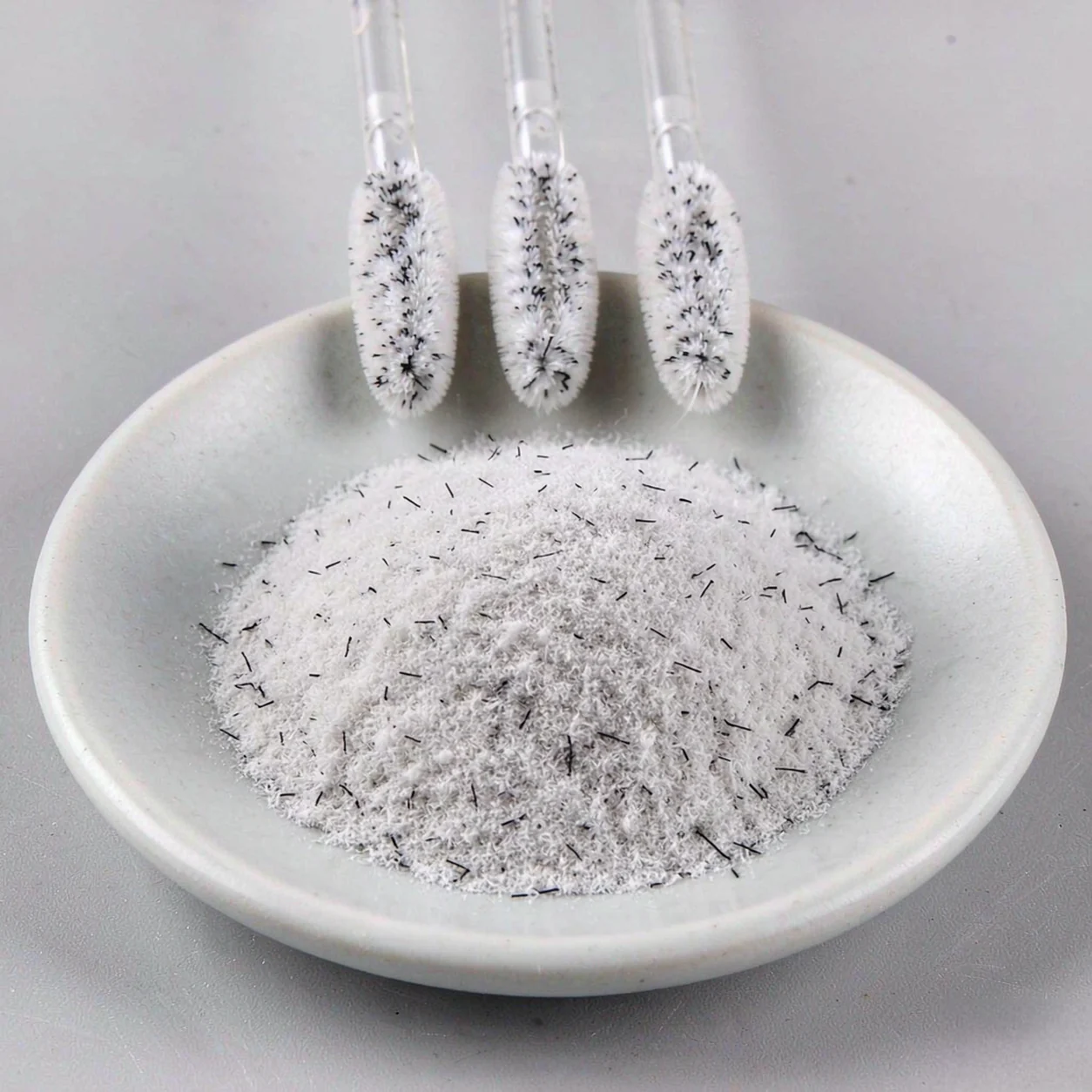
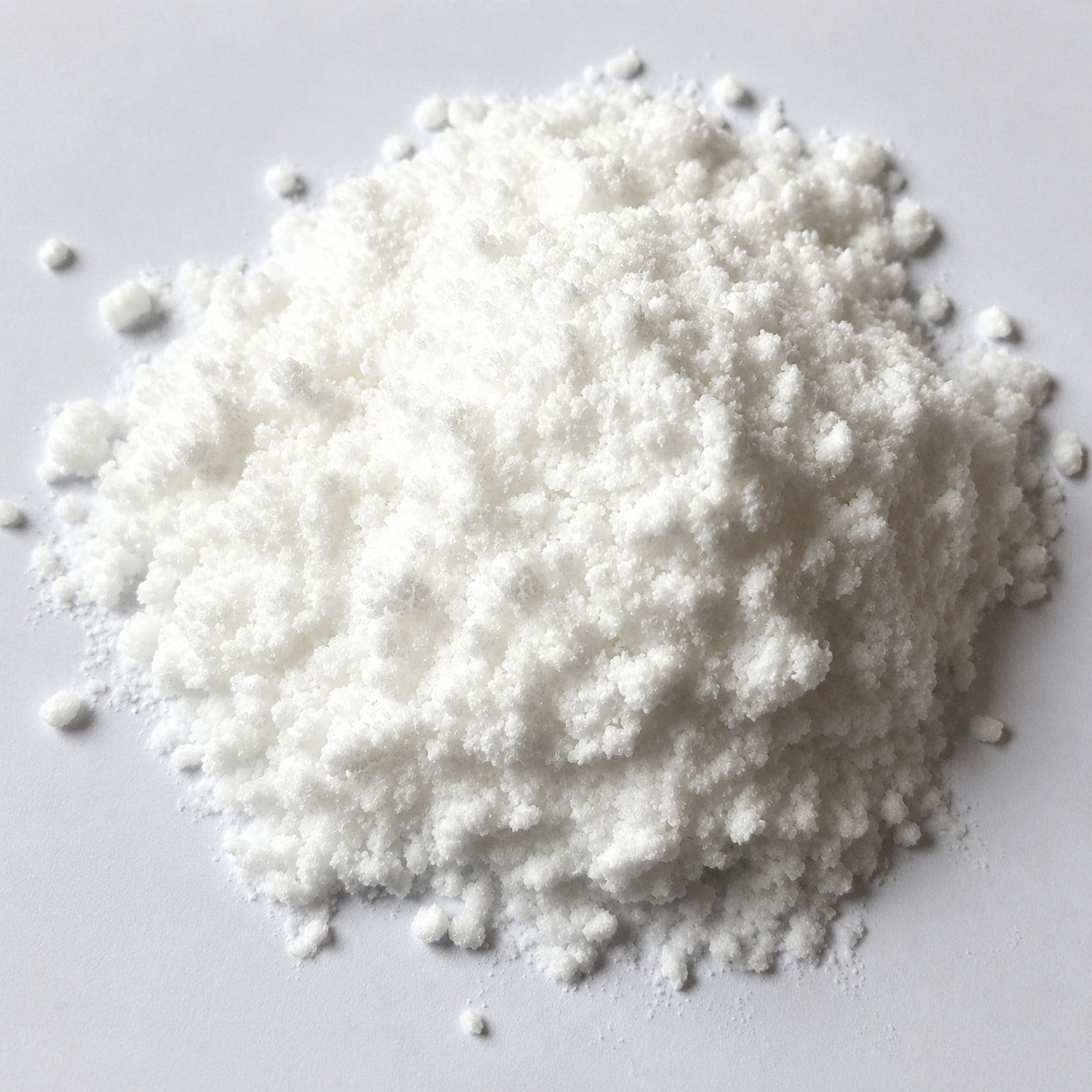
Cotton Flock Powder is a natural cotton-based short fiber material for decorative flocking applications. Available in fine ground cotton grades, it offers a natural fiber texture for paper, packaging, crafts and selected textile surfaces.
Quick Facts
Product Type: Ground cotton flock powder
Fiber Material: Natural cotton fiber
Available Grades: BR50, BR60, BR80
Fiber Length: Approx. 0.3–0.5mm, depending on grade
Surface Effect: Fine, matte, natural fiber texture
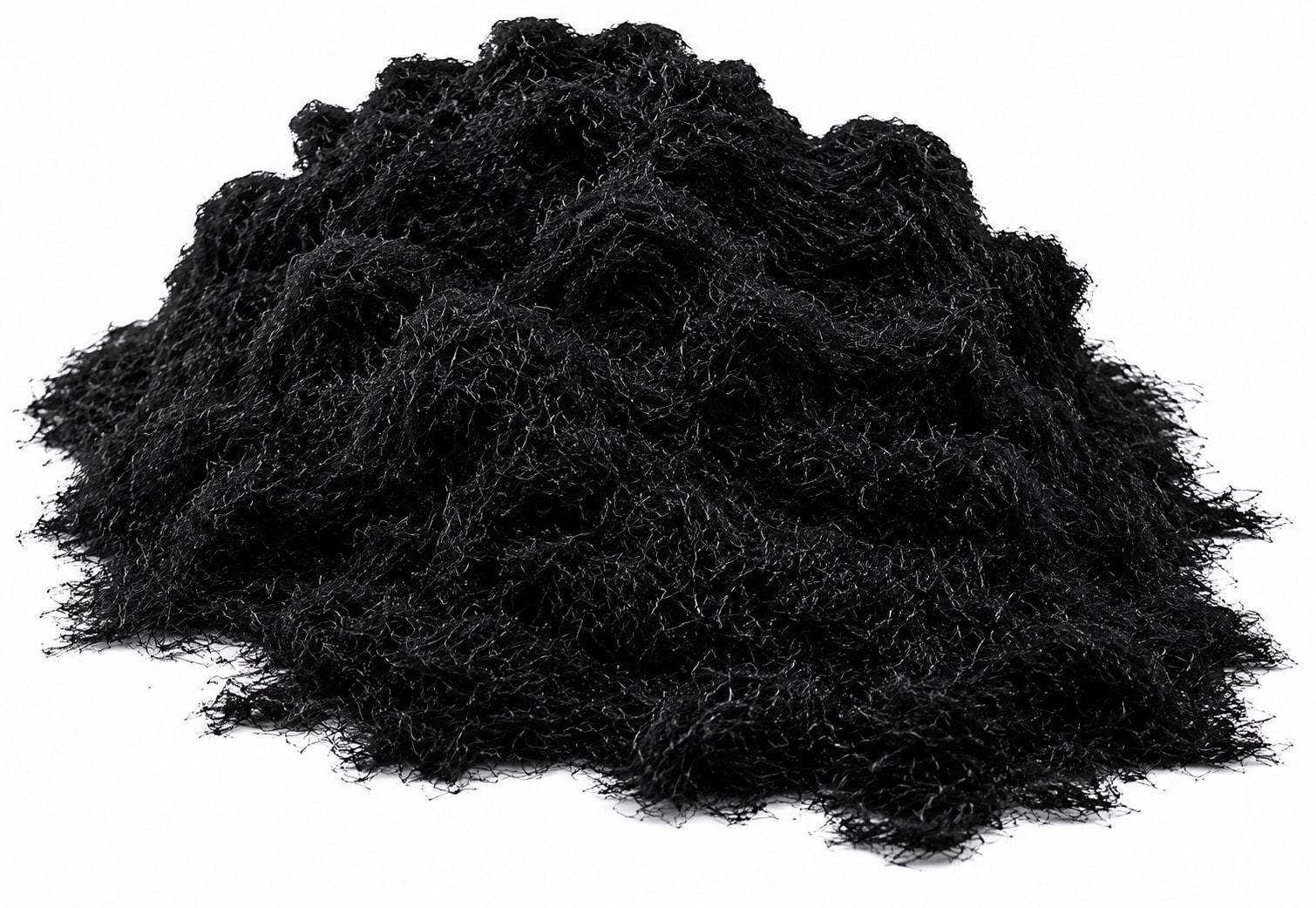
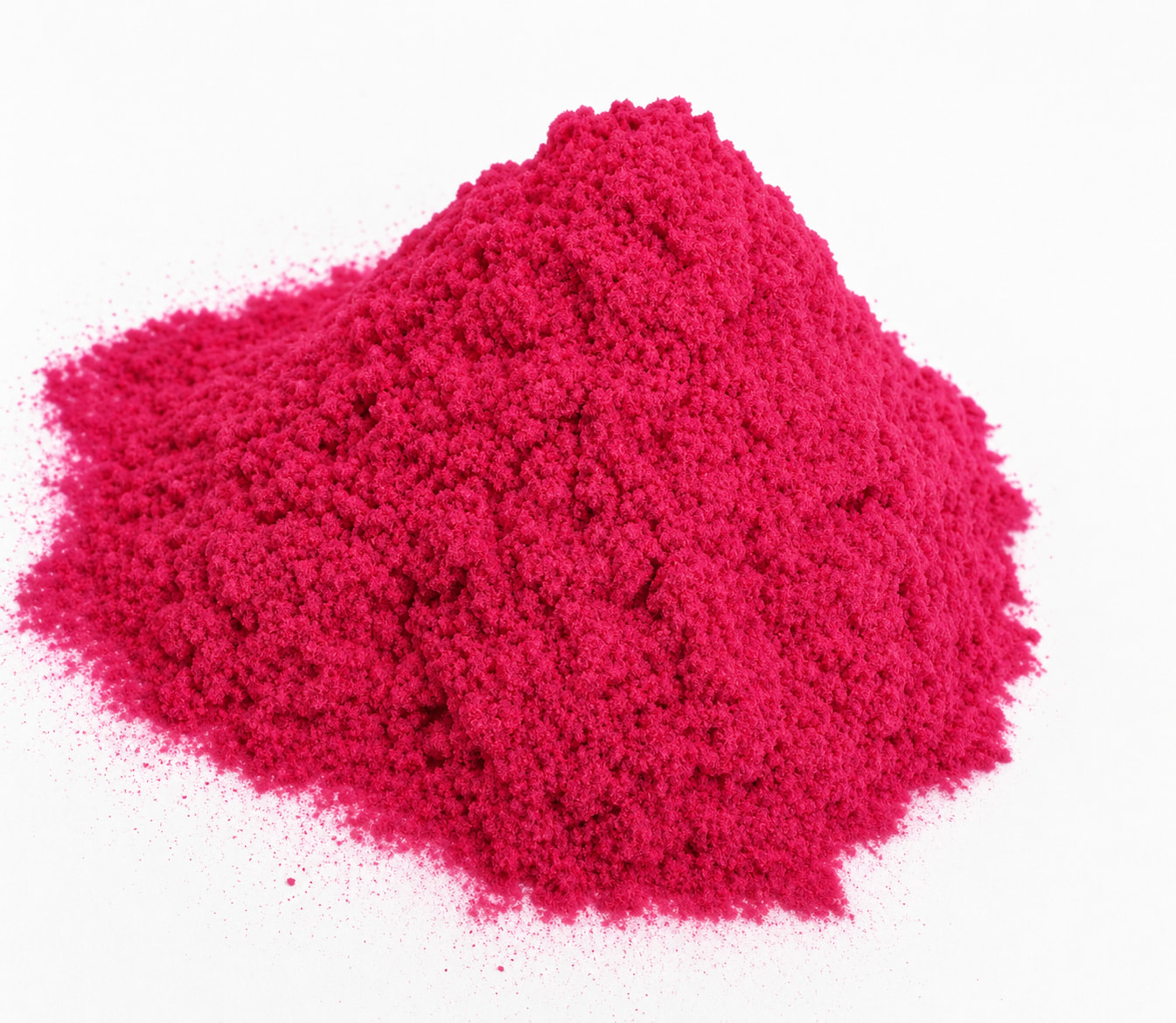
Customization: Color and application requirements subject to confirmation
Cotton Flocking Fibers Overview
Explore cotton fiber grades and material options for different surface finishing requirements.
Choosing the right flocking material involves more than selecting a fiber type. Surface coverage, texture, and compatibility with different substrates can all affect the final result. For projects considering cotton fibers, the appropriate grade should be selected based on the desired finish and processing conditions.
Zhangs offers BR50, BR60, and BR80 ground cotton grades, with approximate fiber lengths ranging from 0.3mm to 0.5mm. You can compare available specifications and evaluate samples on your intended substrates to identify suitable cotton flocking powder for your production requirements.
| Specification | Options / Description |
|---|---|
| Product Name | Cotton Flocking Powder |
| Fiber Material | Natural cotton fibers |
| Fiber Type | Ground cotton fibers |
| Available Grades | BR50 Ground / BR60 Ground / BR80 Ground |
| Fiber Length by Grade | BR50: Approx. 0.5mm BR60: Approx. 0.4mm BR80: Approx. 0.3mm |
| Fiber Fineness | Subject to grade specifications |
| Surface Appearance | Fine, matte fiber texture |
| Color Options | Subject to availability and customization feasibility |
| Applications | Packaging, paper products, crafts, and selected textile decoration |
| Sample Evaluation | Grade comparison, surface appearance, and application compatibility |

Surface Coverage and Distribution
Even fiber distribution is essential for creating a consistent flocked surface. When applied under suitable conditions, ground cotton fibers can form a fine decorative layer, while the final coverage depends on the adhesive, substrate, and application method.

Finely Processed Fiber Structure
Mechanical processing reduces cotton fibers to short, finely divided particles. This structure is suitable for surface treatments that require a low-profile fiber layer rather than a pronounced long-pile finish.

Soft, Non-Glossy Appearance
Instead of a shiny or reflective finish, cotton fibers create a subtle, matte appearance. This understated texture suits decorative designs where a natural-looking surface is preferred.

Process Compatibility Considerations
Moisture conditions, adhesive selection, and fiber preparation influence how ground cotton performs during application. The material should be evaluated under the intended processing conditions, particularly when electrostatic flocking is required.
Dedicated Ground Cotton Grade Options
Rather than offering a single general-purpose cotton powder, Zhangs provides BR50, BR60, and BR80 ground cotton grades. These defined options make it easier to specify the material you need and compare alternatives during procurement.
Attention to Cotton Fiber Preparation
Ground cotton requires careful consideration of fiber size, moisture conditions, and material handling. We review these processing factors when discussing your requirements, helping you identify the preparation and handling conditions relevant to your project.
Application-Specific Material Evaluation
Cotton flock does not behave identically on every substrate or with every adhesive. Whether your project involves paper, packaging, or decorative components, we help you review the intended process and select suitable grades for sample evaluation.
Custom Requirements Beyond Standard Grades
A standard cotton flock grade may not meet every project's color or finishing requirements. Tell us what you need, and we'll assess available material options and the feasibility of custom specifications before production.
Clear Specifications for Repeat Orders
Once a cotton flock grade and sample have been agreed upon, the same specifications can be used as a reference for future orders. Our team coordinates material details, order quantities, and production arrangements to support ongoing purchasing needs.
 01
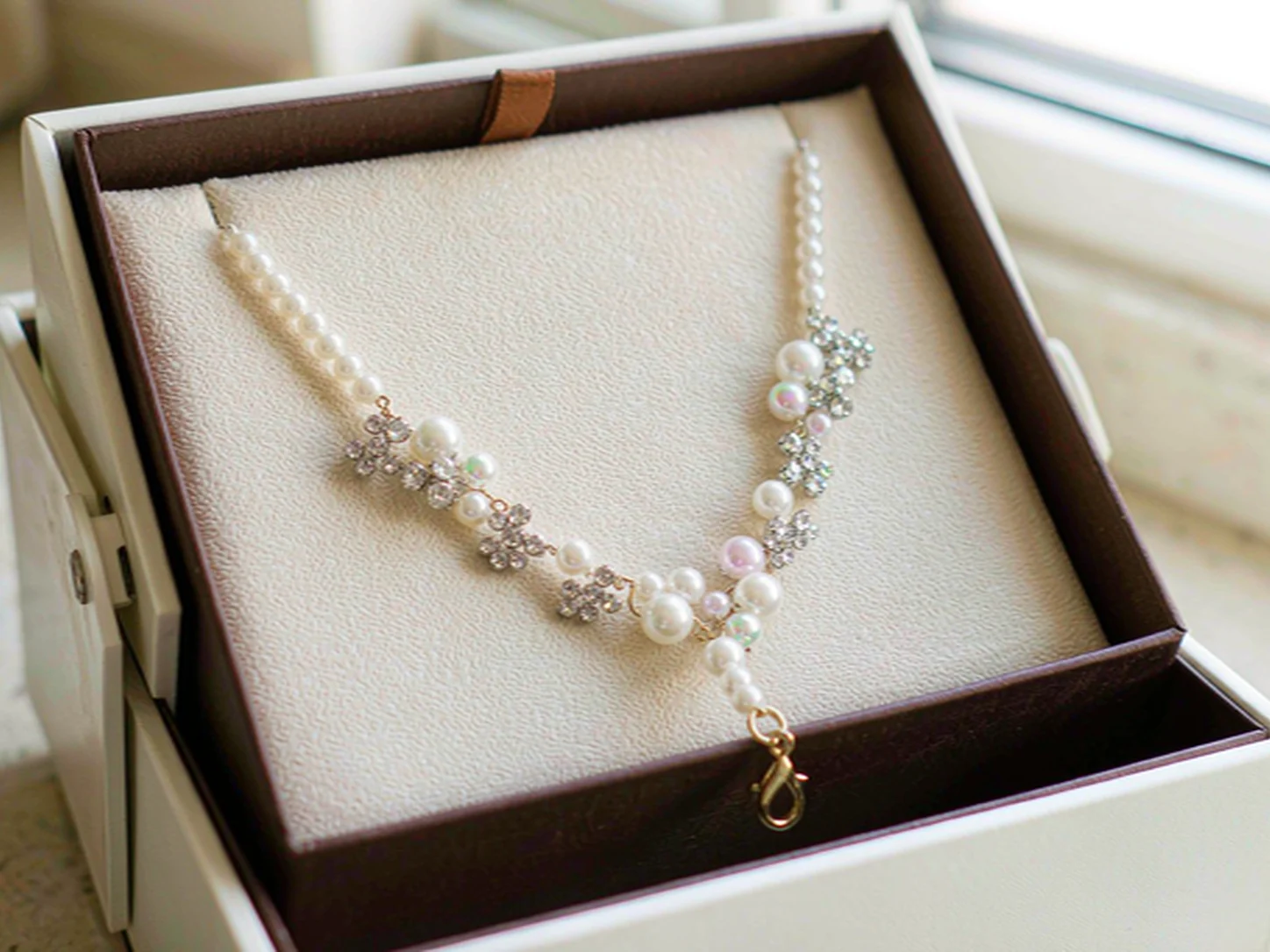
Gift Boxes and Packaging Inserts
Gift boxes and protective inserts often need a surface that looks refined and feels pleasant to the touch. Cotton flocking powder provides a fine fiber texture for decorative interiors, with the final finish tailored to the packaging material and design.
 02
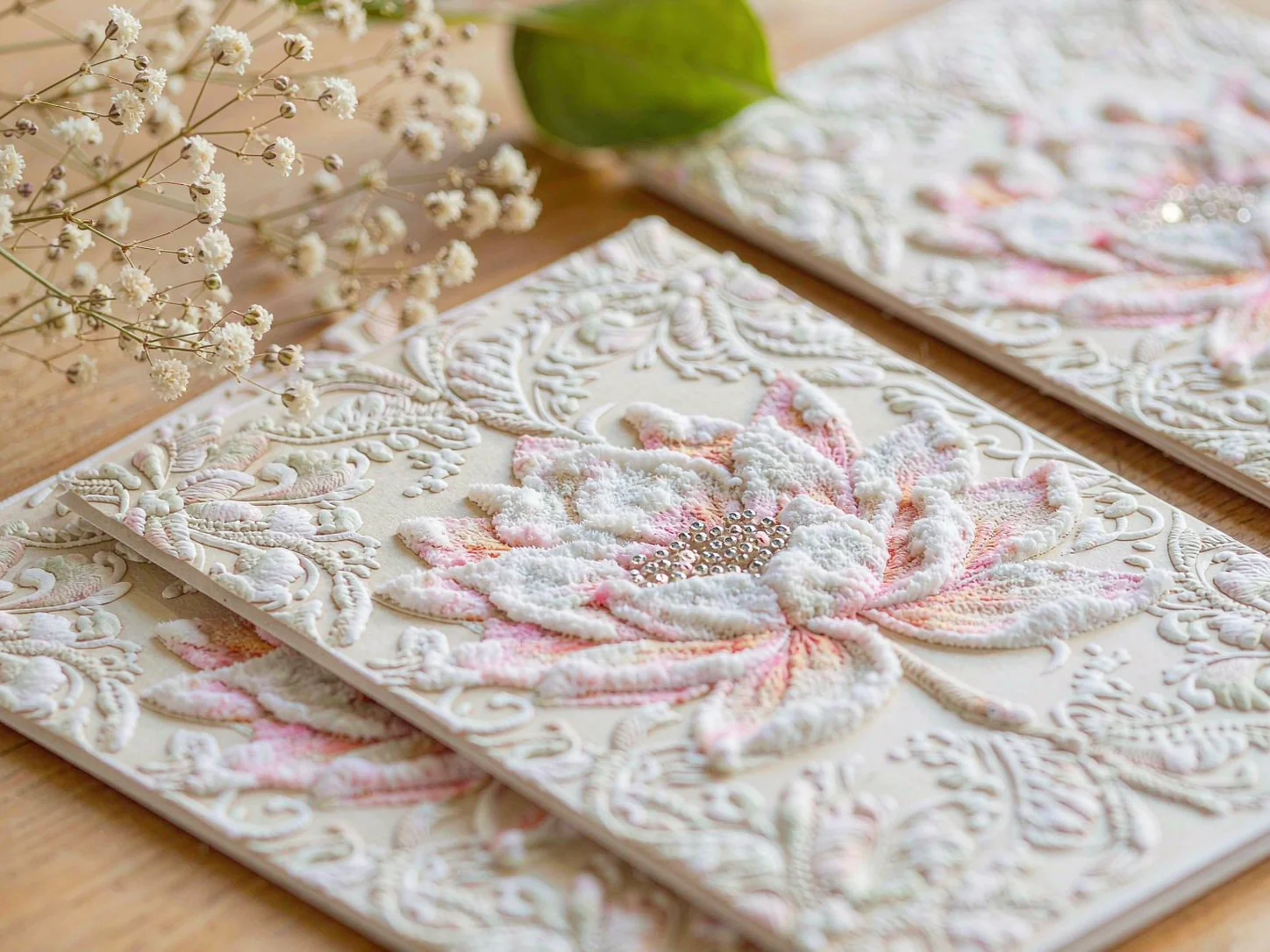
Greeting Cards and Decorative Paper
Adding texture to a printed design can make greeting cards and specialty paper products more distinctive. Short cotton fibers introduce a subtle tactile element to selected patterns, lettering, or decorative details without requiring a thick raised finish.
 03
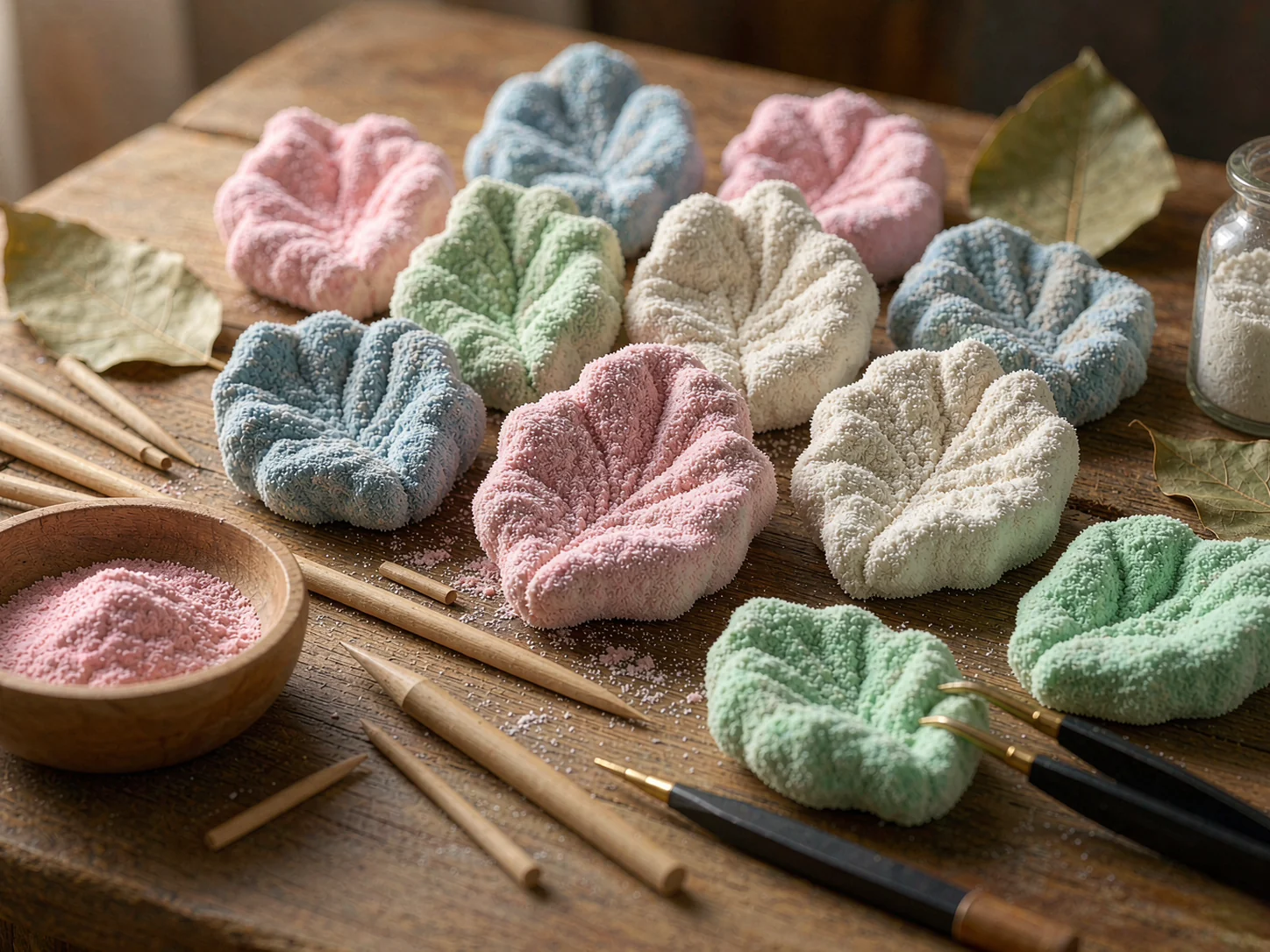
Handmade Crafts and Ornaments
From handmade decorations to small ornaments, cotton flocking powder introduces another dimension to creative designs. Its fine fiber structure is an option for projects that favor delicate surface details over a pronounced plush effect.
 04
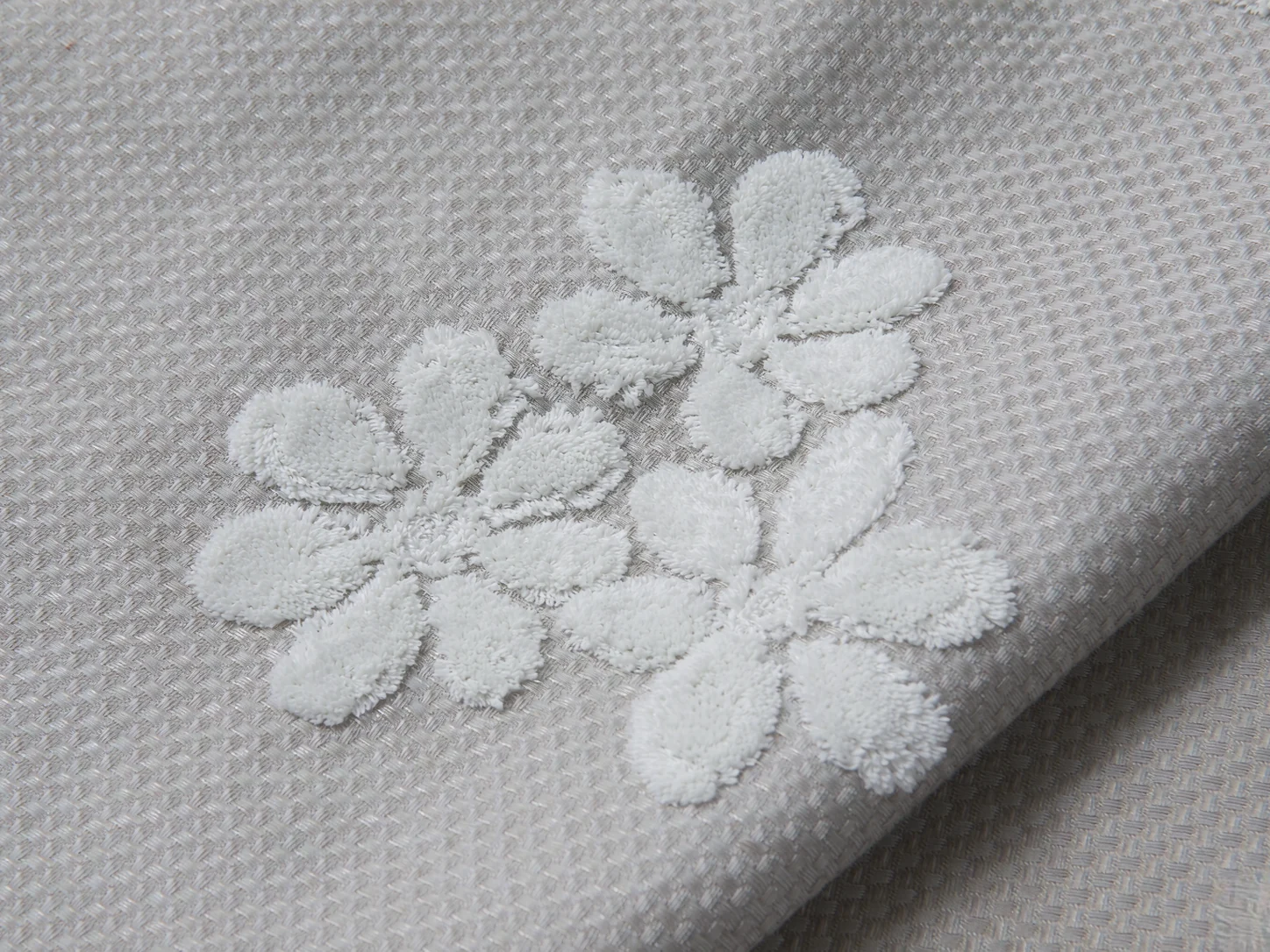
Textile Decorative Details
Textile designs sometimes call for texture beyond conventional printing. Cotton fibers offer another material option for decorative patterns, fabric accents, and selected apparel details, provided the adhesive and finishing process meet the intended use requirements.
 05
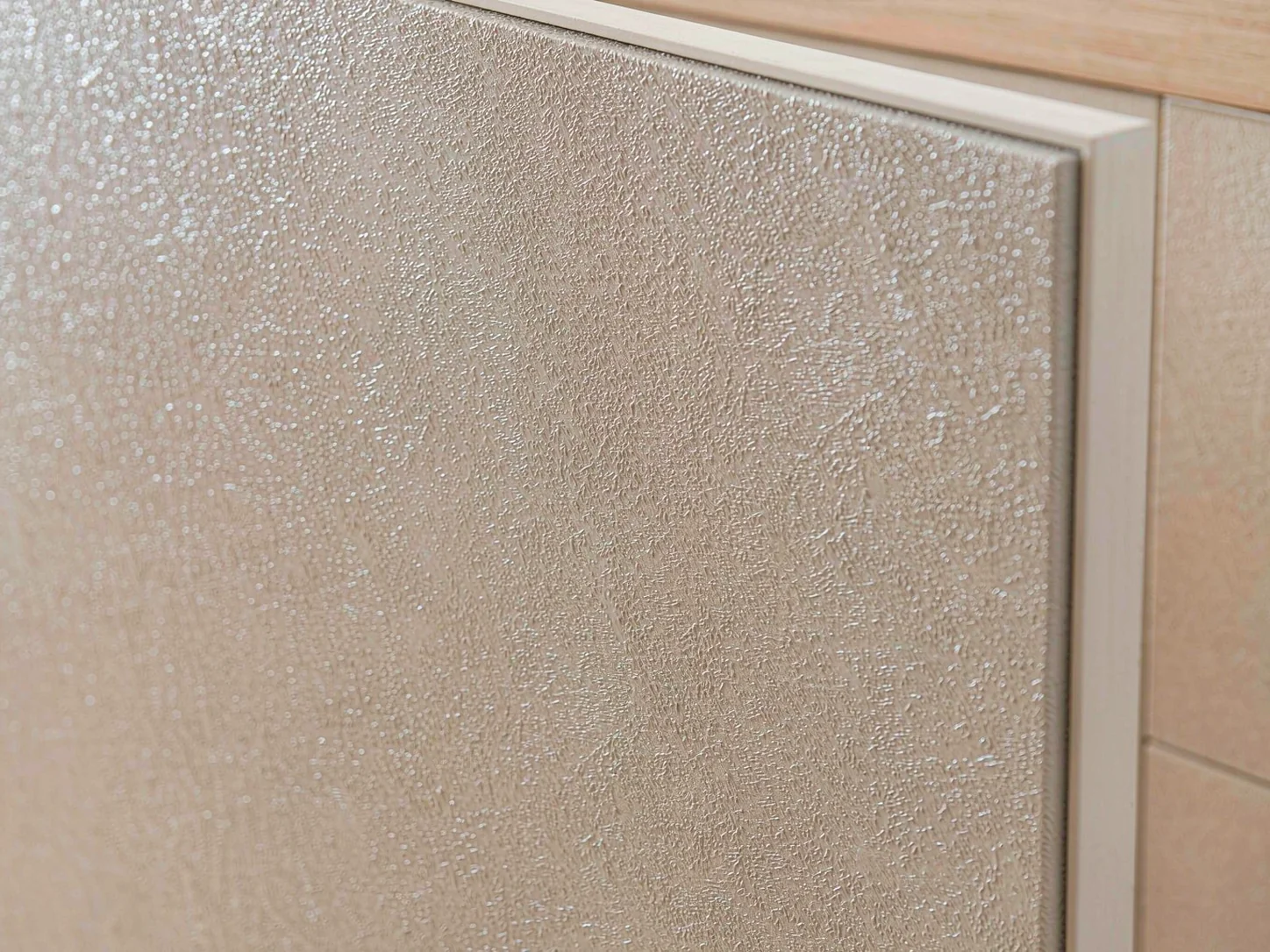
Decorative Displays and Panels
Display panels, presentation boards, and decorative components can incorporate cotton flocking powder to create a textured surface. Selecting the appropriate grade and application method helps achieve the desired appearance across different substrate materials.
 06
Model Making and Miniature Scenery
Miniature landscapes, architectural models, and handcrafted dioramas often rely on fine materials to recreate small-scale surface details. Ground cotton fibers can be tested for selected texture effects where a short, low-profile fiber layer is preferred.
Problems & Solutions for Cotton Flock Powder Applications
Cotton flock powder creates a fine natural fiber texture, but the final result depends on adhesive selection, fiber preparation, substrate condition and production consistency.
| Common Problems | Why It Happens with Cotton Flock Powder | Zhangs Solution |
|---|---|---|
| Uneven flock coverage | Inconsistent adhesive thickness or irregular fiber distribution can leave bare spots. | Apply an even adhesive layer and adjust fiber feeding or distribution. Inspect coverage on a trial piece before full production. |
| Weak fiber adhesion | Surface contamination, unsuitable adhesive, or incomplete curing may affect bonding. | Clean and prepare the substrate, use an adhesive compatible with cotton fibers, and follow the specified curing conditions. |
| Unexpected surface texture | Fiber grade, application density, and substrate characteristics influence the final texture. | Evaluate the finished surface against the approved sample. Adjust fiber grade or application density where necessary. |
| Fiber clumping or poor flow | Moisture absorption and unsuitable storage conditions may affect fiber separation and handling. | Store the material in a dry, controlled environment. If clumping occurs, assess the fiber condition and use only an appropriate, validated preparation method. |
| Color variation after flocking | Substrate color, adhesive appearance, and uneven fiber coverage can influence the visible shade. | Use a consistent base color and adhesive system. Approve color on a finished sample rather than judging loose fibers alone. |
| Inconsistent results in bulk production | Changes in application settings, material handling, or reference standards may affect repeatability. | Establish a reference sample and document the approved material grade, process settings, and inspection criteria for each production run. |
-
1 How does cotton flock compare with nylon and polyester fibers?
-
2 Is ground cotton suitable for electrostatic flocking?
-
3 Can you produce custom colors for cotton flocking materials?
-
4 What is the minimum order quantity for bulk flocking powder?
-
5 Can I request cotton fiber samples before ordering?
-
6 What is the typical production lead time for flocking powder orders?