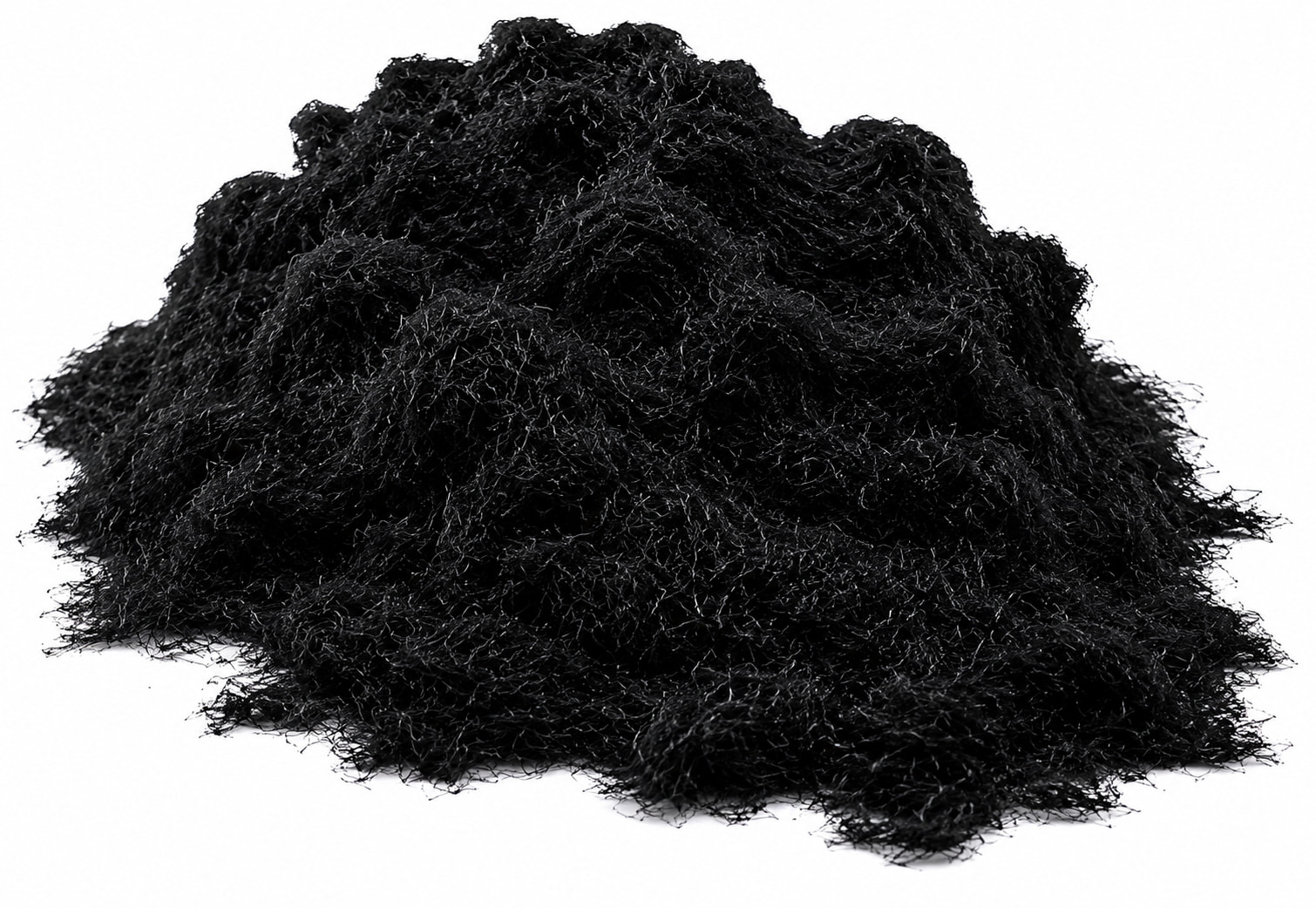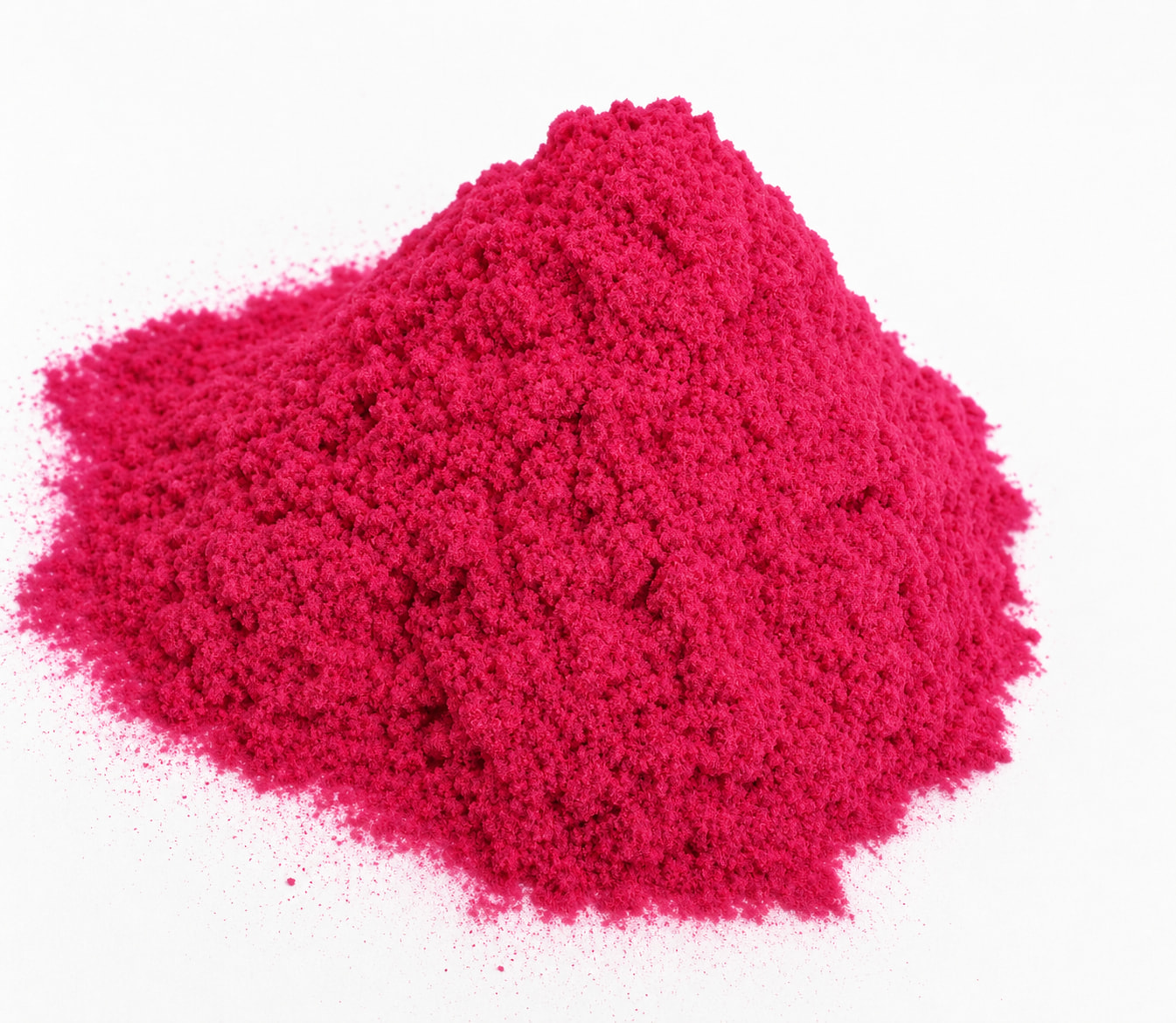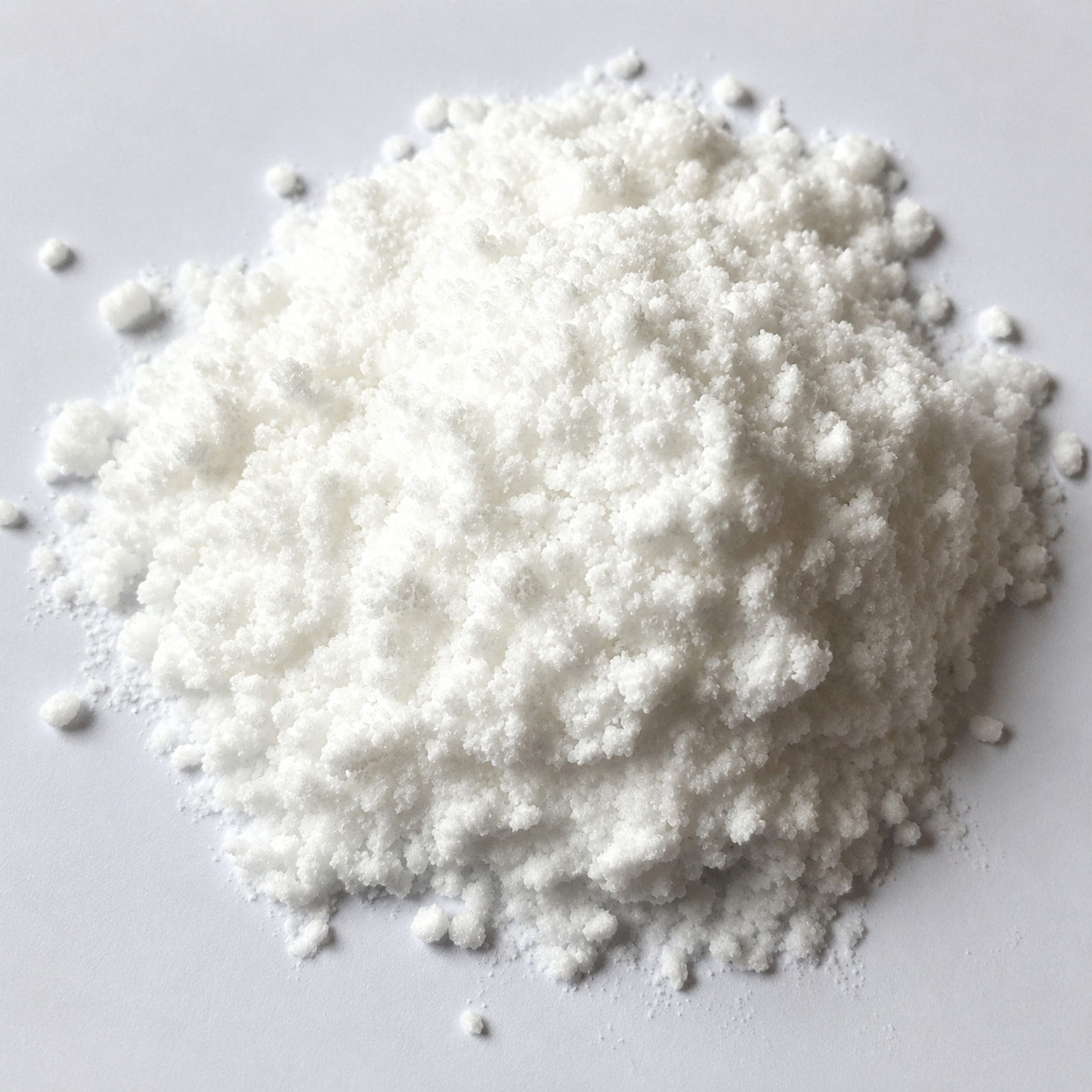
Polyester Flocking Fiber
Polyester Flocking Fiber is a stable synthetic flocking material for manufacturers needing consistent color, controlled texture and reliable surface performance.
Quick Facts
Material: Polyester flocking fiber
Surface Effect: Clean, uniform and consistent flocked finish
Applications: Automotive parts, coatings, logo mats, packaging and textile decoration
Performance: Good dimensional stability, color consistency and low moisture absorption
Available Specs: Custom length, dtex, color, luster and surface treatment
Sample Support: Samples available for color, texture and process testing
Polyester Flocking Fiber for Stable and Consistent Surface Finishing
Polyester Flocking Fiber is used to create clean, uniform and stable flocked surfaces on adhesive-coated materials. It is suitable for coatings, logo mats, packaging, automotive parts and technical decorative applications that require consistent color, controlled texture and reliable processing performance.
This material is a practical choice for manufacturers who need a synthetic flocking fiber with low moisture absorption, stable appearance and customizable specifications.
| Specification | Polyester Flocking Fiber Options | Notes |
|---|---|---|
| Material | Polyester / PET flocking fiber | Suitable for stable decorative and technical surfaces |
| Fiber Length | 0.5mm / 0.8mm / 1.0mm / 1.5mm / 2.0mm / 3.0mm / customized | Shorter fibers for smoother surfaces; longer fibers for stronger texture |
| Fineness | Common option: 3.3 dtex; other options can be customized | Match dtex with surface feel, density and process requirements |
| Color | White, black, standard colors, custom colors | Pantone / RAL / sample color matching available |
| Surface Effect | Clean, consistent, dense, controlled texture | Suitable for coatings, mats, packaging and technical decoration |
| Luster | Bright / semi-dull / dull | Selected according to final visual effect |
| Surface Treatment | Conductivity and flowability treatment available | Helps improve electrostatic flocking performance |
| Flocking Method | Electrostatic flocking, adhesive flocking, mechanical or pneumatic flocking | Confirm based on production line and adhesive |
| Packaging | Bulk bag / customized packaging | Suitable for B2B production and export supply |

Stable Surface Appearance
Polyester flocking fiber helps create a clean and consistent flocked surface. It is suitable for products where visual uniformity, surface control and repeatable production quality are important.

Good Color Consistency
Polyester flocking fiber is a practical choice for applications that require stable color appearance across repeated production batches, such as packaging, logo mats, textile decoration and display products.

Low Moisture Absorption
Polyester has low water absorption compared with many fiber materials, helping reduce moisture-related variation during storage and processing. This makes it suitable for production environments where material stability is important. Finite Fiber lists polyester fiber water absorption as below 1% in its material properties.

Suitable for Technical and Decorative Uses
Polyester flocking fiber can be used not only for decorative surfaces, but also for selected technical surfaces such as coatings, reinforcement-related products, automotive-related parts and logo mats.
Custom Cut Length and Surface Treatment
Polyester flocking fiber can be adjusted by cut length, dtex, color and surface treatment to match different flocking methods and final surface requirements.
Consistent Appearance for Repeat Production
Polyester flocking fiber is suitable for customers who need stable flocked results across repeated orders. Its controlled surface effect makes it useful for packaging series, logo mats, display products and industrial decorative parts.
Better Stability in Storage and Processing
Because polyester is a synthetic fiber with low moisture absorption, it is less sensitive to humidity-related changes than viscose flocking fiber. This helps maintain more stable handling and surface performance when storage and process conditions are properly controlled.
Suitable for Functional Decorative Surfaces
Polyester flocking fiber can provide a balanced surface effect: cleaner and more stable than many soft decorative fibers, while still offering a flocked texture for visual and tactile enhancement.
Good Fit for Coatings and Technical Applications
For coatings, reinforcement-related products, automotive-related parts and logo mats, polyester flocking fiber can offer a stable material choice when the application requires controlled texture and consistent production performance. Flock Tex identifies polyester flock applications in automotive, reinforcement, coatings and logo mats.
Customizable for Different Product Effects
Zhangs can provide polyester flocking fiber in customized color, length, dtex, luster and surface treatment options, helping customers match the flocking fiber with the actual substrate, adhesive and production process.
 01
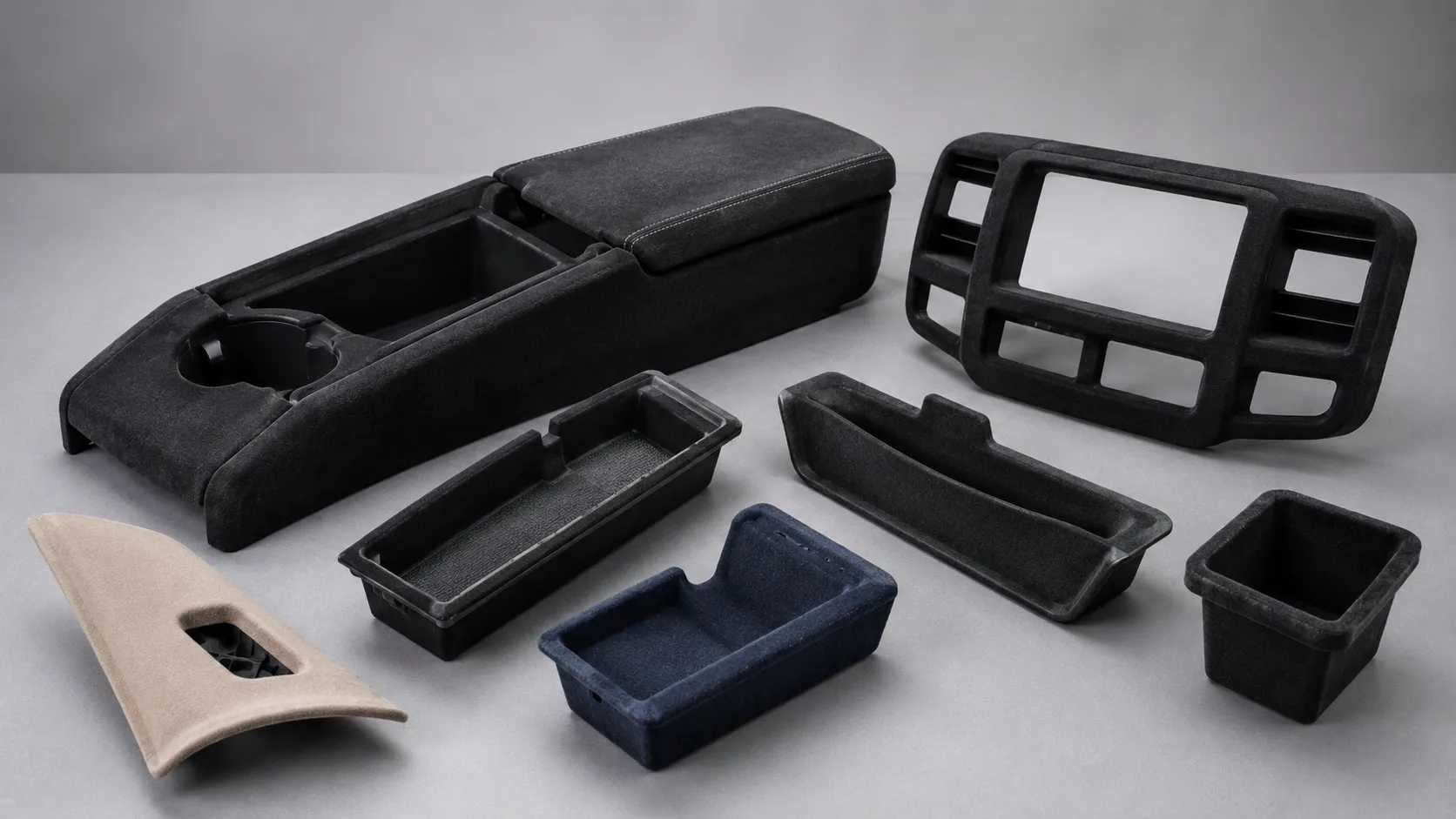
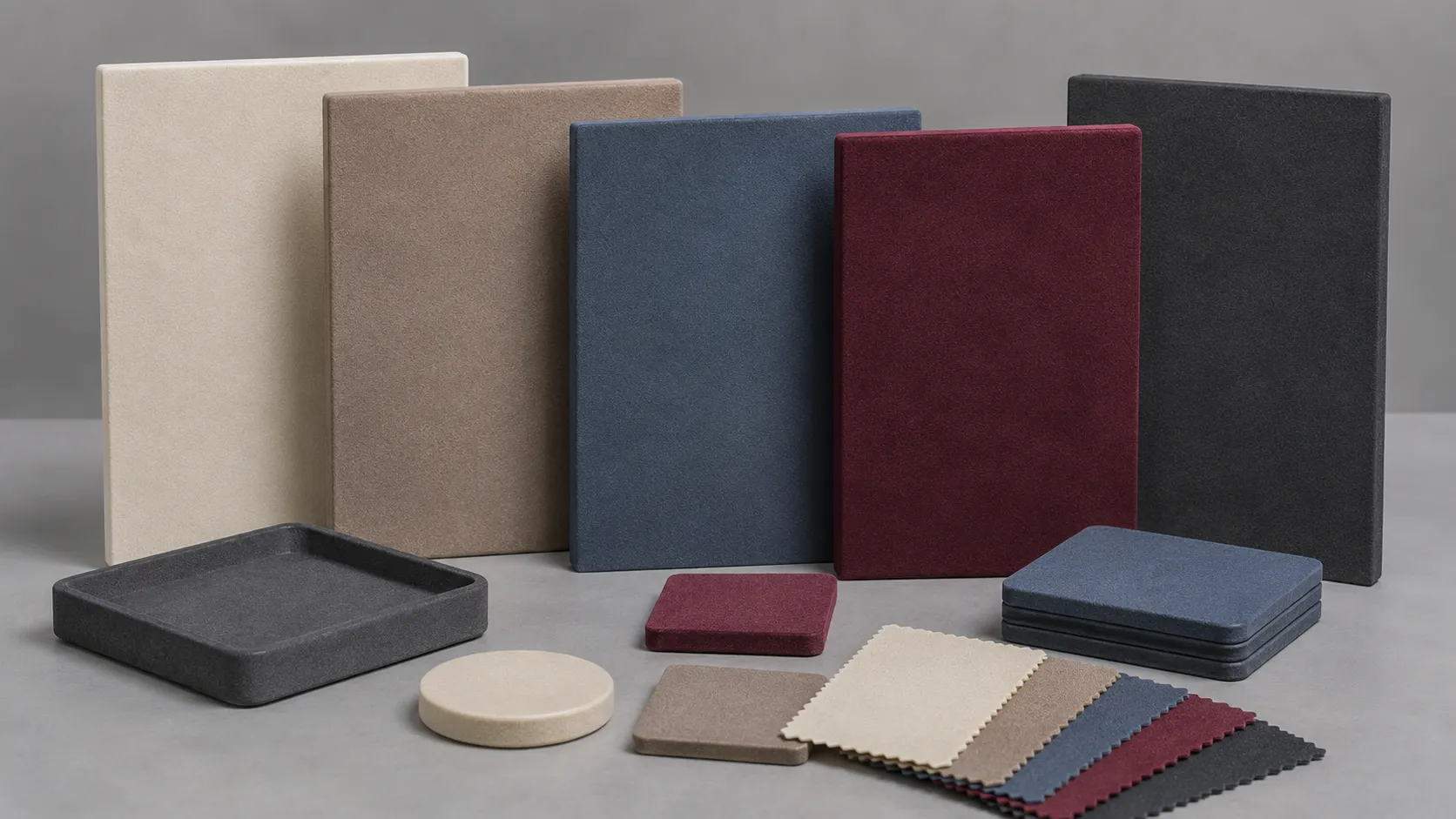
01Automotive-Related Parts
Polyester flocking fiber can be used for selected automotive-related flocking applications where stable surface appearance and controlled texture are required. It can be considered for components, trims or technical surfaces after adhesive and substrate testing.
 02
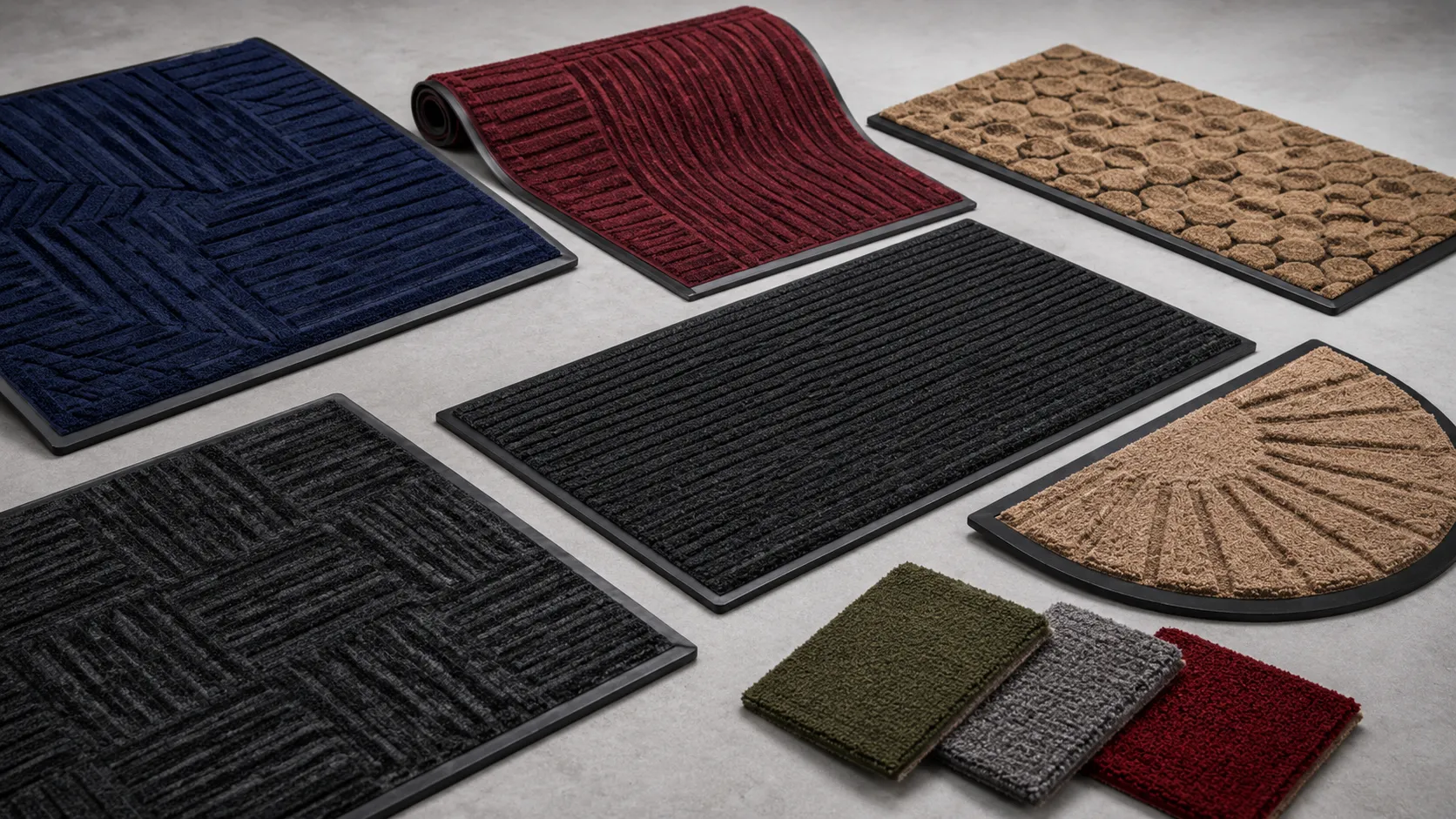
02Coatings and Surface Finishing
Polyester flocking fiber is suitable for coating-related applications where the flocked surface needs a clean, consistent and controlled texture. It can help improve surface appearance and functional texture in selected coating systems.
 03
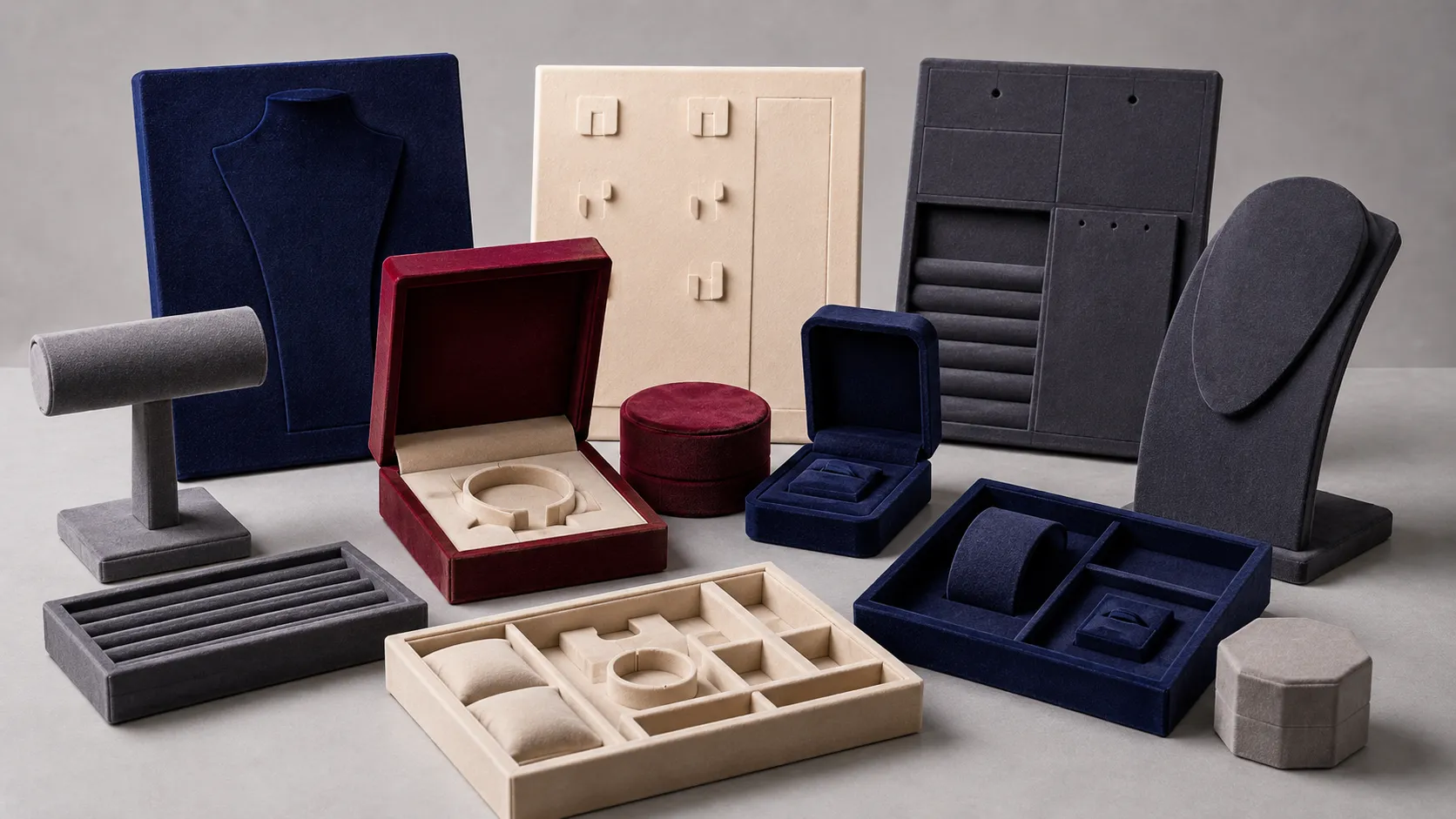
03Logo Mats and Floor-Related Products
Polyester flocking fiber can be used in logo mats and mat-related applications where surface consistency, color presentation and visual recognition are important.
 04
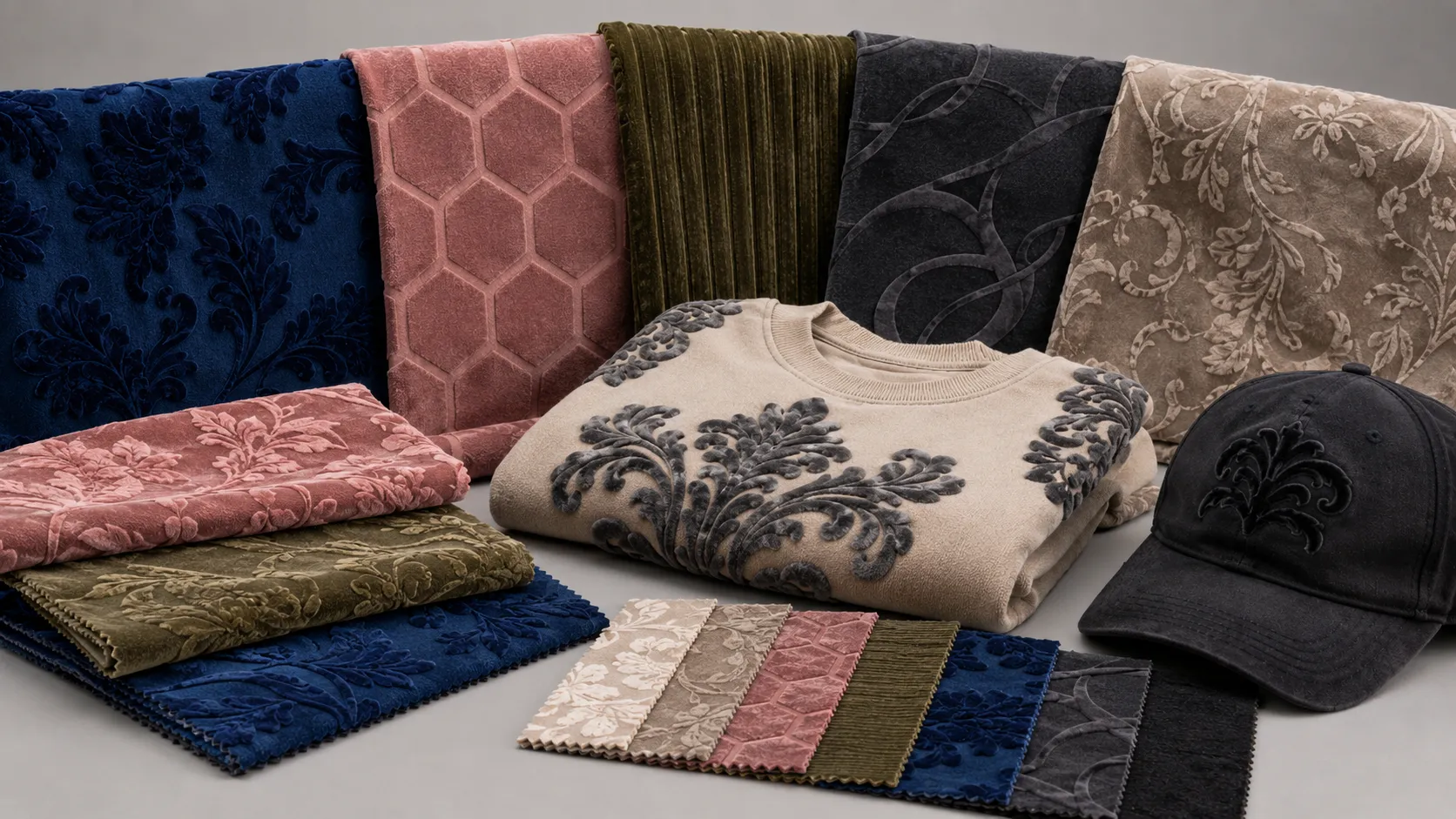
04Packaging and Display Materials
For packaging inserts, display boards, promotional materials and visual surfaces, polyester flocking fiber can create a neat flocked finish with stable color and clean surface texture.
 05
05Textile Decoration
Polyester flocking fiber can be used for selected textile decoration projects that require a stable, synthetic flocked surface rather than an extremely soft viscose-like hand feel.
 06
06Technical Decorative Components
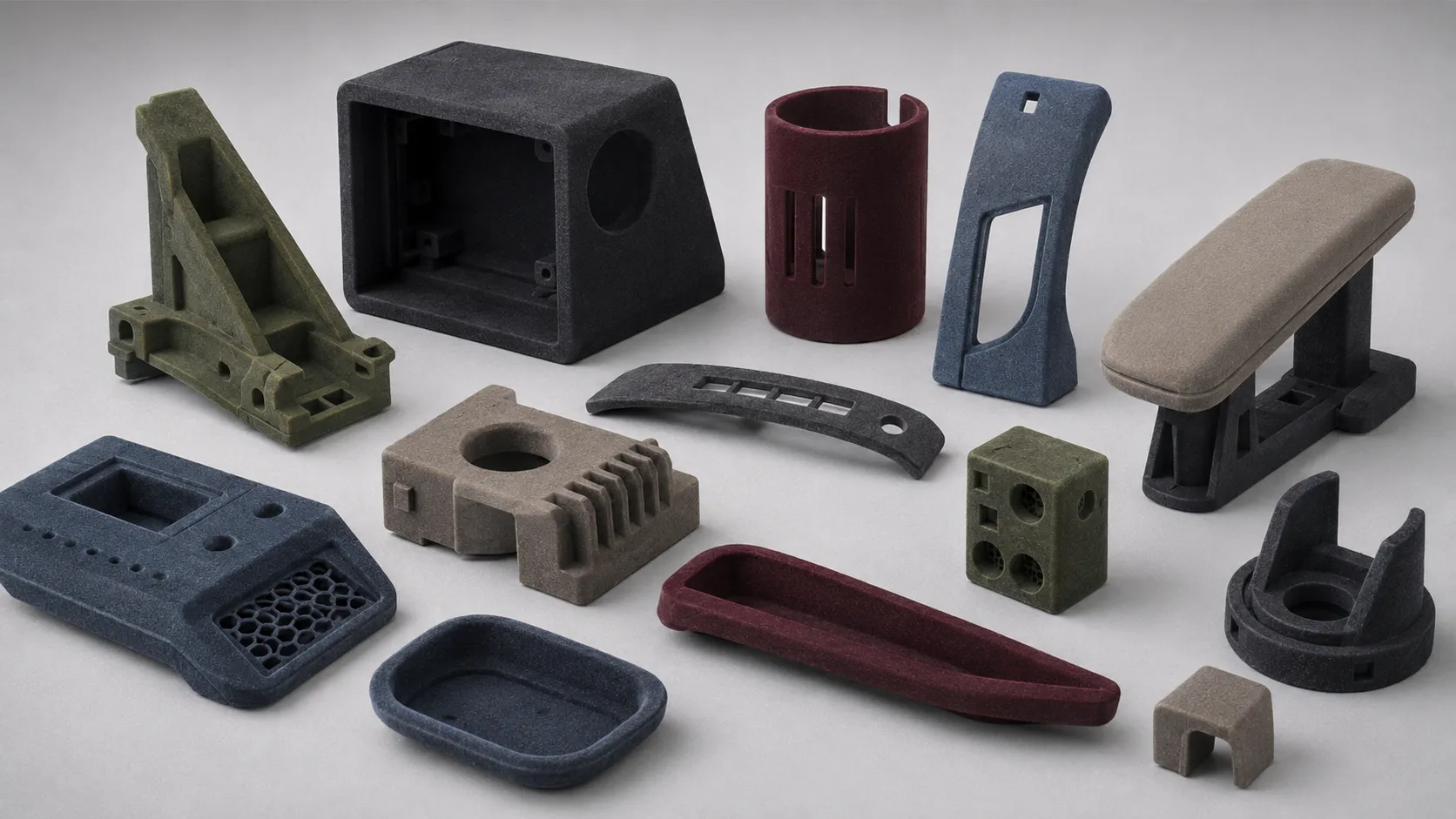
It can also be used for selected industrial decorative parts where appearance, texture and process stability need to be balanced.
Problems & Solutions for Polyester Flocking Fiber Applications
Polyester flocking fiber is valued for stable appearance and low moisture absorption, but the final flocking result still depends on fiber specification, surface treatment, adhesive matching, electrostatic performance and production control. Zhangs helps customers select the right polyester flocking fiber for coatings, logo mats, packaging, automotive-related parts and technical decorative surfaces.
| Common Problems | Why It Happens with Polyester Flocking Fiber | Zhangs Solution |
|---|---|---|
| Surface Looks Too Coarse or Too Hard | The flocked surface may look too rough or feel too firm if the fiber length or dtex is not suitable for the target surface effect. | Use shorter or finer polyester flocking fiber for smoother surfaces, and select longer or thicker fibers only when stronger texture is required. Zhangs can recommend fiber length and dtex according to your desired surface effect. |
| Fiber Standing Effect Is Not Stable | Polyester flocking fiber requires suitable surface treatment and process conditions to achieve good electrostatic alignment. Poor conductivity or poor flowability may cause uneven standing or low flocking density. | Choose polyester flocking fiber with suitable conductivity and flowability treatment. Confirm equipment voltage, humidity, adhesive thickness and production speed through sample testing. TU Dresden notes that flock fibers are often surface-treated to ensure sufficient conductivity and pourability for electrostatic flocking. |
| Adhesion Is Not Strong Enough | Polyester flocking fiber may not bond well if the adhesive is not compatible with the substrate, or if the curing temperature and time are not properly controlled. | Test the adhesive with the actual substrate and polyester flocking fiber before bulk production. For coated surfaces, plastic parts or technical applications, adhesive selection and surface pretreatment are especially important. |
| Color Looks Different After Flocking | The final color may look different from loose fiber because flock density, substrate color, adhesive background and light angle can change the visual appearance. | Confirm color on the actual flocked sample instead of loose fiber only. Zhangs supports custom color matching based on Pantone, RAL or physical samples for repeat production. |
| Uneven Surface Density | Uneven adhesive coating, unstable fiber feeding, poor fiber flowability or unsuitable flocking settings may cause patchy or inconsistent surface density. | Check adhesive coating thickness, flock feeding rate, electrostatic settings and fiber condition before mass production. Use approved samples as the production reference. |
| Material Choice Does Not Match the Final Use | Some projects require a very soft decorative hand feel, while others require stronger functional performance. Polyester flocking fiber may not be the best choice if the target effect is extremely soft or natural-feeling. | Use polyester flocking fiber when stable appearance, synthetic surface consistency and process control are the main requirements. For very soft paper or craft surfaces, viscose flock may be considered; for stronger handling and recovery requirements, nylon flock may be more suitable. |
-
1 Can I get samples before bulk order?
-
2 Is polyester flocking fiber suitable for coatings?
-
3 What fiber length should I choose?
-
4 Can the color be customized?
-
5 Can polyester flocking fiber be used for electrostatic flocking?
-
6 How is polyester flocking fiber different from viscose flock powder?
-
7 How is polyester flocking fiber different from nylon flocking powder?
-
8 What is polyester flocking fiber used for?