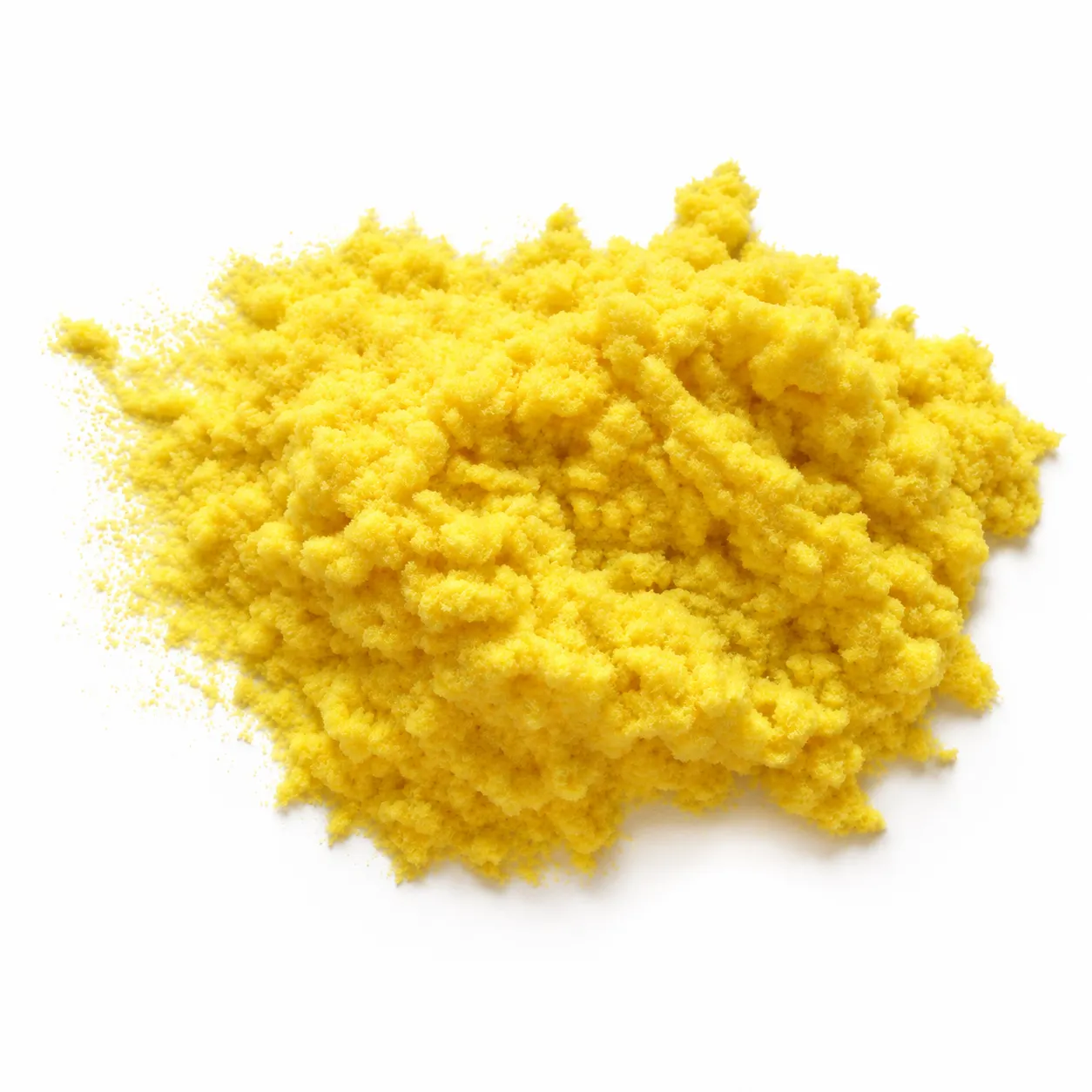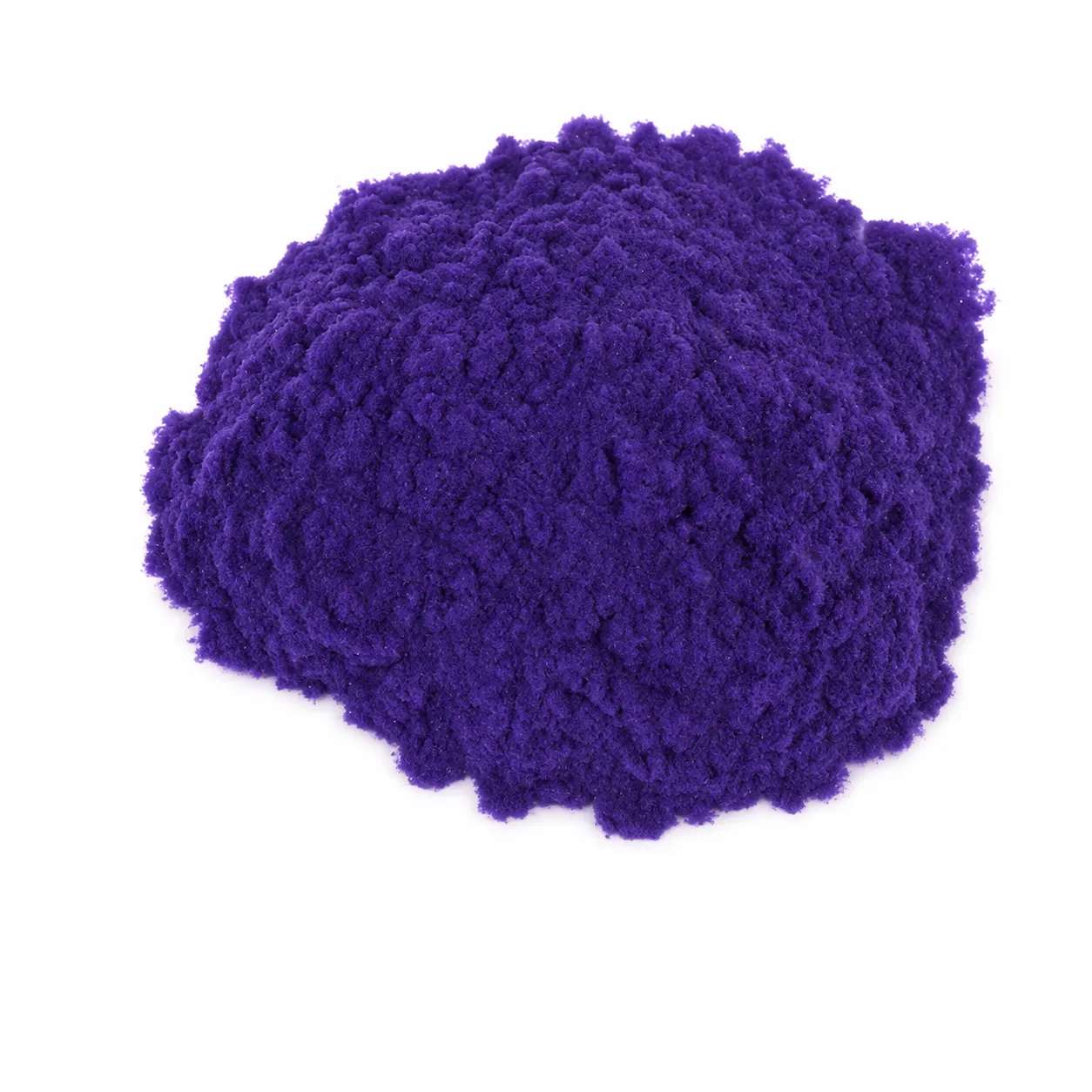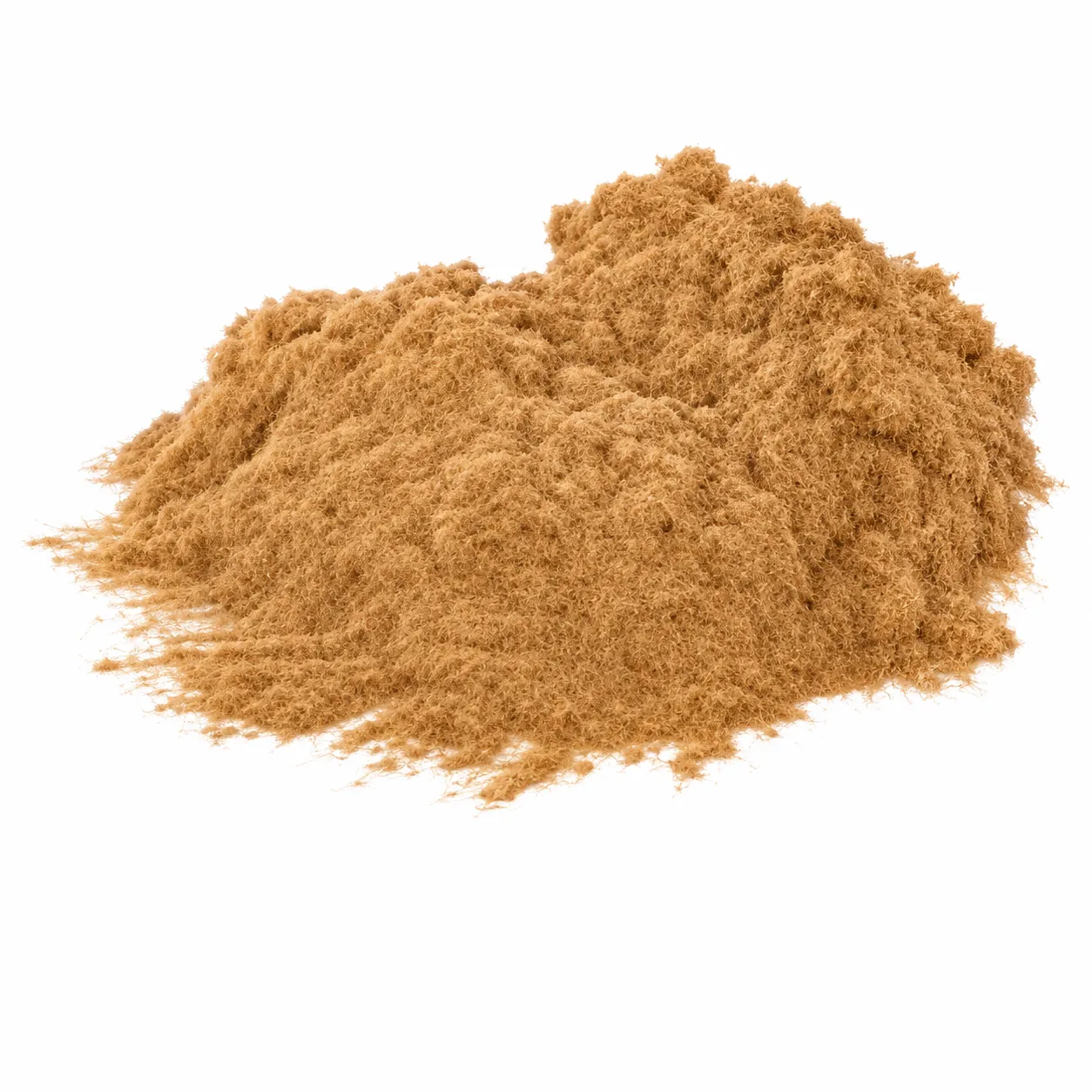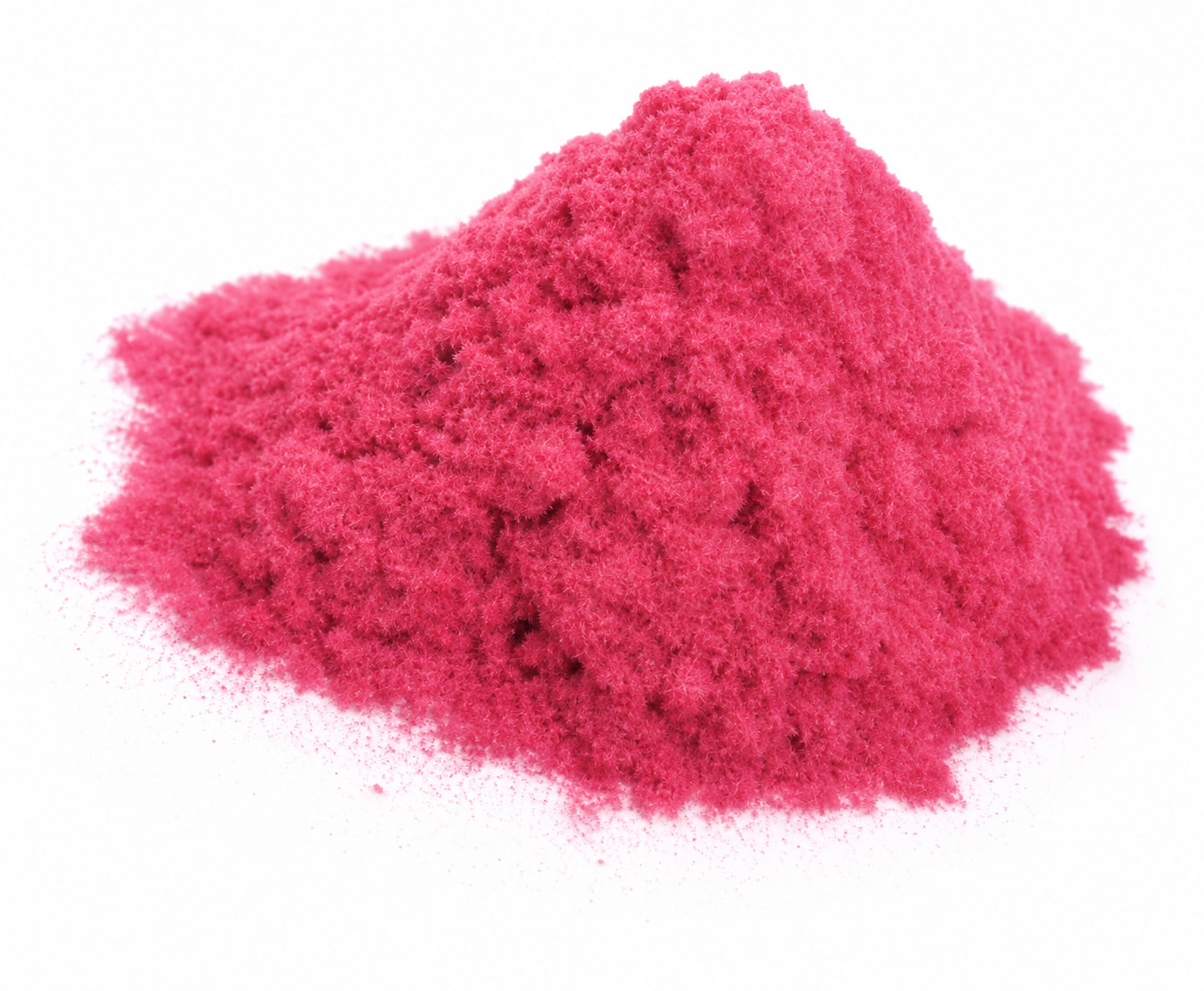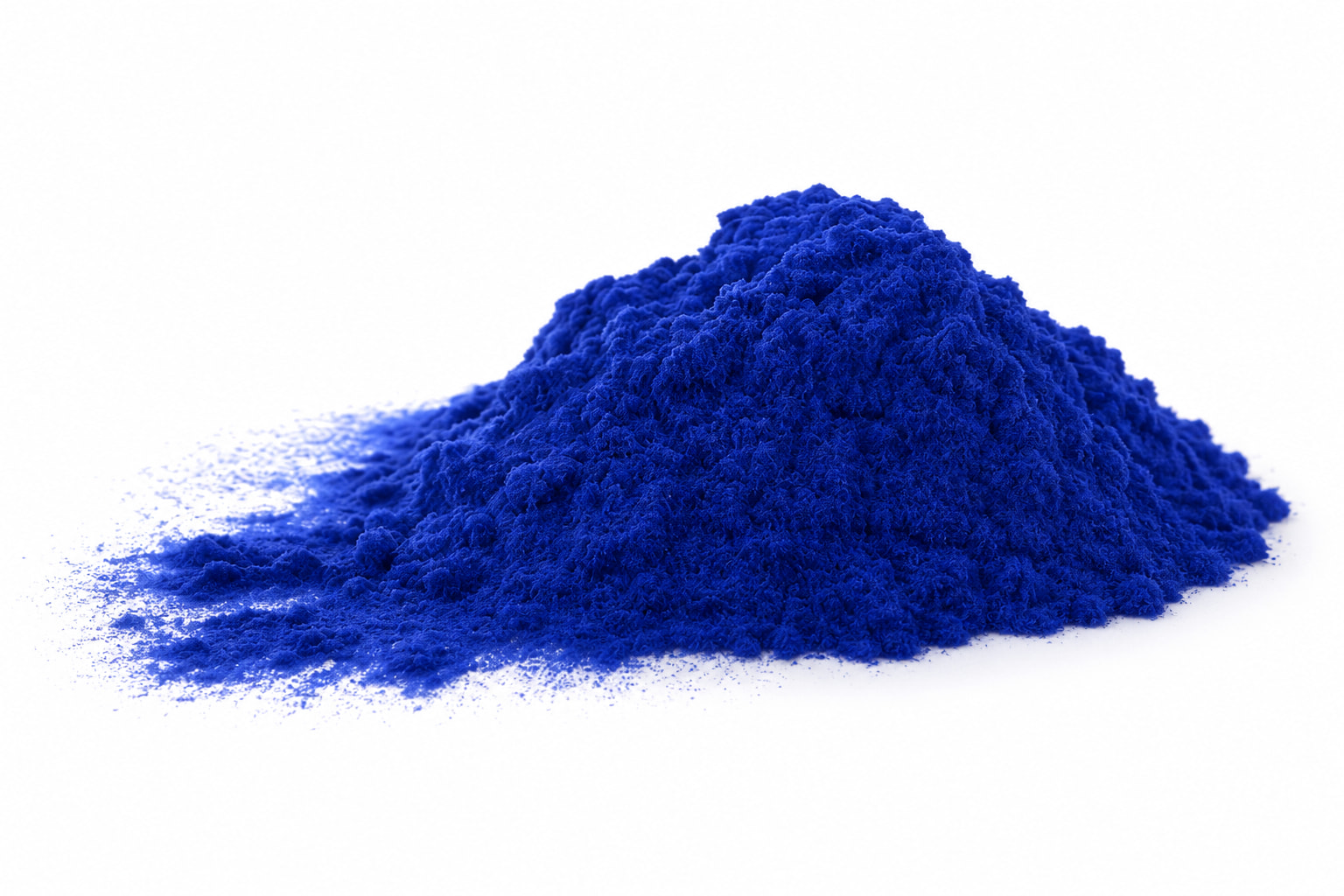
Technical Flock Powder
Technical Flock Powder is designed for industrial coatings, rubber parts, plastic components, composites and functional surface applications that require controlled fiber performance.
Quick Facts
Material Options: Nylon, polyester, viscose or custom flock fibers
Surface Effect: Dense, controlled, functional and application-specific texture
Applications: Coatings, rubber, plastics, composites, seals and technical surfaces
Performance Focus: Stability, adhesion support, friction control and surface functionality
Customization: Fiber length, dtex, material, color and surface treatment
Sample Support: Samples available for process and performance testing
Flocking Powder for Technical and Industrial Applications
Technical Flock Powder is developed for industrial applications where flock fibers are used not only for decoration, but also for surface function, process performance or material enhancement. It can be applied in coatings, rubber parts, plastic components, composites, sealing materials and other technical surfaces.
Zhangs provides customized flock powder based on the customer's substrate, adhesive system, production process and performance requirements. Different materials, fiber lengths, dtex and surface treatments can be selected to match specific industrial uses.
| Specification | Options / Description |
|---|---|
| Material Options | Nylon, polyester, viscose, cotton or customized flock fiber |
| Fiber Length | 0.3mm, 0.5mm, 0.8mm, 1.0mm, 1.5mm, 2.0mm or customized |
| Fineness | 1.7 dtex, 3.3 dtex, 5.0 dtex or customized |
| Color Options | White, black, grey, standard colors or custom colors |
| Surface Effect | Dense, controlled, matte, functional or application-specific texture |
| Main Substrates | Rubber, plastic, metal, coated surfaces, composites, sealing materials |
| Flocking Method | Electrostatic flocking, adhesive flocking, coating mixing or custom process |
| Performance Direction | Friction control, surface protection, reinforcement, noise reduction, texture improvement |
| Customization | Material, length, dtex, color, luster, conductivity, surface treatment |
| Sample Testing | Available for adhesion, dispersion, texture and performance evaluation |

Application-Specific Fiber Selection
Technical Flock Powder can be developed with different fiber materials, lengths and dtex options to match coatings, rubber, plastics, composites and other industrial processes.

Controlled Surface Texture
It helps create a dense and controlled surface texture, which can be used for friction adjustment, soft contact, low-glare finish or functional surface modification.

Custom Surface Treatment
Conductivity, flowability, dispersion and other surface-related properties can be adjusted according to the flocking process or technical application requirements.

Suitable for Industrial Processing
Technical flock powder can be used in electrostatic flocking, adhesive flocking, coating systems or selected material blending processes, depending on the customer's production setup.
Sample-Based Development
Because technical applications vary widely, Zhangs supports sample testing to confirm adhesion, texture, dispersion, surface effect and functional performance before bulk production.
Designed for Functional Applications
Technical flock powder is developed for functional surface projects, including friction control, noise reduction, protection, reinforcement and texture modification.
Flexible Material Options
Nylon, polyester, viscose and other flock fibers can be selected according to durability, softness, color performance, processing stability and final use.
Custom Specifications for Industrial Needs
Zhangs can customize fiber length, dtex, material type, color and surface treatment to match coatings, rubber parts, plastic components and composites.
Supports Process Optimization
Properly matched flock powder helps improve surface consistency, coating texture, contact feel and functional performance with suitable adhesive and substrates.
Reduces Trial-and-Error in Development
Sample testing and specification recommendations help manufacturers evaluate material suitability before mass production and reduce development risk.
 01
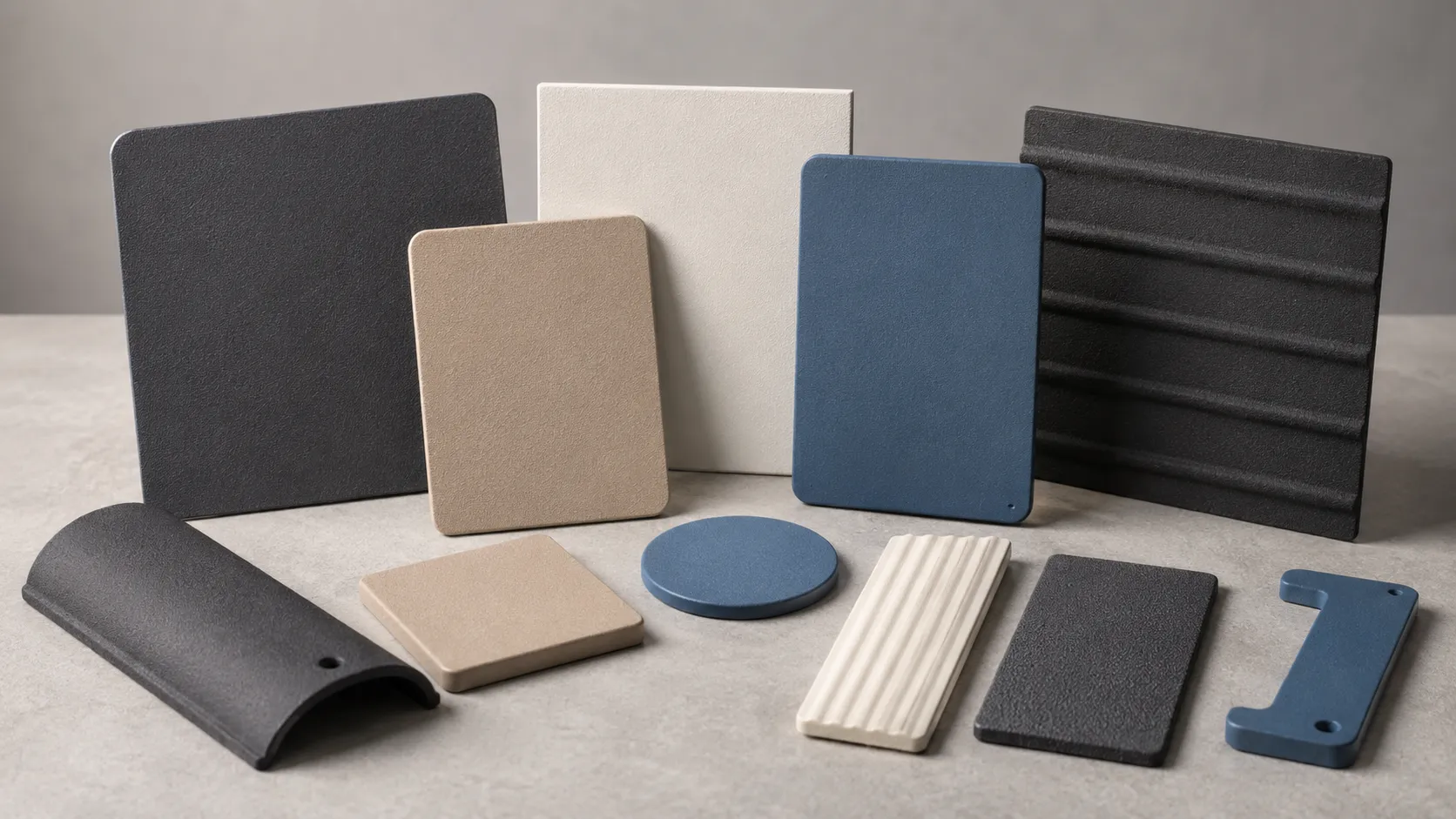
01Industrial Coatings
Used in selected coating systems to create special texture, matte effects, anti-slip feel, surface modification or visual differentiation.
 02
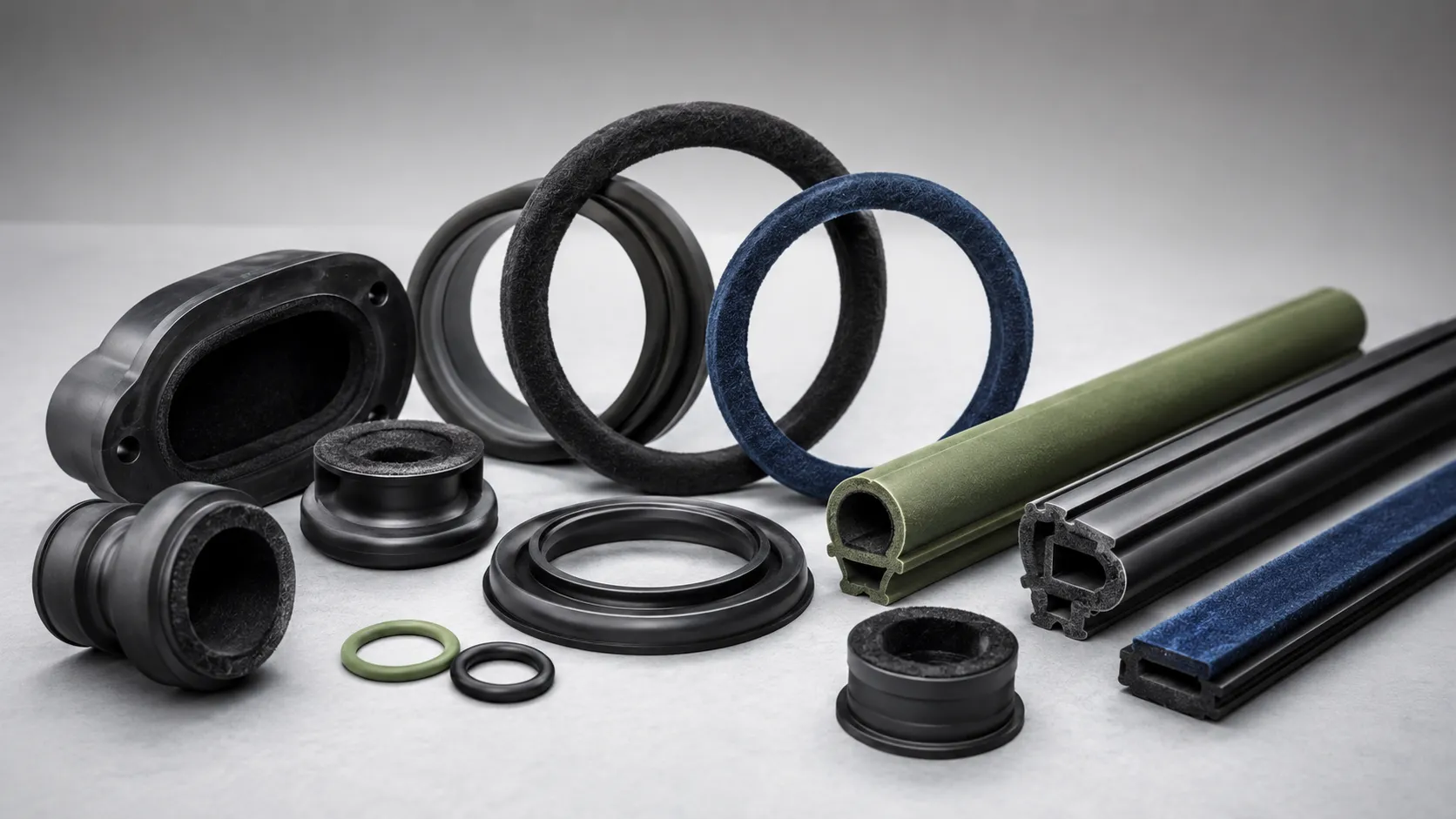
02Rubber Parts
Suitable for rubber profiles, sealing parts, friction-contact surfaces and molded rubber components where flock fibers can help improve surface interaction.
 03
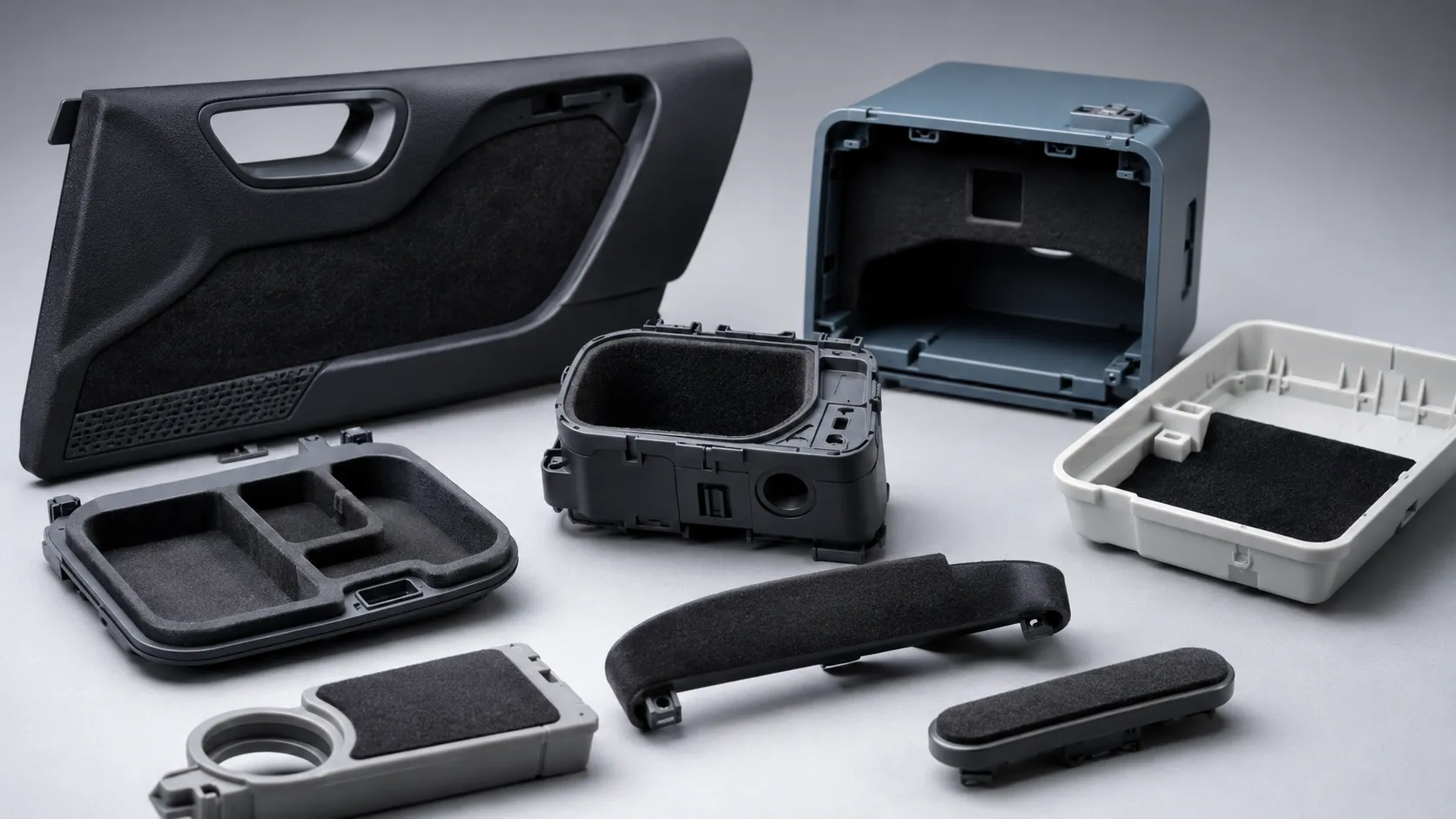
03Plastic Components
Can be applied to selected plastic parts to improve touch, reduce direct surface contact, create matte texture or provide functional flocked surfaces.
 04
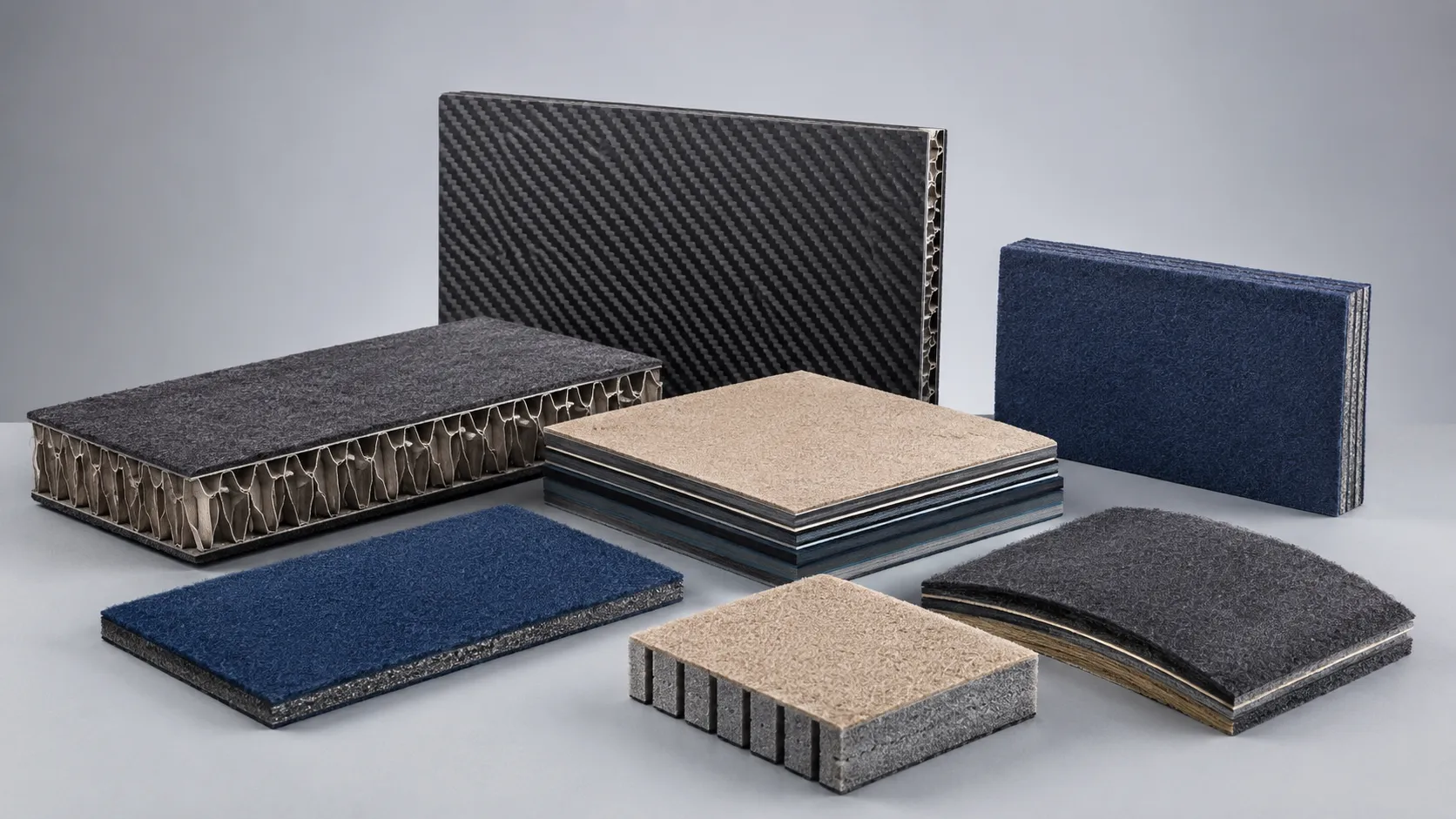
04Composite Materials
Technical flock powder can be considered for selected composite or blended material systems where short fibers are used for texture, filling or reinforcement-related functions.
 05
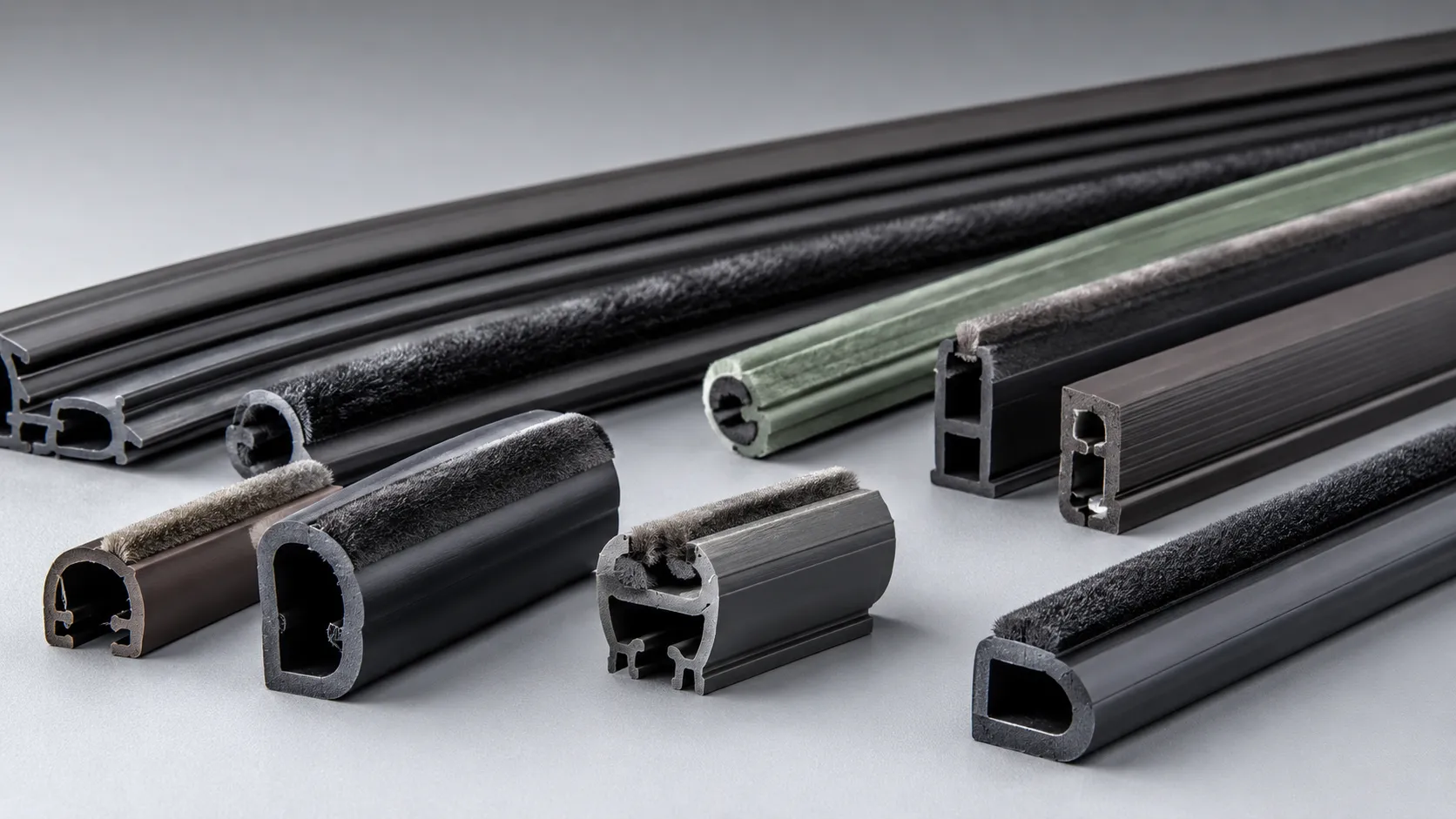
05Sealing Materials
Used for sealing strips, profiles or contact surfaces where flock fibers may help improve sliding contact, reduce friction noise or modify surface behavior.
 06
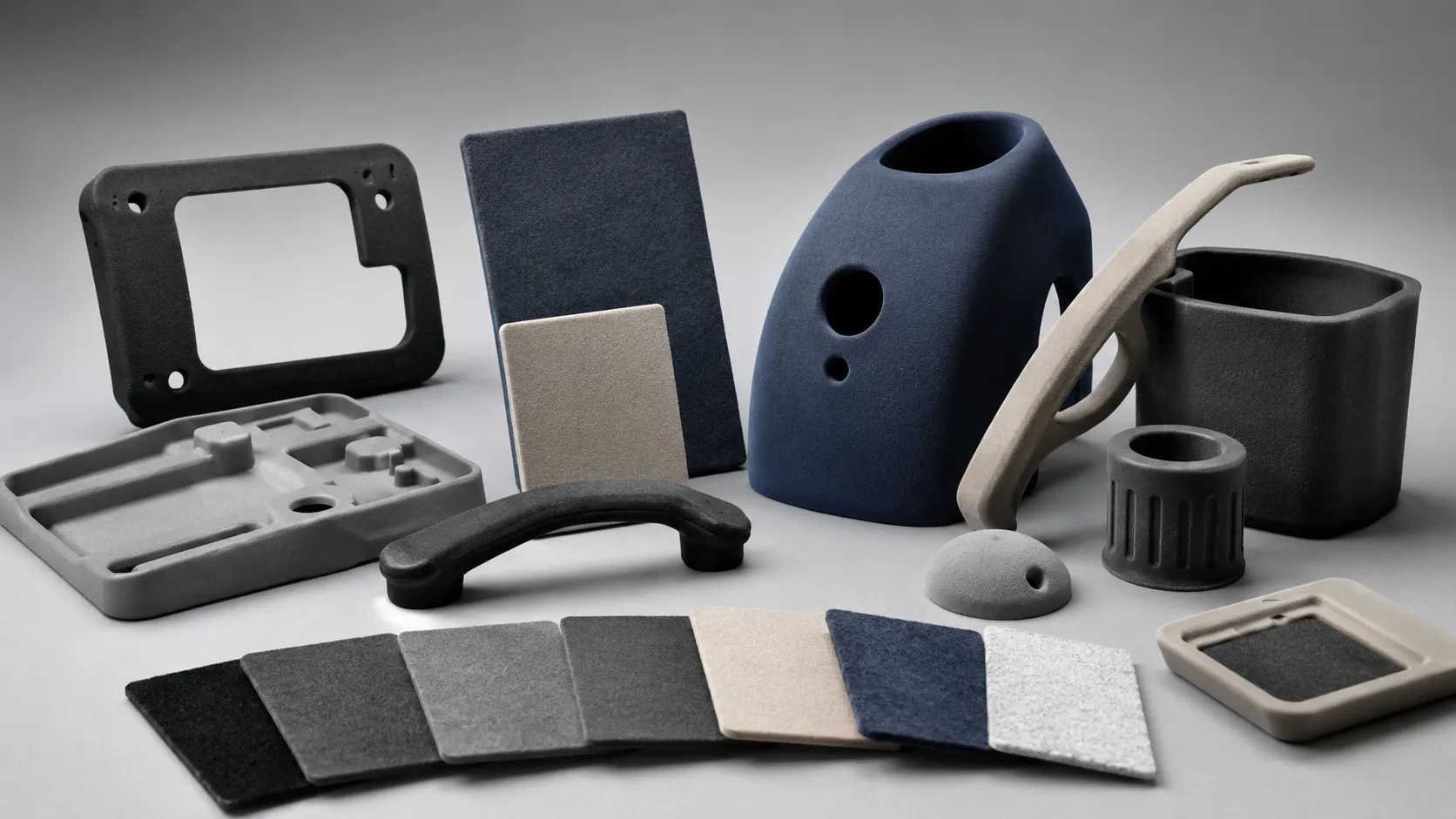
06Functional Surface Finishing
Suitable for industrial parts requiring controlled texture, non-gloss appearance, soft contact surface or customized fiber-based surface treatment.
Problems & Solutions for Technical Flock Powder Applications
Technical flock powder applications require more than visual effect. The final result depends on material selection, fiber specification, surface treatment, adhesive or coating compatibility and process control. Zhangs helps customers optimize flock powder specifications for different industrial uses.
| Common Problems | Why It Happens with Technical Flocking | Zhangs Solution |
|---|---|---|
| Material Does Not Match the Required Function | Different technical applications may require different performance directions, such as stability, softness, abrasion resistance, dispersion or friction control. | Choose flock fiber material according to the final function. Nylon, polyester, viscose or other fibers can be selected based on surface performance, processing method and application environment. |
| Uneven Dispersion or Poor Flowability | In coating, blending or flocking processes, poor fiber flowability or unsuitable surface treatment may cause uneven distribution or unstable surface texture. | Use flock powder with suitable surface treatment and confirm feeding, mixing or flocking conditions through sample testing before mass production. |
| Poor Adhesion on Industrial Substrates | Rubber, plastic, metal or coated surfaces may have low surface energy, release agents, oil, dust or incompatible coatings that affect bonding. | Clean and pre-treat the substrate, then match the adhesive or coating system with the selected flock powder. Adhesion testing is recommended for each new substrate. |
| Surface Texture Is Too Rough or Too Weak | The selected fiber length or dtex may not match the required texture, friction level or surface feel. | Use shorter or finer flock powder for smoother controlled texture, and longer or thicker fiber when stronger surface texture is required. |
| Color or Appearance Is Not Stable | Technical surfaces may show color or appearance differences due to substrate color, coating thickness, fiber density, lighting or batch variation. | Confirm the final color and surface effect on actual samples. Zhangs can support custom color matching and approved sample standards for repeat production. |
| Performance Changes After Processing | Drying temperature, curing conditions, pressure, coating chemistry or mechanical processing may affect the final flocked or fiber-filled surface. | Test flock powder under real production conditions, including curing, cleaning, friction and surface inspection, before bulk application. |
-
1 Can Zhangs provide samples?
-
2 What should be tested before bulk production?
-
3 Can the fiber length and dtex be customized?
-
4 Can it be used for rubber or plastic parts?
-
5 Can it be used in coatings?
-
6 Which material is suitable for technical flock powder?
-
7 Is Technical Flock Powder different from decorative flock powder?
-
8 What is Technical Flock Powder used for?