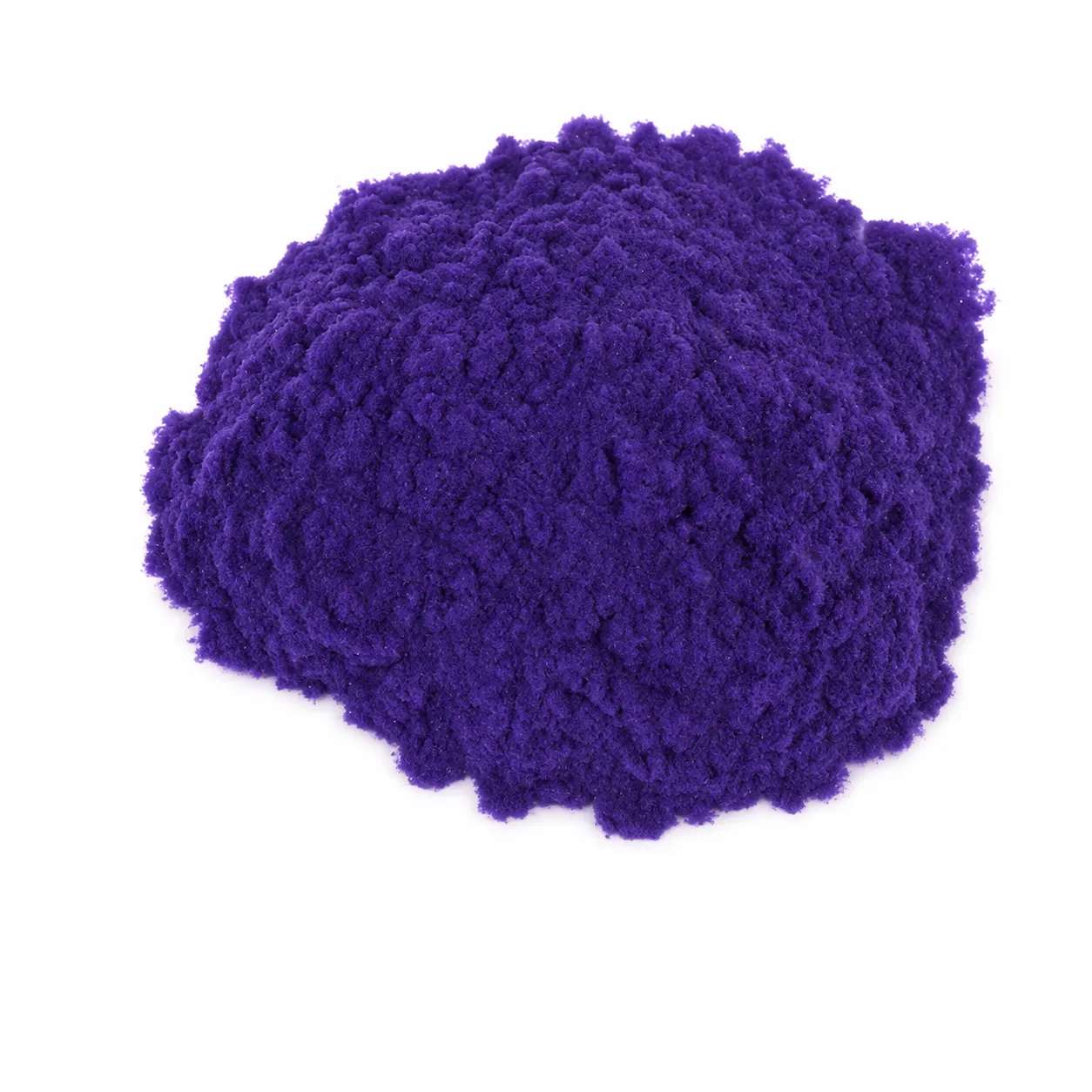
Textile Flocking Fiber
Textile Flocking Fiber is a short-cut fiber material used to create controlled flocked patterns, tactile details and decorative pile effects on fabrics, garments, ribbons and textile accessories.
Quick Facts
Fiber Types: Viscose, nylon, polyester or custom textile flock fibers
Specification Range: Custom cut length, dtex, color, luster and surface treatment
Suitable Products: Garments, fabric panels, ribbons, labels, patches, trims and home textiles
Selection Focus: Pattern size, fabric type, adhesive process, washing requirement and hand feel
Surface Result: Fine pile, clear edge, matte texture, color contrast and tactile surface detail
Sample Support: Samples available for fabric testing, wash testing, color approval and production trial
Flocking Fiber for Textile Surface Detailing
Textile Flocking Fiber is developed for fabric surfaces that need more dimension than flat printing, but a lighter and more flexible effect than many stitched decorations. After the fiber is applied to the adhesive area, the design gains a fine pile surface that can change both the look and the touch of the textile product.
For textile production, the result is strongly affected by fiber specification. Shorter fibers are often used for small lettering, logos and narrow graphic areas. Finer dtex can create a softer surface, while a higher dtex or longer cut may make the flocked area more visible. The right choice depends on the fabric, design size, adhesive system and end-use requirement.
Zhangs provides textile flocking fiber for fabric printing factories, garment manufacturers, ribbon producers, label suppliers and decorative textile makers. Customers can compare different materials, lengths and colors on real fabrics before confirming bulk production.
| Specification | Options / Description |
|---|---|
| Material Options | Viscose, nylon, polyester or customized flock fiber |
| Fiber Length | 0.3mm, 0.5mm, 0.8mm, 1.0mm or customized |
| Fineness | 1.7 dtex, 3.3 dtex, 5.0 dtex or customized |
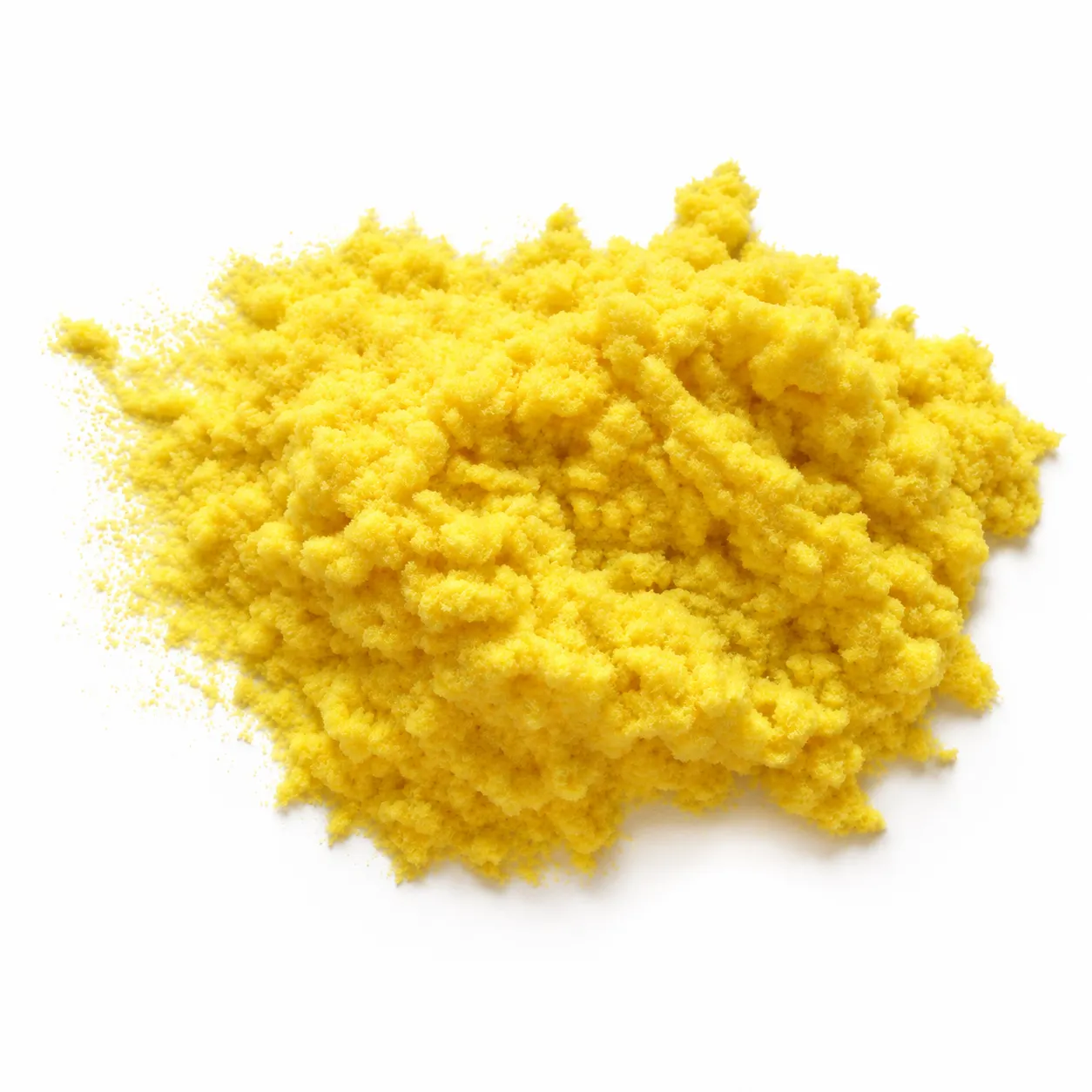
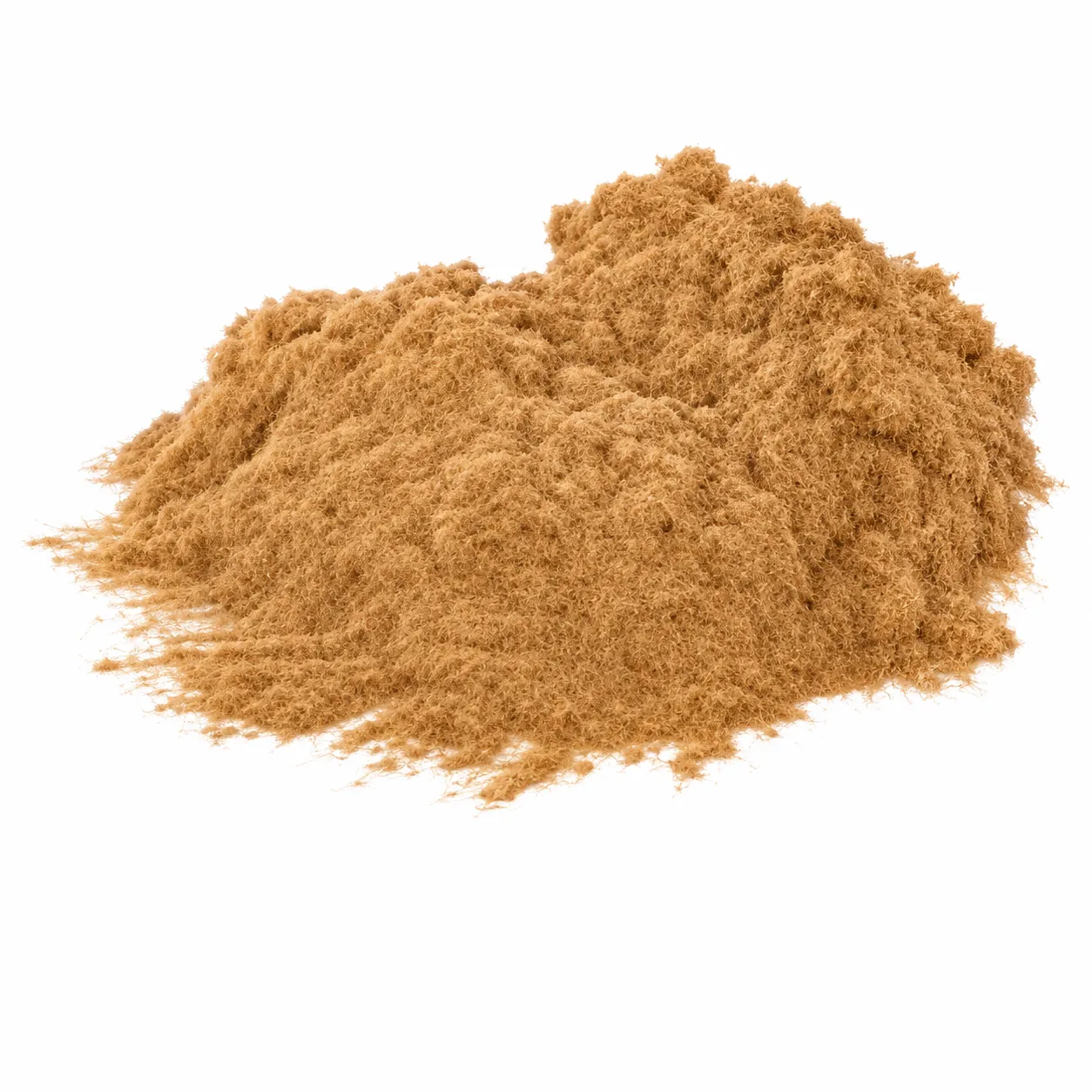
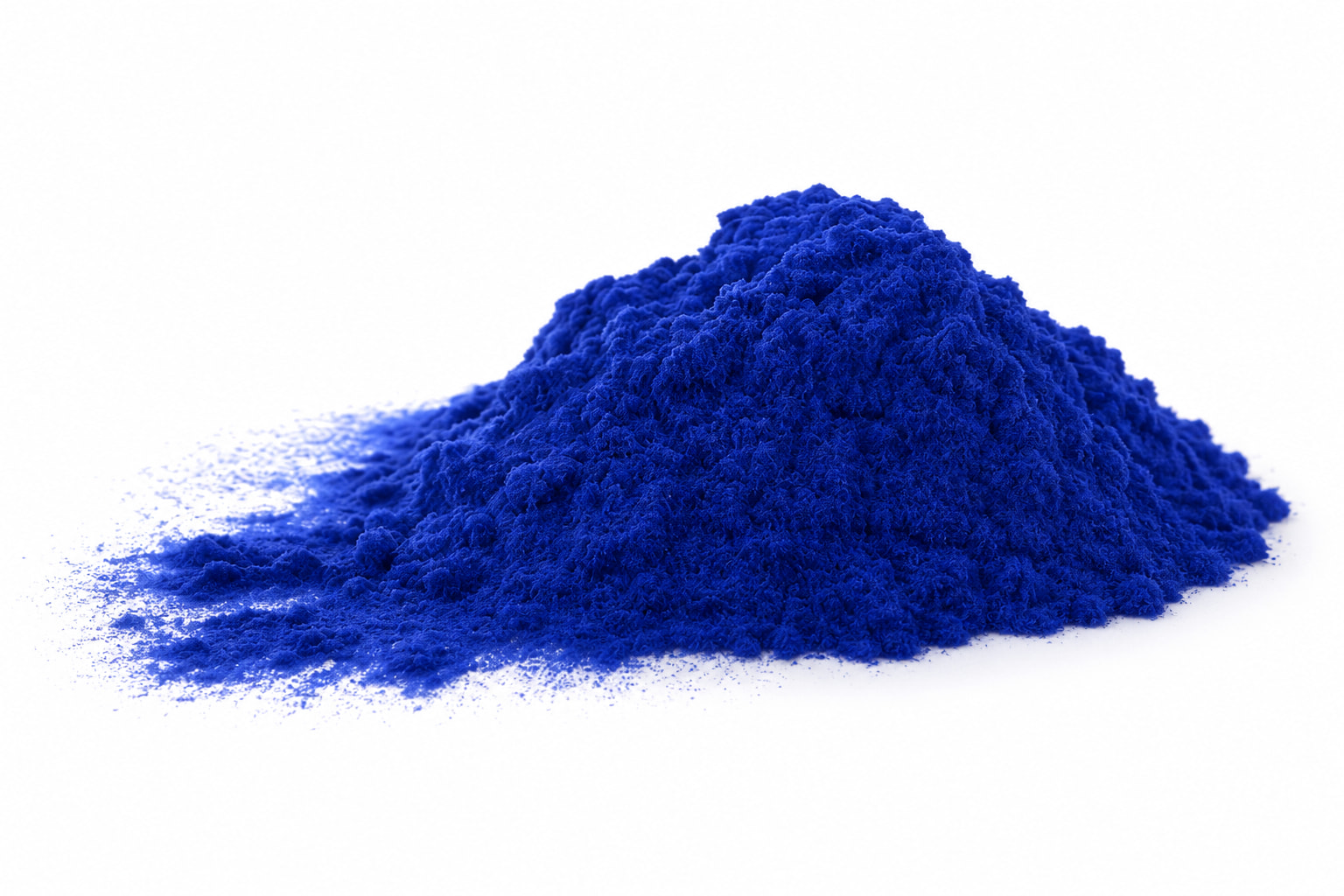
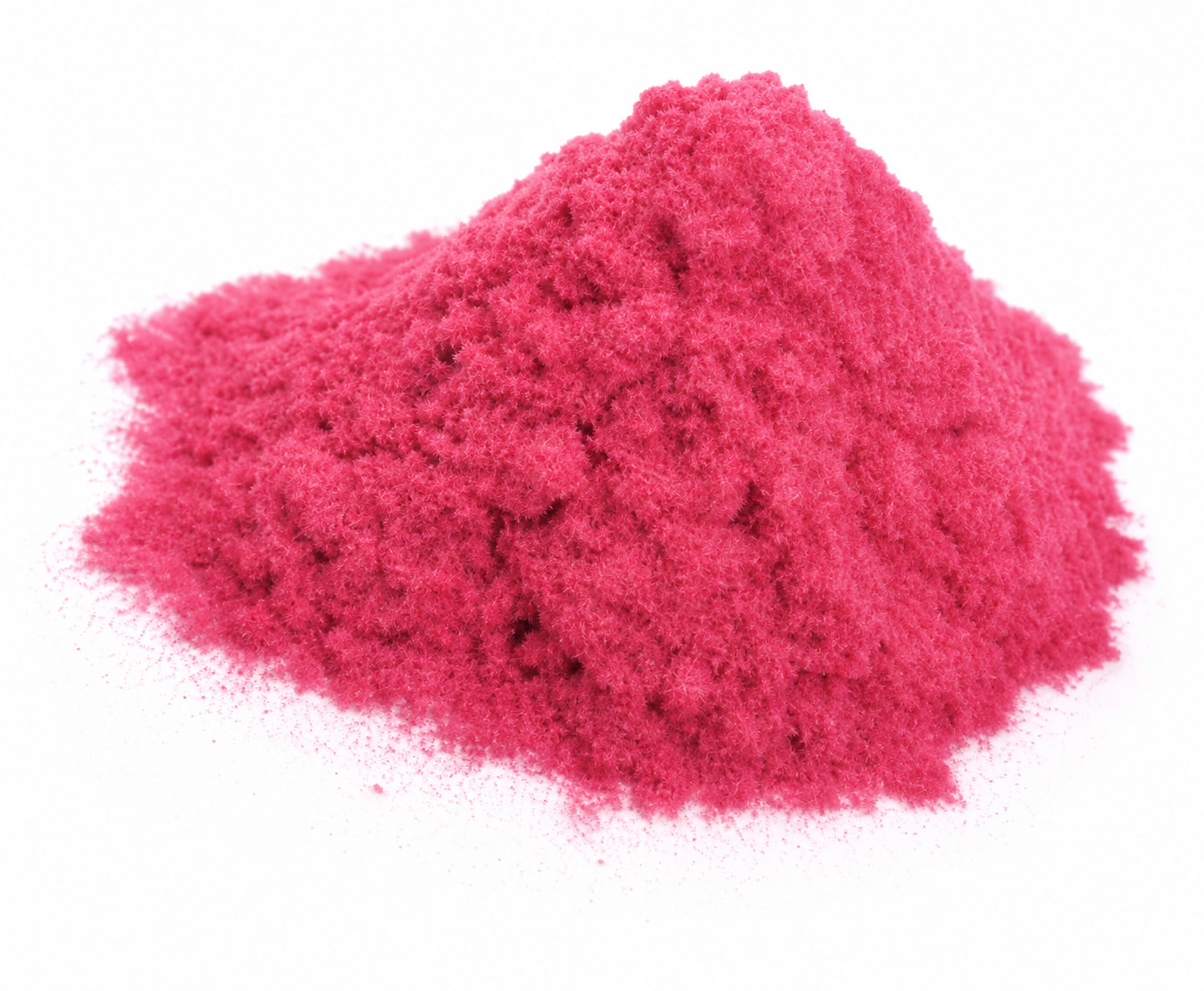
| Color Options | Black, white, red, blue, beige, grey, custom Pantone / RAL colors |
| Cutting Control | Stable cut length for cleaner pattern edges and repeat production |
| Suitable Fabrics | Cotton, polyester, blended fabric, ribbon, nonwoven, coated textile and selected stretch fabric |
| Flocking Process | Screen flocking, adhesive flocking, electrostatic flocking or customized process |
| Testing Items | Hand feel, edge clarity, adhesion, washing, shedding, color and surface appearance |
| Custom Support | Fiber material, length, dtex, color, softness, luster, treatment and packing |

Controlled Fiber Cut for Textile Patterns
Stable cutting helps the fiber distribute more evenly on printed or coated areas, which is important for logos, labels, garment graphics and repeat orders.

Adjustable Pile Height
Different cut lengths can create different surface heights. Fine patterns usually need a lower pile, while larger decorative areas can use a fuller textile effect.

Dtex Selection for Hand Feel
Fiber fineness affects how the flocked area feels on fabric. Lower dtex is suitable for softer textile touch, while higher dtex can create stronger surface presence.

Color Matching on Real Fabric
Flock color can look different after application because the fabric base, adhesive layer and fiber density all affect the final shade. Sample confirmation helps reduce color risk.
Suitable for Fabric-Based Production Tests
Before mass production, textile flocking fiber can be tested on actual fabric to check edge clarity, adhesion, washing performance and overall surface result.
More Flexible Than Heavy Surface Decoration
Textile Flocking Fiber can create raised surface details without making the fabric feel as heavy as some embroidery or thick applique processes.
Better Control for Fine Graphic Areas
For small letters, icons, badges and narrow pattern lines, the correct fiber length and dtex can help improve graphic readability.
Useful for Both Branding and Decoration
It can be used not only for garment logos, but also for trims, ribbons, patches, home textile patterns and decorative fabric accents.
Easier Specification Adjustment
Customers can adjust material, length, dtex and color according to different product lines, such as sportswear, fashion apparel, labels or home textiles.
Reduces Bulk Production Uncertainty
Testing fiber samples on the actual fabric helps confirm whether the flocked result meets the required touch, appearance and washing performance.
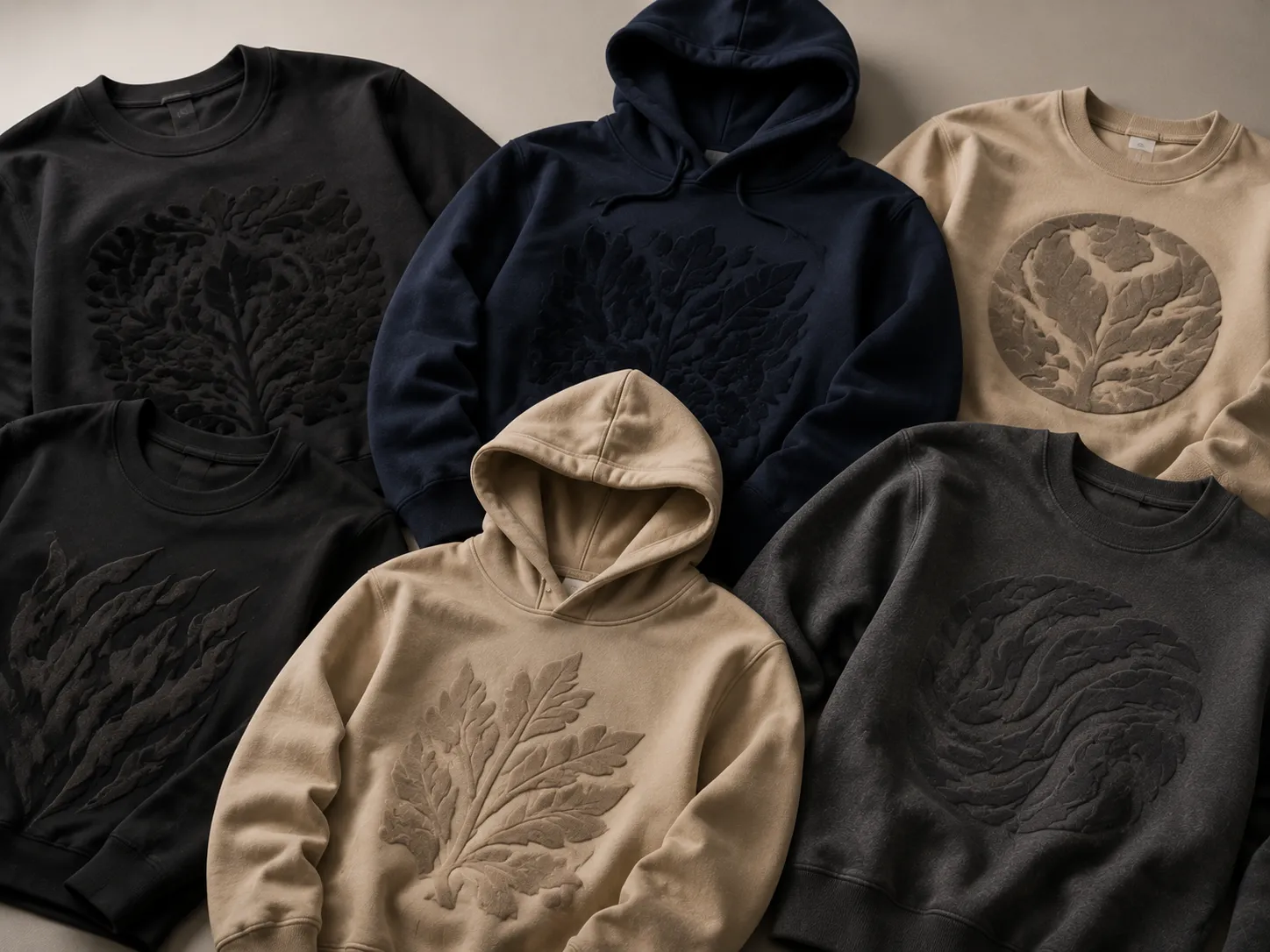 01
01Garment Graphics
Used on T-shirts, hoodies, sweatshirts, sportswear and casual apparel where the design needs a more tactile surface than flat printing.
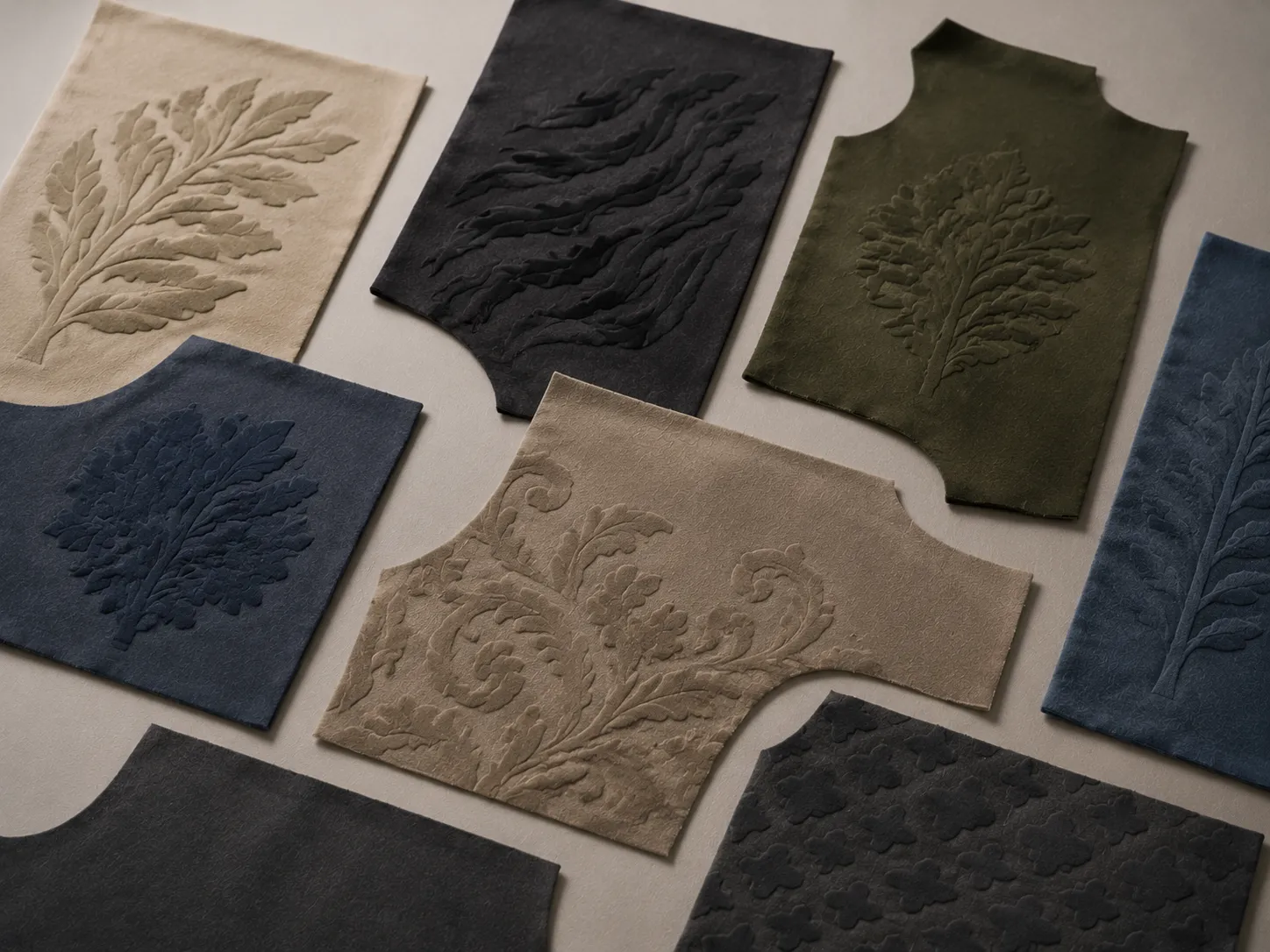 02
02Fabric Panels
Suitable for pre-cut fabric panels, decorative textile pieces and garment components that require flocking before sewing or assembly.
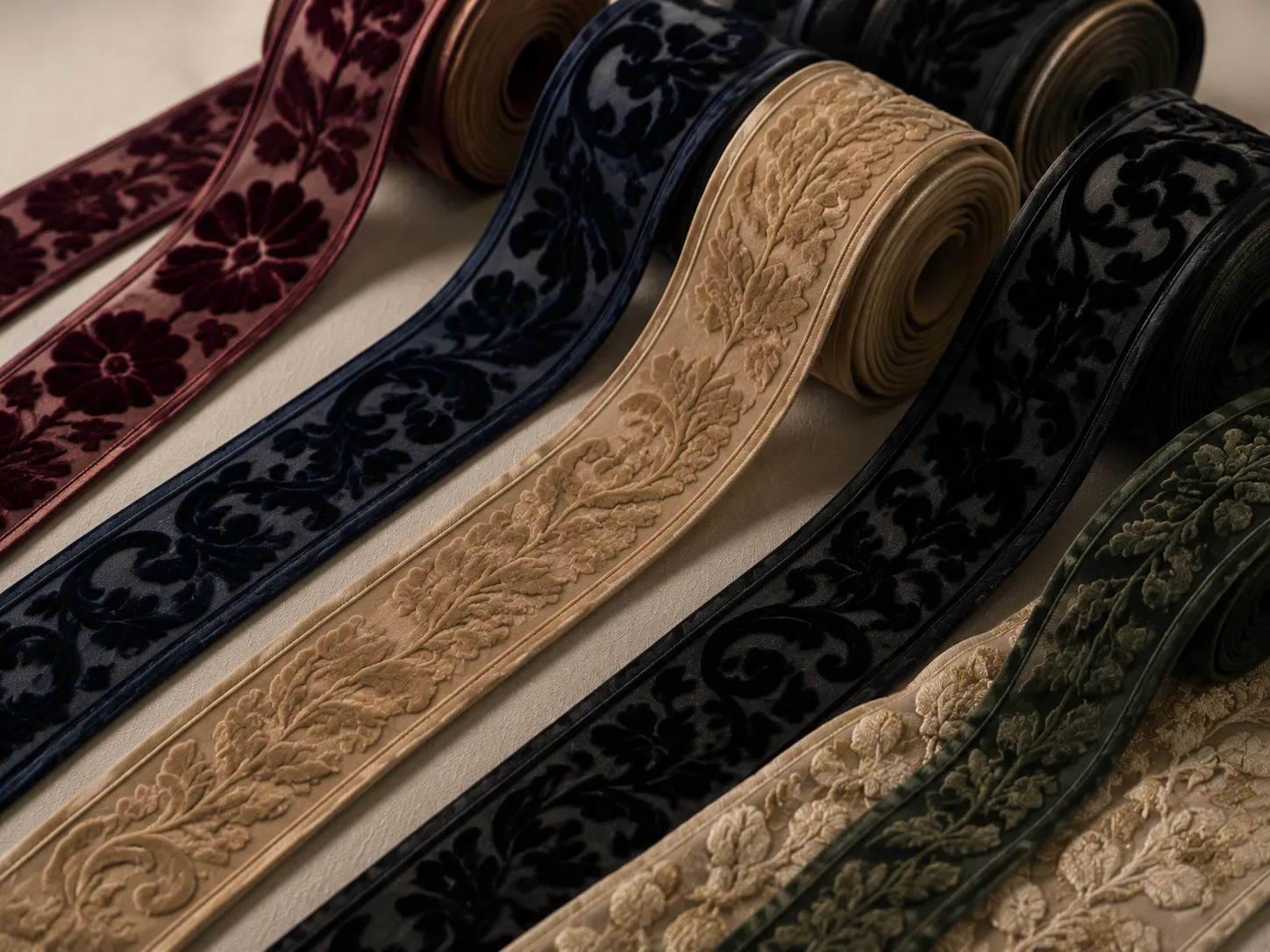 03
03Ribbons and Trims
Applied to gift ribbons, garment trims, textile tapes and fashion ribbons to create visible surface contrast and soft decorative details.
 04
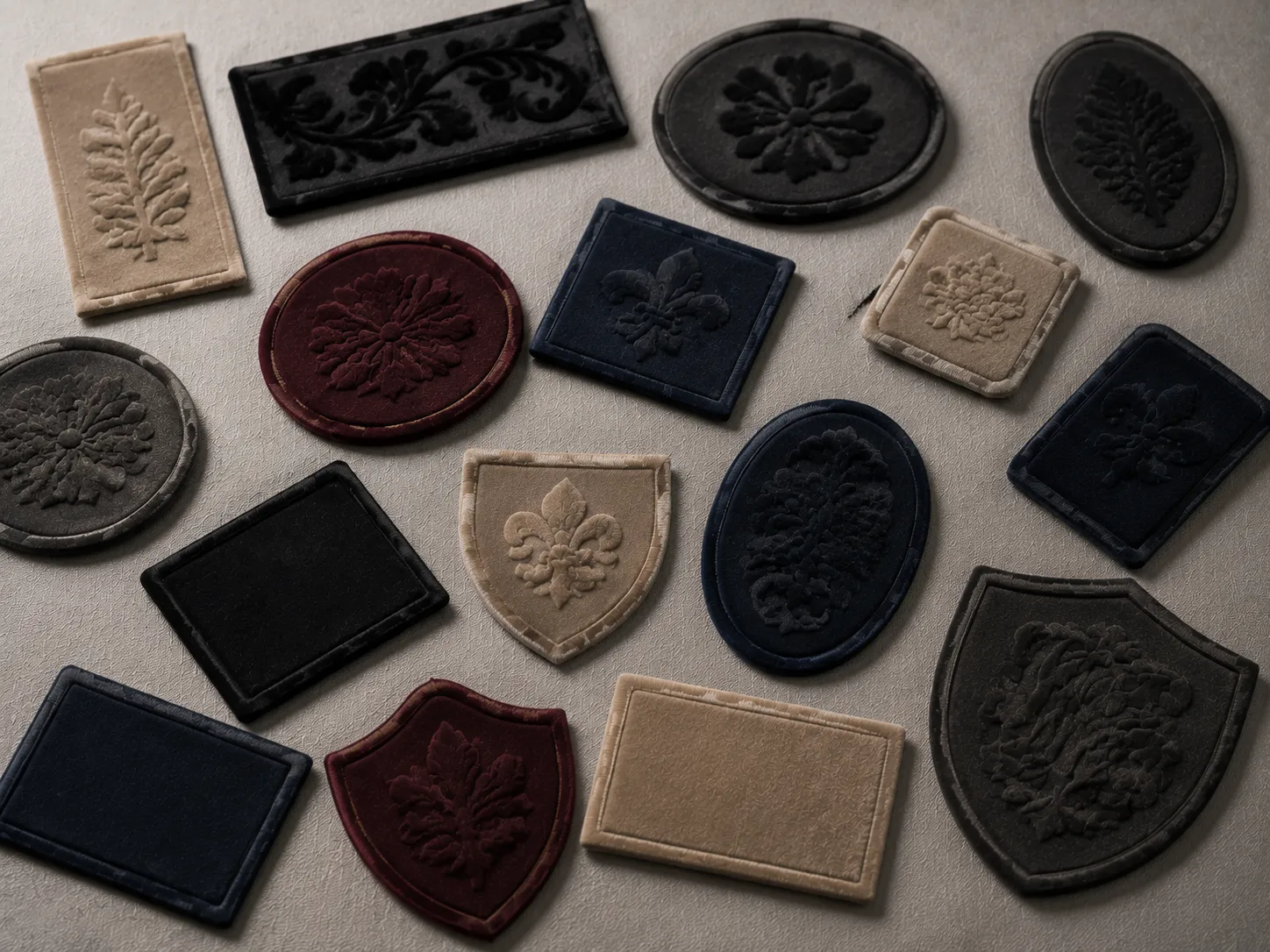
04Labels and Patches
Used for fabric labels, badges, patches and brand marks where raised texture can improve recognition and surface feel.
 05
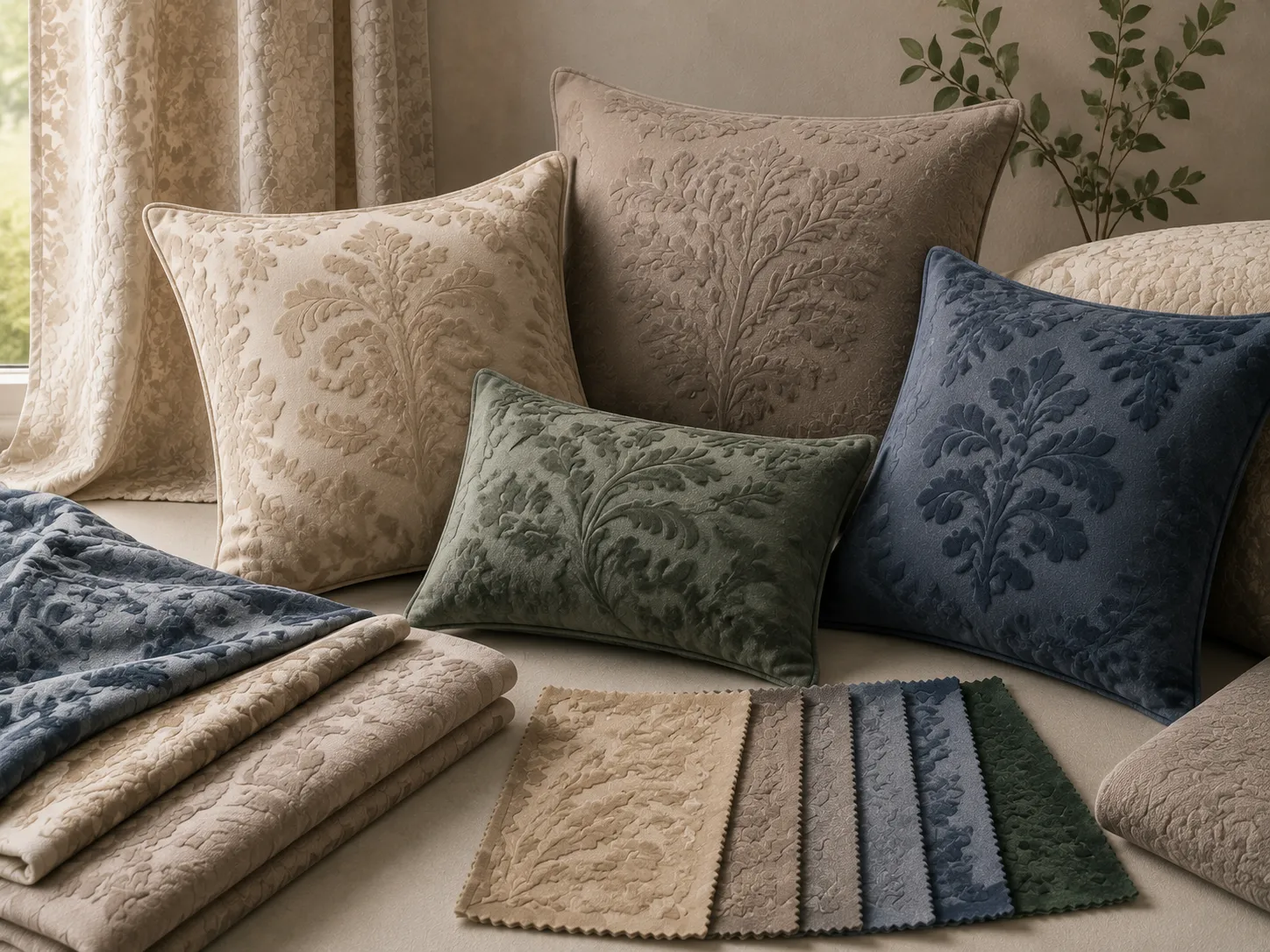
05Home Textiles
Suitable for cushions, curtains, bedding fabrics and upholstery accents that require decorative texture after fabric compatibility testing.
 06
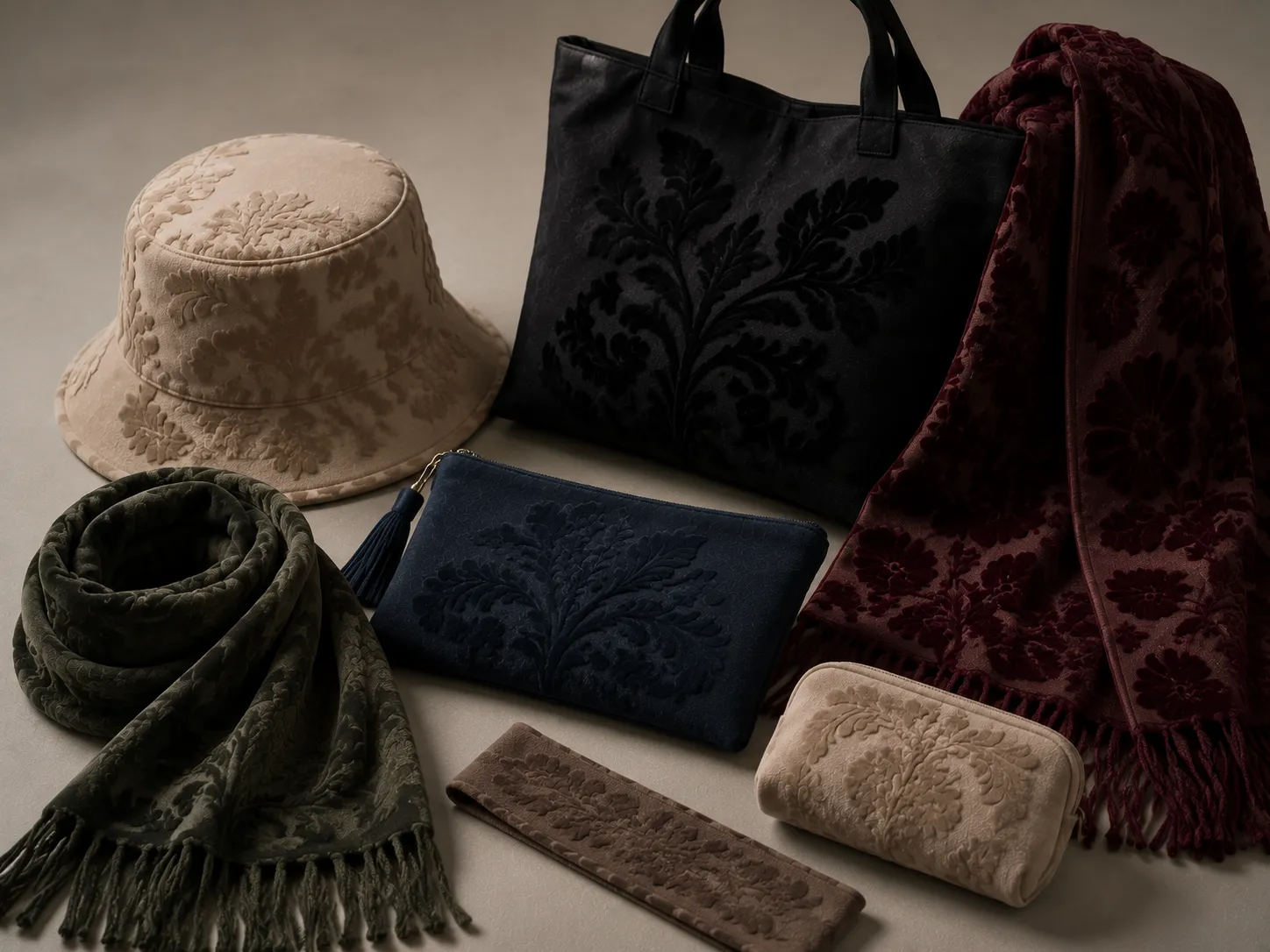
06Fashion Accessories
Used on hats, scarves, bags and selected soft accessories where local flocked details can add texture and design value.
Problems & Solutions for Textile Flocking Fiber Applications
Textile flocking performance is affected by fiber specification, adhesive behavior, fabric structure and finishing conditions.
| Common Problems | Why It Happens with Textile Flocking Fiber | Zhangs Solution |
|---|---|---|
| Small details lose definition | Fiber length may be too long, or the adhesive may spread beyond the printed area. | Use shorter or finer textile flocking fiber and test the adhesive viscosity with the actual screen or pattern. |
| Flocked area feels too heavy | Fiber dtex, pile density or adhesive thickness may not match the fabric weight. | Reduce adhesive build-up and select a finer fiber specification for softer fabric applications. |
| Flock sheds after washing | Adhesive, curing temperature or washing condition may not fit the fabric and fiber combination. | Test washing performance on real fabric and confirm adhesive compatibility before bulk production. |
| Color looks different after application | Fabric background, adhesive color and fiber density can change the perceived shade. | Confirm color after flocking and drying on the actual fabric, not only from loose fiber samples. |
| Stretch fabric cracks or peels | The flocked layer may not move well with elastic fabric during stretching. | Test stretch recovery and use a suitable flexible adhesive system. |
| Batch texture is inconsistent | Cut length, dtex, flock density or adhesive coating may vary between production runs. | Keep approved samples and confirm specifications before repeat orders. |
-
1 What should I provide before requesting samples?
-
2 Can Zhangs customize textile flock fiber colors?
-
3 Can the flocked textile be washed?
-
4 Can the flocked textile be washed?
-
5 Can it be used on stretch fabric?
-
6 Does dtex affect the final surface?
-
7 What fiber length is suitable for small garment logos?
-
8 How is textile flocking fiber selected?