Summary:
Flocking is a versatile surface finishing method that enhances both the appearance and functionality of a product. By applying fine fibers to an adhesive-coated substrate, manufacturers can create a soft, uniform, and textured surface that improves touch, visual appeal, and performance.
Today, flocking technology is used in a wide range of industries, from automotive interiors and apparel to luxury packaging and technical components. In some products, flocking is chosen for its velvet-like decorative finish. In others, it is valued for practical benefits such as noise reduction, anti-slip performance, cushioning, and surface protection. This combination of decorative and functional value is what makes flocking applications so broad and commercially relevant.
What Is Flocking and How Does the Process Work?
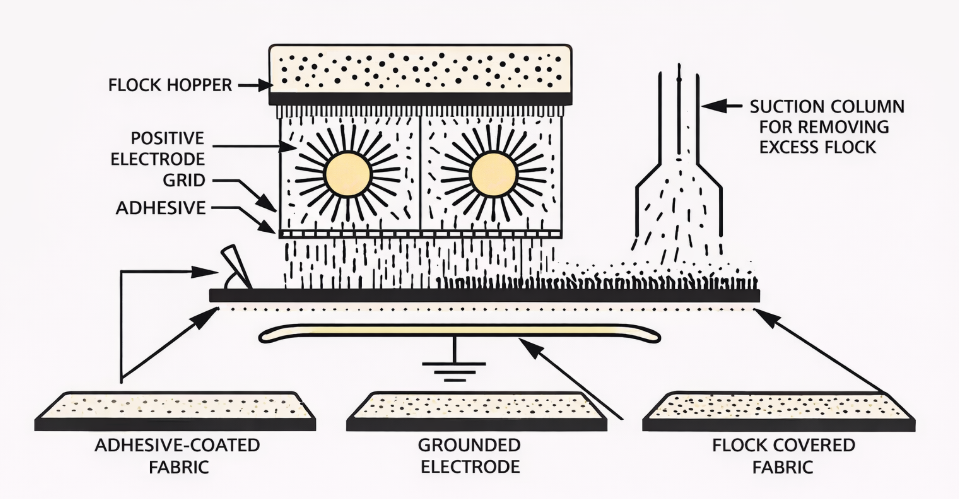
Flocking is a process in which short fibers are applied to a surface coated with adhesive. After bonding, the fibers form a dense layer that gives the substrate a soft and refined texture. The most widely used industrial method is electrostatic flocking, in which electrically charged fibers are projected onto the adhesive-coated surface so that they stand upright and create an even finish.
This method can be used on many substrates, including plastic, fabric, paper, rubber, metal, and wood. As a result, flocking is suitable for both decorative products and technical parts.
The term flocking powder is often used in the industry to describe the short fibers used in the process. These fibers are commonly made from nylon, rayon, or polyester, depending on the target application, required touch, and durability level.
Why Flocking Is Used Across So Many Industries?
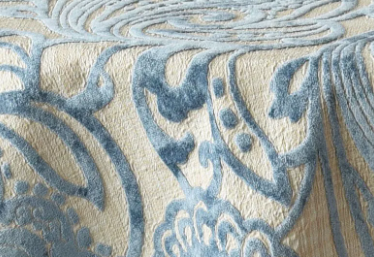
Flocking is widely used because it adds multiple layers of value to a product in a single process. Visually, a flocked surface looks richer, softer, and more premium than an untreated one. From a functional perspective, the fiber layer can improve grip, reduce friction, soften contact, lower noise, and protect delicate surfaces.
This is why flocking appears in products with very different requirements. In home décor and packaging, the focus is often on appearance and tactile quality. In automotive and industrial parts, functional flocking is often selected to improve product performance, durability, and user experience.
10 Key Applications of Flocking
1. Automotive Interior Flocking
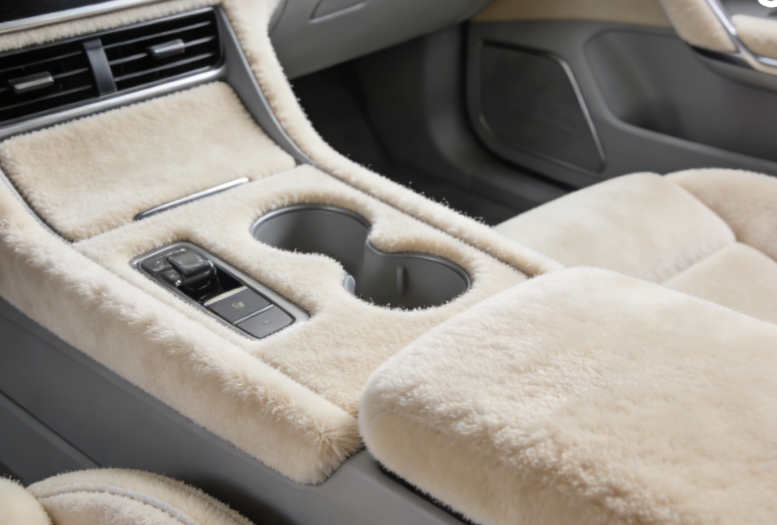
One of the most established flocking applications is in automotive interiors. Flocking is commonly used in glove boxes, dashboards, door panels, storage compartments, seals, and channels. In these areas, it improves surface feel while also helping reduce friction, rattling, and wear.
For automotive manufacturers, automotive interior flocking offers both visual and functional advantages. It creates a cleaner, more refined interior appearance and also supports a quieter and more durable user experience.
2. Apparel and Fashion Textile Flocking
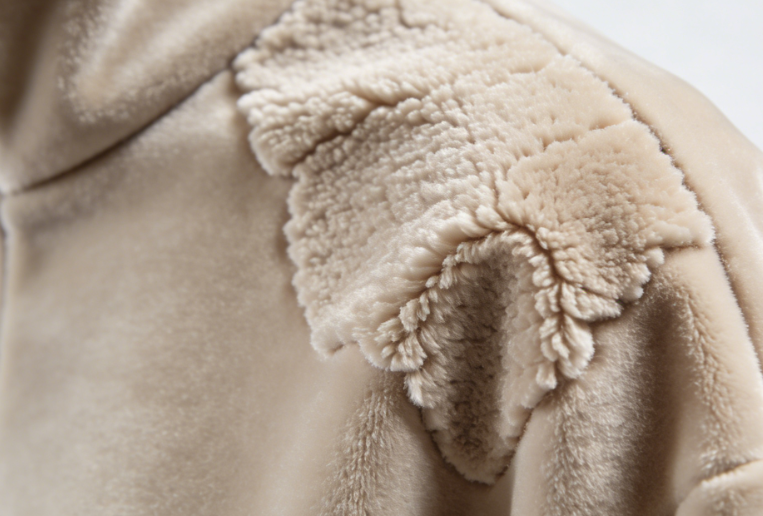
In garment and fashion production, textile flocking is widely used for logos, decorative patterns, raised lettering, and graphic elements. Compared with flat printing, flocking adds more texture and dimension, which gives apparel a stronger visual identity and a softer touch.
This application is common in sportswear, casual fashion, promotional clothing, and branded collections. With the right flocking adhesive and fiber selection, flocked fabric designs can achieve both visual impact and practical durability.
3. Home Textiles and Upholstery
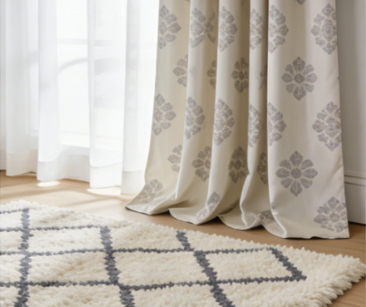
Flocking is frequently used in curtains, upholstery, cushions, wall décor, and decorative fabrics. In these products, it helps create a more elegant surface with greater depth and softness. It is especially suitable for interior applications where visual warmth and tactile comfort are important.
In premium furniture and decorative textiles, home textile flockingcan enhance the perceived quality of a product while making it more distinctive in the market.
4. Luxury Packaging and Gift Box Inserts

In high-end packaging, flocking is often used in jewelry boxes, cosmetic packaging, presentation trays, and premium gift boxes. The soft fiber layer protects delicate products from scratches while also creating a more luxurious presentation.
This is one of the most commercially valuable uses of packaging flocking. A flocked insert not only improves protection but also contributes to a stronger unboxing experience and a higher-end brand image.
5. Industrial and Technical Parts
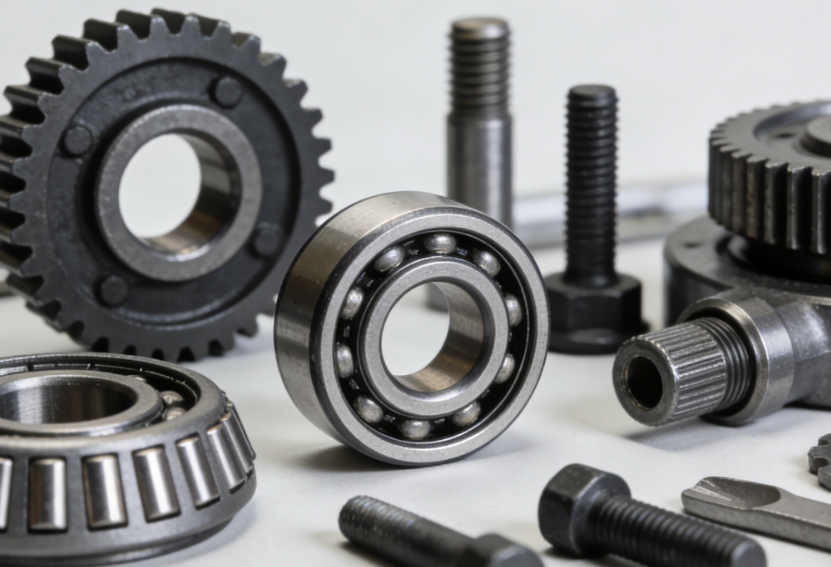
Flocking also plays an important role in technical and industrial components. Plastic, metal, and rubber parts may be flocked to improve friction control, reduce noise, protect surfaces, or create a cushioning effect between contact points.
In these cases, industrial flocking is less about decoration and more about performance. The flocked layer helps components function more smoothly and reliably in demanding environments.
6. Medical and Sampling Applications

In the medical field, flocking is often associated with sampling products such as flocked swabs. The fiber structure helps create an effective surface for collection and release, which is why this application has become well established in diagnostic and laboratory use.
Beyond swabs, medical flocking can also be relevant in products that require soft-contact surfaces, precision application, and consistent material performance.
7. Footwear and Accessories

Flocking is widely used in footwear, bags, caps, labels, decorative trims, and other fashion accessories. It adds a premium texture to product surfaces and supports stronger design differentiation.
For consumer products, footwear flocking and accessory flocking are often used to create a more fashionable and refined finish without changing the overall product structure.
8. Toys, Crafts, and Decorative Products
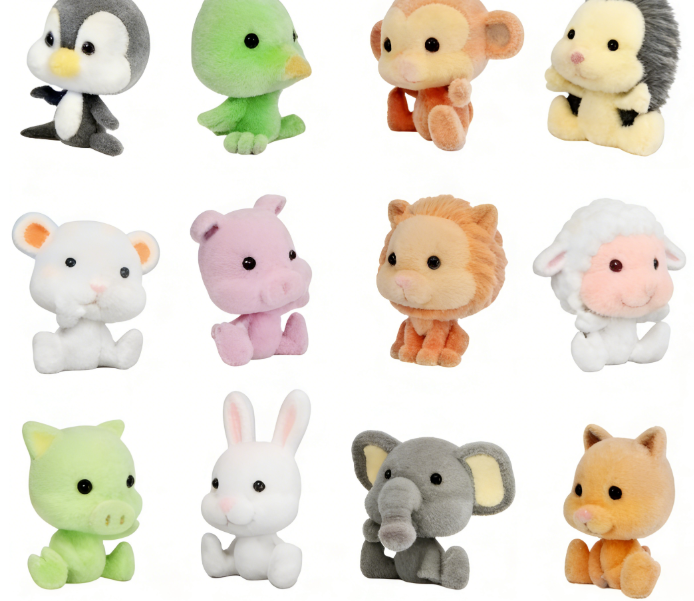
Toys, ornaments, figurines, models, and handmade decorative items often use flocking to create a soft or realistic texture. In these products, the fiber layer adds both visual interest and tactile appeal.
This type of decorative flocking is especially useful for small consumer items where surface feel plays an important role in perceived value.
9. Printed Graphics, Transfers, and Branding
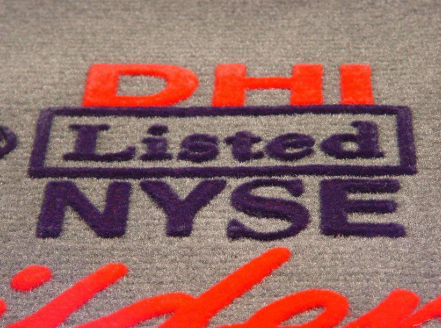
Flocking is also used in graphic and branding applications, especially for logos, labels, printed transfers, and decorative branding details. Compared with standard flat printing, flock transfer creates a raised and touchable surface that makes branding elements more memorable.
For fashion labels, sportswear, and promotional products, flock graphics provide a more textured and premium alternative to conventional print finishes.
10. Functional Surface Finishing
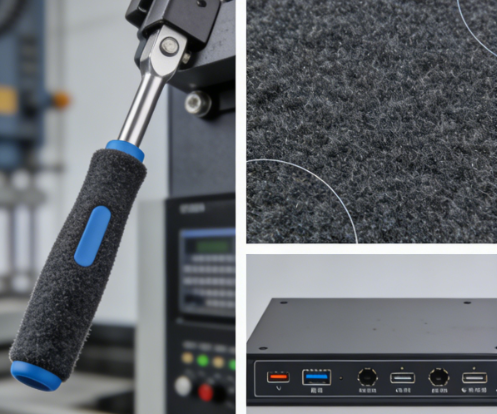
In many industrial and commercial products, flocking is used as a functional surface treatment. It can improve grip, reduce reflection, lower operating noise, and protect delicate surfaces from direct contact damage.
This area of functional flocking shows that flocking is not only a decorative solution. It is also a practical engineering option for products that require enhanced touch, protection, or controlled surface interaction.
What Materials Are Used in Flocking?
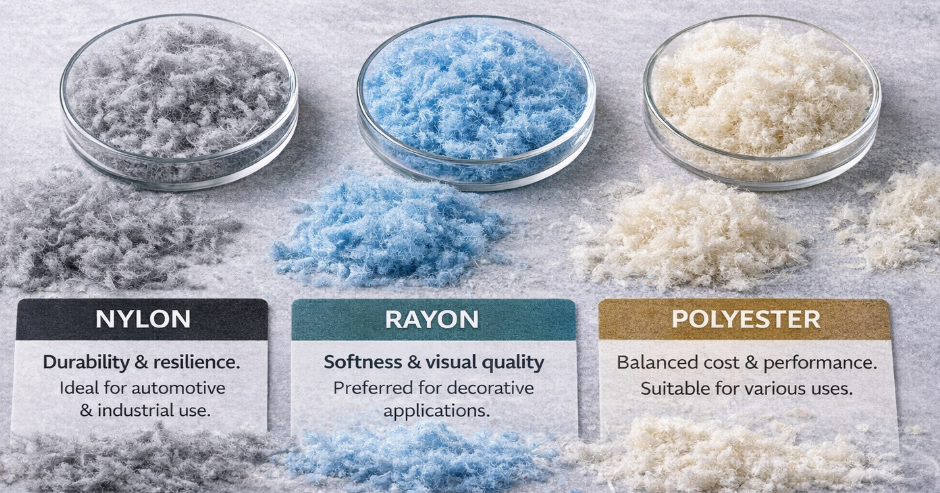
The most common flocking materials are nylon, rayon, and polyester. Each offers different performance characteristics and surface qualities.
1.Nylon flock is often selected for applications that require higher durability, abrasion resistance, and resilience. This makes it suitable for automotive and industrial use.
2.Rayon flock is valued for its softness and decorative appearance. It is often used in applications where visual quality and hand feel are the main priorities.
3.Polyester flock can provide a balanced option in terms of cost and performance, depending on the product and processing requirements.
Material selection should always be based on the application, substrate, desired finish, and durability target.
How to Choose the Right Flocking Adhesive and Fiber Specification
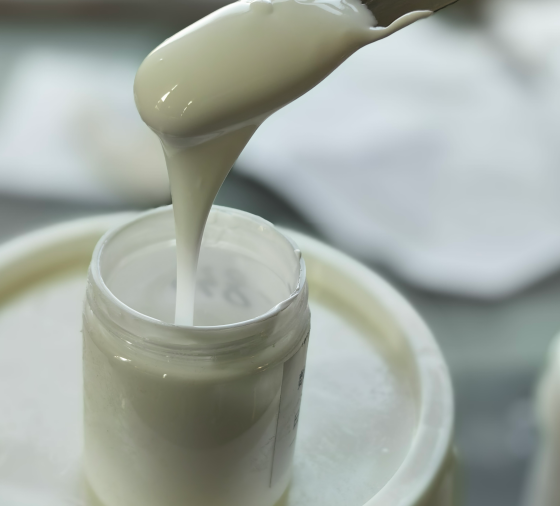
Choosing the right flocking adhesive is essential to the final quality of a flocked product. Adhesive performance influences bonding strength, durability, wash resistance, flexibility, and long-term stability.
The correct adhesive depends on several factors, including substrate type, end-use conditions, and production method. Textile products may require flexibility and wash durability, while industrial components may require stronger bonding and abrasion resistance.
Fiber specification also matters. Length, denier, and material type all affect how the final flocked surface looks and feels. Fine fibers may create a smoother and more refined appearance, while other specifications may support better durability or functional performance.
Common Challenges in Flocking
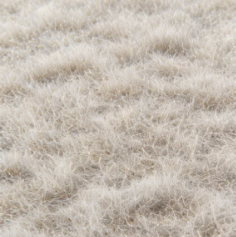
Like any technical finishing process, flocking can present challenges if materials or process conditions are not properly matched.
Common issues include uneven coverage, weak adhesion, fiber shedding, and inconsistent color appearance. These problems are often related to poor surface preparation, unsuitable adhesive selection, inconsistent electrostatic conditions, or incorrect fiber choice.
In most cases, successful flocking depends on controlling the full system: substrate preparation, adhesive performance, fiber specification, application method, and curing process.
Conclusion
Flocking remains one of the most versatile surface finishing technologies in modern manufacturing. It offers a unique combination of softness, texture, visual refinement, and functional performance. From automotive interior flocking and textile flocking to packaging flocking and industrial flocking, its value continues to expand across industries.
For manufacturers, designers, and sourcing teams, understanding materials, adhesives, and end-use requirements is essential to selecting the right flocking solution. When properly matched to the application, flocking can improve both product quality and market appeal.
Frequently Asked Questions About Flocking
1.What is flocking?
Flocking is a process that applies short fibers onto an adhesive-coated surface to create a soft, textured finish.
2.How does electrostatic flocking work?
Electrostatic flocking uses charged fibers that are directed onto a coated surface, allowing them to stand upright and form a uniform layer.
3.What is flocking powder made of?
It is typically made from short fibers such as nylon, rayon, or polyester.
4.What is the difference between nylon, rayon, and polyester flock?
Nylon is usually chosen for durability, rayon for softness and decorative quality, and polyester for a balance between performance and cost.
5.How do I choose the right flocking adhesive?
The choice depends on the substrate, product function, durability target, and processing requirements.