Flock printing gives sports jersey names and numbers a raised, velvet-like surface by using short fibers to create a textured finish. It is particularly associated with retro football shirts, customized fan jerseys, and heritage-style teamwear, where the appearance and feel of the lettering are as important as the information it displays. Many flocked jersey namesets are prepared separately and then heat-pressed onto the garment, although direct flock printing is another production option.
Unlike the thin, smooth transfers commonly used on modern performance jerseys, flocked lettering has a distinctive tactile quality that suits classic sporting designs. For manufacturers producing these styles, the choice of printing method, fiber material, and artwork affects how clearly each number appears and how the decoration performs during use.
Where Is Flock Printing Used on Sports Jerseys?
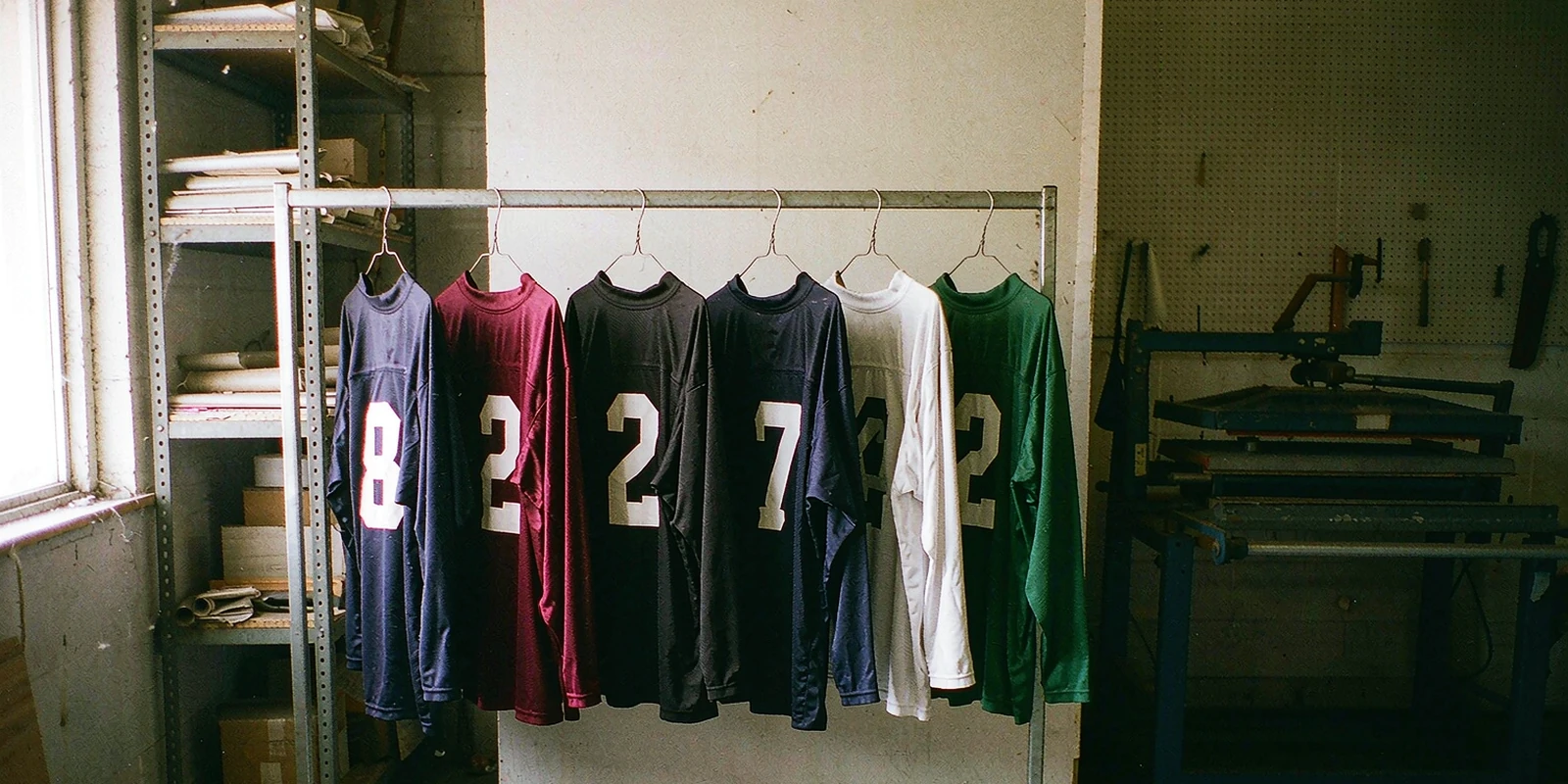
Flock printing is most useful when a jersey needs a recognizable textile texture rather than a flat graphic. Its applications are especially relevant to retro football collections, personalized fan apparel, and sportswear designed around traditional club aesthetics.
Compared with screen printing, the flocked surface is softer and more tactile, which is why it is often chosen when the decoration itself is part of the design language rather than a purely informational element.
1. Retro Football Jersey Names and Numbers
Flocked names and numbers are closely associated with football shirts from the 1990s and early 2000s. Their soft, slightly raised appearance gives classic jersey designs a different character from the smoother plastic transfers used on many contemporary shirts.
For reproduction jerseys, the original lettering style, surface texture, and color all influence the finished appearance. However, manufacturers should distinguish true flocked transfers from felt namesets, which can look similar but are made differently. Felt is formed by compressing or bonding fibers together, while flocking creates a textured surface by attaching short fibers to an adhesive layer.
Some historical namesets used felt rather than flock, so an accurate reproduction should begin by identifying the material used on the original garment rather than relying on appearance alone.
2. Customized Fan Jerseys and Teamwear
Personalized fan jerseys provide another application for flocked lettering. Supporters may want their names, favorite player numbers, or custom messages applied in a traditional style, particularly when the garment is intended for casual wear or collection rather than competitive performance.
Pre-cut flock transfers are convenient for this type of customization because names and numbers can be prepared in advance and applied to finished jerseys. The selected transfer must still be compatible with the fabric, especially when working with lightweight polyester or stretch materials.
3. Heritage Sportswear and Club Merchandise
Flock printing also appears on heritage-inspired teamwear, anniversary collections, and club merchandise that uses traditional sporting typography. Bold numbers, team initials, and classic lettering can become part of the garment's design rather than serving only as player identification.
For these products, the flocked surface adds visual depth to relatively simple graphics. This makes it useful for limited collections and lifestyle sportswear, where a distinctive finish may be more important than minimizing garment weight.
How Are Flocked Names and Numbers Applied to Jerseys?
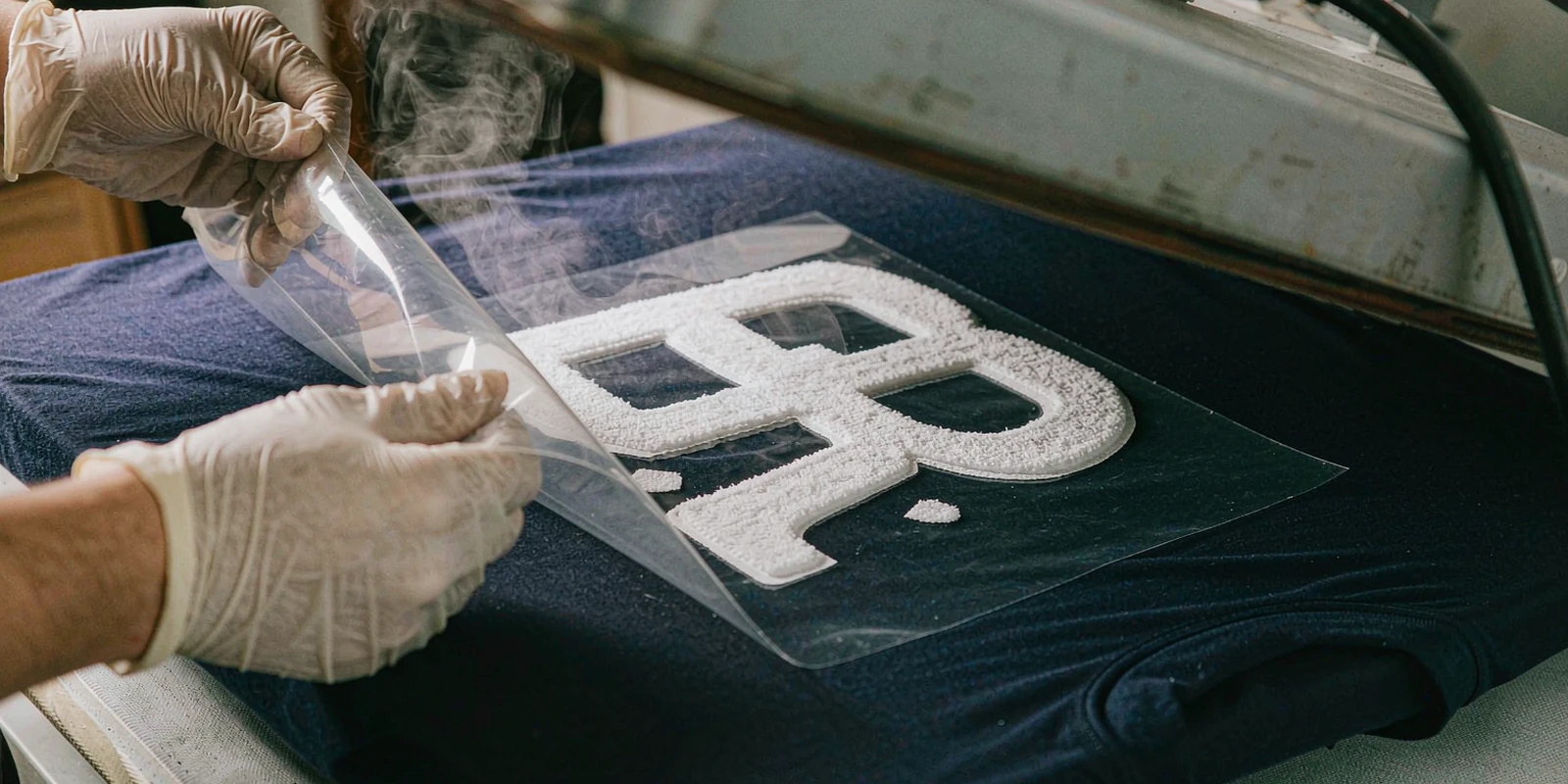
There are two main ways to produce flocked lettering: direct flock printing and flock heat transfer. Both create a fiber-covered surface, but the manufacturing process and the way the decoration reaches the garment are different.
For jersey names and numbers, the main difference between direct flock printing and flock heat transfer lies in when and how the lettering is added to the garment. Direct flock printing creates the textured design on the fabric itself, while flock heat transfer uses pre-made letters and numbers with a flocked surface and heat-activated backing.
Pre-made flock transfers are particularly convenient for retro football shirts and personalized fan jerseys. Namesets can be prepared in advance and applied to individual garments as needed, making them practical for different player names, numbers, and small custom orders. Direct flock printing offers another option for manufacturers equipped to create flocked graphics directly on textile surfaces.
When choosing between the two, manufacturers should consider the jersey fabric, lettering design, production quantity, and required finish. For classic football namesets, the priority is usually to reproduce the intended texture and typography while maintaining suitable adhesion and flexibility on the finished shirt.
What Flocking Materials Work Best for Jersey Lettering and Numbers?
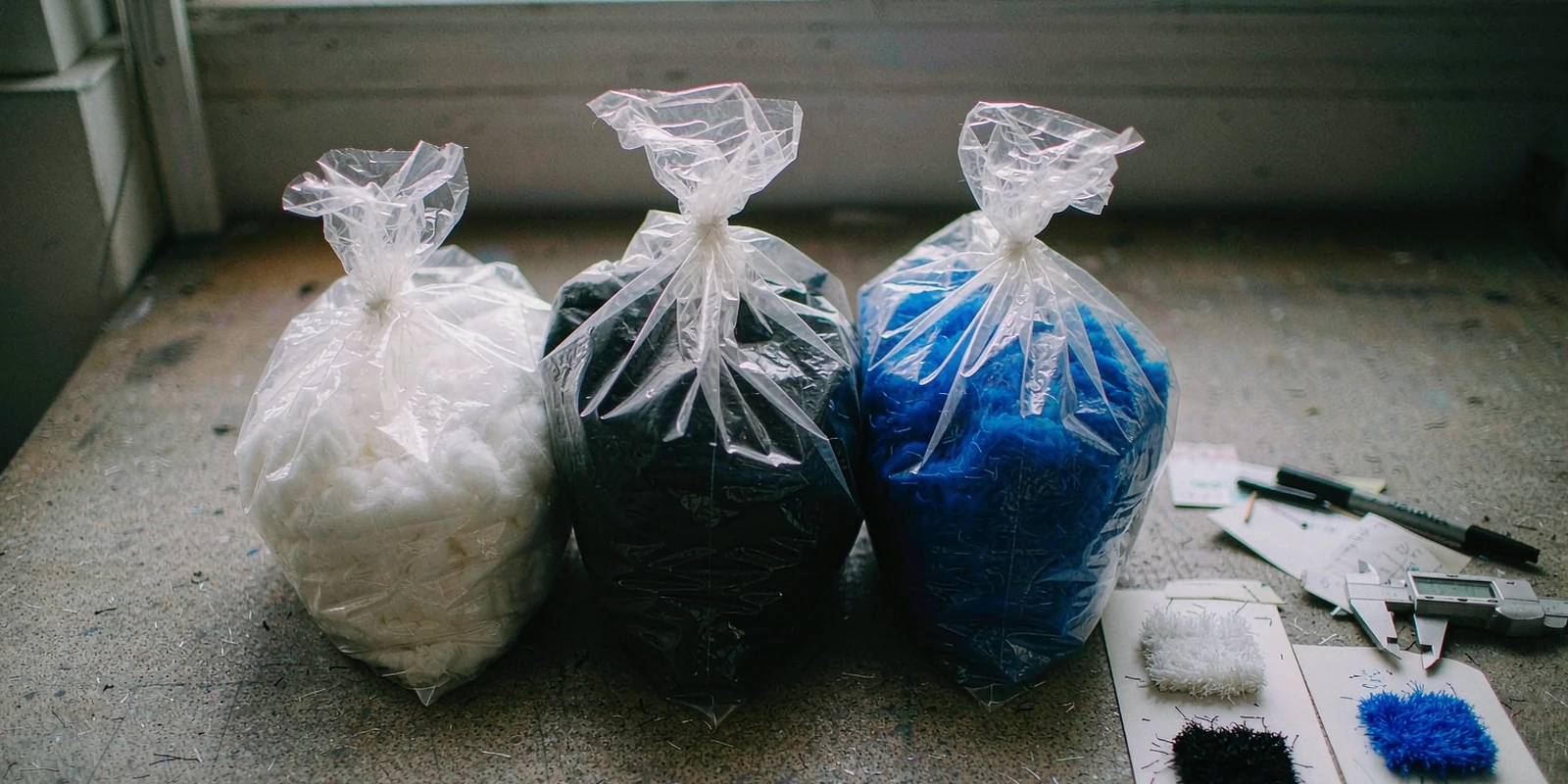
The appearance of flocked lettering depends partly on the fibers used to create its surface. Fiber length, material, color, and distribution influence the texture and visual definition of the finished nameset, although the adhesive and transfer construction also play important roles.
For jersey numbers with narrow outlines, small letters, or detailed internal shapes, a fine and relatively short flock can help preserve the design's edges. A fuller pile creates a more noticeable raised texture, but excessive fiber length may reduce the clarity of closely spaced lettering. Fiber length is therefore usually decided together with the artwork rather than on its own.
Rayon, polyamide, and polyester flocking fibers offer different material characteristics. The appropriate choice should be evaluated against the desired hand feel, color appearance, application process, and finished-product requirements rather than selected by fiber type alone.
For manufacturers developing different lettering effects, having access to multiple fiber materials and specifications makes sample comparisons more practical. Zhangs supplies rayon, polyamide, polyester, and cotton flocking fibers in customizable colors and specifications, allowing customers to evaluate different textures before confirming the material for their namesets. The final choice should still be tested with the intended adhesive, transfer structure, and jersey fabric.
What Jersey Designs Work Best with Flock Printing?
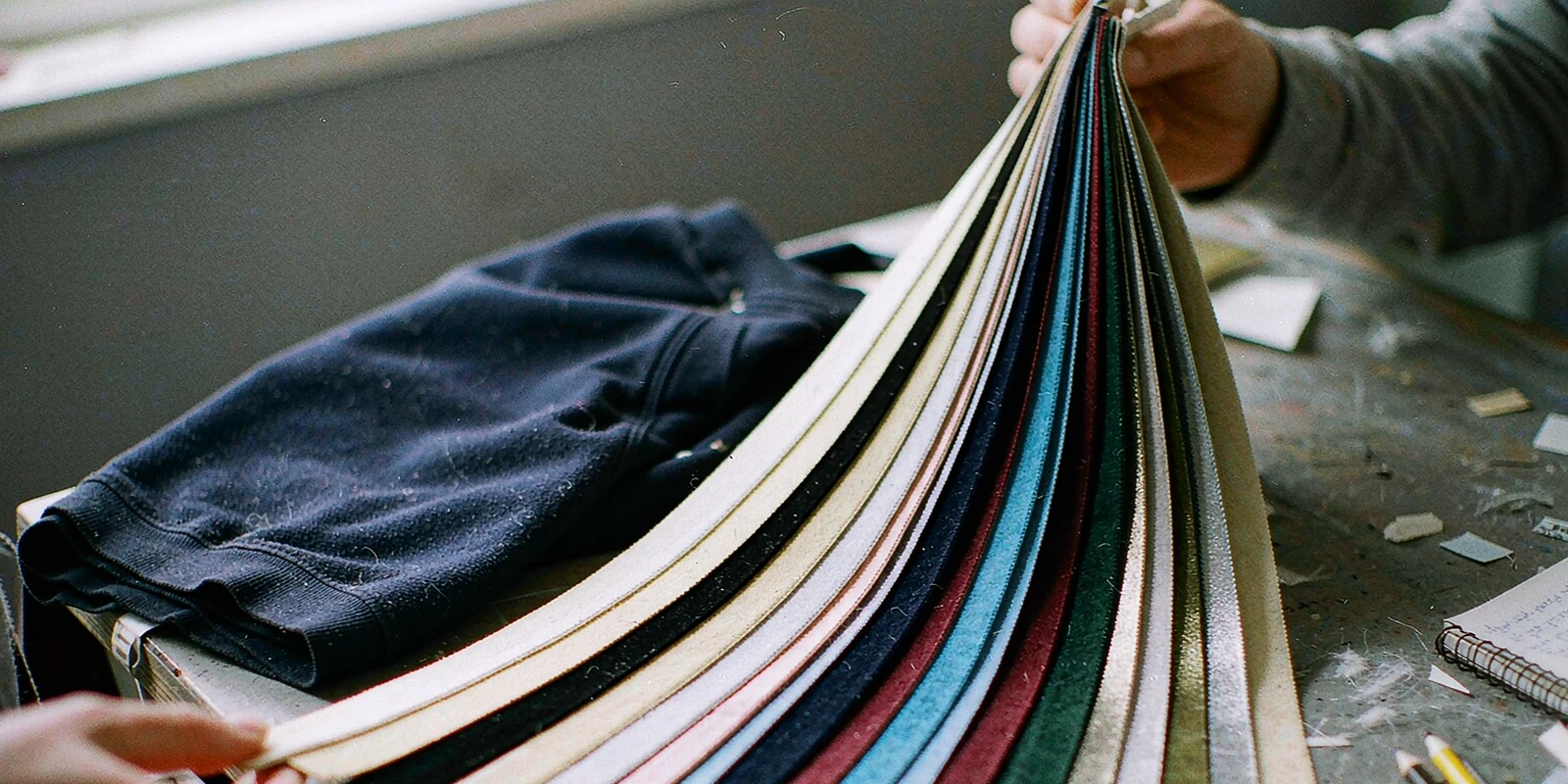
Flock printing is particularly suited to retro football jerseys, heritage sportswear, and personalized fan shirts where raised lettering is part of the design. Typography, fabric construction, and color combinations all influence how the finished names and numbers look and feel.
1. Bold Numbers and Classic Lettering
Block numbers, traditional serif fonts, and simple club initials work well with the velvet-like texture of flock printing. Their wider strokes provide enough space for a visible flocked surface without sacrificing the definition of the lettering.
Fine outlines and tightly spaced characters are more difficult to reproduce, as the raised fibers can make narrow details appear less distinct. For vintage-style namesets, keeping the artwork clear at its final size is more important than adding decorative complexity.
2. Fabric Compatibility for Flocked Jersey Prints
Polyester jerseys vary in weight, elasticity, and surface finish, which can affect the adhesion and flexibility of flocked lettering. A standard fan shirt may accommodate a thicker flock transfer, while a lightweight training jersey requires closer attention to stretch and wearing comfort.
The selected printing method should suit the garment's construction and intended use. Checking compatibility on the actual fabric helps avoid applying the same nameset specification to jerseys with different performance requirements.
3. Team Colors and Custom Flock Finishes
Traditional color combinations, such as cream lettering on dark football shirts, highlight the soft texture associated with classic namesets. Contemporary club merchandise may use contrasting colors or coordinated shades to create a more distinctive visual identity.
When a design calls for a specific team color, Zhangs can supply flocking fibers in customized shades to support the required finish. The final appearance also depends on fiber coverage and orientation, so color approval should be based on the finished lettering rather than loose fibers alone.
What Should Manufacturers Check Before Producing Flocked Jersey Namesets?
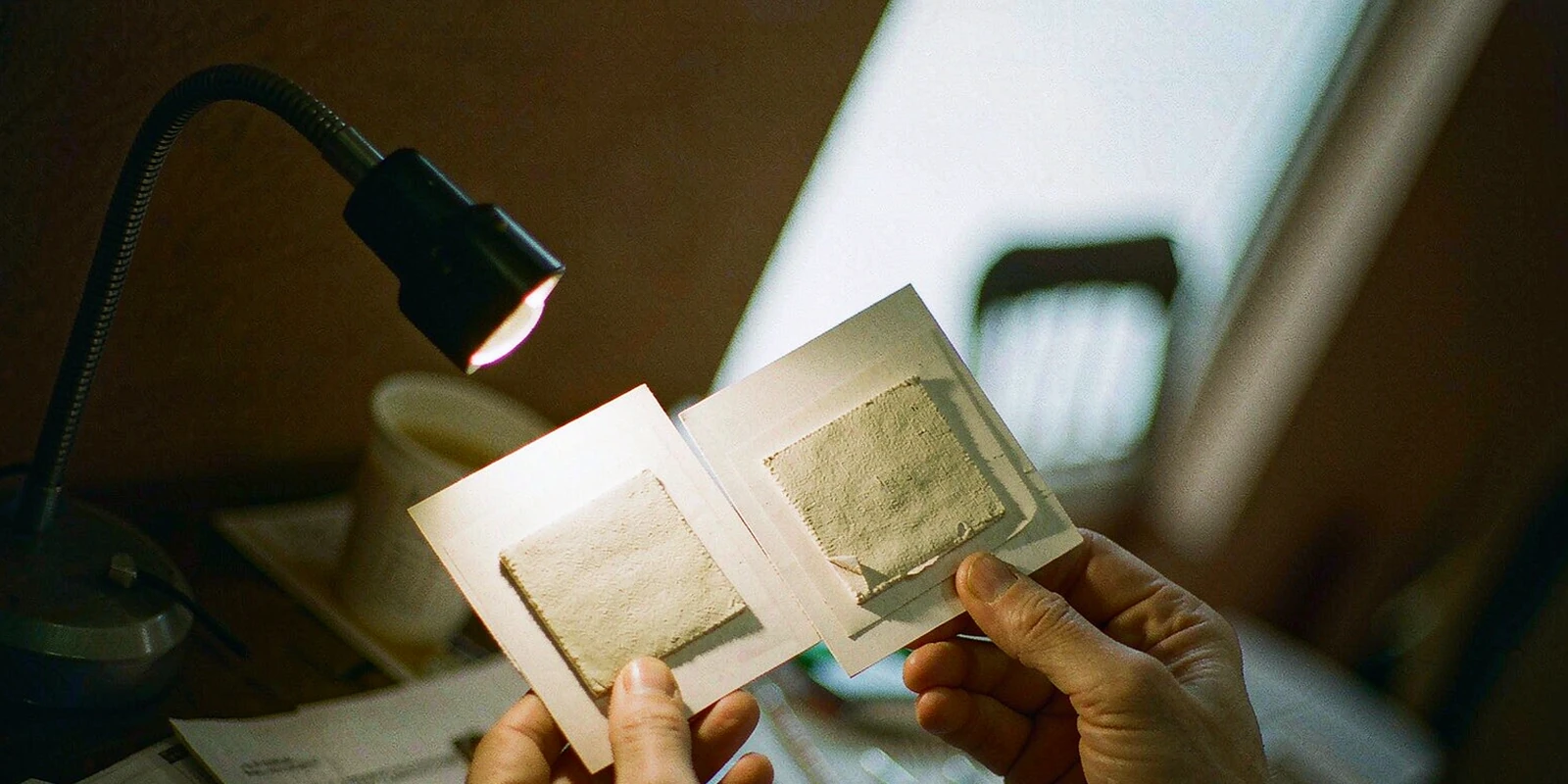
Before moving into bulk production, the finished namesets should match the approved sample in lettering, color, and flock coverage. Small differences in texture or edge definition can become more noticeable when the same design is reproduced across an entire jersey collection.
Appearance is only part of the evaluation. Washing and handling tests can reveal problems such as lifting edges, loose fibers, or flattened flock that may not be visible on a newly finished jersey. The results provide a clearer basis for approving the decoration for its intended use, and they are also useful when estimating how long the flock print will last under normal wear.
For repeat orders, keeping the fiber specifications, color references, and application conditions consistent is just as important. Zhangs' controlled fiber preparation and custom material options help nameset producers maintain a reliable supply of the specified flocking fibers, reducing one potential source of variation between production batches.
Frequently Asked Questions About Flock Printing on Sports Jerseys
Are Flocked Names and Numbers Still Used on Football Jerseys?
Yes. Flocked names and numbers are still used for retro football shirts, fan merchandise, and heritage-style sportswear where the traditional velvet-like texture is part of the design.
Modern professional match jerseys generally favor lighter, smoother decoration materials, so flock is more commonly associated with reproduction and lifestyle products than contemporary performance kit production.
Is Flock Printing Suitable for Modern Polyester Jerseys?
Flock printing can be applied to certain polyester jerseys, provided the adhesive or transfer system is compatible with the specific fabric. Heat sensitivity, stretch, surface treatments, and the intended use of the garment should all be considered.
Testing on the actual jersey material is especially important for lightweight performance fabrics, where a thicker decoration may affect flexibility or wear comfort.
What Is the Difference Between Flock and Felt Jersey Numbers?
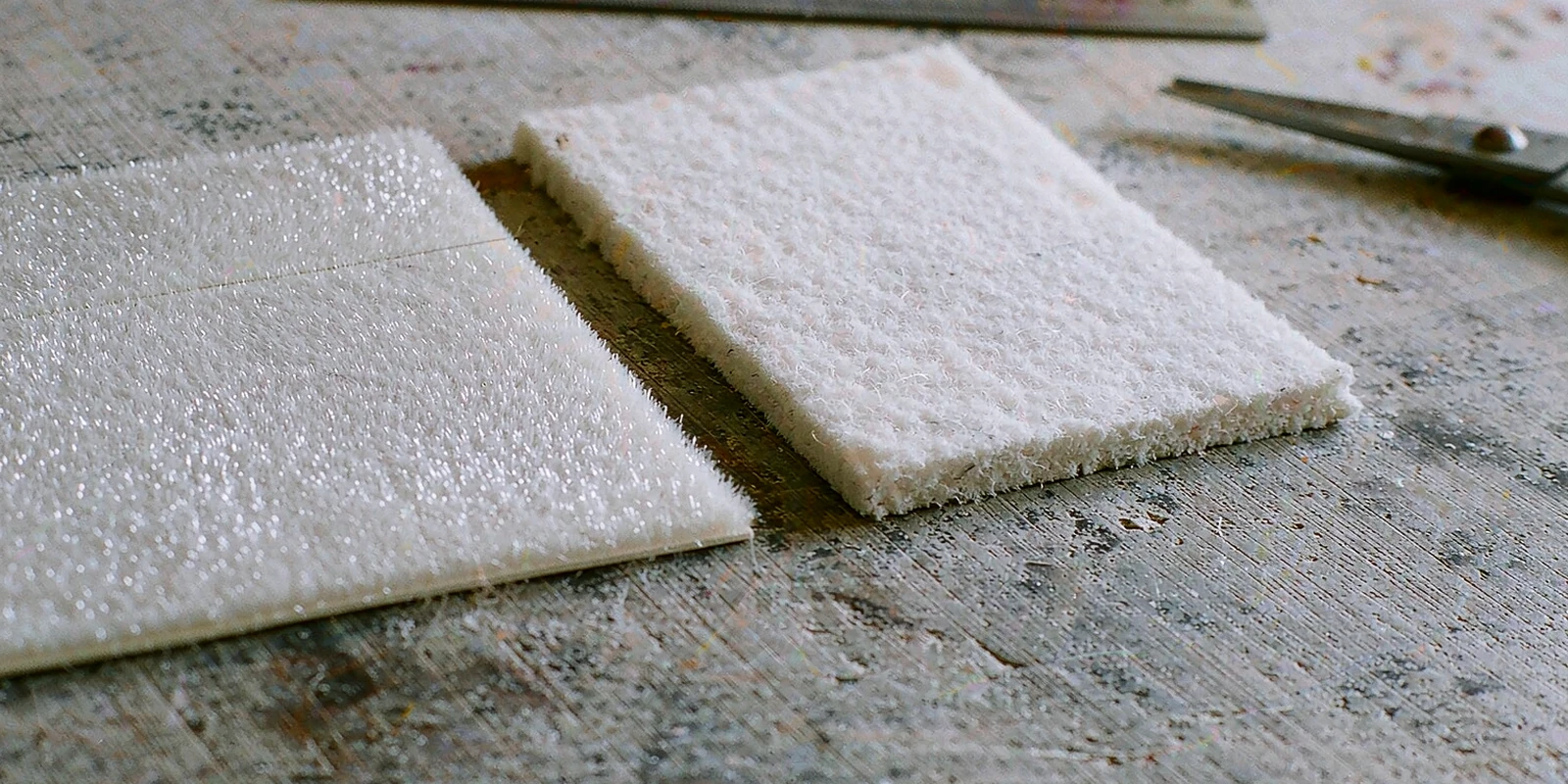
Flock and felt can produce similar soft, textured appearances, but they have different structures. Flock consists of short fibers attached to a surface through an adhesive, whereas felt is a nonwoven material formed by bonding or mechanically interlocking fibers.
Both have appeared on historical football jerseys, so the correct material for a reproduction depends on the original nameset design and construction.
Can Flocked Jersey Names and Numbers Withstand Washing?
Flocked names and numbers can withstand washing when the selected decoration system is properly applied and cared for. Their durability depends on the adhesive or transfer backing, garment fabric, application conditions, and washing practices.
Manufacturers should validate the finished nameset through appropriate washing and handling tests, since the characteristics of the flocking fibers alone do not establish the durability of the complete print.
Conclusion
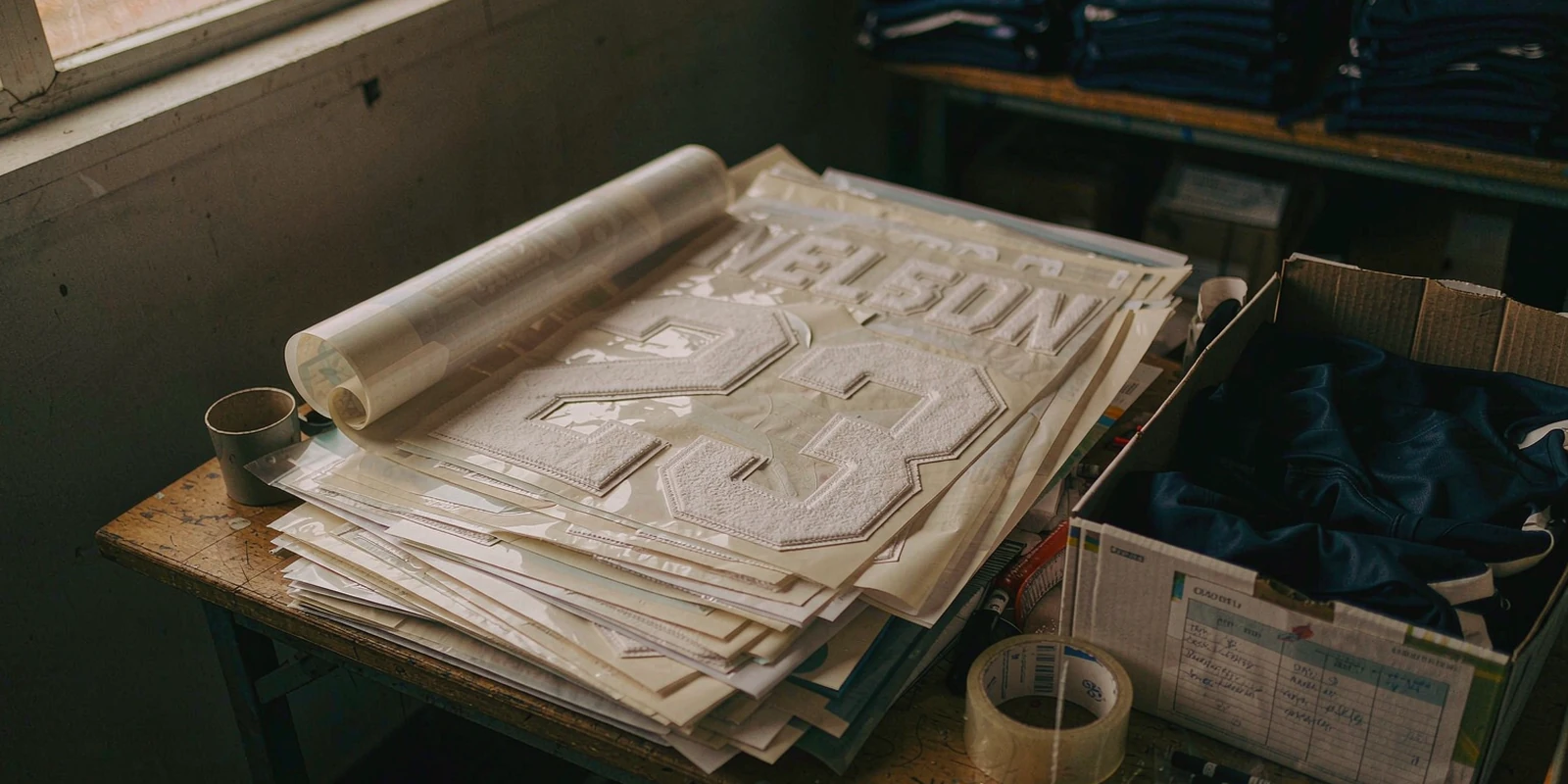
Flock printing gives sports jersey names and numbers a distinctive texture that is particularly suited to retro football shirts, personalized fan apparel, and heritage collections. Whether the lettering is flocked directly onto fabric or applied as a prepared transfer, the finished result depends on matching the design and materials to the garment.
For manufacturers developing flocked namesets, attention to fiber specifications, lettering details, fabric compatibility, and sample testing helps translate the intended vintage appearance into a reproducible product. This approach preserves the visual character of flocked sportswear while accounting for the practical requirements of production and use.