Flocking texture plays a defining role in both the tactile experience and functional performance of flocked fabric. From soft-touch decorative surfaces to high-friction, wear-resistant industrial applications, the balance between surface feel and durability depends on a coordinated system of flocking material, flock coating, and process control. This article explores how flock texture is formed, why it matters, and how material selection, coating design, and printing techniques work together to achieve stable, repeatable results across different applications.
Understanding Flocking Texture in Flocked Fabric
-What is a flocked texture?
-Why Texture Matters for Performance
Role of Flocking Material in Texture Formation
-Fiber Selection in flocked material
-Material Stability and Batch Consistency
Flock Coating as the Structural Foundation
-Flocking Coating Thickness and Adhesion
-Coating Performance in Different Applications
Flock Print Fabric and Patterned Texture Design
-From Flock Printed Fabric to Visual Texture
-Balancing Design Freedom and Texture Stability
Matching Surface Feel with End-Use Performance
-Texture Requirements Across Different Applications
-Integrating Material, Coating, and Process
Understanding Flocking Texture in Flocked Fabric
What Is a Flocked Texture?
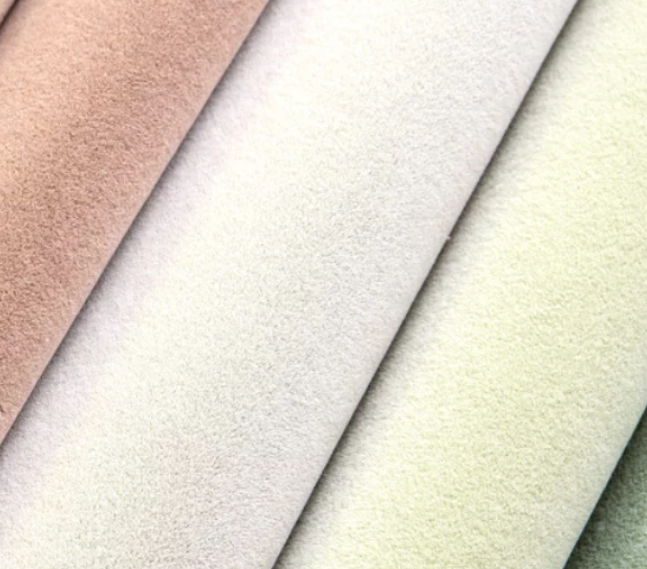
Flocked texture refers to the three-dimensional surface effect created when short fibers are electrostatically applied onto an adhesive-coated substrate. Once cured, these fibers stand upright, forming a dense and uniform layer that gives flocked fabric its characteristic velvet-like or suede-like feel.
Unlike conventional woven or knitted textiles, flocked fabric derives its texture primarily from fiber orientation, fiber density, and surface bonding rather than yarn structure. The resulting flock texture can range from ultra-soft and smooth to firm and high-friction, depending on the flocking material used and the overall process configuration.
This unique surface construction allows designers and manufacturers to fine-tune tactile properties independently from the base fabric, opening up wide possibilities in both aesthetic design and functional performance.
Why Texture Matters for Performance
Texture is not purely a visual or sensory feature. In flocked fabric, surface texture directly influences performance characteristics such as grip, abrasion resistance, noise reduction, and comfort.
For decorative applications, a consistent and fine flock texture enhances visual depth and color uniformity. For functional uses—such as anti-slip surfaces, seals, or protective linings—texture determines friction coefficients and durability under repeated use. Poorly controlled texture can lead to issues like fiber shedding, uneven wear, or inconsistent feel between production batches.
As a result, achieving the right flock texture is essential not only for appearance, but also for meeting long-term performance requirements.
Role of Flocking Material in Texture Formation
Fiber Selection in Flocking Material
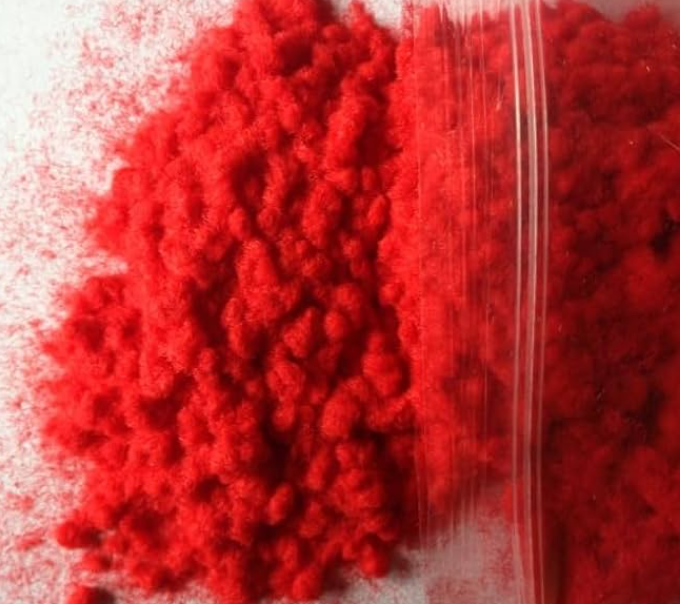
Flocking material is the most direct contributor to surface texture. Fiber type, length, fineness, and stiffness all influence how the flock layer feels and performs.
Shorter fibers typically produce a finer, smoother flock texture, while longer fibers create a more pronounced and plush surface. Fiber fineness affects softness and density perception, whereas stiffness impacts how well fibers remain upright during use. Synthetic fibers are often selected for their consistency, durability, and compatibility with electrostatic flocking processes.
In flocked fabric production, even small variations in flocking material specifications can lead to noticeable differences in texture, making careful selection essential for repeatable results.
Material Stability and Batch Consistency
Beyond fiber design, stability and consistency of flocking material play a critical role in texture control. Variations in fiber length distribution, moisture content, or surface treatment can result in uneven fiber orientation or density, directly affecting the final flock texture.
For manufacturers working with flock printed fabric or large-scale continuous production, batch-to-batch consistency is particularly important. Stable flocking material ensures that surface feel, color appearance, and performance remain uniform across repeated orders and production runs, reducing rework and quality disputes.
Flock Coating as the Structural Foundation
Flock Coating Thickness and Adhesion
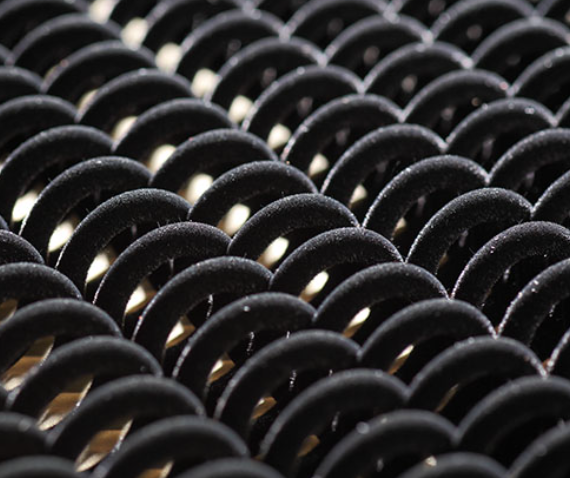
Flock coating acts as the structural foundation that holds fibers in place. Its thickness, viscosity, and curing behavior directly influence fiber anchoring strength and surface durability.
If the flock coating is too thin, fibers may not embed sufficiently, leading to fiber loss and reduced abrasion resistance. If it is too thick, fibers may tilt or cluster, negatively affecting flock texture uniformity and softness. Achieving the right balance allows fibers to stand upright while remaining securely bonded.
Adhesion strength also affects how the flocked fabric performs over time, particularly in applications exposed to friction, bending, or environmental stress.
Coating Performance in Different Applications
Different applications place different demands on flock coating performance. Decorative textiles prioritize smoothness, color clarity, and soft hand feel, while functional or industrial flocked fabric often requires stronger adhesion, higher wear resistance, and environmental stability.
In some cases, specialized flock coating formulations are used to enhance resistance to heat, humidity, or chemical exposure. Matching coating properties to end-use requirements ensures that the flock texture remains stable throughout the product’s lifecycle.
Flock Print Fabric and Patterned Texture Design
From Flock Printed Fabric to Visual Texture
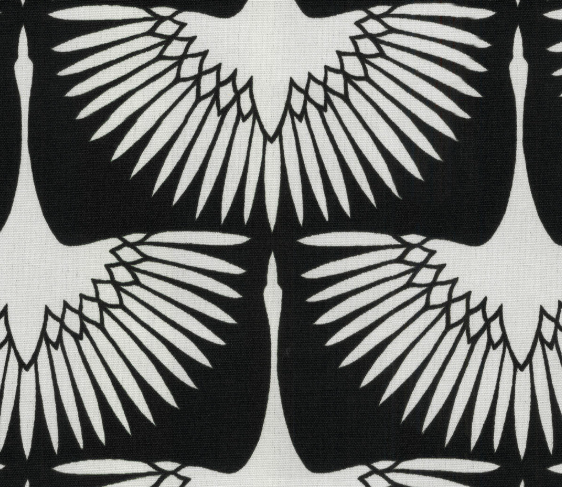
Flock printed fabric introduces an additional design dimension by combining patterned adhesive application with flocking. Instead of covering the entire surface, fibers are applied only to selected areas, creating contrast between flocked and non-flocked regions.
This technique allows designers to create raised patterns, logos, or decorative elements with both visual and tactile impact. The flock texture in these areas adds depth, softness, and a premium feel that cannot be achieved through flat printing alone.
However, patterned flocking places higher demands on process precision, as any inconsistency becomes more visible at pattern edges.
Balancing Design Freedom and Texture Stability
While flock print fabric offers great design flexibility, maintaining texture stability across patterns can be challenging. Variations in adhesive thickness or fiber distribution may cause uneven pile height or inconsistent feel between different printed areas.
To balance creative freedom with reliable production, careful coordination between flocking material selection, flock coating formulation, and printing parameters is required. This ensures that flock printed fabric maintains both its intended design effect and long-term performance.
Matching Surface Feel with End-Use Performance
Texture Requirements Across Different Applications
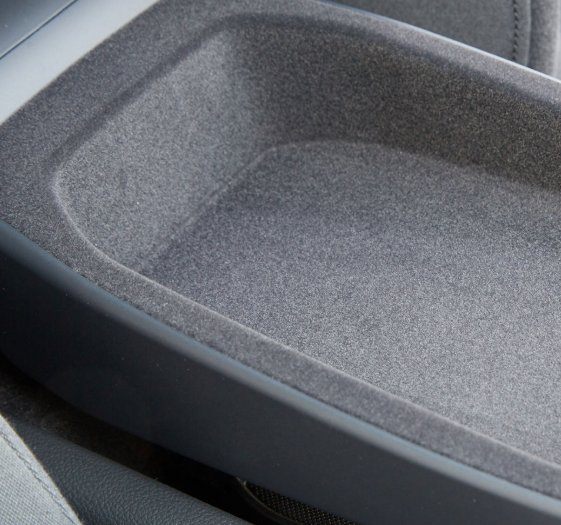
Different industries place very different expectations on flock texture. In apparel and interior textiles, softness, comfort, and visual elegance are often prioritized. In automotive, electronics, or industrial components, flocked fabric may be required to reduce noise, improve grip, or protect surfaces from abrasion.
Understanding these application-specific requirements helps define acceptable ranges for fiber length, density, and coating strength. A texture that works well for decorative purposes may not be suitable for high-wear or technical environments.
Integrating Material, Coating, and Process
Ultimately, successful flocked fabric production depends on the integration of flocking material, flock coating, and process control. Texture is not the result of a single factor, but of how these elements work together.
By aligning material properties with coating performance and application methods, manufacturers can achieve flock texture that delivers both the desired surface feel and reliable performance. This integrated approach reduces defects, improves consistency, and supports scalable production without sacrificing quality.
Conclusion
Flocking texture is where tactile experience meets functional performance in flocked fabric. Through careful selection of flocking material, precise control of flock coating, and thoughtful process integration—whether in full-surface applications or flock printed fabric—manufacturers can create surfaces that look refined, feel distinctive, and perform reliably. As applications continue to diversify, understanding and controlling flock texture will remain a key factor in delivering high-quality, competitive flocked fabric products.