Last updated: April 23, 2026
Quick Answer
Flock printing on apparel is best used when a design needs a soft, raised, and premium-looking surface. It is especially effective for logos, typography, jerseys, streetwear graphics, and other apparel details where texture and visual depth matter.
Summary
Flock printing is a premium apparel decoration method known for its soft texture, raised effect, and strong visual impact. It is widely used in fashion, streetwear, sportswear, and branded garments to create designs that feel more distinctive than flat prints. This article explains the main flock printing methods used on apparel, how the process works, and how flock printing can be applied creatively
Introduction to Flock Printing on Apparel
-What Is Flock Printing and Why It’s Popular in Apparel Design
-The Visual and Tactile Appeal of Flock Printing on Fabric
-Why Flocking Clothes Stand Out in Modern Fashion Trends
What Are the Different Types of Flock Printing?
-Traditional Flock Printing on Fabric
-Flock Screen Printing
-Digital and Heat Transfer Flock Print
-What Is the Difference Between Flex and Flock Printing?
How to Do Flock Printing on Fabric?
-Materials Required for Flock Printing
-Step-by-Step Flock Printing Process
-Quality Control Tips for Long-Lasting Flocking Clothes
Creative Applications of Flock Printing on Apparel
-Flock T Shirt in Fashion and Streetwear
-Flocking Logo for Branding and Typography
-Flocking Jersey for Sportswear and Uniforms
-Combining Flock Printing with Other Printing Techniques
Design Tips for Successful Flock Printing Designs
-Choosing the Right Colors and Patterns for Flock Print
-Design File Preparation for Flock Screen Printing
-Balancing Visual Impact and Wear Comfort
Introduction to Flock Printing on Apparel
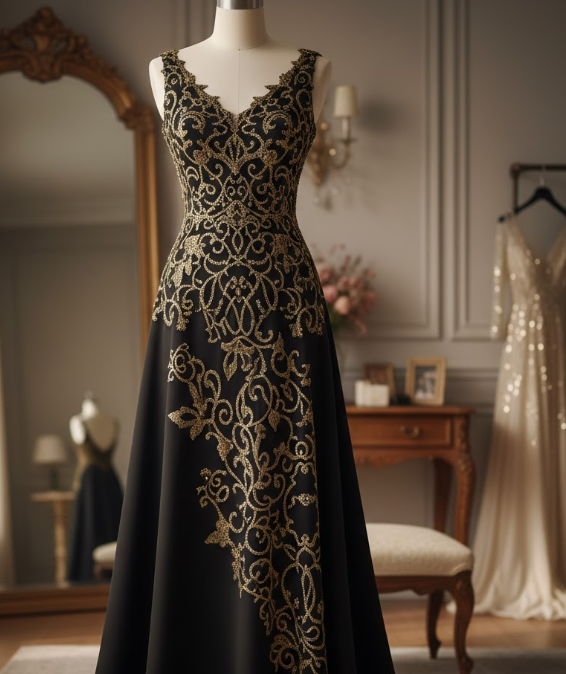
Flock printing has become a distinctive decorative technique in the apparel industry, valued for its soft texture, dimensional appearance, and premium feel. From fashion-forward streetwear to professional sports uniforms, flock printing continues to offer designers a versatile way to elevate garments beyond flat surface graphics.
As consumers increasingly seek tactile experiences and visually rich details, flock printing on apparel stands out as both a functional and aesthetic solution. This article explores what flock printing is, how it works, its different types, and how it can be creatively applied across modern apparel design.
What Is Flock Printing and Why It’s Popular in Apparel Design
Flock printing is a surface decoration process where short fibers—known as flock—are applied to fabric using an adhesive layer. These fibers stand upright, creating a velvety, suede-like texture that adds depth and softness to printed designs.
The popularity of flock printing in apparel design stems from several factors. First, it offers a unique tactile quality that cannot be achieved with standard ink printing. Second, it enhances perceived garment value, making it a preferred choice for premium branding, logos, and statement graphics. Finally, flock printing works well across various garment categories, from casual wear to performance apparel.
The Visual and Tactile Appeal of Flock Printing on Fabric
Unlike flat prints, flock printing introduces a three-dimensional effect that catches both light and touch. The raised surface creates contrast against the base fabric, improving design visibility and visual hierarchy. This makes flock printing especially effective for bold typography, logos, and graphic elements.
From a tactile perspective, flock-printed areas feel soft and plush, improving wearer experience. This sensory appeal plays a growing role in fashion, where texture is increasingly used as a design language rather than a secondary detail.
Why Flocking Clothes Stand Out in Modern Fashion Trends
Modern fashion trends emphasize individuality, craftsmanship, and sensory engagement. Flocking clothes align perfectly with these values by offering texture-driven aesthetics and durable decorative effects.
In streetwear and lifestyle fashion, flock printing is often associated with retro influences, varsity styles, and premium casualwear. At the same time, advancements in adhesives and fiber technology have improved durability, allowing flocking clothes to meet modern expectations for wash resistance and long-term wear.
What Are the Different Types of Flock Printing?
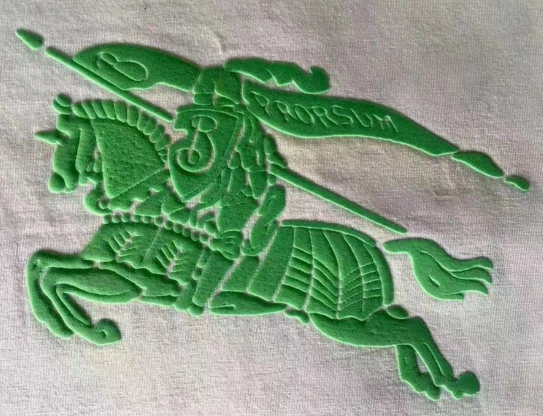
Understanding the different flock printing methods helps designers and manufacturers choose the right technique based on production scale, fabric type, and design complexity.
Traditional Flock Printing on Fabric
Traditional flock printing relies on applying adhesive to a fabric surface in the desired pattern, followed by electrostatic application of flock fibers. The fibers are charged so they stand vertically when embedded into the adhesive layer.
This method is widely used for simple designs, large graphics, and thick-texture applications. It is suitable for cotton and cotton-blend fabrics and is commonly used in fashion apparel and decorative garments.
Flock Screen Printing
Flock screen printing combines conventional screen printing techniques with flock application. Adhesive is printed through a screen stencil, allowing precise control over design edges and fiber placement.
This method is ideal for medium to large production runs, as it ensures consistency and repeatability. Flock screen printing is often used for logos, lettering, and branding elements that require sharp outlines and uniform texture.
Digital and Heat Transfer Flock Print
Digital flock printing and heat transfer flock printing offer more flexibility for customization and small-batch production. In this process, flocked designs are pre-produced on transfer films and then heat-applied to garments.
These methods are popular in on-demand printing, personalized apparel, and short-run collections. They allow complex designs and multi-color compositions while maintaining the soft texture associated with flock printing.
What Is the Difference Between Flex and Flock Printing?
Flex printing uses smooth, flat vinyl materials that are cut and heat-applied to fabric. It produces clean, sharp graphics with a glossy or matte finish. In contrast, flock printing creates a raised, textured surface with a soft hand feel.
While flex printing is often chosen for its simplicity and precision, flock printing is preferred when texture, depth, and premium aesthetics are desired. The choice between flex and flock printing depends on design intent, garment use, and target market positioning.
How to Do Flock Printing on Fabric?
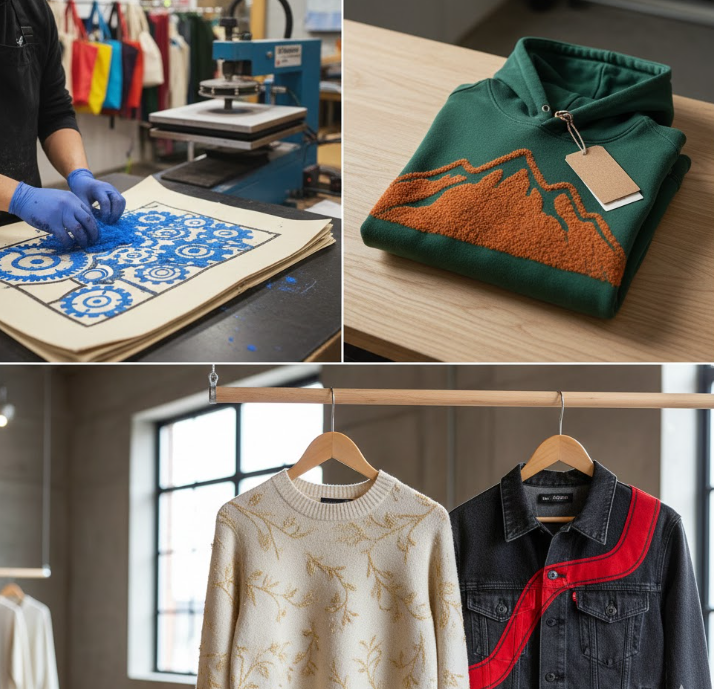
Executing successful flock printing requires attention to materials, process control, and quality standards.
Materials Required for Flock Printing
Key materials in flock printing include:
1.Flock fibers (typically nylon, rayon, or polyester)
2.Adhesives compatible with the base fabric
3.Screens or transfer films, depending on the method
4.Curing equipment for drying and fixation
Material selection directly impacts adhesion strength, texture consistency, and durability of the final print.
Step-by-Step Flock Printing Process
The basic flock printing process involves several stages:
1.Preparing the fabric surface to ensure cleanliness and stability
2.Applying adhesive in the desired design pattern
3.Electrostatic application of flock fibers onto the adhesive
4.Removing excess fibers after bonding
5.Drying and curing to fully set the adhesive
Each step must be carefully controlled to ensure even fiber distribution and strong adhesion.
Quality Control Tips for Long-Lasting Flocking Clothes
To achieve durable flocking clothes, manufacturers should test for wash resistance, abrasion resistance, and color stability. Proper curing temperatures and times are essential, as under-curing can lead to fiber loss while over-curing may damage fabric.
Consistent quality control ensures flock prints retain their texture and appearance throughout the garment’s lifespan.
Creative Applications of Flock Printing on Apparel
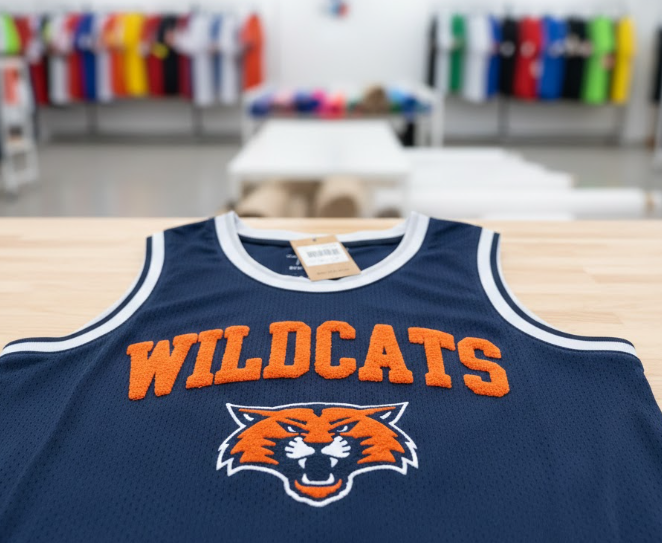
Flock printing’s versatility allows it to be used across a wide range of apparel categories.
Flock T Shirt in Fashion and Streetwear
Flock T shirts are widely used in streetwear and casual fashion because they add texture contrast and stronger visual identity to simple garment designs. Designers use flock printing to highlight typography, slogans, and bold graphics, adding texture contrast to otherwise minimal designs.
Flock T shirts are particularly popular in seasonal collections where tactile elements help differentiate products in competitive markets.
Flocking Logo for Branding and Typography
A flocking logo is often used when a brand wants its graphic identity to feel more dimensional, soft, and premium on apparel.This technique is widely used in premium apparel, where branding is subtle yet impactful.
Typography rendered in flock printing appears more pronounced and legible, making it ideal for brand names, emblems, and signature motifs.
Flocking Jersey for Sportswear and Uniforms
Flocking jersey names and numbers are popular in sportswear because they provide strong visibility and a classic raised finish.Flock printing provides excellent contrast and visibility, especially on performance fabrics.
The technique is commonly used in retro-inspired sports apparel, club jerseys, and training wear.
Combining Flock Printing with Other Printing Techniques
Flock printing can be combined with screen printing, digital printing, or embroidery to create layered effects with more depth and contrast.For example, flocked elements can be used as focal points, while flat prints provide background detail.
This hybrid approach allows designers to experiment with texture, depth, and material contrast without overwhelming the garment.
Design Tips for Successful Flock Printing Designs
Effective flock printing requires thoughtful design planning and technical consideration.
Choosing the Right Colors and Patterns for Flock Print
Solid colors and high-contrast designs work best for flock printing. Simple shapes and bold lettering ensure clean edges and consistent fiber coverage.
Designers should also consider how flock colors interact with base fabric tones, as texture can influence perceived color depth.
Design File Preparation for Flock Screen Printing
Accurate design files are essential for flock screen printing. Vector-based artwork with clear outlines helps maintain sharp edges during adhesive application.
Avoid overly fine details, as flock fibers require sufficient surface area to adhere properly.
Balancing Visual Impact and Wear Comfort
While flock printing adds visual appeal, overuse can affect garment breathability and flexibility. Strategic placement—such as chest logos or sleeve details—helps balance aesthetics with comfort.
Successful flock printing designs enhance garments without compromising wearability.
Conclusion
Flock printing remains a powerful tool in apparel design, offering texture, depth, and a premium feel that resonates with modern consumers. From fashion-forward flock T shirts to durable flocking jerseys and refined flocking logos, its creative applications continue to expand. By understanding techniques, materials, and design principles, brands and manufacturers can fully leverage flock printing to create distinctive, high-value apparel.