Last Updated: October 8, 2026
Flock printing on fabric is a textile decoration process in which short fibers are applied to adhesive-coated areas of a fabric surface. The fibers form a soft, raised pile that gives logos, lettering, patterns, and decorative panels more depth than a flat printed layer. The result can resemble velvet or suede, but its appearance and durability depend on the complete combination of fabric, adhesive, flock fiber, application method, curing, and care conditions.
Not every textile responds in the same way. Fabric construction, fiber composition, stretch, surface treatments, absorbency, and heat resistance can all change how the adhesive bonds and how the finished area behaves during washing or use. For this reason, an actual production fabric should be tested before the design is approved for bulk manufacturing.
Readers who need a general explanation of the technology can first review what is flock printing. This guide focuses specifically on textile compatibility, production control, durability checks, and the information buyers should confirm before production.
Which Fabrics Are Suitable for Flock Printing?
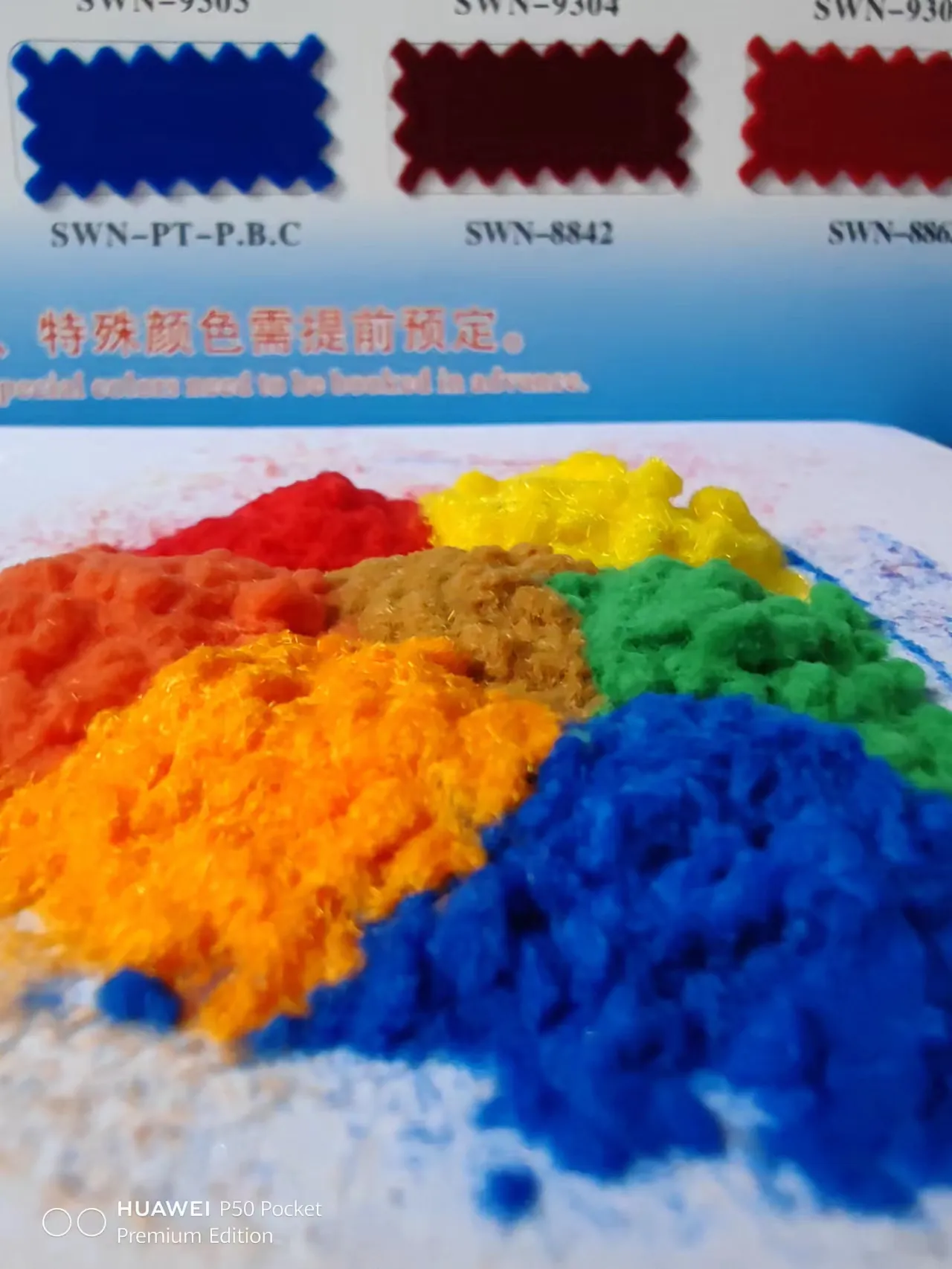
Cotton, polyester, nylon, and selected blended fabrics can be suitable when the surface and production conditions support reliable adhesive bonding. However, fiber composition alone is not enough to confirm compatibility. Two fabrics with the same composition may behave differently because of variations in weave or knit structure, surface finish, stretch, weight, dyeing treatment, water-repellent coating, or residual processing chemicals.
Smooth, stable fabrics are generally easier to print with a defined adhesive pattern because the adhesive can remain closer to the surface. Highly porous or open constructions may allow the adhesive to penetrate too deeply, leaving less material available to hold the flock fibers. A heavily textured surface can also reduce edge definition and create inconsistent pile density.
Stretch fabrics require additional evaluation. If the flocked design is less flexible than the base textile, repeated stretching may place stress on the adhesive layer and the edges of the pattern. The supplier should test the actual stretch direction and expected extension instead of approving the design on an unstretched swatch.
Coated, water-repellent, stain-resistant, silicone-treated, or low-surface-energy textiles may be more difficult to bond. A fabric can look suitable while still preventing the adhesive from wetting the surface correctly. Pretreatment, a different adhesive system, or a change in the print location may be required.
A flock print fabric should therefore be approved as a complete construction. The fabric, adhesive, fiber, curing schedule, and care method need to be tested together rather than selected independently.
How Should Adhesive Be Matched to the Fabric?
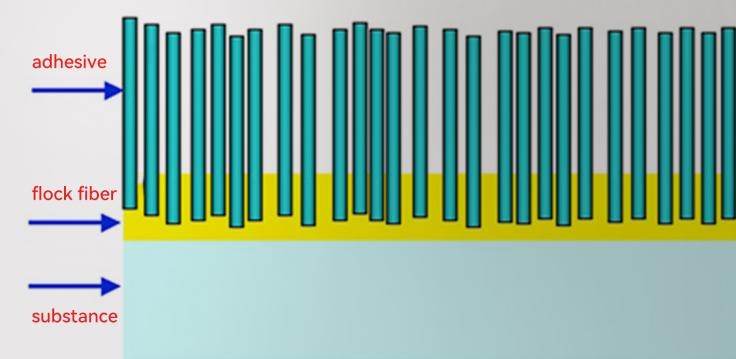
The adhesive creates the bond between the textile and the fiber pile, so it must suit both the substrate and the expected use of the finished product. An adhesive selected for rigid paper or plastic is not automatically suitable for a soft textile that bends, stretches, folds, or goes through repeated washing.
The main considerations include fabric composition, absorbency, stretch, surface treatment, curing-temperature limit, wash requirements, abrasion exposure, and the desired hand feel. A flexible garment may need an adhesive layer that can move with the fabric, while upholstery or decorative fabric may place greater emphasis on abrasion performance and pile retention.
Application thickness also matters. If too little adhesive remains on the surface, the fibers may not be anchored deeply enough. If the adhesive penetrates through the textile or spreads beyond the design, the result can include poor coverage, hard areas, blurred edges, or visible strike-through on the reverse side.
The adhesive should remain receptive long enough for the fiber application stage and then cure under conditions the fabric can tolerate. Heat-sensitive textiles, dark-to-light color combinations, and fabrics with special finishes should be tested for discoloration, distortion, migration, stiffness, and bond performance.
Before bulk production, use the actual flocking adhesive, textile, fiber, and curing equipment to prepare a representative sample. A generic adhesive test on another fabric cannot confirm performance for the final order.
How Does the Textile Flock Printing Process Work?
The exact equipment may vary, but direct patterned textile flocking normally follows a controlled sequence from fabric review to final inspection.
1. Confirm the Fabric and Artwork
Record the fabric composition, construction, weight, stretch direction, surface finish, color, and heat tolerance. Review the artwork at final size, including line width, gaps, edges, registration, and the total area that will receive adhesive. Fine details that look clear on a screen may close up when adhesive and fiber are applied.
2. Prepare the Fabric Surface
The fabric should be clean, dry, and free from dust, oil, loose fibers, release agents, or other contamination that may interfere with bonding. Depending on the textile, pre-washing, surface cleaning, conditioning, or another pretreatment may be necessary.
Preparation should not be treated as an isolated cleaning step. The production team must also control fabric tension and positioning so the adhesive pattern remains stable during application.
3. Apply the Adhesive Pattern
Adhesive can be applied through screen printing or another method suitable for the design and fabric. The deposit should follow the artwork accurately and provide enough depth to receive the fibers without excessive penetration or spreading.
At this stage, inspect the print for pinholes, thin areas, blurred edges, uneven coverage, and penetration through the textile. These defects are difficult to correct after the fibers have been applied.
4. Apply the Flock Fibers
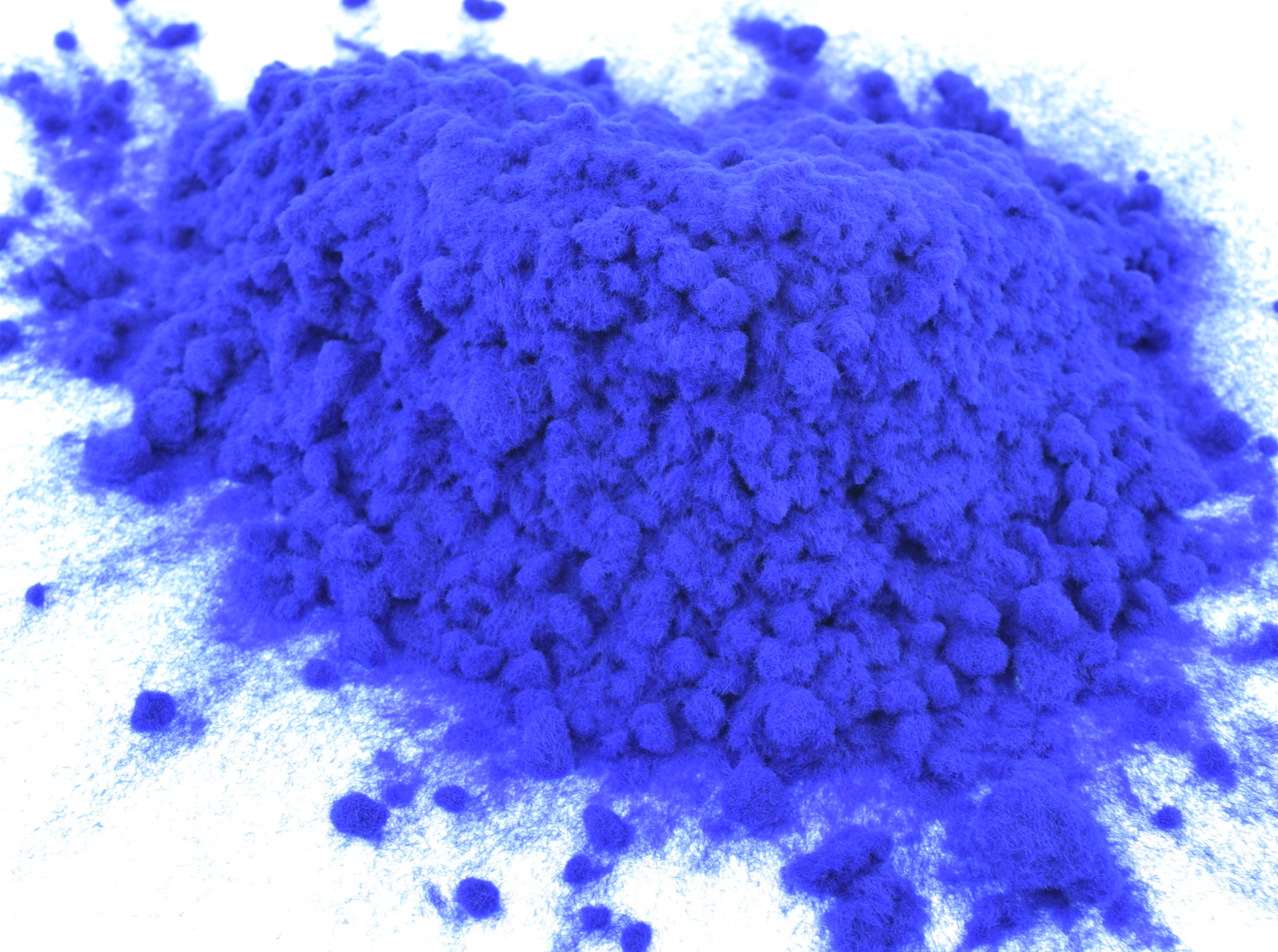
Prepared fibers are introduced while the adhesive is still receptive. Electrostatic application helps direct the short fibers toward the adhesive so they enter the surface in a more upright orientation. This produces the raised pile associated with textile flocking.
Fiber consistency affects the finished surface. Zhangs prepares flock through cutting, dyeing with conductivity treatment, drying with moisture control, and sieving. These stages help control fiber length, electrostatic behavior, and distribution during application.
The fiber type, length, fineness, color, and density should be selected according to the required hand feel and appearance. Detailed material comparison should be handled through the flock printing material selection guide, while this page remains focused on fabric processing.
5. Cure the Adhesive
The flocked textile is cured according to the requirements of the adhesive and the heat resistance of the fabric. Both time and temperature need to be controlled. Under-curing can weaken the bond, while excessive heat may change the fabric, adhesive, color, or hand feel.
A surface may look acceptable immediately after curing but still fail after washing or stretching. Production settings should therefore be verified through the required tests rather than appearance alone.
6. Remove Loose Fiber and Finish the Fabric
Excess fibers are removed by brushing, vacuuming, air cleaning, washing, or another controlled finishing method. The flocked area is then checked for pile direction, density, edge definition, contamination, shedding, and visible adhesive.
If the textile will be cut and sewn, the production team should also consider placement tolerances, seam areas, folding lines, and contact with other garment components. A printed fabric sample should represent the final manufacturing route as closely as possible.
How Should Flocked Fabric Be Tested?
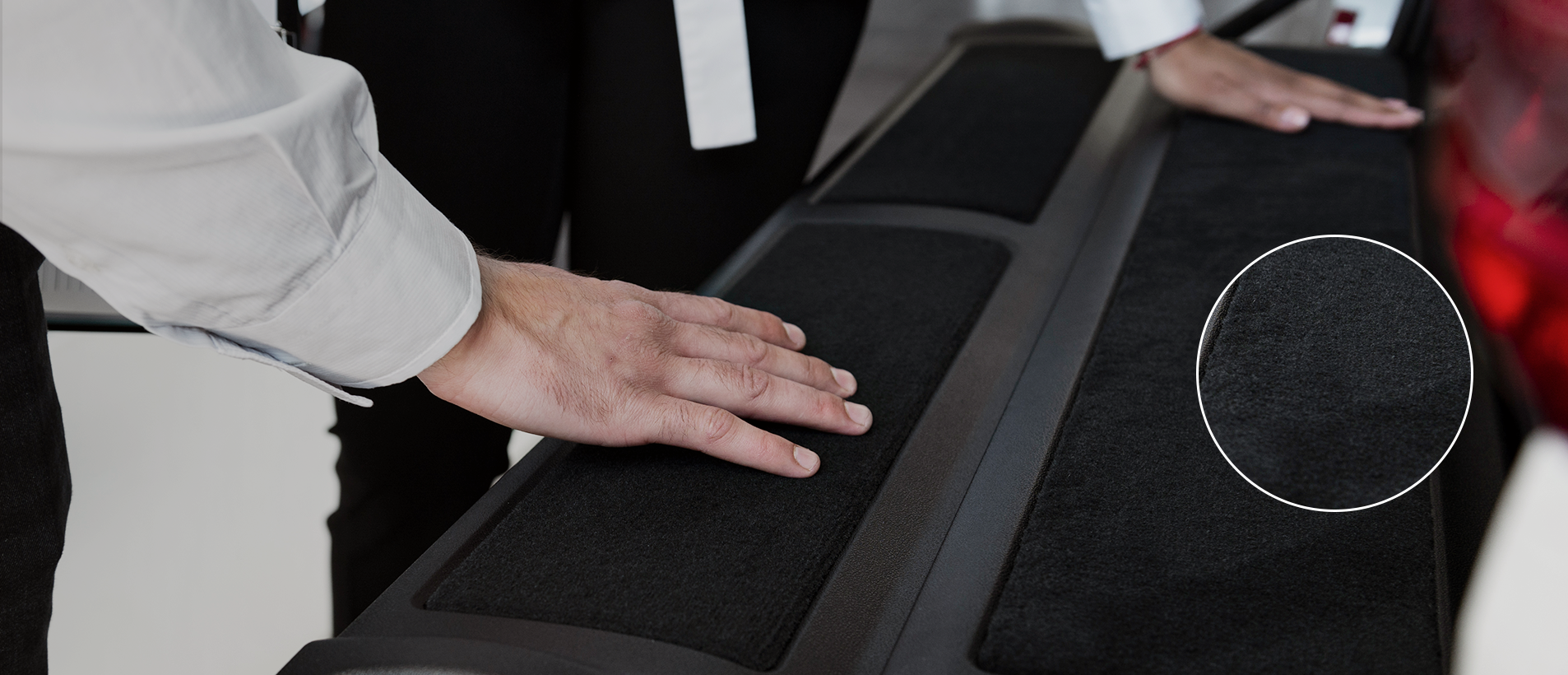
Quality approval should reflect how the finished textile will be manufactured, used, and cared for. A hand-rub test performed immediately after production is not enough to confirm durability.
Adhesion and Shedding
The flocked surface should be checked after loose fibers have been removed. Continued fiber loss may indicate insufficient adhesive deposit, incomplete curing, contamination, poor wetting, or an incompatible fabric and adhesive combination. Buyers should distinguish removable excess fiber from fibers that are being pulled out of the bonded pile.
Wash Resistance
Garments and washable home textiles should be tested using the intended care method. The evaluation should record fiber loss, exposed base fabric, edge lifting, cracking, color change, surface flattening, and changes in hand feel. Test conditions should match the buyer's care label or specified standard.
Dry and Wet Rubbing
Rubbing tests help evaluate how the pile and color behave during repeated surface contact. This is important for logos, upholstery, cushions, trims, and areas that may rub against other materials during use or packaging.
Stretch and Flexing
For knitted or elastic textiles, the flocked area should be stretched in the same direction and to a similar degree as the finished product. Inspect the adhesive layer and pattern edges for cracking, lifting, distortion, or loss of coverage after repeated movement.
Color and Appearance
Color should be evaluated under controlled lighting and compared with the approved reference. The inspection should also cover pile direction, density, shade variation, design edge, contamination, and differences between production areas or batches.
Curing Verification
When a sample fails, the cause should be traced through the complete process. Increasing fiber quantity will not solve a failure caused by thin adhesive, poor surface preparation, or an incorrect curing schedule. The fabric, adhesive deposit, fiber condition, equipment settings, curing record, and cleaning method should be reviewed together.
Where Is Flocked Fabric Commonly Used?
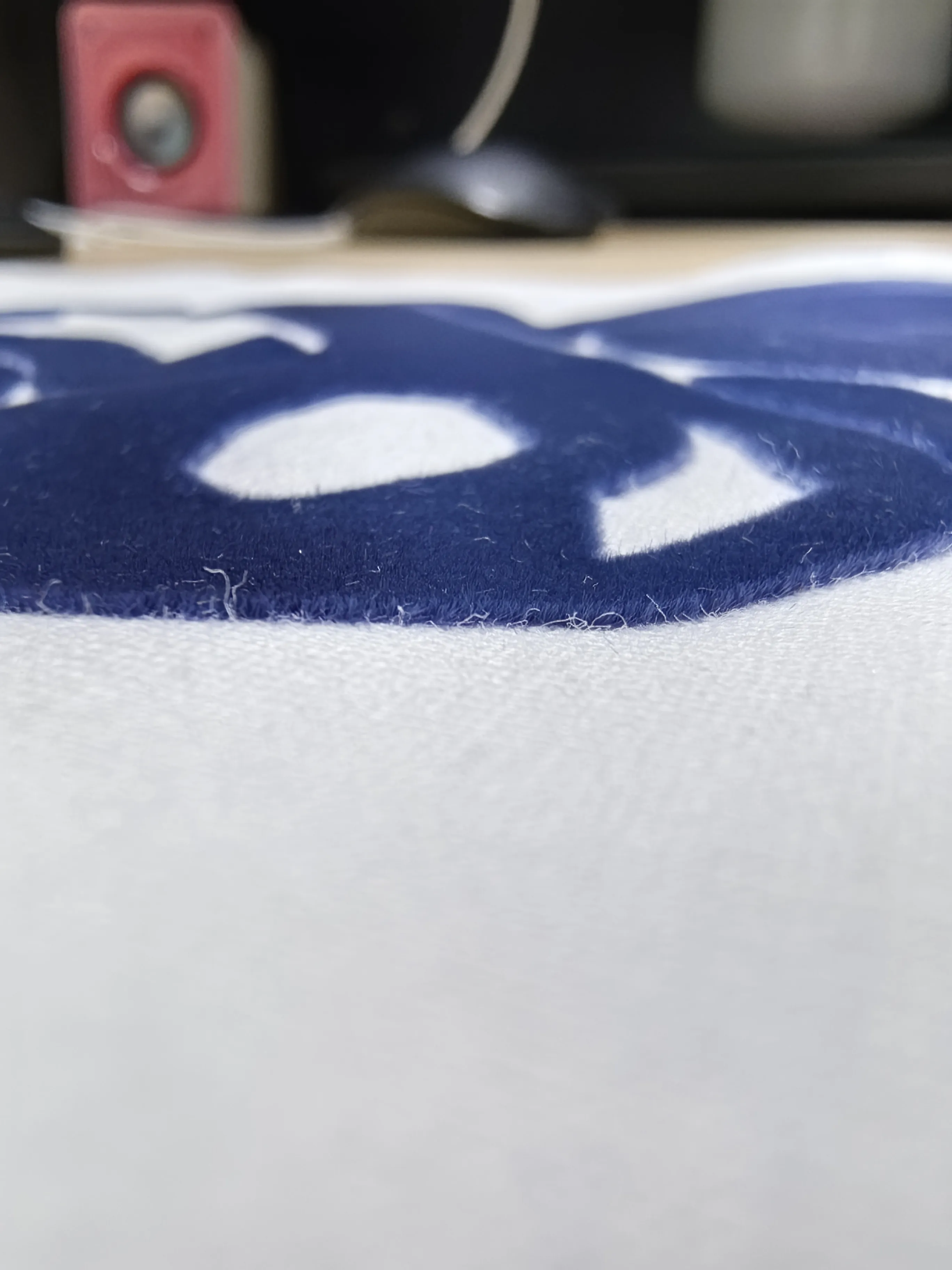
The main textile applications are those where touch and surface depth contribute to product appearance or function. The process should still be evaluated against the actual fabric construction and care requirements.
Apparel and Fashion Details
Flocked finishes can be used for logos, lettering, numbers, tonal graphics, and decorative panels on compatible T-shirts, hoodies, jackets, sportswear, accessories, and fashion garments. They are especially effective when the design relies on texture rather than photographic detail or complex gradients.
Placement should be considered carefully. Large flocked areas may change flexibility, breathability, drape, or hand feel. Designs crossing seams, ribbed structures, zippers, or highly stretched zones may require modification.
Home Textiles and Upholstery
Curtains, cushions, upholstery fabrics, decorative panels, and selected interior textiles can use flocked patterns to create contrast and a soft surface. These products may require different abrasion, cleaning, light-exposure, or dimensional-stability checks from apparel.
Labels, Trims, and Decorative Fabric Components
Flocked logos, textile labels, badges, trims, and decorative components can be produced as separate elements or applied to finished products. Buyers should confirm whether the item will be cut, sewn, heat applied, folded, or bonded during later production because these operations can affect edge quality and durability.
The process is less suitable when the main requirement is a highly detailed photographic image, unrestricted multicolor gradients, or a very thin print that does not alter the fabric surface. In those cases, another textile-printing method may provide a better result.
What Should Buyers Confirm Before Production?
Before requesting a sample or quotation, buyers should provide enough information to reproduce the intended production conditions. The following details are particularly important.
Fabric Information
Provide composition, construction, weight, stretch direction, color, surface treatment, coating, heat limit, and an actual swatch. Do not rely only on a general description such as polyester fabric or cotton blend.
Artwork and Placement
Provide a vector file where possible, final dimensions, colors, minimum lines and gaps, registration requirements, and the exact position on the garment or textile component. Identify seams, folds, elastic zones, or hardware near the flocked area.
Required Surface Effect
Describe the intended pile height, softness, density, color, directional appearance, and whether the priority is a fine smooth finish or a more pronounced raised texture. A physical reference is more reliable than broad descriptions such as soft or premium.
Performance and Care Requirements
State the required washing method, abrasion exposure, stretching, dry cleaning, light exposure, temperature conditions, and any buyer-specific test standard. Testing cannot be planned correctly if the end-use requirement is unknown.
Sampling and Production Conditions
Confirm the sample quantity, approval method, production volume, color tolerance, inspection criteria, and whether the sample will be made on the actual bulk fabric. Changes in fabric or finishing after sample approval may require retesting.
For a commercial project, Zhangs can review these details through its custom flocking solutions before the material and production route are confirmed.
Frequently Asked Questions
1. Which fabrics work best for a flocked design?
Stable cotton, polyester, nylon, and selected blended fabrics can support a flocked design when the adhesive is compatible and the surface is properly prepared. The best result is not determined by fiber composition alone.
Fabric weight, knit or weave structure, stretch, absorbency, coating, heat tolerance, and finishing chemicals can all affect bonding and curing. Smooth, stable surfaces are generally easier to print with clear edges, while very open, heavily textured, coated, or highly elastic textiles may require additional testing.
Buyers should submit the actual bulk fabric or an equivalent production swatch. Testing a different fabric with a similar composition does not confirm that the final material will perform in the same way.
2. Can flocking be applied to stretch fabric?
It can be applied to selected stretch textiles, but the adhesive layer and design must tolerate the expected movement. A flocked area may be less flexible than the surrounding fabric, so large solid designs or placement across high-stretch zones can create stress at the edges.
The sample should be stretched in the same direction and to a similar level as the finished garment. Inspect for cracking, lifting, distortion, exposed base fabric, and changes in hand feel after repeated movement.
If the construction cannot pass the required stretch and wash tests, the artwork, placement, adhesive, fiber specification, or decoration method may need to be changed.
3. Why does flock sometimes shed after washing?
Some loose fiber may remain before final cleaning, but continued loss after washing can indicate a problem with the bonded construction. Common causes include insufficient adhesive, excessive adhesive penetration, contamination on the textile, incomplete curing, an incompatible adhesive, unsuitable care conditions, or poor control of the fiber-application stage.
The failure should be diagnosed in sequence rather than blamed automatically on the flock fiber. Review the fabric finish, adhesive deposit, curing time and temperature, sample-conditioning period, washing method, and cleaning procedure.
A visually dense new sample can still fail if the fibers are not anchored securely in the adhesive layer.
4. What adhesive should be used on textile flocking?
The adhesive should be selected for the specific fabric, required flexibility, curing limit, washing method, and end-use exposure. There is no single adhesive suitable for every textile.
A garment that stretches and bends may require different performance from a curtain, upholstery panel, or decorative label. The adhesive must remain on the surface in a sufficient deposit, receive the flock fibers while receptive, and cure without damaging or discoloring the fabric.
The safest method is to test the chosen adhesive with the actual fabric, fiber, equipment, and curing process. Approval should include wash, rub, stretch, or other application-relevant testing rather than visual inspection alone.
5. Can a flock print T-shirt be machine washed?
A properly developed flock print T-shirt may be machine washed when its fabric, adhesive, fiber, curing process, and care instructions have been validated together. However, a universal wash count should not be promised because different constructions and washing conditions produce different results.
The buyer should approve a representative sample using the intended wash temperature, detergent, cycle, drying method, and number of test cycles. Evaluate shedding, edge lifting, exposed fabric, cracking, color change, and pile appearance.
The final care label should reflect the tested construction. Excessive heat, harsh abrasion, unsuitable chemicals, or care conditions outside the approved method can shorten the life of the decorated area.
6. What information should a buyer provide before sampling?
Provide the actual fabric swatch, composition, weight, construction, stretch direction, surface treatment, color, and heat limit. Include vector artwork, final design size, placement, minimum line and gap requirements, target color, preferred pile effect, and a physical reference when available.
The supplier also needs the intended product, production quantity, washing or cleaning method, abrasion and stretch exposure, applicable test requirements, and sample-approval criteria.
If the design crosses seams, ribbing, folds, elastic zones, or hardware, show these areas in the technical file. Complete information allows the supplier to select a realistic adhesive, fiber, application method, and curing route before sample production.
Conclusion
Flock printing on fabric can create a soft, raised surface for apparel, home textiles, labels, trims, and decorative textile components. Reliable production depends on matching the fabric, adhesive, fiber, design, curing process, and test method as one system.
Buyers should not approve a project from appearance alone. The actual bulk fabric should be sampled and evaluated for adhesion, shedding, washing, rubbing, stretch, color, and the conditions expected in use. Clear material information, artwork, performance requirements, and approval criteria make it easier to move from an attractive sample to a consistent production result.