Abstract:
Apparel fabrics with flocking bring a distinct, premium hand-feel and visual depth to garments such as hoodies, jerseys, and t-shirts. By applying short, precision-cut fibers onto an adhesive layer, flocking creates a soft, velvety surface that looks richer than flat ink prints and feels luxurious to the touch. This article explains what flocked apparel fabrics are, how flocked material is built, what a flock fiber is, and what flocking fiber powder does in production. You will also learn how to use flocking fiber in a repeatable process, how to control quality for flocking clothes, and where flock finishes add the most value—from flock t-shirt graphics to flock logo print branding and classic flocking jersey applications.
Introduction to Flocked Apparel Fabrics
What Are Apparel Fabrics with Flocking?
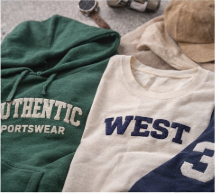
Apparel fabrics are the textile surfaces used to construct clothing—knits, wovens, and blends that define drape, stretch, breathability, and comfort. When these apparel fabrics are finished with flocking, they gain a raised, tactile layer that can resemble suede or velvet. Instead of relying only on pigments that sit on top of the fabric, flocking adds a three-dimensional fiber layer. That’s why many designers choose flocking for statement graphics, premium branding details, and elevated trims.
In a typical flocking setup, an adhesive is printed in the desired shape and short fibers are applied so they stand upright and densely packed. The result is a plush surface with a consistent pile height and a soft touch. From a consumer perspective, the difference is immediate: a flock logo print feels “built in” rather than simply printed on. From a manufacturing perspective, flocking can be used on many bases—cotton jersey, polyester blends, brushed fleece, and more—so long as the adhesive and curing conditions match the fabric’s stretch and heat tolerance.
Why Flocking Is Gaining Popularity in Premium Clothing
Premium clothing lines increasingly win customers through details that look refined and feel special. Flocking delivers both. The raised surface catches light differently than flat ink, creating visual depth that reads as higher quality. It also adds a soft, warm texture that pairs naturally with premium fleece and heavyweight jersey.
Flocking helps brands stand out without relying on loud color. Tonal flocking can create a subtle luxury effect, while bold flock lettering can evoke vintage collegiate aesthetics. On hoodies and sweatshirts, flocking produces dense, comfortable graphics that feel consistent with the garment’s cozy identity. When the process is controlled well, flock finishes also hold up to regular wear—an important expectation for premium pieces that customers want to keep looking sharp over time.
Understanding Flocked Material in Apparel Design
What Is a Flocked Material?
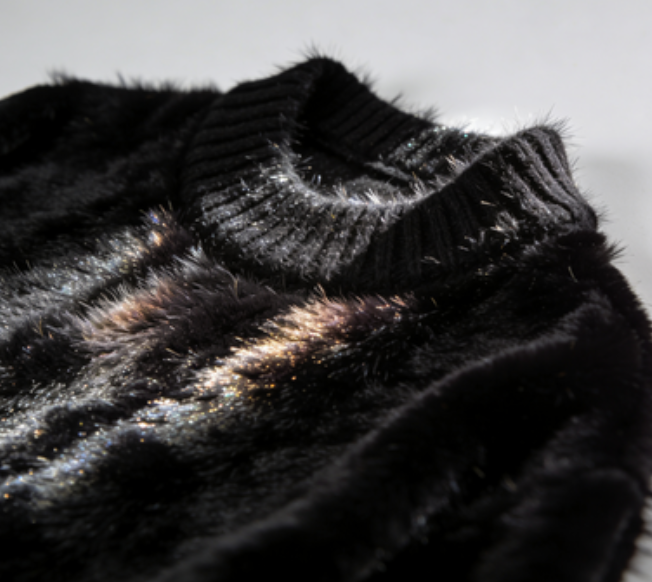
A flocked material is a textile surface finished with a layer of short fibers bonded to an adhesive pattern. You can think of it as a controlled micro-pile: fibers are cut to consistent lengths and attached so they stand upright, forming a dense, velvety layer. Depending on fiber type and pile height, the finish can range from soft suede-like to plush velvet-like.
In apparel design, flocked material is often used for graphics rather than full-surface coatings. Common examples include chest lettering on sweatshirts, emblem details on a flock t-shirt, or numbers and names on a flocking jersey. Designers reach for flocking when they want depth and softness without adding the bulk of patches or the complexity of embroidery. A successful flock finish depends on compatibility: the adhesive must flex with the fabric, the fibers must resist shedding, and curing must secure the bond without damaging the base textile.
Key Advantages of Flocked Materials
Flocking is not only an aesthetic upgrade; it can also improve perceived quality and practical performance. Below is a simple comparison between flocked material and a traditional flat print.
Feature | Flocked Material | Traditional Print |
Texture | Raised & soft | Flat |
Visual depth | High | Low |
Wear resistance | Strong | Moderate |
Flocking Fiber Basics
What Is a Flock Fiber?
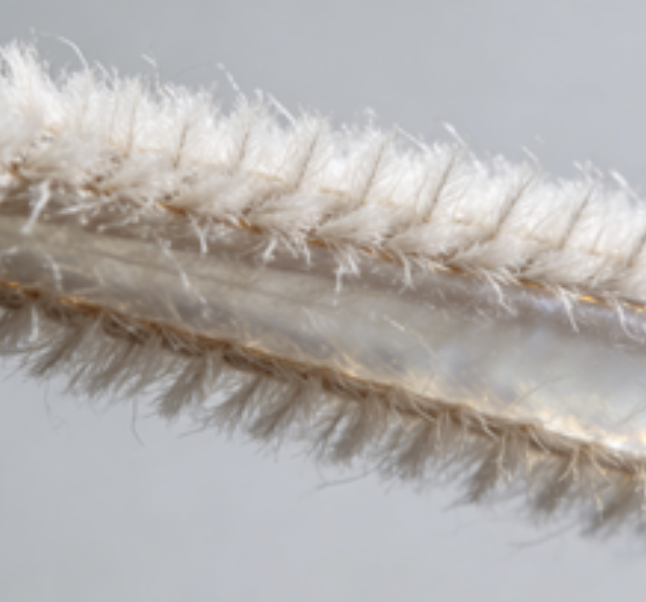
A flock fiber is a short, precision-cut filament used to build the raised surface in a flocked print. Fibers are commonly made from nylon, rayon (viscose), or polyester. Each has a different balance of softness, resilience, color richness, and cost. For apparel, the most important properties are uniform cut length for a smooth surface, good dye uptake for consistent color, and enough strength to resist flattening during wear.
When brands ask for the best flocking fiber, the right choice depends on the garment and use case. A premium hoodie logo may prioritize a soft hand-feel, while a performance jersey application may prioritize abrasion resistance and wash stability. Matching fiber to fabric is also important: stretch knits need adhesives and fibers that can move with the textile without cracking or shedding.
What Is Flocking Fiber Powder?
Flocking fiber powder is the bulk supply of short fibers used during the flocking process. Although the word “powder” is common, it typically refers to tiny, free-flowing fibers rather than true particulate powder. These fibers are designed to meter smoothly, hold stable moisture levels, and apply evenly.
During electrostatic flocking, fibers are charged and projected toward the adhesive-coated fabric. The electric field helps fibers stand upright and embed into the adhesive, creating a uniform pile. Consistency matters: if fiber length varies, the surface can look patchy; if fiber flow is uneven, density changes across the graphic. High-quality fiber supply supports even coverage, cleaner edges, and better durability after washing.
How Do You Use Flocking Fiber in Apparel Production?
Step-by-Step Flocking Process for Apparel Fabrics
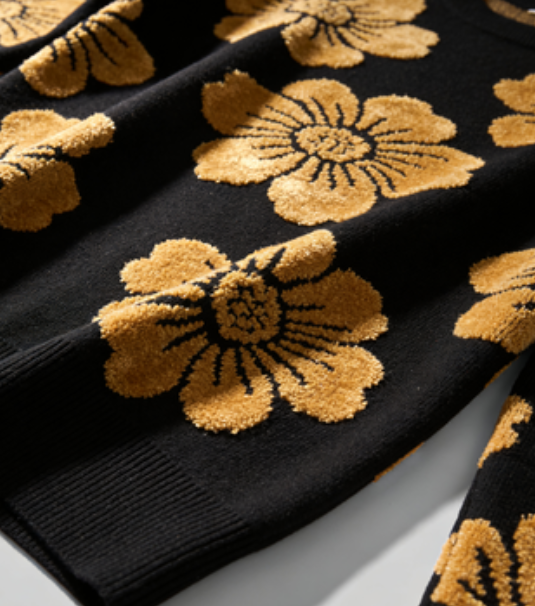
A dependable flocking workflow uses repeatable steps that balance speed with control. While settings vary by factory, the core process is consistent:
1) Fabric preparation: ensure the surface is clean, dry, and properly tensioned. Some fabrics require pre-heat or anti-migration steps to reduce dye bleed.
2) Adhesive application: print a flocking adhesive in the desired shape using screen printing, rotary printing, or transfer-film methods.
3) Fiber projection: apply flocking fiber powder with electrostatic equipment so fibers land upright and densely packed.
4) Curing: heat-cure the adhesive under controlled time and temperature to build a strong yet flexible bond.
5) Finishing: vacuum and brush away excess fibers, then inspect pile height and edge definition.
For a flock t-shirt, the goal is a soft print that doesn’t stiffen the jersey. For flocking jersey numbers, the goal is secure adhesion and resistance to repeated laundering and abrasion. The best results come from matching adhesive viscosity, fiber type, and curing profile to the base fabric.
Quality Control in Flocking Clothes Production
Quality control protects both the garment and the brand. Common checks include adhesion strength, wash durability, abrasion resistance, and visual consistency. A tape or peel test can reveal weak bonding. Wash tests confirm that fibers do not shed excessively and edges remain sharp. Abrasion testing simulates real wear from backpacks, seatbelts, and repeated rubbing.
Visual inspection is equally important: premium products require even pile height, consistent color, and smooth coverage. Operators look for thin spots, clumping, fuzzy edges, or stray fibers outside the print. When issues appear, root causes often include incorrect adhesive thickness, under-curing, contamination on the fabric, moisture variation in fibers, or unstable electrostatic charging. Recording process settings and batch conditions makes troubleshooting faster and helps maintain consistent production across seasons.
Applications of Flocking in Premium Clothing Lines
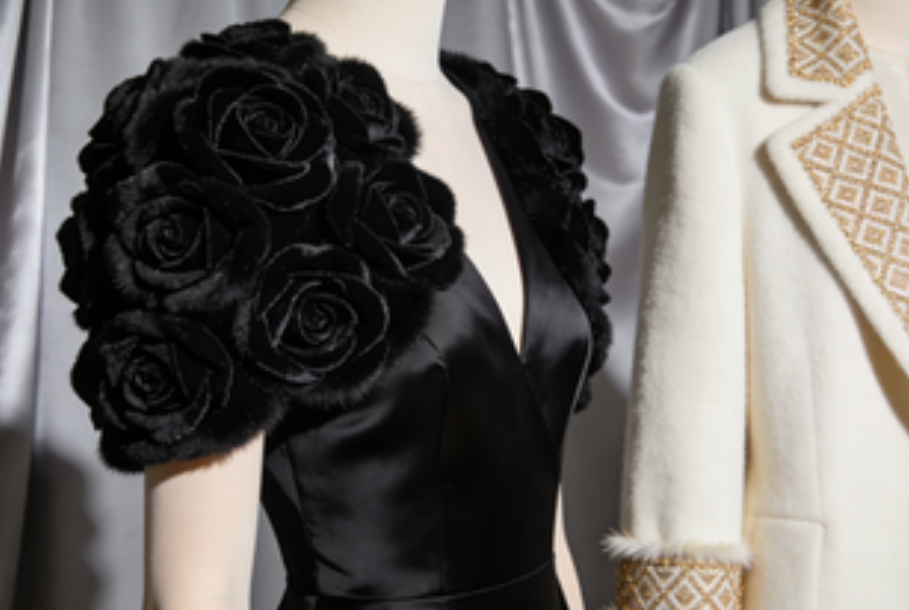
Flocking Clothes for Fashion & Streetwear
Streetwear and fashion brands use flocking to create a signature feel—soft lettering across the chest, tonal graphics that read understated but feel premium, or oversized back prints with dimensional texture. Flocking pairs especially well with heavyweight cotton and brushed fleece because the pile complements the garment’s comfort-first character.
Many labels combine flock finishes with minimal color palettes to emphasize texture rather than shine. A monochrome flock logo print can feel quietly luxurious, while varsity-style flock lettering can deliver a vintage, heritage vibe. Because customers often touch hoodie graphics, a soft flock finish reinforces the impression of quality in everyday wear.
Flocking Jersey Fabrics
Flocking jersey applications are common for numbers, names, and team marks. Jerseys demand flexibility and durability, so the adhesive must stretch and recover without cracking, and the fibers must resist flattening. Performance products may also need to handle heat, sweat, and frequent washing.
Manufacturers typically optimize pile density for jerseys: dense enough to look premium and read clearly from a distance, but not so thick that it becomes stiff or heavy. When tuned correctly, flocking adds a classic, high-end look that stands out in both on-field performance wear and fan merchandise.
Flock T-Shirt & Flock Logo Print Applications
T-shirts are a competitive category, which makes material upgrades valuable. A flock t-shirt graphic elevates an everyday item through touch. Premium tees often use flocking for small chest emblems, sleeve marks, or minimal typography to keep the garment soft and breathable.
Flock logo print is especially effective for branding because it creates a recognizable identity by texture as well as sight. Logos with clean shapes and solid fills flock well, producing sharp edges and a uniform surface. For more intricate details, designers sometimes pair flock fills with printed outlines to preserve clarity while keeping the flocked area bold and tactile.
Application | Value Added by Flocking |
Flock t-shirt | Premium hand-feel |
Flocking jersey | Visual contrast |
Flock logo print | Brand recognition |
Sustainability & Certifications in Flocked Apparel Fabrics
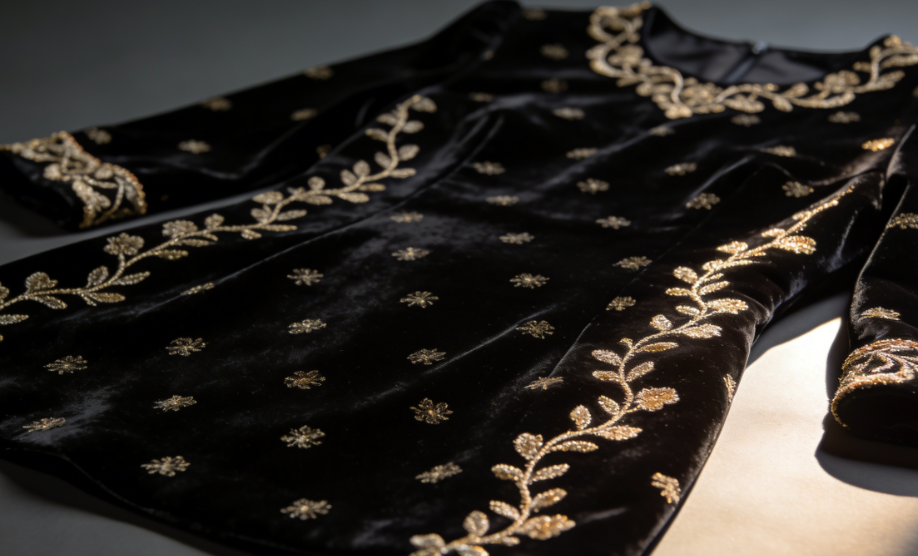
Eco-Friendly Flocking Fiber Options
Reducing impact in flocked apparel fabrics involves choices around fibers, adhesives, energy use, and waste handling. Many manufacturers offer water-based adhesive systems with lower solvent emissions. Production lines may also add recovery systems to capture excess fibers for reuse, which reduces material waste.
Fiber options can include recycled-content inputs or processes that reduce dye and chemical load, depending on supplier capability. Because flock fibers are small and lightweight, clean handling and containment matter to prevent unnecessary loss. A practical sustainability target for premium brands is durability: a flocked print that stays attractive through repeated laundering helps extend garment life and reduces replacement.
Compliance & Global Textile Standards
Premium clothing lines often need to meet retailer and market requirements for chemical safety and traceability. Common practices include restricted-substance testing, clear documentation for dyes and finishes, and supplier data sheets for flock fibers and adhesives. Finished garments are frequently tested for colorfastness, wash durability, and stability of flocked areas to ensure they remain intact.
From a sourcing perspective, brands typically request safety documentation, technical specifications, and testing reports. These controls help reduce returns and protect consumer confidence—especially important when flocking is used for high-visibility branding like chest logos or jersey numbers.
Conclusion: Why Flocking Elevates Apparel Fabrics?
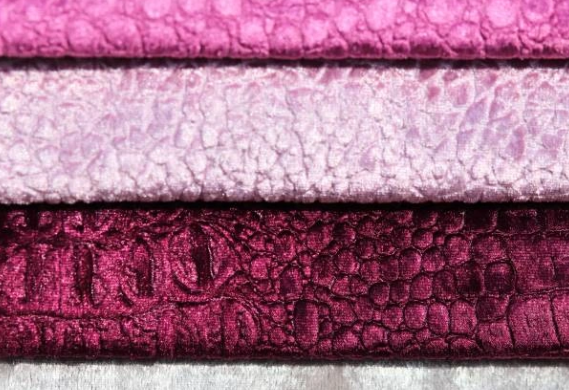
Flocking elevates apparel fabrics by adding a soft, raised surface that looks and feels premium. Whether used for flocking clothes in streetwear, a classic flocking jersey number, a refined flock t-shirt emblem, or a distinctive flock logo print, the technique delivers tactile luxury and visual depth that flat prints struggle to match.
Strong results come from fundamentals: selecting the right flock fiber, using stable flocking fiber powder, controlling adhesive thickness, and curing properly. With consistent production and sensible testing, flocked material can remain attractive through repeated wear and washing—exactly what premium clothing lines demand.