A flocking logo is more than just a visual mark—it is a tactile branding element that adds depth, texture, and premium appeal to apparel. From fashion and sportswear to corporate uniforms, brands increasingly use flocked logos to stand out in competitive markets. This article explores what a flocking logo is, how flock printing works, the different types of flock printing technologies, and how brands choose flocking over other logo printing methods such as flex printing. By understanding the technical process and branding value behind flocking logos, brands can make informed decisions for apparel decoration.
Why Flocking Logo Matters in Apparel Branding?
-What Is a Flocking Logo?
-Why Flocking Logos Are Popular with Brands
What Is Flock Printing? (Core Technology Behind Flocking Logos)
-What Is Flock Printing?
-Print Flocking vs Electrostatic Flocking
What Are the Different Types of Flock Printing?
-Traditional Screen Flock Printing
-Electrostatic Flock Printing
-Heat Transfer Flock Printing (Heat Transfer Logo)
-Hybrid & Advanced Flock Techniques
How to Do Flock Printing for Logos?
-Flock Printing Process Overview
-How Electrostatic Flocking Works in Logo Production
-Heat Transfer Logo Application Steps
Flocking Logo vs Other Logo Printing Methods
-What Is Flex Printing?
-What Is the Difference Between Flex and Flock Printing?
-When to Choose Flocking Logos Over Flex Printing?
How Brands Use Flocking Logos in Apparel?
Why Flocking Logo Is a Trusted Branding Solution
Why Flocking Logo Matters in Apparel Branding?
What Is a Flocking Logo?
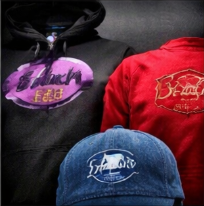
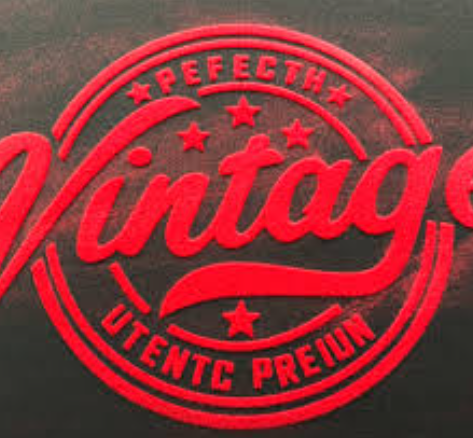
A flocking logo (also known as a flocked logo) is a logo created using flock printing technology, where short textile fibers—called flock—are applied onto an adhesive-coated surface. These fibers form a soft, velvet-like texture that gives the logo a three-dimensional appearance and a distinctive tactile feel.
Unlike flat printing methods, a flocking logo engages both sight and touch, making it particularly effective for brand recognition on apparel.
Why Flocking Logos Are Popular with Brands
Brands adopt flocking logos for several key reasons:
1.Premium texture: Soft, raised surfaces convey quality and craftsmanship.
2.Visual depth: Flocking logos appear more dimensional than flat prints.
3.Brand differentiation: Texture helps logos stand out in crowded apparel markets.
4.Durability: High-quality flock printing withstands repeated wear and washing.
As a result, flocking logos are commonly seen in fashion collections, sports jerseys, and premium promotional apparel.
What Is Flock Printing? (Core Technology Behind Flocking Logos)
What Is Flock Printing?
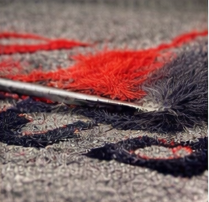
Flock printing is a textile decoration process that applies fine fibers onto a surface coated with adhesive. Once cured, the fibers create a dense, uniform, and soft texture. Flock printing is widely used for logos, lettering, and decorative elements on apparel.
The core components of flock printing include:
1.Adhesive (applied in the logo shape)
2.Flock fibers (nylon, rayon, or polyester)
3.A curing process to ensure adhesion and durability
Print Flocking vs Electrostatic Flocking
Both print flocking and electrostatic flocking fall under flock printing technology, but they differ in how fibers are applied and aligned.
Aspect | Print Flocking | Electrostatic Flocking |
Fiber orientation | Random | Vertically aligned |
Texture | Soft but relatively flat | Dense, upright, velvet-like |
Visual depth | Moderate | Strong 3D effect |
Logo detail | Medium | High |
Typical application | Basic apparel | Premium flocking logos |
Electrostatic flocking uses a high-voltage electrostatic field to orient fibers vertically, resulting in superior texture and visual quality. This makes it the preferred choice for high-end flocking logos.
What Are the Different Types of Flock Printing?
Traditional Screen Flock Printing
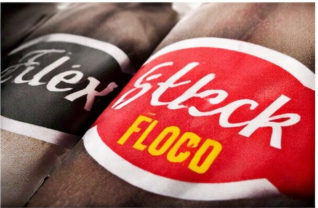
Traditional screen flock printing applies adhesive through a screen, followed by mechanical fiber application. It is suitable for simple logo designs and large production runs but offers limited detail and texture control.
Electrostatic Flock Printing
Electrostatic flock printing uses static electricity to align fibers upright in the adhesive. This method produces dense, uniform flocking logos with a luxurious feel and is widely used for premium apparel branding.
Heat Transfer Flock Printing (Heat Transfer Logo)
A heat transfer logo uses pre-made flock transfers that are applied to garments using a heat press. This method is popular for customization, small batches, and on-demand production.
Hybrid & Advanced Flock Techniques
Advanced techniques combine flock printing with digital printing or multi-layer effects. These hybrid methods allow brands to create innovative flocking logos with complex visuals and mixed textures.
Flock Printing Type | Best Use for Flocking Logo | Key Advantage |
Traditional flock | Simple logos | Cost-effective |
Electrostatic flocking | Premium branding | Strong 3D texture |
Heat transfer flock | Custom apparel | Fast and flexible |
Hybrid techniques | Creative designs | Unique visual effects |
How to Do Flock Printing for Logos?
Flock Printing Process Overview
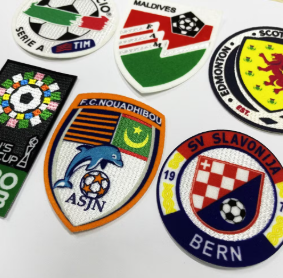
The basic flock printing process for logos includes:
1.Logo artwork preparation
2.Adhesive application in the logo shape
3.Flock fiber application
4.Fiber alignment (electrostatic, if applicable)
5.Curing and finishing
Each step directly affects the final quality of the flocking logo.
How Electrostatic Flocking Works in Logo Production
In electrostatic flocking, fibers are charged and propelled toward the adhesive-coated surface, standing upright upon contact. This vertical alignment improves:
1.Texture density
2.Light reflection
3.Wear resistance
For premium flocking logos, electrostatic flocking is considered the industry standard.
Heat Transfer Logo Application Steps
Heat transfer flock logos are applied by:
1.Positioning the transfer on the garment
2.Applying heat and pressure via heat press
3.Peeling the carrier sheet after cooling
Correct temperature, pressure, and fabric compatibility are essential for durability.
Flocking Logo vs Other Logo Printing Methods
What Is Flex Printing?
Flex printing uses heat transfer vinyl (HTV) cut into logo shapes and pressed onto fabric. It creates a smooth, flat surface and is commonly used for sportswear and promotional apparel.
What Is the Difference Between Flex and Flock Printing?
Feature | Flex Printing | Flocking Logo |
Surface | Smooth and flat | Soft and textured |
Visual depth | Low | High |
Touch feel | Plastic-like | Velvet-like |
Brand perception | Functional | Premium |
Typical use | Cost-driven projects | Brand-focused apparel |
When to Choose Flocking Logos Over Flex Printing?
Brands choose flocking logos when:
1.Premium branding is a priority
2.Texture and tactile experience matter
3.The logo needs visual depth and softness
Flex printing remains suitable for cost-sensitive or purely functional applications.
How Brands Use Flocking Logos in Apparel?
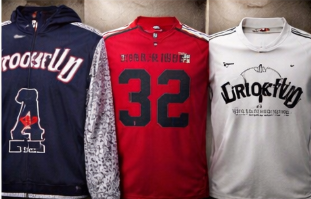
Flocking logos are widely used across apparel categories:
1.Fashion & streetwear: Statement logos with texture
2.Sportswear: Classic flocked numbers and team logos
3.Corporate apparel: Elevating brand image with premium finishes
In each case, flocking logos enhance perceived value and brand identity.
Why Flocking Logo Is a Trusted Branding Solution
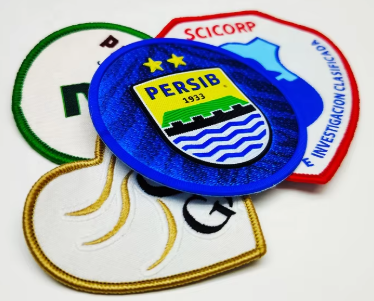
Flocking logos are backed by decades of textile industry use, particularly in sports and fashion. Their reliability comes from:
1.Proven flock printing technology
2.Strong durability under proper care
3.Consistent premium visual results
Conclusion
A flocking logo combines technical craftsmanship with branding impact. By understanding flock printing methods, differences between print flocking and electrostatic flocking, and comparisons with flex printing, brands can choose the right logo solution for their apparel. Whether through electrostatic flocking for premium collections or heat transfer logos for customization, flocking logos remain a powerful tool in modern apparel branding.