Choosing a flocking powder supplier for bulk orders requires more than comparing unit prices and receiving an attractive sample. A supplier may produce one acceptable color sample but still struggle with repeat orders, fiber consistency, electrostatic performance, documentation or delivery scheduling.
The purpose of supplier evaluation is to reduce production uncertainty before purchasing a commercial quantity. Buyers should confirm the product specification, test the material under real process conditions and examine whether the supplier can reproduce the approved result across future batches.
This guide explains how to evaluate flocking powder suppliers through technical capability, samples, batch control, MOQ, lead time, documentation and order management.
Define the Flocking Powder Supplier Requirements Before Requesting Quotes
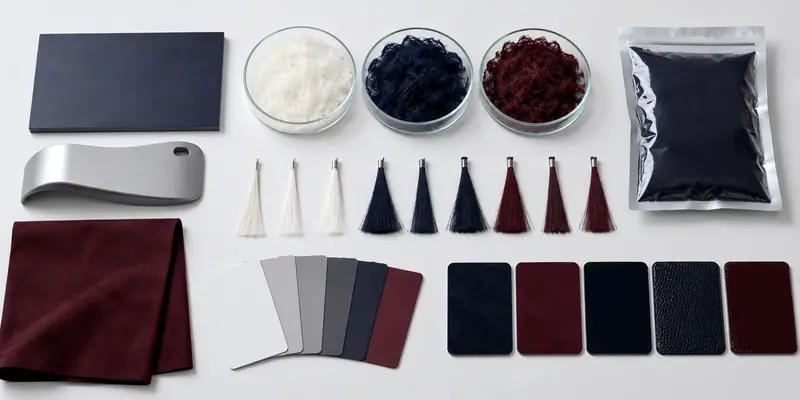
A reliable comparison begins with one written purchasing requirement. Sending different information to different suppliers produces quotations that may look comparable but represent different materials, tolerances or service levels.
The inquiry should identify the application, substrate, flocking method, required surface effect and expected operating conditions. It should also state the preferred fiber material, cut length, dtex or denier, color reference and estimated order quantity when these details are known.
A practical specification could read: PA 6.6 nylon flock powder, 1.0 mm, 3.3 dtex, black matte finish, electrostatic grade, for a molded plastic component requiring good abrasion resistance.
If the exact parameters are not known, provide the intended application, substrate, adhesive, existing sample and required surface. A qualified custom flock powder supplier should ask questions before recommending a material instead of treating every packaging, textile or automotive project as the same.
Buyers who still need to define the material should first review How to Choose Flocking Powder by Material and Application. Detailed terminology for material, length and dtex is explained in the Flocking Powder Specifications Guide.
Check the Flocking Powder Supplier's Technical Capability
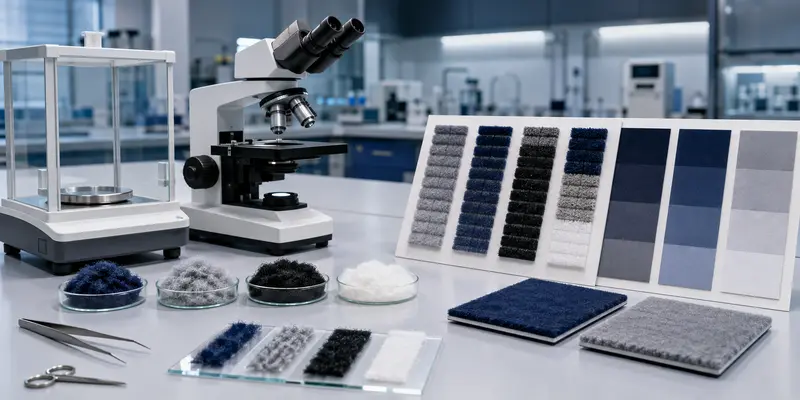
A supplier's technical capability is visible in the questions it asks and the clarity of its answers. A quotation alone does not show whether the supplier understands the relationship between fiber material, length, dtex, surface treatment, adhesive and flocking conditions.
The supplier should be able to explain why nylon, viscose or polyester is being proposed and how the selected specification supports the target finish. It should also recognize that conductivity, moisture, fiber flow and cut consistency can influence electrostatic processing.
This matters because two fibers with the same material, color and nominal length may not behave identically. Differences in fineness, length distribution, cleaning, surface treatment or moisture condition can change flow, orientation, pile density and loose-fiber levels.
Ask how the supplier controls:
- Fiber material and grade
- Cut length and length distribution
- Dtex or denier
- Color and surface finish
- Conductivity and moisture condition
- Fiber cleanliness and agglomeration
- Packaging and protection from humidity
The objective is not to require every supplier to use the same laboratory equipment. It is to determine whether the supplier has repeatable controls connected to the buyer's production needs.
Evaluate Flocking Powder Supplier Samples on the Actual Substrate
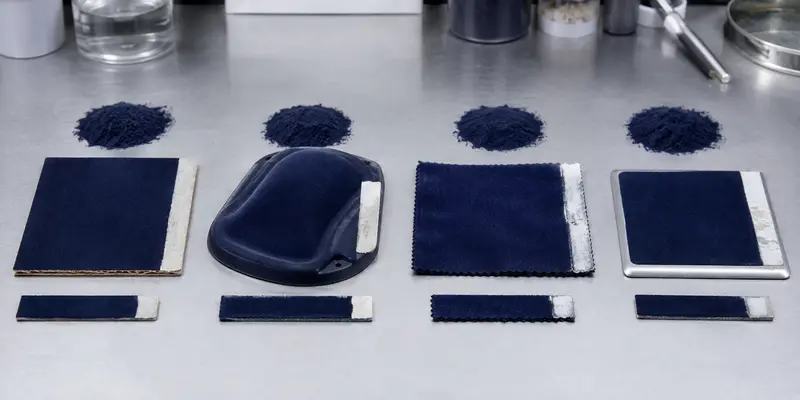
Sample approval is one of the most important stages in selecting a flocking powder supplier, but loose fibers should not be the only reference. Loose powder can show approximate color, softness and cleanliness; it cannot confirm the final appearance or production performance.
The proposed flock should be tested with the intended substrate, adhesive, curing conditions and flocking equipment. After curing and removal of excess fibers, buyers should inspect color, density, pile height, edge definition, surface uniformity and loose-fiber behavior.
Performance testing should follow the final application. Packaging may prioritize color accuracy, softness and clean visual coverage. Textiles may require washing, flexing or rubbing checks. Automotive and industrial components may require abrasion, compression recovery, friction or environmental testing.
Process behavior also deserves attention. A sample may look acceptable but require an unusually narrow adhesive open time, unstable voltage or excessive flock consumption. Such a specification may be difficult to reproduce efficiently during mass production.
Once a sample passes, retain the approved flocked panel, loose-fiber sample, specification and color reference. This approved package becomes the production standard against which later deliveries can be compared.
Verify Flocking Powder Supplier Batch Consistency and Traceability
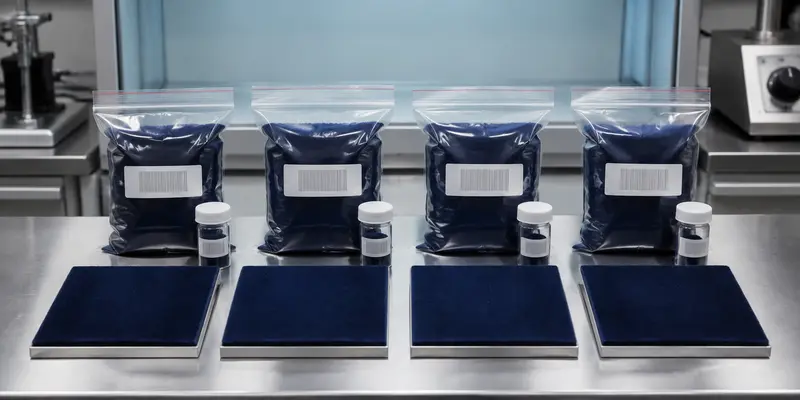
Bulk purchasing depends on repeatability. The most useful question is not whether the first sample looks good, but whether the next production lot can match it.
A reliable flock powder supplier should be able to identify production batches and retain enough information to investigate variation. Ask whether incoming materials, cutting, dyeing, treatment and final inspection are recorded by lot. Also confirm whether approved samples or master color standards are retained for repeat orders.
Color should be checked under agreed conditions. Visual evaluation remains important because the buyer purchases a finished appearance, but instrument-based measurement may provide an additional control when tight color consistency is required. The acceptable tolerance must be agreed for the specific product rather than assumed.
| Batch-control area | What to confirm |
|---|---|
| Material | Same confirmed fiber type and grade |
| Fiber dimensions | Approved length and dtex or denier |
| Color | Agreed color standard and evaluation method |
| Surface treatment | Suitable conductivity and flow behavior |
| Cleanliness | Control of contamination and agglomeration |
| Packaging | Batch number and moisture-resistant packing |
| Records | Retained sample or inspection record |
| Reorders | Method for matching the previous approved lot |
When evaluating a bulk flock fibers supplier, request comparison information from more than one production lot where practical. A retained previous sample or reorder record provides stronger evidence than a single pre-sales sample.
Compare Flocking Powder Supplier MOQ, Price and Total Purchase Cost
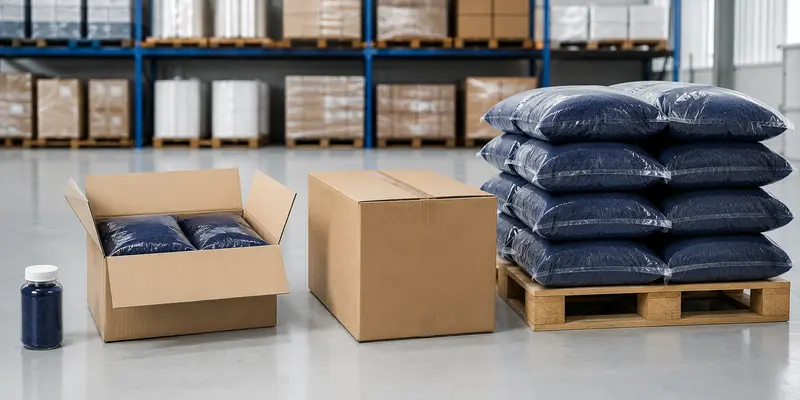
MOQ must be evaluated together with specification and customization. Standard colors or regular specifications may have different minimum quantities from custom-dyed colors, unusual fiber dimensions or special packaging.
Ask the supplier to separate stock and custom conditions in the quotation. The offer should identify the material, length, dtex, color, packaging unit, order quantity, sample cost, production basis and applicable trade terms.
The lowest quoted price is not necessarily the lowest purchasing cost. Buyers should also consider sampling cycles, rejected material, process waste, color correction, urgent freight, production downtime and the cost of replacing an unstable batch.
A low MOQ may be useful for pilot production, but it does not compensate for poor consistency. Conversely, a higher MOQ may be commercially reasonable when custom dyeing or a non-standard specification requires a dedicated production setup. The supplier should be able to explain the basis rather than provide only a number.
When comparing wholesale flock powder offers, use the same specification and commercial basis for every supplier. Otherwise, one quotation may cover standard stock material while another includes custom color matching, testing or export packaging.
Confirm Flocking Powder Supplier Capacity, Lead Time and Change Control

A quoted lead time is useful only when its starting point and included stages are clear. Ask whether the schedule begins after inquiry, sample approval, deposit receipt or final specification confirmation.
For a custom order, the timeline may include color development, sample preparation, buyer testing, raw-material scheduling, dyeing, cutting, treatment, inspection and packaging. Shipping time should be separated from production time.
Supplier capacity should be assessed against the required order quantity and replenishment plan. Buyers do not necessarily need the largest factory; they need a supplier that can support the expected volume without changing the approved process or delaying other confirmed requirements.
The supplier should also communicate before making material, dye, production-site or process changes that could influence performance. For repeat orders, confirm whether the approved specification and reference sample remain controlled and how substitutions are handled.
Questions to clarify include:
- What triggers the production lead time?
- Is sample approval included in the quoted schedule?
- Does a custom color require a separate preparation period?
- How is peak-season capacity managed?
- What information is retained for repeat orders?
- Will the buyer be informed before a material or process change?
- What happens if a batch does not match the approved standard?
These answers reveal more about supply reliability than a general statement such as 'fast delivery.'
Review Flocking Powder Supplier Documents and Compliance Support
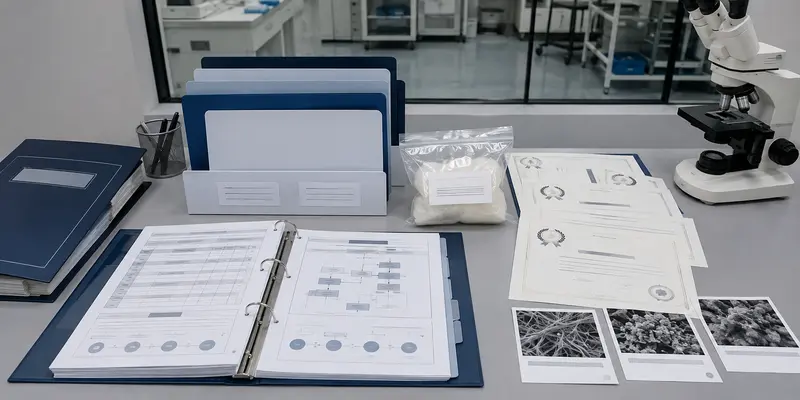
Compliance requirements depend on the destination market, product type and final use. A supplier should not claim that one certificate automatically makes every flock powder suitable for every application.
Buyers should first define what the finished product requires. Textile, automotive, children's product, packaging and industrial applications may follow different restricted-substance lists, customer standards or test methods.
Depending on the project, the purchasing file may include:
- Product specification sheet
- Safety data information where applicable
- Batch or inspection record
- Third-party test report when required
- Restricted-substance declaration
- REACH-related support for an EU-facing supply chain
- Customer-specific compliance documentation
Document validity should be checked against the actual material, color, production source and test scope. A report for one nylon grade should not automatically be treated as evidence for every viscose or polyester flock powder.
The purpose of document review is not to collect certificates for display. It is to confirm that the flocking powder supplier can support the buyer's market, customer and traceability requirements.
Assess Flocking Powder Supplier Packaging and Delivery Risk
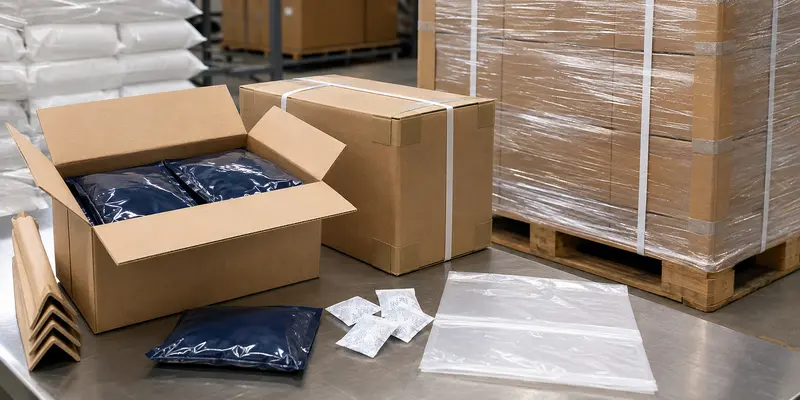
Flock fibers require appropriate packaging because moisture condition, contamination and compression can influence storage and processing. A bulk order should arrive in clearly identified, sealed packaging that protects the material during transport and warehouse storage.
Before purchasing, confirm the net weight per package, inner-liner construction, batch labeling, pallet method and storage recommendation. Mixed colors or specifications should be labeled clearly enough to prevent warehouse errors.
International buyers should also clarify quotation currency, Incoterm, loading basis, shipping documents and responsibility for export packaging. Freight should be compared by usable delivered quantity rather than only by product price.
On receipt, record the batch number, inspect package condition and isolate any damaged or contaminated material before it enters production. Incoming inspection should compare the delivery with the approved specification and reference sample.
Use a Flocking Powder Supplier Scorecard Before Bulk Approval
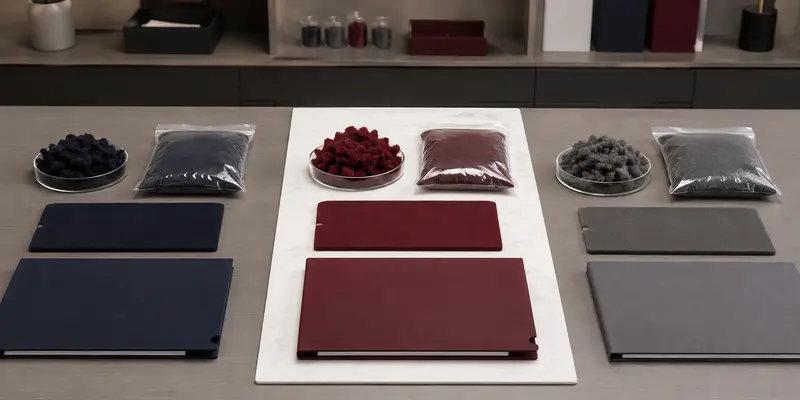
A scorecard makes supplier comparisons more consistent and prevents price from dominating the decision. Buyers can adjust the weighting according to the application, but quality and repeatability should normally carry more weight than minor price differences.
| Evaluation area | Weight | Evidence to review |
|---|---|---|
| Specification and application fit | 20% | Written specification and technical recommendation |
| Sample performance | 20% | Actual flocked sample and test results |
| Batch consistency | 20% | QC method, retained standard and traceability |
| MOQ and commercial clarity | 10% | Complete quotation and packaging basis |
| Capacity and lead time | 10% | Production schedule and reorder support |
| Documentation | 10% | Relevant and current product documents |
| Communication and corrective action | 10% | Response quality and problem-solving process |
A supplier should not pass merely because the total score appears acceptable. Critical failures, such as an unsuitable sample, missing traceability or an inability to meet mandatory compliance requirements, should be treated separately from the weighted total.
Ask These Flocking Powder Supplier Questions Before Ordering
What information should I send to a flocking powder supplier?
Provide the application, substrate, adhesive, flocking method, material preference, fiber length, dtex or denier, target color, surface effect, required tests and estimated order quantity. An existing sample or flocked product can help when the exact specification is unknown.
How should I approve a flocking powder sample?
Test the proposed material on the actual substrate with the intended adhesive, equipment and curing process. Approve the flocked result rather than only the loose fiber, and retain the approved specification and physical sample.
How can I compare flocking powder suppliers fairly?
Ask every supplier to quote the same material, length, dtex, color, packaging, quantity and delivery basis. Compare sample performance, batch control, documentation and lead time together with price.
Should I choose the flocking powder supplier with the lowest MOQ?
Not automatically. A low MOQ can reduce pilot-order cost, but consistency, process compatibility and reorder reliability determine the longer-term purchasing risk.
How can a flock powder supplier control repeat-order color?
The supplier should retain an approved color reference, identify production batches and compare new lots under agreed evaluation conditions. Buyers should also retain their own approved flocked panel for incoming inspection.
What documents should a flocking powder supplier provide?
The required documents depend on the end product and market. Buyers may request a specification sheet, safety information, inspection records, relevant test reports and customer-specific compliance declarations.
How do I know whether a bulk flock fibers supplier is reliable?
Look for consistent technical answers, successful application testing, identifiable production lots, clear MOQ and lead-time conditions, suitable packaging and a documented response process when material does not meet the approved standard.
Select a Flocking Powder Supplier for Repeatable Bulk Orders
The best flocking powder supplier is not simply the company that can send a good-looking sample or offer the lowest unit price. It is the supplier that can convert an approved sample into a controlled, traceable and repeatable bulk product.
Before ordering, freeze the specification, approve the flock on the real substrate, confirm batch-control methods, review MOQ and lead-time assumptions, verify required documents and retain a reference sample for incoming inspection.
Explore Zhangs' custom flocking powder range for nylon, viscose and polyester options. For custom colors, review the Flocking Powder Color Matching Guide. Buyers can then submit the application, substrate, required specification and estimated quantity through the Zhangs website to request sample evaluation and a bulk quotation.