Table of Contents
-Quick Answer
-Introduction
-What Does Box Flocking Mean?
-Flocking in Packaging and Soft Box Linings
-Tools and Materials for Flocking a Box
-Preparing a Wooden Box, Drawer or Packaging Insert
-How to Flock a Box Step by Step
-Box Flocking Process at a Glance
-Jewelry Box Flocking for Small Compartments
-Flocking a Packaging Box and Flocking Wood
-Final Finish Check Before Use
Quick Answer
To flock a box with flocking powder, prepare the inner surface, seal porous materials if needed, mask the clean edges, apply flocking adhesive evenly, cover the wet adhesive with flock powder, allow the box to dry fully, and then remove loose fibers. This creates a soft, velvet-like lining for jewelry boxes, ring boxes, drawers, gift boxes and packaging inserts.
Introduction
Box flocking is a practical surface finishing method used to create a soft and protective inner lining. It is often applied inside wooden jewelry boxes, ring boxes, watch boxes, drawers, gift packaging and display boxes where a hard surface may look plain or scratch delicate products.
Flocking powder helps turn a simple box interior into a more refined product presentation. By bonding short fibers onto adhesive, the box surface becomes matte, soft and velvet-like, making it more suitable for jewelry, accessories, cosmetics, collectibles and premium packaging.
This guide focuses on the actual process of flocking a box rather than only explaining materials. It covers preparation, adhesive application, powder application, drying, loose fiber removal and final surface inspection.
What Does Box Flocking Mean?
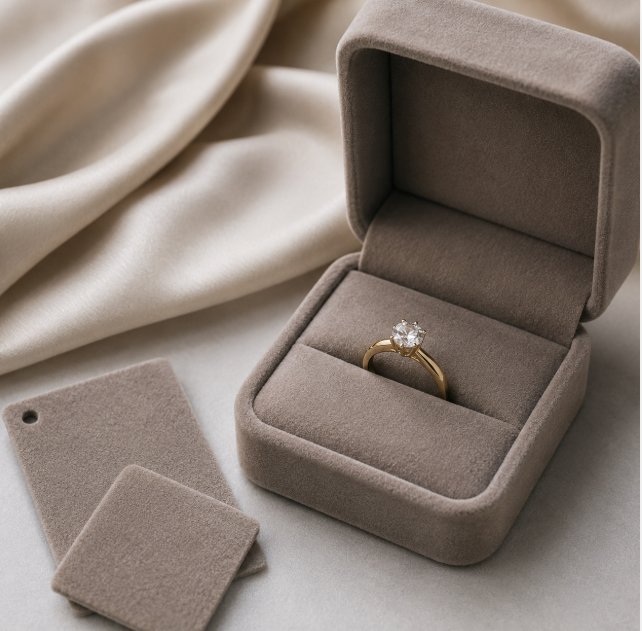
Flocked Box and Flocking Box Explained
A flocked box is a box with a soft fiber lining applied to its inner surface. The lining is made by coating the box with adhesive and applying flocking powder while the adhesive is still wet.
A flocking box can also mean a larger container used during application to catch extra flock fibers. Because flocking fibers are lightweight, using a larger working box or plastic-lined container helps reduce mess and allows excess fibers to be collected after the process.
Where Is Jewelry Box Flocking Used?
Jewelry box flocking is used where products need both protection and a premium display effect. It is common in ring boxes, necklace boxes, bracelet trays, watch boxes, drawer inserts and gift packaging.
A flocked jewelry box should feel soft, look even and protect the item from direct contact with hard surfaces. This is why box flocking is often used for products that need a more delicate or luxury presentation.
Flocking in Packaging and Soft Box Linings
What Is Flocking in Packaging?
Flocking in packaging is the process of applying short fibers onto adhesive-coated packaging surfaces. It can be used inside paperboard boxes, rigid gift boxes, cosmetic packaging, jewelry trays, EVA inserts and display packaging.
The purpose of flocking in packaging is to add softness, color depth and visual value. A flocked packaging box can make the product look more finished and help improve the customer’s first impression when the box is opened.
How Does Flocking Powder Create a Velvet-Like Box Interior?
Flocking powder creates a velvet-like box interior by forming a dense layer of short fibers on the adhesive surface. When applied evenly, the fibers create a soft, matte texture similar to velvet or suede.
The final box lining depends on adhesive coverage, flock fiber density, drying time and base color. A consistent adhesive layer and enough flock powder are essential for a smooth flocked box lining.
Tools and Materials for Flocking a Box
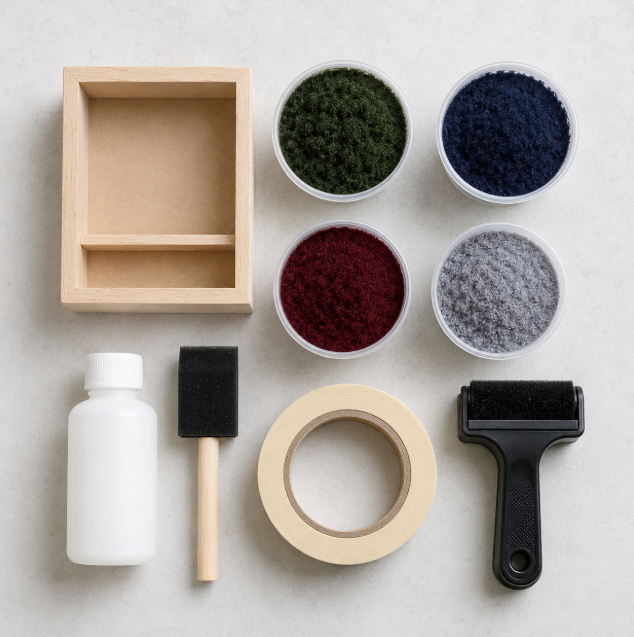
What Do You Need Before Flocking a Box?
A clean flocking result depends on having the right powder, adhesive, applicator and preparation tools ready before starting.
Item | Purpose | Practical Note |
Flocking powder | Creates the soft box lining | Fine flock powder works well for jewelry boxes |
Flocking adhesive | Bonds fibers to the box surface | Color-matched adhesive helps hide the base |
Brush or foam brush | Spreads adhesive evenly | Useful for corners and small compartments |
Masking tape | Protects clean edges | Helps avoid glue stains outside the lining area |
Flocking applicator | Applies fibers over wet adhesive | Helps improve coverage and density |
Larger working box | Catches excess flock fibers | Keeps the work area cleaner |
Soft brush or vacuum | Removes loose fibers after drying | Use only after the adhesive has dried |
Why Use a Larger Box During Flocking?
A larger box helps catch loose flocking powder during application. This is useful because flock fibers are very light and can spread easily when applied.
The extra fibers inside the larger working box can often be collected if they remain clean. This makes the process cleaner and more efficient, especially for small jewelry boxes and drawers.
Preparing a Wooden Box, Drawer or Packaging Insert
Clean the Interior Surface Before Flocking
The box interior should be clean, dry and free from dust before flocking powder is applied. Wood dust, oil, fingerprints, paper particles or old coating can reduce adhesive bonding.
Smooth surfaces usually create a better flocked lining. If the box interior has rough edges or loose particles, lightly sanding and cleaning the surface can help improve the final finish.
Seal Wood or Cardboard Before Box Flocking
Wood, MDF and cardboard may need sealing before box flocking because they can absorb adhesive. If the glue sinks too deeply into the surface, the flock fibers may not bond evenly.
Sealing helps keep adhesive on the surface where the flocking powder needs to attach. This is especially important for wooden jewelry boxes, handmade drawers and paperboard packaging inserts.
Mask the Edges for a Clean Flocked Box
Masking protects the areas that should not be coated with adhesive or flock powder. Box rims, hinges, locks, hardware and decorative outer surfaces should be covered before glue is applied.
Clean edges make a flocked box look more professional. This is especially important for small ring boxes and compartment boxes where details are easy to notice.
How to Flock a Box Step by Step
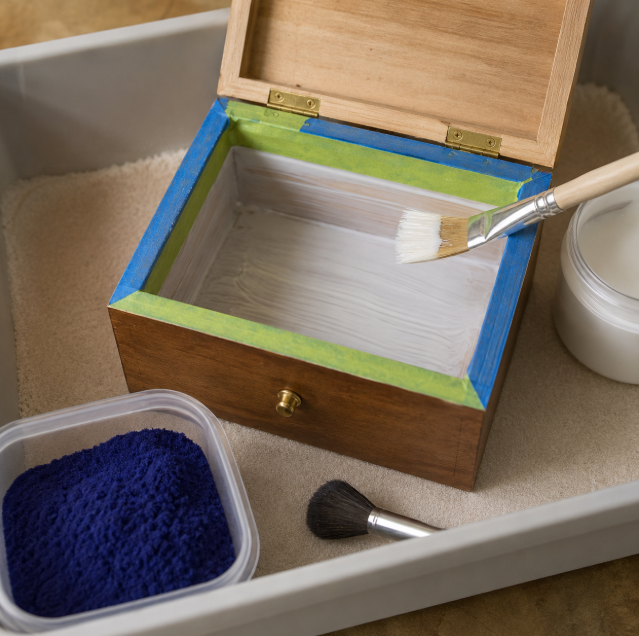
Step 1: Apply Flocking Adhesive Evenly
Flocking adhesive should be applied in a continuous and even layer across the area to be flocked. Thin or missed areas may create weak coverage after the loose fibers are removed.
Corners, side walls and small compartments need careful adhesive control. A foam brush or small brush can help reach tight areas inside jewelry boxes and drawers.
Step 2: Add Flocking Powder While the Adhesive Is Wet
Flocking powder should be applied while the adhesive is still wet and tacky. This allows the short fibers to embed into the adhesive layer and form a stable lining.
Use enough flock powder to fully cover the wet surface. The surface should look heavily covered during application because only the fibers that contact the adhesive will remain after drying.
Step 3: Let the Flocked Box Dry Without Touching
The flocked box should dry fully before loose fibers are removed. Touching or brushing the surface too early can damage the fiber layer and reduce coverage.
Drying time depends on the adhesive, humidity, surface type and glue thickness. Always follow the adhesive supplier’s instructions before handling the flocked lining.
Step 4: Remove Loose Fibers After Drying
Loose fibers should be removed only after the adhesive has dried properly. Gently tap the box, use a soft brush or apply low-suction vacuuming to clear extra flock fibers.
The finished lining should look even, soft and clean. If the surface still releases too many bonded fibers after drying, the adhesive layer or surface preparation may need to be reviewed in the next sample.
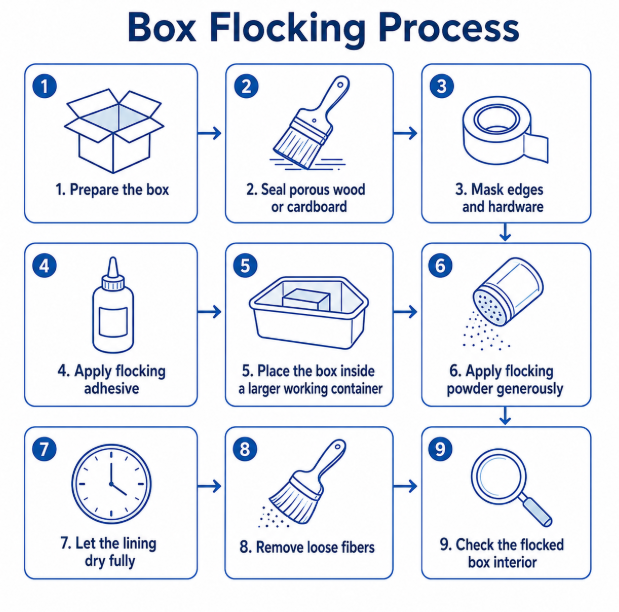
Box Flocking Process at a Glance
The box flocking process follows a simple order from surface preparation to final inspection.
Step | Action | Goal |
1 | Clean the box interior | Remove dust and surface contamination |
2 | Seal porous material | Reduce adhesive absorption |
3 | Mask clean edges | Protect outer surfaces and hardware |
4 | Apply adhesive | Create a bonding layer |
5 | Add flocking powder | Build a soft fiber lining |
6 | Dry fully | Allow fibers to bond securely |
7 | Remove loose fibers | Reveal the finished flocked lining |
8 | Inspect the surface | Check coverage, touch and edges |
Jewelry Box Flocking for Small Compartments
How to Flock a Jewelry Box Interior?
A jewelry box interior should be flocked with careful adhesive control and enough fine flocking powder. The goal is to create a smooth, soft and protective lining without heavy buildup in corners.
Fine flock powder is often suitable for jewelry box flocking because it gives a cleaner interior surface. It can help create a refined finish for ring slots, necklace sections, bracelet trays and watch compartments.
How to Flock a Ring Box or Small Divider Box?
A ring box or small divider box should be flocked in controlled sections. Small compartments have corners and narrow walls where adhesive can collect or miss coverage.
A small brush can help apply adhesive more accurately inside tight areas. After flock powder is added, the box should remain still until the surface is dry enough for loose fiber removal.
Flocking a Packaging Box and Flocking Wood
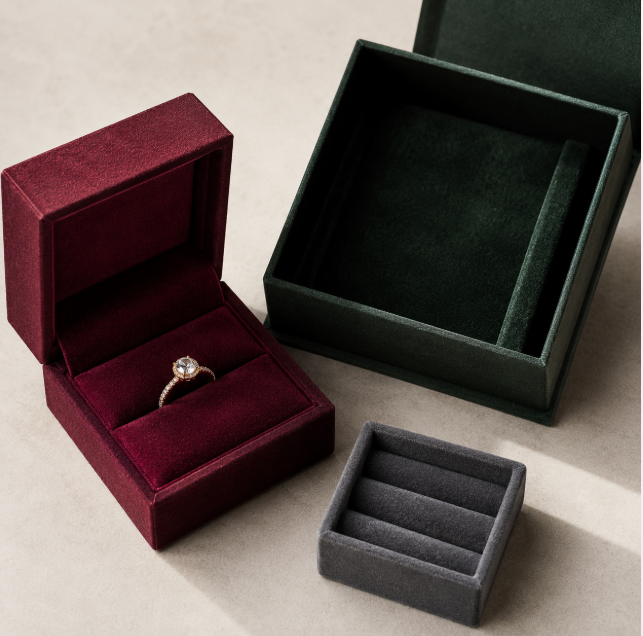
How Is Flocking a Packaging Box Different?
Flocking a packaging box focuses more on visual consistency, color and product presentation. Rigid boxes, cosmetic packaging, paperboard inserts and display trays need clean coverage and stable color.
Paper-based packaging may absorb adhesive differently from wood or plastic. Testing a small sample helps confirm whether the adhesive stays on the surface and whether the final color looks consistent.
What Is Flocking Wood?
Flocking wood means applying adhesive and short fibers onto a wooden surface to create a soft lining or decorative finish. This method is common for wooden jewelry boxes, drawers, keepsake boxes and display cases.
Wood should usually be sealed or prepared before flocking. A sealed wooden surface helps the adhesive remain at the top layer, allowing the flocking powder to bond more evenly.
Final Finish Check Before Use
What Should a Finished Flocked Box Look Like?
A finished flocked box should have an even surface, soft touch, clean edges and stable color. The lining should not show obvious base color, glue marks or uneven fiber areas.
The surface should be checked only after drying is complete. Early handling can affect the flocked lining and make the finish look uneven.
What Should Be Checked Before Production or Use?
Before using or producing flocked boxes in quantity, the sample should be checked for coverage, adhesion, touch and appearance.
Checkpoint | What to Look For |
Coverage | No exposed base surface or thin areas |
Touch | Soft, smooth and suitable for the box use |
Edges | Clean borders without glue overflow |
Color | Consistent tone across the lining |
Loose fibers | Extra fibers removed after drying |
Corners | Inner walls and small areas fully covered |
Product fit | Jewelry, inserts or packaged items sit properly |
Closing
Flocking a box with flocking powder is a practical way to create a soft, premium and protective lining. By preparing the surface correctly, applying adhesive evenly, using enough flock powder and allowing the box to dry fully, jewelry boxes, drawers and packaging boxes can achieve a clean velvet-like interior.
For packaging and jewelry box projects, sample testing is still important before bulk production. A real sample shows how the flocked box lining will look, feel and perform on the actual box material.