Table of Contents
-Quick Answer: What Is Flocked Paper?
-Why Flock Paper Is Used for Decorative Surfaces
-Flock Paper Meaning and Regular Paper Comparison
-What Is Flocking Paper Made Of?
-Common Types of Flocked Craft Paper, Wrapping Paper and Adhesive Sheets
-How Is Flocking on Paper Created?
-How to Use Flock Paper in Crafts and Packaging?
-Flock Transfer Paper and Screen Printing Applications
-Where Is Flocked Paper Used?
-Flock Wallpaper Durability and Cleaning
-Flock Paper Application Guide
-FAQ About Flocked and Flocking Paper
Quick Answer: What Is Flocked Paper?
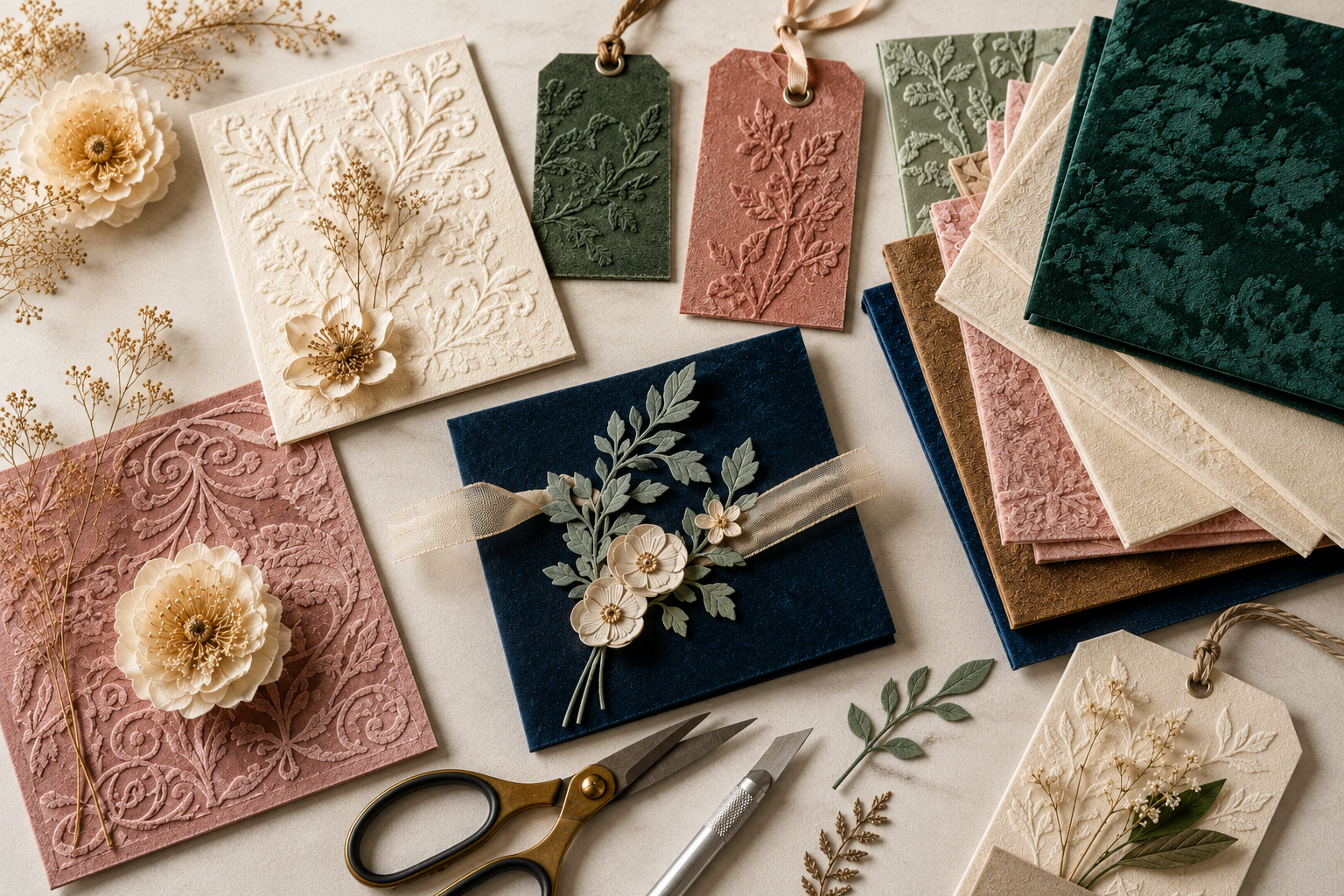
Flocked paper is paper or paperboard with short fibers bonded to the surface, creating a soft, raised and velvet-like texture. It is commonly used for crafts, gift wrapping, wallpaper, packaging, scrapbooking, decorative cards and printed surface effects.
Unlike regular printed paper, this material adds both visual and tactile value. The surface can feel soft, matte and slightly textured, making it useful when a design needs a more premium or decorative finish.
Why Flock Paper Is Used for Decorative Surfaces
Flock paper is used when a flat printed surface cannot create enough depth, softness or visual interest. A fine fiber layer can make packaging, cards, wallpaper or craft materials feel warmer, richer and more dimensional.
Its main advantage is the combination of a paper base and a fabric-like touch. These sheets can often be cut, folded, glued or applied like other paper-based materials, while the surface delivers a velvet-like appearance that stands out from ordinary coated paper.
Flock Paper Meaning and Regular Paper Comparison
How a Fiber-Coated Paper Surface Feels
A fiber-coated paper surface feels softer and more tactile than ordinary coated or printed paper. The raised fibers create a velvet-like touch, while the paper base keeps the material lightweight and easy to process.
This type of finish is not the same as felt or fabric. The base is still paper or paperboard, but the surface layer gives it a textile-like appearance.
Flocked Paper vs Regular Paper
The main difference between flocked paper and regular paper is the surface finish. Regular paper relies on printing, coating, embossing or paper texture, while a flocked surface uses fine fibers to create softness and dimension.
Item | Regular Paper | Flocked Surface Paper |
Surface | Smooth, coated or printed | Soft, raised and textured |
Touch | Flat | Tactile and velvet-like |
Main effect | Ink, coating or paper grain | Fiber-based surface finish |
Common use | Printing, writing, packaging | Crafts, wrapping, wallpaper, decorative packaging |
What Is Flocking Paper Made Of?
Paper Base, Adhesive Layer and Short Fibers
Flocking paper is usually made from a paper or paperboard base, a bonding layer and short flock fibers. The adhesive holds the fibers in place and helps form the soft surface.
The fiber type can vary according to the required appearance and performance. Nylon, rayon, polyester or viscose fibers may be used depending on softness, color, durability and processing needs.
What Is Flock Wallpaper Made Of?
Flock wallpaper usually includes a backing material, a patterned adhesive layer and short fibers that form raised decorative areas. These raised areas may create damask, floral, geometric or other classic wallcovering patterns.
The result is more tactile than standard printed wallpaper. Because the fiber areas can collect dust or be affected by rubbing, this type of wallcovering normally needs gentler care than flat wallpaper.
Common Types of Flocked Craft Paper, Wrapping Paper and Adhesive Sheets
Flocked Craft Paper for Card Making and Scrapbooking
Flocked craft paper is commonly used for card making, scrapbooking, handmade tags, decorative layers and DIY projects. It adds a soft accent without requiring a full fabric surface.
This paper works well when the design needs a small area of texture. It can be combined with printed sheets, metallic paper, ribbons, stickers or other craft elements.
Flocked Wrapping Paper for Gift Packaging
Flocked wrapping paper creates a more premium and seasonal appearance for gift packaging. It is often used for holiday packaging, decorative gift wrap and luxury paper presentation.
Fold performance should still be tested before production. Strong creases may flatten the fiber layer or create visible wear along the folded line.
Adhesive Flock Paper for Linings and DIY Surfaces
Adhesive flock paper has a self-adhesive or bonding-ready backing for easier surface application. It can be used for box linings, craft panels, small decorative surfaces, model making or simple covering projects.
Self-adhesive versions work best on clean, dry and smooth surfaces. Dust, oil, rough board or curved corners may reduce bonding quality.
How Is Flocking on Paper Created?
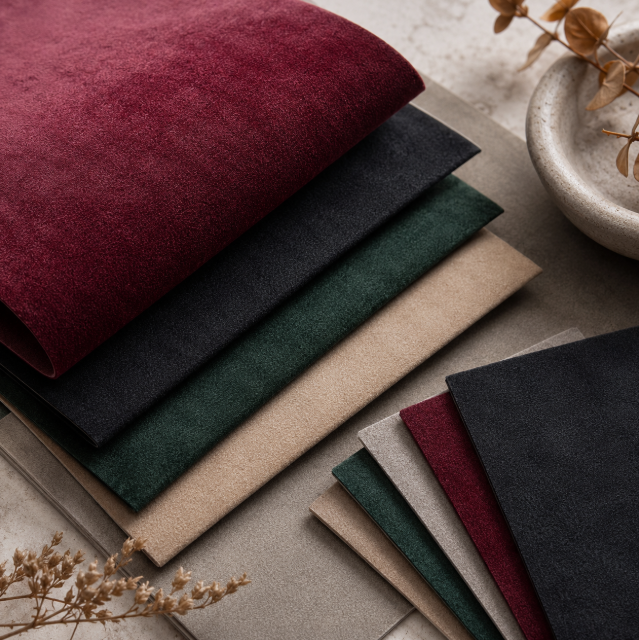
Full-Surface Flocking Paper
Full-surface flocking creates a continuous soft layer across the paper surface. This method is suitable for velvet paper, decorative sheets, luxury inserts and craft materials.
The final appearance depends on adhesive coverage and fiber density. If the bonding layer is uneven, the finished surface may look patchy or thin in some areas.
Flock Printing on Paper for Patterned Effects
Flock printing on paper creates raised logos, letters, designs or decorative areas instead of covering the whole sheet. It is often used for greeting cards, gift packaging, display cards and branded paper products.
Clean adhesive edges are important for this process. If the printed adhesive spreads too much, the flocked design may lose sharpness.
How to Use Flock Paper in Crafts and Packaging?
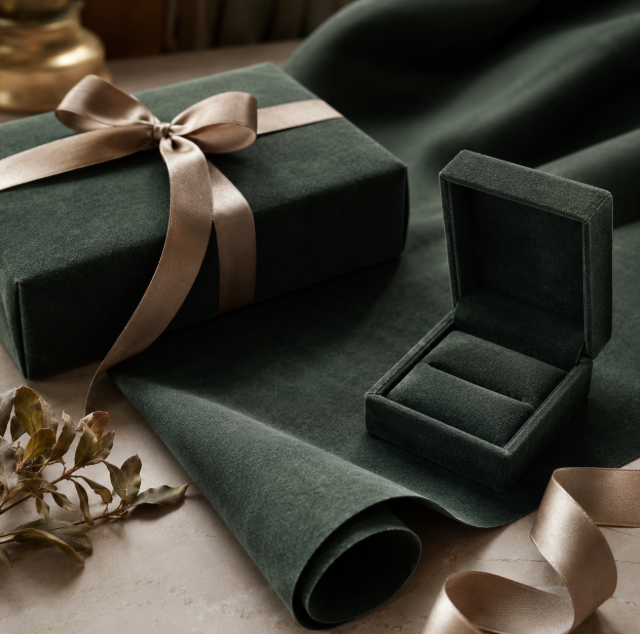
Cutting, Folding and Gluing Soft-Texture Sheets
Flock paper can be cut, layered, glued and combined with other decorative materials. It is suitable for handmade cards, scrapbook pages, gift tags, ornaments and display pieces.
For packaging, the material should be tested for folding, gluing and friction before final production. A sheet that looks good when flat may behave differently when wrapped around a box or bonded to board.
Practical points to check:
1.Cutting edge cleanliness
2.Fold performance
3.Glue compatibility
4.Surface rubbing resistance
5.Color consistency
6.Shedding during handling
Can You Make Flocked Paper with Flocking Powder?
A flocked effect can be created on paper by applying adhesive and adding flocking powder before the adhesive dries. After drying, loose fibers are removed to reveal the soft surface.
This method is useful for samples or small decorative effects. For large-scale production, controlled coating, transfer or printing processes usually provide better consistency.
Flock Transfer Paper and Screen Printing Applications
What Is Flock Transfer Paper?
Flock transfer paper is used to transfer a velvet-like effect onto another surface. It is different from finished decorative sheets because the flocked layer is designed to be heat-applied or transferred.
This type of material is often used for pattern decoration. Depending on the product, it may be applied to fabric, paperboard or other compatible substrates.
When Is Flock Paper for Screen Printing Used?
Flock paper for screen printing is used when only part of the surface needs a raised soft-touch effect. Adhesive is printed in the desired shape, and fibers are applied to create the flocked area.
This method is useful for logos, lettering, decorative patterns and branded packaging surfaces. It allows designers to combine flat printing with tactile texture.
Where Is Flocked Paper Used?
Crafts, Cards and Scrapbooking
Flocked paper is widely used in craft projects that need texture, color and a soft-touch effect. It can be used for handmade cards, scrapbook pages, gift tags, ornaments and layered decorative designs.
Gift Wrapping, Packaging Inserts and Decorative Boards
Flocked wrapping paper and velvet-like decorative sheets can improve the appearance of gift packaging and product presentation. They are suitable for holiday packaging, jewelry box inserts, luxury packaging and retail display boards.
Flock Wallpaper and Interior Decoration
Flock wallpaper is used to create raised patterns and fabric-like visual effects on interior surfaces. It is often chosen for feature walls, classic interiors, decorative panels and spaces that need a softer visual texture.
Flock Wallpaper Durability and Cleaning
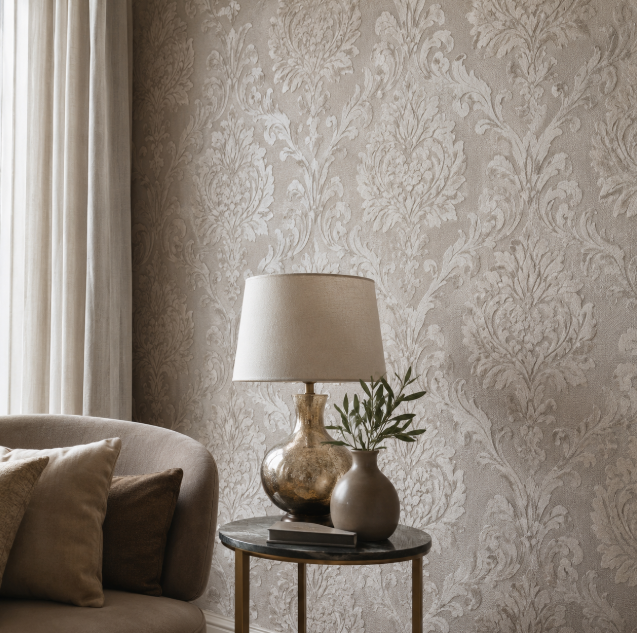
How Long Does Flock Wallpaper Last?
The lifespan of flock wallpaper depends on backing quality, fiber bonding, installation environment, humidity, friction and cleaning method. A fixed lifespan cannot be guaranteed without knowing the exact product and use conditions.
Dry, low-contact areas usually help the surface last longer. Frequent touching, moisture, direct sunlight or aggressive cleaning can shorten service life.
How Do You Clean Flock Wallpaper Safely?
Flock wallpaper should usually be cleaned with gentle dry methods to protect the raised fiber surface. A soft brush, clean dry cloth or light dusting method can remove surface dust without damaging the fibers.
Water, strong rubbing and harsh cleaners should be avoided unless the supplier confirms they are safe. For wallpaper, test a hidden area first; for craft paper or wrapping paper, wet cleaning is usually not recommended.
Flock Paper Application Guide
Different flock paper types are better suited to different uses. The right material depends on whether the project needs easy cutting, fold performance, adhesive backing, pattern clarity or a soft decorative finish.
Application | Suitable Material | Key Requirement |
Scrapbooking | Flocked craft paper | Easy cutting and soft texture |
Gift wrapping | Flocked wrapping paper | Good appearance and fold performance |
Wallpaper | Flock wallpaper | Stable backing and light cleaning ability |
Packaging insert | Flocked velvet paper | Soft touch and color consistency |
Logo or pattern effect | Flock printing on paper | Clear pattern edge |
DIY surface covering | Adhesive flock paper | Easy bonding and clean application |
FAQ About Flocked and Flocking Paper
1.Can flocked paper be printed or combined with other materials?
Flocked paper can be combined with printed paper, coated paper or decorative boards, but direct printing on the fiber surface may not always produce sharp results. Many designs place printing beside the textured area or apply the flocked effect after the printed design is prepared.
2.Is flocked wrapping paper suitable for luxury packaging?
Flocked wrapping paper can be suitable for luxury packaging when the surface quality, color and bonding strength are stable. It should be tested for folding, rubbing and handling before formal production.
3.Can adhesive flock paper be used for box lining?
Adhesive flock paper can be used for simple box lining if the backing bonds well to the surface. Deep compartments, curved corners or rough boards may require additional testing.
4.Does a flocked paper surface shed fibers?
A flocked paper surface may release a small amount of loose fiber during cutting or handling, but a well-made surface should not shed heavily. Excessive shedding may indicate weak bonding, poor material quality or unsuitable handling.
5.Can flocking paper be cut with a machine?
Flocking paper can often be cut with a sharp blade, die cutter or cutting machine, depending on backing thickness and surface structure. A test cut is recommended because the fiber layer may affect edge cleanliness.
6.Is flocked paper recyclable?
Flocked paper may be harder to recycle than plain paper because it includes adhesive and fiber layers. Recyclability depends on the material composition and local recycling facilities.