To use flocking powder on toy figurines, prepare the surface, apply a compatible adhesive, and cover the coated areas with short flocking fibers. Once the adhesive has cured, remove the loose fibers and inspect the surface for an even finish. Electrostatic flocking is commonly used for this process because it helps the fibers stand upright, creating the soft, velvet-like texture seen on many collectible figures.
The same technique can produce quite different results depending on the shape of the toy and the fibers being used. A miniature animal figure may need a fine, short pile to preserve its facial details, while a larger character with a plush-inspired design may benefit from a fuller texture. For toy manufacturers working with PVC, resin, and blind box collectibles, understanding these differences before flocking can save unnecessary adjustments during sampling.
What Flocking Powder Works Best for Toy Figurines?
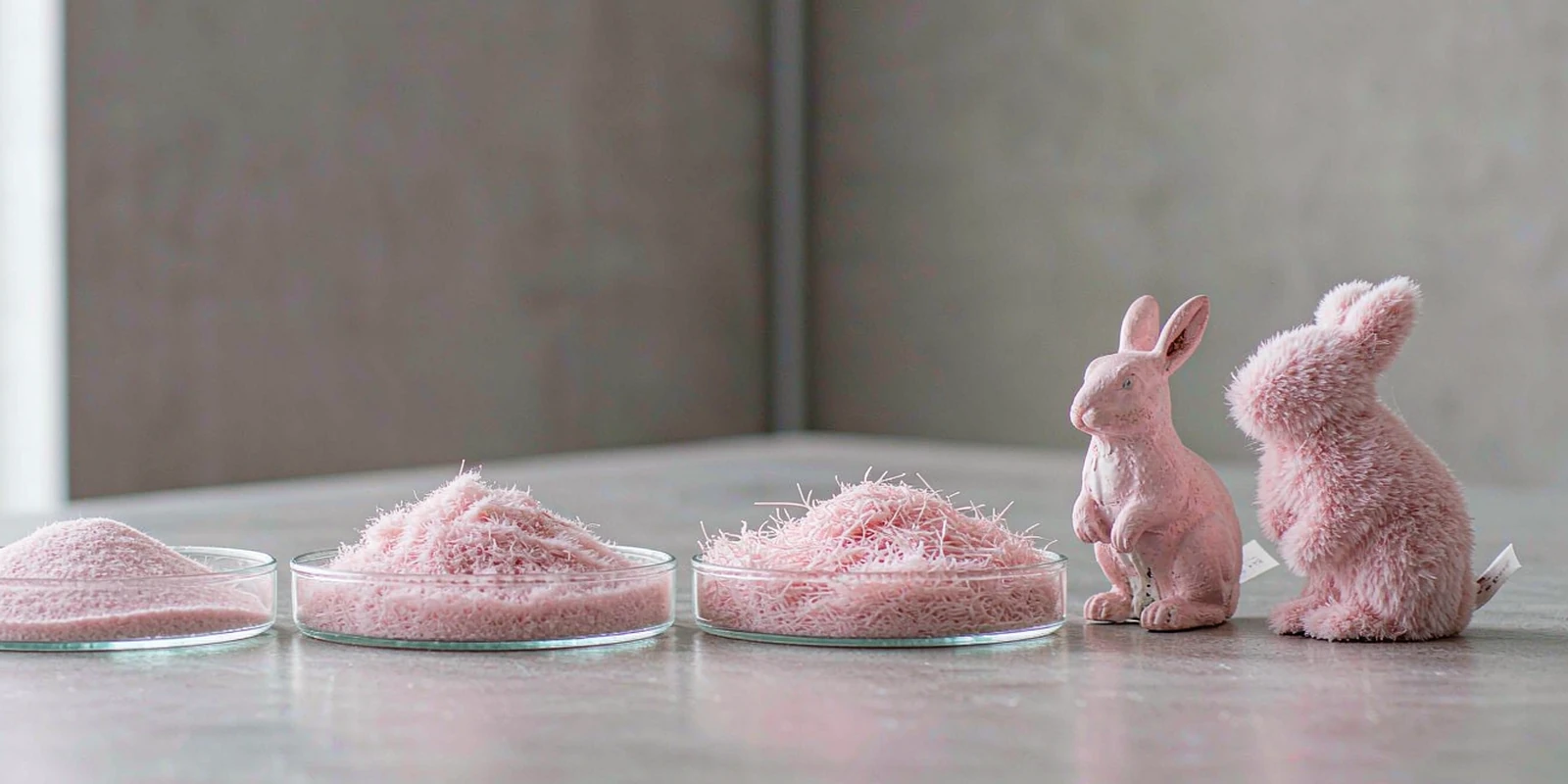
Flocking powder is made from short fibers that attach to an adhesive-coated surface. Rayon, polyamide (nylon), and polyester are commonly used, with the choice depending on the desired texture, appearance, and processing requirements. Although fiber composition matters, length is often the first characteristic buyers notice when comparing finished toy samples.
Short fibers create a finer surface and make it easier to retain sculpted details. Longer fibers give the figure a softer, fuller appearance, although they may cover shallow grooves or small decorative features. The most suitable option depends on how much texture the design needs without changing the intended shape of the character.
For plush-inspired toy designs, Zhangs produces flocking fibers in different lengths and colors, including a pink 5D × 2mm specification used for collectible toy applications. Its fuller texture is suited to designs where softness and a more noticeable fuzzy effect are part of the finished appearance. For small figures with detailed faces or narrow decorative lines, a shorter specification may give a cleaner result.
Color should also be evaluated on a flocked sample rather than judged from loose fibers alone. The finished appearance can change with fiber density, orientation, and the color of the surface underneath, especially when producing characters with light pastel shades or closely matched color details.
What Do You Need Before Applying Flocking Powder to Toy Figures?
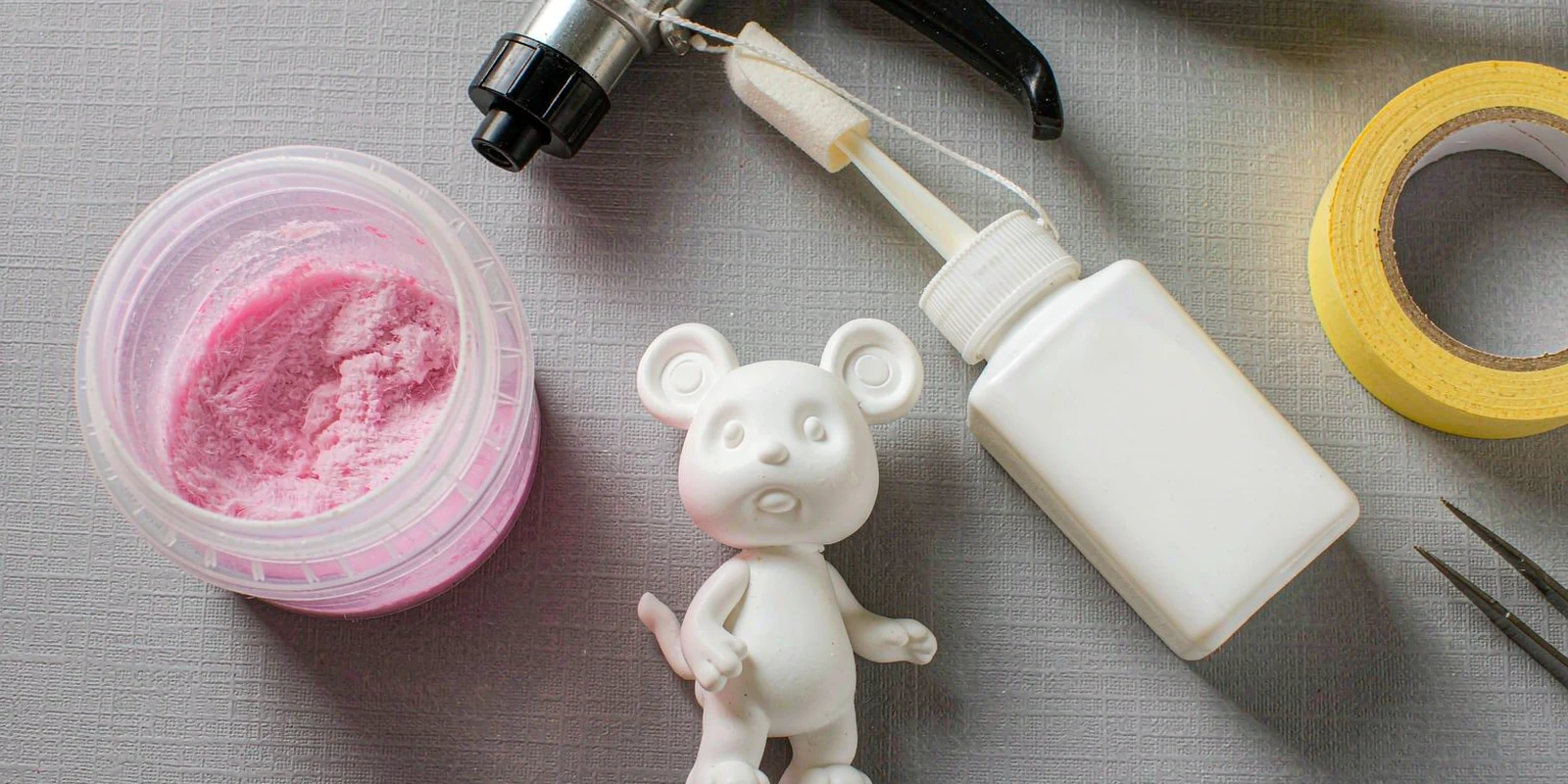
Before starting, prepare the flocking fibers, a suitable adhesive, an applicator, masking materials, and the tools needed to clean the toy surface. For a dense, consistent finish, electrostatic equipment is often used to distribute the fibers and orient them toward the adhesive-coated areas. The selected equipment should be appropriate for the flock length and the size of the figure.
The toy material also needs attention. Rigid PVC, ABS, and resin can all be flocked, but the adhesive must be compatible with the specific substrate and any existing coating. Residues from molding, handling, or previous finishing processes may interfere with adhesion, so cleaning and surface preparation should be completed before the flocking begins.
For characters with painted eyes, facial details, or movable parts, decide which areas will remain unflocked and protect them with suitable masking materials. The working area should also have appropriate ventilation, dust control, and electrostatic equipment grounding, following the relevant equipment and material safety instructions.
How to Apply Flocking Powder to Toy Figurines Step by Step
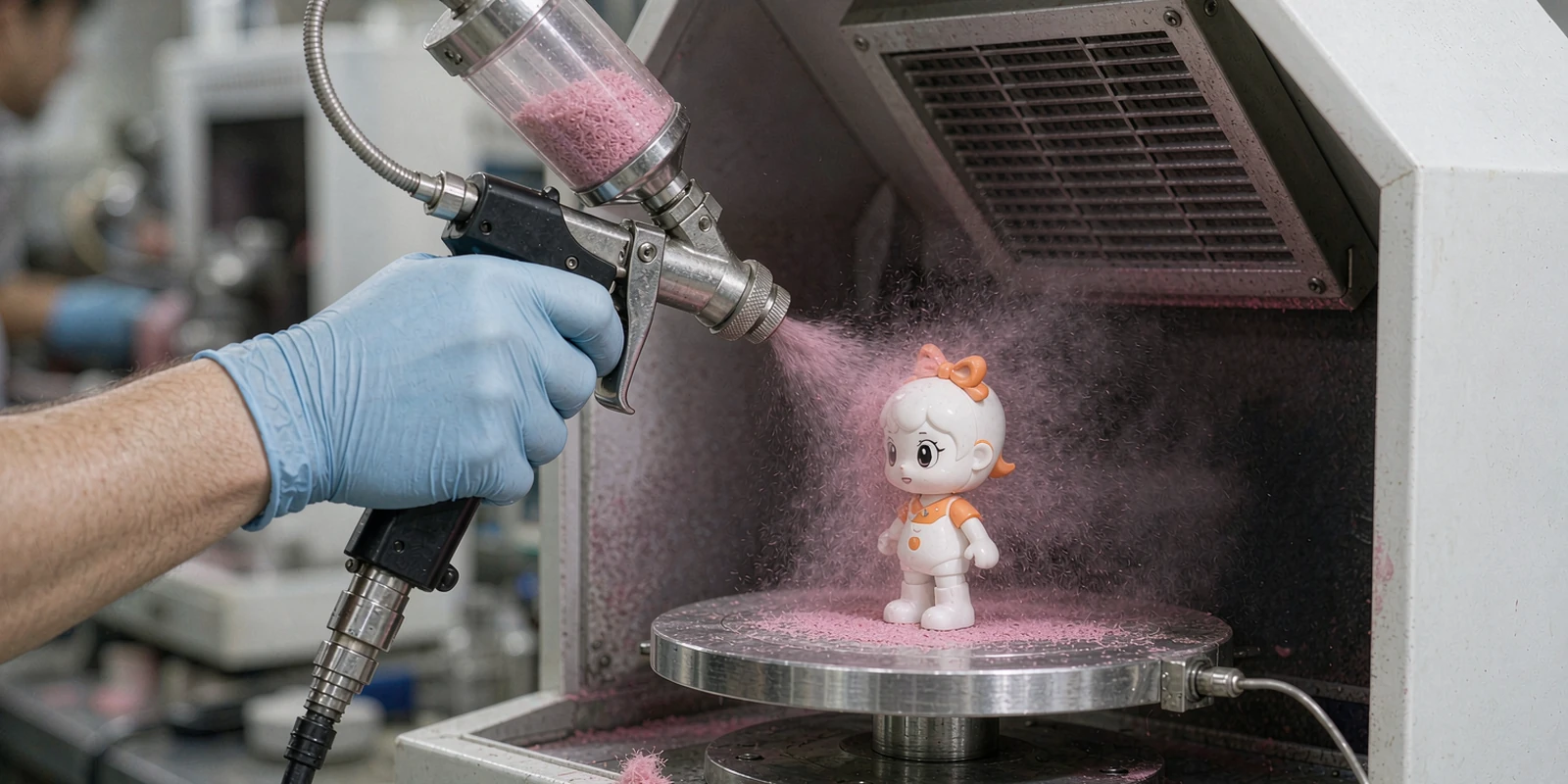
Applying flocking powder to a figurine involves three main stages: preparing the surface, applying the fibers, and finishing the coating. Each stage affects the next, so careful preparation is particularly useful when working with small figures that have curved bodies, recessed features, and multiple colors.
1. Prepare and Mask the Toy Surface
Start by removing dust, grease, mold-release residue, and other contaminants from the figure. Use a cleaning method suitable for the material, and allow the surface to dry before applying adhesive. Some substrates or existing finishes may require additional treatment or priming, which should be confirmed during the initial adhesion test.
Next, mask any areas that should retain their original finish. On an animal figurine, for example, the ears and body might be flocked while the eyes, nose, and selected facial details remain smooth. Preparing these boundaries carefully helps preserve the character's expression and reduces the need for corrections after flocking.
2. Apply Adhesive and Flocking Fibers
Apply the flocking adhesive evenly to the exposed surface, making sure that curved sections and smaller details receive adequate coverage. Avoid leaving thick pools of adhesive around grooves or edges, as these can affect the shape and appearance of the finished coating. The fibers should be applied within the working time specified for the adhesive.
With electrostatic flocking, the fibers are electrically charged and directed toward the adhesive-coated figure. This helps them align upright rather than lie flat, producing a dense, velvet-like surface. For complex shapes, repositioning the figure or applicator may be necessary to reach recessed areas and the undersides of raised features.
If the design requires several flocking colors, apply them in a planned sequence with suitable masking between areas. This is especially useful for animal markings or collectible characters with contrasting colors, where poorly defined boundaries can noticeably change the finished design.
3. Cure, Clean, and Inspect the Flocked Surface
After flocking, allow the adhesive to cure under the conditions recommended for the selected system. Avoid touching or brushing the surface before curing is complete, since premature handling can disturb the fibers and affect adhesion.
Once the coating has cured, gently remove loose fibers using a method suitable for the finished surface. Examine the toy under consistent lighting, checking whether the flock covers the intended areas evenly and whether edges, small features, and color boundaries remain clearly defined.
A well-finished figurine should have a consistent texture without obvious bare patches, heavy adhesive deposits, or large fiber clumps. Any defects found at this stage should be traced back to the relevant preparation or application step before the next sample is produced.
Why Does Flocking Powder Fall Off or Look Uneven on Toy Figures?
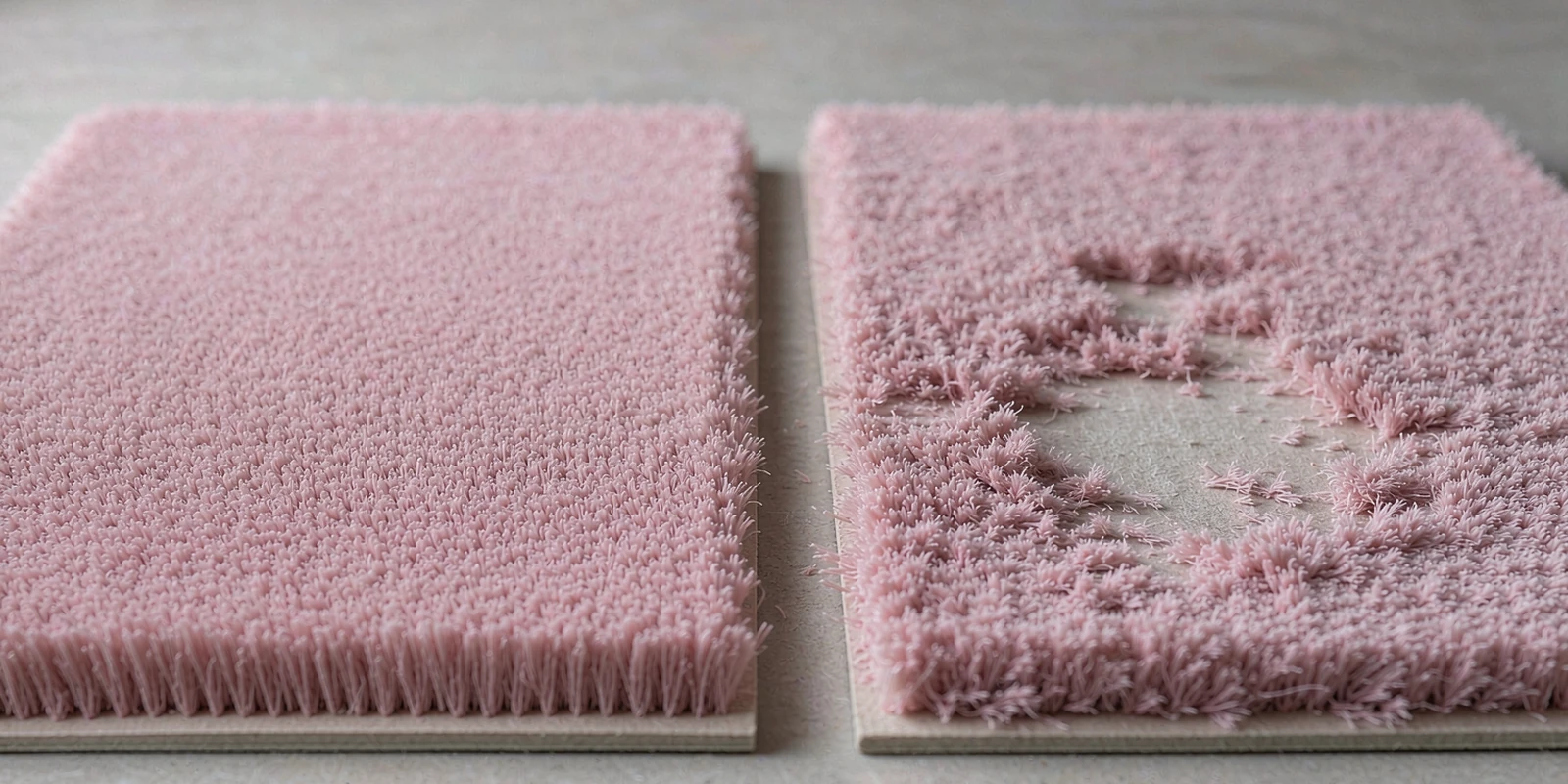
Fiber shedding and uneven coverage are common concerns when developing flocked toy figures, but they do not always have the same cause. Some loose fibers are expected after application and can be removed during finishing, while continued fiber loss during normal handling may indicate a bonding problem.
Uneven texture can develop when the adhesive is applied inconsistently, fibers gather into clumps, or certain parts of the figure receive less coverage. Identifying the type of defect before changing materials helps prevent unnecessary adjustments.
For example, two areas flocked with the same color may still look different if the fibers are not distributed at the same density. Before assuming that the color itself is inconsistent, compare the surface coverage and fiber direction under the same lighting conditions.
The condition of the flocking fibers can also influence the finish. During production, Zhangs controls fiber preparation through cutting, dyeing, drying, and sieving, helping maintain consistent fiber length, color, and material condition. These controls provide a more reliable starting point for flocking, while the final appearance still depends on how the fibers are applied and bonded to the toy.
How to Check Flocked Toy Samples Before Mass Production
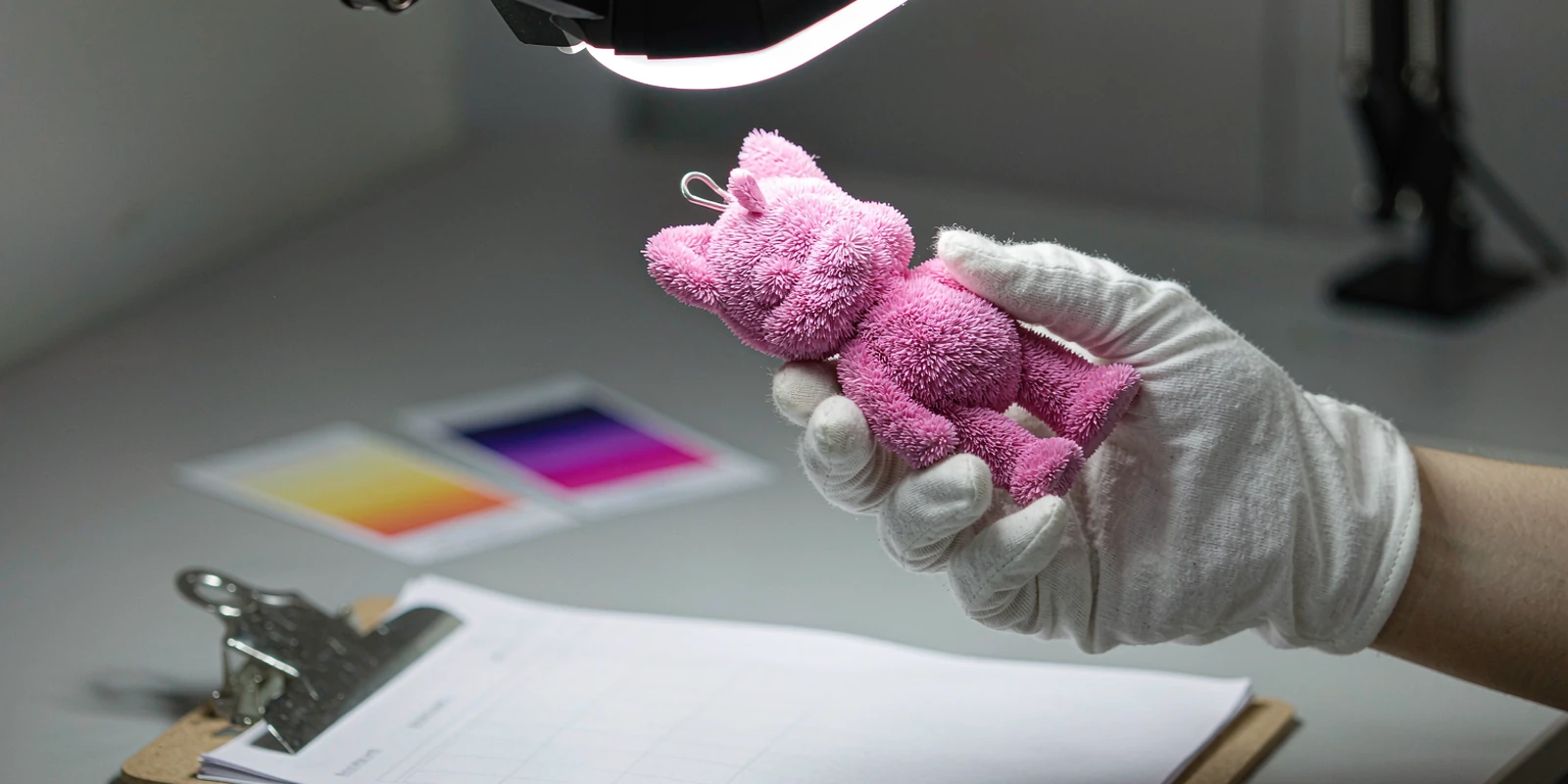
A finished sample should be evaluated for more than its appearance in photographs. Before approving a collectible figure for production, it is worth checking the areas most likely to reveal differences between individual pieces, particularly small details, curved sections, and surfaces that will come into contact with packaging.
Compare the sample with the approved design under consistent lighting, paying attention to color, texture, coverage, and the boundaries between flocked and unflocked areas. After the adhesive has fully cured, assess fiber adhesion using a suitable, agreed test method. Handling and packaging trials can help reveal whether normal contact causes noticeable fiber loss or changes in surface appearance.
Keep a record of the approved fiber material, length, color reference, adhesive system, and key application conditions. These details make it easier to reproduce the selected finish and investigate any changes between sampling and later production batches.
For custom toy projects, the flocking material can be specified according to the character's size, surface details, and intended texture. Zhangs supports different fiber materials, colors, and lengths, allowing customers to compare suitable options before finalizing the material specification for their designs.
Frequently Asked Questions About Flocking Powder for Toy Figurines
Can You Use Flocking Powder on PVC and Resin Figures?
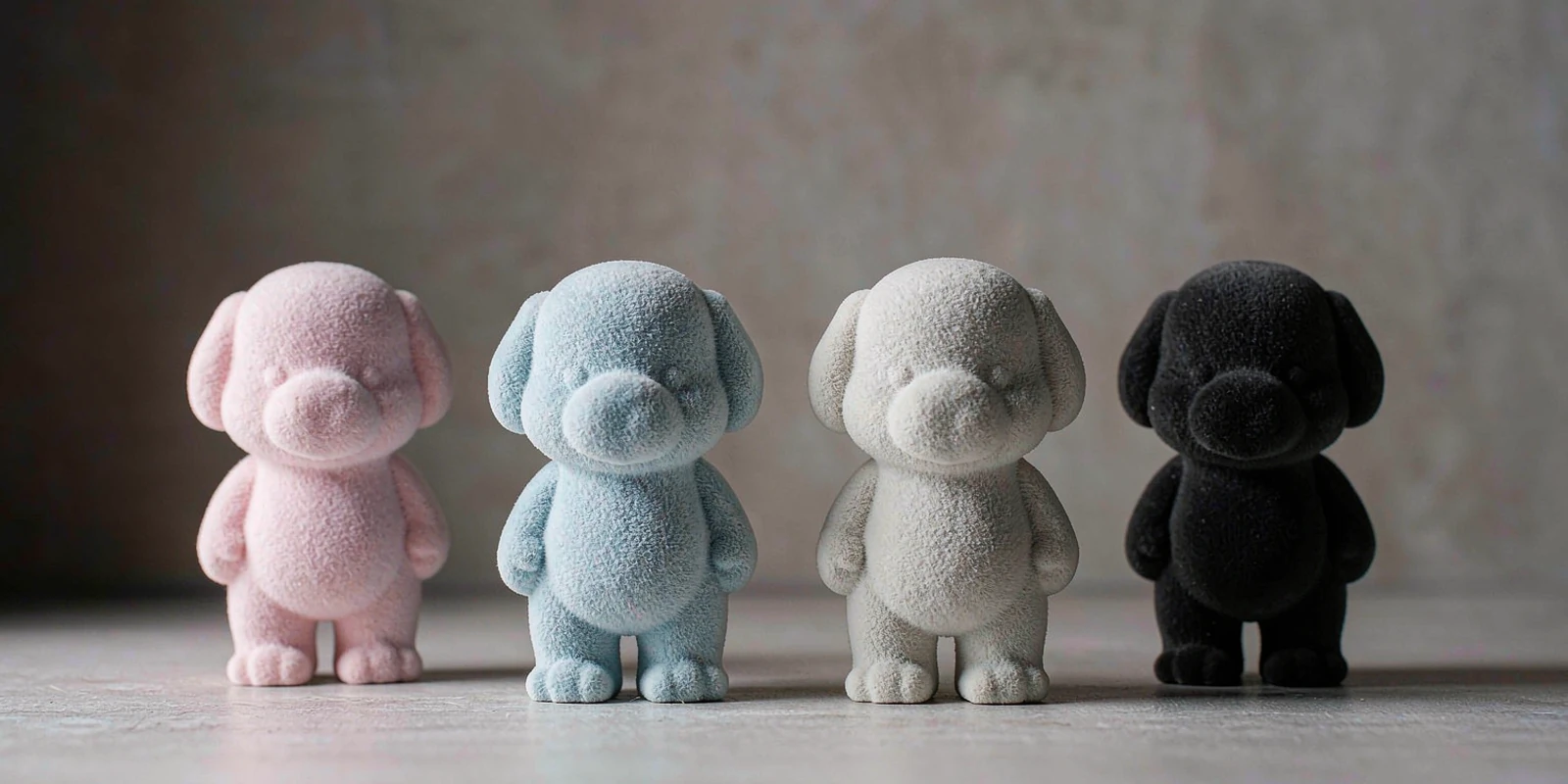
Yes. Flocking powder can be applied to PVC and resin figurines when the surface is properly prepared and a compatible adhesive is selected. Since molding residues and existing coatings can affect adhesion, testing the actual substrate is recommended before beginning production.
Do You Need an Electrostatic Applicator for Toy Flocking?
Manual flocking can be used for certain decorative projects, but it may not provide the same uniform fiber orientation as electrostatic application. For collectible figures requiring a dense, upright velvet finish, electrostatic equipment is generally the more suitable choice, particularly when the appearance needs to remain consistent across multiple pieces.
Why Does Flocking Powder Fall Off Toy Figurines?
Loose fibers remaining immediately after application are normally removed during the finishing process. If bonded fibers continue to detach after curing, check the surface preparation, adhesive compatibility, and curing conditions. Repeated shedding should be investigated before approving the sample for production.
Can You Apply Different Flocking Colors to One Toy Figure?
Yes. Different flock colors can be used to create animal markings, clothing details, or contrasting areas on collectible characters. The application sequence and masking need to be planned carefully to keep the colors separate, particularly on figures with small features or closely spaced design elements.
Conclusion
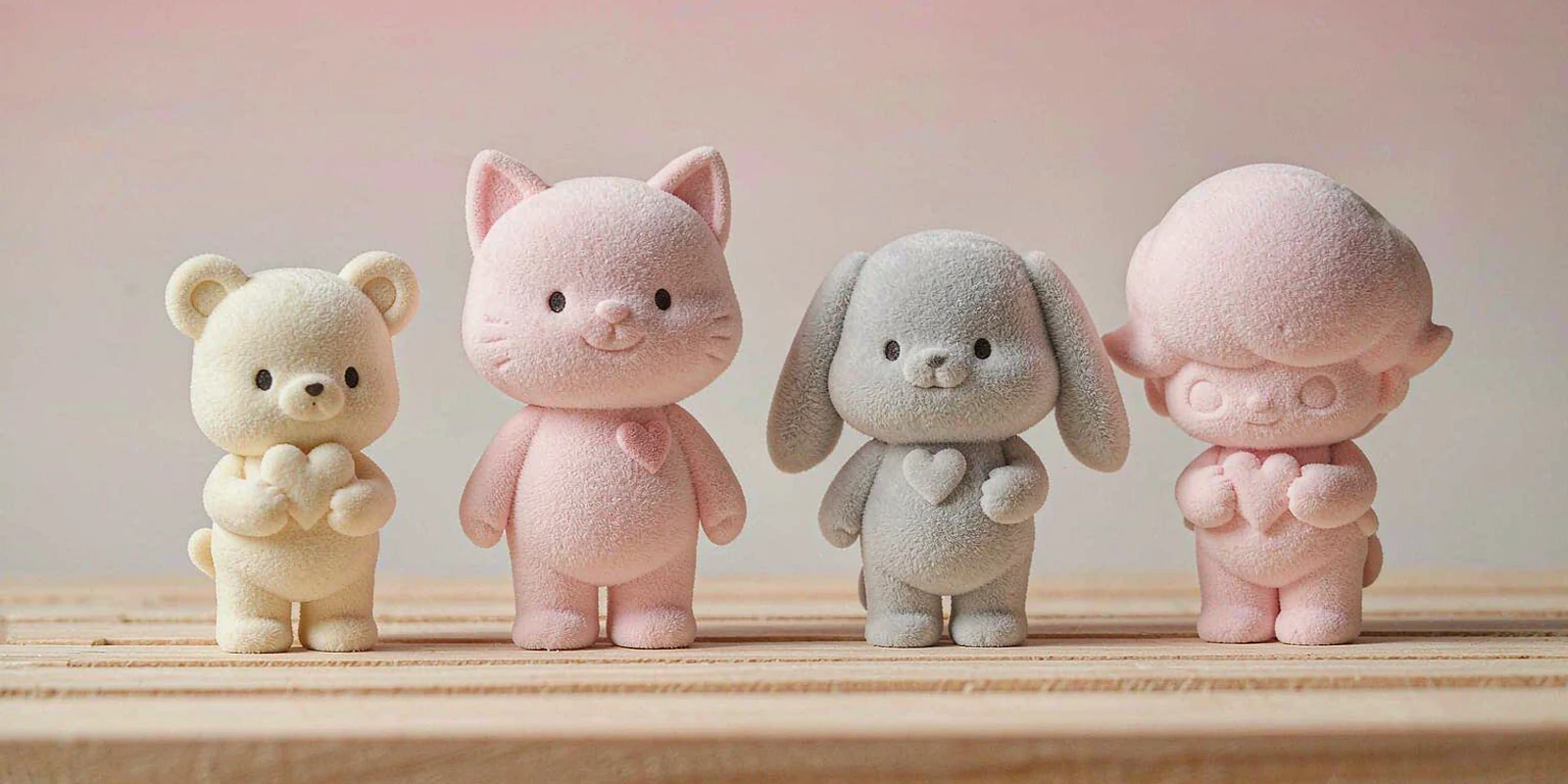
Using flocking powder on toy figurines becomes more predictable when the fiber selection, surface preparation, and application method are matched to the design. A fine velvet finish and a fuller plush-like texture may require different materials, even when the figures are made from the same plastic.
By testing the chosen fibers on actual toy samples and checking the finished surface before production, manufacturers can achieve the intended appearance while reducing avoidable issues with coverage and adhesion. This approach is particularly useful for custom collectible figures and blind box toys, where small differences in texture or color can affect the character's overall appearance.