Flocking powder is not simply fiber that has been cut into small particles. Its performance depends on how the fiber is selected, processed, and controlled throughout production. Factors such as fiber length, color consistency, moisture condition, and material stability all influence the final flocking effect.
For manufacturers purchasing flocking materials, understanding how flocking powder is made provides valuable insight into why different suppliers may achieve different results even when using similar raw materials.
The production of flocking powder involves several important stages, including fiber preparation, cutting, dyeing, drying, and sieving. Each stage contributes to the final surface appearance, processing stability, and suitability for different applications such as textiles, packaging, automotive interiors, and industrial products.
What Materials Are Used to Make Flocking Powder?
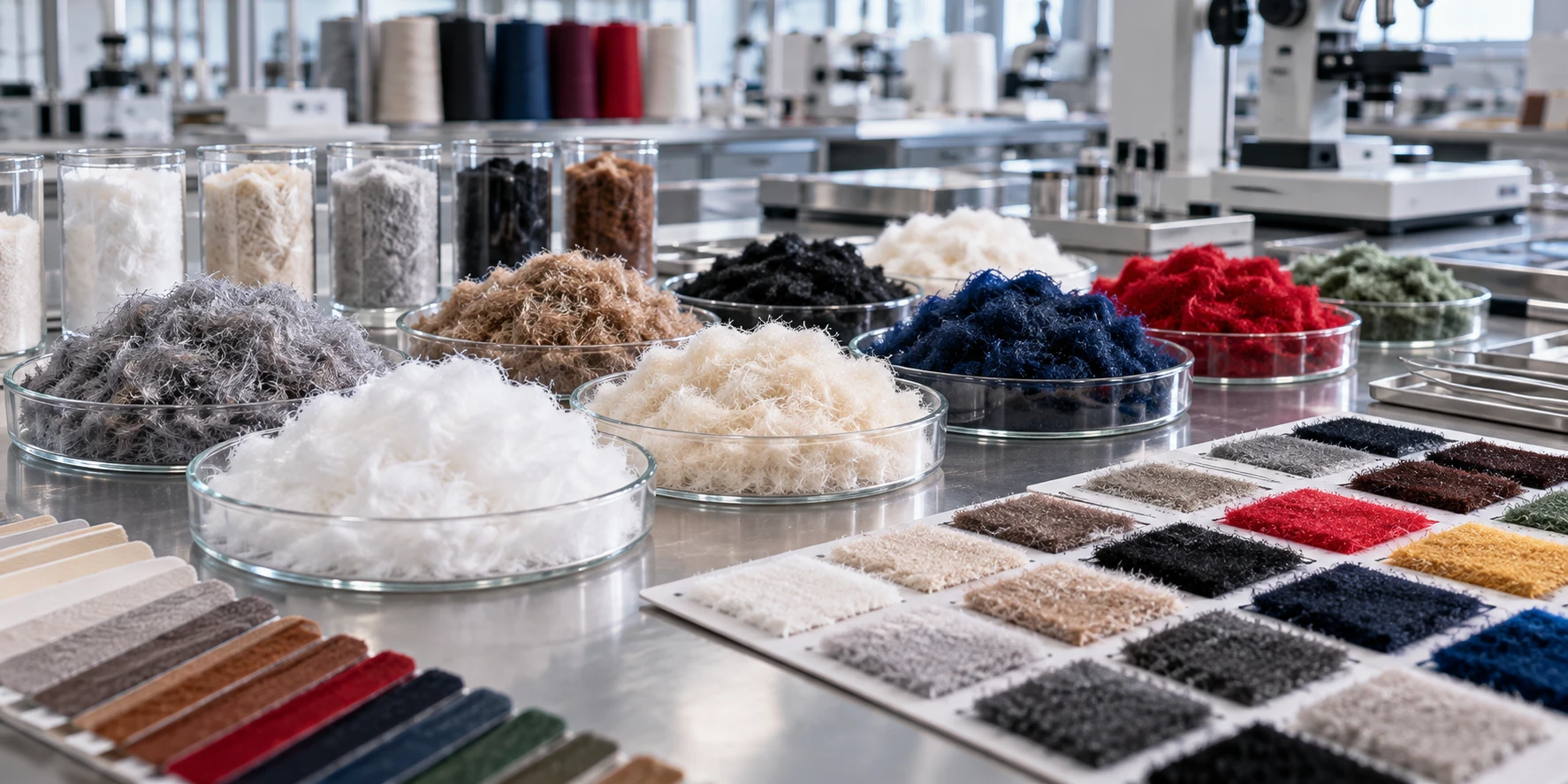
The production of flocking powder begins with selecting suitable fiber materials. Different fibers create different surface characteristics, so the choice of material should be based on the final application requirements rather than a single standard solution.
Common flocking materials include rayon, polyamide, polyester, and cotton. Each material provides different advantages depending on the required softness, durability, appearance, and processing performance.
Rayon flocking fiber is often selected for applications where a soft hand feel and refined visual effect are important. It is commonly used for decorative products, packaging, and surfaces where tactile experience plays an important role.
Polyamide flocking fiber provides stable performance and durability, making it suitable for applications where the flocked surface needs to maintain consistent quality during use. Polyester offers reliable processing characteristics, while cotton can be considered when a more natural fiber appearance is preferred.
Because different applications require different surface effects, selecting the correct fiber material is the first step in producing suitable flocking powder.
How Is Flocking Powder Manufactured?
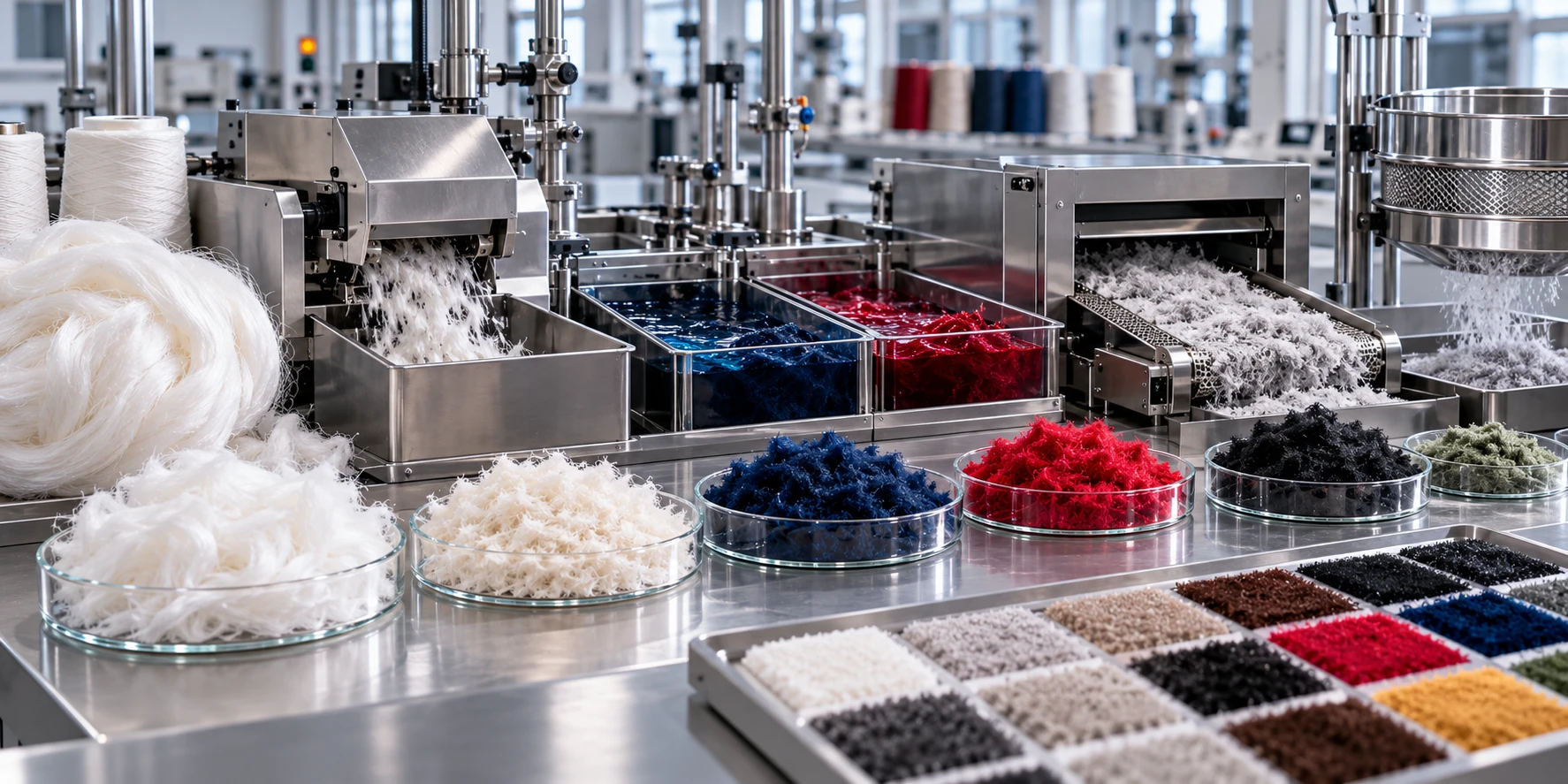
The manufacturing process of flocking powder focuses on transforming selected fibers into short, controlled fibers with consistent characteristics.
Fiber preparation is the foundation of the process. Before fibers are converted into flocking powder, manufacturers need to evaluate material properties, target fiber length, and application requirements. These factors determine how the final flocked surface will look and perform.
Fiber cutting is one of the most important stages because fiber length directly affects texture and surface appearance. Shorter fibers generally create a finer and smoother finish, which is suitable for applications requiring detailed patterns or a softer visual effect. Longer fibers create a stronger raised texture and more noticeable surface depth.
After cutting, fibers are dyed according to required colors and application needs. Color consistency is especially important for customers producing repeated orders, branded products, packaging, or decorative components. A stable dyeing process helps ensure that different production batches maintain a similar appearance.
The drying process helps control fiber condition after dyeing and supports stable processing performance. Proper moisture control helps improve storage stability and reduces variations during later flocking applications.
The final sieving and classification process helps maintain fiber consistency by separating unsuitable particles and improving fiber distribution. This stage plays an important role in achieving a more uniform flocking effect.
Through these combined processes, raw fibers are transformed into flocking powder suitable for different production environments.
Why Does Manufacturing Control Affect Flocking Powder Quality?
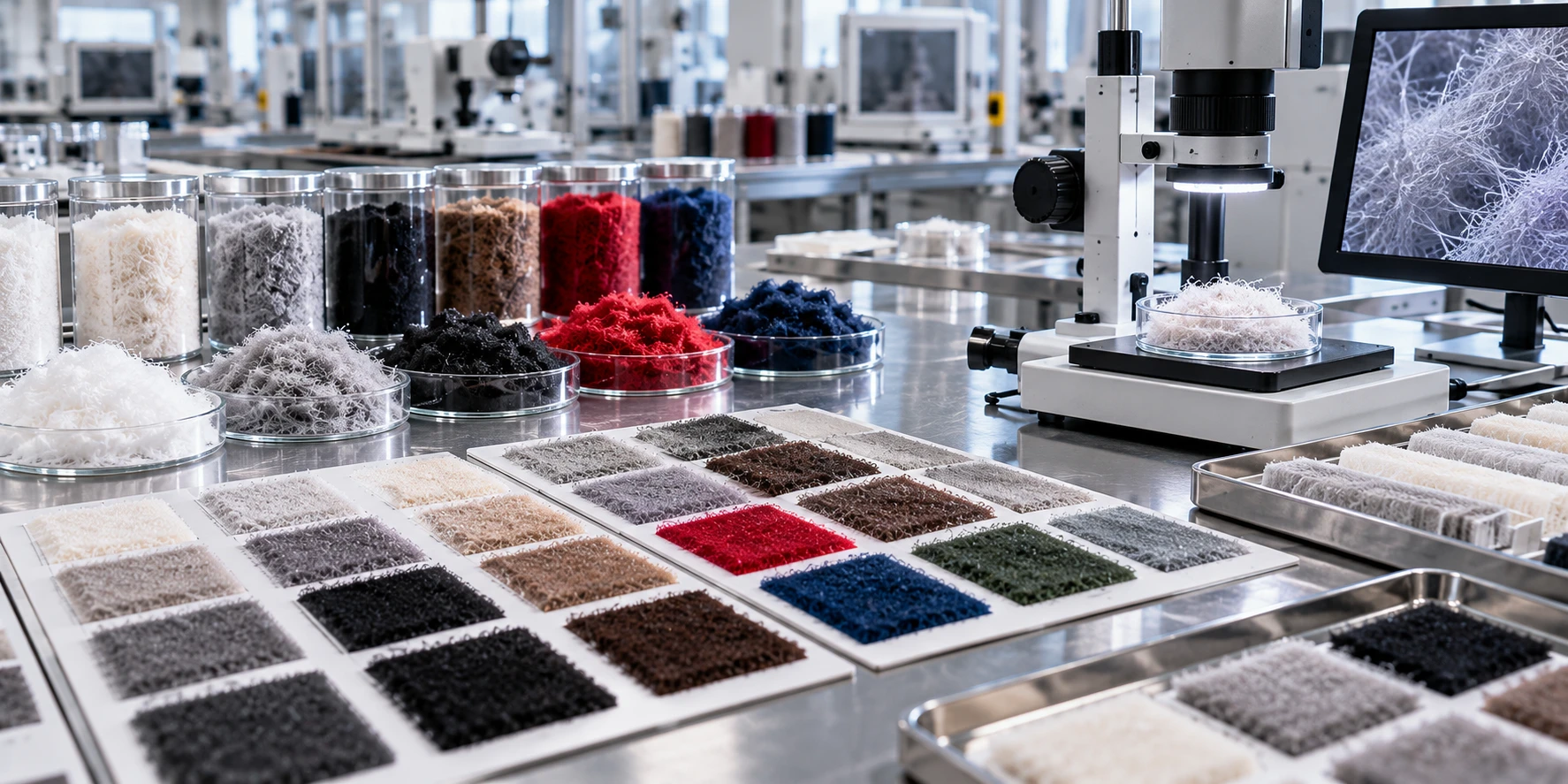
The quality of flocking powder is determined not only by the selected fiber material but also by how consistently each production stage is controlled.
For example, differences in fiber length distribution can influence the final texture and density of the flocked surface. Variation during dyeing may affect color consistency between production batches. Changes in moisture conditions or fiber separation may also influence processing stability.
For buyers, this difference becomes especially important during repeated production. A material that performs well in one sample does not always guarantee the same result in future orders unless the supplier has reliable manufacturing control.
Zhangs manages important production stages including fiber cutting, dyeing, drying, and sieving to maintain stable flocking fiber characteristics. This process control supports customers who require consistent material performance for different applications.
How Does Flocking Fiber Selection Influence Final Performance?
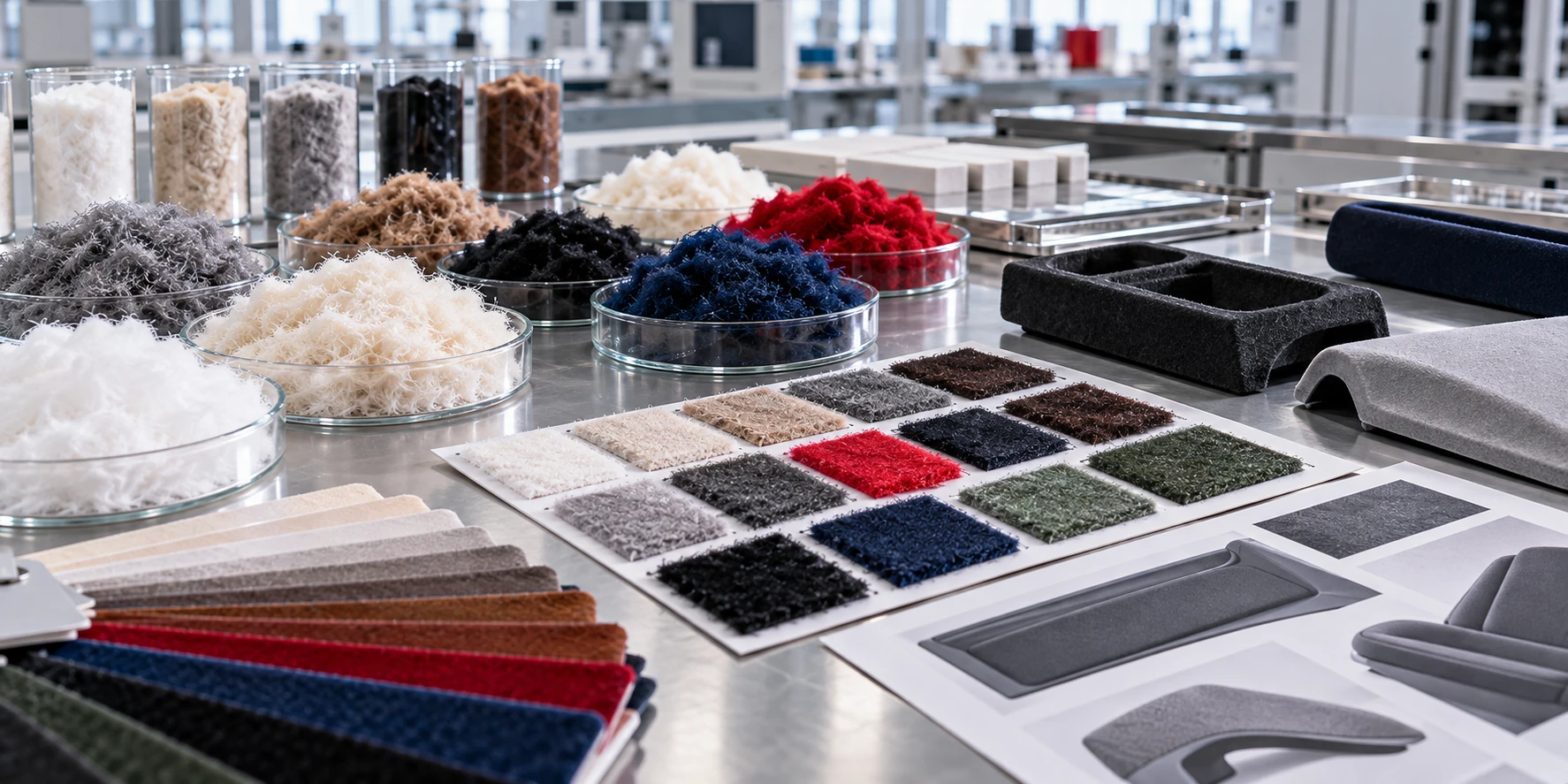
Choosing the right flocking fiber requires understanding the relationship between material characteristics and the final product requirements.
For packaging applications, appearance, softness, and premium surface texture are often important considerations. A finer fiber may create a smoother effect that enhances the perceived quality of the finished product.
For automotive interiors and industrial applications, durability and stable performance may become more important because the flocked surface can experience repeated contact or environmental changes.
Textile applications may focus more on touch, color effect, and design expression.
Therefore, flocking powder selection should not be based only on color. Fiber type, fiber length, substrate compatibility, and intended use should be considered together to achieve the desired result.
What Should Buyers Consider When Choosing Flocking Powder?
Choosing flocking powder requires evaluating the relationship between the material and the final application.
Before purchasing, buyers should consider the substrate, required surface effect, fiber material, fiber length, color requirements, and production conditions. Different products require different combinations of softness, appearance, and durability.
For example, decorative packaging may prioritize visual effect and tactile experience, while industrial components may require stronger performance and more stable processing results.
Providing product samples, drawings, or detailed application requirements allows suppliers to better evaluate compatibility and recommend suitable flocking specifications before mass production.
How Can Manufacturers Ensure Consistent Flocking Powder Supply?
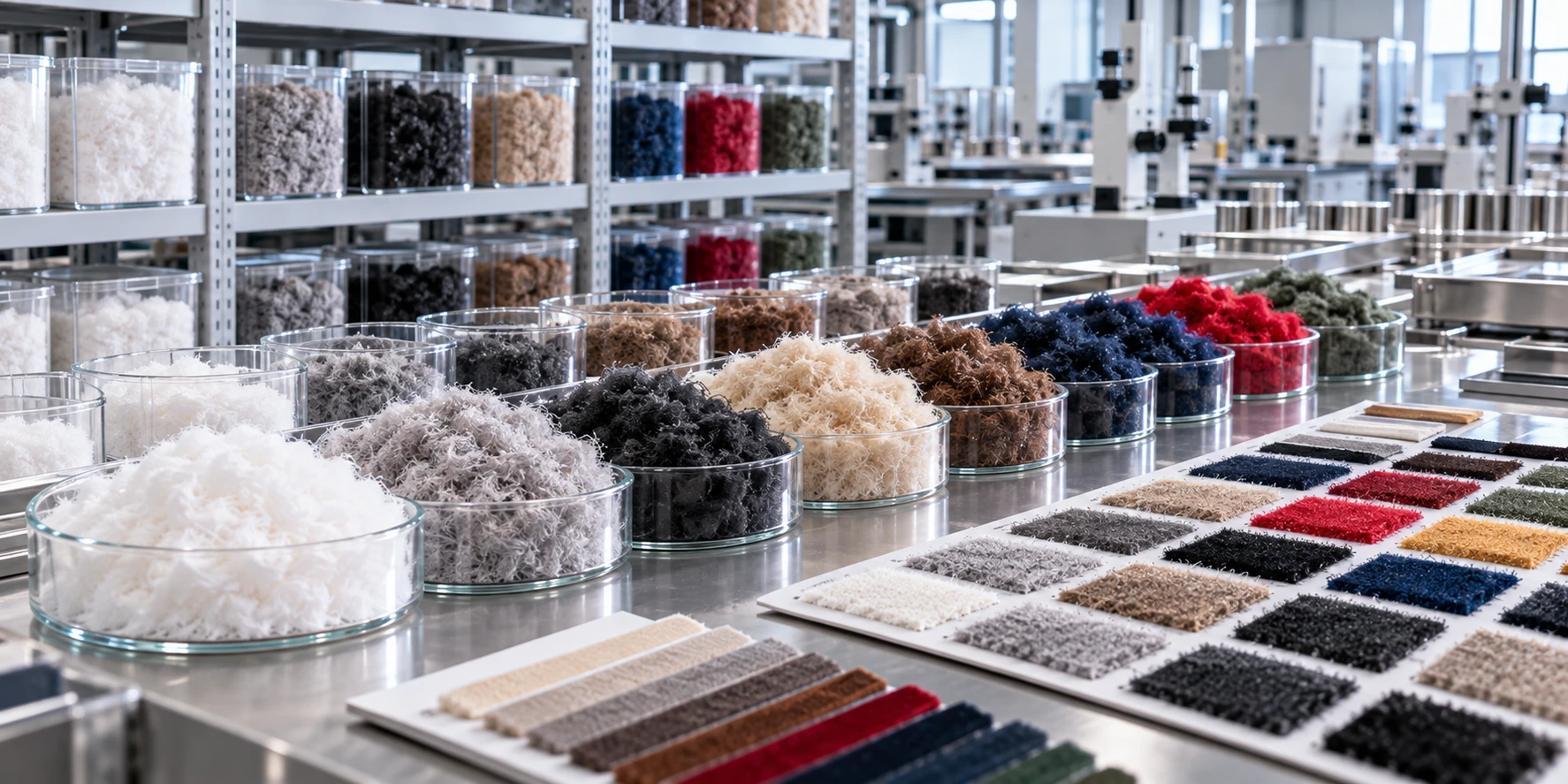
For long-term production, consistency is often more important than a single successful sample.
A reliable flocking powder supplier should be able to maintain stable raw materials, controlled production processes, and consistent product specifications over repeated orders.
Zhangs supports different flocking applications with multiple fiber options, including rayon, polyamide, polyester, and cotton. Through controlled processing stages and quality management, Zhangs helps customers select suitable flocking materials according to their application requirements.
For custom projects, cooperation during the sample stage allows material performance, surface effect, and production requirements to be evaluated before larger-scale manufacturing.
Frequently Asked Questions About Flocking Powder Production
How do you make flocking powder?
Flocking powder is produced by processing selected fibers through controlled stages including fiber preparation, cutting, dyeing, drying, and sieving. These processes determine fiber length, color consistency, and final flocking performance.
How to make flocking material?
Flocking material is made by selecting suitable fibers and processing them into controlled short fibers for flocking applications. The production process focuses on maintaining consistent fiber characteristics for different surface requirements.
What fibers are used to make flocking powder?
Common flocking fibers include rayon, polyamide, polyester, and cotton. The suitable fiber depends on the required softness, appearance, durability, and application environment.
Why does fiber length matter in flocking powder?
Fiber length affects the texture, softness, and visual depth of flocked surfaces. Short fibers create finer finishes, while longer fibers provide stronger texture and a more raised surface effect.
Can flocking powder be customized?
Yes. Flocking powder can be customized according to fiber type, fiber length, color, and application requirements to achieve different surface effects.
How do I choose the right flocking powder?
The right flocking powder depends on the substrate, application purpose, required texture, durability expectations, and production conditions. Providing application details helps suppliers recommend more suitable materials.
Conclusion
Understanding how flocking powder is made helps buyers better evaluate material quality and supplier capability.
From fiber selection and cutting to dyeing, drying, and sieving, each production stage influences the final flocking performance. A reliable manufacturing process helps maintain consistent appearance, stable application results, and predictable quality during repeated production.
By selecting suitable flocking material based on actual application requirements and working with an experienced supplier, manufacturers can achieve more reliable flocking solutions for textiles, packaging, automotive interiors, and industrial products.