Flocking is a surface finishing technology that applies short fibers onto a coated surface to create a soft, velvet-like texture and three-dimensional appearance. Unlike traditional printing methods that mainly add color or patterns, flocking creates a fiber layer that changes both the visual effect and tactile experience of the product.
Today, flocking is widely used in apparel, textiles, packaging, automotive interiors, decorative products, and industrial components. For manufacturers, understanding what is flocking, how the flocking process works, and how to select suitable flocking materials is important before developing products with specific surface effects.
What Is Flocking?
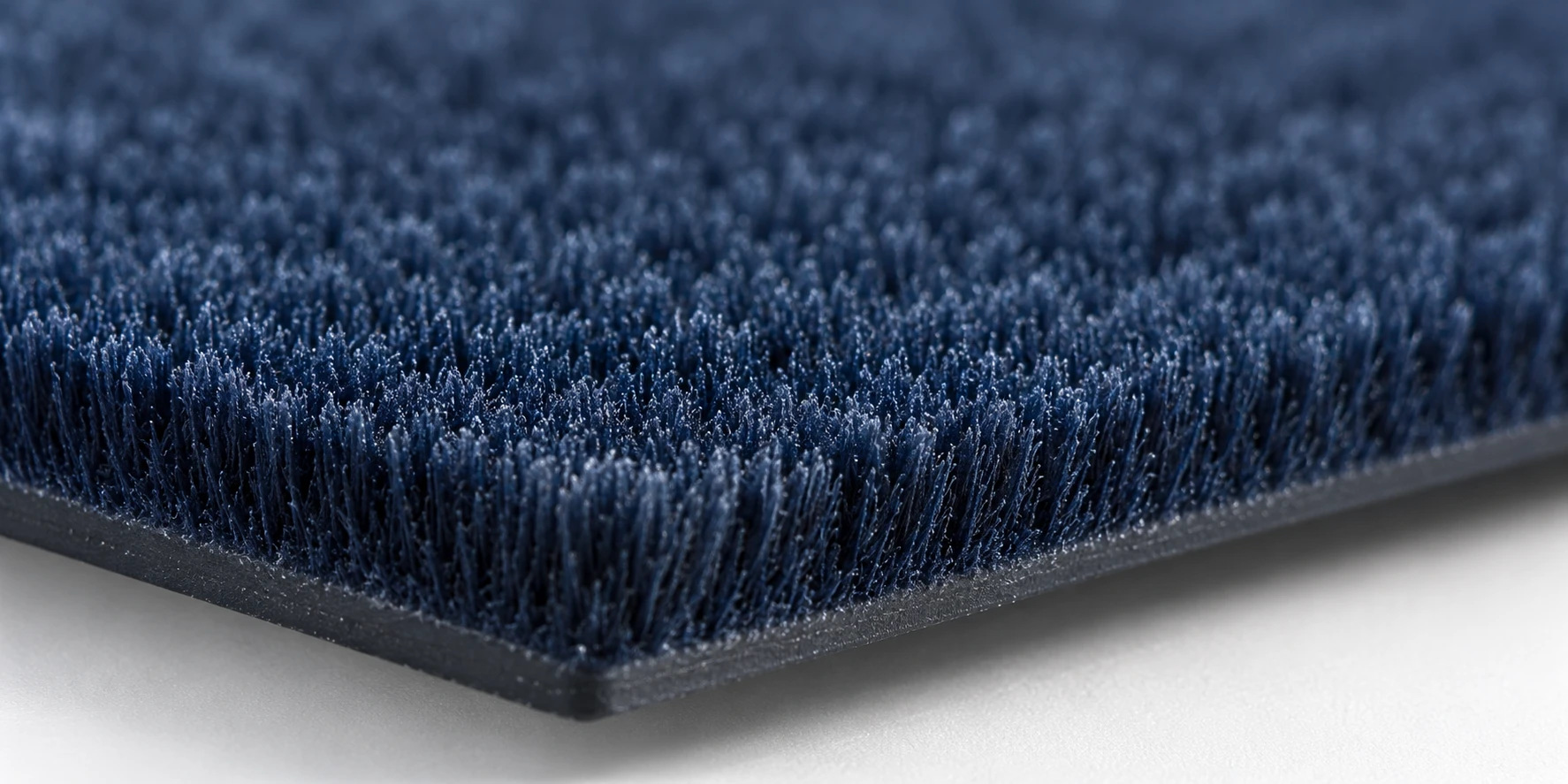
Flocking is a process that attaches small fibers onto an adhesive-coated surface to form a dense and uniform fiber layer. During production, fibers are prepared according to the required specifications and transferred onto the target surface through methods such as electrostatic flocking.
In electrostatic flocking, fibers receive an electrical charge and move vertically toward the adhesive surface. This vertical arrangement creates the soft velvet texture and raised appearance that makes flocking different from traditional surface printing.
The final flocked effect depends on multiple factors, including fiber material, fiber length, adhesive compatibility, and production control. A well-controlled process allows manufacturers to achieve consistent texture, color appearance, and surface quality.
What Materials Are Used for Flocking?
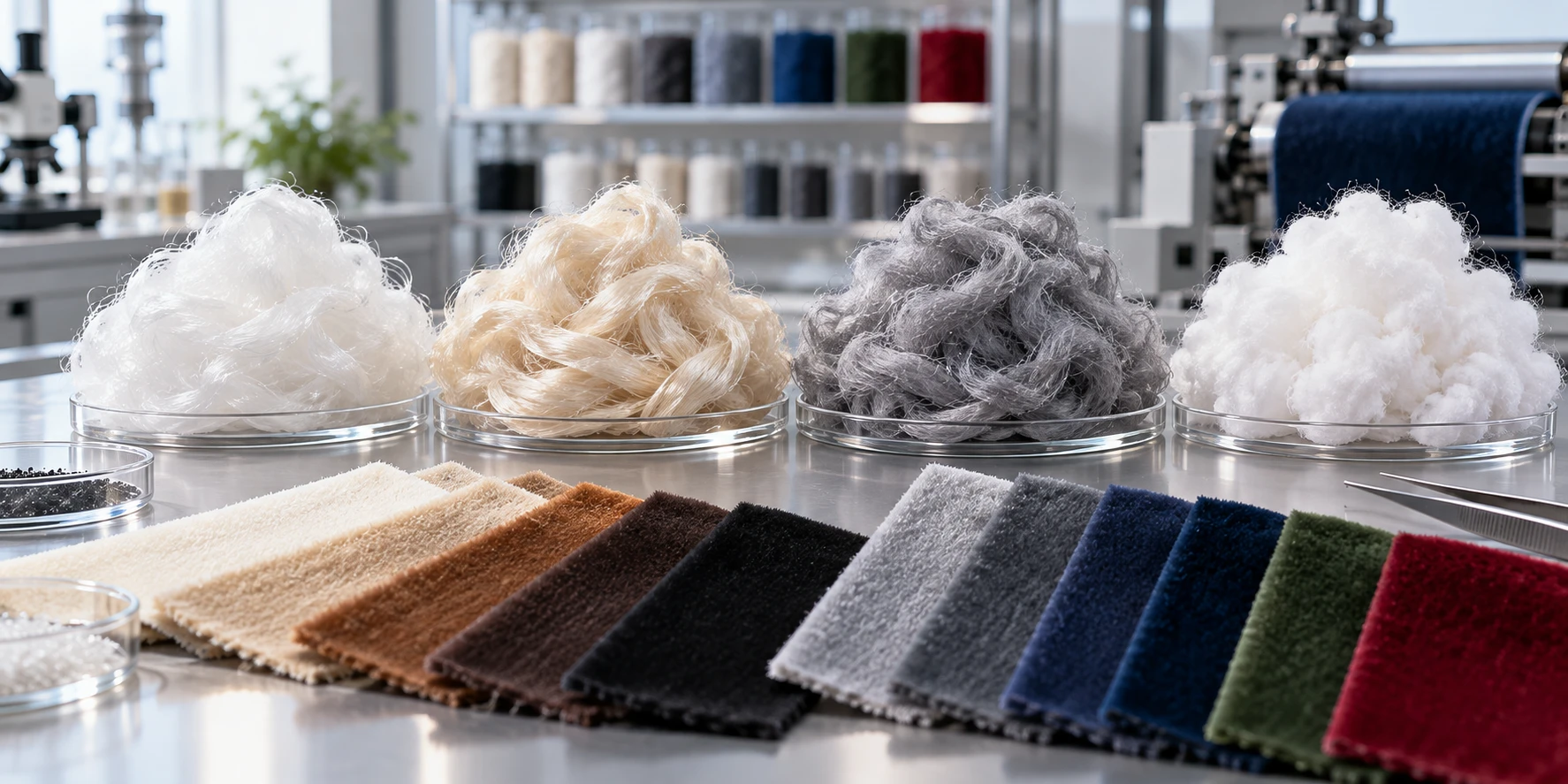
The selection of flocking materials directly affects the softness, appearance, durability, and processing performance of the final product.
Common flocking fiber materials include polyamide, rayon, polyester, and cotton. Zhangs provides different fiber options to support various application requirements.
Rayon fiber is often selected for applications requiring a soft hand feel and smooth surface appearance, making it suitable for textile decoration and premium products. Polyamide fibers are commonly used where stable performance and consistent flocking results are important. Polyester provides reliable processing characteristics, while cotton offers a more natural fiber feeling.
Besides fiber type, fiber length also influences the final surface effect. Shorter fibers can create a finer and smoother texture, while longer fibers provide a stronger raised appearance. Therefore, manufacturers should select fiber specifications based on the desired product effect rather than simply choosing a longer fiber.
How Does the Flocking Process Work?
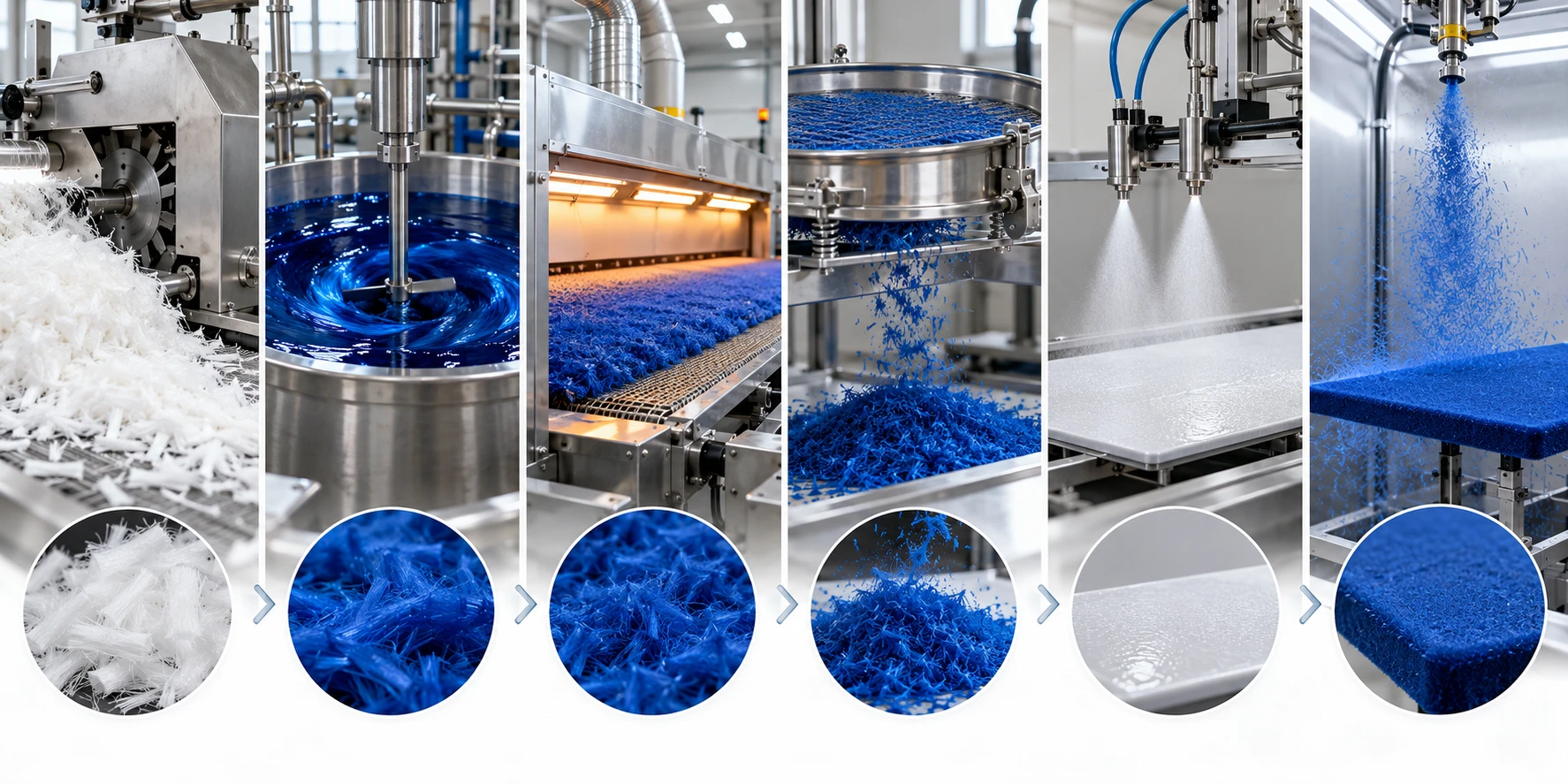
A stable flocking process requires precise control throughout fiber preparation and application. Although production methods vary depending on the application, the main steps usually include fiber preparation, treatment, drying, sieving, adhesive application, flocking, and finishing.
The first stage is fiber preparation. The fiber is cut into the required length according to application requirements. Zhangs uses cutting processes to prepare flock fibers with controlled specifications.
After cutting, fibers are dyed according to customer requirements. During this stage, conductivity and electro-treatment characteristics are also controlled because these properties influence flocking performance.
The drying process helps maintain suitable moisture conditions and improves fiber performance during application. Proper control at this stage helps reduce impurities and maintain stable fiber movement.
The final preparation step is sieving, which separates fibers according to size requirements and improves uniform distribution.
During the application stage, adhesive is applied to the product surface, and flock fibers are transferred onto the adhesive layer. After drying and finishing, excess fibers are removed to create a consistent flocked surface.
What Is Flocking Used For?

The purpose of flocking is not only decorative. It can improve product appearance, touch experience, and functional performance depending on the application.
In apparel and textile industries, flocking applications include fashion garments, logos, labels, decorative patterns, and textile accessories. The soft velvet texture helps brands create products with stronger visual identity and premium positioning.
In packaging, flocking is commonly used for luxury boxes, jewelry packaging, and gift products where manufacturers want to enhance the perceived value through a soft and refined surface.
For automotive interiors and industrial products, flocking can provide a soft-touch surface, reduce friction, and improve product appearance. Different fiber materials and specifications can be selected according to performance requirements.
Why Choose a Professional Flocking Material Supplier?
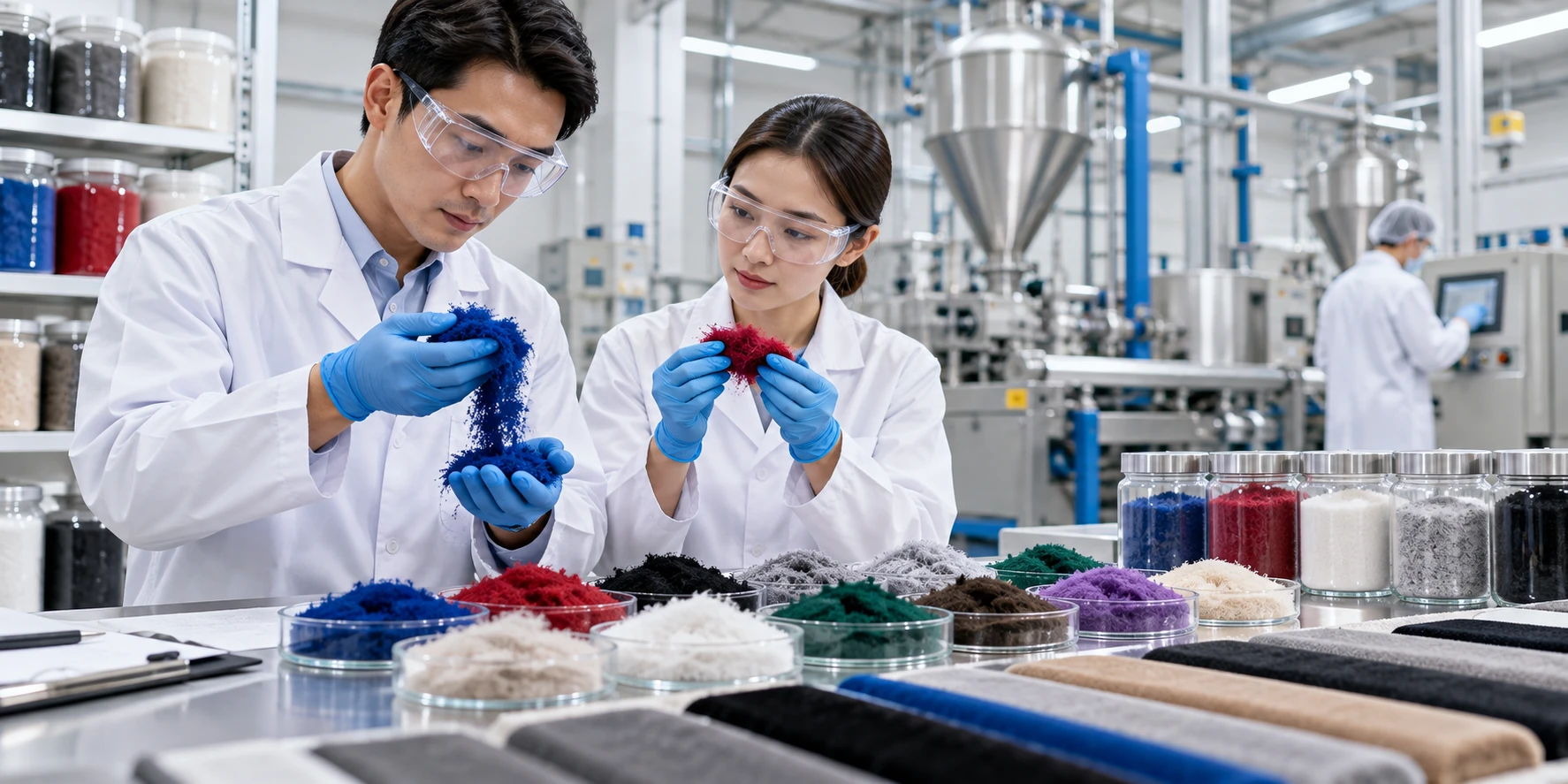
For manufacturers, flocking quality depends not only on application equipment but also on the consistency of raw materials. Differences in fiber length, color stability, conductivity, and processing performance can influence the final result.
Zhangs focuses on flocking material production and provides different fiber solutions, including polyamide, rayon, polyester, and cotton. The company has a production capability of 150 tons per month, supports MOQ from 50KG per color, and provides a typical lead time of 10–15 days.
Through controlled manufacturing processes including cutting, dyeing, drying, and sieving, Zhangs helps customers achieve stable flocking performance for different industries and product requirements.
Frequently Asked Questions About Flocking
How to flock something?
To flock something, the surface is first prepared with a suitable adhesive, and flock fibers are then applied to create a textured fiber layer. In industrial production, electrostatic flocking is commonly used to help fibers stand vertically and achieve a uniform velvet effect. The final result depends on fiber selection, adhesive compatibility, and process control.
How to flocking?
The flocking process usually includes fiber preparation, adhesive application, fiber transfer, drying, and finishing. Fiber type, length, and treatment methods should be selected according to the required surface effect. Professional manufacturers control these steps to maintain stable flocking quality and consistent appearance.
What are the instructions for applying flocking?
Applying flocking requires a clean surface, suitable adhesive, and properly selected flocking materials. Before production, manufacturers should evaluate the substrate, required texture, and durability requirements. Selecting the right fiber specification and controlling the application process are important for achieving reliable flocked results.
What is the flocking technique?
The flocking technique is a surface finishing method that applies short fibers onto an adhesive-coated surface to create a soft and three-dimensional texture. Among different methods, electrostatic flocking is widely used because it helps fibers distribute evenly and create a consistent surface effect.
Conclusion
Flocking is more than a decorative process. By combining suitable fiber materials, controlled production techniques, and application experience, manufacturers can create products with unique texture, improved appearance, and enhanced user experience.
Understanding what is flocking, selecting suitable flocking materials, and controlling every stage of the flocking process are key factors for achieving consistent results. For businesses developing textile, packaging, automotive, or industrial products, choosing an experienced flocking material supplier can help turn design concepts into reliable finished products.