Introduction
When choosing materials with a soft and premium surface effect, manufacturers often compare flocked fabric vs velvet because both can create a luxurious texture and comfortable touch.
Although they may look similar, flocked fabric and velvet are produced through different manufacturing methods. Velvet is a woven fabric with a raised pile structure, while flocked fabric is created by applying short fibers onto a surface through flocking technology.
For apparel brands, textile manufacturers, and product developers, understanding the differences in surface look, production process, material flexibility, and application range helps select the right solution for different product requirements.
What Does Flocked Fabric Look Like?
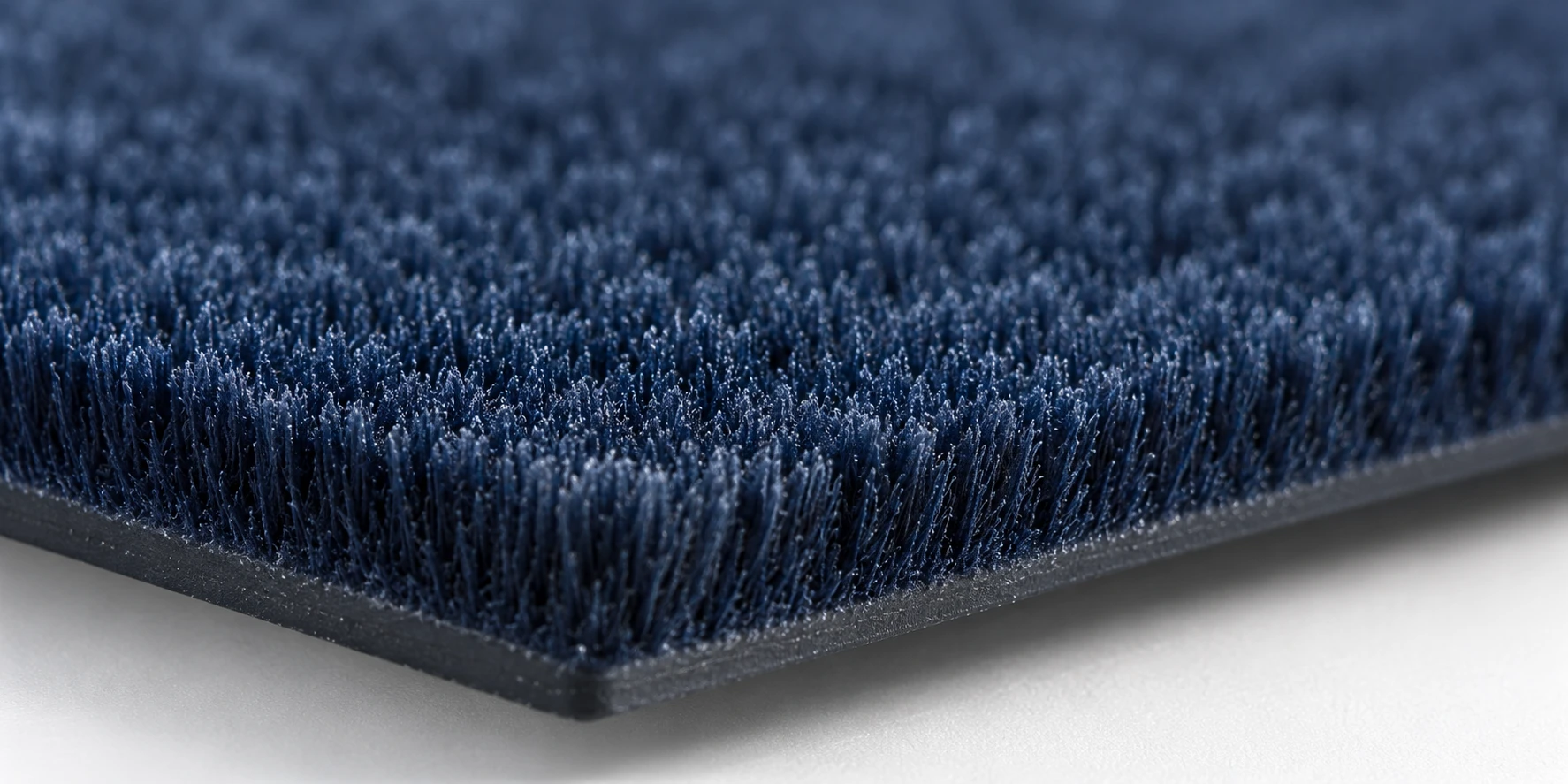
Flocked fabric has a soft, velvet-like surface created by attaching short fibers onto a base material through a controlled flocking process.
During electrostatic flocking, fibers are charged and vertically applied onto an adhesive-coated surface, creating a dense fiber layer. This structure gives flocked fabric its characteristic soft touch, raised texture, and three-dimensional appearance.
Unlike traditional woven fabrics, flocking allows manufacturers to create a decorative surface effect on different substrates, including textiles, leather, plastics, packaging materials, and industrial products.
The final surface look of flocked fabric depends on factors such as fiber material, fiber length, color, and production control. Shorter fibers usually create a smoother and finer texture, while longer fibers provide a stronger raised effect.
Zhangs provides different flocking fiber options, including polyamide, rayon, polyester, and cotton, helping customers select suitable materials according to softness, appearance, and application requirements.
What's the Difference Between Flocked and Velvet?
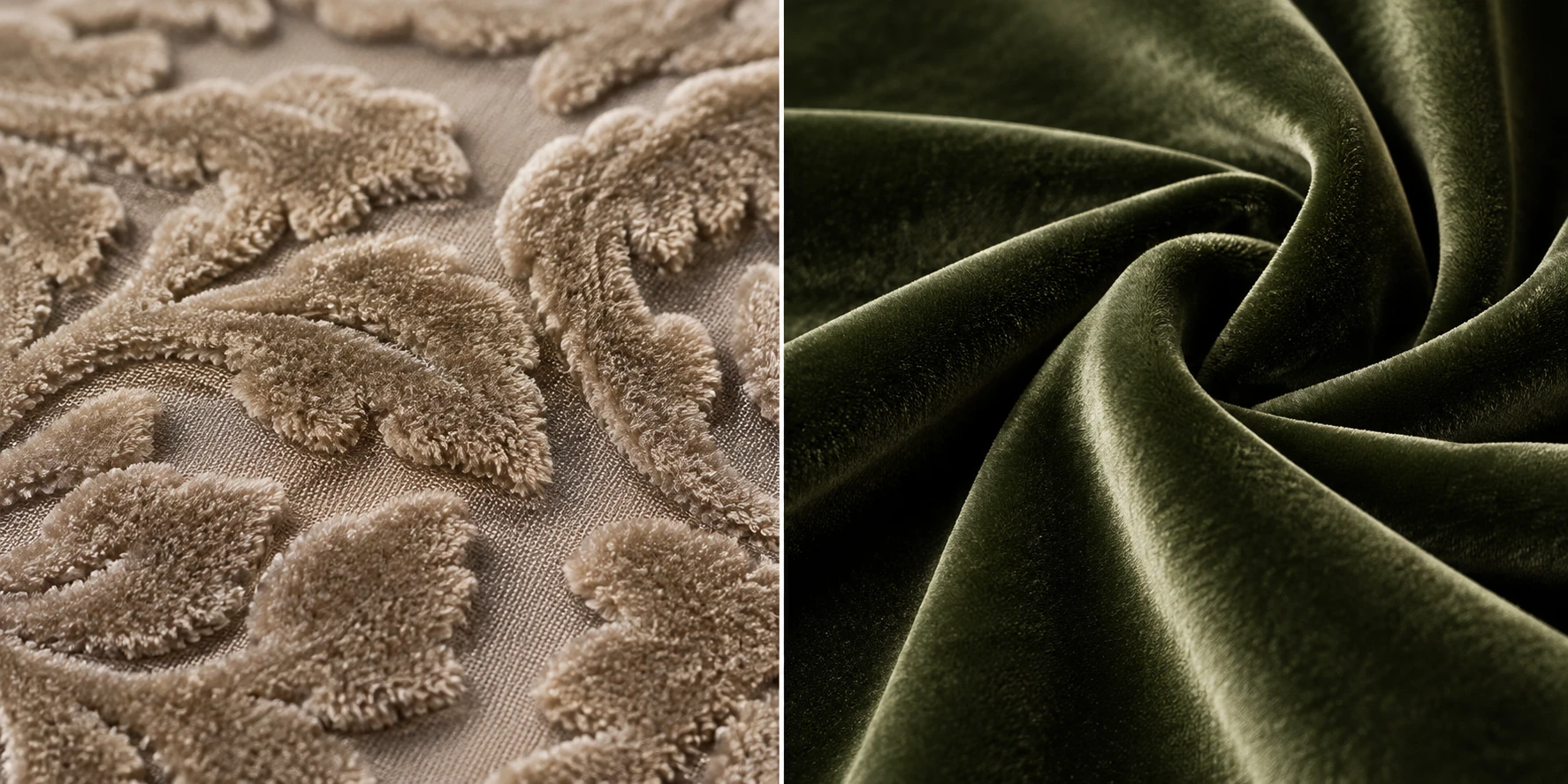
The main difference between flocked fabric and velvet is their production structure.
Velvet is a woven textile where the pile fibers are integrated into the fabric during manufacturing. This creates a consistent soft surface and makes velvet widely used in fashion, upholstery, and luxury textiles.
Flocked fabric uses a different approach. Instead of weaving fibers into the fabric, short fibers are bonded onto an existing surface through adhesive and flocking technology.
This difference gives flocked fabric greater flexibility for customized applications. Manufacturers can apply flocking effects to specific areas, patterns, or different base materials without producing the entire product from velvet.
For buyers, velvet is mainly selected when a complete textile material is required, while flocking is often chosen when a customized surface effect is needed.
Is Flocked Denim the Same as Velvet?
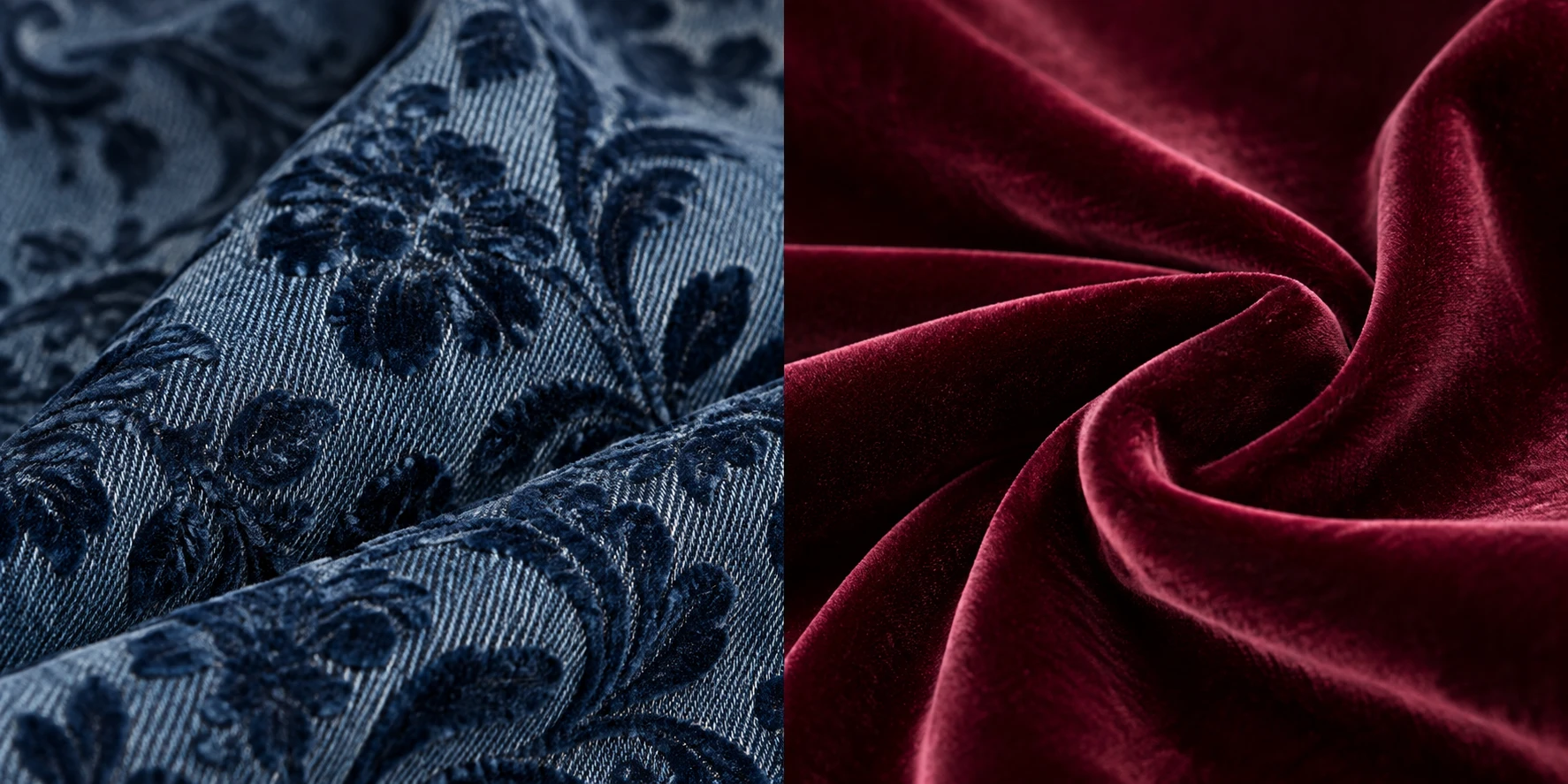
No, flocked denim and velvet are different materials.
Flocked denim is created by applying flocking fibers onto denim fabric to add a soft and raised surface effect. The original denim structure remains, while the flocking layer provides additional texture and visual impact.
Velvet, however, is a complete fabric produced through weaving technology. Its soft surface comes from the internal pile structure rather than an additional fiber layer.
For fashion manufacturers, flocked denim provides more design flexibility because brands can add patterns, logos, or decorative textures to existing denim products. This makes it suitable for customized apparel designs where manufacturers want a velvet-like appearance without replacing the original fabric.
Is Flocked Like Velvet?
Flocked surfaces can look and feel similar to velvet, but they are not exactly the same.
Both materials can provide a soft touch, rich texture, and premium visual appearance. However, velvet has a woven pile structure, while flocked surfaces are created by bonding short fibers onto a base material.
The final feeling of flocked material depends on the selected flocking materials, fiber length, and manufacturing process. By adjusting these factors, manufacturers can create different surface effects, from fine and smooth textures to more visible raised finishes.
For products requiring customized decoration or surface enhancement, flocking provides more flexibility than traditional velvet fabrics.
Flocked Fabric vs Velvet: Which One Should Buyers Choose?
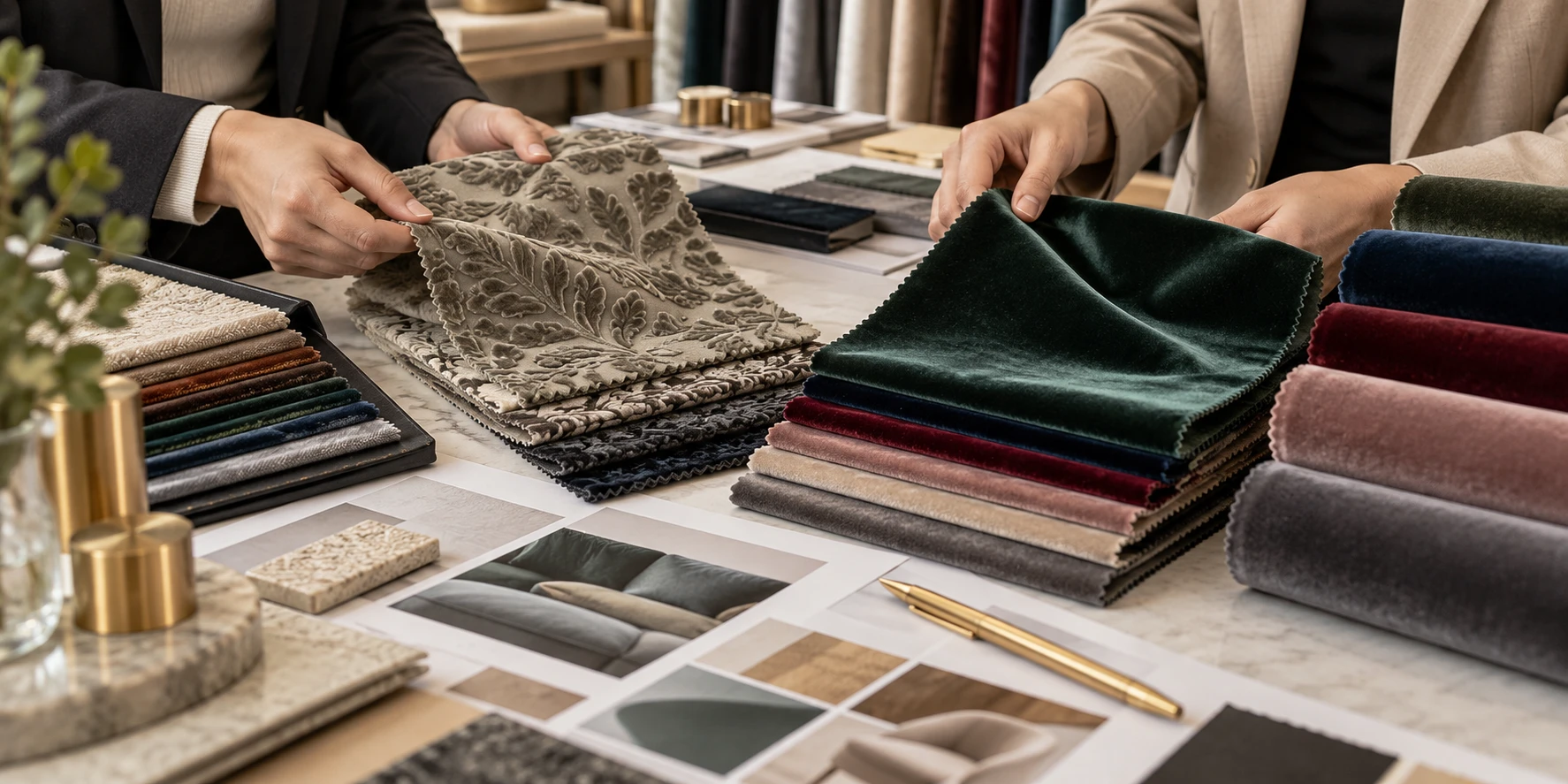
The right choice depends on the product requirements rather than simply comparing which material looks better.
Velvet is suitable for applications requiring a complete textile material with a traditional luxury appearance. It is commonly used in fashion garments, furniture, and interior textiles.
Flocked fabric is more suitable when manufacturers need a customized surface effect, especially for products requiring specific patterns, logos, textures, or applications beyond traditional fabrics.
For textile decoration, packaging, automotive interiors, and industrial products, flocking provides additional design possibilities because the fiber layer can be applied according to different product requirements.
Why Choose Professional Flocking Material Suppliers?
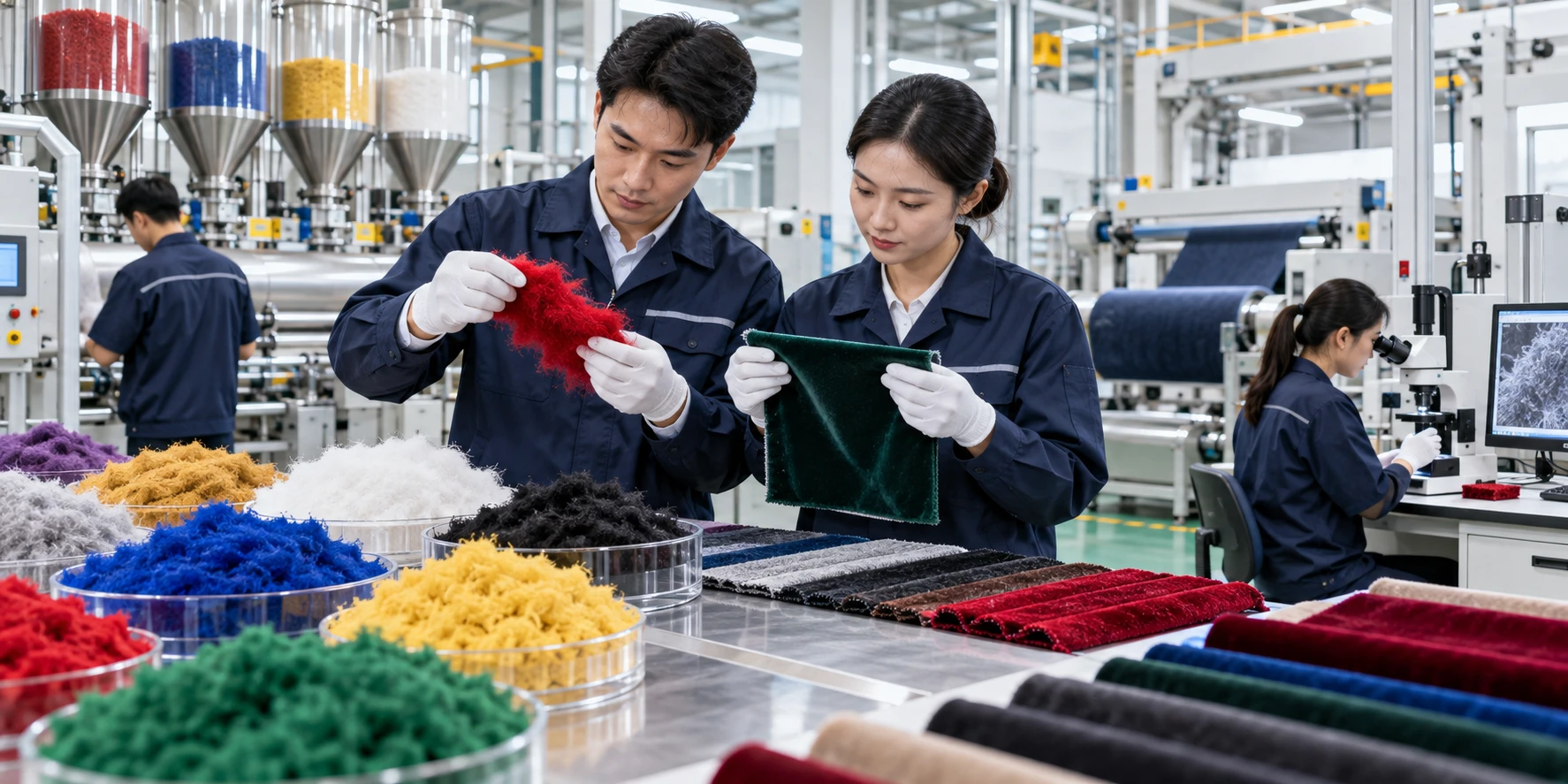
For manufacturers using flocked materials, raw material consistency directly affects the final product appearance and performance.
Factors such as fiber length, color consistency, conductivity, and processing stability can influence flocking quality. Therefore, selecting an experienced supplier is important for maintaining consistent production results.
Zhangs focuses on flocking material production and provides different fiber solutions, including polyamide, rayon, polyester, and cotton. The company has a production capability of 150 tons per month, supports MOQ from 50KG per color, and provides a typical lead time of 10–15 days.
Through controlled production processes including cutting, dyeing, drying, and sieving, Zhangs helps customers achieve stable flocking performance for different application requirements.
Frequently Asked Questions About Flocked Fabric and Velvet
What does flocked fabric look like?
Flocked fabric has a soft, velvet-like surface created by applying short fibers onto a base material. It usually appears smooth, dense, and slightly raised, with a three-dimensional texture created through the flocking process.
What's the difference between flocked and velvet?
The main difference is the manufacturing method. Velvet is a woven fabric with an integrated pile structure, while flocked fabric is created by bonding short fibers onto a surface. Flocked fabric provides more flexibility for customized surface applications.
Is flocked denim the same as velvet?
No. Flocked denim is denim enhanced with a flocking layer, while velvet is a complete woven fabric. Flocked denim keeps the original denim characteristics while adding a soft and decorative surface effect.
Is flocked like velvet?
Flocked surfaces can feel similar to velvet because both have soft raised fibers. However, velvet uses a woven pile structure, while flocking creates the surface effect by applying fibers onto a base material.
Conclusion
Flocked fabric and velvet can both create premium soft-touch surfaces, but they are designed for different manufacturing needs.
Velvet is a traditional textile material with a woven pile structure, while flocking is a flexible surface technology that allows manufacturers to add velvet-like effects to different products.
For businesses comparing flocked fabric vs velvet, understanding the differences in production method, surface appearance, and application requirements helps make better material decisions. Choosing suitable flocking materials and working with an experienced supplier can help achieve consistent quality and unique product designs.