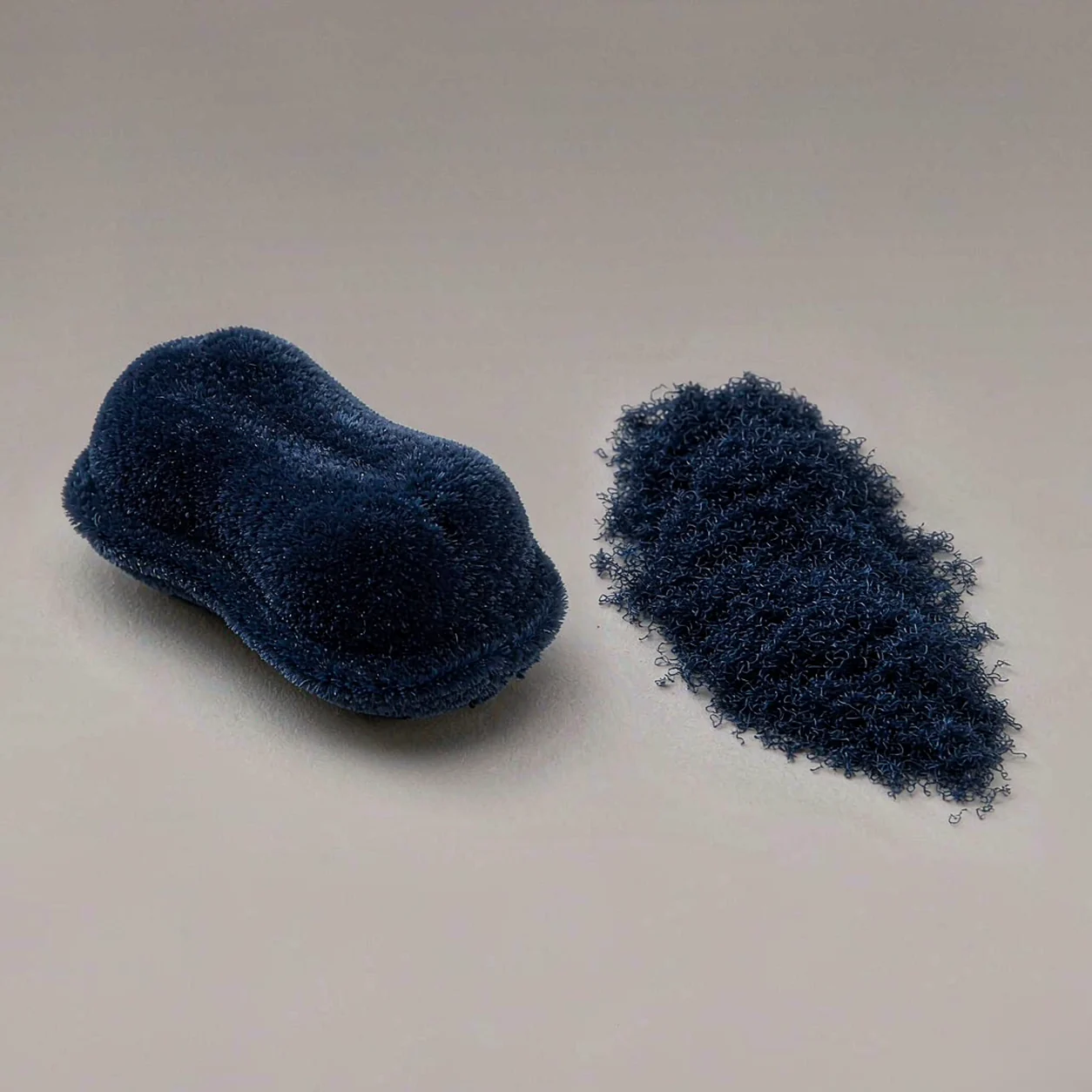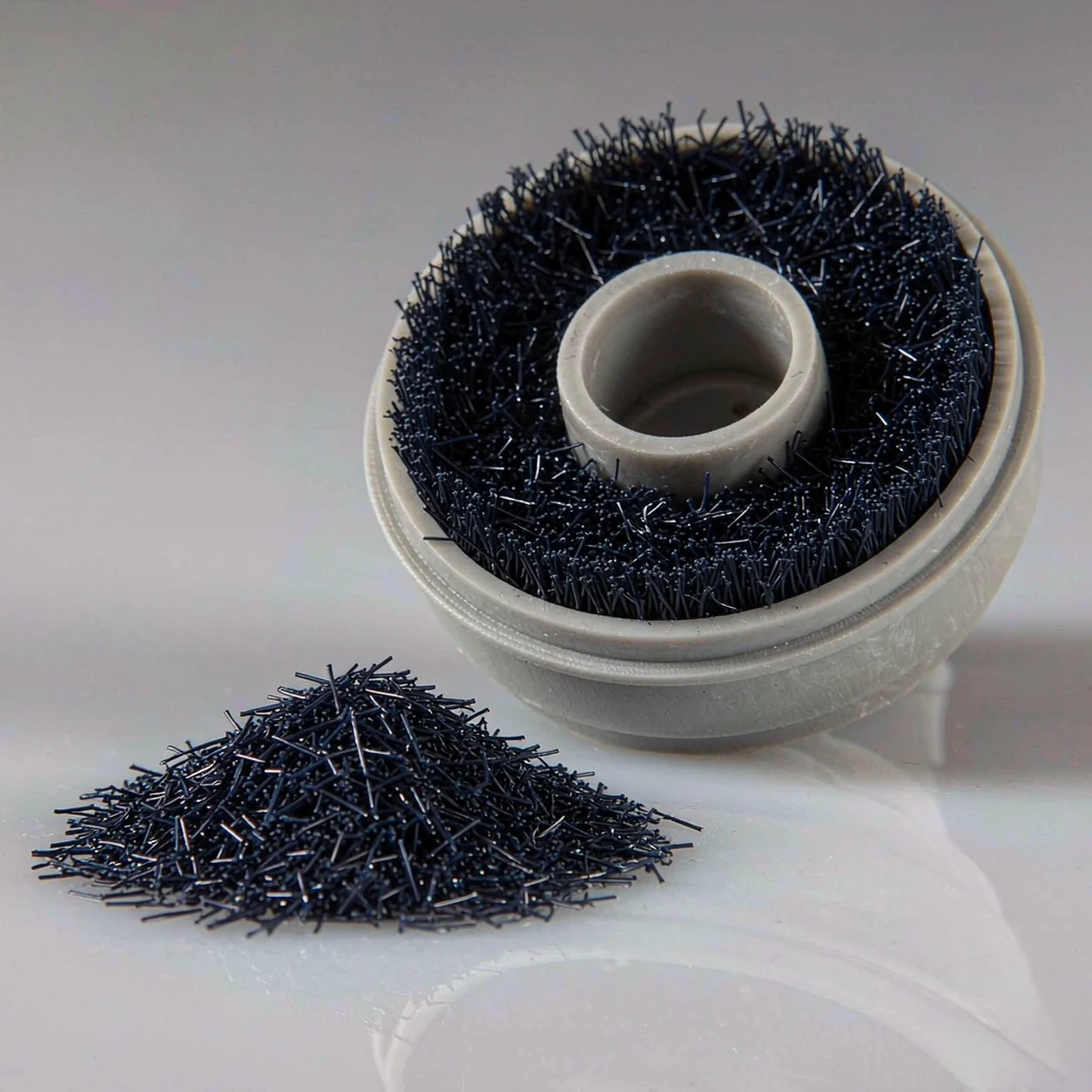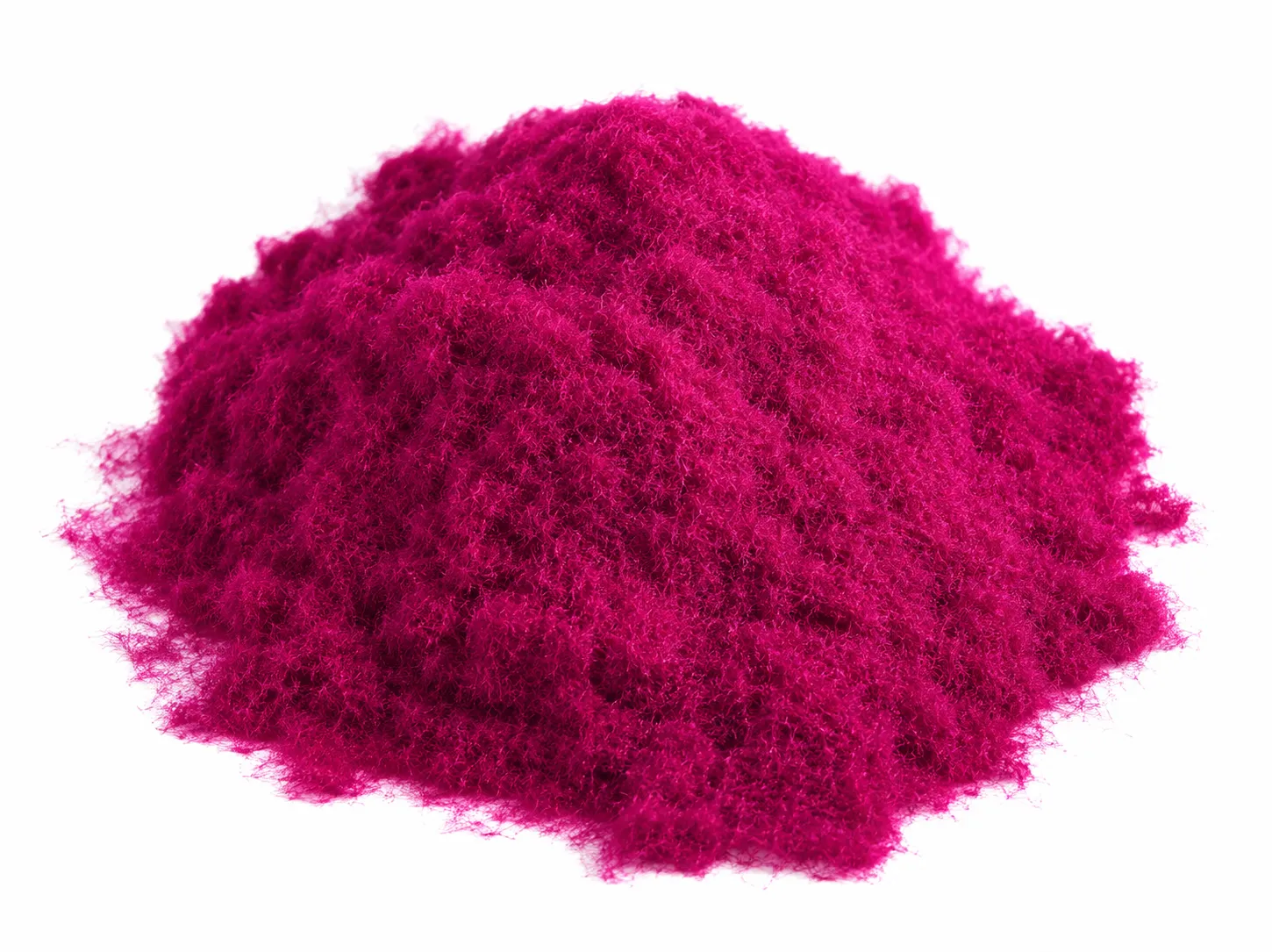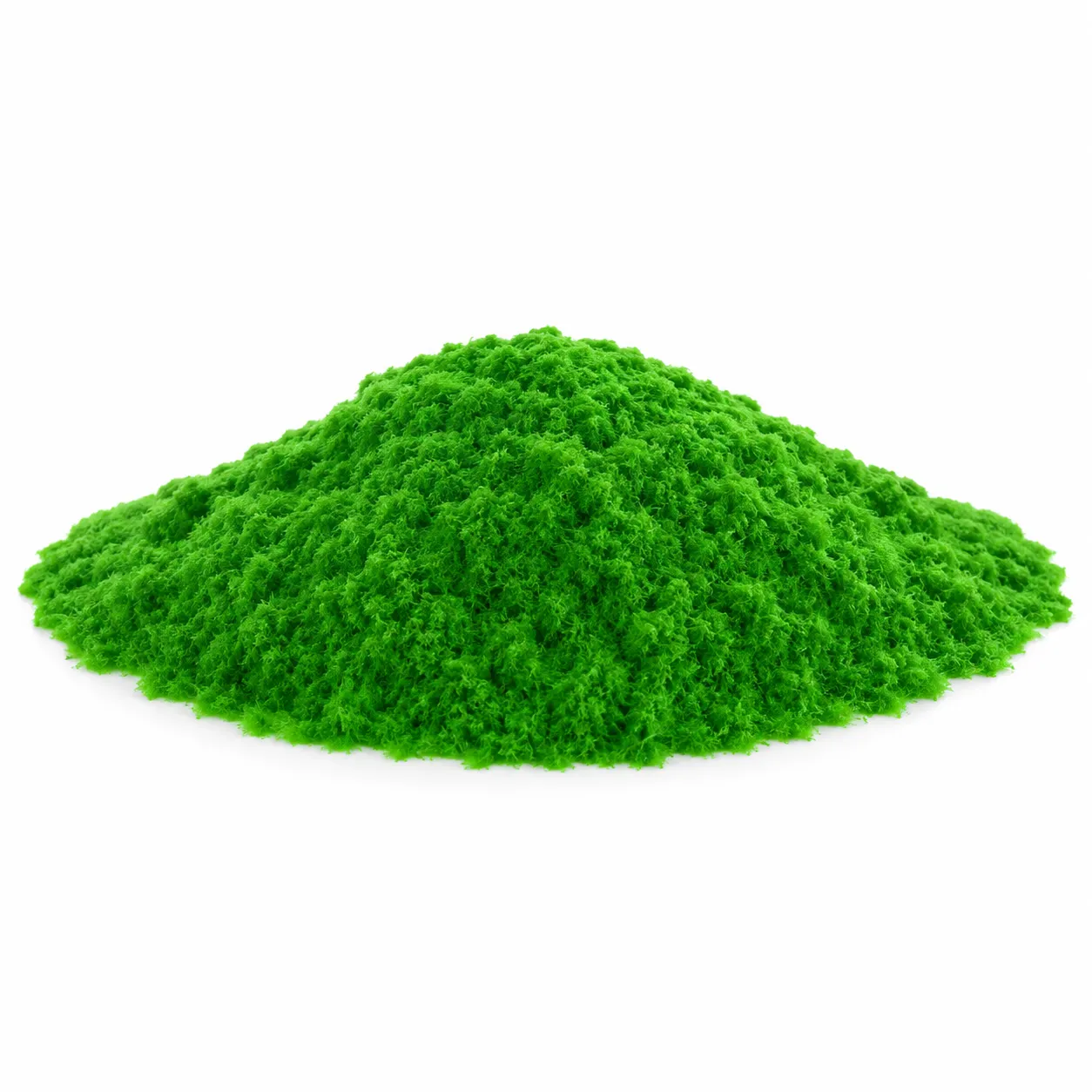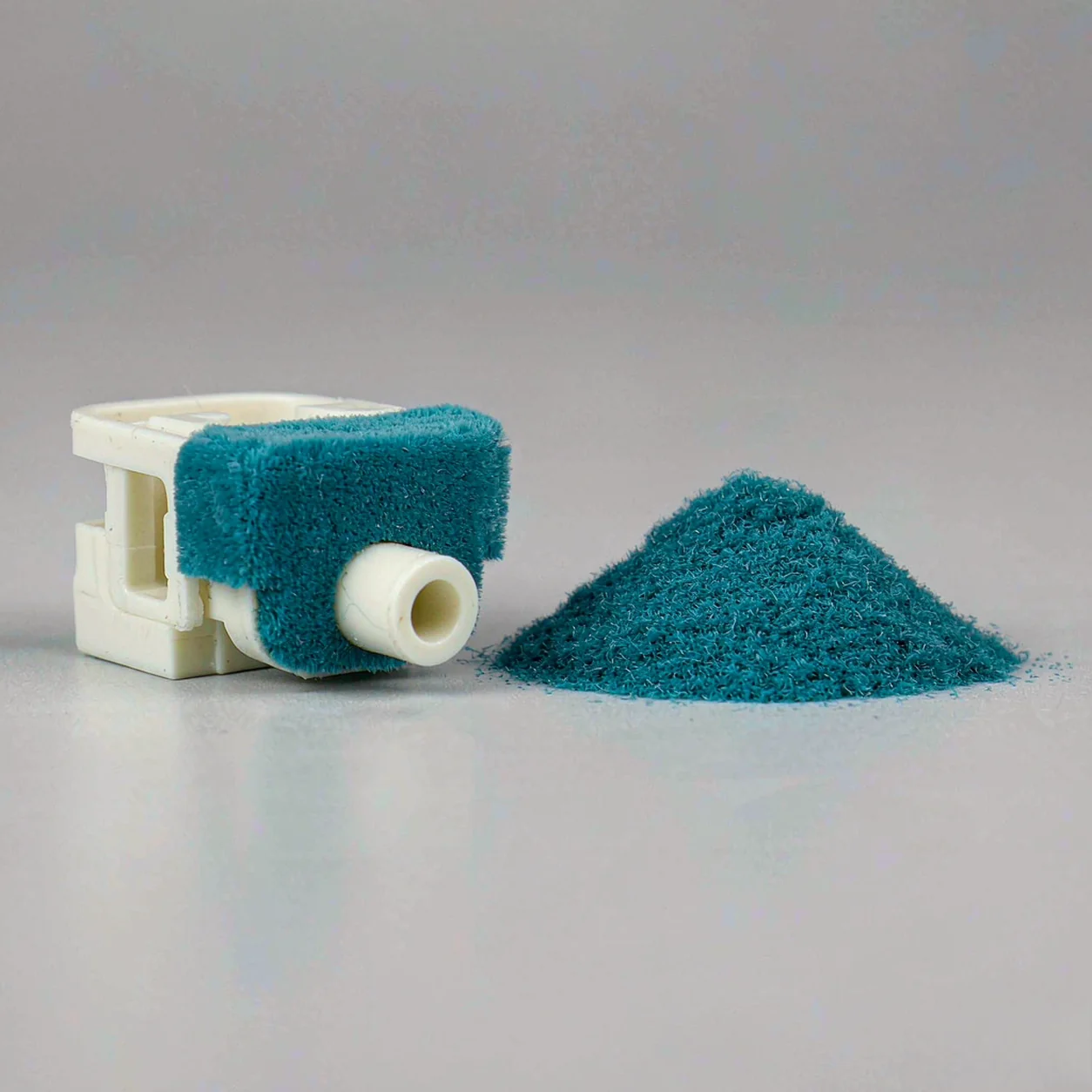
0.5mm Nylon Flock Fibers
Add a fine, low-profile texture to detailed surfaces with 0.5mm nylon flock fibers from Zhangs. A short-cut polyamide specification for subtle surface coverage, precise decorative boundaries and limited pile height.
Quick Facts
Product Type: Fine short-cut nylon flock fibers
Fiber Material: Nylon / Polyamide
Nominal Length: 0.5mm
Fiber Fineness: Selected dtex or denier grade, subject to confirmation
Surface Effect: Fine, compact, low-profile texture
Typical Uses: Fine printed patterns, paper decoration, detailed molded surfaces and precision finishing
Fine Surface Finishing with 0.5mm Nylon Flock
Explore the role of half-millimeter nylon fibers in products that require a subtle textured surface.
0.5mm nylon flock fibers are short polyamide filaments prepared for application to suitably adhesive-coated surfaces. Their limited cut length makes them a material option for fine finishing, where the texture should be noticeable at close range without visually dominating the underlying shape.
Unlike longer flock grades used to produce an obvious upright pile, a half-millimeter construction can resemble a fine textile-like coating. This distinction matters for printed graphics, shallow molded features and decorative components with narrow boundaries. The intended finish is compact rather than fluffy.
The 0.5mm designation provides a starting point for specifying the material, but it does not establish the complete grade. Fineness, polymer type, color and preparation requirements remain separate properties that must correspond to the intended manufacturing process.
0.5mm Nylon Flocking Fiber Specifications
Technical information for identifying a fine-cut polyamide flock grade and defining the required material properties.
| Specification | Details |
|---|---|
| Product Name | 0.5mm Nylon Flock Fibers |
| Fiber Material | Nylon / Polyamide |
| Product Form | Prepared short-cut filaments |
| Nominal Cut Length | 0.5mm |
| Fiber Fineness | Specified in dtex or denier |
| Polymer Grade | Specific nylon type subject to confirmation |
| Length Tolerance | Defined by the agreed product specification |
| Fiber Cross-Section | Depends on the source filament |
| Color Options | Available shades or custom colors, subject to confirmation |
| Surface Appearance | Fine, compact, low-profile flock |
| Application Method | Compatible electrostatic or adhesive-based flocking process |
| Quality Considerations | Length distribution, cleanliness, moisture and handling characteristics |

Low-Profile Decorative Coverage
A fine flocked layer introduces texture without creating a pronounced furry outline. On products with defined shapes or shallow decorative features, this allows the original form to remain visually dominant while adding a different surface character from ordinary paint or uncoated plastic.

Clearer Boundaries for Small Patterns
Intricate lettering and narrow decorative shapes require accurate separation between textured and untextured areas. The limited cut length can reduce the extent to which the pile visually spreads beyond its intended boundary, although the final edge is primarily controlled by adhesive placement and application accuracy.

Fine Surface Detail at Close Range
Short fibers can create a compact texture that becomes apparent when a product is handled or viewed closely. Instead of emphasizing individual strands, the finished surface presents a relatively continuous fibrous appearance, making this specification relevant to subtle decorative effects.

Nylon-Based Material Construction
Polyamide provides a synthetic fiber option for applications that require a defined polymer material rather than cellulose-based flock. Its actual performance depends on the selected nylon grade and finished construction; the short cut length should not be taken as proof of particular abrasion, cleaning or durability properties.
Short-Cut Fiber Preparation
Producing a half-millimeter grade places particular importance on the condition of the cutting process. A small amount of substantially longer material can interrupt the appearance of a fine finish. Zhangs' fiber cutting operations include blade maintenance and periodic dimensional checks relevant to preparing short-cut flock.
Monitoring of Cut-Length Variation
For precision surface applications, the nominal length is only one part of the specification. Zhangs' cutting inspection practices support assessment of fiber dimensions during production, while the acceptance tolerance for a particular 0.5mm nylon grade must be established separately rather than assumed from general cutting capability.
Removal of Unwanted Fibers
A compact finish can make off-length strands more noticeable than they would be in a fuller pile. Zhangs uses repeated sieving during fiber preparation to help separate unwanted material and improve the uniformity of the supplied flock, contributing to material preparation without guaranteeing a particular coating appearance.
Material Condition Checks
Fine fibers must remain suitable for handling and feeding before they reach the customer's production line. Zhangs' laboratory workflow includes checks relating to moisture, conductivity and fiber looseness, allowing relevant material characteristics to be monitored during preparation.
Clear Identification of Fine-Cut Grades
Materials described simply as 0.5mm nylon flock may differ in their source polymer, fineness or treatment. Zhangs can identify a production grade through these technical attributes, making it easier to distinguish one short-cut specification from another and maintain consistent order documentation.
 01
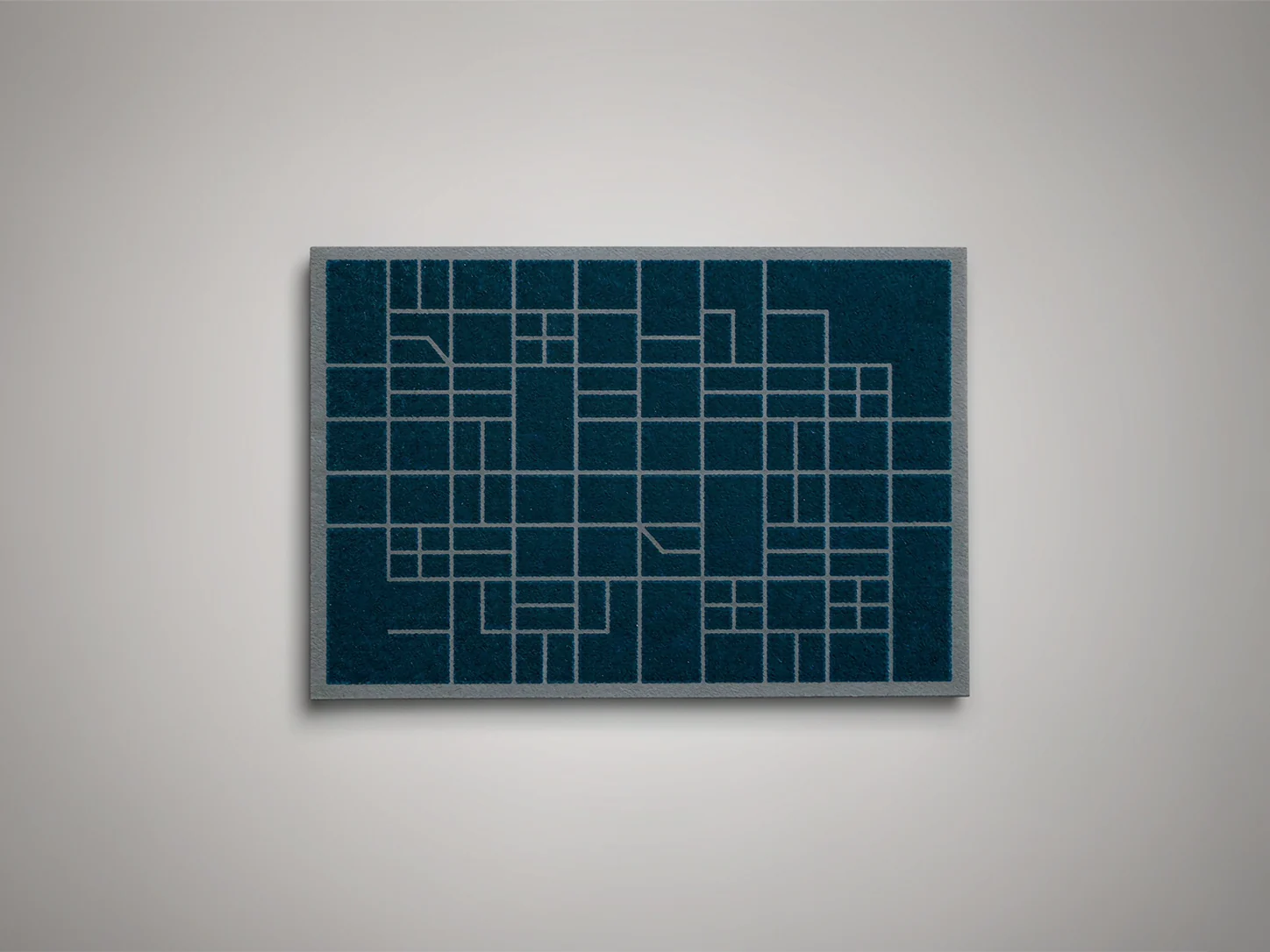
Fine Lettering and Printed Graphics
Detailed printed patterns require accurate registration between the design and the flocked area. Half-millimeter fibers can be considered for small lettering, logos and narrow graphic elements where a tall pile might visually soften the outline. Quality depends heavily on the precision of the adhesive print.
 02
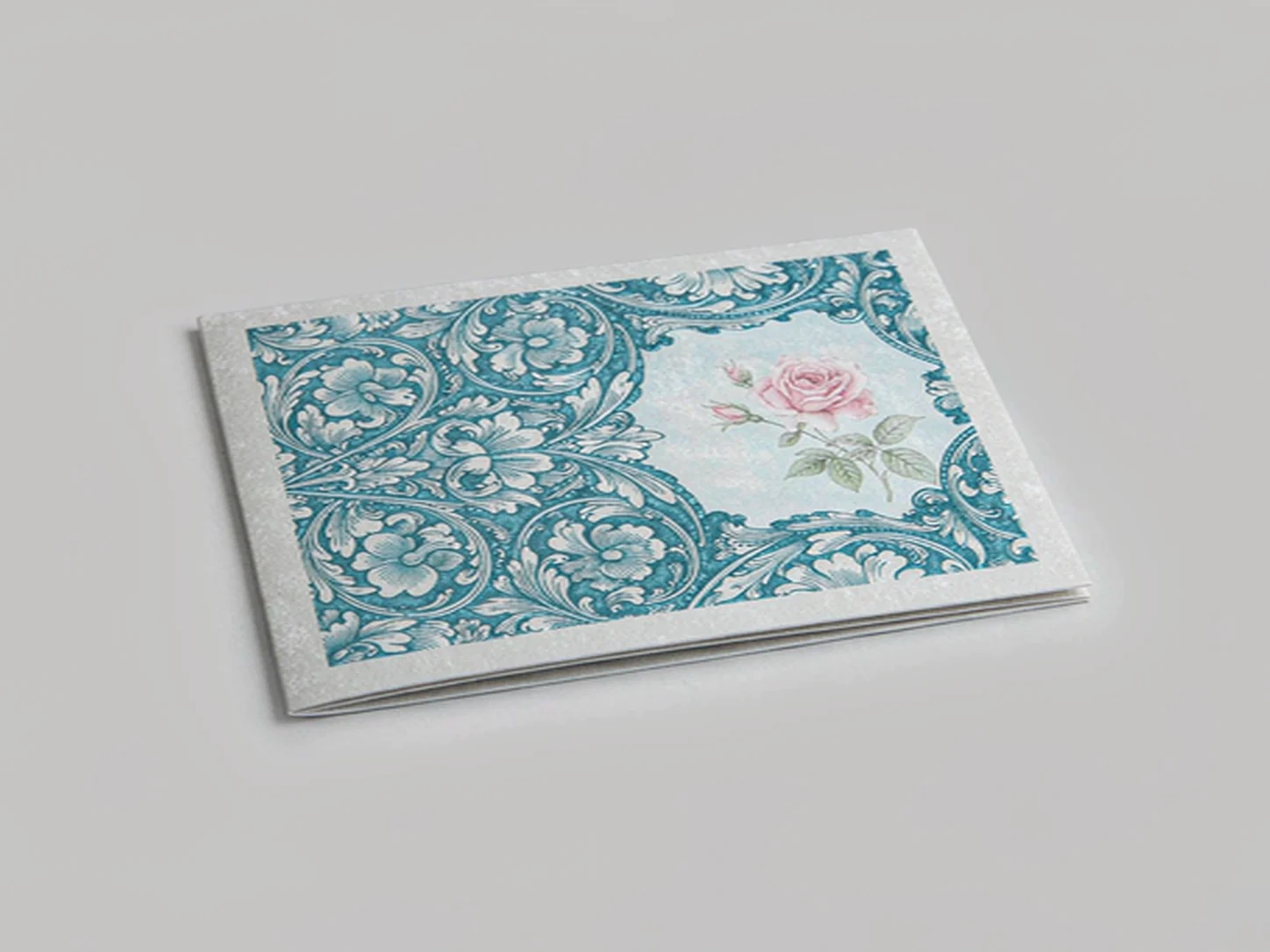
Specialty Cards and Embossed Paper
Selected paper decorations use texture to distinguish lettering, illustrations or embossed details from the surrounding printed surface. A fine nylon flock can introduce a low raised effect without creating the pronounced depth associated with longer fibers.
 03
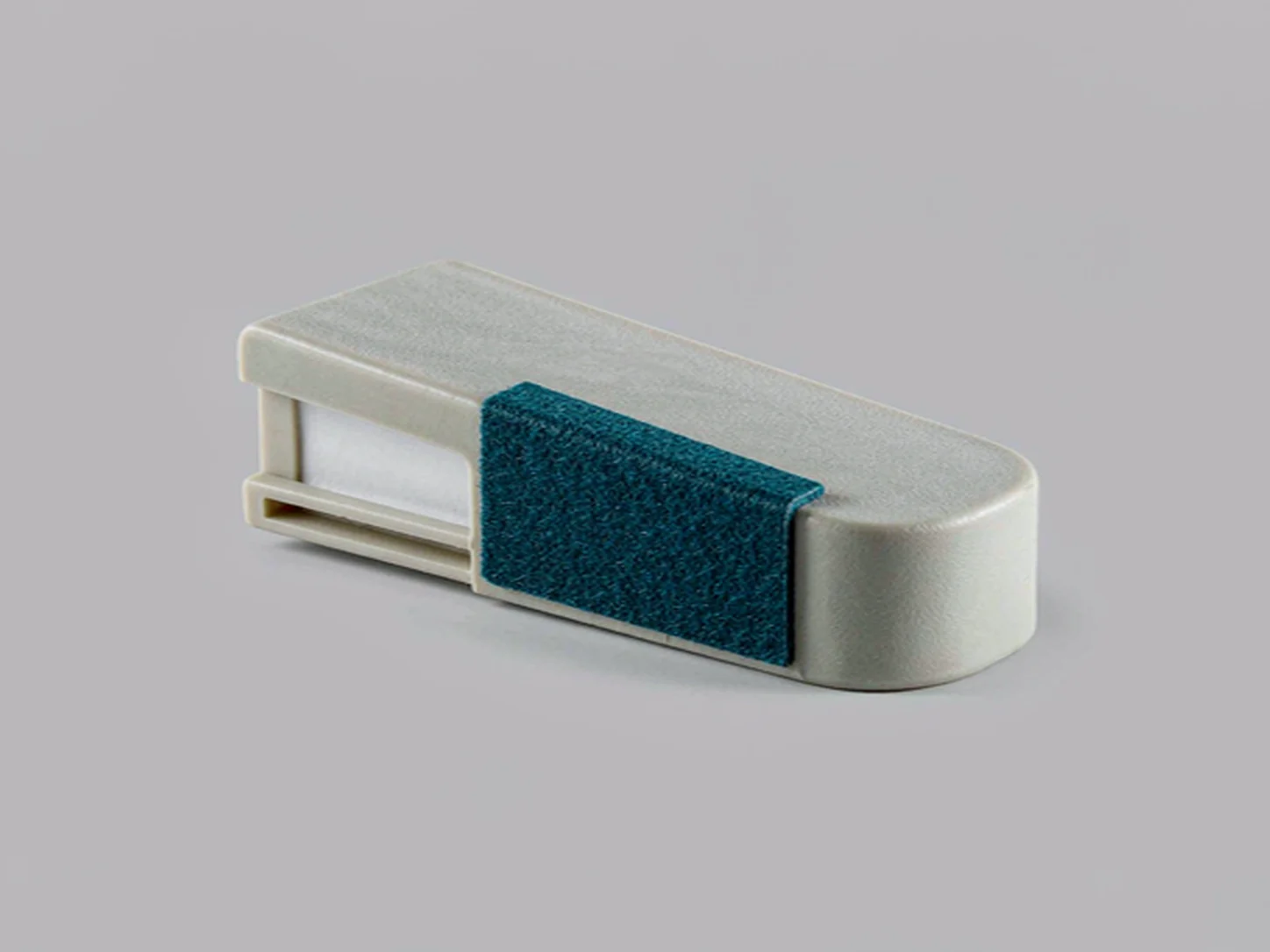
Small Molded Decorative Details
Tiny recesses, surface patterns and molded decorative sections can leave little room for an additional material layer. Applying fine flock to selected areas may provide surface contrast while retaining the general appearance of the molded design.
 04
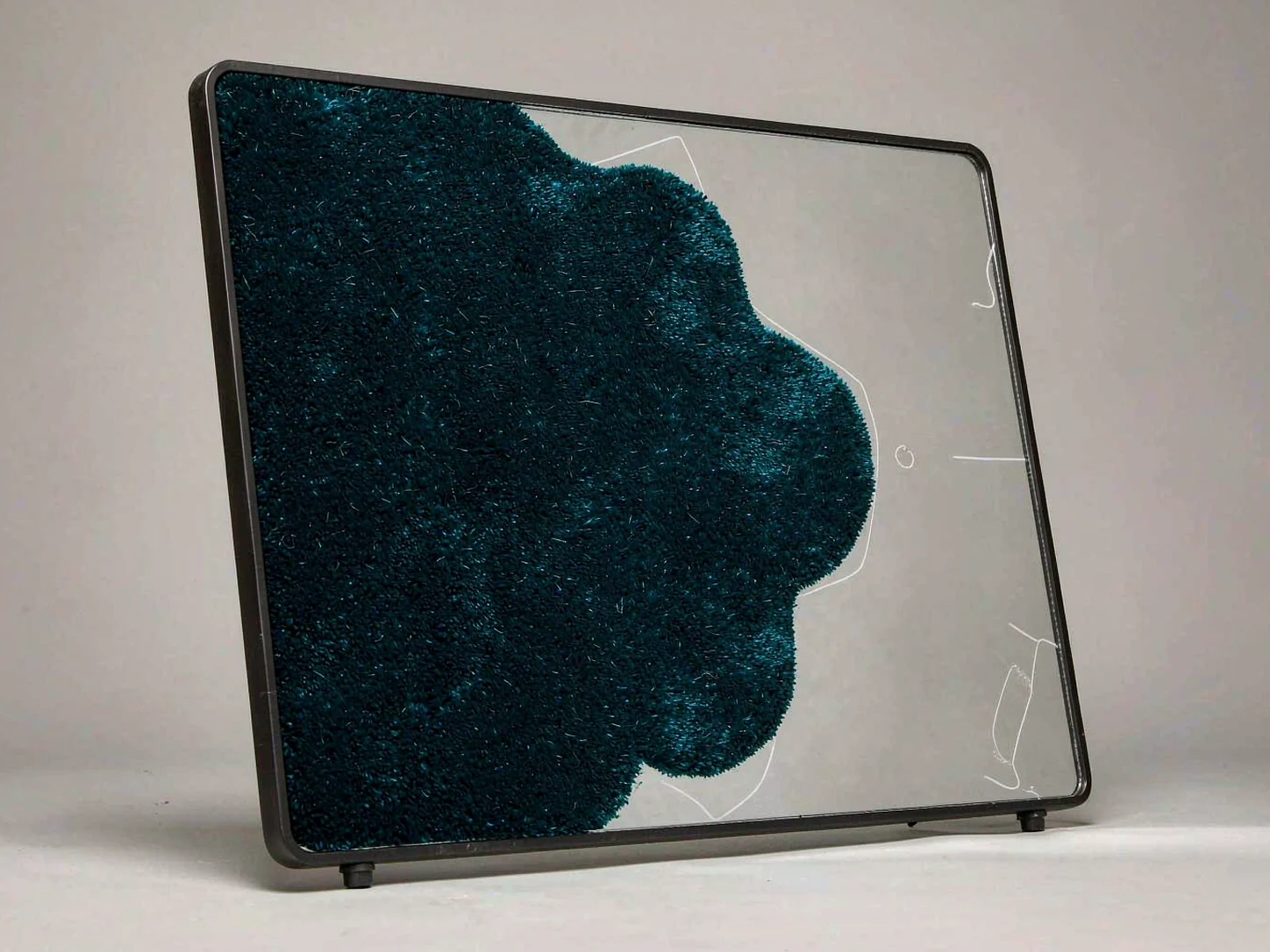
Decorative Instrument and Display Panels
Certain non-critical display panels use localized texture to distinguish different surface zones. A short-pile construction can provide a matte fibrous effect without introducing a highly visible raised layer, while markings and components remain legible.
 05
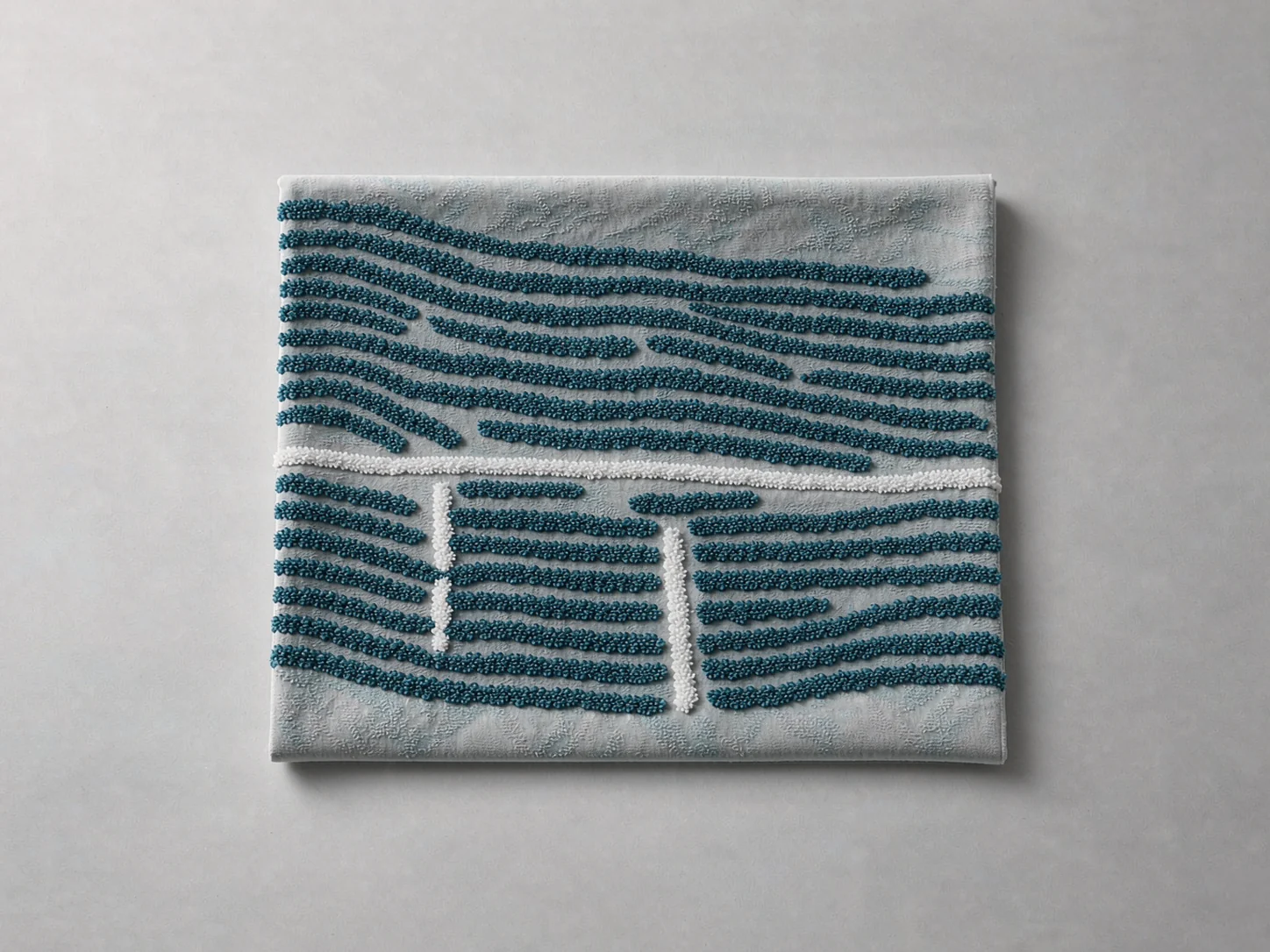
Fine Patterned Textile Decoration
Textile graphics with closely spaced shapes or narrow lines may benefit from a restrained flock surface rather than a thick decorative pile. These applications rely on accurate adhesive printing, and suitability for bending or laundering is determined by the complete finishing system.
 06
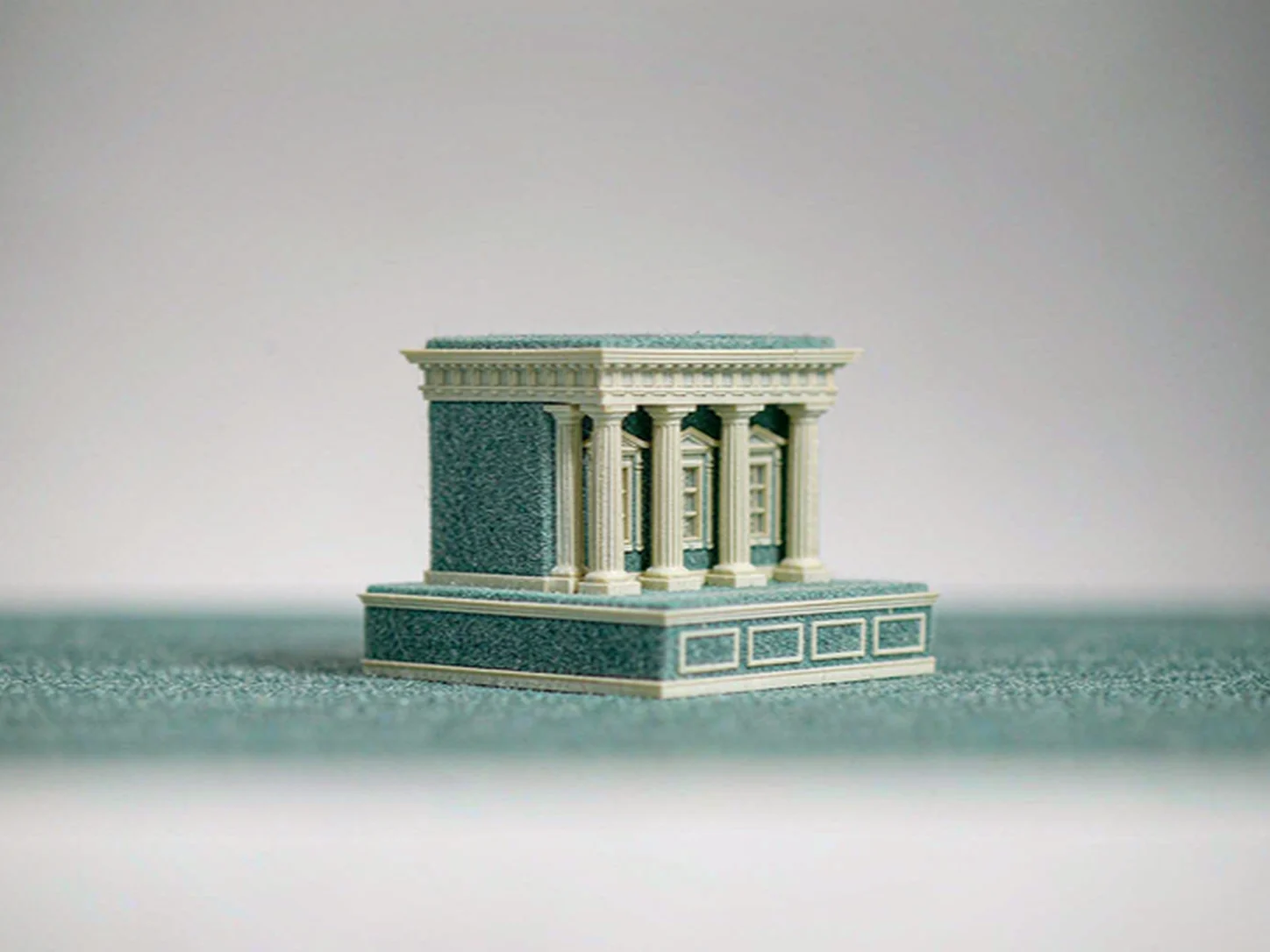
Miniature Decorative Surfaces
Model-making and miniature decoration sometimes require a texture that suggests fine fabric or subtle ground detail rather than upright grass. At small scales, the difference between a half-millimeter pile and a longer fiber layer can substantially affect visual proportions.
Common Issues with Fine Nylon Flocking
Surface defects that may become particularly noticeable when producing a fine, low-profile flock finish.
| Common Problems | Possible Causes | Recommended Solutions |
|---|---|---|
| Base material remains visible | Incomplete adhesive coverage or insufficient fiber deposition. | Inspect the adhesive pattern and fiber distribution before changing grades. |
| Decorative edges appear blurred | Adhesive spreads outside the intended design. | Improve application registration and control adhesive boundaries. |
| Adhesive shows between fibers | Coating thickness or surface wetting is unsuitable for the fine flock. | Review adhesive properties and deposition conditions. |
| Unexpected fibers protrude from the finish | Off-length material or mixed grades are present. | Inspect the supplied flock and separate incompatible grades. |
| Surface texture varies across a panel | Uneven adhesive application or inconsistent local deposition. | Check coating uniformity and application settings across the work area. |
| Fine fibers collect in unwanted areas | Loose material remains near openings or uncoated details. | Improve masking and remove excess flock from non-decorative sections. |
-
1 Does 0.5mm Nylon Flock Look Like Velvet or a Flat Coating?
-
2 Can 0.5mm Nylon Flock Preserve Small Letters and Detailed Logos?
-
3 Why Can Fine Flocking Look Uneven Under Strong Lighting?
-
4 Can Very Short Nylon Flock Be Applied to Curved Surfaces?
-
5 Is 0.5mm Nylon Flock Suitable for Products That Need a Smooth Touch?
-
6 Does Fine Nylon Flock Require a Different Adhesive Thickness?
-
7 Can 0.5mm Flock Replace a Printed Matte Coating?
-
8 What Specifications Matter Most When Purchasing 0.5mm Nylon Flock?