2mm Nylon Flock Fibers
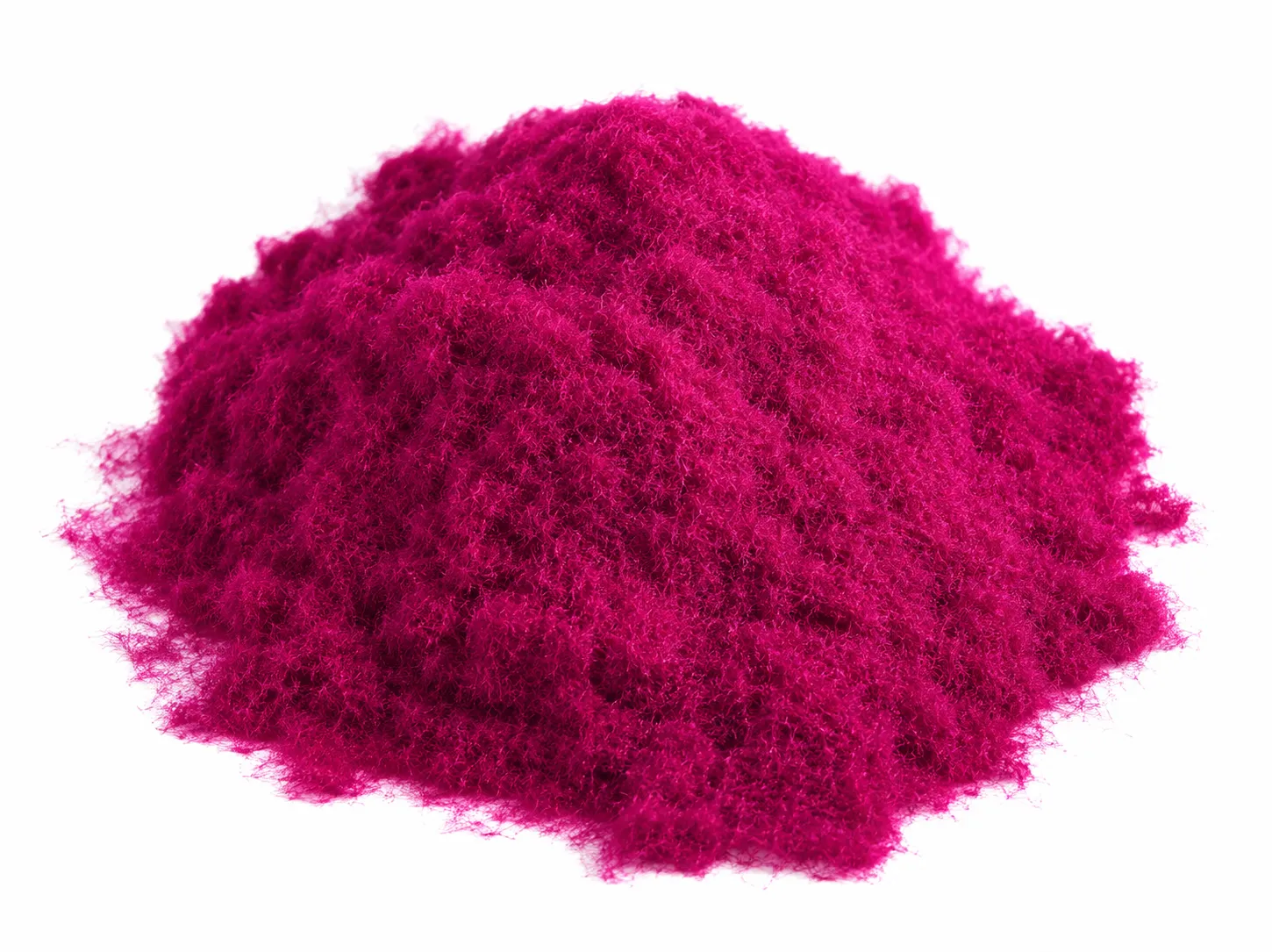
Develop a defined raised-pile finish with 2mm nylon flock fibers from Zhangs. Cut to a nominal 2.0mm, these polyamide fibers can be prepared for electrostatic flocking across decorative and industrial surfaces.
Quick Facts
Product Type: Short-cut nylon flock fibers
Fiber Material: Nylon / Polyamide
Nominal Cut Length: 2.0mm
Fiber Fineness: Specified separately in dtex or denier
Application Process: Electrostatic flocking or compatible adhesive-based flocking
Typical Uses: Molded components, protective linings, display surfaces and textured parts
Understanding 2mm Nylon Flock Fibers
The role of a defined fiber length in creating raised-pile surfaces for decorative and industrial products.
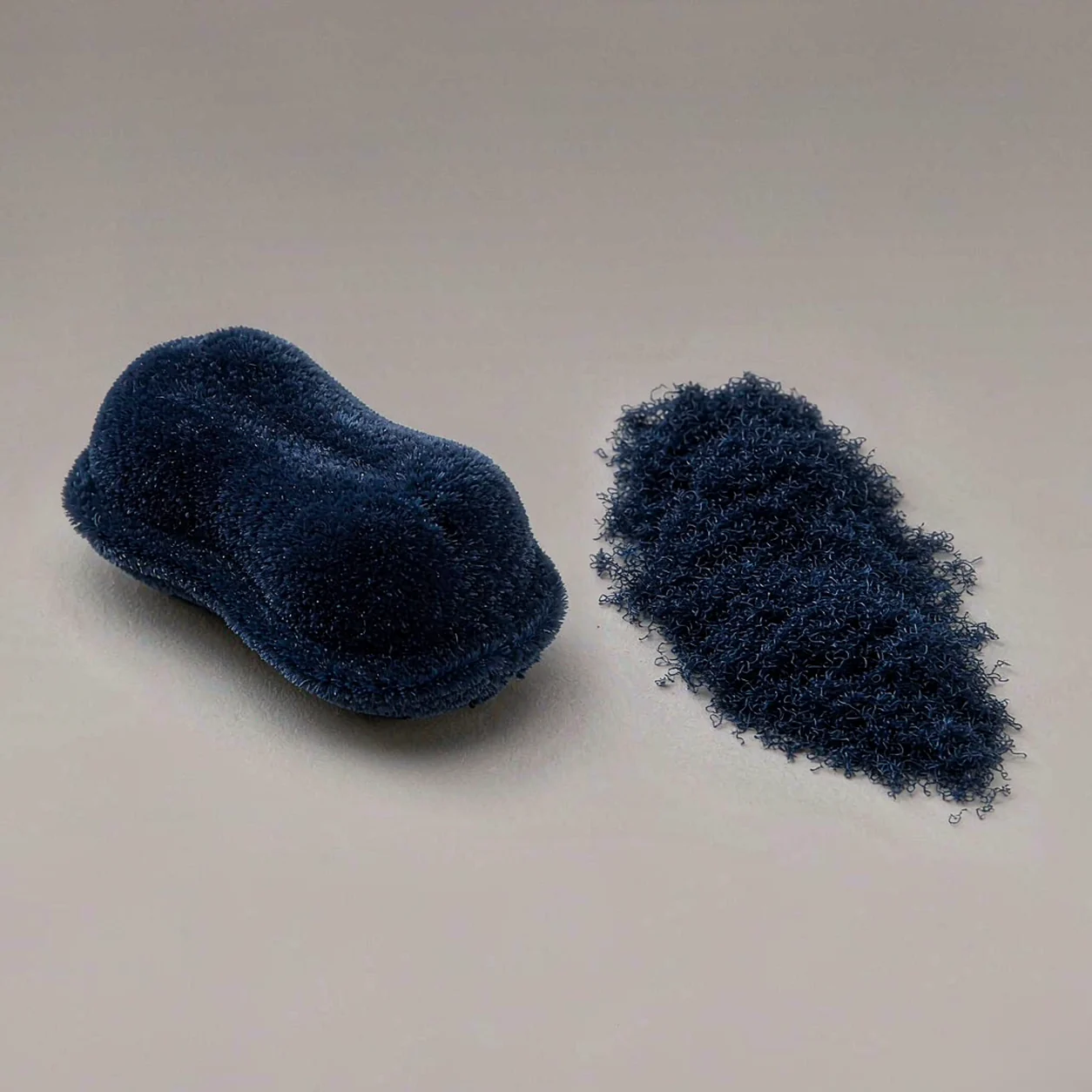
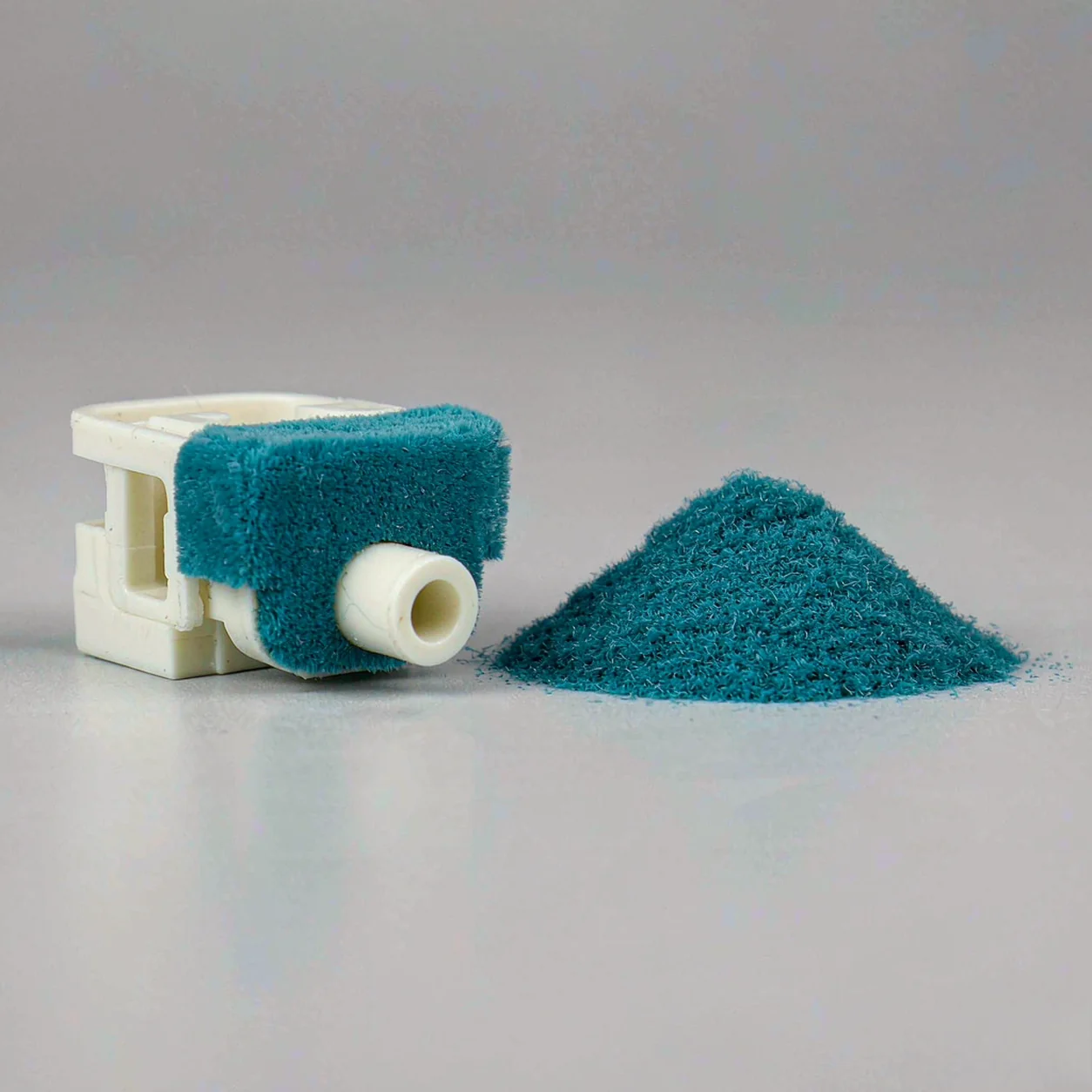
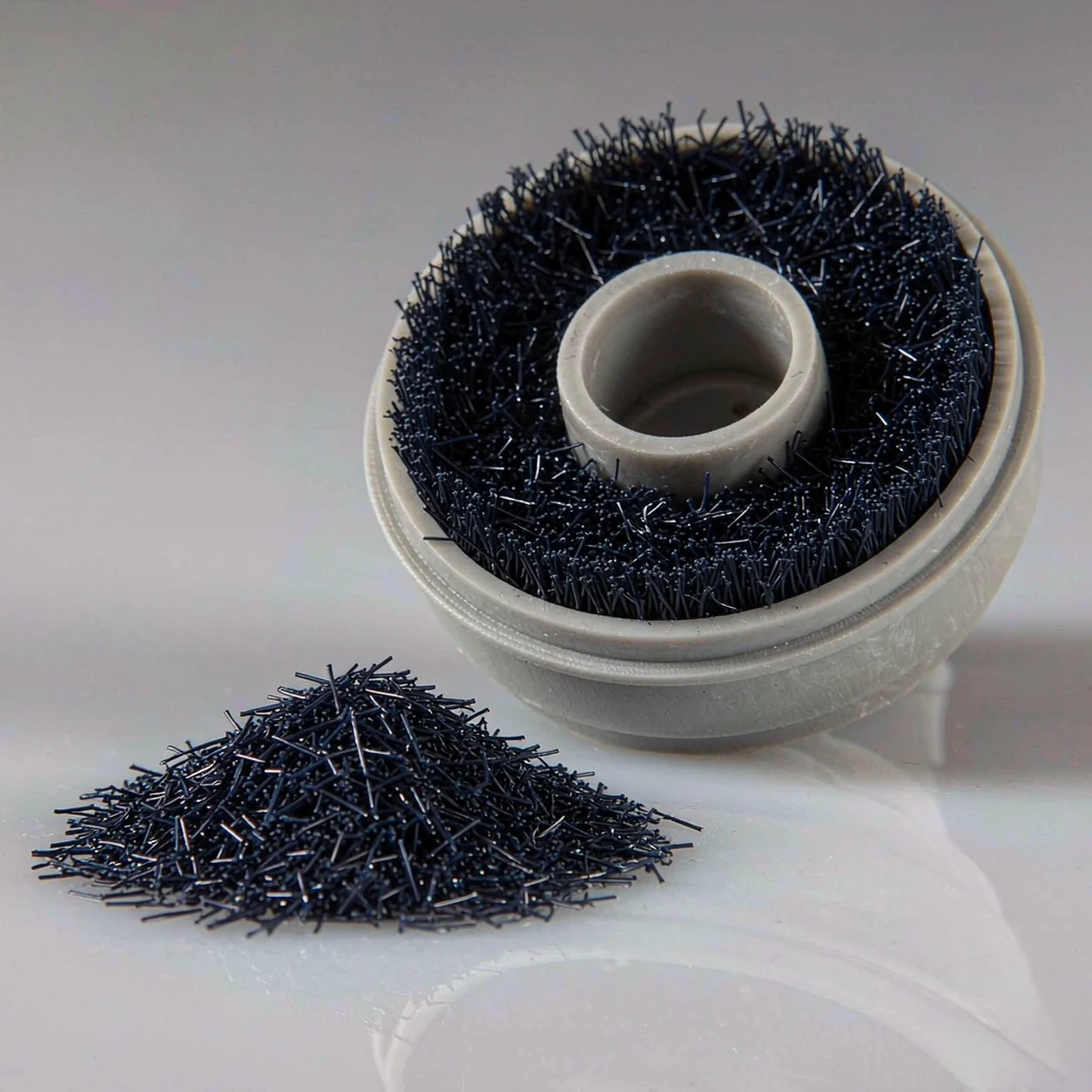
2mm nylon flock fibers are polyamide filaments cut to a nominal length of 2.0mm for flocking applications. Once deposited onto a suitable adhesive-coated substrate, the fibers form a pile that changes the surface profile of the finished component.
The 2mm designation describes the cut length, not the final pile height. How far the fibers extend above the surface depends on their orientation, the adhesive layer and the resulting construction. Two products using the same nominal length can therefore look and feel different.
A defined 2mm grade is relevant when the surface requires visible fiber texture without moving into substantially longer pile constructions. This page focuses on dimensional selection and processing requirements rather than repeating the general material information found in Zhangs' Nylon Flocking Powder range.
2mm Nylon Flocking Fiber Specifications
Define the fiber dimensions, polyamide material and preparation requirements needed for a reproducible flock specification.
| Specification | Details |
|---|---|
| Product Name | 2mm Nylon Flock Fibers |
| Fiber Material | Nylon / Polyamide |
| Product Form | Prepared short-cut filaments |
| Nominal Fiber Length | 2.0mm |
| Fiber Length Tolerance | To be agreed according to the ordered grade |
| Nylon Type | Specific PA grade to be confirmed |
| Fiber Fineness | Specified in dtex or denier; available grades subject to confirmation |
| Fiber Cross-Section | Dependent on the selected filament |
| Color | Standard or custom options, subject to availability |
| Surface Construction | Raised fiber pile |
| Intended Flocking Process | Electrostatic flocking or another compatible process |
| Quality Considerations | Cut-length distribution, moisture, fiber separation and electrostatic behavior |

A Distinct Raised-Pile Profile
A 2mm cut creates the possibility of a clearly visible pile, unlike very short grades that produce a more compact surface. The resulting layer changes the apparent profile of a component, making the specification useful where the flock is intended to be a noticeable part of the finished construction.

Polyamide Fiber Resilience
Nylon has useful resilience characteristics, making it a material worth considering for surfaces exposed to repeated contact. The behavior of a finished flocked component, however, depends on more than polymer selection: filament dimensions, application density, adhesive bonding and service conditions all influence how the pile responds.

Directional Fiber Structure
Electrostatic flocking can orient appropriately prepared filaments within an electric field. A directional pile creates a different surface from a layer of randomly deposited fibers, and fiber alignment influences the visual uniformity and profile of a completed flocked part.

Surface Density Defined by Fineness
The same nominal cut length can be paired with different filament fineness specifications. Finer fibers may allow a different pile density and hand feel from coarser fibers, even when both are 2mm long, providing a way to distinguish material constructions without changing the nominal length.
Cut-Length Control During Production
Maintaining a defined fiber length begins at the cutting stage. Zhangs' documented cutting procedures include blade maintenance approximately every 10 minutes and dimensional inspection approximately every 30 minutes. The recorded cutting capability includes a tolerance reference of +/-0.05mm, subject to agreed acceptance limits.
Conductivity and Moisture Evaluation
For electrostatic application, suitable electrical behavior is an important characteristic of the prepared flock. Zhangs monitors conductivity-related properties and moisture conditions during fiber processing, addressing material preparation factors not visible from a nominal length specification alone.
Repeated Screening
Cutting and subsequent processing can leave unwanted longer fibers or other material that does not match the intended grade. Zhangs' workflow includes approximately six to seven screening passes, helping separate the prepared material and support more uniform fiber handling in later operations.
Laboratory Checks on Fiber Behavior
Zhangs evaluates properties such as moisture, conductivity, looseness and fiber rising behavior. Its documented laboratory procedure includes a rising-time reference of approximately 12-16 seconds, a figure belonging to the company's own test procedure rather than a guaranteed application result.
Specification Management for Production Orders
A defined 2mm product needs more than a name on the packaging. The ordered material can be identified through its nylon grade, fineness, nominal length, agreed tolerance, treatment requirements and color, providing a clearer basis for production control and subsequent orders.
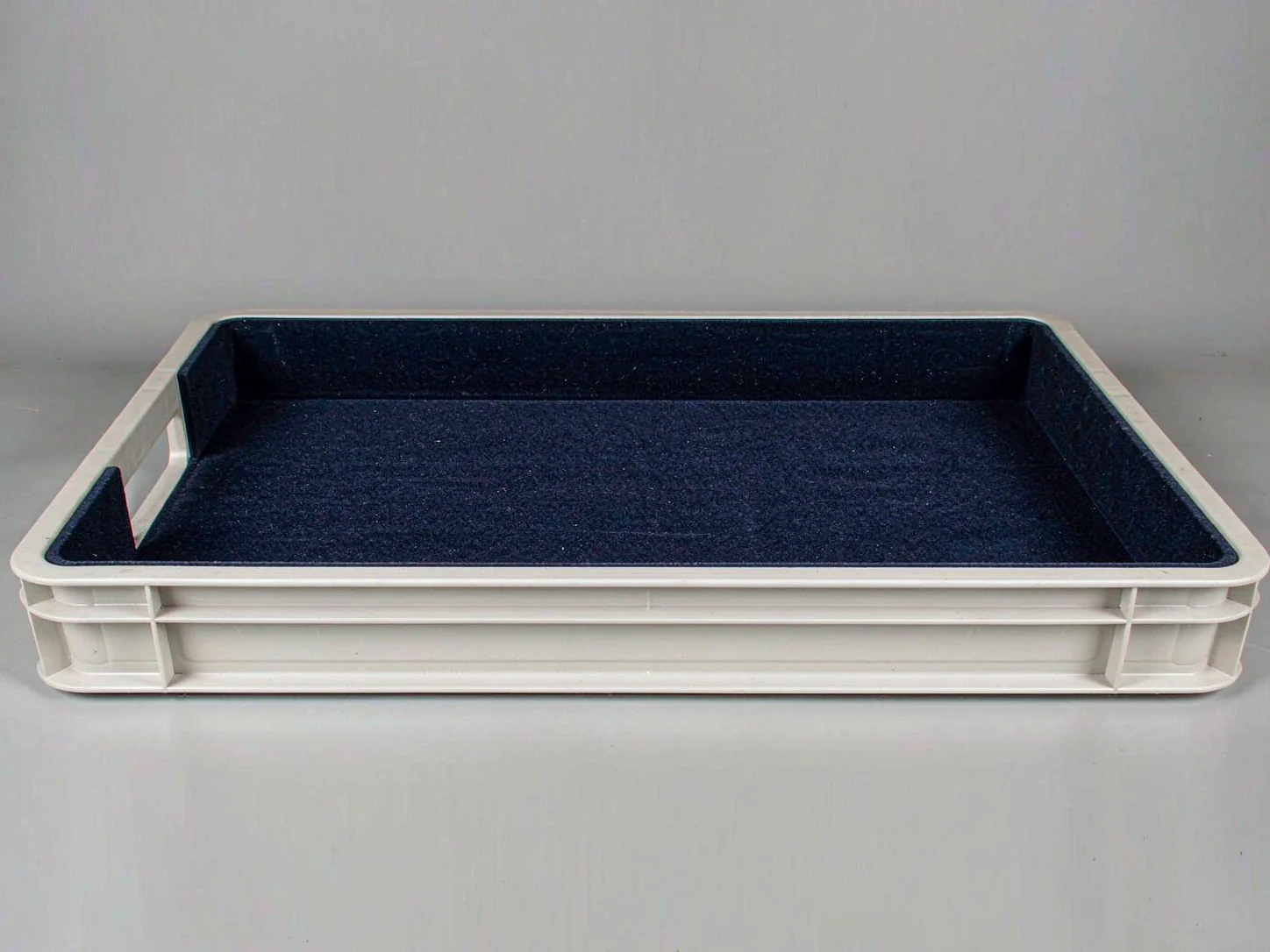 01
Reusable Storage Trays
Repeated loading and unloading can expose tray surfaces to contact with stored objects. A nylon flock lining may be considered where a fiber-covered contact surface is required, while the tray design must accommodate the pile and prevent unwanted interference.
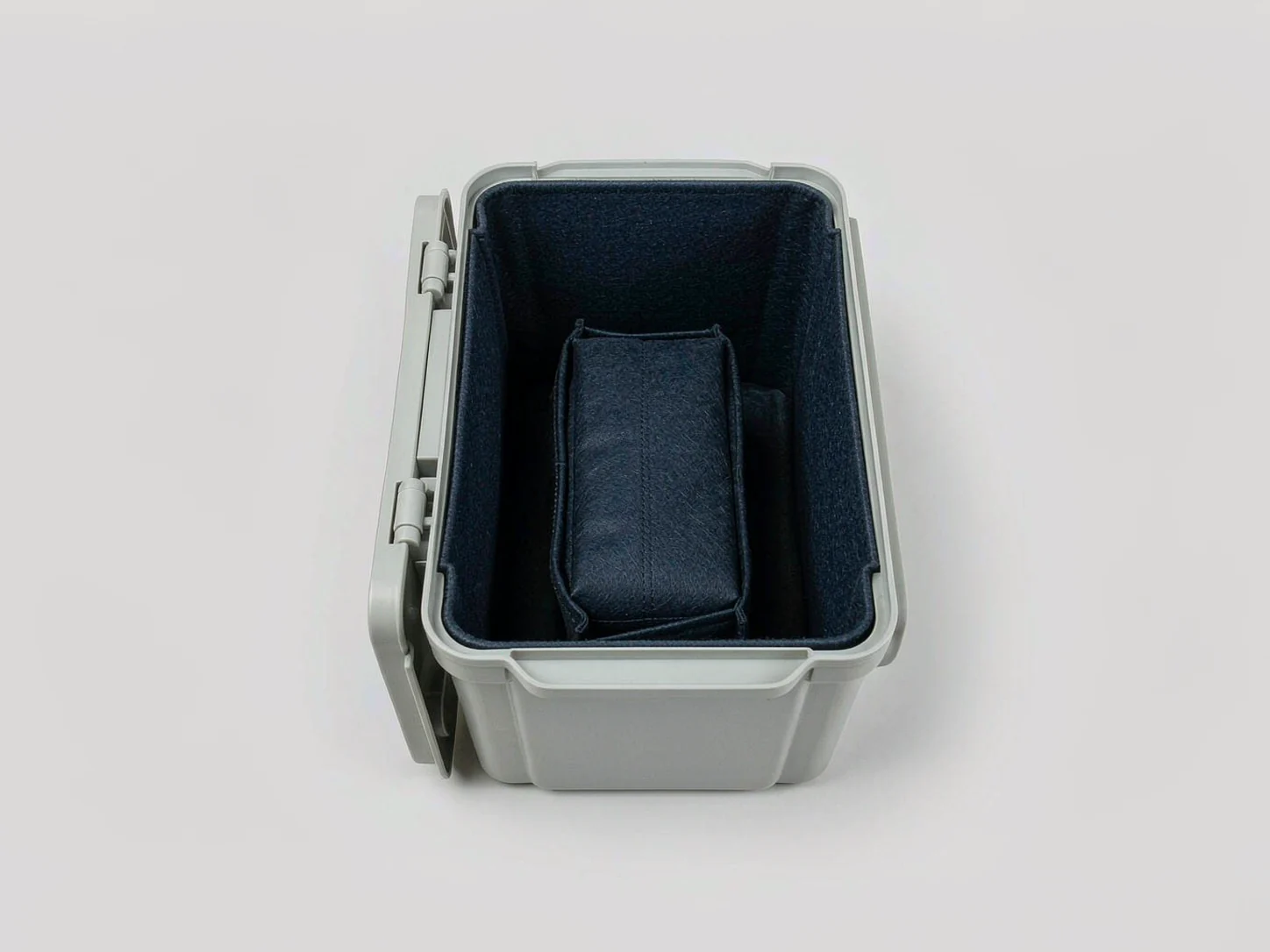 02
Molded Interior Compartments
Interior bins, organizers and selected molded compartments may use flocking to change the surface feel of rigid walls. The fiber layer should not obstruct openings, sliding sections or neighboring parts during assembly and use.
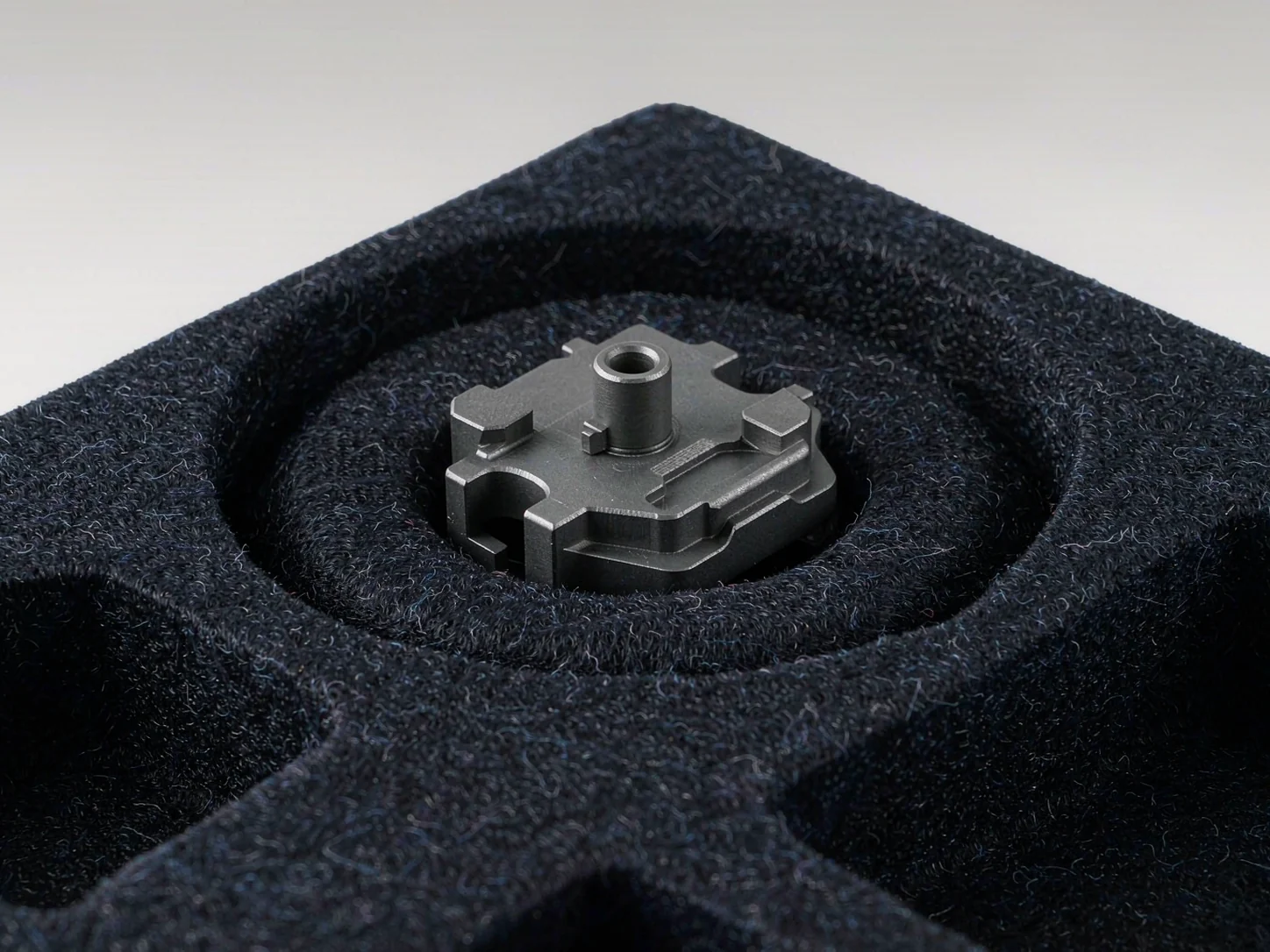 03
Protective Inserts for Manufactured Components
Some manufactured products are held in fitted inserts during storage, handling or presentation. A flocked insert provides a fiber-covered interface between the item and its supporting structure, with suitability depending on cleanliness, contact conditions and sensitivity.
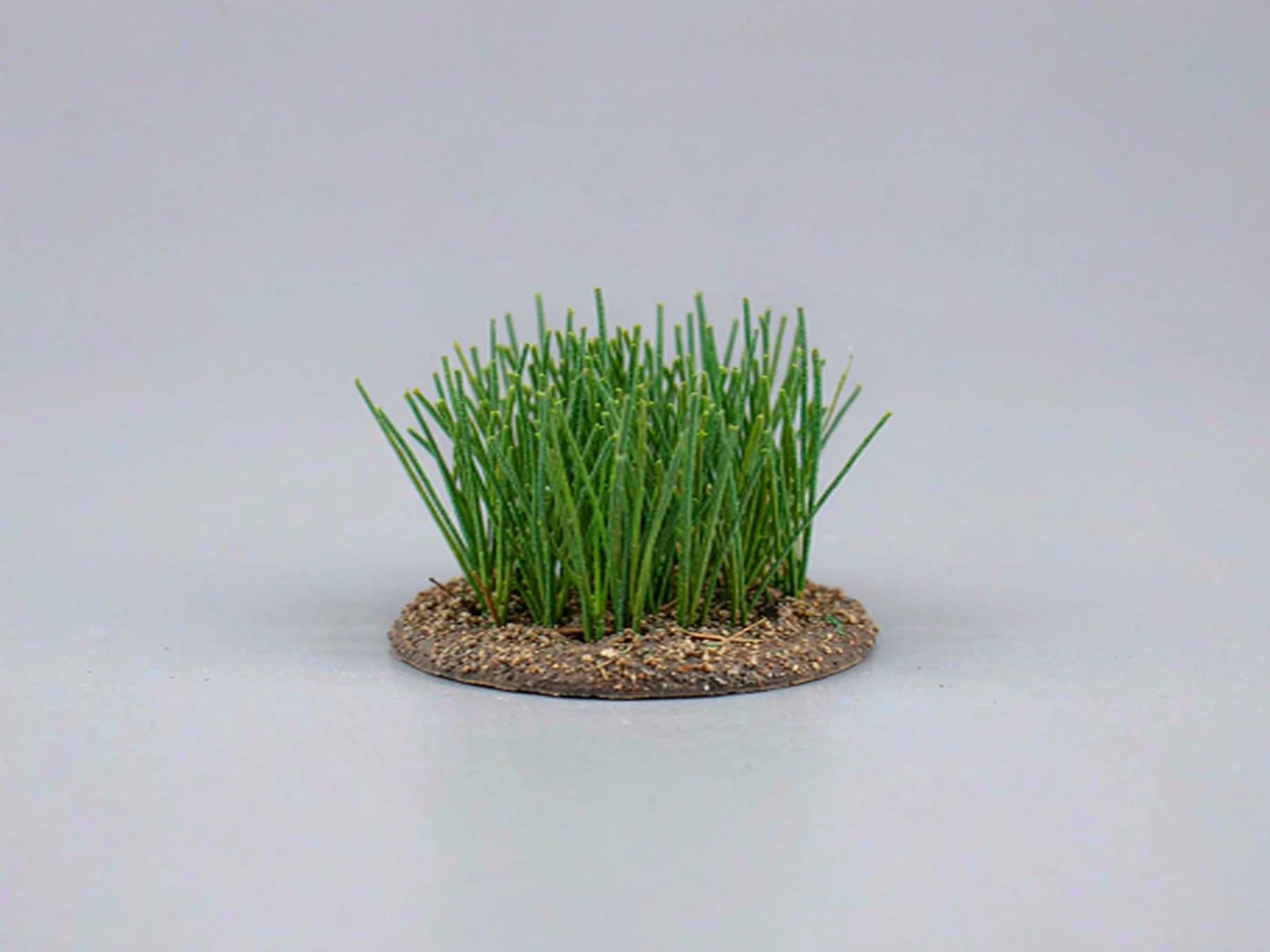 04
Miniature Landscape Surfaces
Commercial static-grass materials commonly include 2mm lengths for small-scale scenery. Upright fibers can represent short vegetation on model railway layouts and miniature landscapes, though industrial flocking fibers are not automatically interchangeable with dedicated static-grass products.
 05
Textured Presentation Platforms
Product display plinths and selected exhibition surfaces can incorporate a visible fiber pile to contrast with smooth display objects. The appearance changes with lighting and viewing angle, and designers must account for how the displayed object rests on the surface.
 06
Selected Rubber and Coated Components
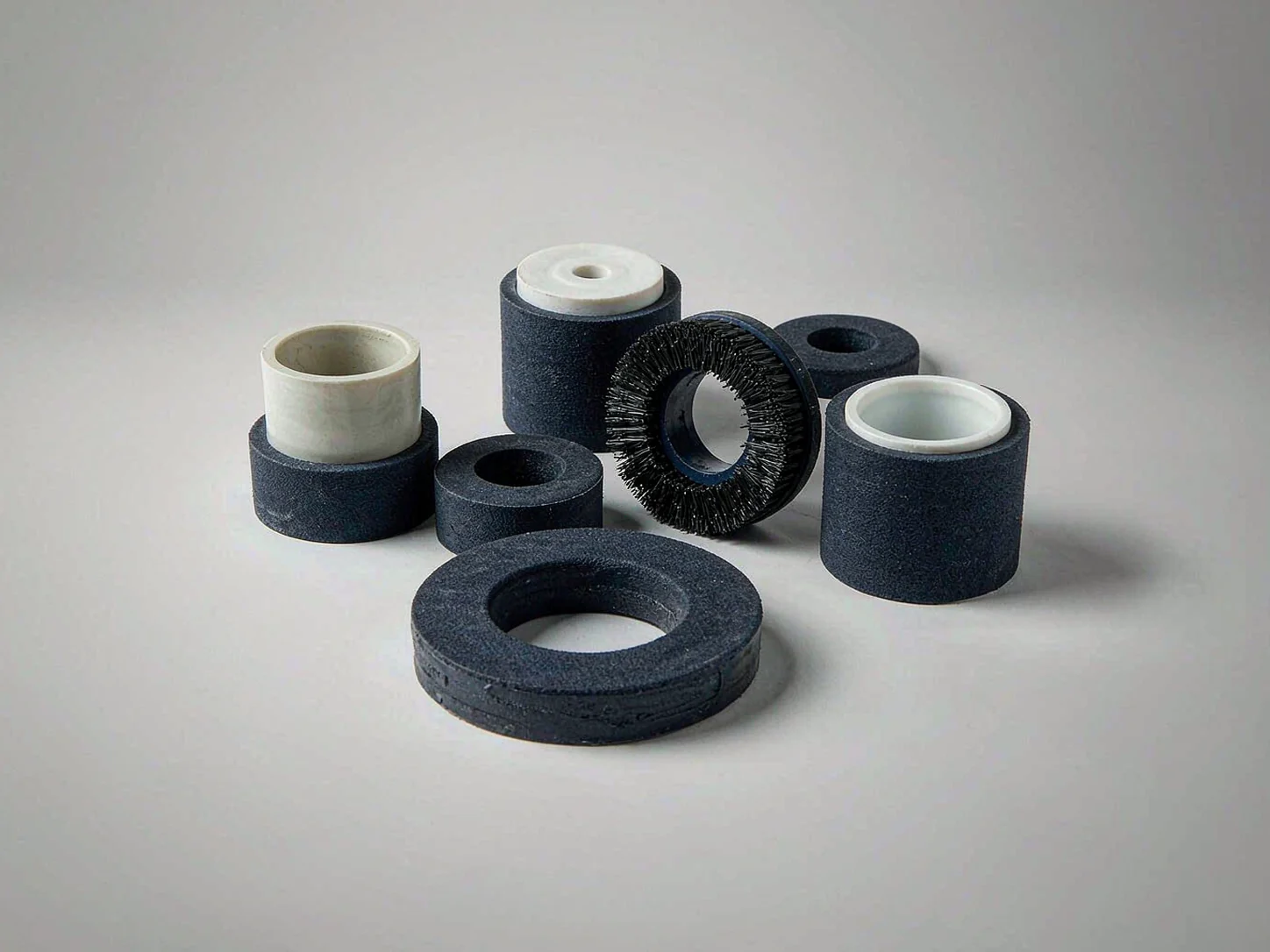
Certain rubber and coated components use flocking as part of a functional or decorative surface system. A 2mm nylon grade is one possible material direction, but it may be unsuitable where compression, sliding contact or tight dimensional clearance favors a shorter pile.
2mm Nylon Flocking Problems & Solutions
Identify technical issues involving fiber alignment, dimensional clearance, material feeding and finished-pile behavior.
| Common Problems | Possible Causes | Recommended Solutions |
|---|---|---|
| Fibers lie flat after deposition | Insufficient electrostatic response, unsuitable equipment conditions or adhesive behavior. | Review equipment grounding, operating conditions and the preparation of the selected flock. |
| Excess flock collects in recessed areas | Component geometry traps loose fibers during application. | Adjust part positioning and remove excess material from corners and recesses. |
| Pile height varies across the surface | Inconsistent fiber orientation, adhesive distribution or application density. | Inspect the deposited layer and determine which process variable is responsible. |
| Narrow openings become obstructed | The pile occupies more space than the component allows. | Mask critical areas and account for the fiber layer in the dimensional design. |
| Fiber flow becomes irregular | Material clumping, moisture or unsuitable feeding conditions. | Check fiber condition, handling environment and feeder configuration. |
| Tracks appear after repeated contact | Localized compression or rubbing alters the pile. | Review the contact path and determine whether the construction suits the expected service conditions. |
-
1 Is 2mm or 4mm Flock Better for a Short, Upright Surface?
-
2 Why Do Some 2mm Flock Fibers Stand Upright While Others Fall Flat?
-
3 Do You Need a Special Adhesive for 2mm Nylon Flocking?
-
4 Can 2mm Nylon Flock Be Applied Without an Electrostatic Applicator?
-
5 Can 2mm Flock Be Layered with Longer Fibers?
-
6 Does a Lower Dtex Make 2mm Nylon Flock Softer?
-
7 Is 2mm Nylon Flock Suitable for Frequently Handled Products?
-
8 What Should Be Included in a 2mm Nylon Flock Fiber RFQ?