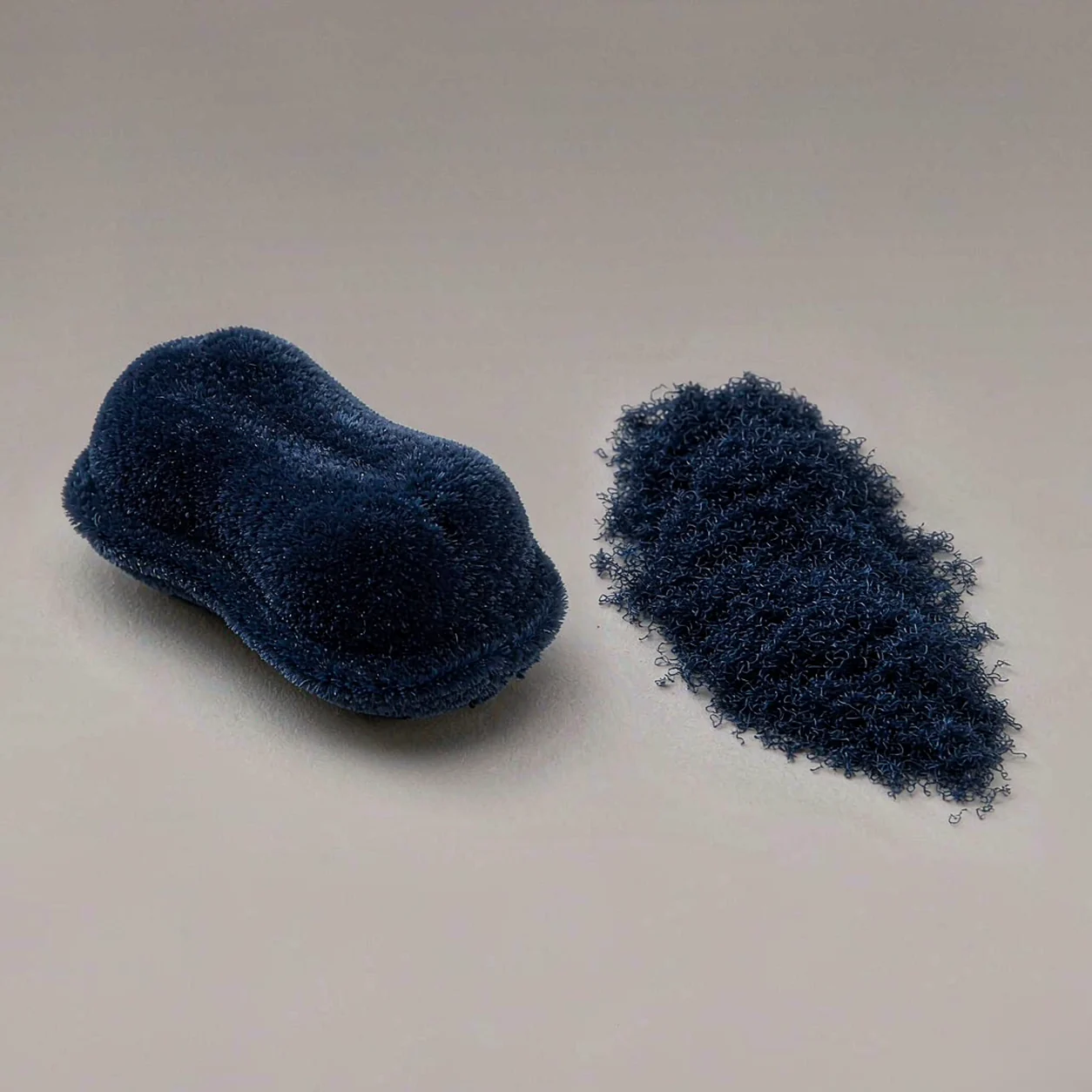
1mm Nylon Flock Fibers
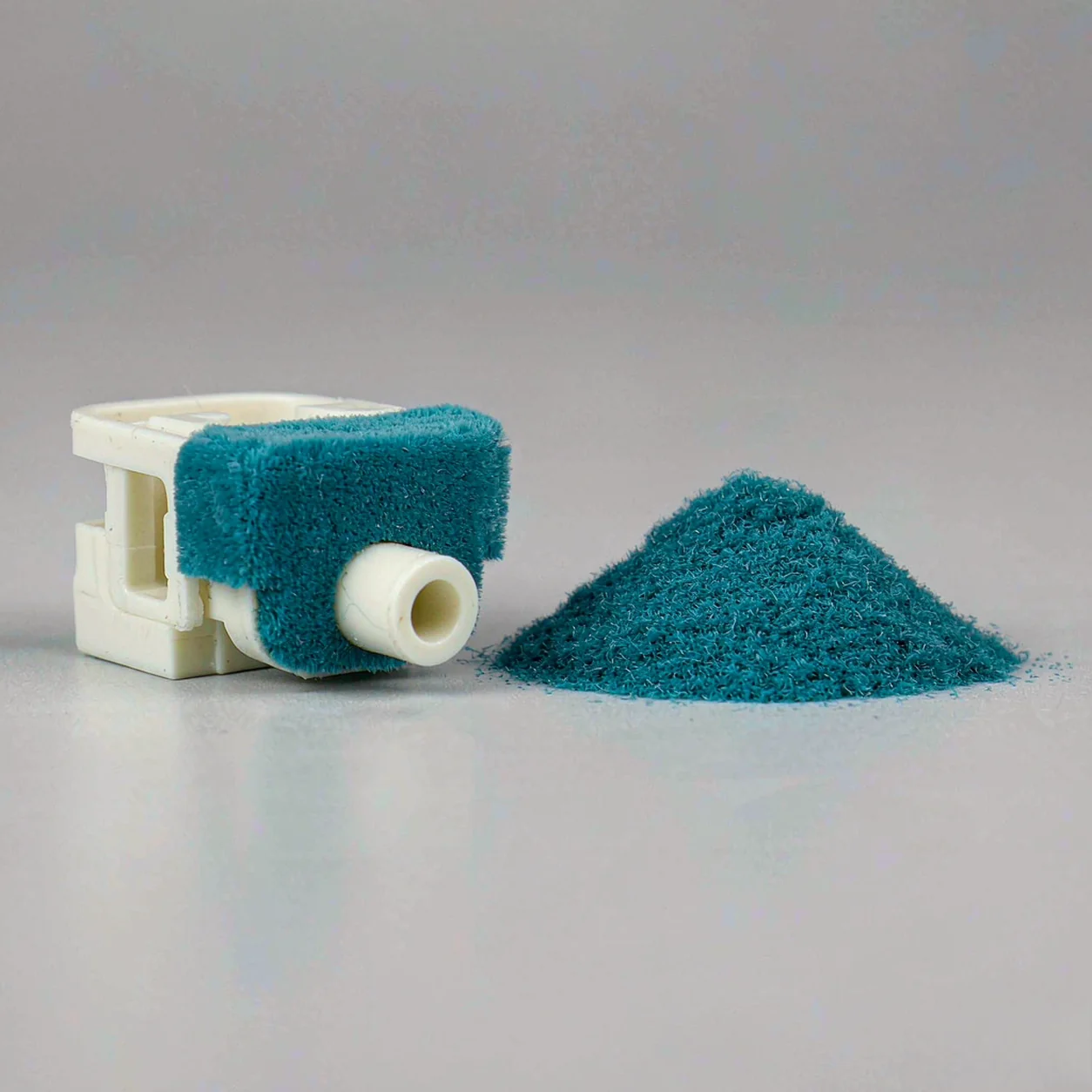
Achieve a compact velvet-like finish with 1mm nylon flock fibers from Zhangs. A middle-ground polyamide flock length for molded components, profiles, textile decoration and presentation surfaces.
Quick Facts
Product Type: Precision-cut polyamide flock fibers
Fiber Material: Nylon / Polyamide
Nominal Cut Length: 1.0mm
Fiber Fineness: Selected dtex grade according to the required finish
Surface Effect: Compact, velvet-like textured pile
Typical Uses: Molded parts, profiles, textile decoration and presentation components
1mm Nylon Flock Fibers for Surface Finishing
Learn where a medium-short nylon pile fits between fine flock coatings and more pronounced raised-fiber finishes.
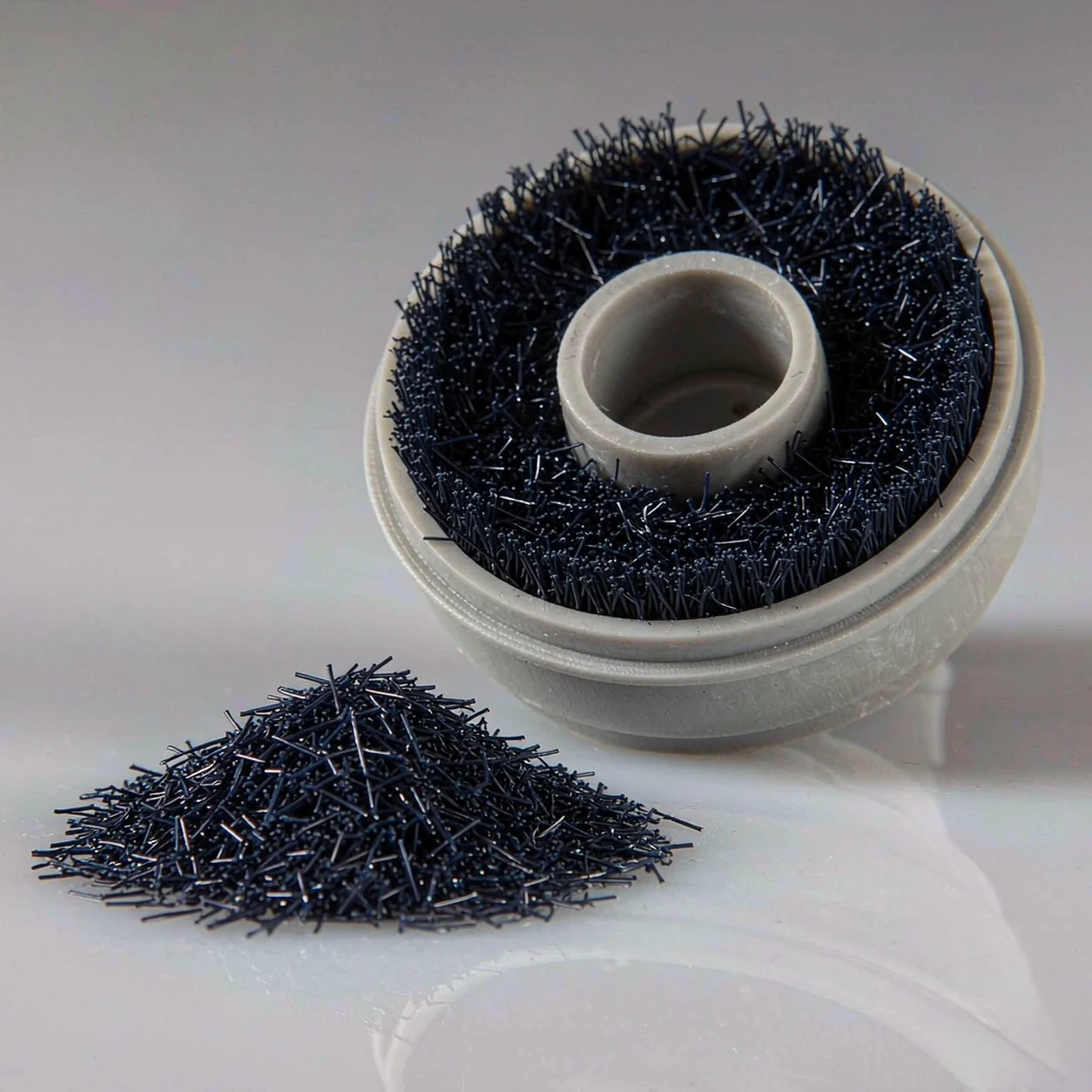
1mm nylon flock fibers are short polyamide filaments prepared for application onto suitably adhesive-coated substrates. At this nominal length, the fibers can form a compact velvet-like surface with more visible texture than a very fine flock coating, while remaining less prominent than longer decorative piles.
For molded components, the attraction of this specification lies in the relationship between surface finish and part geometry. A textured layer may improve the perceived quality of a rigid surface, but it also occupies space around edges, mating faces and openings. The chosen flock must be compatible with both the intended appearance and the dimensions of the finished part.
A 1mm designation identifies fiber length only. The nylon polymer, filament fineness, color, cross-section and preparation determine the complete grade. Zhangs' polyamide material range includes length specifications extending through 1mm, providing a basis for selecting an appropriate combination.
1mm Nylon Flocking Fiber Specifications
Identify available specification directions and the additional material properties needed for an accurate production order.
| Specification | Details |
|---|---|
| Product Name | 1mm Nylon Flock Fibers |
| Fiber Material | Nylon / Polyamide |
| Product Form | Prepared short-cut filaments |
| Nominal Cut Length | 1.0mm |
| Polymer Type | Specific PA grade to be confirmed |
| Fiber Fineness | Selected dtex grade |
| Relevant Fineness Ranges | 1.5, 1.7, 1.9, 2.0, 3.3 dtex and other grades covering 1mm |
| Length Tolerance | Defined by the agreed product specification |
| Fiber Cross-Section | Depends on the selected filament grade |
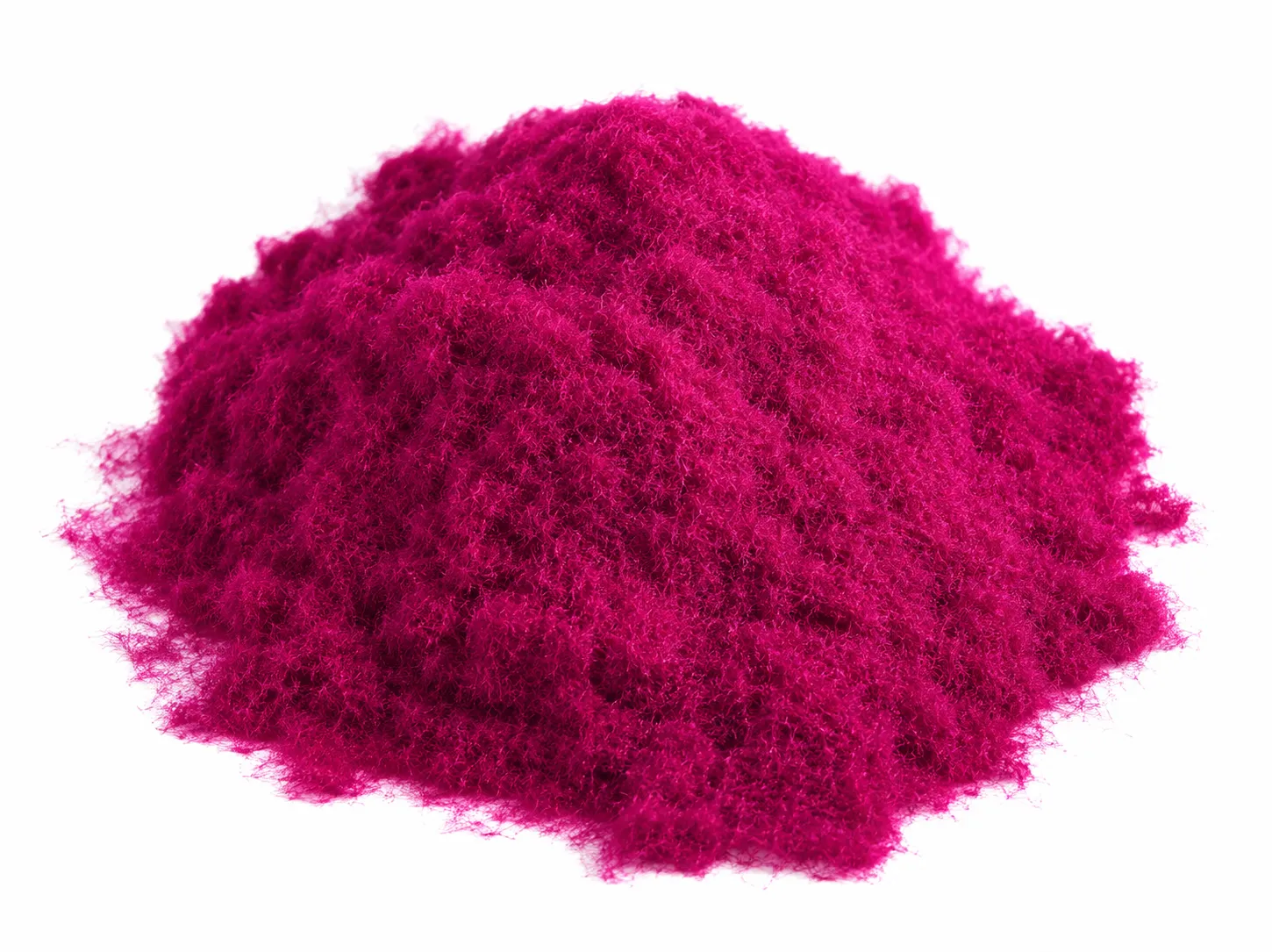
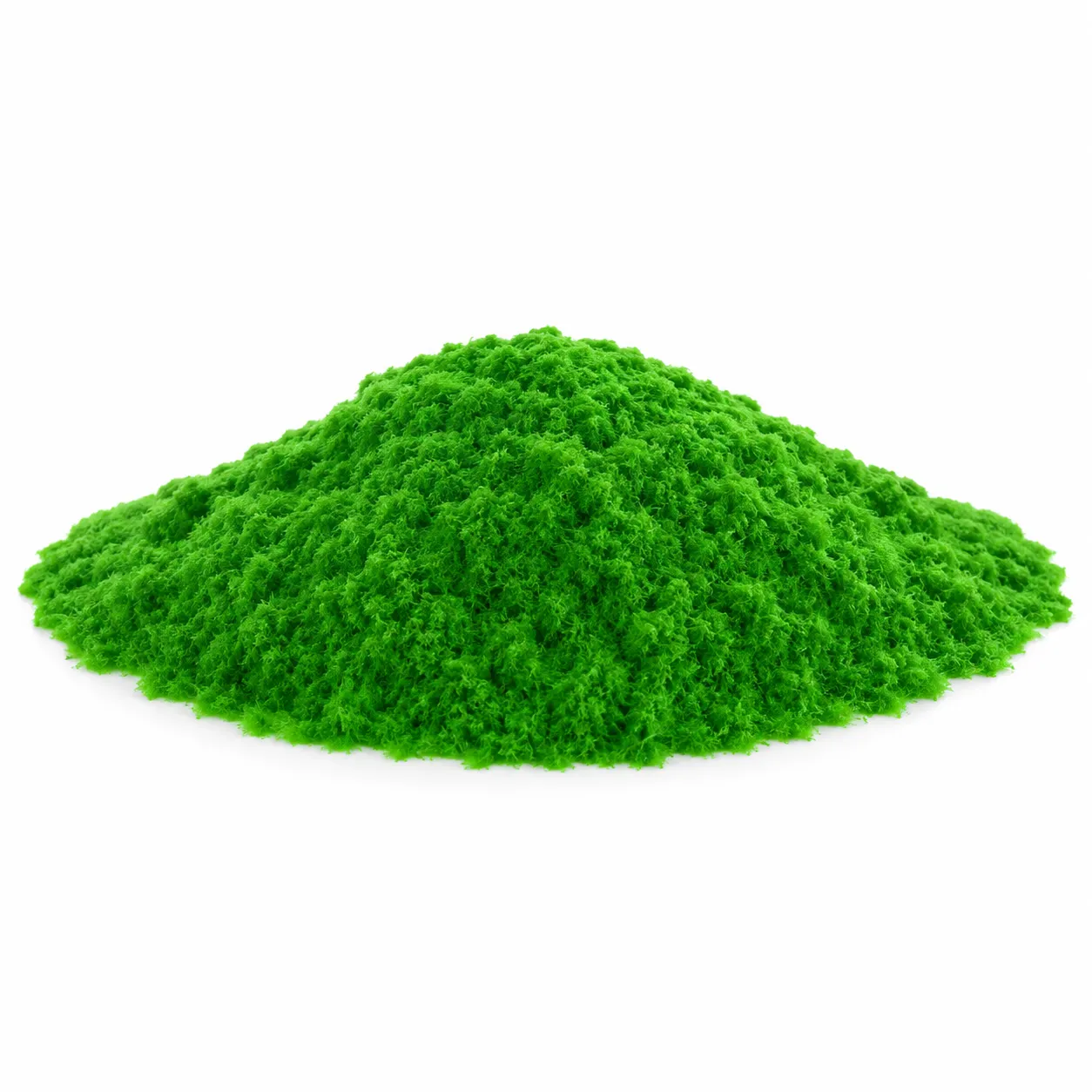
| Color Options | Available dyed and other suitable grades, subject to confirmation |
| Surface Appearance | Compact velvet-like or medium-short pile |
| Quality Considerations | Length distribution, treatment condition, moisture and fiber cleanliness |

Balanced Pile Definition
A 1mm fiber construction can produce a clearly textured surface without the pronounced height associated with longer decorative flock. This makes it suitable for products where the finish should be visible and tactile but remain proportionate to the underlying component, establishing a recognizable velvet-like surface at normal handling distance.

More Continuous Surface Coverage
On suitable substrates, densely deposited nylon filaments can create a relatively uniform fibrous layer that visually softens the appearance of molded plastic or another rigid base. The result is influenced by filament fineness and the way fibers are distributed, not simply by using a larger quantity of material.

Texture Without a Separate Fabric Lining
Flocking provides a way to introduce a textile-like finish directly onto prepared surfaces. For molded or shaped components, this differs from cutting and attaching a separate velvet fabric, especially where curves and enclosed areas make a traditional lining difficult to fit. The adhesive layer remains essential.

Polyamide for Selected Contact Surfaces
Nylon is a material option for products that require a fiber-covered surface exposed to occasional or repeated contact. Its inherent characteristics may be useful, but finished performance depends on the specific nylon grade, bonding system, application density and service environment. The 1mm dimension is a design parameter rather than a stand-alone durability rating.
Multiple Published Polyamide Specification Ranges
Zhangs' Polyamide product range includes different dtex categories with length ranges that cover 1mm. This allows the material requirement to be discussed as a combination of length and filament fineness rather than a generic nylon flock product, assessed according to the selected grade and surface effect.
Controlled Cutting and Blade Maintenance
A nominal 1mm fiber requires cutting conditions that limit unwanted length variation. Zhangs' documented workflow includes regular blade maintenance and periodic dimensional inspections during production, while the acceptable tolerance for a particular order is defined in its technical specification.
Fiber Treatment for Electrostatic Processing
Raw nylon fibers do not necessarily possess the electrical characteristics required by an electrostatic flocking system. Zhangs incorporates relevant treatment and conductivity monitoring into its preparation workflow, allowing electrical behavior to be considered alongside the fiber dimensions.
Material Cleanliness and Separation
Unexpected longer strands, dust and poorly separated fibers can disrupt the appearance of an otherwise compact pile. Zhangs uses screening and material-condition checks during preparation, especially relevant when a customer requires consistent visual coverage rather than a deliberately irregular texture.
Defined Grade Documentation
A repeatable flock material is identified through its nylon type, fineness, cut length, color and required treatment, with any agreed inspection criteria recorded separately. These details help prevent substitution between different 1mm fiber grades that look similar as loose material but produce noticeably different surfaces.
 01
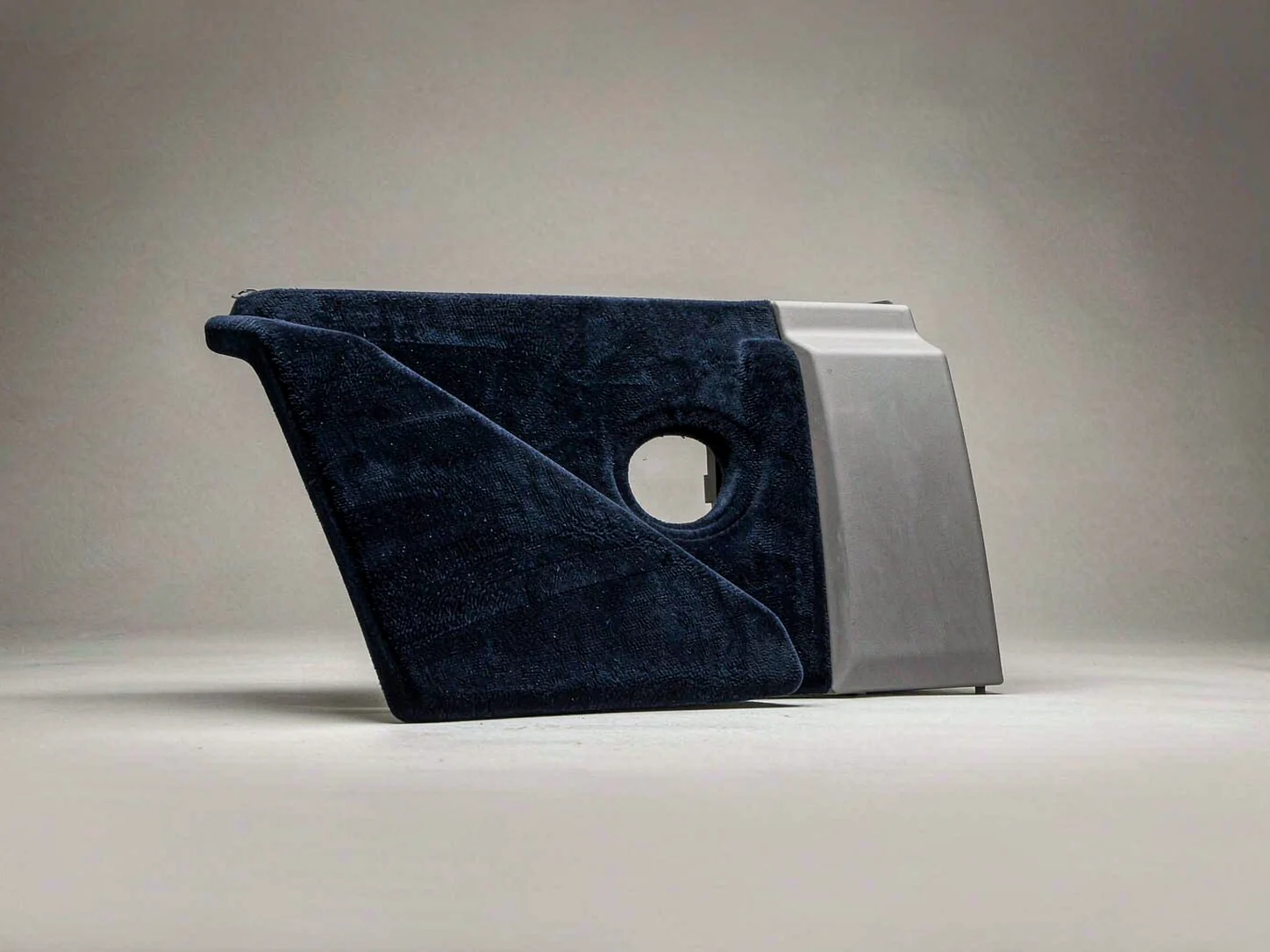
Molded Plastic Trim Components
Selected plastic trim parts can incorporate a 1mm flocked surface to distinguish their finish from conventional smooth injection-molded plastic. The pile adds a recognizable textile-like character while allowing the component to retain its molded profile.
 02
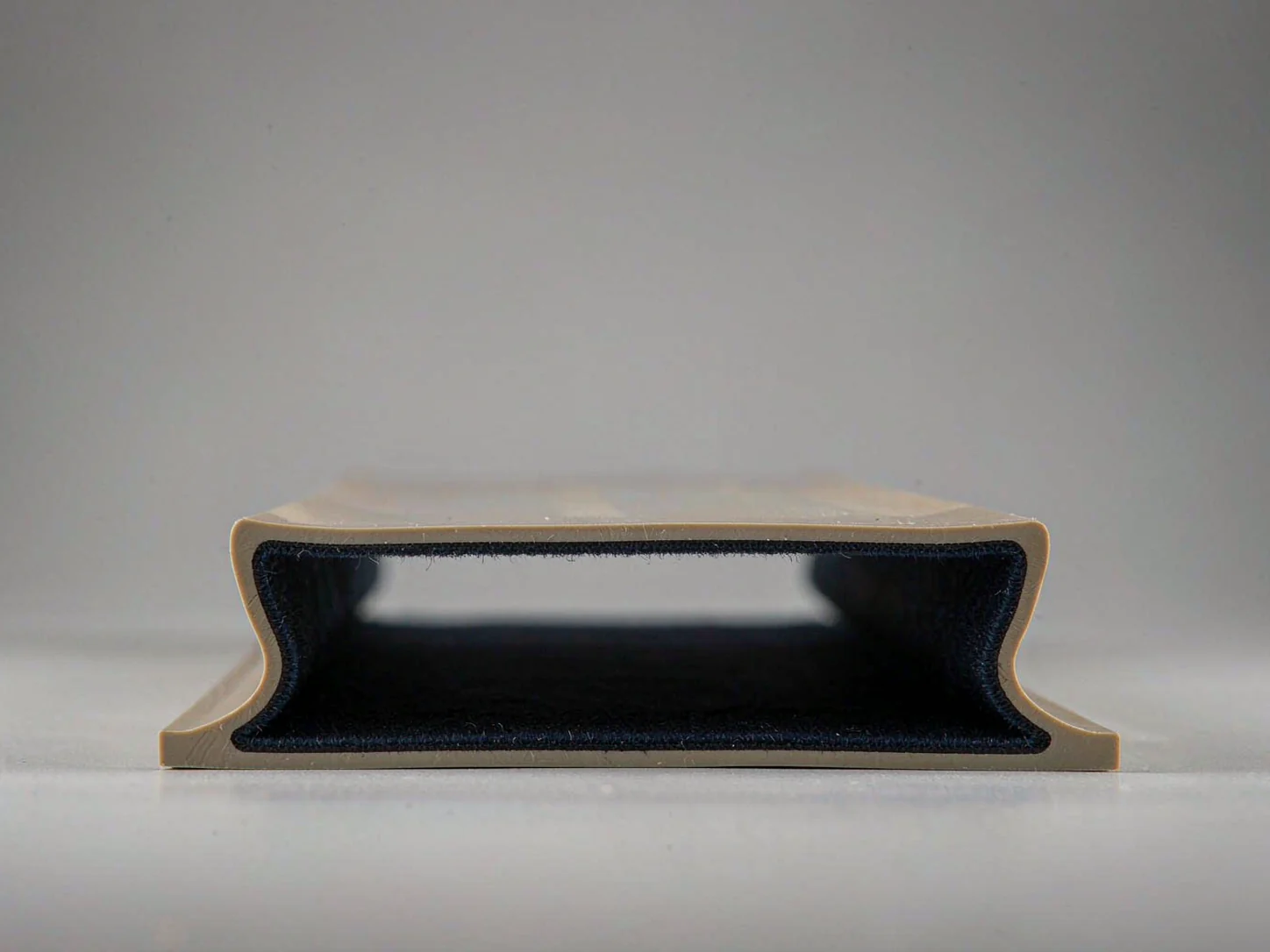
Extruded Profiles and Channels
Certain extruded profiles use flocked surfaces where a fibrous contact layer is needed along a continuous section. These parts differ from decorative panels because the flock may interact with neighboring components during movement or assembly.
 03
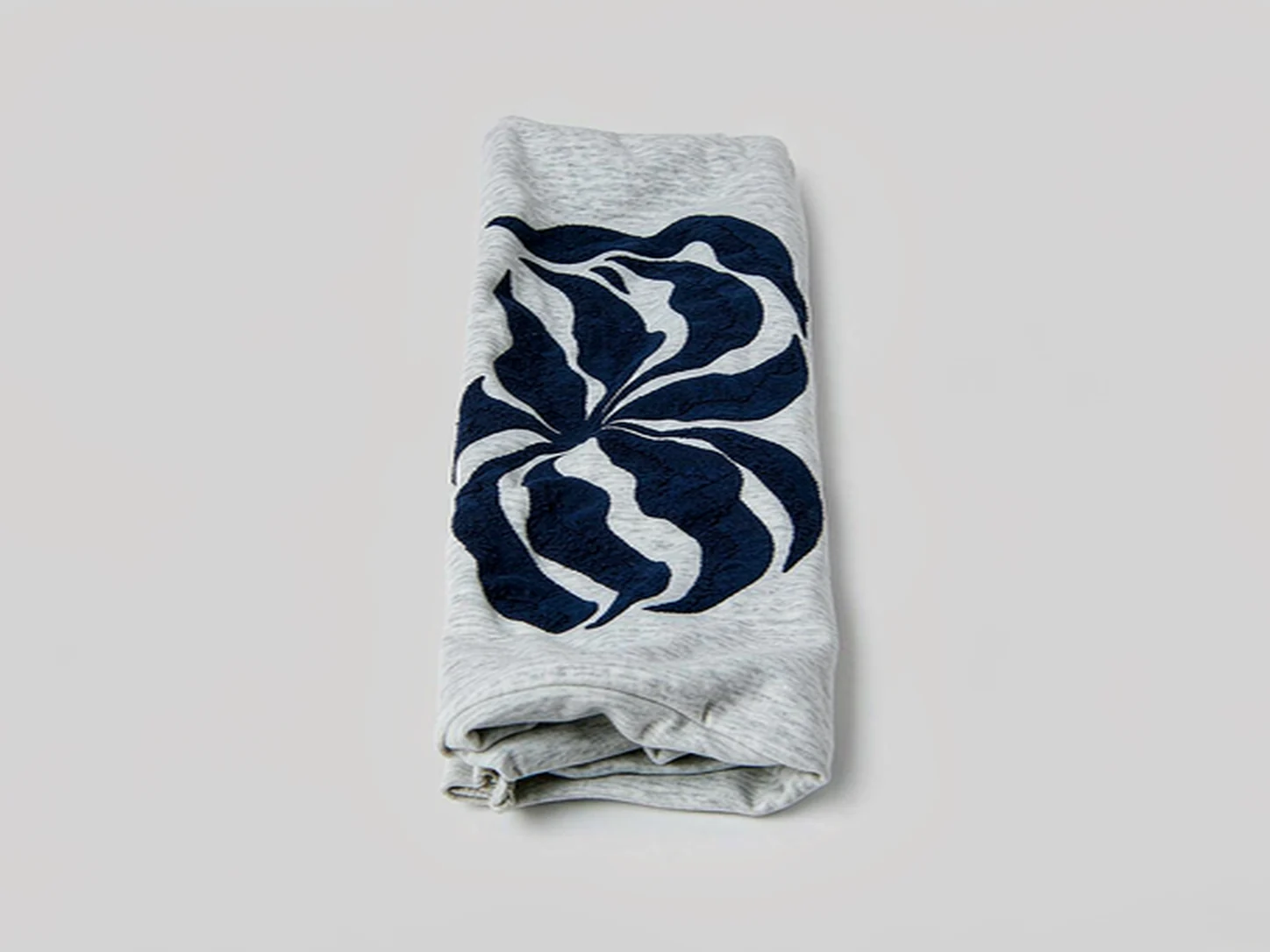
Apparel Graphics with a Velvet Finish
Fashion graphics and selected garment decorations may use 1mm nylon flock when a clearly tactile surface is desired without the visual depth of a long decorative pile. Larger lettering, symbols and solid motifs are potential application directions.
 04
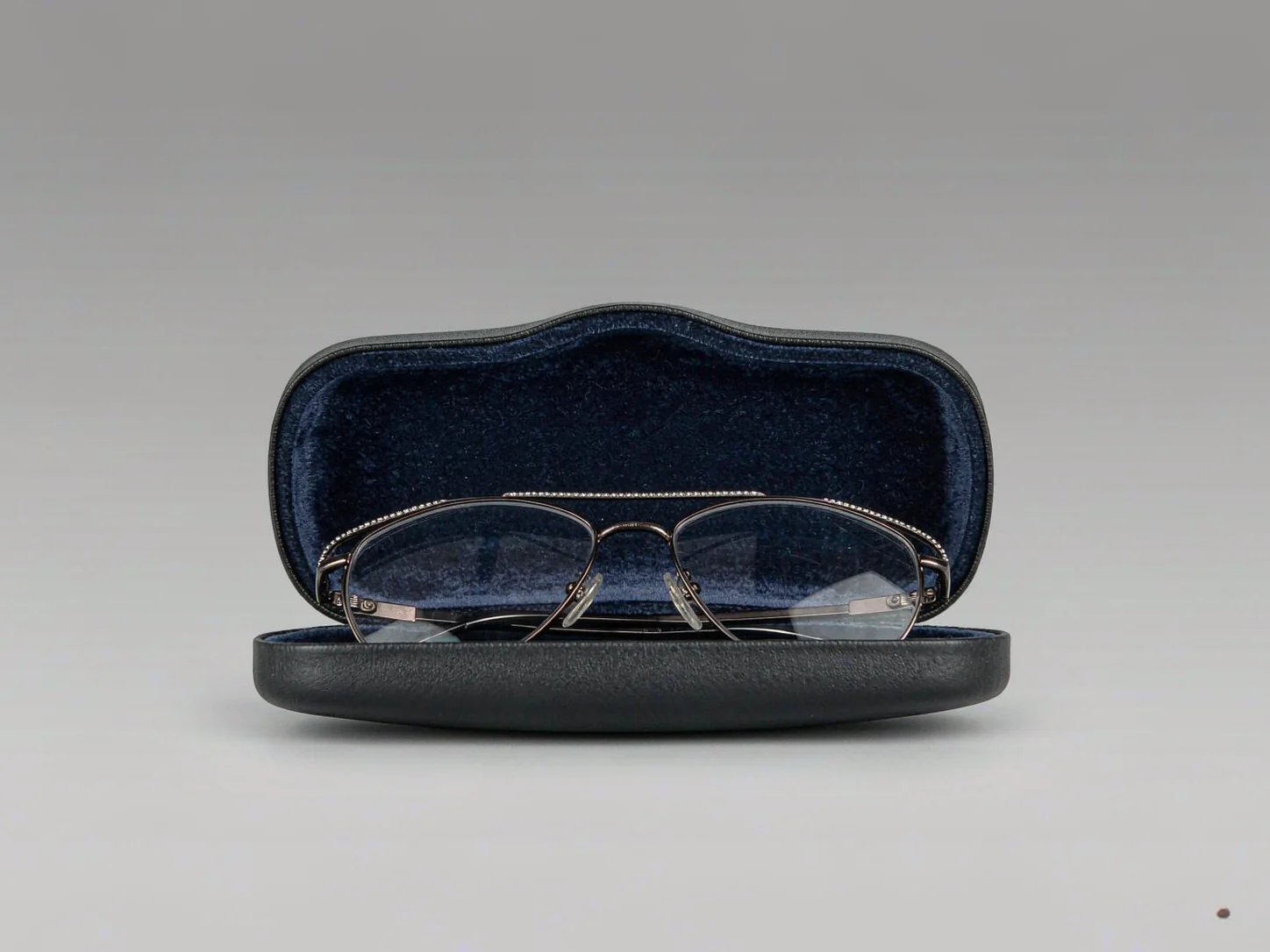
Eyewear Cases and Presentation Surfaces
Rigid eyewear cases and selected presentation components can incorporate flocked interior surfaces to create a refined lining effect. The interior design must account for the space occupied by the pile, particularly near hinges and closure edges.
 05
Decorative Product Housings
Small consumer-product housings sometimes use localized surface finishes to differentiate exterior panels from functional controls and displays. A 1mm flock offers a visible decorative texture while allowing adjacent surfaces to remain smooth or painted.
 06
Shaped Display Fixtures
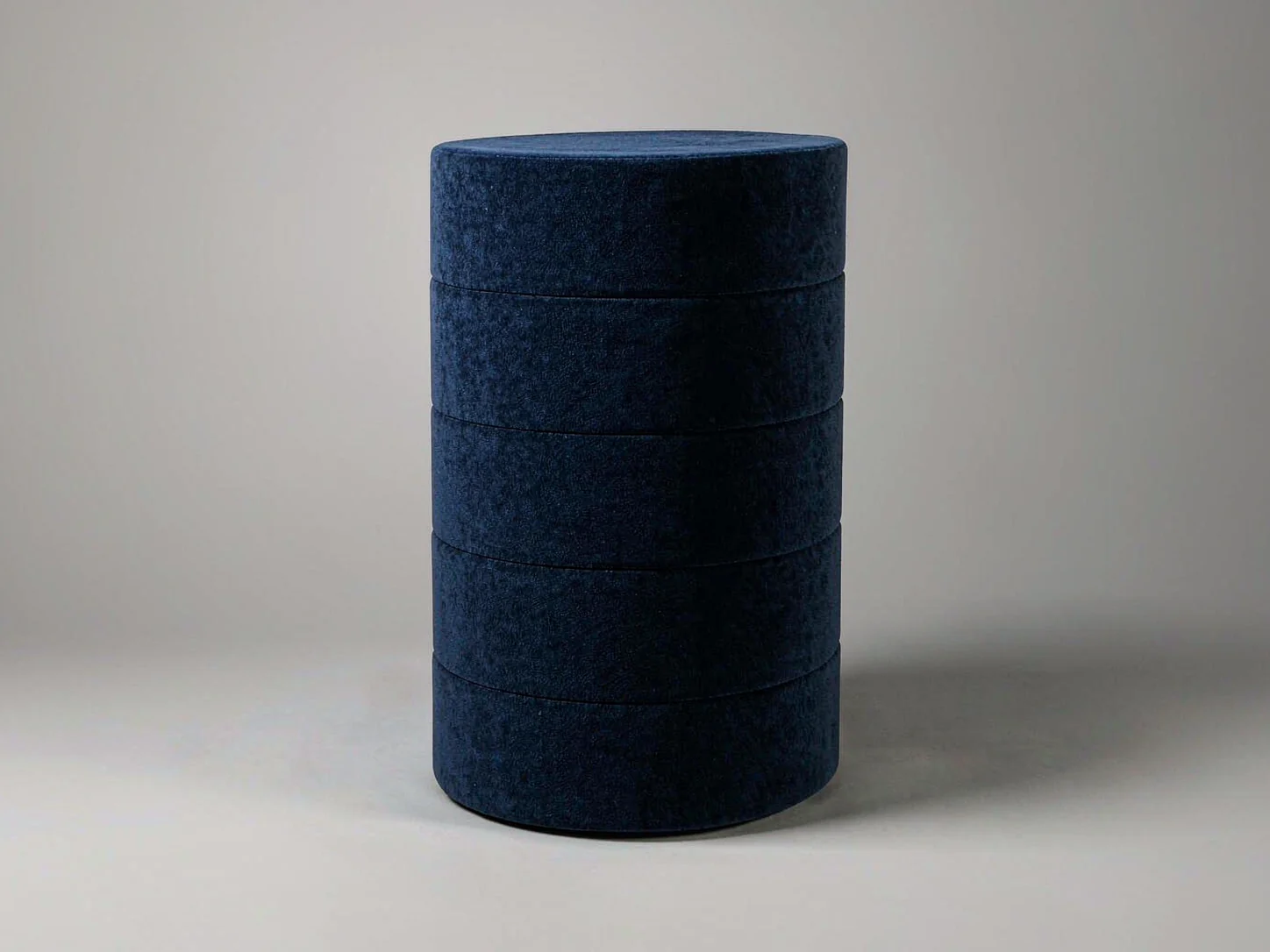
Curved display stands, presentation holders and formed decorative fixtures can use flocking to produce a continuous velvet-like appearance over selected surfaces. The fiber layer follows the adhesive-coated shape, useful on rounded or molded displays.
1mm Nylon Flocking Problems & Solutions
Troubleshoot construction issues that affect the appearance and use of a compact nylon flocked surface.
| Common Problems | Possible Causes | Recommended Solutions |
|---|---|---|
| Flocked surface feels rougher than expected | Filament fineness or deposited construction does not match the intended touch. | Review the selected dtex grade and finished pile construction. |
| Surface looks different across adjoining parts | Variations in fiber orientation, application density or substrate appearance. | Compare the actual process settings and finishing conditions for both parts. |
| Assembly fit becomes too tight | The flock layer occupies unplanned space near mating surfaces. | Exclude critical interfaces from flocking or account for the applied layer in the part design. |
| Flock coverage weakens along an edge | Adhesive distribution or deposition differs near the edge geometry. | Inspect edge coating and positioning during application. |
| Surface shows directional shading | Fiber orientation creates different reflections across the pile. | Review deposition direction and part presentation in the flocking equipment. |
| Fibers become detached at contact points | Repeated mechanical stress or inadequate bonding affects retention. | Assess contact pressure, adhesive compatibility and the required finished-part performance. |
-
1 Is 1mm Nylon Flock Better Than 0.5mm for a Velvet-Like Finish?
-
2 Why Does Flock Sometimes Look Uneven Even When the Same Material Is Used?
-
3 Can 1mm Nylon Flock Create a Smooth Velvet Surface Without Looking Too Fuzzy?
-
4 Why Does Flocking Sometimes Fail to Stick Near Edges?
-
5 Can 1mm Nylon Flock Be Applied to Curved or Irregularly Shaped Parts?
-
6 Will a 1mm Nylon Flocked Surface Collect Dust or Become Difficult to Clean?
-
7 Does a Higher Dtex Make 1mm Nylon Flock More Durable?
-
8 How Should I Specify 1mm Nylon Flock for a Production Order?