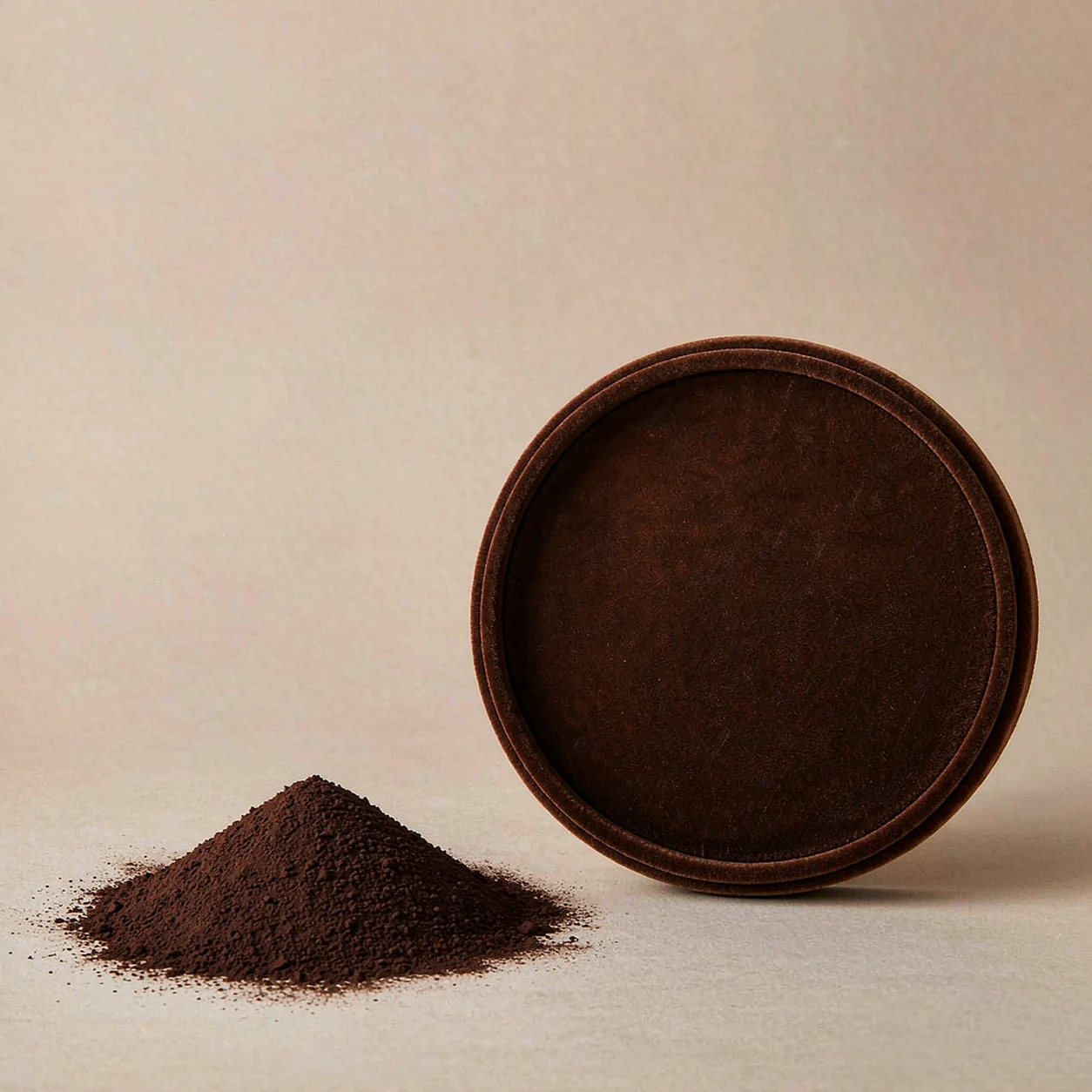
Brown Flocking Powder
Give decorative surfaces a warm, suede-like appearance with brown flocking powder from Zhangs. Choose a brown shade and fiber texture suited to jewelry boxes, gift packaging, display components and other products where the final color matters as much as the feel.
Quick Facts
Product: Brown short-cut flock fibers
Color Options: Custom brown shades; availability to be confirmed
Fiber Materials: Viscose / Rayon, Nylon / Polyamide, or other suitable options
Surface Effect: Fine, matte, velvet-like or suede-inspired texture
Main Applications: Jewelry box interiors, packaging inserts, display trays, decorative products
Customization: Shade, fiber length, fineness, material and finish
Choosing Brown Flock for Your Product Design
Find a brown shade that complements your product rather than simply matches a color name.
A chocolate-brown jewelry box interior creates a very different impression from a light tan insert. One offers a darker background for the displayed product, while the other brings a softer, natural appearance. Both may be described as brown, yet their visual roles are far from identical.
Unlike printed or painted surfaces, brown flock adds an actual fiber layer. The result is a tactile, light-diffusing finish whose appearance changes with the pile, surrounding materials and lighting. For product development, it is worth checking a completed flocked sample next to the product it will hold or display.
Brown flocking powder is therefore best selected as part of the finished object, not as an isolated color. Substrate, adhesive shade, fiber length and pile density all take part in the final appearance, which is why an approved flocked sample remains the most dependable reference for production.
Brown Flock Fiber Specifications
Select the shade, fiber dimensions and finish that fit your application.
| Specification | Details |
|---|---|
| Product Name | Brown Flocking Powder |
| Fiber Form | Dyed, short-cut flock fibers |
| Material Options | Viscose / Rayon, Nylon / Polyamide; other options subject to confirmation |
| Color Range | Brown shades based on an approved reference |
| Fiber Length | 0.3, 0.5, 0.8, 1.0 mm or custom, subject to material availability |
| Fiber Fineness | 1.7, 3.3, 5.0 dtex or custom, subject to material availability |
| Surface Appearance | Fine matte, velvet-like or suede-inspired |
| Color Reference | Pantone, RAL, physical swatch or finished flocked sample |
| Intended Substrates | Selected paperboard, coated wood, plastic, EVA and decorative surfaces |
| Flocking Method | Compatible adhesive and electrostatic flocking process |
| Custom Options | Shade, fiber material, length, fineness and finish |
| Sample Evaluation | Finished color, coverage, adhesion, fiber transfer and appearance under lighting |

A Suede-Inspired Look Without a Fabric Lining
Fine brown flock fibers can create a surface that visually resembles suede or velvet. For rigid inserts and molded display parts, flocking offers an alternative to attaching a separate textile covering. The finished touch and appearance depend on the selected fiber and application method.

Warm Undertones That Change the Design
Two medium-brown samples may look similar until they are placed beside a product. A reddish brown can complement warm materials, while a greyer brown may suit neutral packaging. Checking the undertone helps prevent a shade that looks acceptable on its own but feels out of place in the finished design.

Texture That Changes How Light Meets the Surface
Fiber direction and pile density affect how light is scattered across a flocked surface. Under bright retail lighting, an even brown finish may appear different from the same material under warm indoor light. The approval sample should therefore be viewed in conditions close to its actual use.

Color Depth Shaped by the Finished Coating
A pile of loose brown flock powder does not always predict the final appearance. Substrate color, adhesive shade and flock coverage may make the completed surface appear lighter, darker or less uniform. Color selection and process testing should be carried out together.
Match the Color to Your Actual Product
A packaging color code provides a useful starting point, but a physical insert or finished box tells us more about the intended appearance. Share a Pantone or RAL reference, a material swatch or an existing flocked sample so Zhangs can review the color-matching requirement.
Choose Fibers for the Intended Texture
A very fine surface may be more suitable for detailed insert shapes, while a fuller pile creates a more noticeable velvet effect. Available viscose and nylon flock options can be compared according to the target finish, the substrate and the production process.
Discuss Custom Dyeing and Fiber Preparation
Zhangs' flock production includes fiber cutting, dyeing, drying and sieving. These capabilities support discussions about custom brown flocking powder with defined material, dimensions and color requirements, subject to sample and production feasibility.
Approve the Color After Flocking
Dark plastic, grey board and coated wood can influence the final brown appearance. Instead of relying only on loose powder, establish an approved sample produced on the intended surface with the selected adhesive and flocking conditions.
Keep a Reliable Reference for Repeat Orders
A product description such as "dark brown flock" is not precise enough to control future purchases. Once the reference shade, fiber grade and completed finish have been agreed, they can be used for repeat-order specifications and quality comparisons.
 01
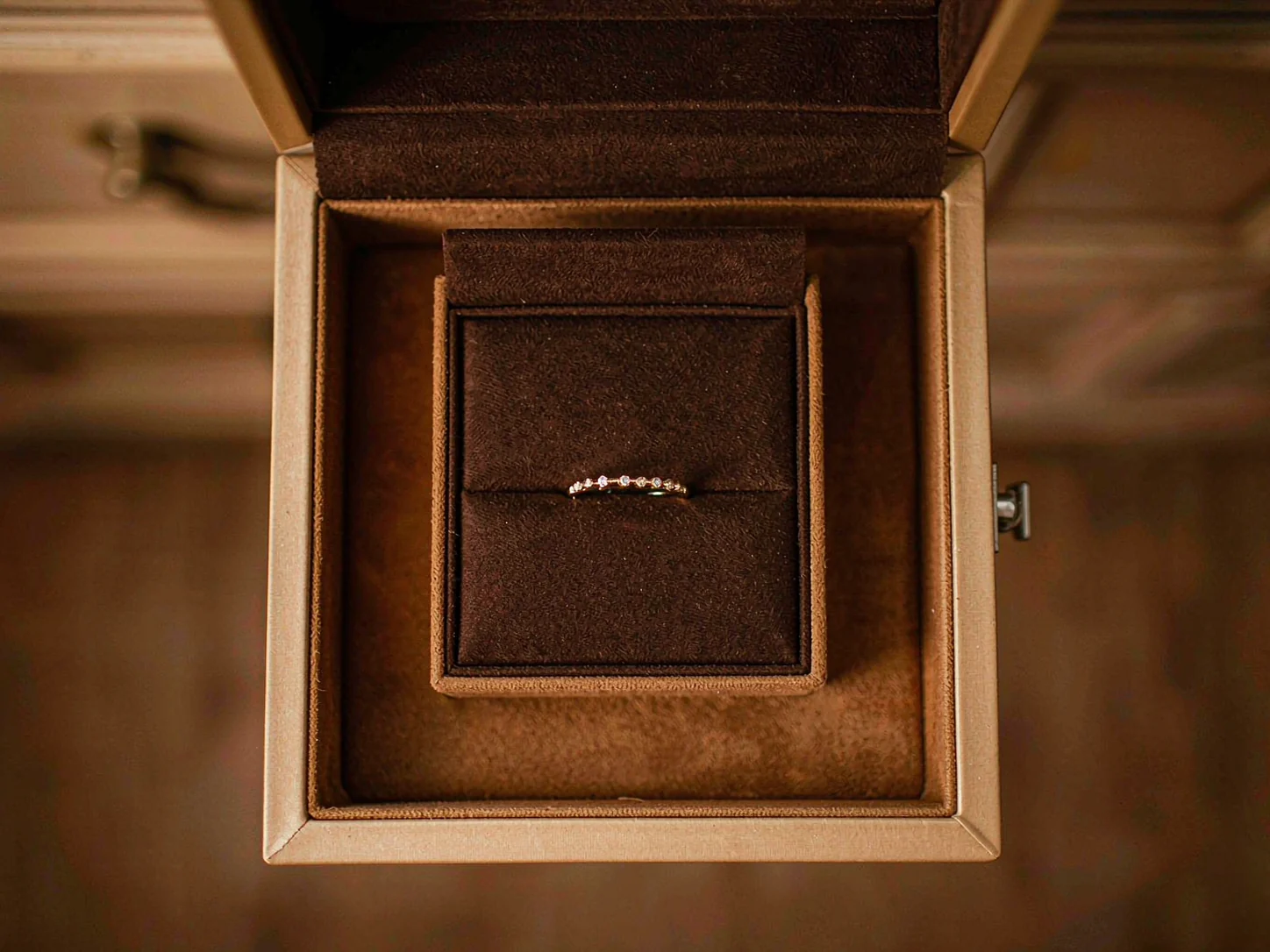
Jewelry Box Interiors
Chocolate and warm-brown flocked interiors offer an alternative to common black or white linings. The finished surface can provide a soft-looking background for jewelry, while the selected shade should be checked against the color and finish of the displayed pieces.
 02
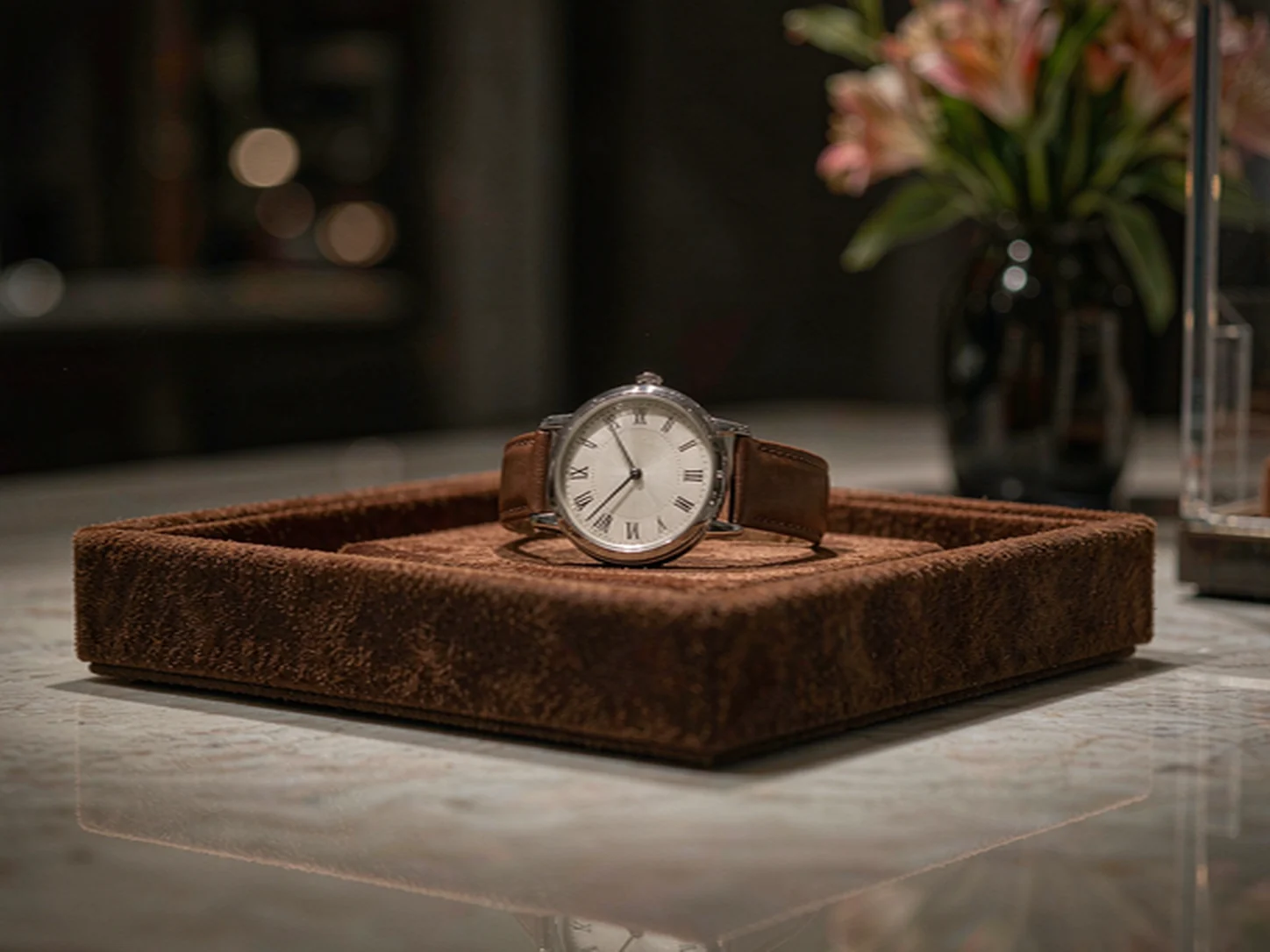
Watch and Accessory Display Trays
Brown velvet-like trays can suit leather-inspired presentation themes and neutral display environments. Brown flocking fibers may be used on selected tray surfaces, with attention to contact wear and the possibility of loose-fiber transfer.
 03
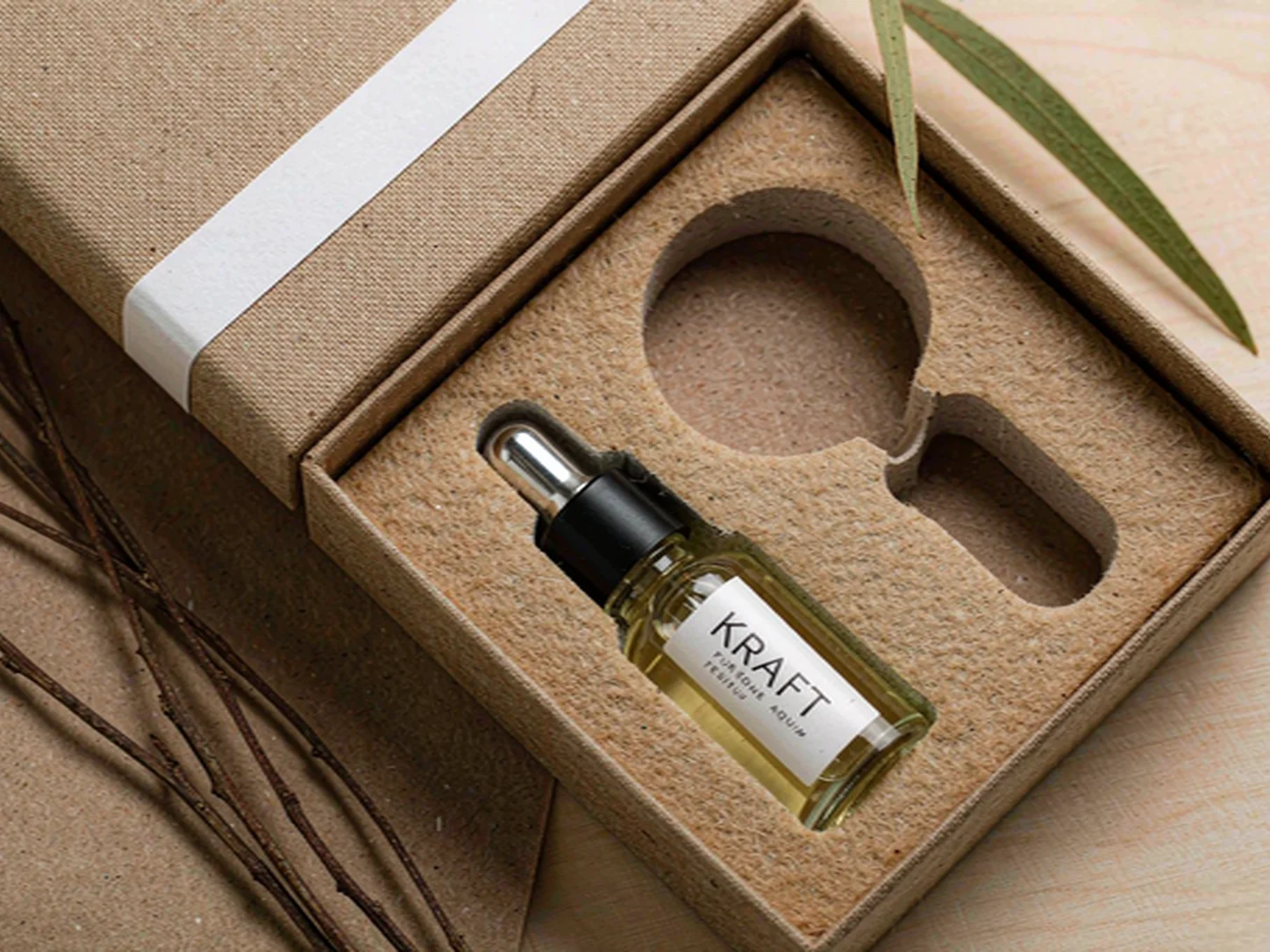
Gift Packaging and Rigid Box Inserts
Tan or warm-brown flocking can complement kraft-style boxes, natural paper textures and understated branding. Here, color matching should consider the assembled package rather than an isolated insert.
 04
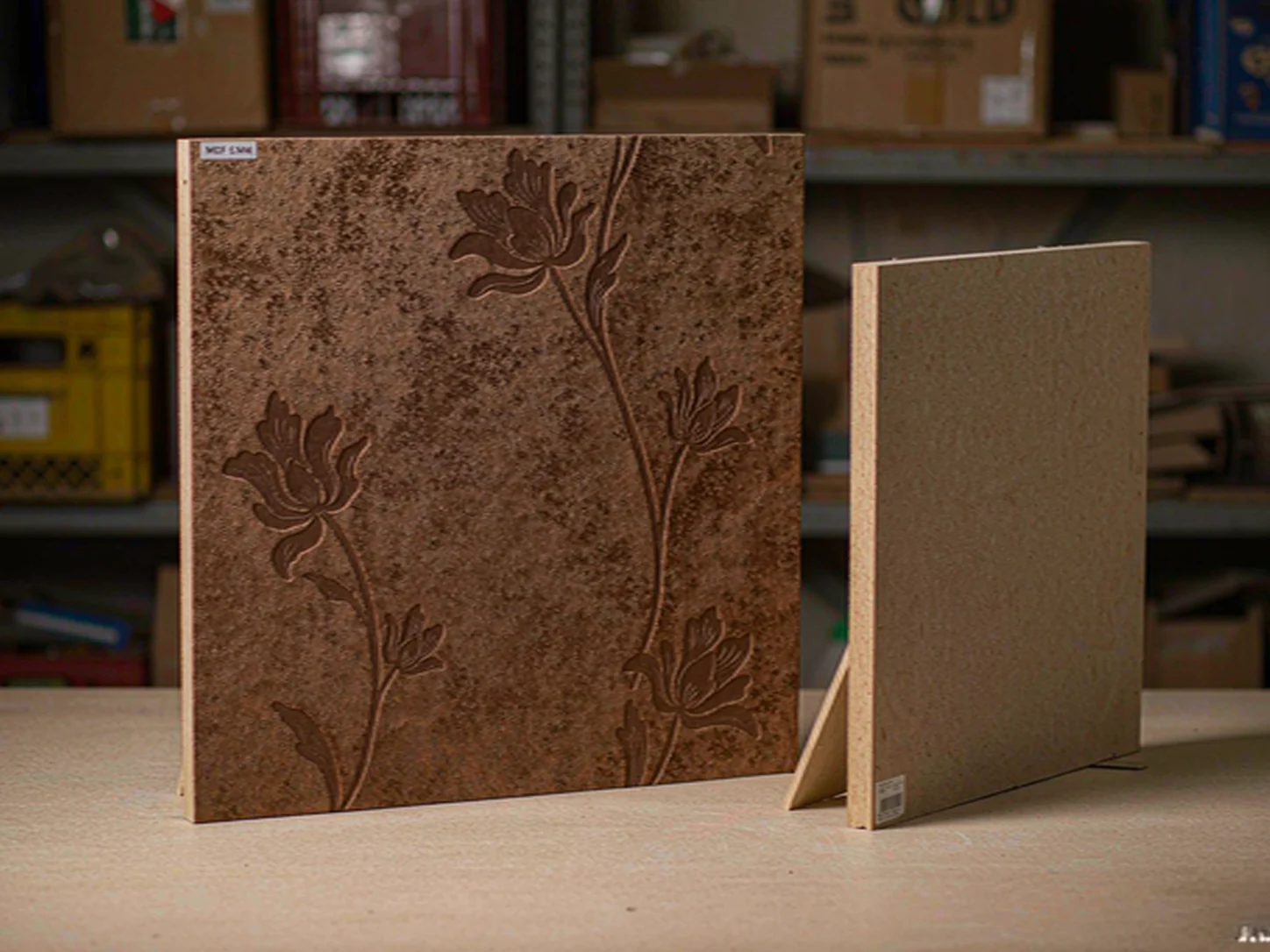
Wood and Wood-Look Decorative Components
A brown flock coating can introduce a soft surface where a wood or wood-look component needs a different tactile finish. Coated wood, MDF and other prepared materials may require separate adhesive and substrate testing.
 05
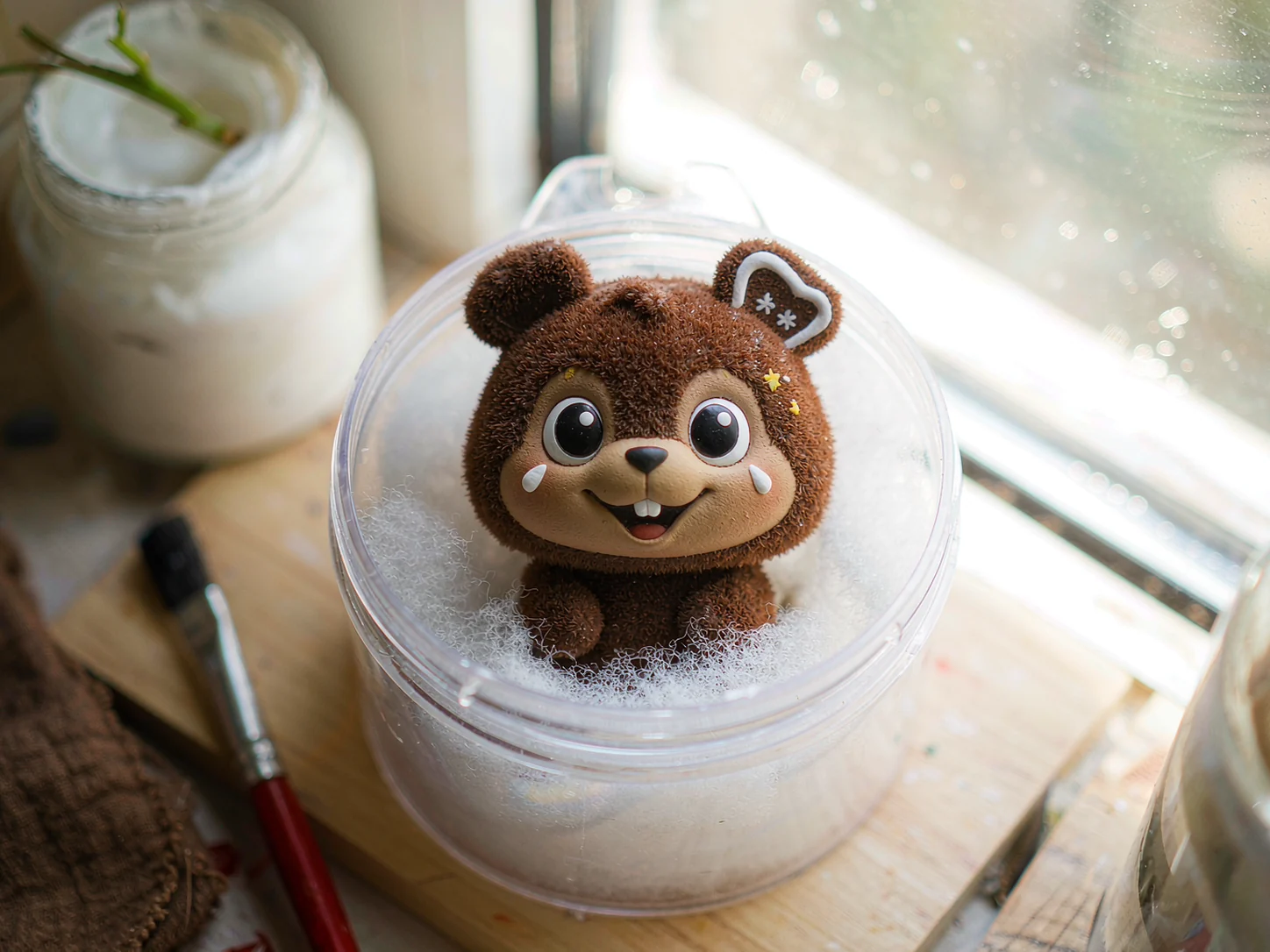
Decorative Figurines and Craft Details
Small molded ornaments, animal-inspired decorations and textured craft components may benefit from brown flocking on selected areas. Fine details require attention to fiber dimensions, edge definition and the finished color.
 06
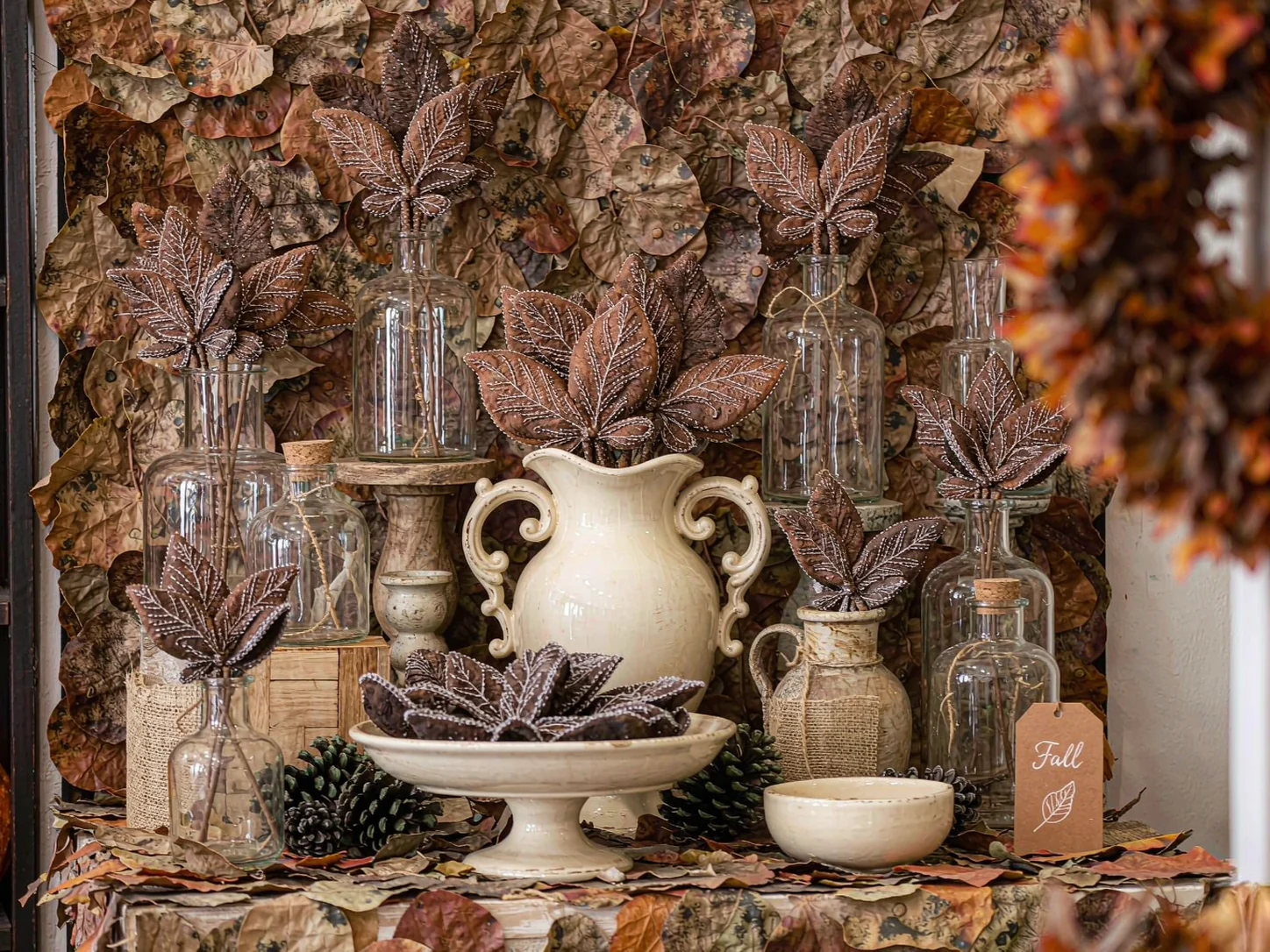
Seasonal and Nature-Inspired Displays
Brown flock can be used to explore woodland-inspired, autumnal or vintage visual themes. Pairing earthy shades with green, cream or muted orange allows a designer to build a coordinated palette while introducing a soft texture.
Brown Flocking Color Problems & Solutions
Solve the color and finishing issues that are most noticeable on brown flocked products.
| Common Problems | Possible Causes | Recommended Solutions |
|---|---|---|
| The finished brown is darker than the approved loose fiber | Substrate or adhesive color, pile density and lighting change the perceived shade. | Approve the brown color on a finished sample using the actual substrate and lighting conditions. |
| The shade looks too red, yellow or grey | Brown undertones do not match the surrounding packaging or displayed product. | Compare undertones beside the actual product and agree on a specific physical or coded color reference. |
| Light-colored base material shows through | Insufficient flock coverage or a high contrast between the base and brown fibers. | Review adhesive coverage and flock density; test a compatible base or adhesive shade. |
| Reworked areas appear darker or patchy | Extra adhesive and overlapping fiber layers create different local coverage. | Test repairs on sample parts, control adhesive quantity and avoid unnecessary buildup at the edges. |
| Fibers transfer onto products or packaging | Loose flock remains after processing, or bonding is inadequate. | Verify adhesive curing, remove excess fibers and test contact with representative finished products. |
| Brown color varies across production batches | The fiber grade, dye reference, substrate or application process has changed. | Retain an approved finished sample and record the agreed color, fiber and processing requirements. |
-
1 Which brown flock shade works best for jewelry box interiors?
-
2 Can brown flocking powder create a suede-like finish?
-
3 Why does the finished brown flock look different from the color sample?
-
4 Can dark brown flock fibers be matched to my packaging color?
-
5 Will brown flocking fibers leave marks on light-colored products?
-
6 How can I maintain consistent brown flock color across bulk orders?