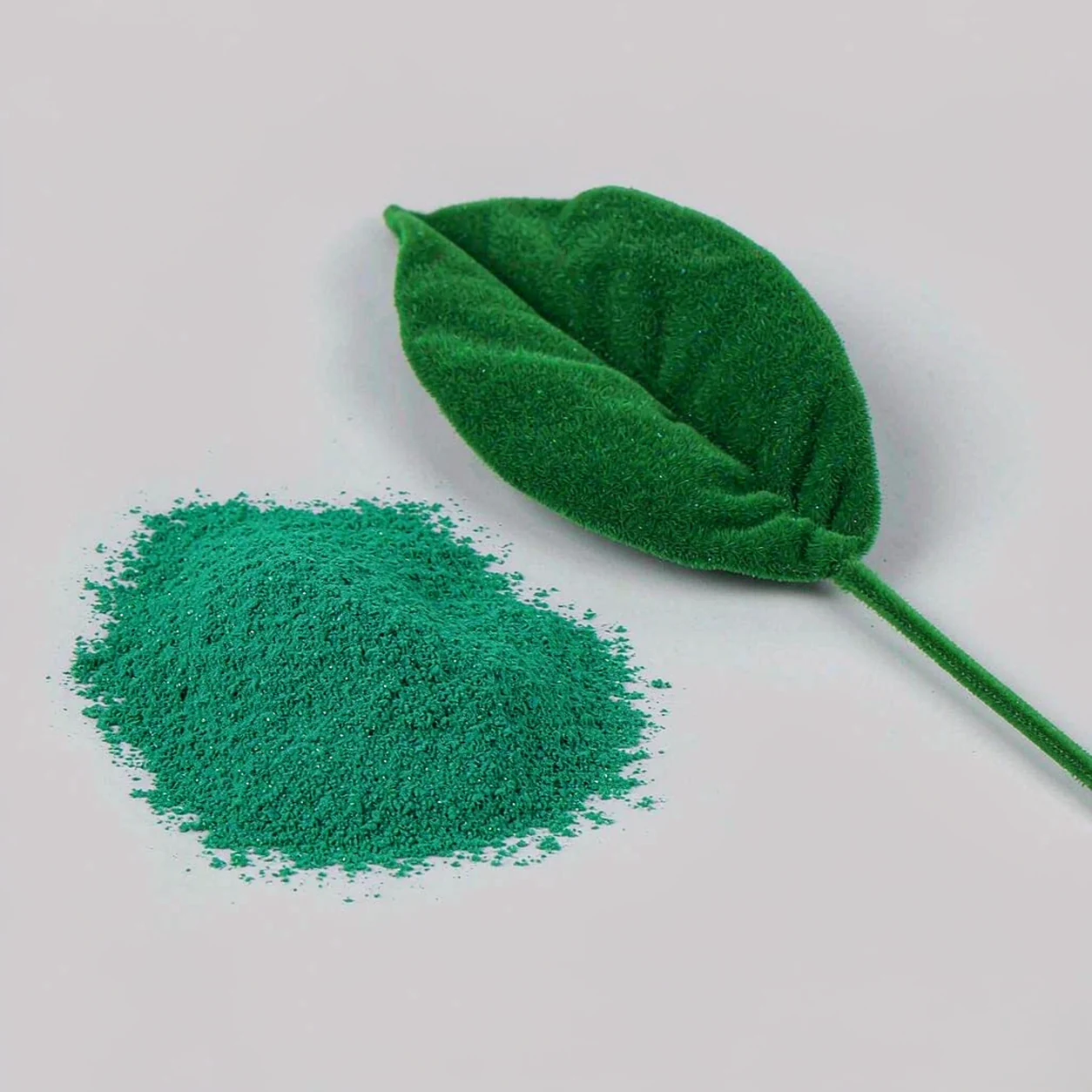
Green Flocking Powder
Bring color and texture to botanical-inspired decorations, craft products and display components with green flocking powder from Zhangs. Choose from suitable short-cut flock fibers and discuss custom green shades where surface detail matters as much as the finished color.
Quick Facts
Product Type: Dyed, short-cut flock fibers
Color: Green; specific shades subject to availability
Fiber Materials: Viscose / Rayon, Nylon / Polyamide, and other suitable options
Surface Finish: Fine, matte, velvet-like texture
Typical Applications: Decorative foliage, ornaments, craft shapes, packaging and display components
Customization: Color, fiber material, cut length, fineness and treatment
Why Choose Green Flock for Decorative Surfaces?
Add a tactile finish to green decorative components without relying on color alone.
A molded leaf, a botanical gift box and a retail display may all use green, but they do not need the same surface. A painted leaf preserves a relatively smooth finish. A flocked one carries a layer of fine fibers that changes its appearance and touch.
Green flock is particularly useful when the design calls for a soft, matte surface or a contrast with smooth surrounding materials. The goal is not always to imitate real foliage. In some products, a uniform, vivid green makes a stronger decorative statement; in others, a restrained shade helps the flocked element blend into a natural-looking design.
The best starting point is the part itself: its shape, the details that must remain visible, and the role the green surface should play in the finished product.
Green Flock Fiber Specifications
Match the fiber dimensions, color and flocking process to the surface you want to produce.
| Specification | Details |
|---|---|
| Product Name | Green Flocking Powder |
| Fiber Form | Dyed, short-cut flock fibers |
| Material Options | Viscose / Rayon, Nylon / Polyamide; subject to actual availability |
| Green Shades | Standard or custom shades based on an approved reference |
| Color Reference | Pantone, RAL, physical swatch or approved sample |
| Fiber Length | Selected according to the component and target pile appearance |
| Fiber Fineness | Denier or dtex, according to the available fiber grade |
| Surface Texture | Fine matte, velvet-like or more pronounced pile |
| Intended Substrates | Selected plastic, paperboard, coated wood and prepared decorative surfaces |
| Application Method | Electrostatic flocking with an appropriate adhesive and compatible fiber treatment |
| Custom Options | Fiber material, dimensions, color and treatment |
| Sample Requirements | Coverage, edge definition, adhesion, fiber retention and finished appearance |

Short Fibers for Fine Decorative Details
Small molded leaves, narrow lettering and detailed ornaments can lose definition under an overly prominent pile. A shorter or finer fiber may help maintain visible contours, provided the adhesive is applied accurately. The required dimensions should be chosen against the actual shape rather than appearance alone.

Pile Texture Changes the Visual Effect
Fine green flocking fibers can create a low-profile, soft-looking surface. A fuller pile produces a more noticeable textile effect, but may be less suitable for intricate areas. The choice is closely tied to the finished component's scale and the texture the designer wants to emphasize.

Selective Flocking Preserves Contrast
Not every part of a botanical decoration has to be flocked. Leaving stems, veins, lettering or neighboring surfaces uncoated can make the green texture stand out more clearly. Accurate adhesive placement is particularly important where flocked and unflocked areas meet.

Different Greens Create Different Types of Depth
A single green shade can give an ornament a clean, consistent look. A woodland-inspired piece may benefit from contrasting green sections, such as olive against a darker green. These effects can be designed as separate flocked areas without assuming that unlike fiber grades can be mixed directly.
Shade Matching from Your Design Reference
Provide a physical swatch, color code or existing product sample. Zhangs can assess the requested shade against available fiber materials and discuss the feasibility of a custom green specification.
Fiber Preparation for the Required Pile
Cutting, dyeing, drying and sieving are part of Zhangs' flock fiber production capabilities. The requested length, fineness and fiber treatment can be reviewed in relation to the intended finish and processing method.
Material Options Beyond Color
A decorative item with fine molded details may need a different fiber grade from a larger flocked panel. Nylon and viscose options can be considered for their material characteristics, with suitability established through the intended application.
Coordinating Multi-Color Product Collections
When a collection contains several greens or uses green alongside brown and neutral shades, the material requirements can be organized by component and color. This helps keep each specified surface distinct during purchasing and production.
Clear Material Records for Reorders
An agreed fiber grade, color reference and sample provide a practical basis for repeat orders. Zhangs can coordinate the specified materials and quantities once the product requirements and supply arrangements have been confirmed.
 01
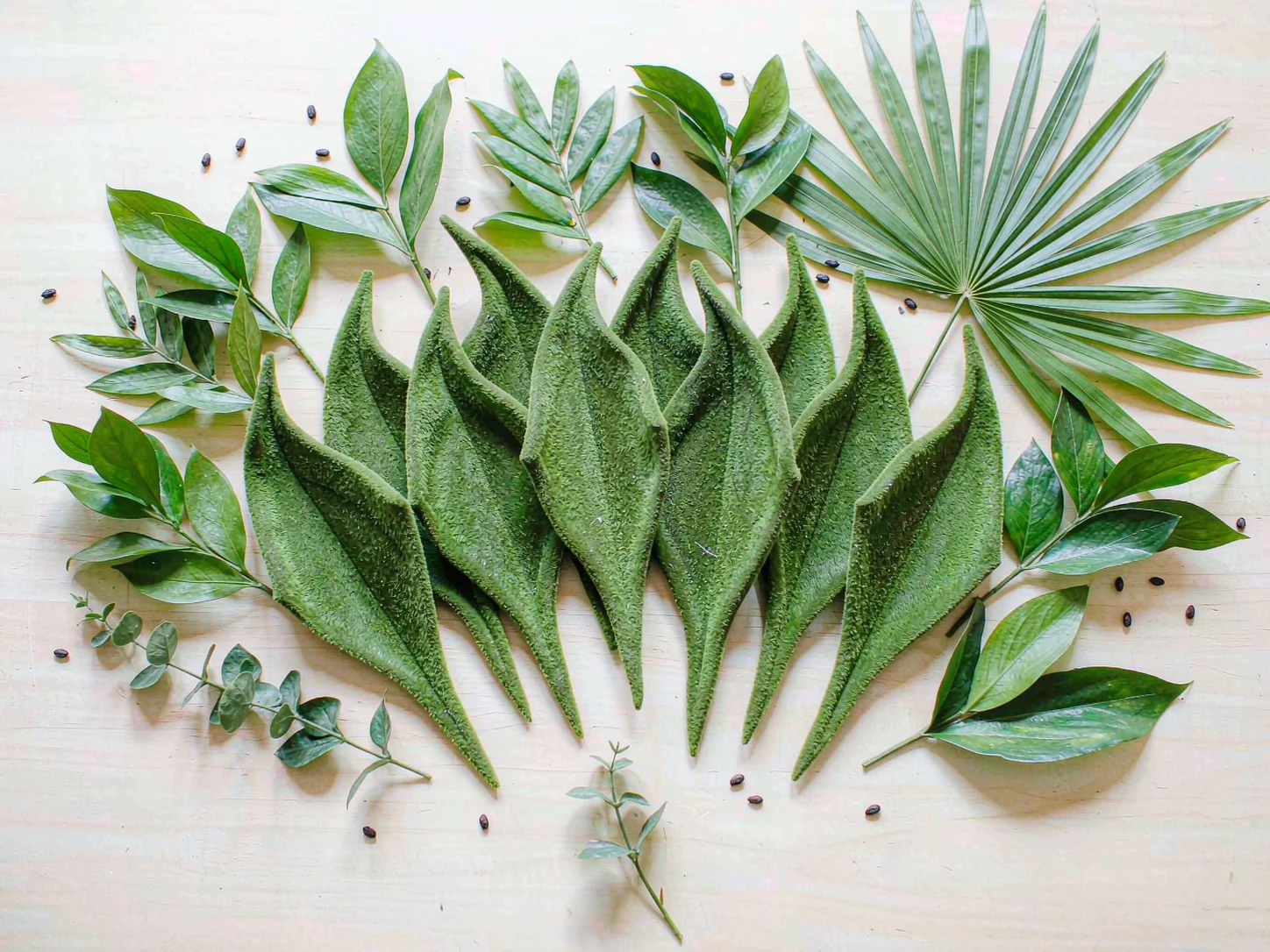
Molded Leaves and Botanical Decorations
Flocked leaf shapes can gain a softer surface than plain molded plastic. The important requirement is maintaining their contours, especially around pointed tips and narrow details, while giving the selected areas an even green finish.
 02
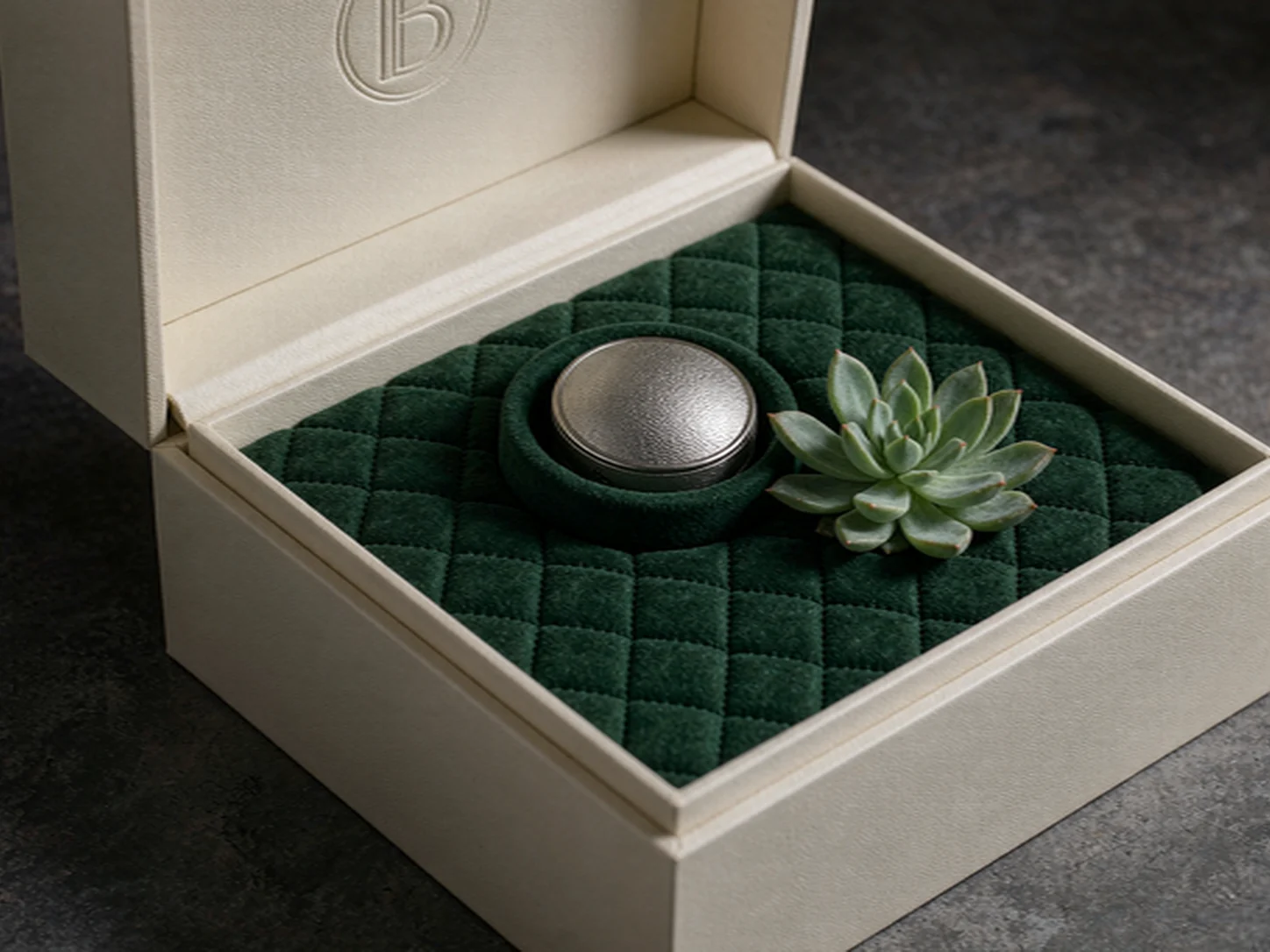
Nature-Themed Gift Box Inserts
A green flocked insert can introduce a contrasting texture inside botanical or garden-inspired packaging. Muted shades may complement kraft board or cream-colored boxes, while a brighter green can be used where the insert is intended to attract attention.
 03
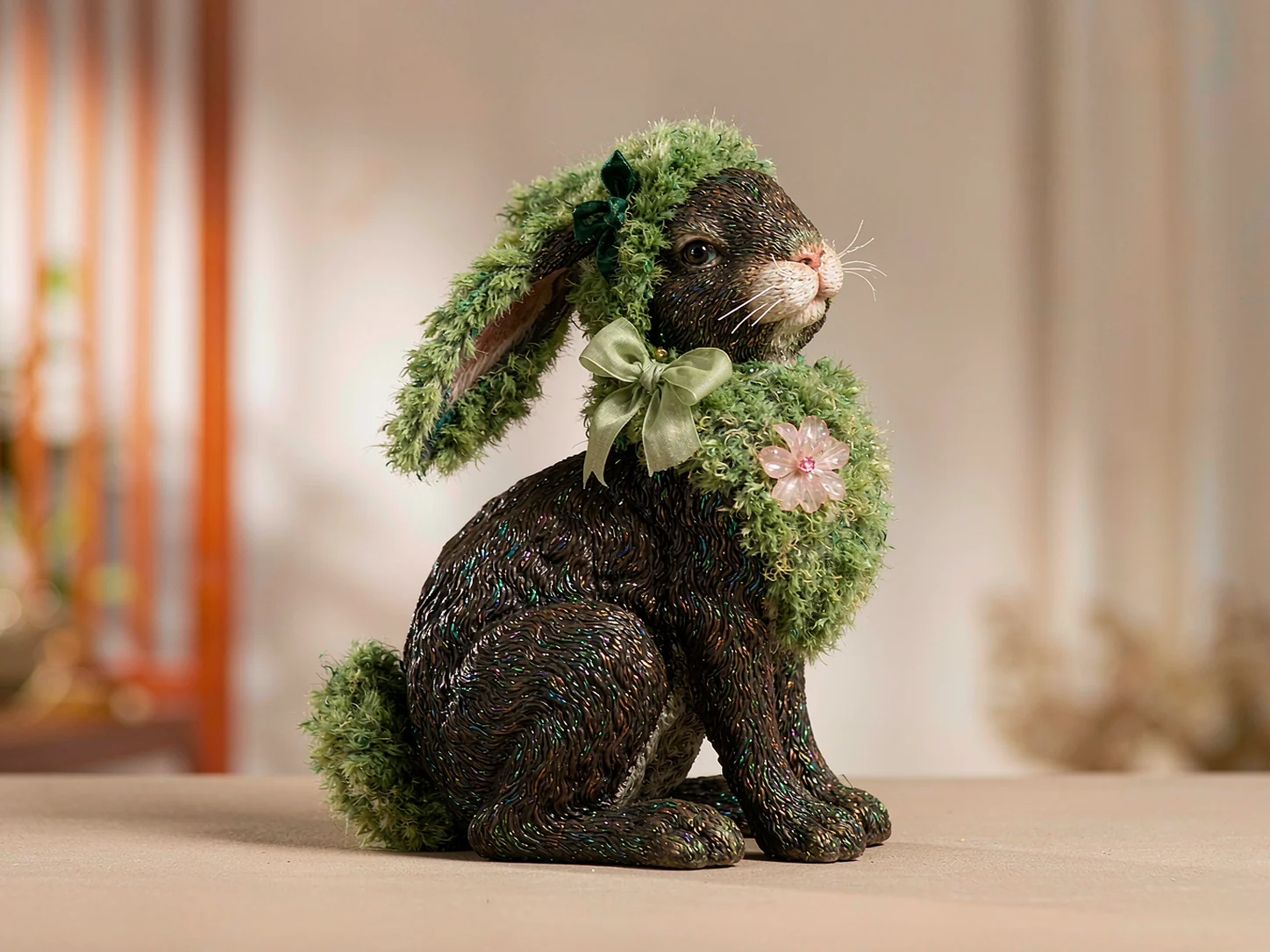
Decorative Animal and Character Figures
Selected areas of animal-inspired toys, figurines and character decorations can use green flocking material to create colorful textured details. Fiber dimensions, edge control and coating durability are important where the pieces have complex shapes or are frequently handled.
 04
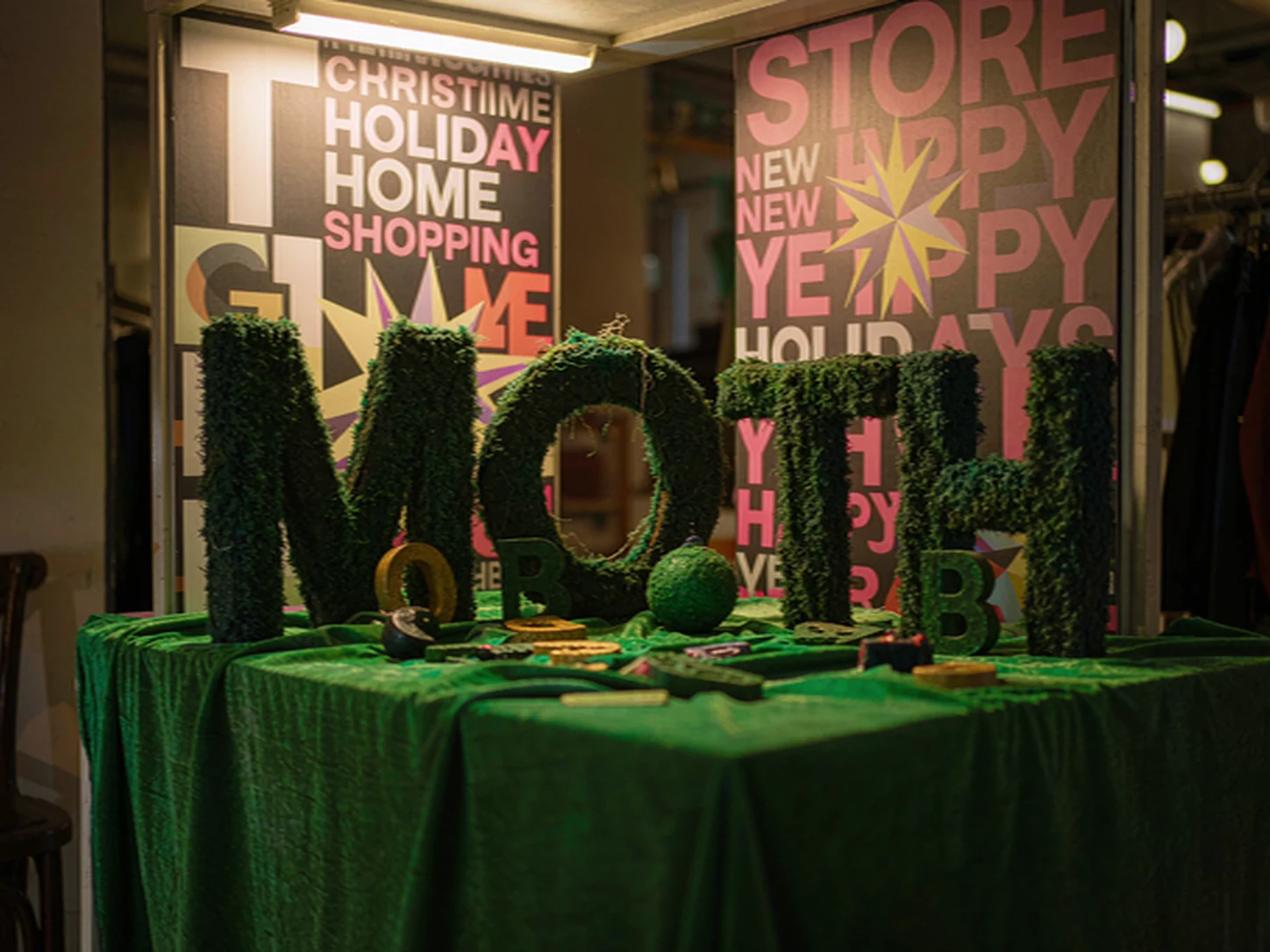
Retail Display Props and Signage
Green flocked letters, panels and decorative display objects can provide a surface that looks different from printed graphics. For these applications, the visibility of fine edges and the finish under display lighting deserve attention.
 05
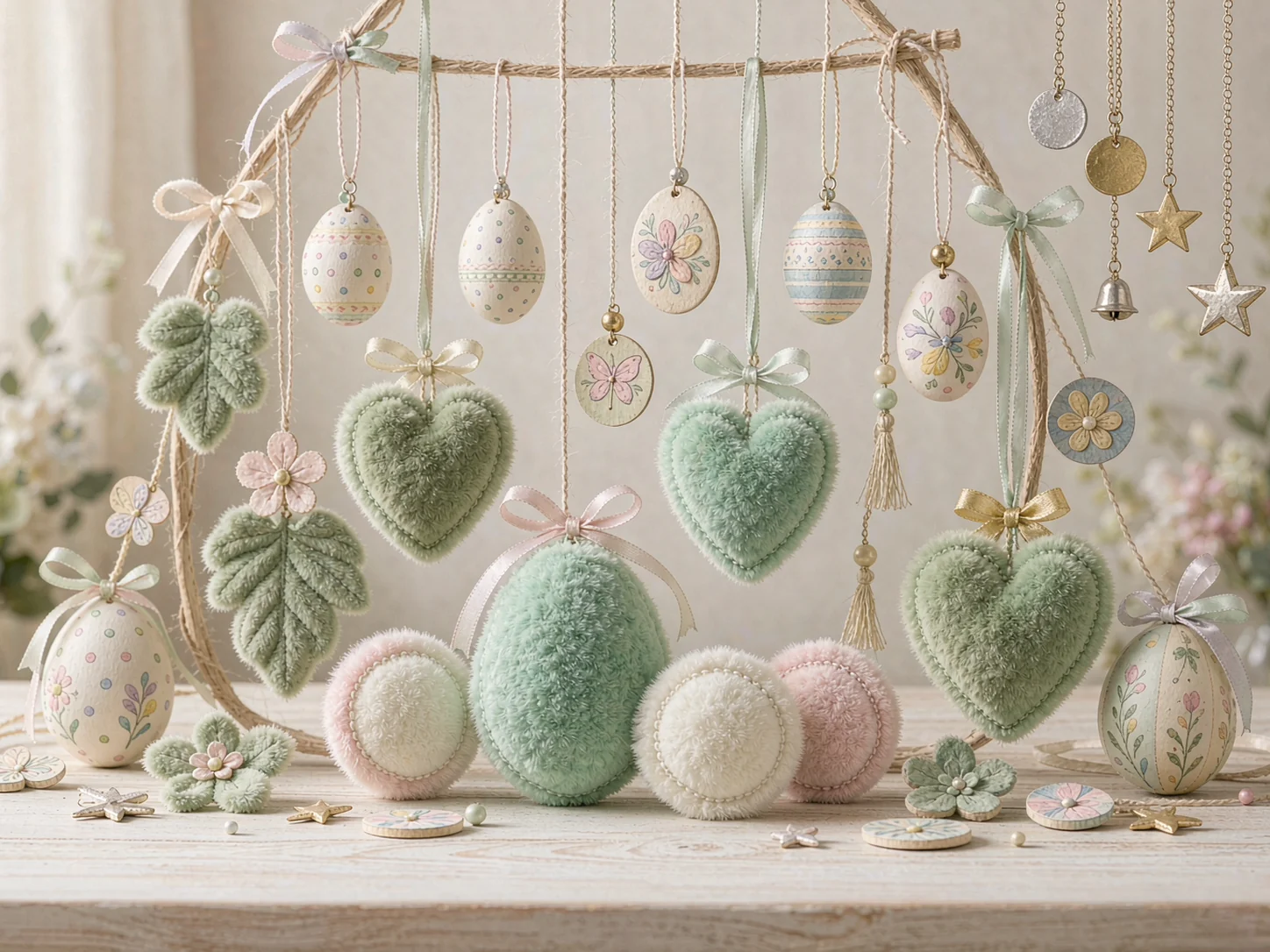
Seasonal Ornaments and Craft Components
Spring decorations, themed hanging ornaments and handcrafted shapes can use green flock on selected parts. Partial coverage can provide contrast with painted, metallic or unflocked elements without making every surface look the same.
 06
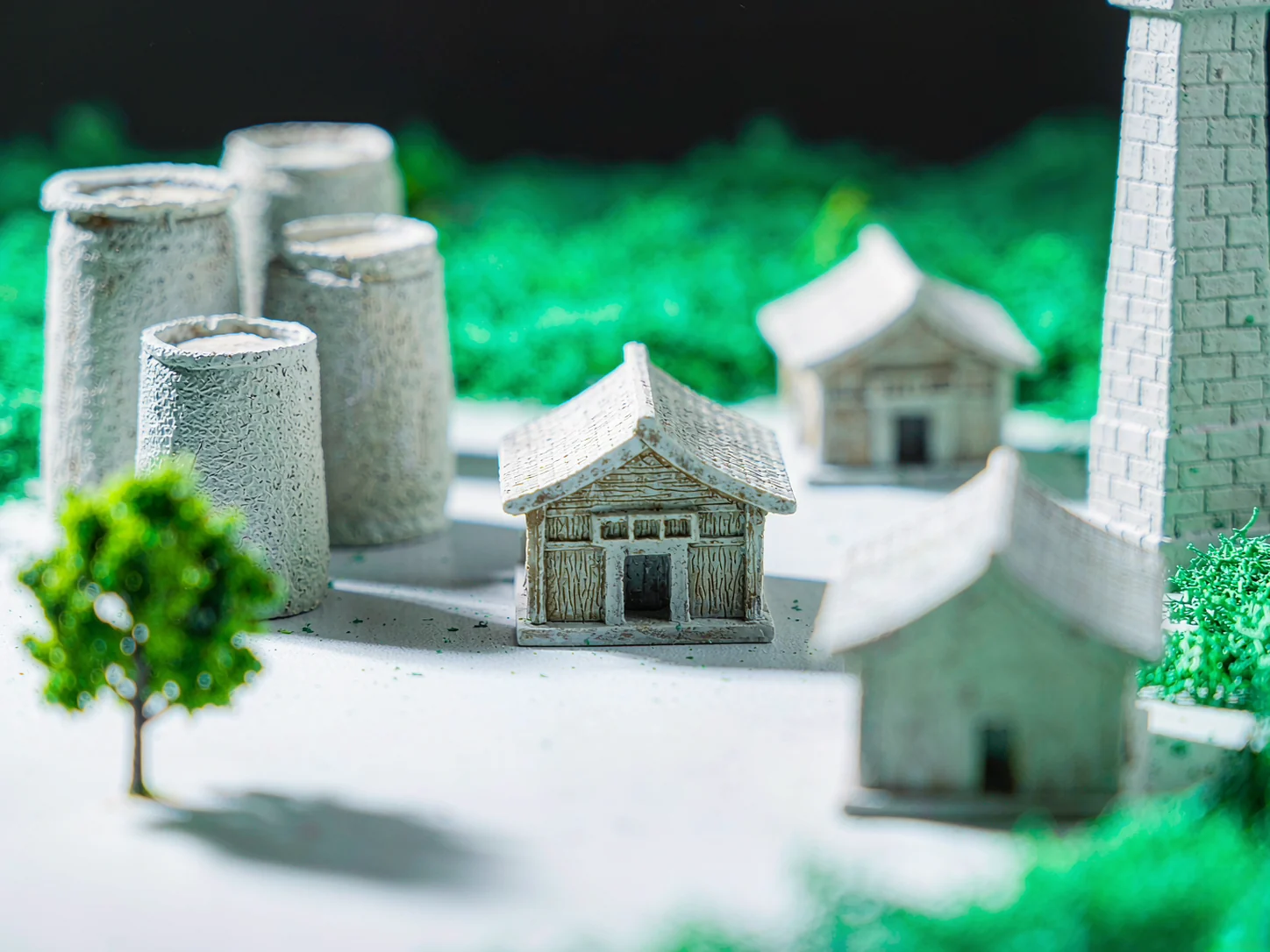
Miniature Display and Scenic Details
Fine green flock fibers may be considered for selected low-profile textures in miniature displays. However, textile flock is not automatically interchangeable with foam turf or longer static grass. The intended scale, material composition and application method must guide the choice.
Green Flocking Problems & Solutions
Address defects that affect detail, green coverage and the consistency of finished decorative surfaces.
| Common Problems | Possible Causes | Recommended Solutions |
|---|---|---|
| Fine leaf details disappear under the flock | Fiber length or coating buildup is excessive for the part's dimensions. | Compare shorter or finer fibers and refine adhesive placement on a representative molded sample. |
| Bright green areas look uneven or patchy | Thin flock distribution or strong contrast with the underlying substrate makes gaps visible. | Check adhesive coverage, fiber distribution and whether a compatible base shade would improve the finished appearance. |
| Flock spreads beyond the intended pattern | Adhesive reaches unwanted areas, or the application boundary is poorly controlled. | Refine masking or adhesive application and check the finished edge before full production. |
| Reworked areas appear darker than surrounding green | Additional adhesive and overlapping flock create a different pile density. | Test repairs on scrap or sample parts and avoid excessive buildup during reapplication. |
| Adjacent green areas have harsh boundaries | The transition between shades or pile textures is too abrupt for the intended design. | Adjust the boundary design or use controlled intermediate areas; verify compatibility before combining fiber grades. |
| Fibers detach from detailed components | Adhesive incompatibility, incomplete curing or unsuitable surface preparation reduces retention. | Review the substrate, adhesive, curing process and removal of excess flock; perform handling tests on completed parts. |
-
1 Which green flocking powder is suitable for fine leaf details?
-
2 Can green flock fibers create a natural foliage effect without mixing colors?
-
3 Is green flock powder different from static grass and foam turf?
-
4 Why does green flocking powder change color after gluing?
-
5 Will green flocking fibers fade under display lighting?
-
6 What information should I send when ordering custom green flocking powder?