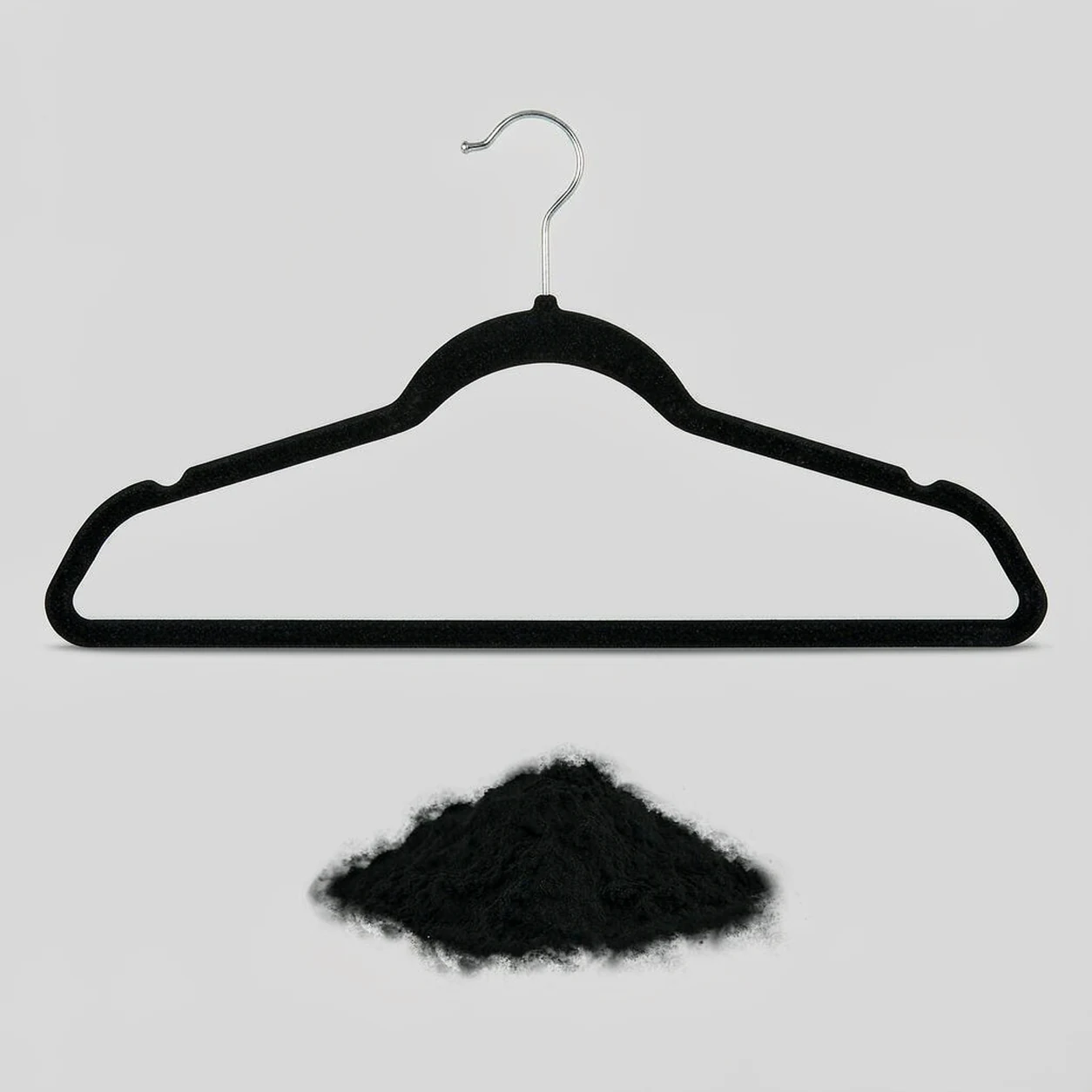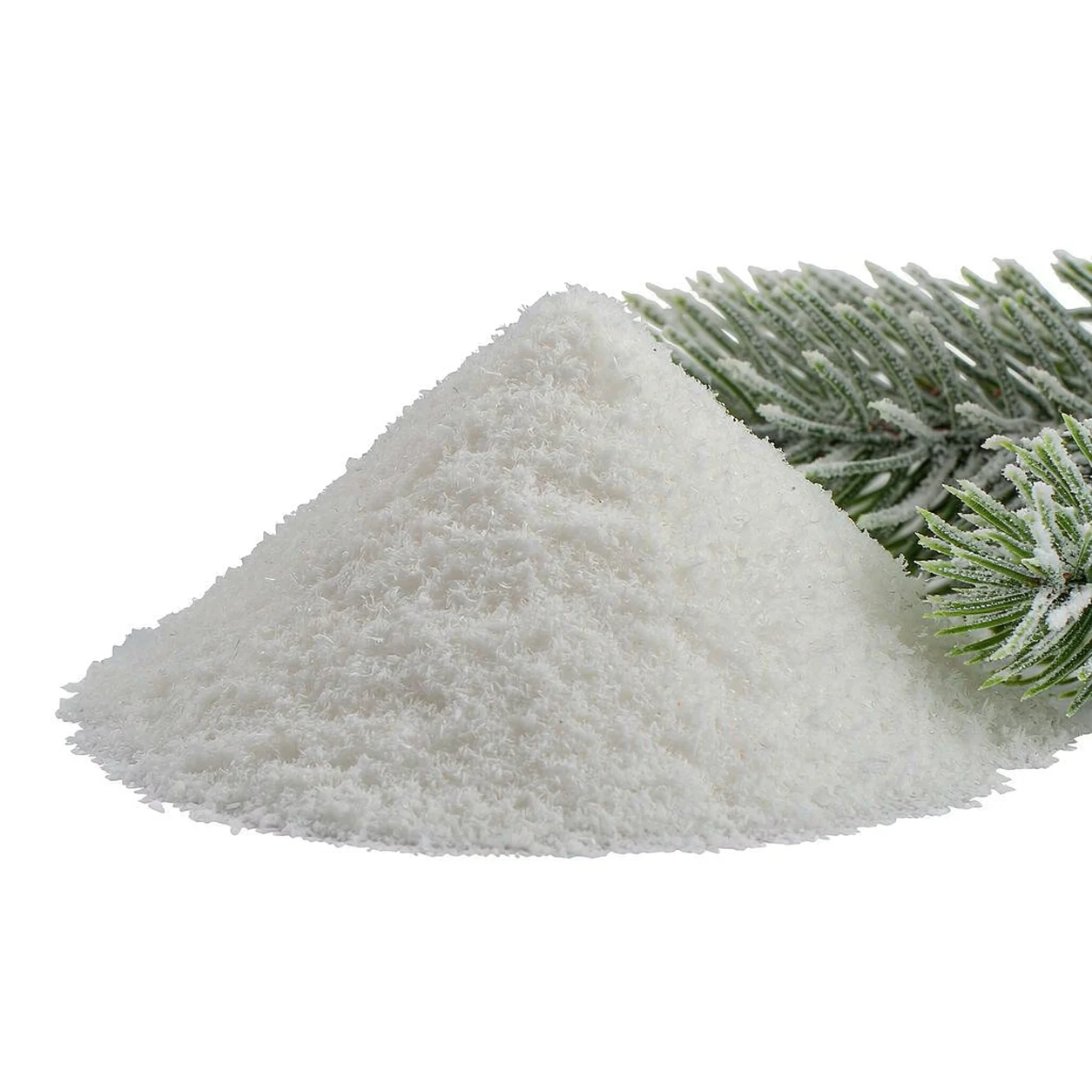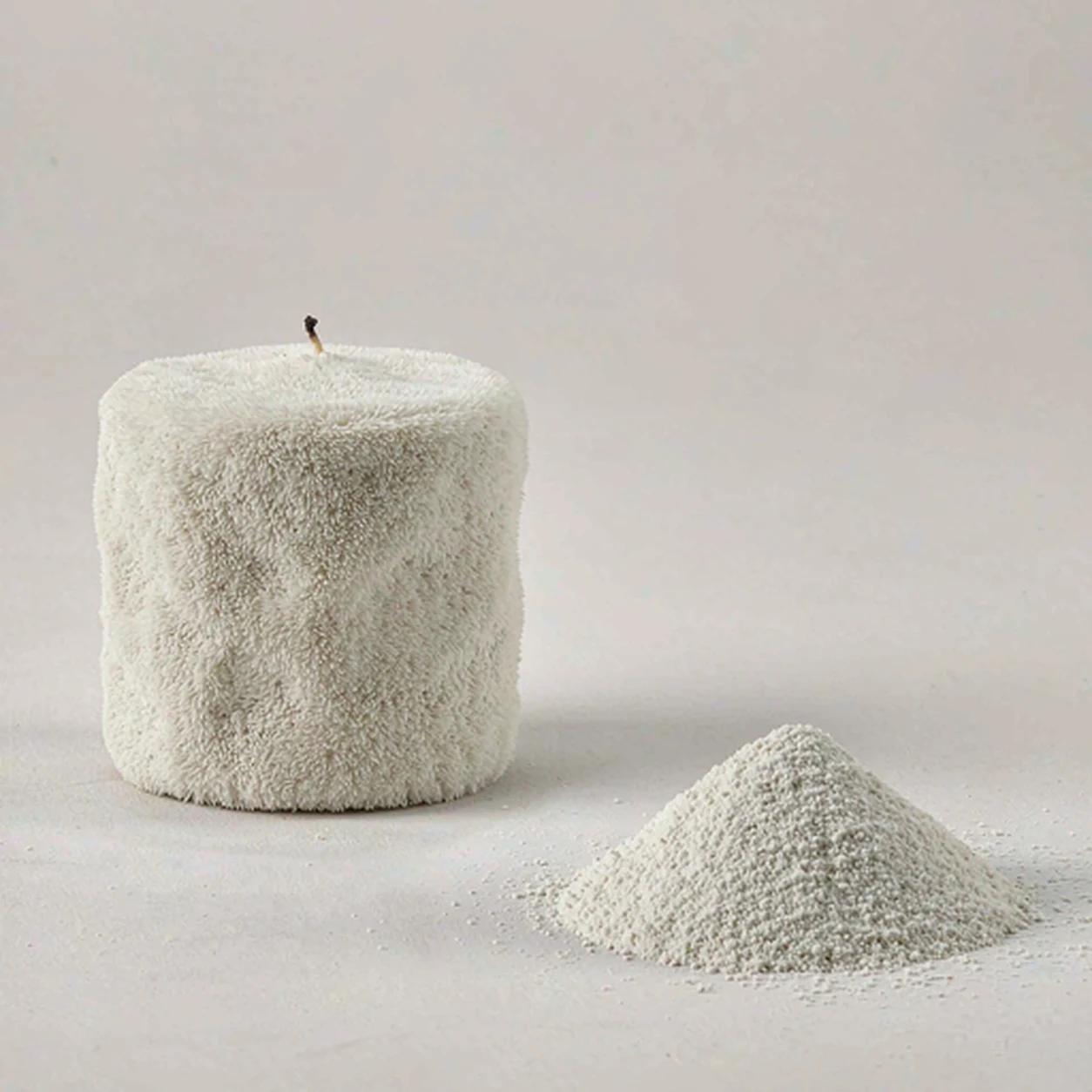
Candle Flocking Powder
Transform smooth wax ornaments into velvet-finished decorative pieces with candle flocking powder from Zhangs. Rayon and nylon flock fibers are available for sculpted wax forms, contrasting surface details and custom-colored decorative collections.
Quick Facts
Product Type: Short-cut flock fibers for decorative wax products
Fiber Options: Rayon / Viscose, Nylon / Polyamide
Referenced Substrates: Natural wax and paraffin wax
Appearance: Matte, velvet-like fiber finish
Decorative Options: Full coverage, partial flocking and patterns
Intended Use: Non-burning decorative pieces; flame-use suitability is not established
Why Use Flock on Decorative Wax Candles?
A velvet-like fiber finish can transform smooth wax ornaments into distinctive decorative pieces with added texture and visual depth.
A smooth wax candle draws attention to its shape and color. Add a velvet-like fiber finish, and the same form takes on a different character: softer in appearance, less reflective, and closer to a fabric-covered ornament. The contrast is particularly striking on sculpted objects with rounded bodies, raised patterns or carefully defined silhouettes.
For decorative candle makers, flock powder for wax ornaments offers another way to develop a distinctive product collection without relying entirely on wax color or mold design. The important decisions are where the fibers belong, which details should remain exposed, and how the finished piece will be displayed.
This page concerns non-burning decorative products. A flocked finish does not establish that a candle is safe to light.
Candle Flock Fiber Specifications
Review fiber materials, available dimensions, wax substrate requirements and finishing options before selecting flock for your decorative project.
| Specification | Details |
|---|---|
| Product Name | Candle Flocking Powder |
| Fiber Form | Prepared short-cut flock fibers |
| Material Options | Rayon / Viscose and Nylon / Polyamide |
| Fiber Length | Selected according to surface shape and desired pile; exact grades to be confirmed |
| Fiber Fineness | Denier or dtex; available grades to be confirmed |
| Color Options | Standard and custom shades, subject to availability |
| Surface Finish | Fine matte or velvet-like pile |
| Referenced Wax Types | Natural wax and paraffin wax |
| Flocking Process | Electrostatic flocking with a suitable adhesive system |
| Coverage Designs | All-over coating, partial areas and decorative patterns |
| Customization | Fiber material, dimensions, color and treatment |
| Sample Checks | Wax adhesion, detail definition, loose fibers, surface marks and storage behavior |
| Application Scope | Non-burning decorative wax products |
| Burning Performance | Not verified; no claim of safe use with an open flame |

Velvet on Sculpted Wax
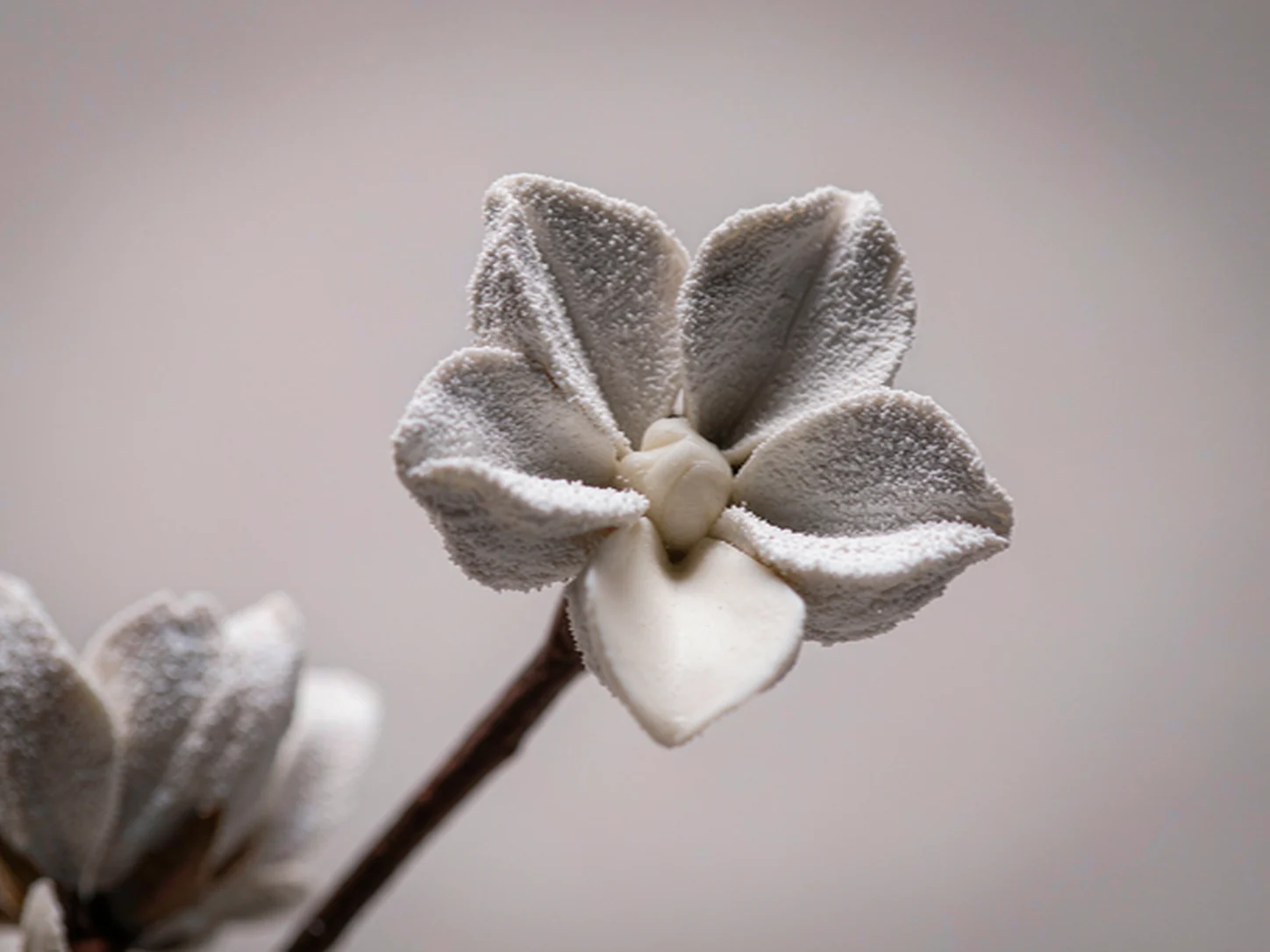
A molded flower, animal or ribbed wax ornament already has a recognizable shape. Flocking changes how that shape is perceived without requiring a separate fabric covering. Fine candle flock fibers can create a soft-looking surface that follows the molded form, while the selected pile height influences how clearly its details remain visible.

Smooth and Flocked Contrast
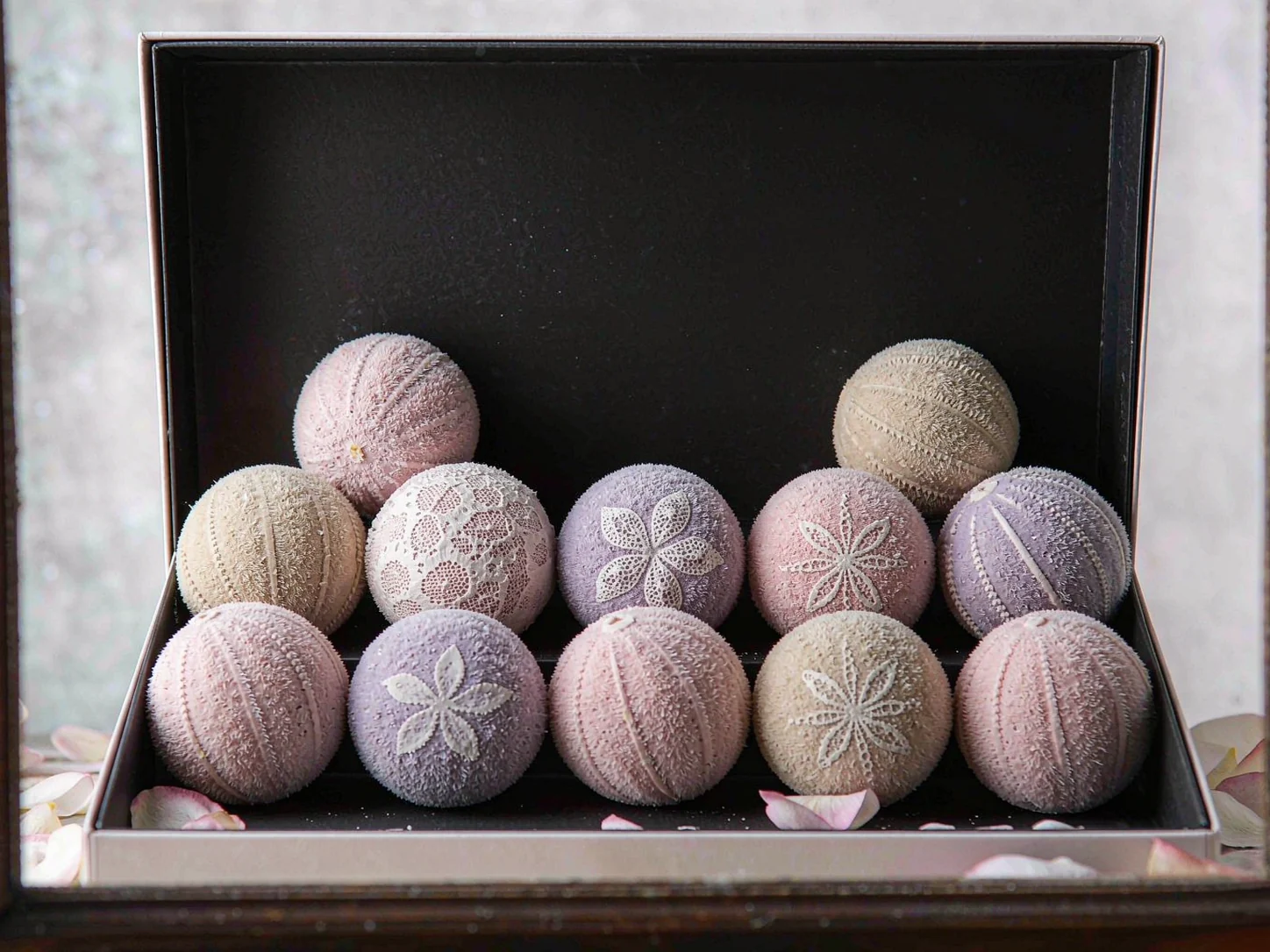
Some of the most interesting decorative effects come from leaving part of the wax uncovered. A smooth base beside a flocked upper section, or an exposed molded detail against a colored pile, gives a single object two distinct finishes. This makes partial flocking a design choice rather than simply a way to use less material.

Color Meets Texture
Dyed wax gives an object color; flocking adds a textured color layer. A matte pastel finish can create one mood, while a dark velvet surface produces another. On small ornaments, the fiber length and pattern boundary can be more important to the result than choosing the most saturated shade.

Distinctive Decorative Collections
A velvet-finished wax ornament can be presented as a decorative object rather than an ordinary functional candle. Its tactile appearance offers a way to distinguish themed gift sets, display pieces and sculptural collections. The finished item should be clearly positioned and labeled for its intended non-burning use.
Rayon and Nylon Options
Zhangs' existing candle flocking examples reference rayon and nylon fibers. If your design calls for a fine, understated pile or a more pronounced velvet appearance, material and fiber-grade options can be discussed against the finished sample you want to achieve.
Fiber Size Selection
A wax flower with narrow petals presents a different challenge from a broad, rounded ornament. Share the dimensions of your molded piece and the details you want to preserve. These provide a practical starting point for selecting cut length and fineness.
Custom Decorative Colors
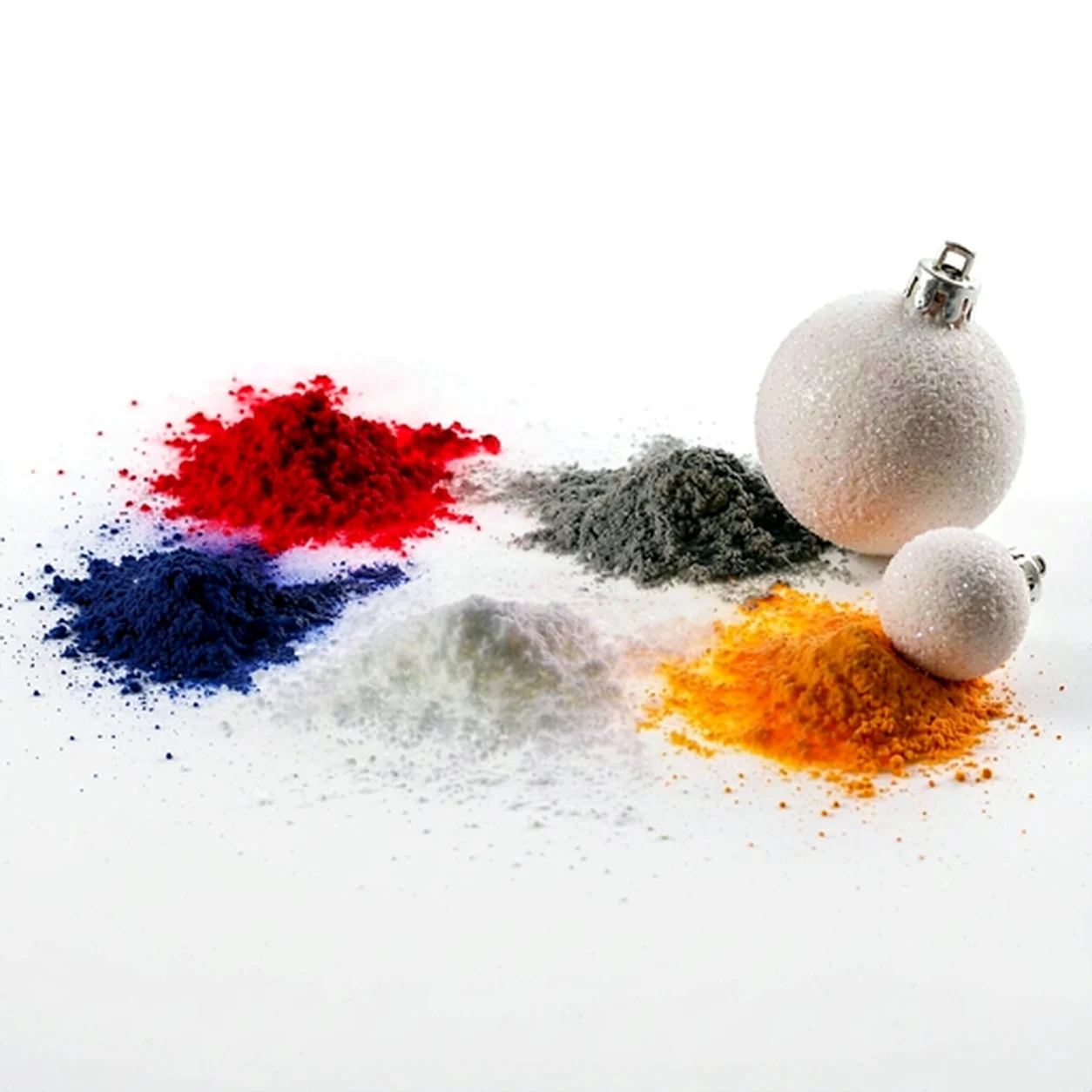
A collection may use the same molded shape in several colors or combine exposed wax with a contrasting flocked section. Zhangs can discuss available dyed fiber options and the feasibility of custom shades for decorative candle flocking powder.
Electrostatic Flock Preparation
Zhangs' manufacturing capabilities include cutting, dyeing, drying and sieving flock fibers. For wax decoration, the fiber specification needs to fit the intended application process; adhesive selection and wax-surface preparation must also be addressed during product development.
Consistent Material Supply
When an approved sample has established the required color, fiber grade and surface design, those details can be recorded for subsequent material orders. This is particularly useful when several decorative ornaments share a common finish.
 01
Floral Wax Ornaments
Molded petals, blossoms and botanical shapes can use a fine flock finish to introduce a fabric-like appearance. Preserving delicate edges is more important here than building a heavy pile.
 02
Character Wax Figures
Decorative animal or character forms may use flock fibers for candles on selected body sections to emphasize a playful, soft-looking design. Eyes, facial features and other molded details can be left exposed where the design calls for sharper definition.
 03
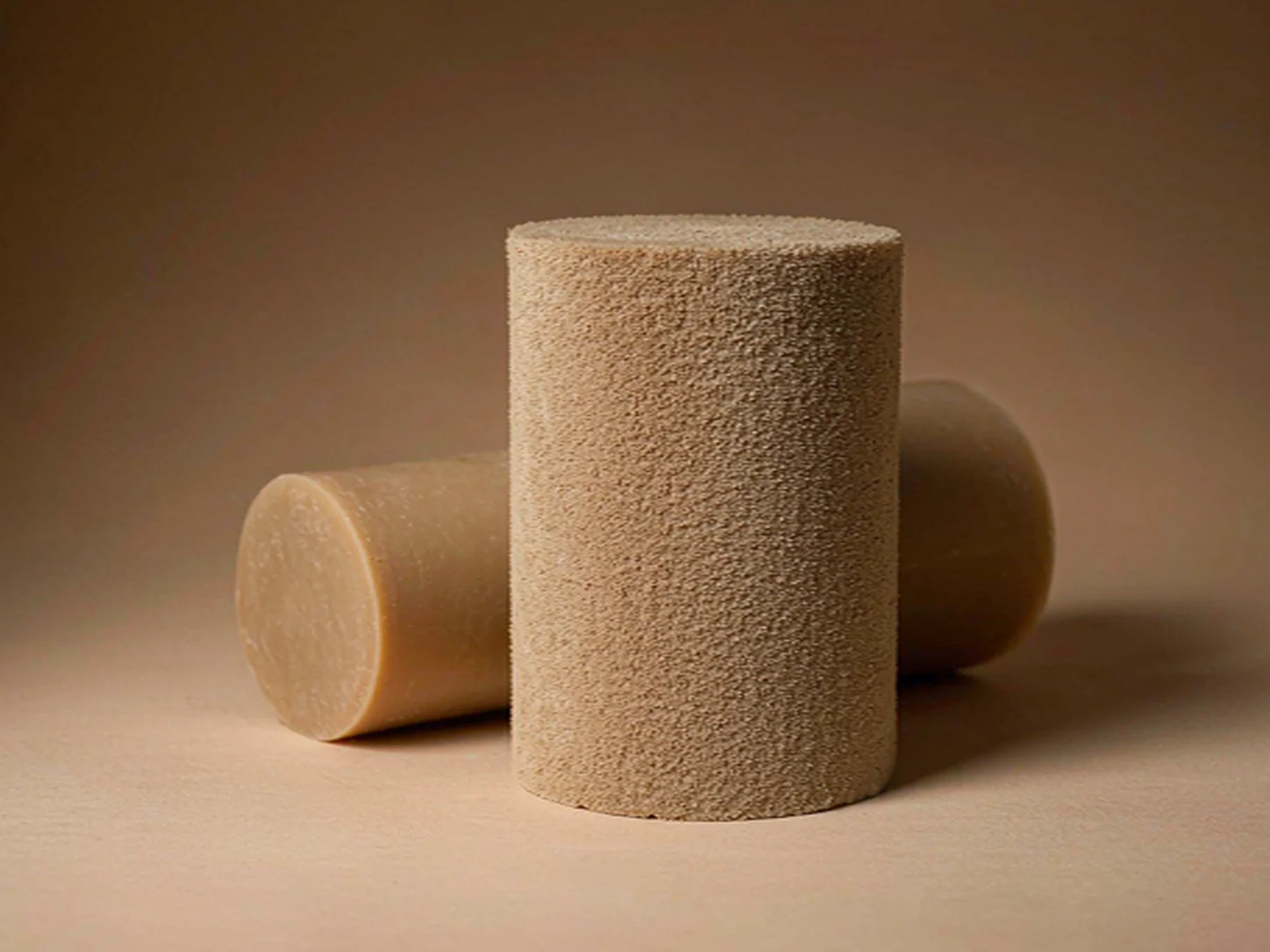
Decorative Wax Pillars
A simple wax pillar becomes visually different when covered with an even matte fiber finish. Smooth cylindrical surfaces make consistency particularly noticeable, so visible streaks, contact marks and edge coverage deserve attention.
 04
Flocked Wax Gift Sets
A matched set can combine exposed wax with colored velvet areas to create a recognizable theme. Instead of repeating the same finish on every piece, designers can vary the flocked placement while retaining a common color palette.
 05
Seasonal Wax Decorations
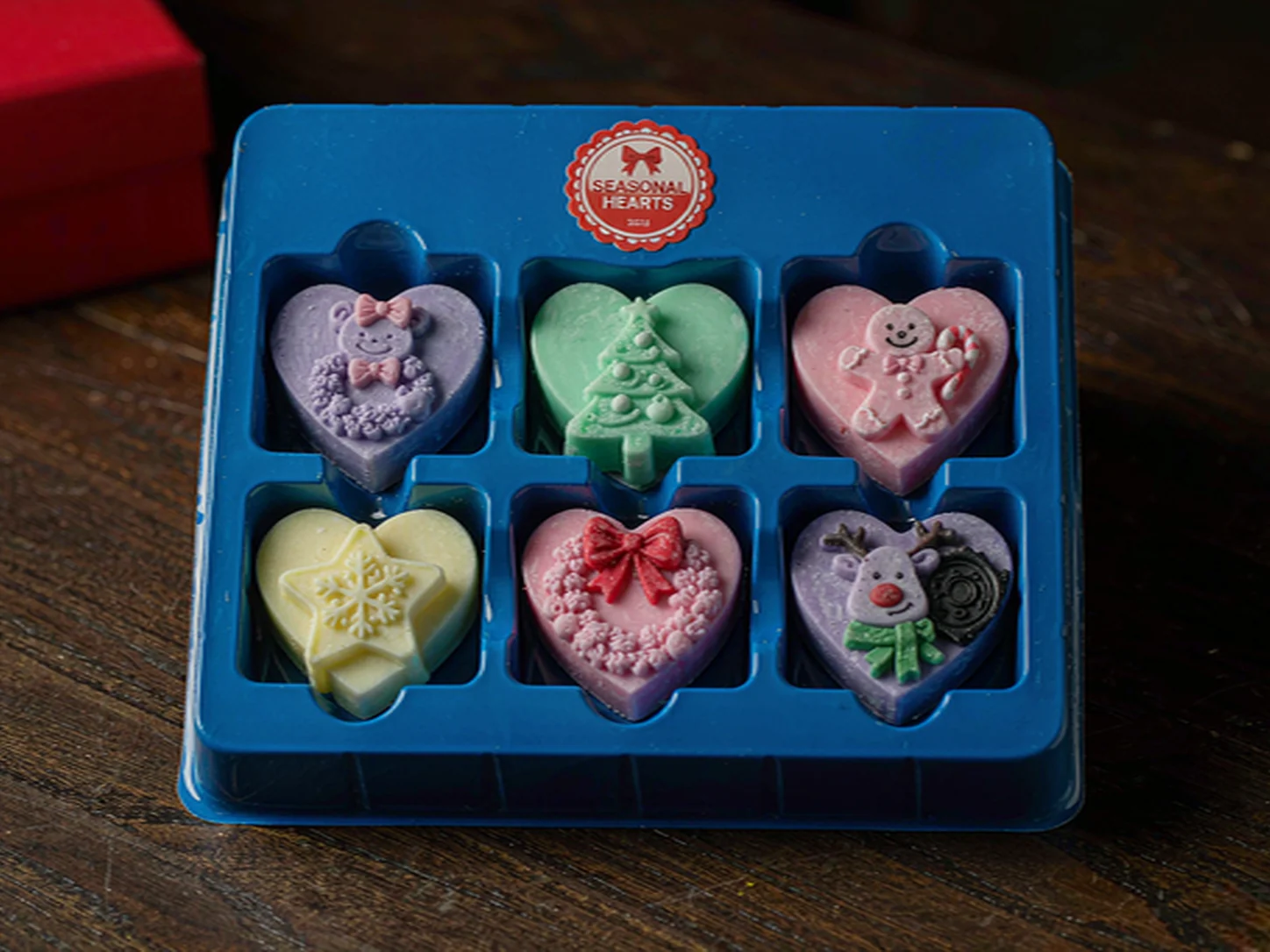
Heart-shaped ornaments, winter figures and other seasonal wax pieces can be developed as decorative gifts or display objects. Color selection and packaging presentation are especially important when several designs form a collection.
 06
Retail and Photography Props
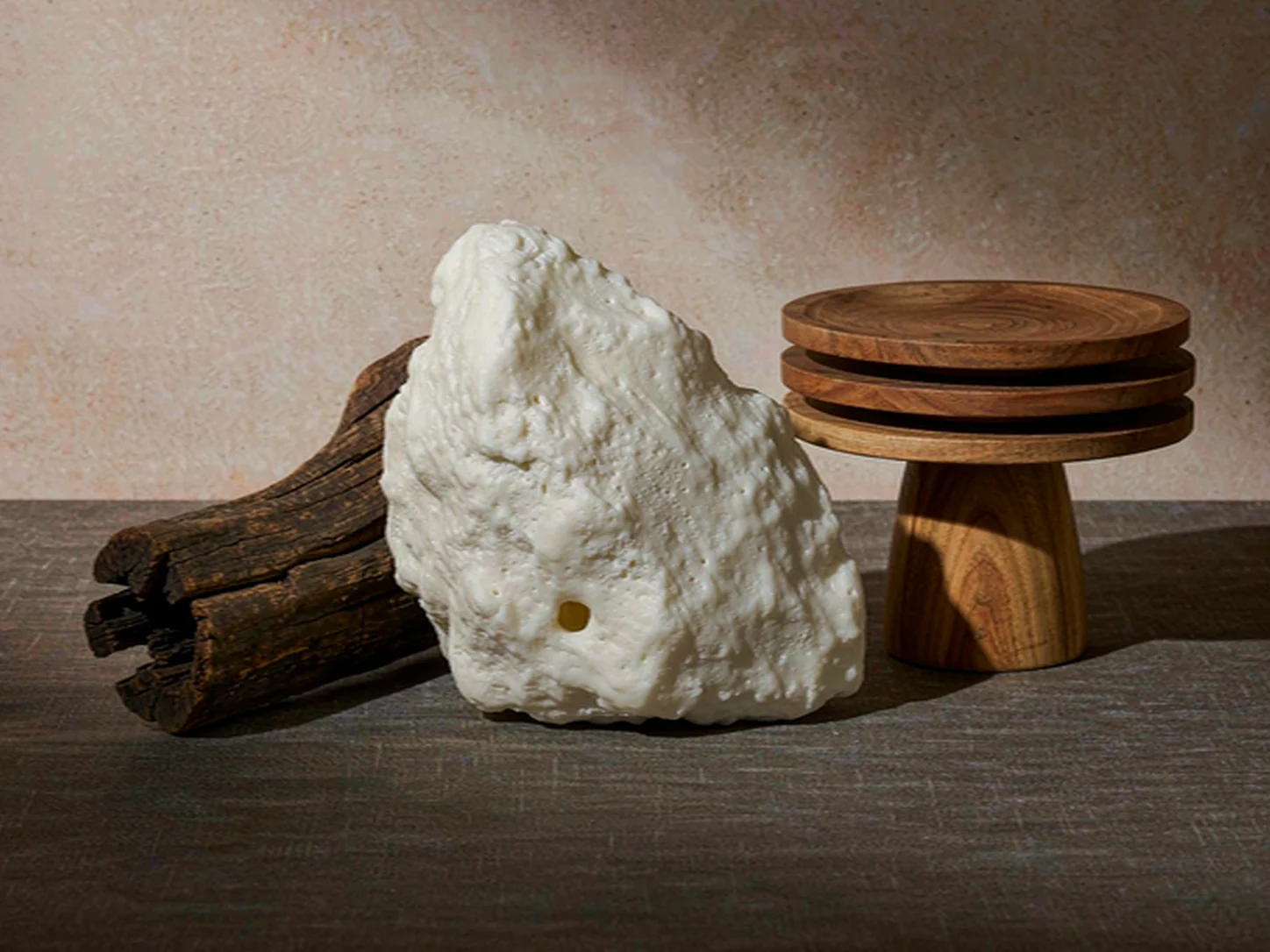
Non-burning sculptural wax pieces can be used in store displays, styled photographs and product presentations. A matte flock surface may help create a softer visual effect under lighting, while the display setting must avoid unsuitable heat exposure.
Candle Flocking Defects & Practical Solutions
Identify common adhesion, coverage, pattern and packaging issues that can affect the appearance and quality of flocked wax products.
| Common Problems | Possible Causes | Recommended Solutions |
|---|---|---|
| Flock lifts from the wax | The adhesive may not bond adequately to the wax formulation or prepared surface. | Trial the adhesive on the actual wax and inspect the coating after curing and handling. |
| Sculpted lines lose definition | The pile or adhesive layer is too prominent for the molded detail. | Try finer or shorter fibers and limit coating buildup around narrow features. |
| Partial patterns have fuzzy edges | Adhesive extends beyond the intended area, or masking does not follow the shape closely. | Refine the pattern application and inspect the transition between exposed wax and flock. |
| Rounded areas show uneven coverage | Curved surfaces, recessed regions or inconsistent application conditions affect fiber deposition. | Check coverage from several angles and adjust the process using representative molded pieces. |
| Packaging leaves marks in the pile | Contact pressure, trapped loose fibers or abrasion alters the finished texture. | Review excess-fiber removal and test the completed piece in its actual packaging. |
| The finish changes during storage | Wax movement, temperature exposure or contact with packing materials affects the surface. | Check storage conditions and packaging on finished samples before approving bulk production. |
-
1 How Is a Velvet Candle Made?
-
2 Can You Light a Flocked Candle?
-
3 Does Flocking Work on Soy and Paraffin Wax?
-
4 Which Flock Fiber Length Works Best?
-
5 How Can You Prevent Flock Shedding?
-
6 What Should You Specify When Ordering Candle Flocking Powder?