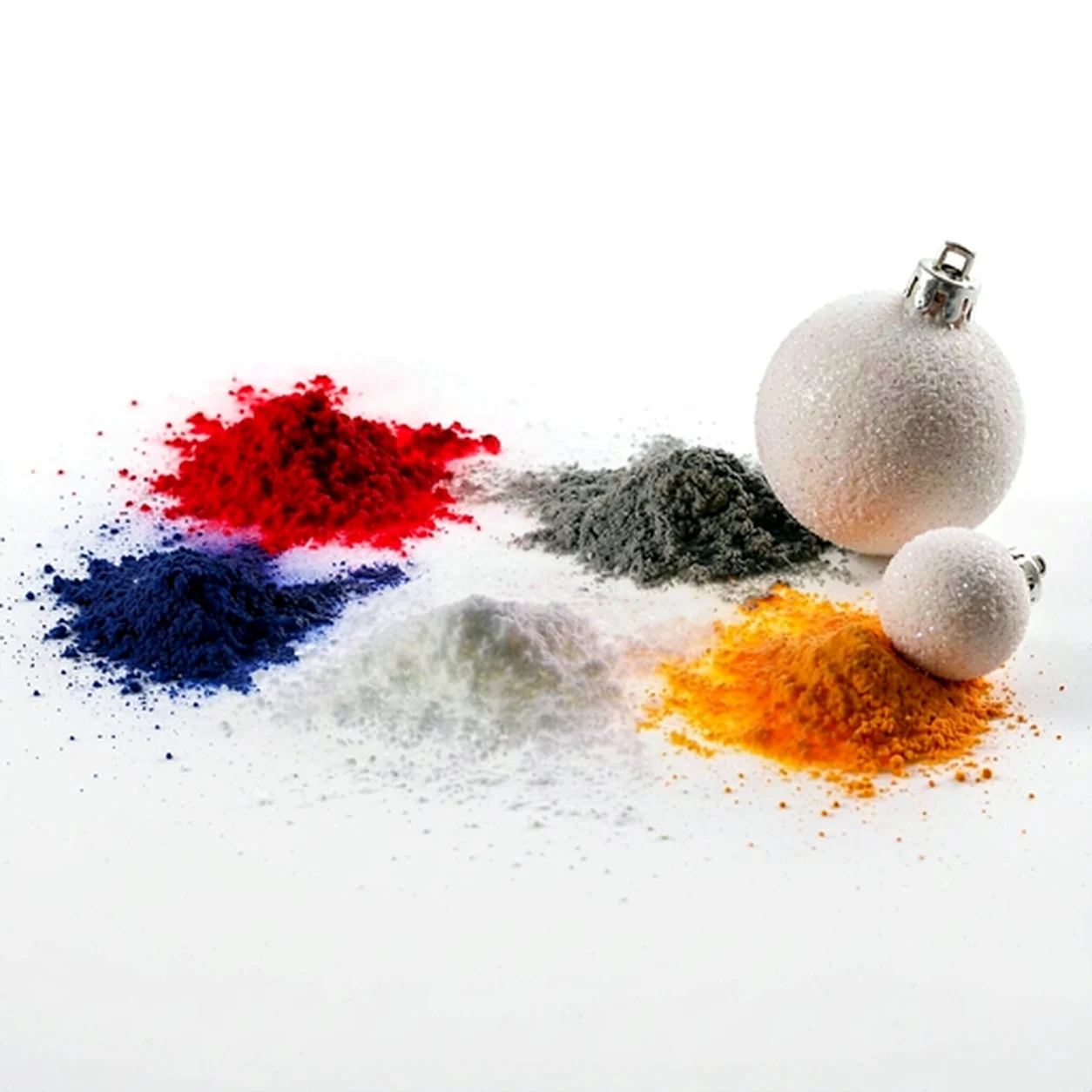
Christmas Decoration Flocking Powder
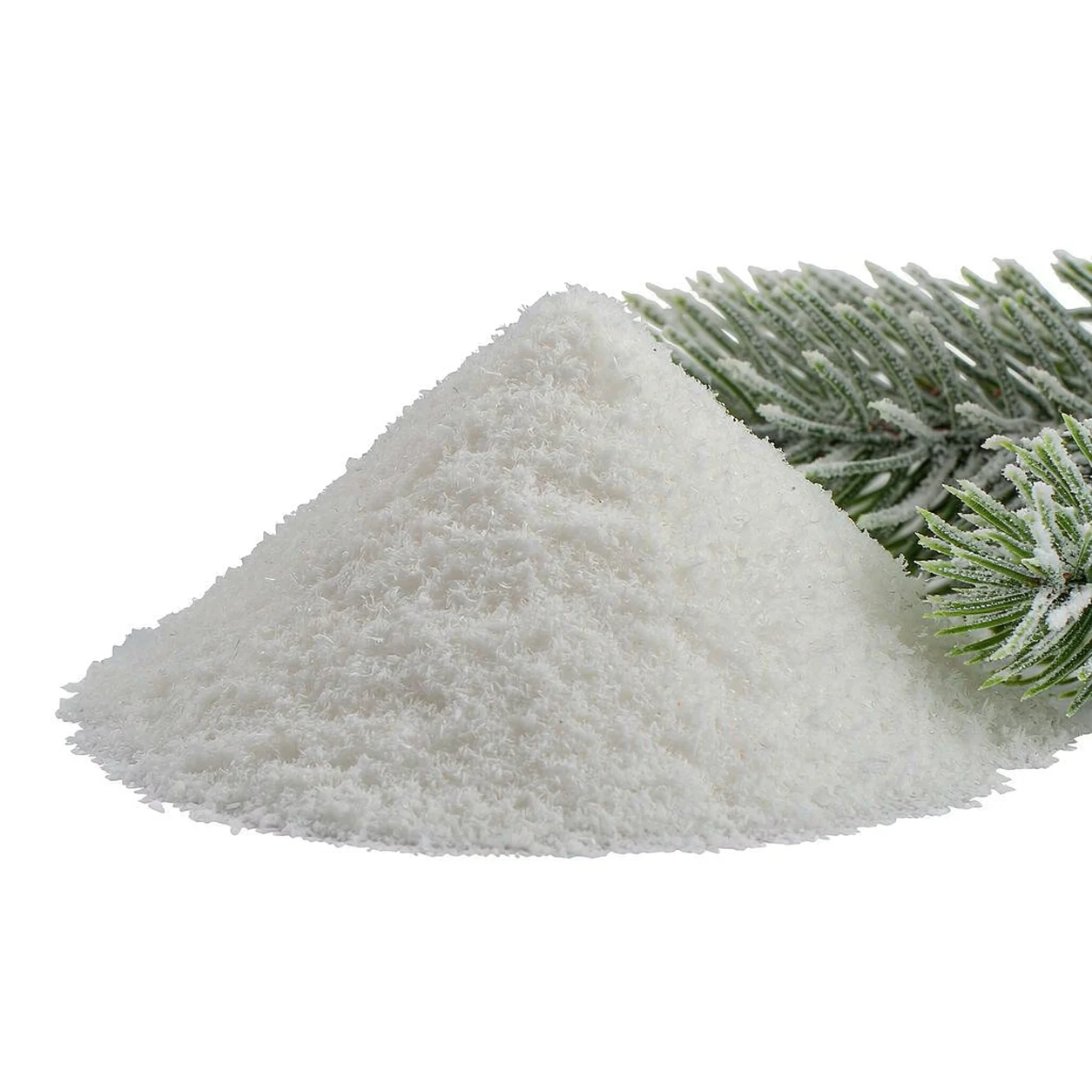
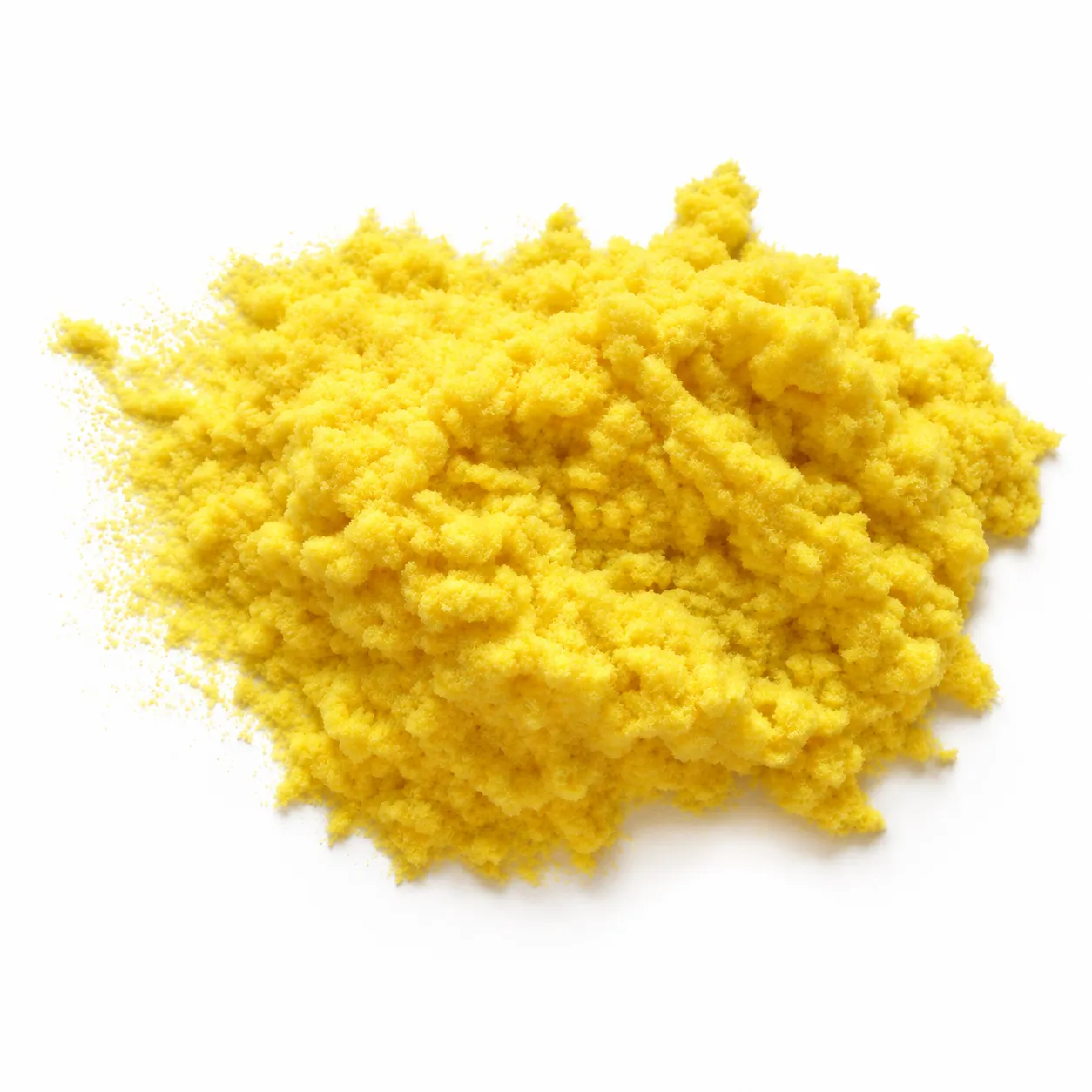
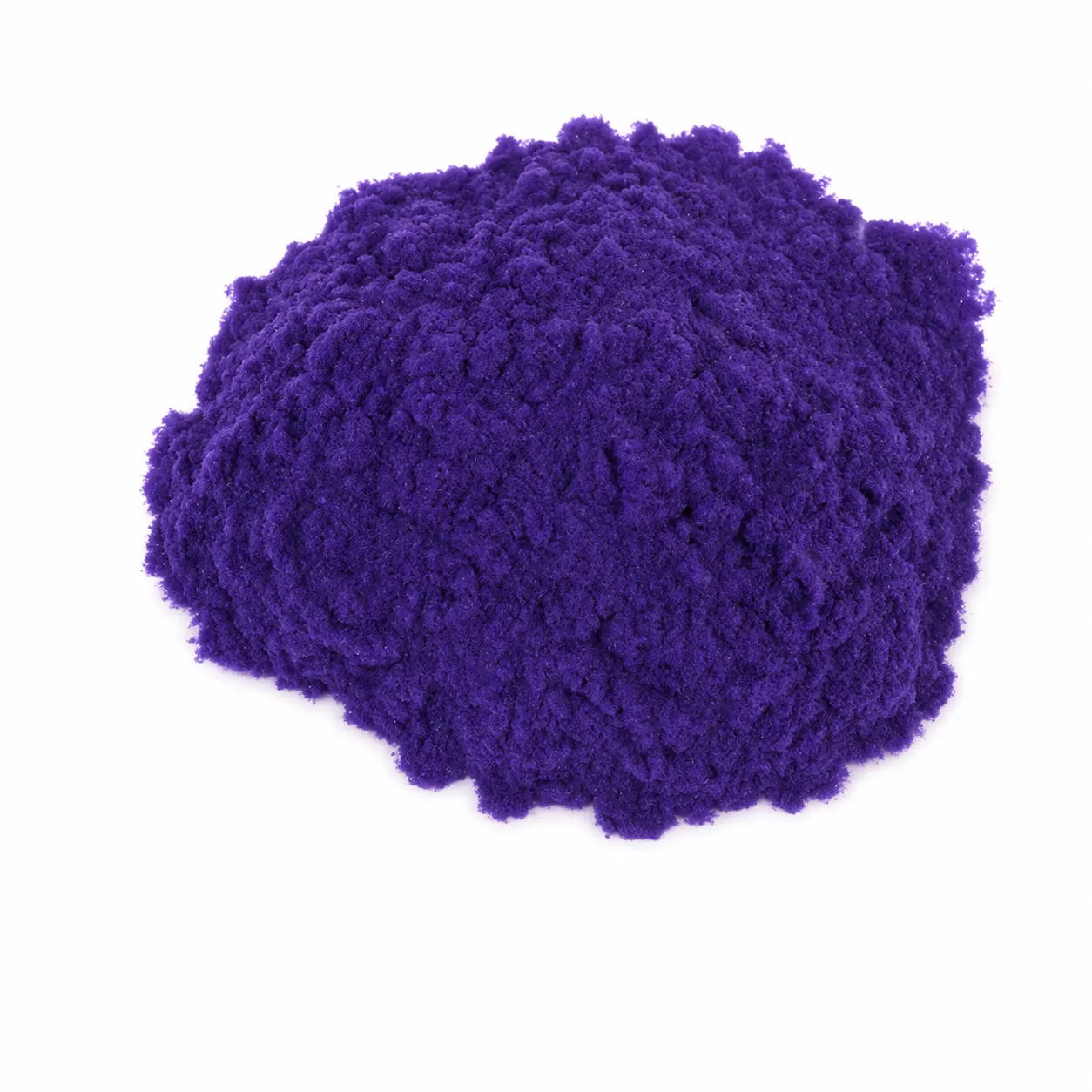
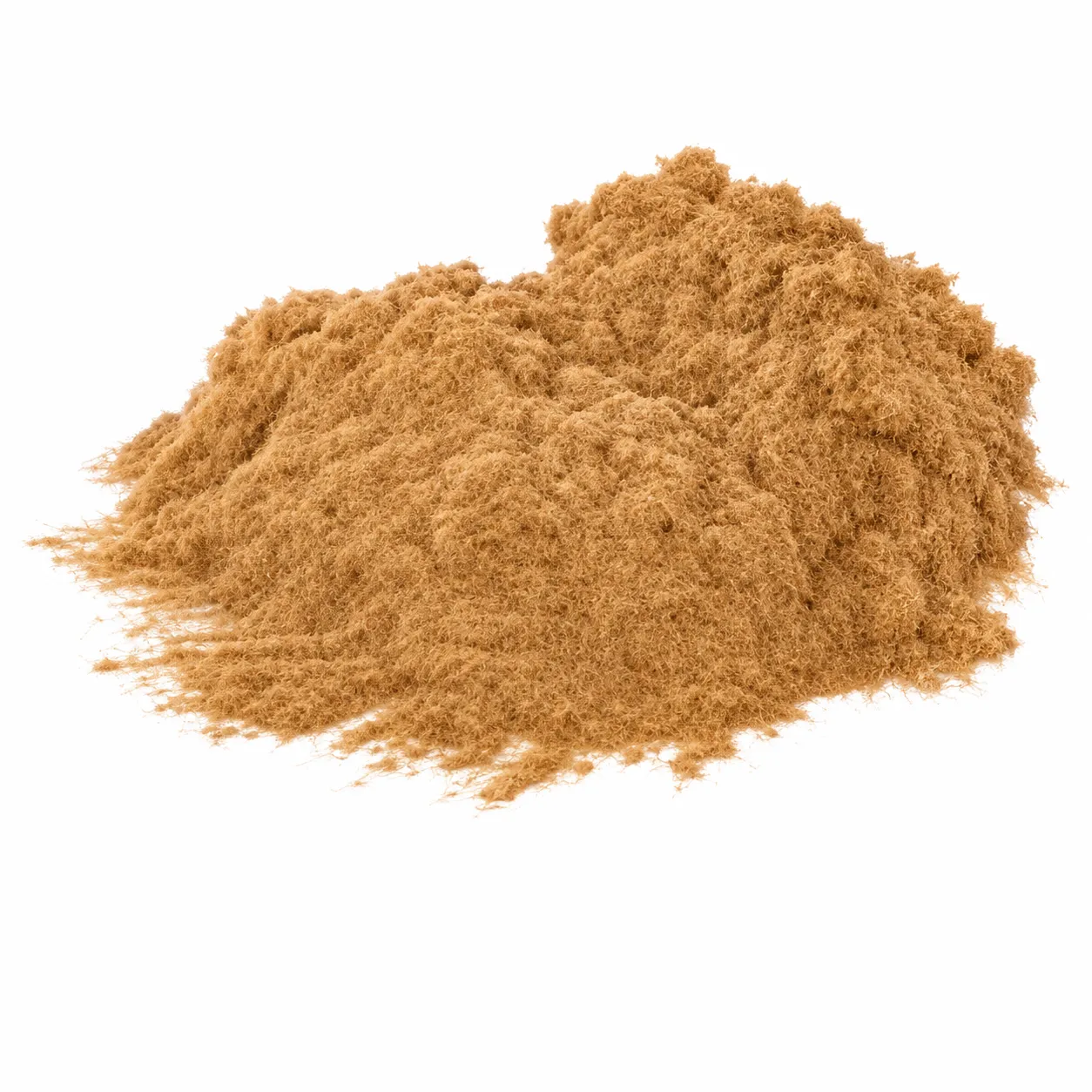
Christmas Decoration Flocking Powder from Zhangs gives holiday ornaments a soft, velvet-like finish. Choose rayon or nylon flock fibers in red, green, white, or custom shades for Christmas balls, resin figures, and seasonal decorations.
Quick Facts
Product Type: Short-cut decorative flock fibers
Available Materials: Rayon / Viscose and Nylon / Polyamide
Surface Finish: Fine, matte, velvet-like texture
Color Options: Red, green, white, and custom shades subject to confirmation
Suitable Products: Christmas balls, resin figures, hanging ornaments, and decorative components
Custom Requirements: Material, cut length, fineness, color, and surface effect
Give Christmas Ornaments a Distinctive Velvet Finish
Add a new visual and tactile dimension to seasonal decorations without changing their underlying shape.
A smooth plastic Christmas ball may look attractive in metallic paint, but a flocked version offers something different: a light-absorbing, velvet-like surface that brings depth to solid colors and a softer feel to the decoration. The same approach can transform a simple molded reindeer into a festive ornament with a more textile-like appearance.
For manufacturers developing seasonal collections, flock powder for Christmas ornaments opens up finishing choices beyond paint and glitter. Its value lies in the combination of color, texture, and selective coverage. A suitable fiber grade, substrate, and bonding process must be established together to achieve the intended result.
Christmas Flock Powder Specifications
Select fiber materials and finish requirements according to your ornament design and production process.
| Specification | Details |
|---|---|
| Product Name | Christmas Decoration Flocking Powder |
| Material Options | Rayon / Viscose; Nylon / Polyamide |
| Fiber Form | Short-cut flock fibers |
| Fiber Length | Selected based on ornament detail and desired surface texture |
| Fiber Fineness | Denier or dtex options subject to availability |
| Available Colors | Standard or custom colors, subject to confirmation |
| Surface Appearance | Matte, soft-touch, velvet-like finish |
| Intended Substrates | Selected plastic, resin, and coated decorative surfaces |
| Application Method | Electrostatic flocking using a compatible adhesive system |
| Coverage Options | Full-surface or selective-area flocking |
| Customization | Fiber material, length, fineness, and color |
| Sample Assessment | Finished shade, visual detail, adhesion, and handling performance |

A Velvet Effect Without a Glossy Reflection
Glossy paint reflects light strongly, while flocked surfaces diffuse it. This makes deep reds, forest greens, and other seasonal colors appear with a softer, more muted character. Decorative flock fibers are particularly useful when the design calls for texture rather than shine.

Fine Texture for Small Decorative Details
A reindeer's ears, a molded bow, or the raised pattern on a bauble can lose definition if the surface layer is too heavy. Fiber dimensions and application density should be chosen to preserve these details while creating the desired tactile finish.

Contrast Between Flocked and Unflocked Areas
Imagine a holiday figurine with a velvet-covered body and smooth painted accessories, or a Christmas ball with flocked patterns against a polished background. Selective flocking makes these contrasting effects possible without treating the entire product in the same way.

Fiber Choices That Change the Finished Character
Rayon flock and nylon flock have different material characteristics. Rayon can be considered for fine decorative textures, while nylon offers another option where resilience matters. Neither material is universally better; the intended finish and handling conditions determine which should be tested.
Experience with Real Christmas Ornament Designs
Christmas balls and reindeer decorations are among the custom flocking examples featured by Zhangs. These projects provide a relevant starting point when discussing curved shells, resin figures, and selective decorative finishes.
Color Development for Coordinated Collections
A collection may need the same burgundy red across several ornament shapes, or multiple colors that complement one another. Send us your target shades, and we can review dyeing options and color-matching feasibility for the selected fiber material.
Material Choices for Different Ornament Surfaces
Plastic baubles and molded resin figures do not always respond to the same finishing conditions. Zhangs can help you compare available fiber types and clarify the information needed to evaluate your intended substrate.
Custom Fiber Preparation
Not every ornament needs a long or visibly raised pile. Our manufacturing process includes cutting, dyeing, drying, and sieving, allowing us to assess requests for custom Christmas flocking powder with specified fiber dimensions and colors.
Purchasing Support for Seasonal Production
When ornament collections must be ready before the holiday selling season, material approval and purchasing schedules become important. Once your samples and specifications are agreed upon, our team can coordinate order requirements and production arrangements.
 01
Velvet Christmas Ball Ornaments
A solid-colored velvet bauble offers an alternative to conventional shiny ornaments. Christmas ornament flocking powder can be considered for all-over coverage or specific decorative patterns, with the final finish depending on the selected substrate and process.
 02
Reindeer and Animal Decorations
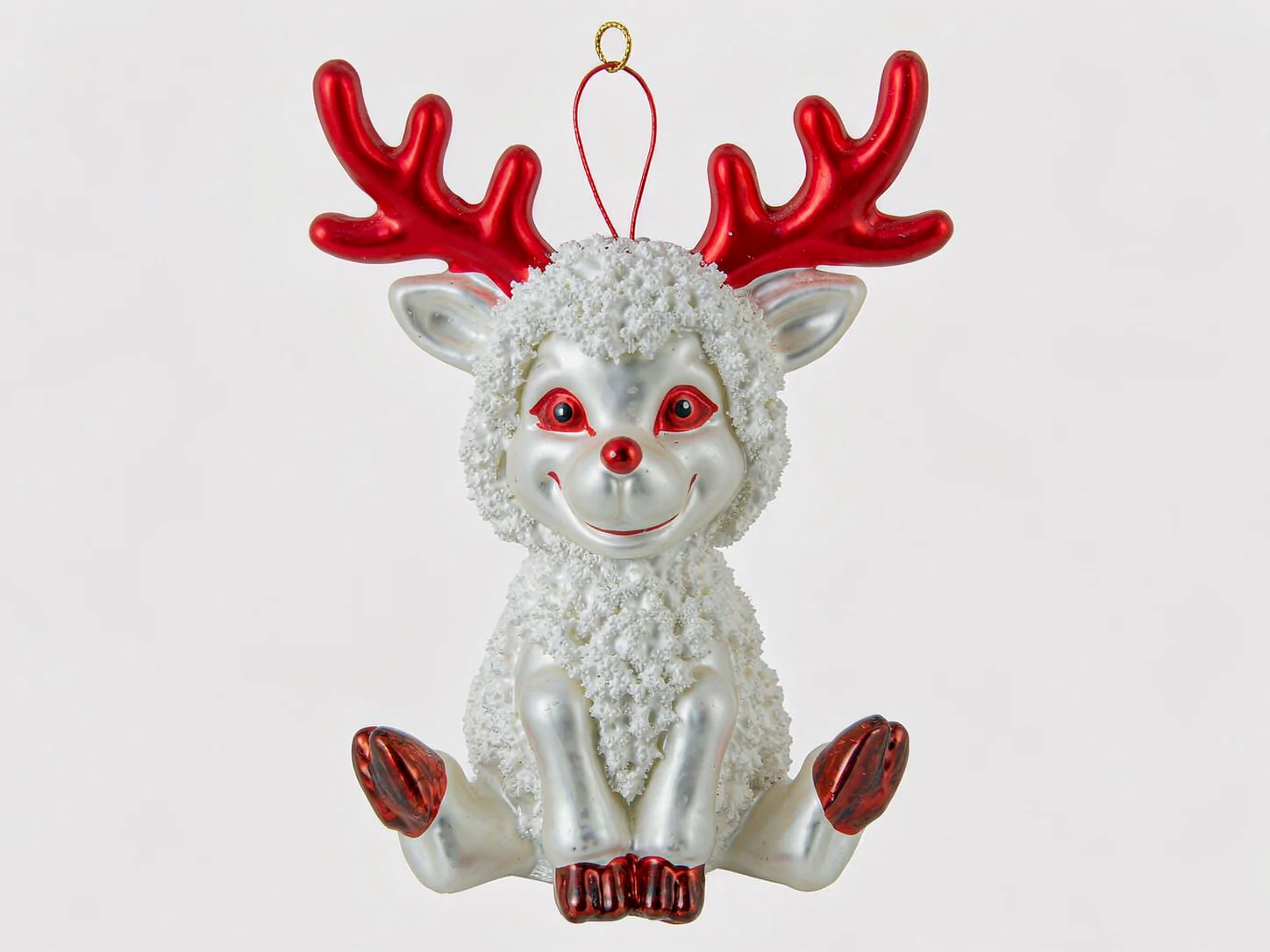
For a molded reindeer, flocking can give the body a more fabric-like appearance while leaving antlers, eyes, or accessories visually distinct. The challenge is to preserve the details that give each figure its character.
 03
Santa and Christmas Character Figurines
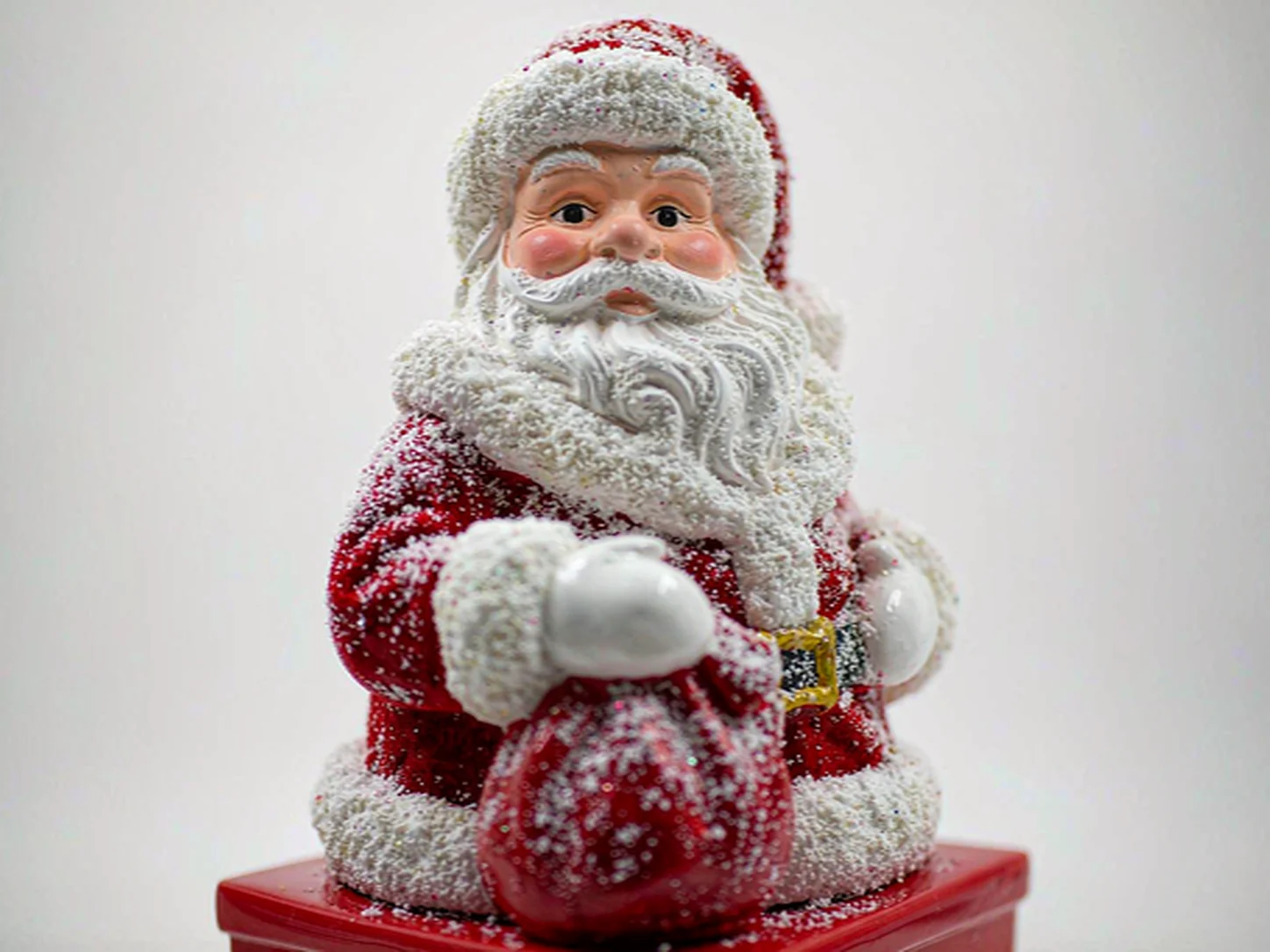
A Santa figurine may combine a velvet-textured coat with painted facial details and smooth decorative accessories. Localized flocking creates these contrasts without changing the figure's molded structure.
 04
Hanging Stars, Bells, and Festive Shapes
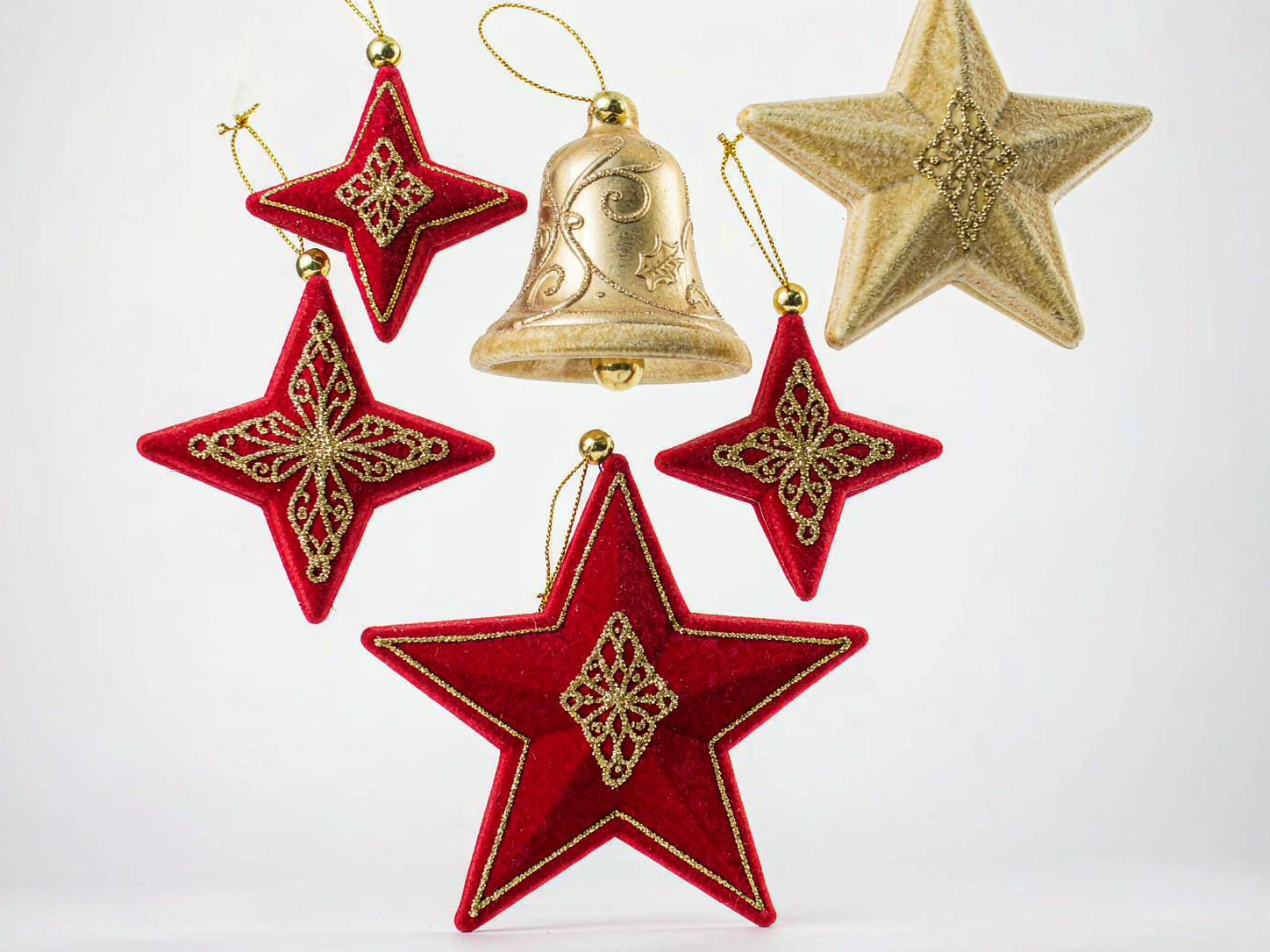
Flat or shaped hanging ornaments provide opportunities for textured lettering, patterns, or color blocks. Designs intended for frequent handling should be evaluated for adhesion and surface retention.
 05
Decorative Gift Packaging Accents
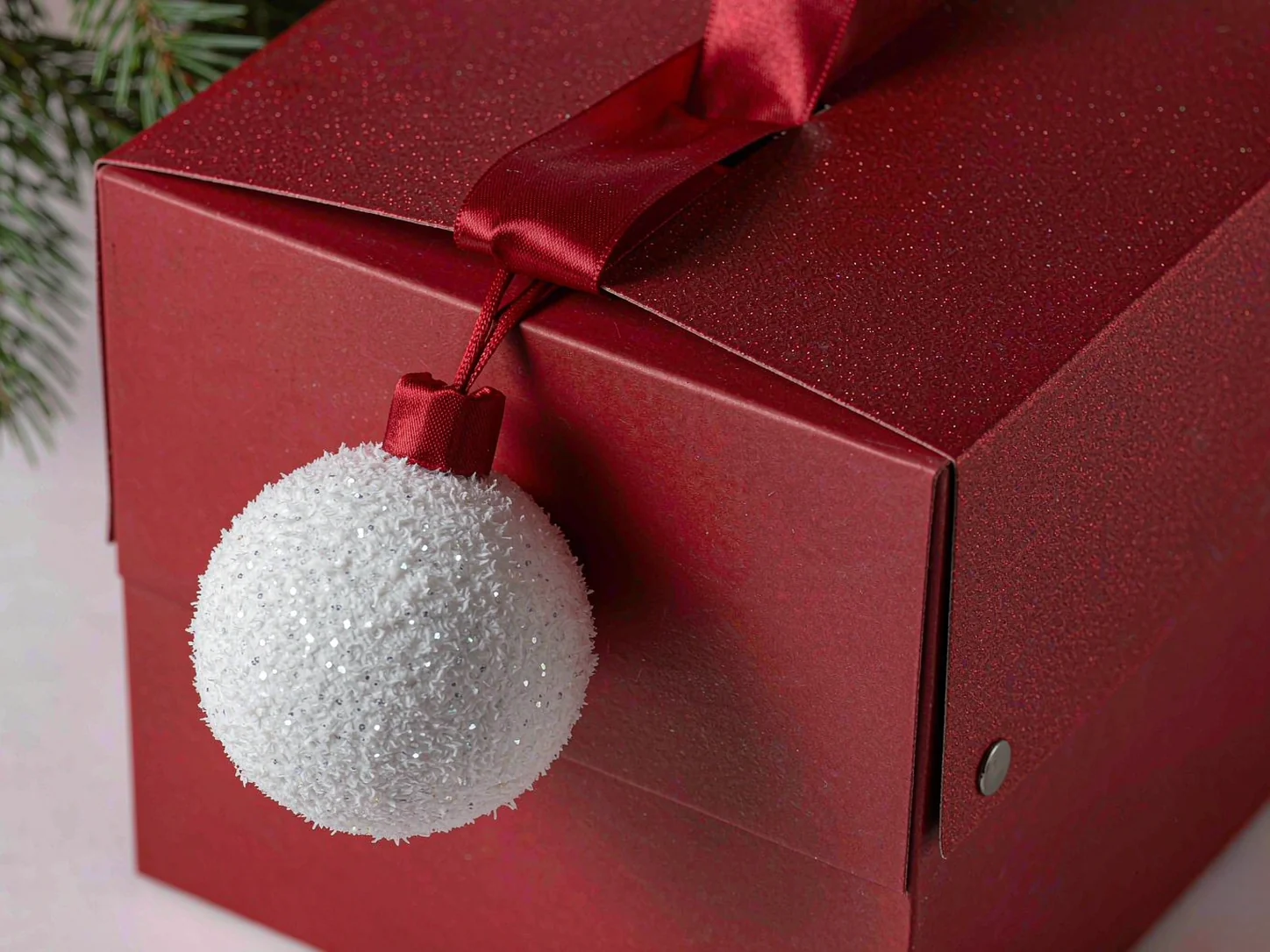
A flocked ornament attached to a gift box can help create a coordinated festive presentation. Holiday decoration flock fibers may also be evaluated for small decorative tags, emblems, and presentation pieces where a soft surface is desired.
 06
Retail Window and Seasonal Display Props
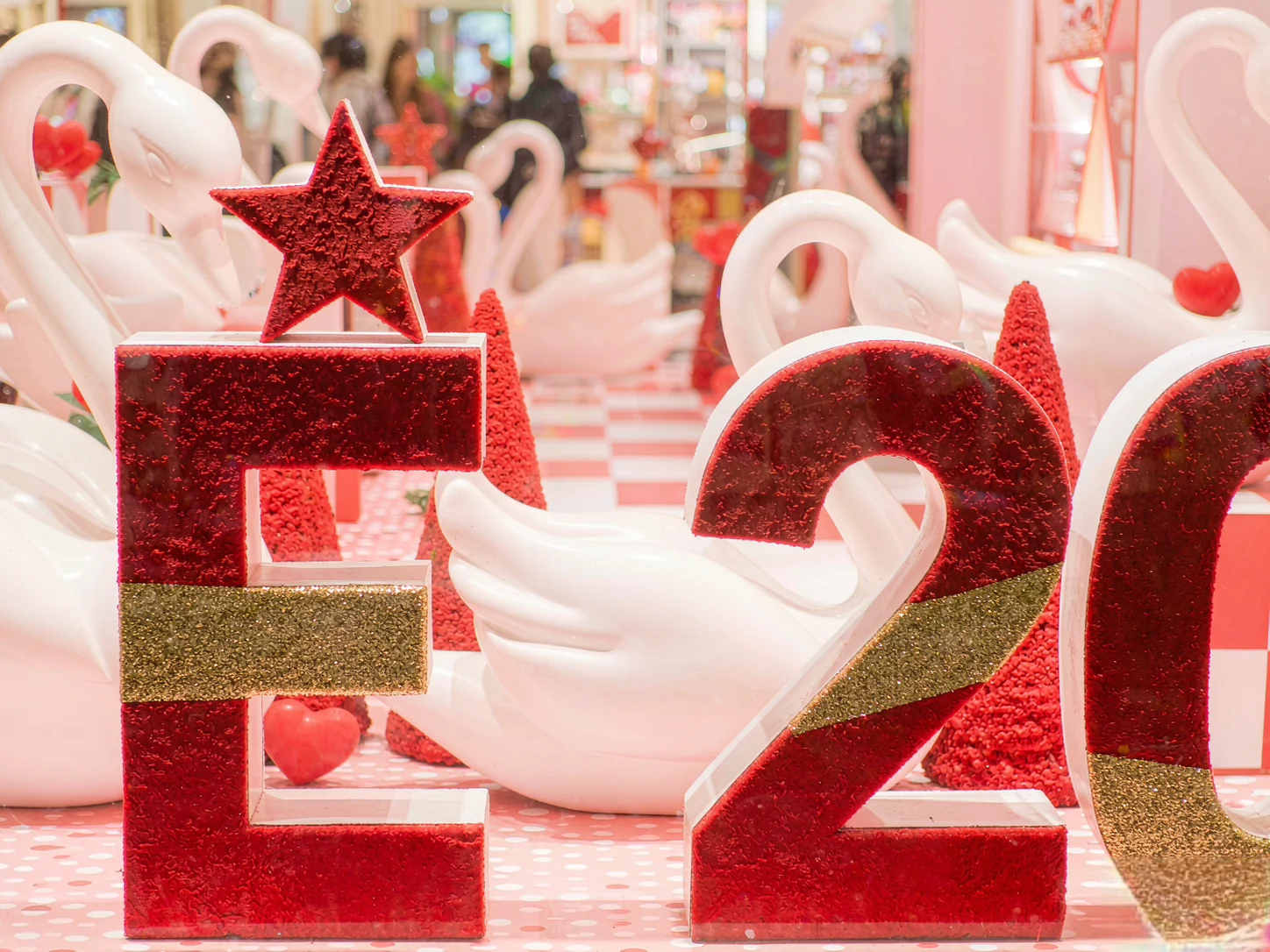
Oversized decorative letters, lightweight molded forms, and festive display accessories can incorporate matte flocked sections to contrast with lighting, metallic finishes, and other display materials. For these projects, surface area and installation conditions should guide material evaluation.
Common Challenges in Flocked Ornament Production
Address finishing issues before they affect an entire holiday ornament collection.
| Common Problems | Possible Causes | Recommended Solutions |
|---|---|---|
| Bald spots around curves and edges | Adhesive coverage or fiber distribution may be inconsistent on complex shapes. | Inspect difficult areas on a representative molded sample and refine application settings before approving bulk production. |
| A dark red ornament looks lighter than expected | Underlying colors, adhesive appearance, and flock density influence the final shade. | Approve the color under the intended lighting conditions on a fully finished ornament, rather than on loose fibers alone. |
| Small decorative details disappear | Excessive flock thickness may hide molded features or fine patterns. | Compare finer grades or reduce application density while retaining the target surface texture. |
| Color transfers or rubs off during handling | Dye stability, bonding, or the completed surface system may be unsuitable for the intended use. | Assess colorfastness and abrasion resistance on finished samples using appropriate tests. |
| Finished surfaces are marked during packing | Friction, compression, or insufficient curing can damage the decorative texture. | Validate curing, tray separation, wrapping, and transport handling with finished ornament samples. |
| Ornaments from different batches look inconsistent | Reference colors, material specifications, or application conditions may have changed. | Retain an approved finished ornament and documented material standards for repeat production and inspection. |
-
1 Why use flock powder instead of paint or glitter on Christmas ornaments?
-
2 Should I choose rayon flock or nylon flock for velvet Christmas balls?
-
3 Can I use the same red flocking powder for Christmas balls and reindeer?
-
4 Will flocking cover small details on molded Christmas ornaments?
-
5 How can I reduce fiber shedding on ornaments that will be packed and shipped?
-
6 What should I confirm before ordering flocking powder for a seasonal ornament collection?