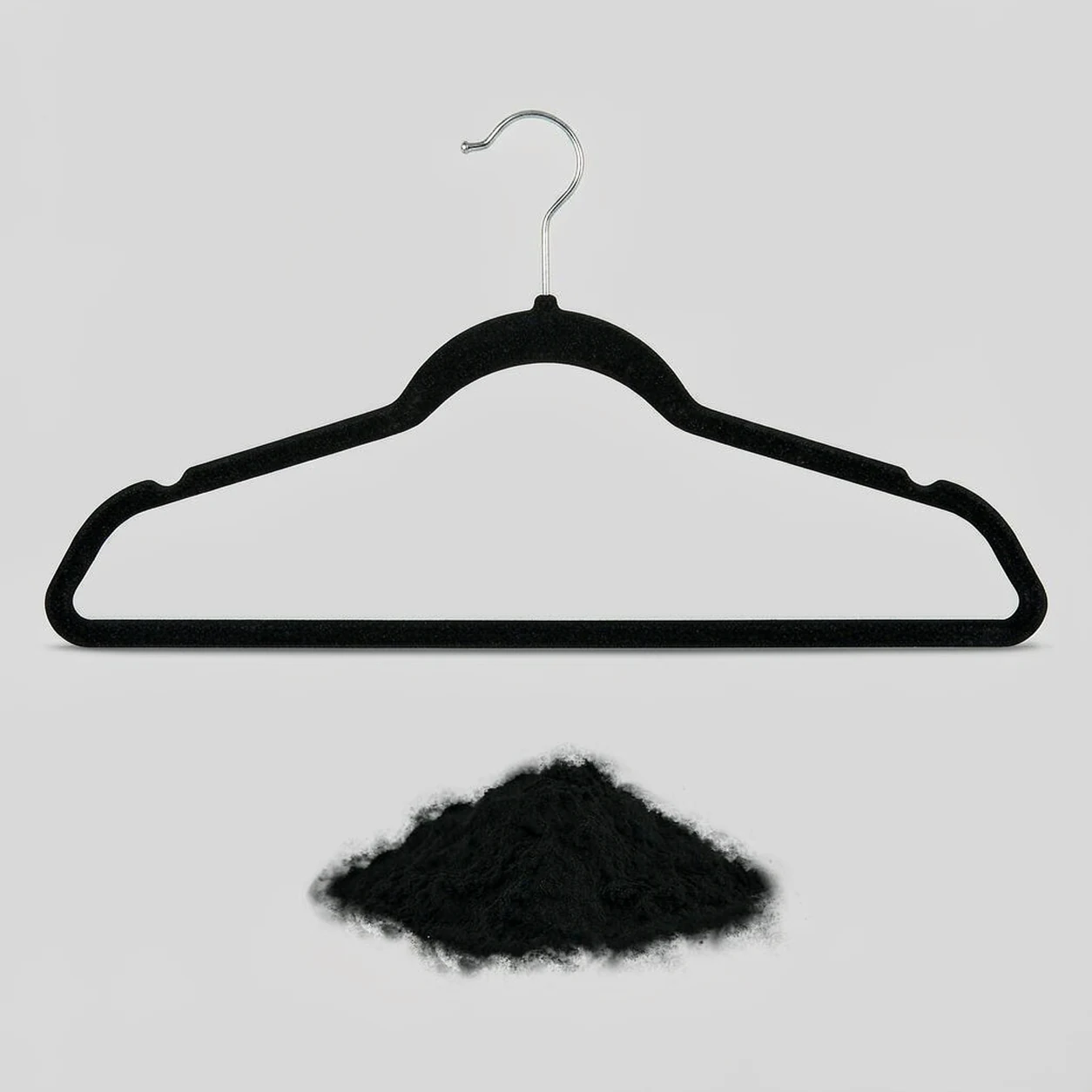
Hanger Flocking Powder
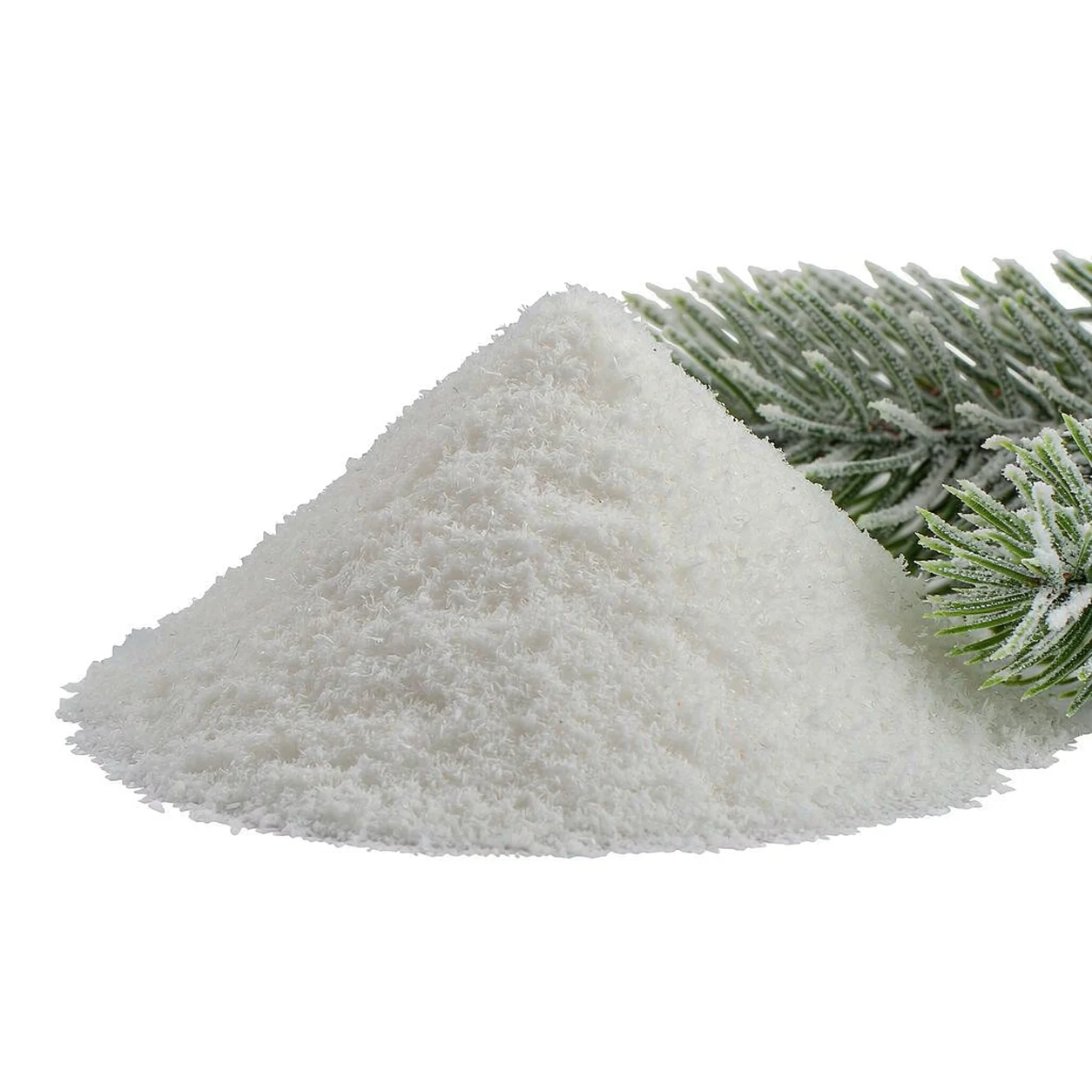
Hanger flocking powder from Zhangs gives garment hangers a fine velvet-like surface that helps keep clothes from sliding off. Compare nylon and rayon flock fibers, colors and cut lengths for your hanger production.
Quick Facts
Product Type: Short-cut flock fibers for garment hangers
Fiber Materials: Nylon, rayon and other suitable options
Finish: Fine, velvet-like surface
Main Substrates: Selected plastic and properly prepared coated hanger surfaces
Coverage: Full hanger body or designated garment-contact areas
Custom Options: Fiber material, cut length, fineness, color and treatment
Why Use a Flocked Finish on Clothes Hangers?
Make garment retention part of the surface design without adding bulky fabric coverings.
A satin blouse can slide from a smooth plastic hanger even when the hanger itself is the correct size. Adding a flocked finish changes the contact between fabric and hanger. It creates a textured surface that may offer better grip while retaining the slim outline of the molded body.
There is a trade-off, however. Too little grip defeats the purpose, while excessive friction can make clothing awkward to remove. When selecting flock powder for hangers, consider the garments being stored, the shape of the contact areas and how frequently the hanger will be used. The aim is not maximum friction, but a finish that suits the intended clothing range.
Hanger flocking powder is applied by electrostatic flocking onto an adhesive-coated surface, so the fiber specification, the adhesive system and the molded shape all contribute to the finished result. Reviewing them together at the sampling stage is more reliable than choosing fibers by color alone.
Hanger Flock Fiber Specifications
Define the fiber and processing details that matter to your finished hanger.
| Specification | Details |
|---|---|
| Product Name | Hanger Flocking Powder |
| Fiber Type | Precision-cut short flock fibers |
| Material Options | Nylon / Polyamide; Rayon / Viscose; other materials subject to confirmation |
| Cut Length | Selected according to hanger geometry and required pile height |
| Fiber Fineness | Denier or dtex, subject to available specifications |
| Color | Standard or custom shades, subject to feasibility |
| Surface Appearance | Fine, matte, velvet-like coating |
| Target Substrates | Selected molded plastics and suitably prepared coated materials |
| Application | Electrostatic flocking with a compatible adhesive system |
| Coverage Pattern | Full coverage or selected shoulder, notch and bar areas |
| Custom Requirements | Fiber size, material, color and treatment |
| Finished-Hanger Checks | Garment grip, lint transfer, adhesion, abrasion and colorfastness |

Grip That Does Not Make Dressing Difficult
A hanger that securely holds a wide-neck blouse may feel inconvenient when someone tries to slide a T-shirt off quickly. The texture of velvet hanger flock fibers contributes to this interaction, but hanger geometry and fabric type matter just as much. Finished samples should be compared using the actual garment categories the hanger is meant to support.

A Low-Profile Surface for Slim Hangers
Closet-saving hangers rely on a narrow body. Short flock fibers can form a textile-like finish directly on the molded surface without requiring a separate padded covering. Fiber dimensions and adhesive thickness must be chosen so the completed hanger keeps its intended profile.

Clean Contact with Light and Dark Fabrics
Fine loose fibers can be particularly noticeable on contrasting garments. The appearance of a newly flocked hanger is therefore not enough: manufacturers also need to examine excess-flock removal and fiber transfer during garment contact.

A Finish Designed Around Repeated Handling
The shoulder ends, trouser bar and strap notches experience different kinds of contact. Some are rubbed every time clothing is removed; others remain under pressure for long periods. Wear testing should reflect these locations rather than treating the entire hanger as one uniform surface.
Material Choice Based on the Hanger Range
A low-cost household hanger and a premium retail display hanger may call for different tactile finishes. Zhangs can discuss nylon, rayon and other available flock materials in relation to your intended product positioning and production method.
Defined Cut Length and Fiber Preparation
Our fiber manufacturing process includes cutting, dyeing, drying and sieving. For hanger projects, the requested cut length and fineness can be reviewed against the desired pile and the requirements of your flocking equipment.
Consistent Color References for Multiple SKUs
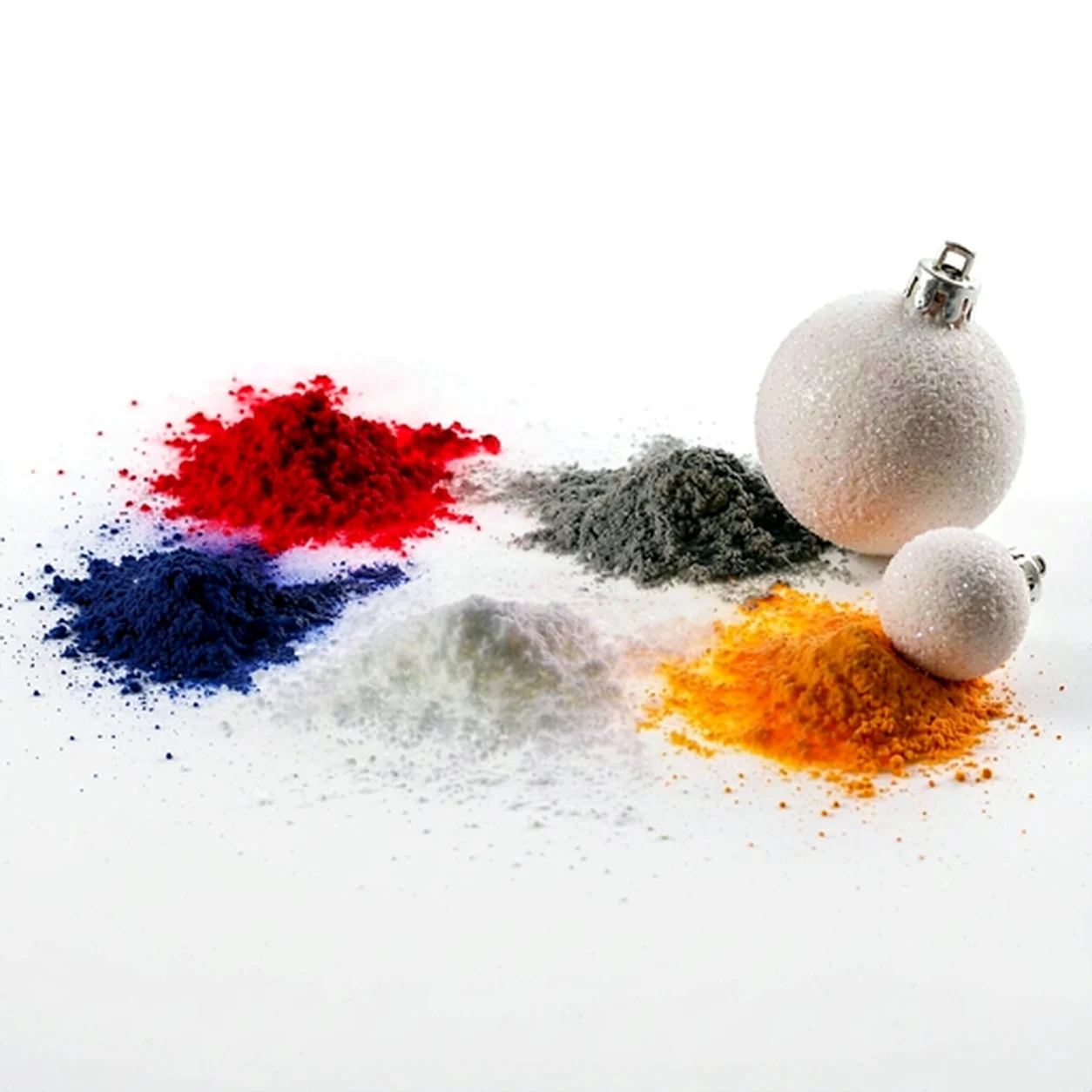
Black, grey, beige or a custom brand shade may be used across different hanger sizes. A supplied color reference helps establish what the finished product should look like. Shade matching and available fiber options are reviewed before the order is confirmed.
Support for Full and Partial Flocking Designs
Some hangers require an all-over velvet finish; others need flock only where the garment rests. Share your drawings or molded parts to discuss fiber suitability for the intended coated areas. Application feasibility still depends on the adhesive and production setup.
Practical Repeat-Order Specifications
Once a grade and finished reference hanger are approved, the same material description can guide subsequent purchasing. Zhangs can coordinate agreed fiber specifications, order quantities and manufacturing arrangements, reducing uncertainty when a collection is produced in several batches.
 01
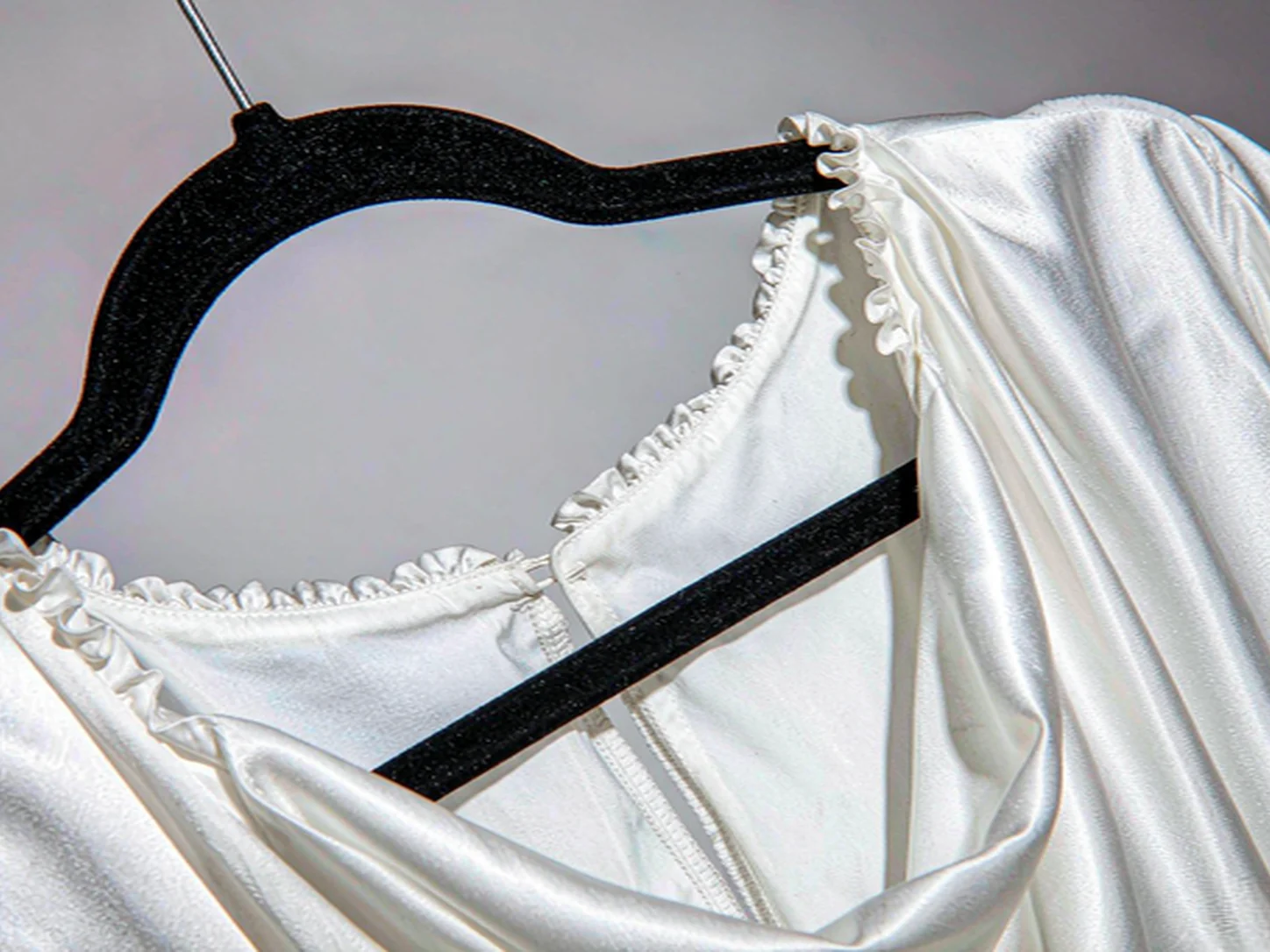
Wide-Neck Tops and Blouse Hangers
Lightweight blouses and wide-neck garments are prone to slipping on smooth shoulders. Non-slip hanger flocking can be considered where the goal is to add grip across the contact area without changing the molded hanger shape.
 02
Slimline Wardrobe Hangers
Closet organization products often prioritize a thin, uniform profile. A fine flocked coating can add texture to slimline hangers while leaving most of the space-saving benefit to the narrow hanger body itself.
 03
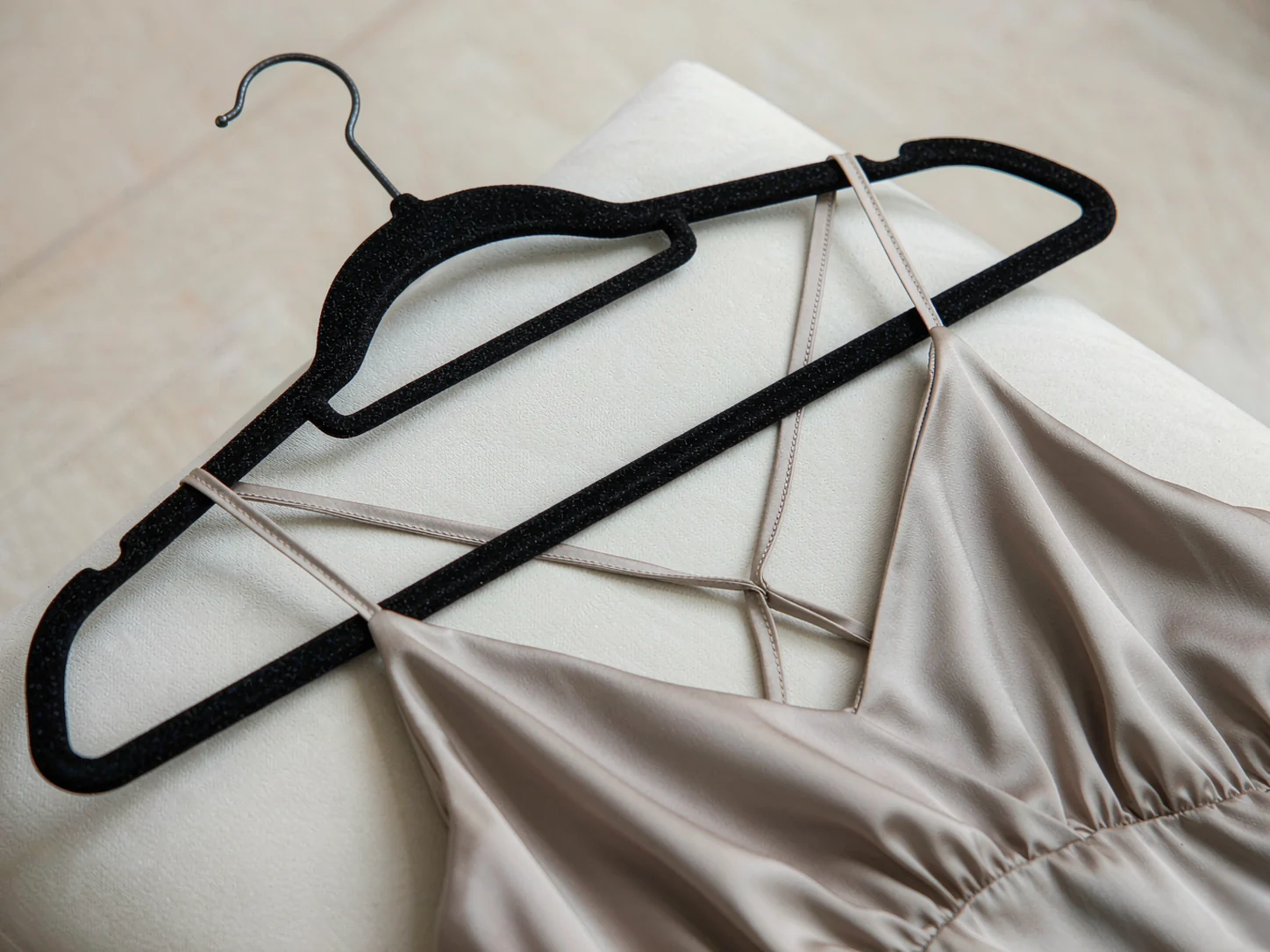
Dress and Camisole Hangers
Thin shoulder straps may rest on small notches or limited areas of the hanger. Targeted flocking can complement these features, although the notch geometry remains important for keeping straps in place.
 04
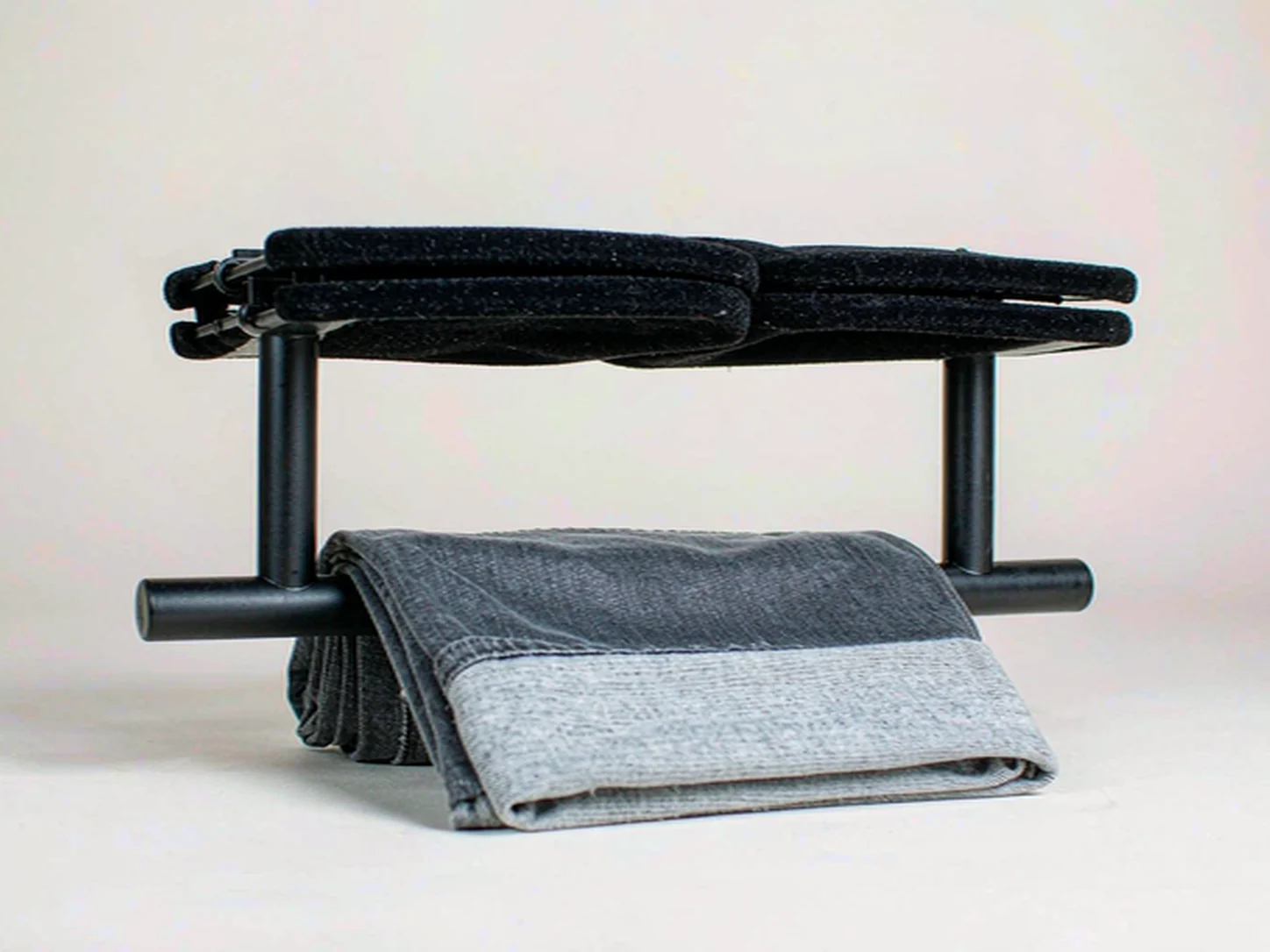
Trouser Bar Hangers
A smooth trouser bar can allow folded trousers to shift. Adding flock to the bar introduces a different fabric-contact surface, while the bar diameter and garment weight still influence whether the trousers remain secure.
 05
Boutique and Retail Display Hangers
A consistent velvet finish can complement a clothing store's visual presentation. Retail projects may require particular colors and a surface that remains presentable through frequent garment changes.
 06
Coordinated Household Hanger Sets
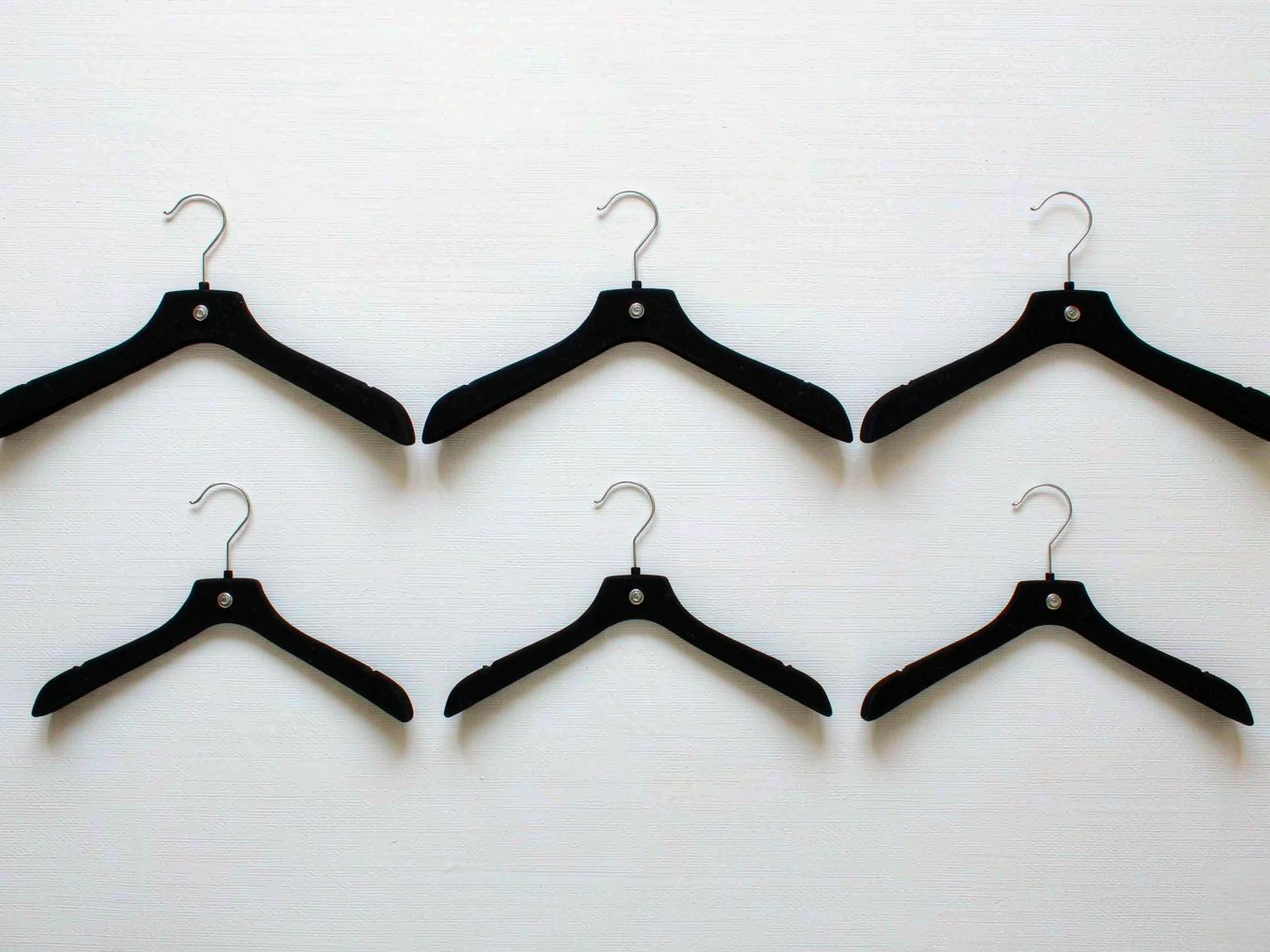
Multi-size hanger sets often include adult, children's and specialty shapes. Matching the flock color and finished texture across the range creates a consistent appearance, while different designs may still require individual coverage tests.
Hanger Flocking Problems & Solutions
Troubleshoot the issues that matter most once flocked hangers come into contact with garments.
| Common Problems | Possible Causes | Recommended Solutions |
|---|---|---|
| Clothes slip despite the velvet finish | Surface friction may be insufficient for a particular fabric, or the shoulder shape may not support the garment. | Test representative garments and compare changes in surface texture and hanger geometry. |
| Clothes are difficult to remove | Excessive grip or flocked contact in unnecessary areas may increase drag. | Compare alternative surface finishes or reduce the flocked area while checking garment retention. |
| Dark or light clothes pick up loose fibers | Residual flock, weak adhesion or incomplete cleaning may cause fiber transfer. | Review curing and excess-fiber removal, then perform repeated fabric-contact tests. |
| Shoulder notches have thin or uneven coverage | Difficult geometry and adhesive distribution may prevent consistent flock deposition. | Inspect notches and inner curves separately; adjust coating and flock application settings. |
| Color rubs onto damp fabric | The finished coating or dye system may not meet the intended wet-contact conditions. | Test colorfastness under the expected moisture conditions and review the dye, adhesive and curing system. |
| Surface quality varies between batches | Color references, fiber specifications or process controls may have changed. | Keep an approved finished hanger and document the material, coating and inspection requirements for repeat runs. |
-
1 Does flocking powder actually make clothes hangers non-slip?
-
2 Can velvet hanger flock be too grippy for everyday clothing?
-
3 Why do some black velvet hangers leave fuzz on clothes?
-
4 Will flocked clothes hangers stain damp garments or lose their finish when steamed?
-
5 What flock material works best for slim velvet hangers?
-
6 What should a hanger manufacturer approve before ordering flock powder in bulk?