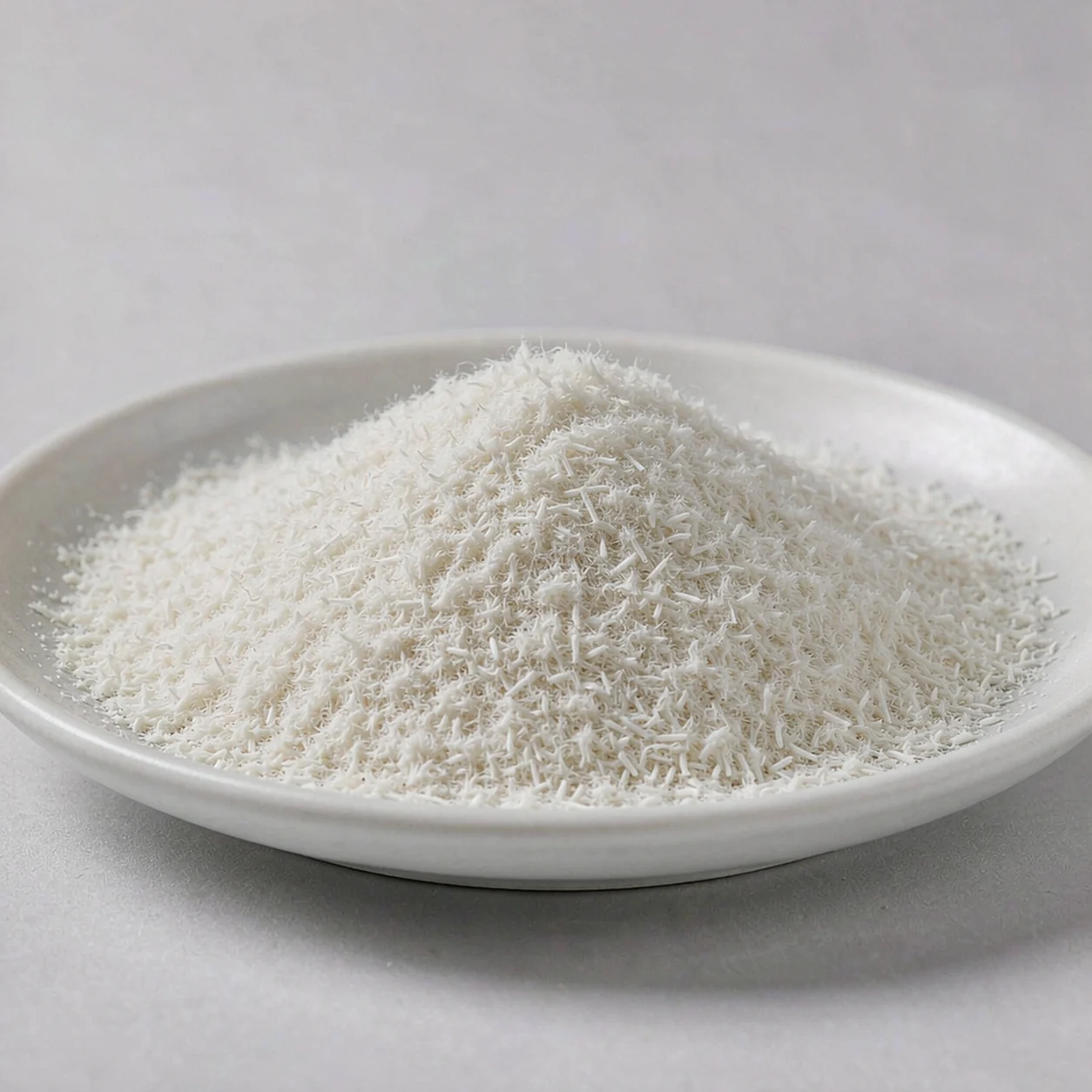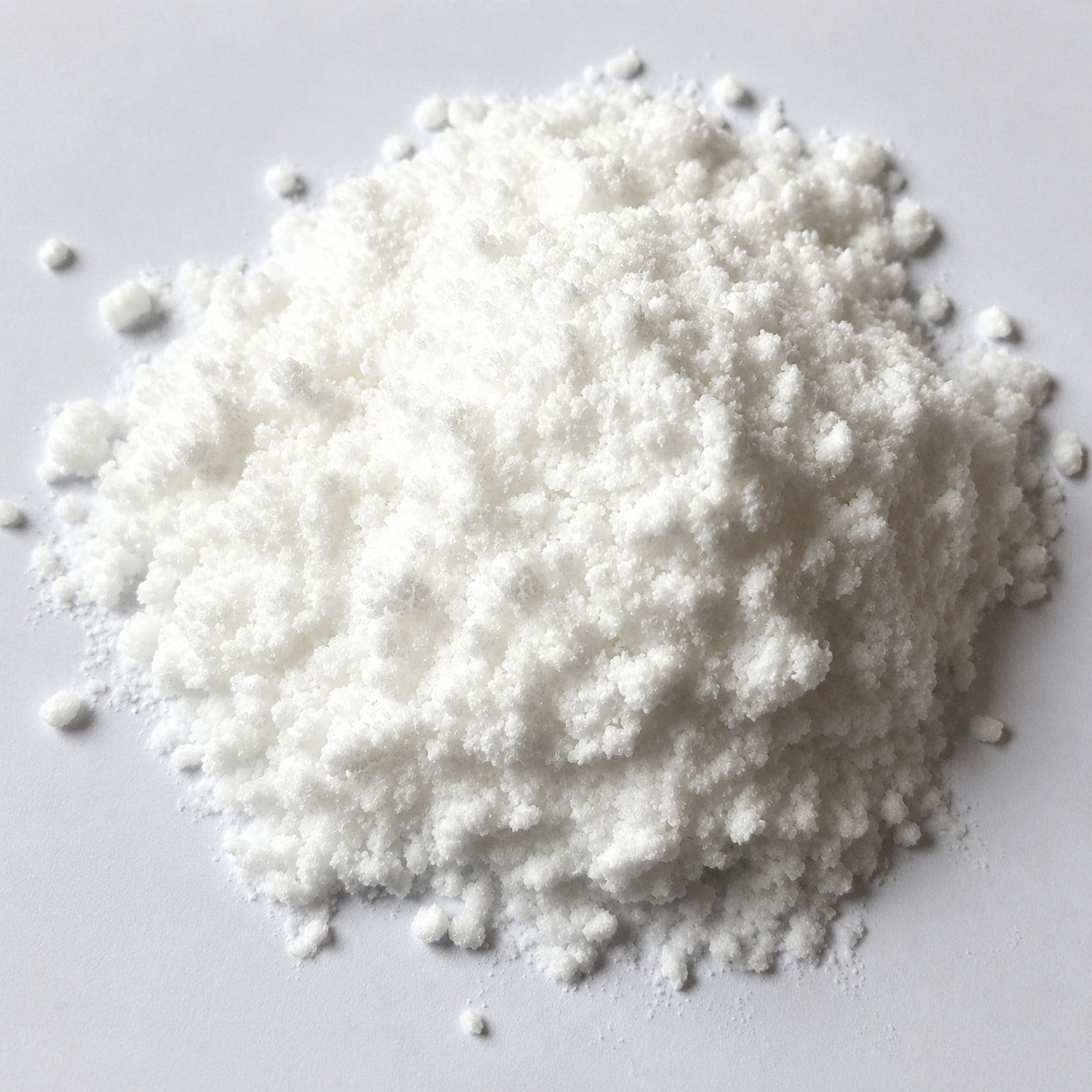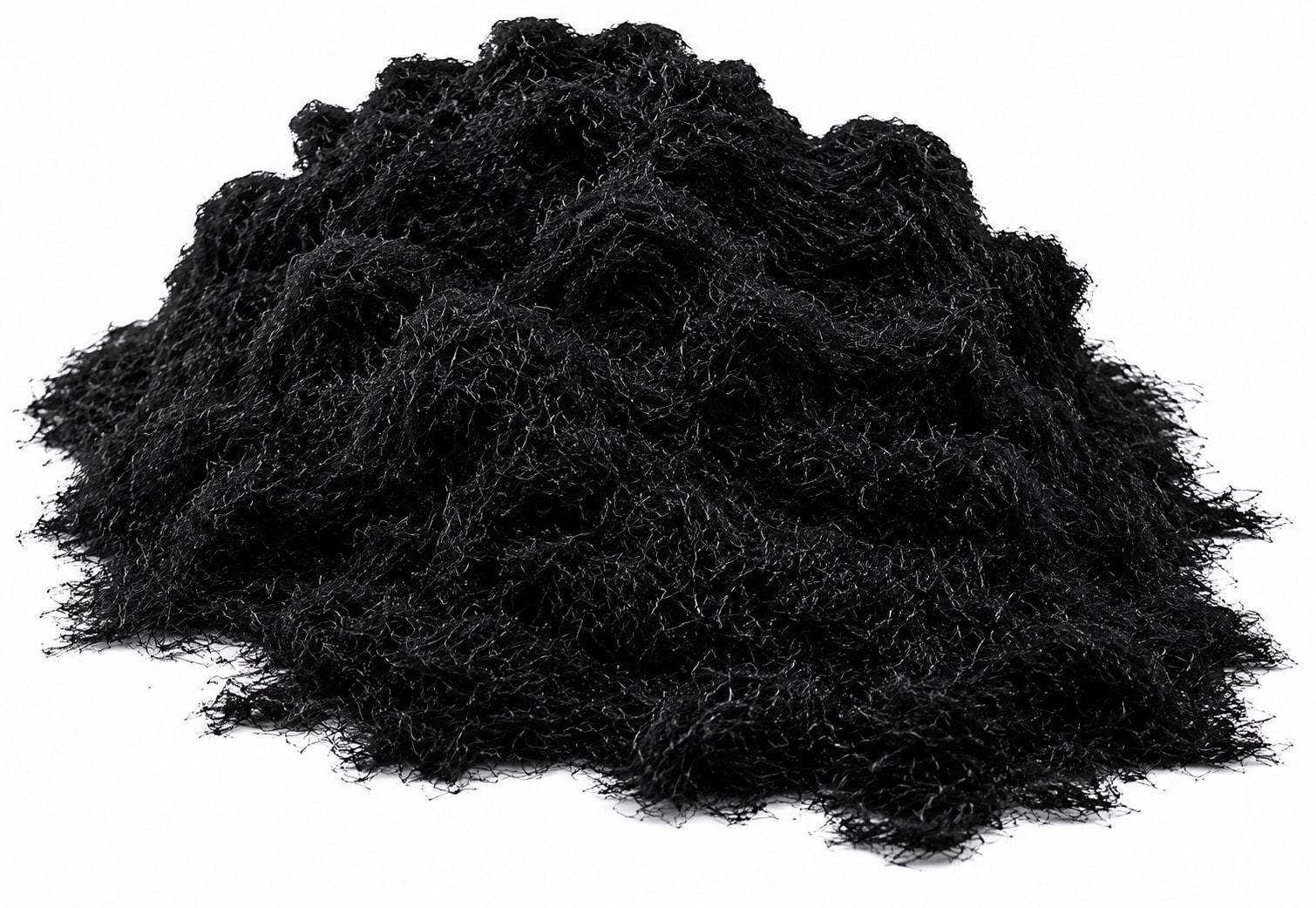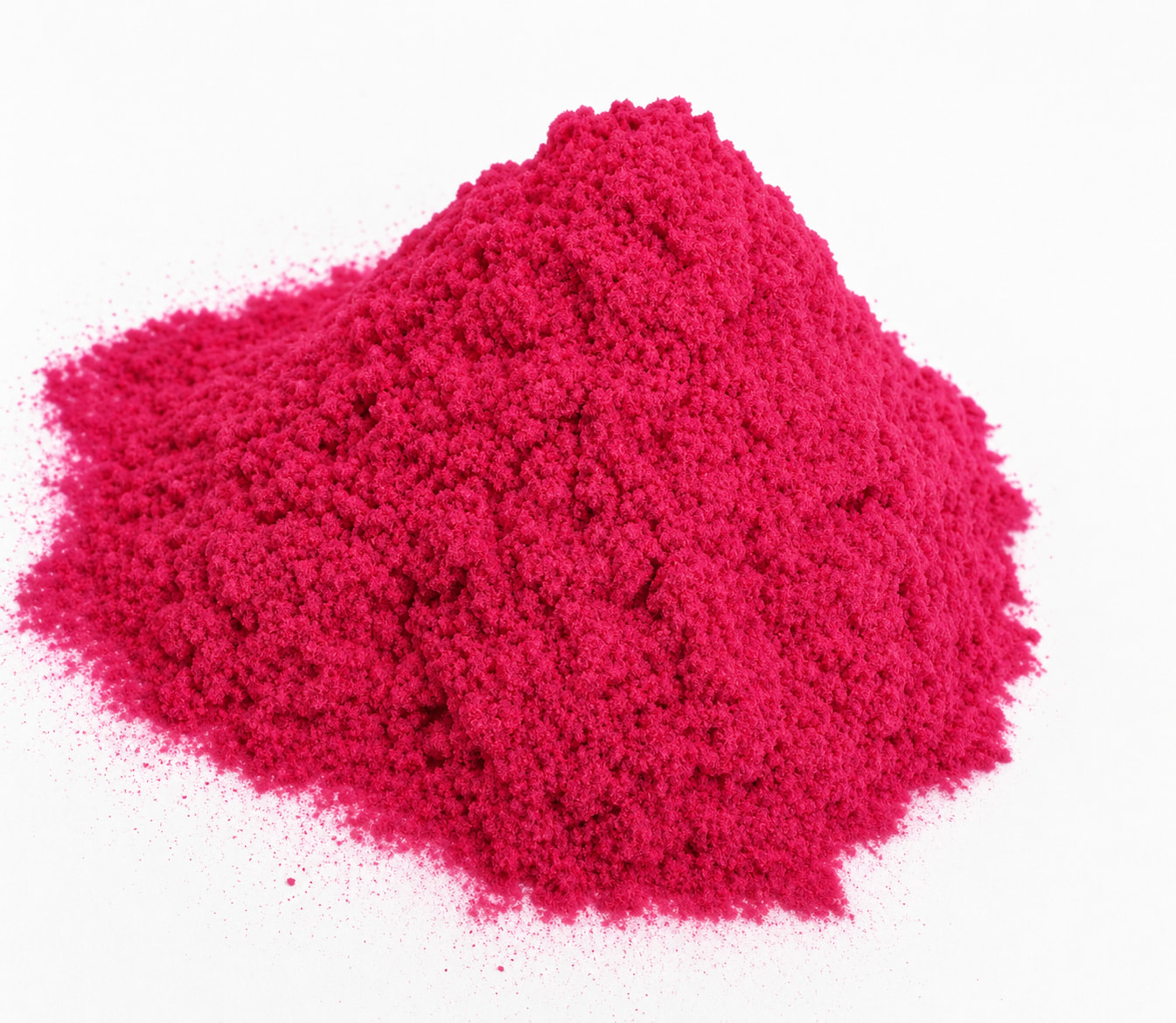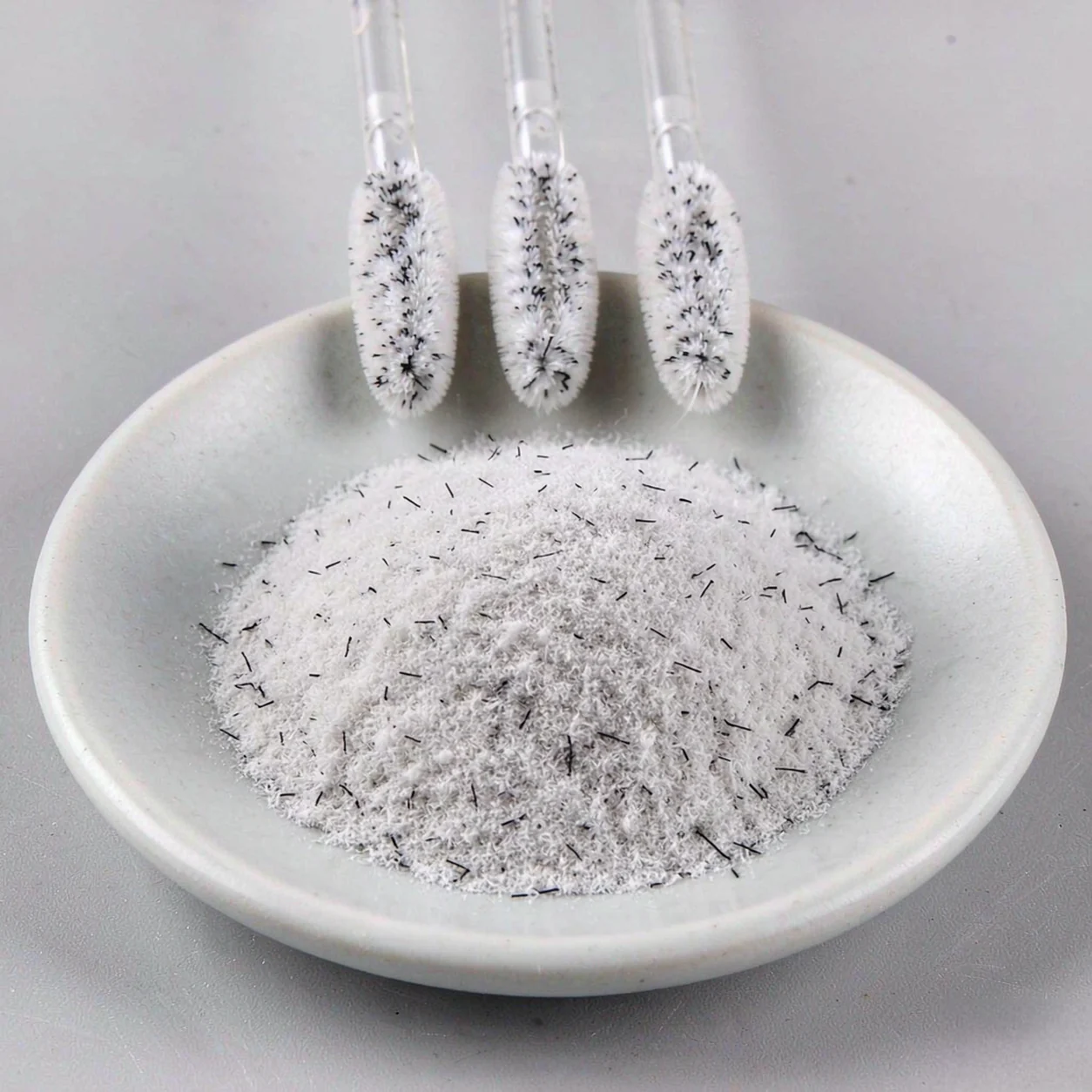
Cosmetic Applicator Flocking Fiber
Cosmetic Applicator Flocking Fiber is designed for the fine surface finishing of lip gloss wands, liquid lipstick applicators, and selected makeup tools. Zhangs supplies short-cut flock fibers with different material and specification options to support precision applicator manufacturing.
Quick Facts
Product Type: Short-cut flock fibers for cosmetic applicators
Fiber Materials: Nylon, rayon, and other suitable materials subject to confirmation
Fiber Specifications: Cut length and fineness based on applicator requirements
Surface Effect: Fine, soft-touch flocked finish
Applications: Lip gloss wands, lipstick tips, concealer applicators, and selected makeup tools
Customization: Fiber material, length, fineness, color, and treatment requirements
Flock Fibers for Cosmetic Applicators
Explore fiber options for applicator designs that require precise surface finishing and reliable formula compatibility.
A cosmetic applicator's performance depends on more than the shape of its tip. The surface also influences how a liquid formula is picked up, held, and released during application. Fiber density, surface geometry, and adhesive compatibility all need to work together to achieve the desired result.
Zhangs offers flock fibers for cosmetic applicators with selectable materials and specifications. You can discuss your applicator design, substrate, and production requirements with our team, then evaluate the flocked result using actual components before confirming a bulk order.
| Specification | Details |
|---|---|
| Product Name | Cosmetic Applicator Flocking Fiber |
| Material Options | Nylon / Polyamide, Rayon / Viscose, or other suitable fibers |
| Fiber Length | Selected according to applicator size and surface requirements |
| Fiber Fineness | Denier or dtex specifications subject to availability |
| Color Options | Standard or custom colors, subject to feasibility |
| Fiber Preparation | Cutting, dyeing, drying, and sieving as applicable |
| Surface Appearance | Fine, soft-touch flocked texture |
| Applicable Substrates | Selected molded plastic applicator components |
| Flocking Process | Electrostatic flocking with a suitable adhesive system, subject to testing |
| Custom Options | Material, length, fineness, color, and fiber treatment |
| Evaluation Requirements | Fiber adhesion, retention, formula compatibility, and finished applicator performance |

Fine Coverage on Shaped Applicator Tips
Narrow edges, curved surfaces, and recessed areas make cosmetic tips more demanding than flat substrates. Suitable applicator flock fibers can be selected for these geometries, while the final coverage depends on the adhesive layer and flocking conditions.

Adjustable Fiber Dimensions
A small change in cut length or fineness can alter the height and feel of a flocked surface. Matching fiber dimensions to the applicator design is especially important where a low-profile finish or clearly defined tip shape is required.

Compatibility with Different Formulations
Cosmetic ingredients do not interact identically with every material. Nylon, rayon, and the bonding system may respond differently to oils, pigments, or solvents, so fiber selection should account for the intended formulation rather than appearance alone.

Fiber Retention During Repeated Use
Each time an applicator passes through a container's wiper, its flocked surface experiences mechanical contact. Retention depends on the complete construction, including fiber selection, adhesive bonding, and curing. Finished-product testing is needed to establish suitable performance.
Material Selection for Different Tip Designs
A narrow lip gloss wand and a wider concealer tip rarely have identical surface requirements. Share your applicator dimensions and substrate with Zhangs, and we can help identify suitable material options for initial evaluation.
Controlled Fiber Manufacturing
Our flock fiber production involves cutting, dyeing, drying, and sieving. Managing these stages helps maintain defined material characteristics during preparation, including fiber length and size uniformity.
Custom Flock Specifications
For OEM projects, standard material options may not match the intended applicator. Zhangs can review your requirements for custom flock fibers, including cut length, fineness, color, and material selection, before confirming manufacturing feasibility.
Support for Real-Component Sampling
Rather than judging loose fibers alone, you can evaluate material samples on your actual molded applicator tips. This allows you to assess the finished surface and identify processing or compatibility concerns before approving the specification.
Bulk Supply and Order Coordination
Zhangs has an overall monthly flock fiber production capacity of 150 tons. Once the specifications and purchasing requirements are agreed upon, our team coordinates material preparation, order quantities, and production arrangements to support your sourcing schedule.
 01
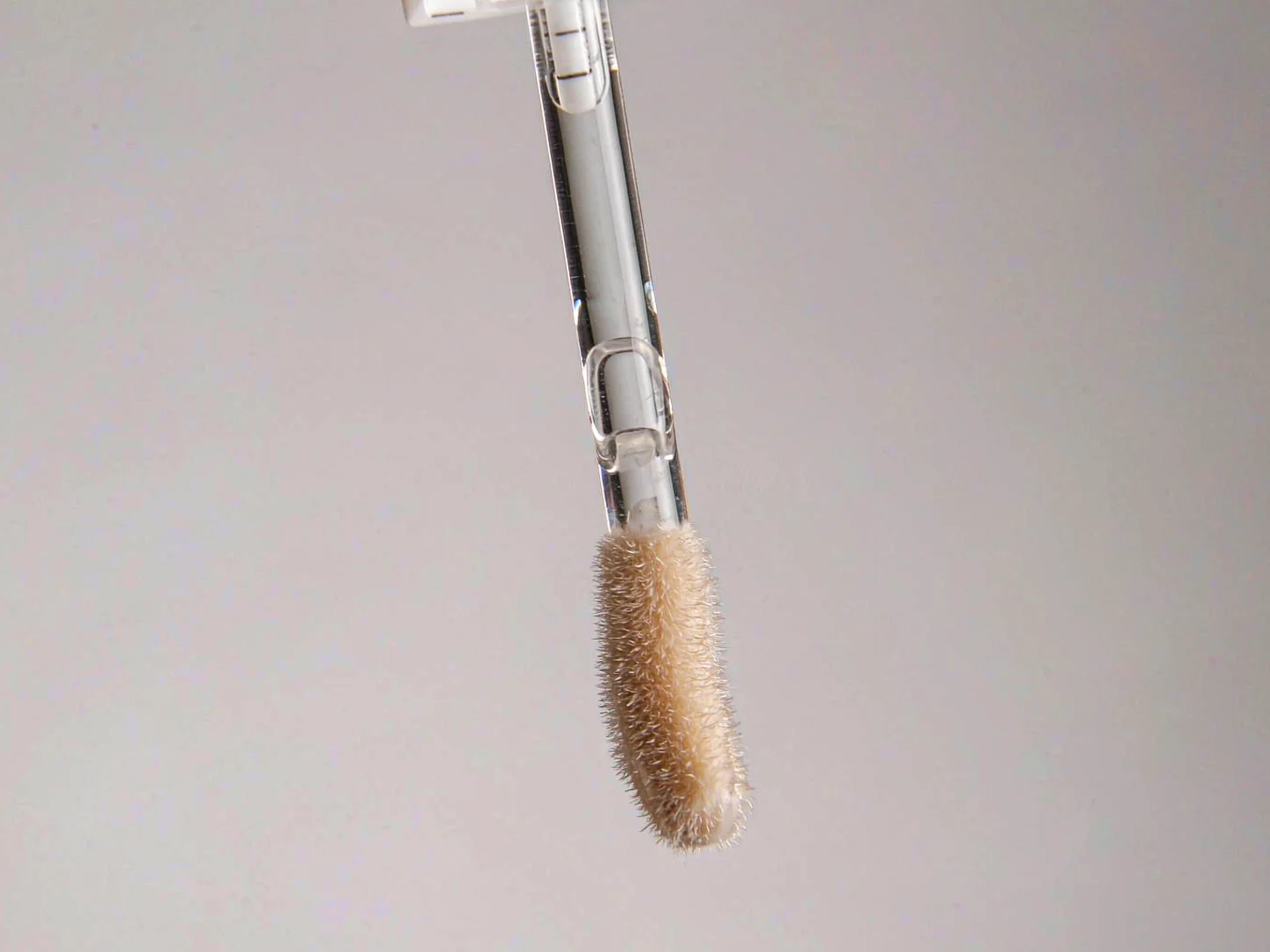
Lip Gloss Applicator Wands
A doe-foot tip must work with both the lip gloss formula and the container's wiping system. The chosen lip gloss applicator flock fibers should be evaluated for product pickup, release, and surface feel under the intended conditions of use.
 02
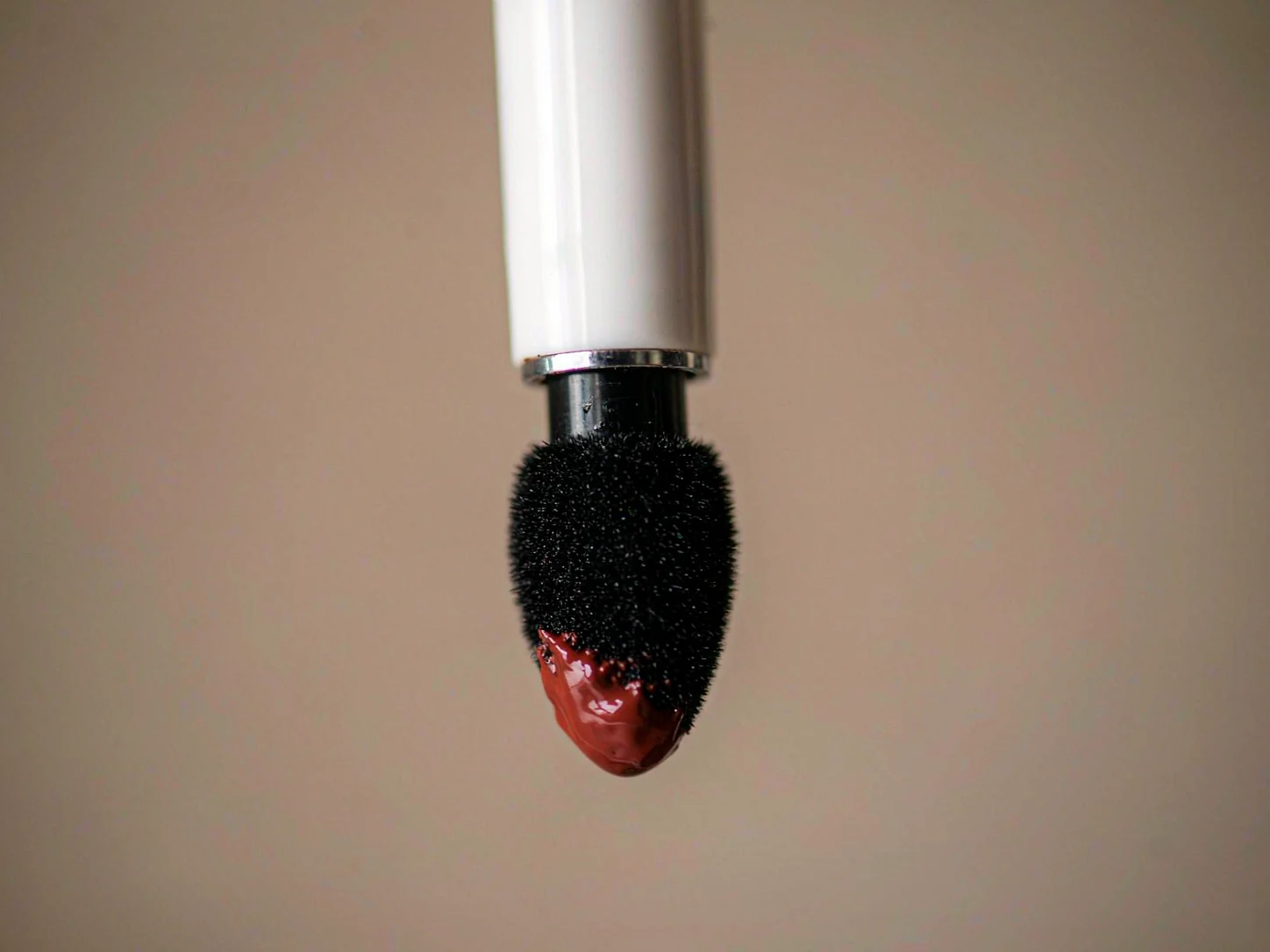
Liquid Lipstick Applicators
Applying liquid lipstick along the lip line requires control over product placement. Tip geometry and flock density influence the finished applicator, making both important considerations when developing a suitable surface.
 03
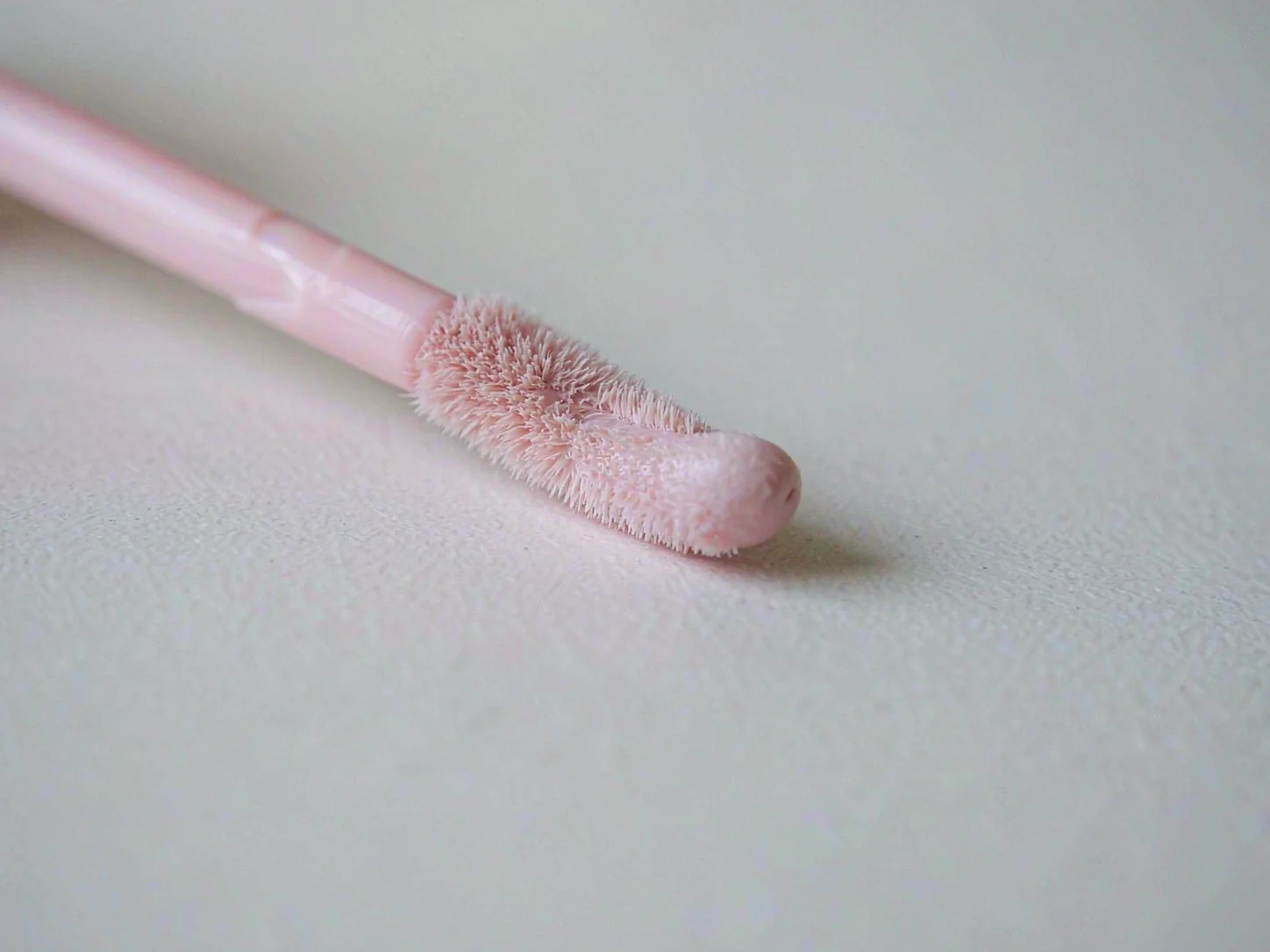
Lip Tint Applicator Tips
Thin, fluid lip tints behave differently from thicker gloss formulations. A suitable flocked tip should allow the intended amount of product to reach the application surface without unwanted pooling or inconsistent transfer.
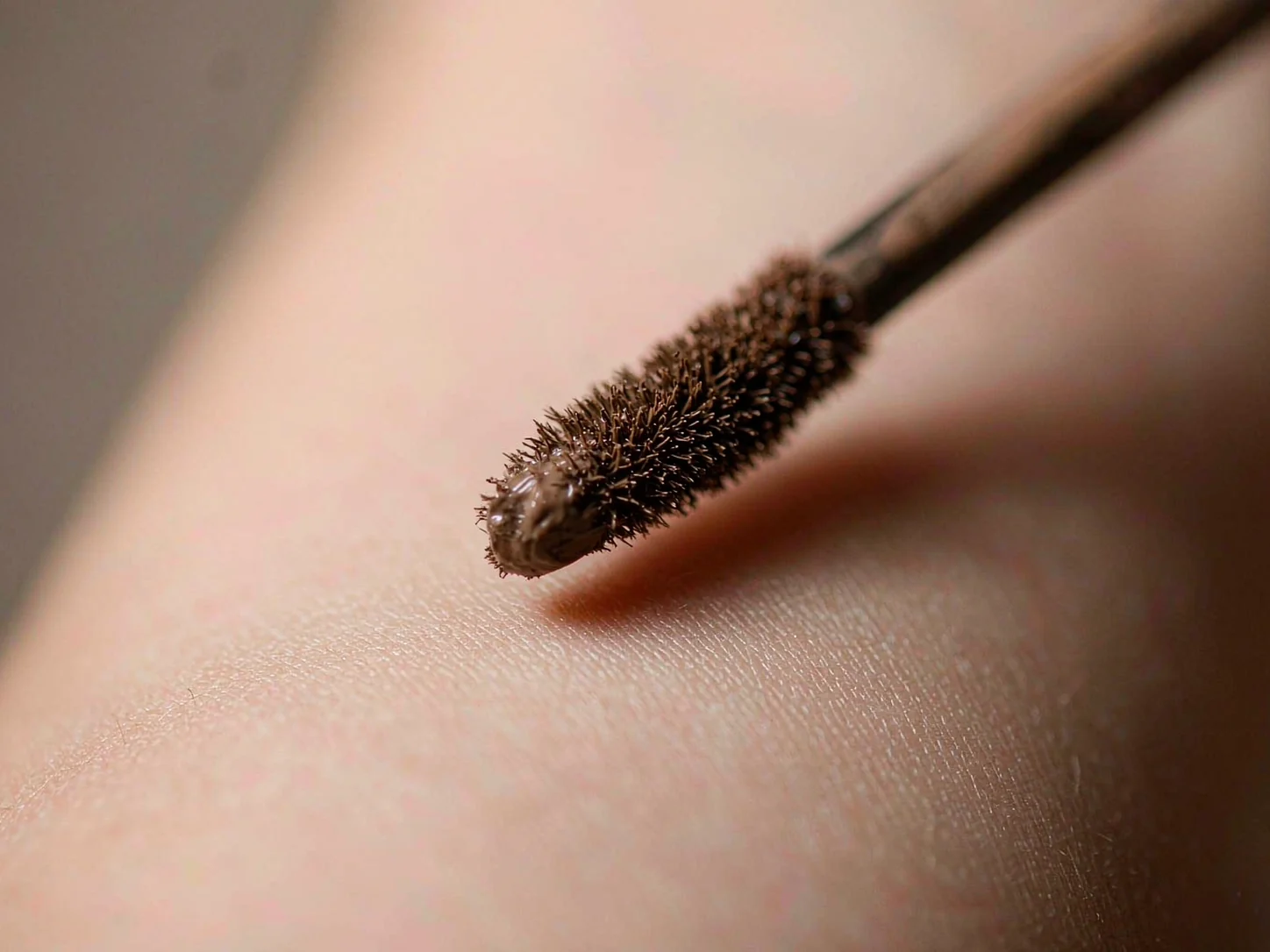 04
Concealer Applicator Heads
Localized makeup application often calls for a small contact area. For concealer tools, manufacturers need to consider the tip's dimensions and how the finished flocked surface interacts with the intended product.
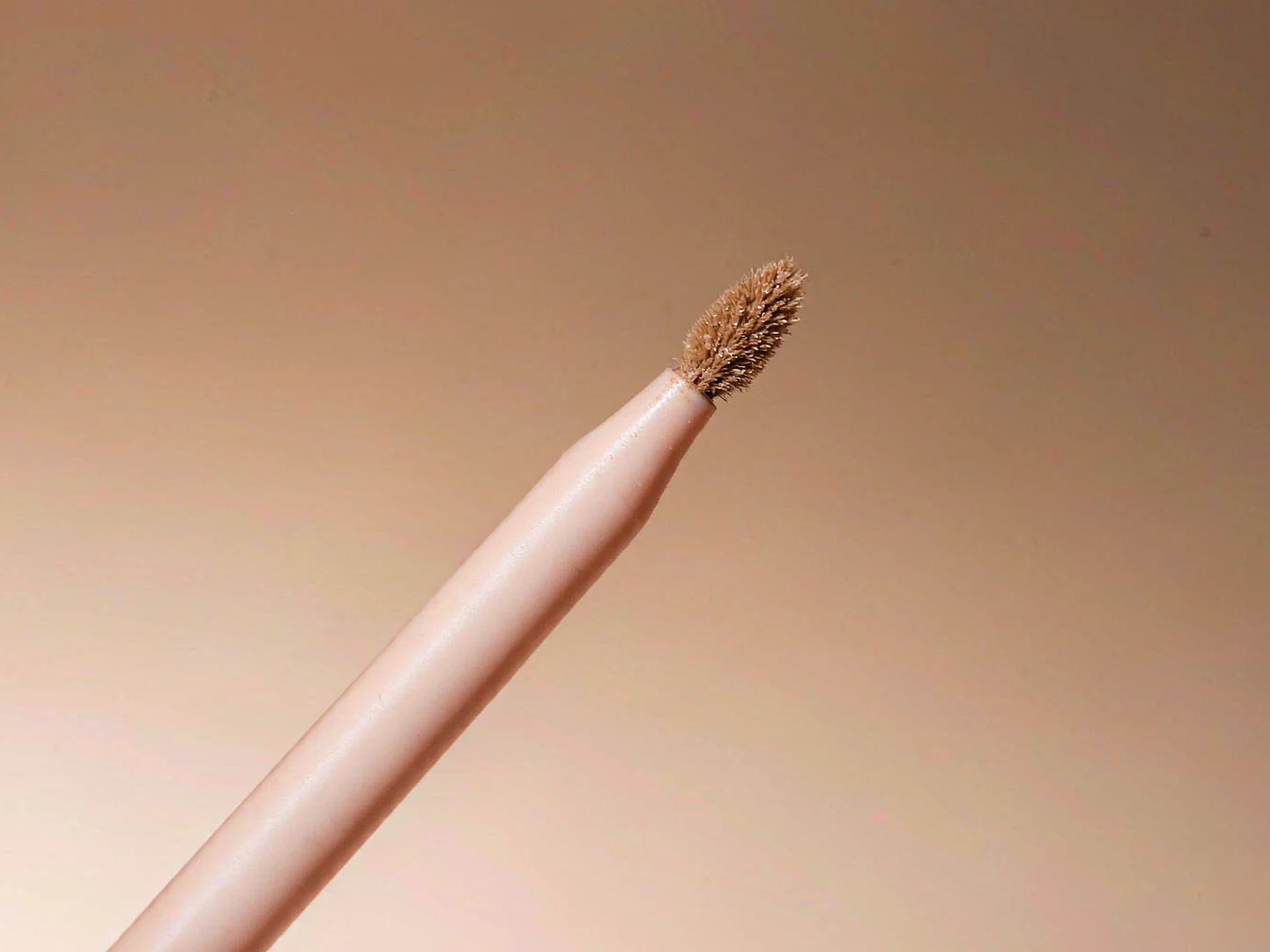 05
Eye Makeup Applicators
Selected eye makeup tools use flocked tips to position or transfer cosmetic products. Because of their intended contact area, fiber retention, formulation compatibility, and applicable safety requirements deserve particular attention.
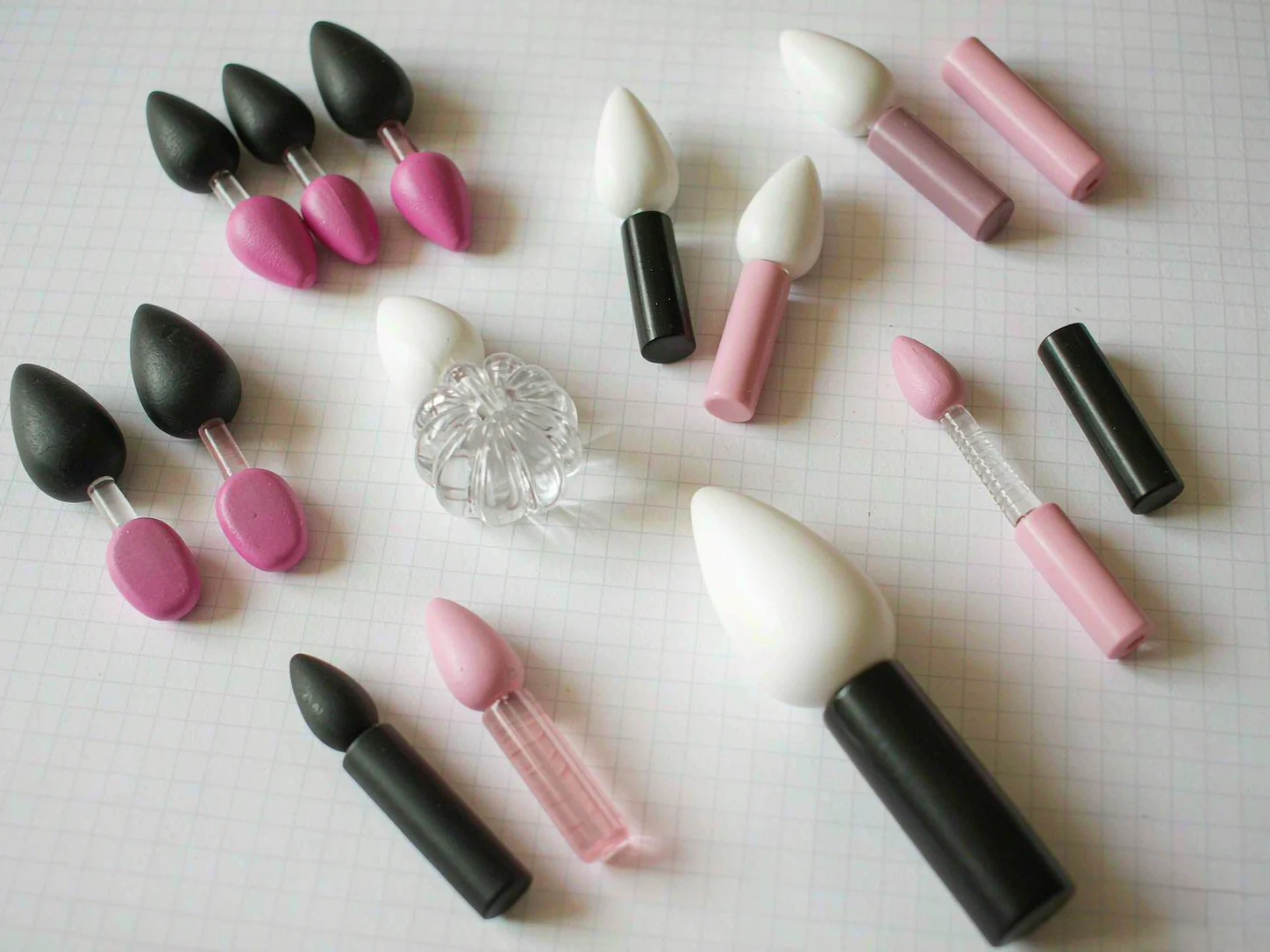 06
Custom Cosmetic Applicator Components
Specially shaped heads may combine flat sections, narrow tips, or recessed details within a single design. Technical drawings and molded samples help establish whether the selected flocking material can produce the required surface without obscuring functional features.
Applicator Flocking Problems & Solutions
Identify production and performance issues that can affect the finished surface of cosmetic applicator tips.
| Common Problems | Possible Causes | Recommended Solutions |
|---|---|---|
| Uneven coverage on curved tips | Irregular adhesive distribution, recessed surfaces, or unsuitable flocking settings can leave gaps. | Inspect actual molded tips and adjust coating or fiber application conditions on trial pieces before full production. |
| Fiber shedding during use | Inadequate bonding, incomplete curing, or repeated contact with the container wiper may reduce fiber retention. | Evaluate the adhesive and curing process, then test finished applicators under representative use conditions. |
| Inconsistent formula transfer | Fiber density, tip geometry, and formula properties may not be well matched. | Assess product pickup and release separately using the intended formula and complete applicator assembly. |
| Uneven applicator feel | Variations in cut length, fineness, or fiber distribution may create differences between finished tips. | Compare production samples against an approved tactile and visual reference, with defined inspection criteria. |
| Material changes after formula contact | Certain ingredients may interact with the fiber, adhesive, or plastic substrate over time. | Conduct compatibility and stability testing on the finished applicator with the intended cosmetic formulation. |
| Variation between production runs | Changes in fiber specifications, adhesive application, or process settings can affect repeatability. | Keep approved material details, reference samples, and process records available for subsequent manufacturing orders. |
-
1 What type of flock fiber is suitable for lip gloss applicators?
-
2 How do flock fiber length and fineness affect makeup applicators?
-
3 Can Zhangs provide custom flocking powder for cosmetic tools?
-
4 Are cosmetic flock fibers safe for direct skin or lip contact?
-
5 What is the difference between nylon flock and rayon flock for cosmetic applications?
-
6 What should I provide when ordering cosmetic applicator flocking materials?