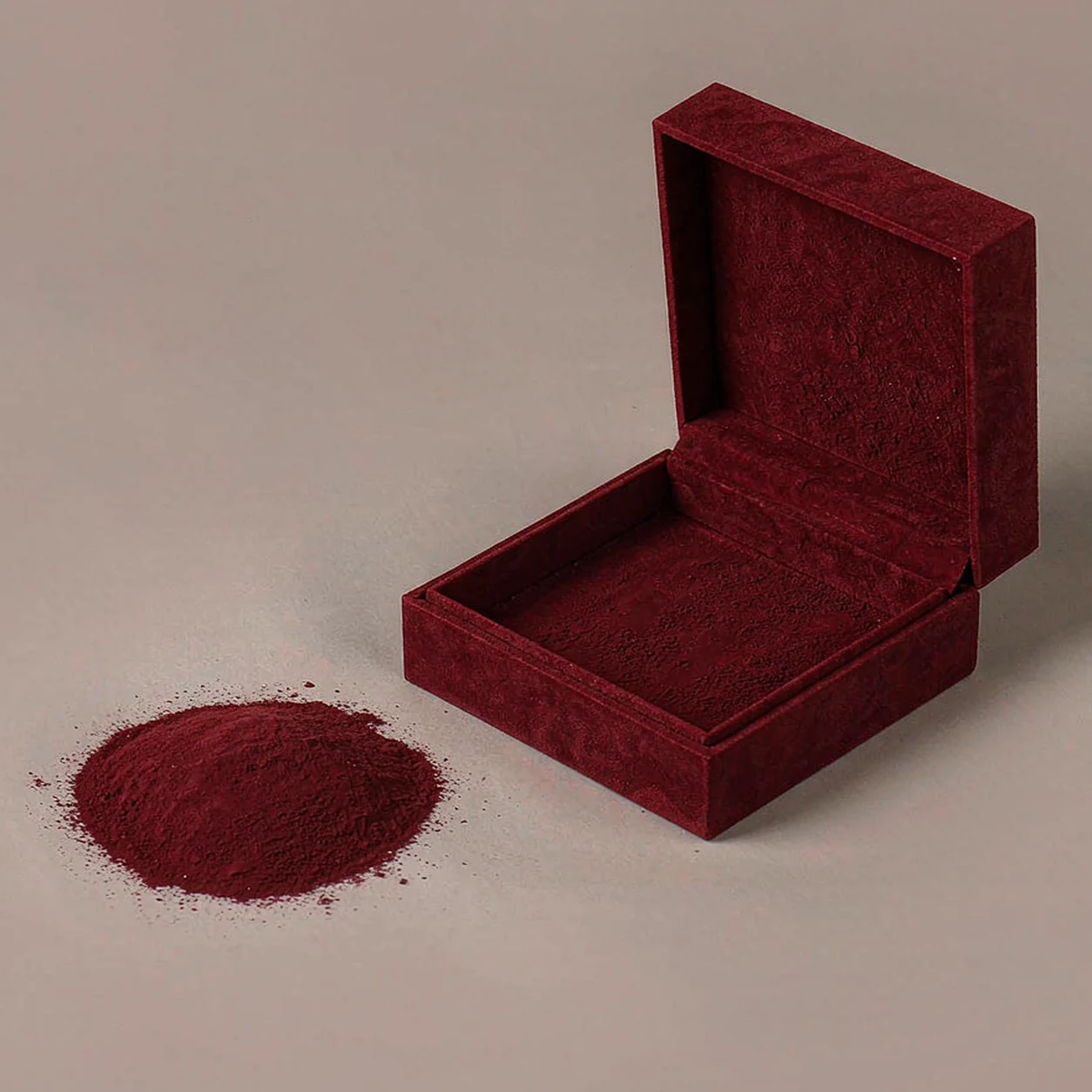
Red Flocking Powder
Red flocking powder from Zhangs brings a rich red color and velvet-like texture to packaging, ornaments and crafts. Explore nylon and rayon fibers, custom red shades and decorative finishes.
Quick Facts
Product Type: Dyed short-cut flock fibers
Fiber Options: Nylon, rayon and selected polyester
Color: Red, with shade customization available
Surface Effect: Matte to velvet-like fiber finish
Application Process: Electrostatic or compatible adhesive-based flocking
Typical Uses: Packaging, ornaments, crafts and decorative components
Red Flocking Powder for Decorative Finishes
An introduction to red flock fibers and their role in creating textured surfaces beyond conventional paint or printing.
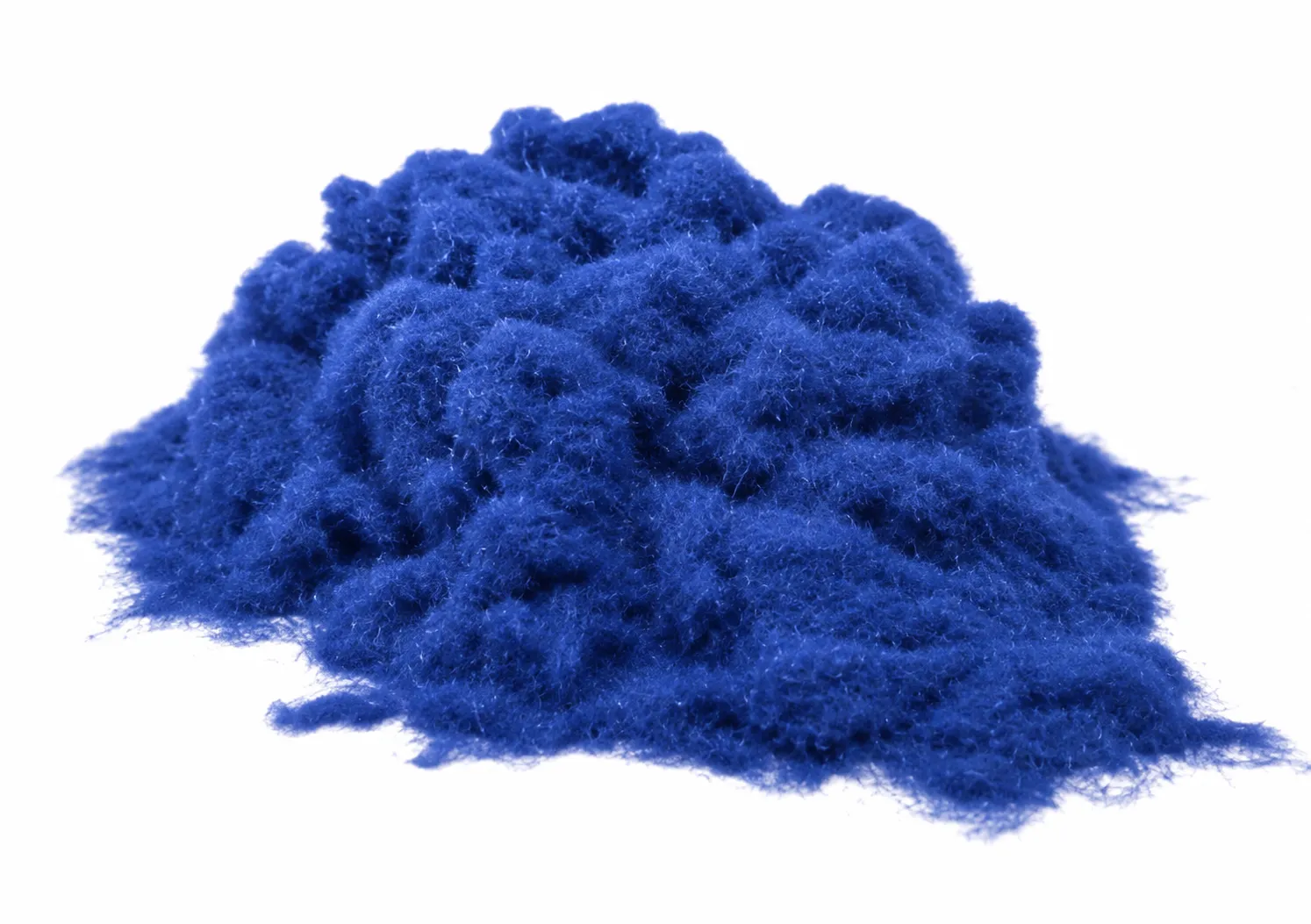
A red flocked finish is created by depositing dyed, short-cut fibers onto an adhesive-coated surface. The fibers form a visible pile, giving the product a textured appearance rather than a flat color coating.
The resulting effect is particularly noticeable on objects intended to be viewed up close. Light interacts with the fiber pile differently from a smooth surface, creating a softer-looking red finish without the sparkle associated with glitter.
Zhangs offers red flocking powder for manufacturers working with decorative materials and finished components. The fibers are supplied as a raw material for flocking operations, allowing customers to integrate them into their own finishing processes.
Red Flocking Fiber Specifications
Technical information for selecting red flock fibers according to material composition, surface requirements and processing method.
| Specification | Details |
|---|---|
| Product Name | Red Flocking Powder |
| Product Form | Dyed short-cut flock fibers |
| Fiber Materials | Nylon / Polyamide, Rayon / Viscose, selected Polyester |
| Available Color | Red |
| Shade Range | Standard or custom red shades, subject to confirmation |
| Fiber Length | Selected according to product requirements |
| Fiber Fineness | Subject to selected material specifications |
| Surface Appearance | Matte, velvet-like or raised fiber texture |
| Suitable Substrates | Paper, cardboard, fabric, selected plastics and coated surfaces |
| Application Method | Electrostatic flocking or compatible adhesive-based application |
| Material Customization | Fiber composition, length, fineness and shade |
| Main Applications | Packaging, decorative crafts, ornaments and selected textile finishes |

Color with Physical Depth
A smooth red coating reflects light from a relatively continuous surface. Flocking changes that visual behavior: thousands of short fibers create a directional pile, making the color appear softer and more dimensional. The effect is especially visible on decorative objects with broad, uninterrupted red areas.

A Soft, Non-Metallic Finish
Glitter creates sparkle, while metallic coatings emphasize reflection. Red flock produces a contrasting appearance with a muted, fabric-like surface. This makes it an option for products that need visual richness without a glossy or reflective finish.

Controlled Decorative Boundaries
Flocking does not have to cover an entire object. Adhesive can be applied only to selected areas, allowing the red fiber texture to sit beside printed graphics, exposed plastic or other surface treatments. The boundaries are defined primarily by the adhesive pattern and application method.

A Choice of Tactile Effects
A compact, fine pile feels different from a more prominent fiber layer. Material composition and fiber dimensions influence that sensation, allowing manufacturers to choose a finish that suits the way a product will be displayed or handled.
Color Formulation for Red Fibers
Different customers require different red tones. Zhangs works with color references to prepare dye formulations suited to the selected fiber material. Because nylon, rayon and polyester do not share identical dyeing characteristics, the fiber composition is established before the color preparation process.
Controlled Cutting Operations
The cut length influences the physical profile of the flock material. Zhangs uses cutting equipment with regular blade maintenance and dimensional inspections to manage fiber length during production. These checks are part of material preparation, not a claim that every length is available for every fiber type.
Electro-Treatment Management
Electrostatic flocking relies on appropriately prepared fibers. Zhangs manages electrical characteristics during material treatment, alongside other process conditions relevant to the finished flock. This preparation is particularly important for customers using electrostatic flocking equipment.
Drying and Repeated Sieving
After wet processing, fibers undergo drying and separation. Repeated sieving helps remove unsuitable longer material and improve the condition of the supplied flock, producing a prepared raw material intended for subsequent feeding and application.
Bulk Supply and Custom Orders
Red flocking orders may involve standard material specifications or custom combinations of fiber material, size and color. General supply information includes approximately 150 tons of monthly capacity, an MOQ from 50kg per color and a typical lead time of 10-15 days.
 01
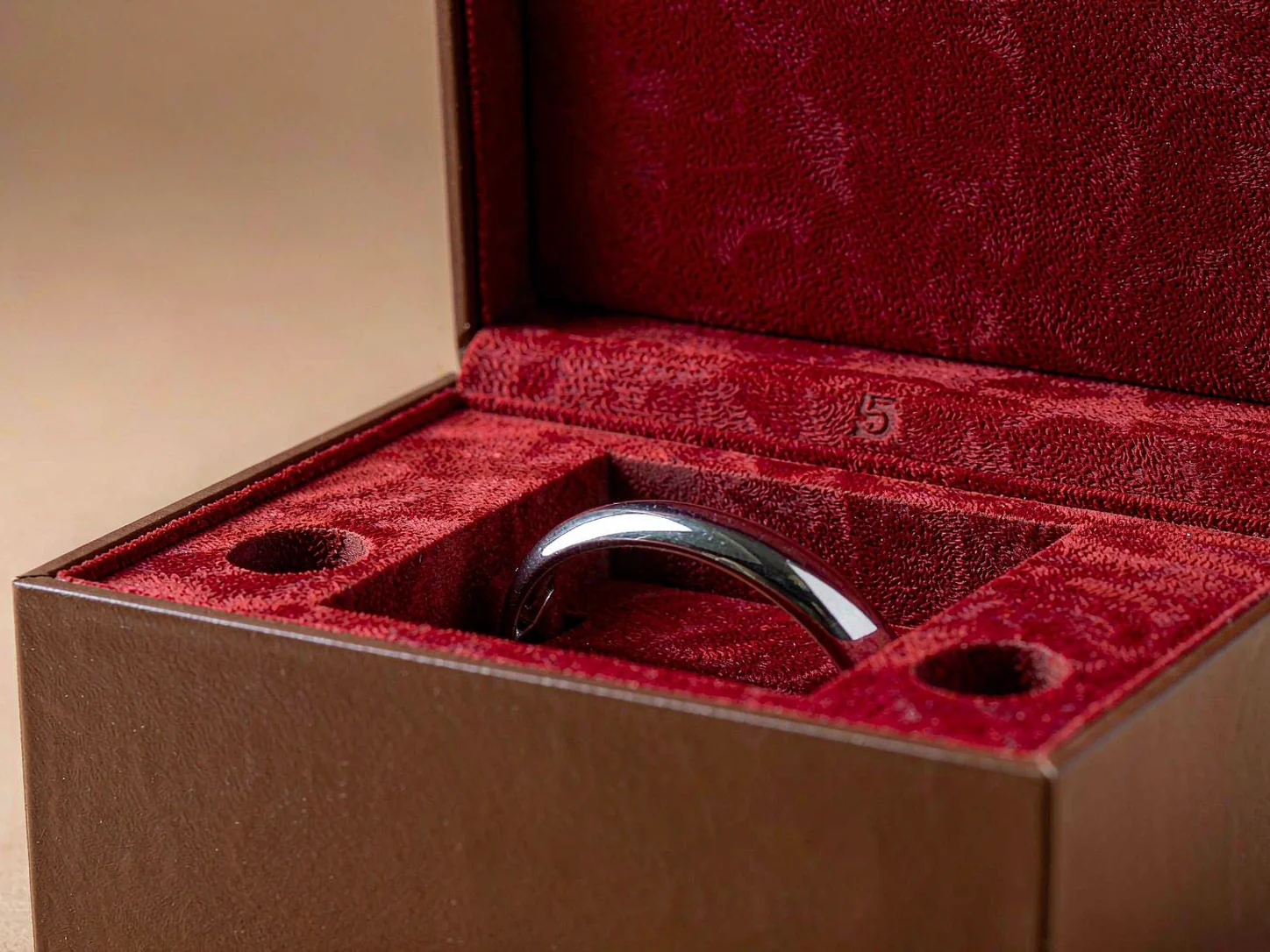
Gift Box Interiors and Presentation Inserts
Red velvet-like interiors are often chosen for gift boxes, jewelry displays and presentation packaging. Loose fiber transfer, pressure marks and surface abrasion may affect how the contents look when the box is opened, and inserts must retain their shape after flocking.
 02
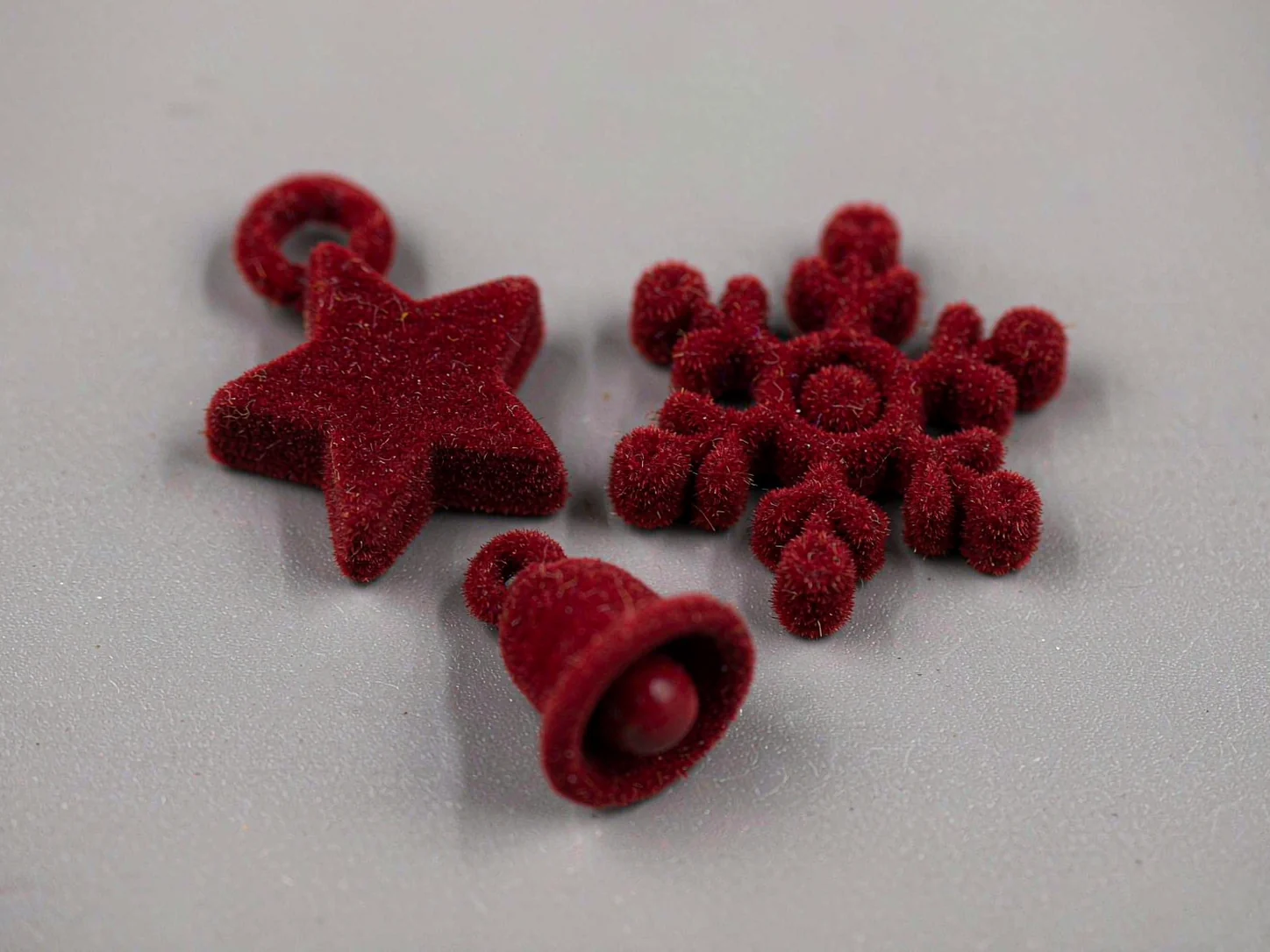
Christmas and Seasonal Ornaments
Hanging ornaments and decorative holiday figures frequently include curved shells, raised features and narrow attachment points. Hanging holes and assembly interfaces need to remain functional while concave sections may require special attention during fiber deposition.
 03
Miniature Crafts and Model Decorations
Scale models and handcrafted miniatures rely on small surface details to communicate shape. A thick fiber layer could obscure fine lettering, engraved patterns or shallow grooves, so the flocked area and detail level determine how much pile is appropriate.
 04
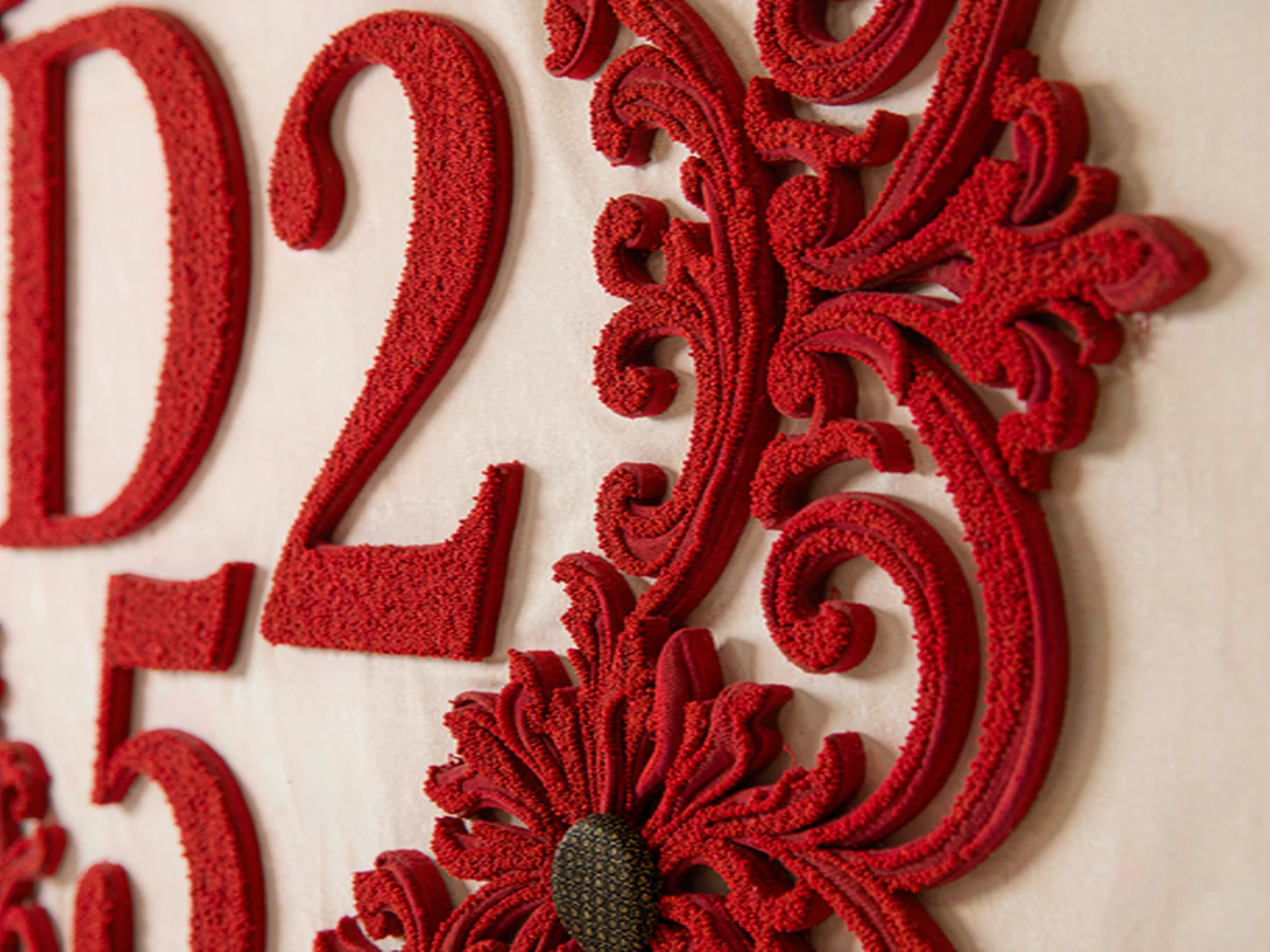
Textile Lettering and Decorative Patterns
Red flock adds a raised finish to selected fabric graphics, including lettering and decorative motifs. Flexible fabrics, seams and areas exposed to repeated bending place different demands on the adhesive and finished decoration.
 05
Molded Resin and Plastic Decorations
Molded figures and decorative components may contain several finishing types on one part: flocked sections, exposed resin and painted details. Masking becomes important, and connector points or close-fitting surfaces usually need to remain free of fibers.
 06
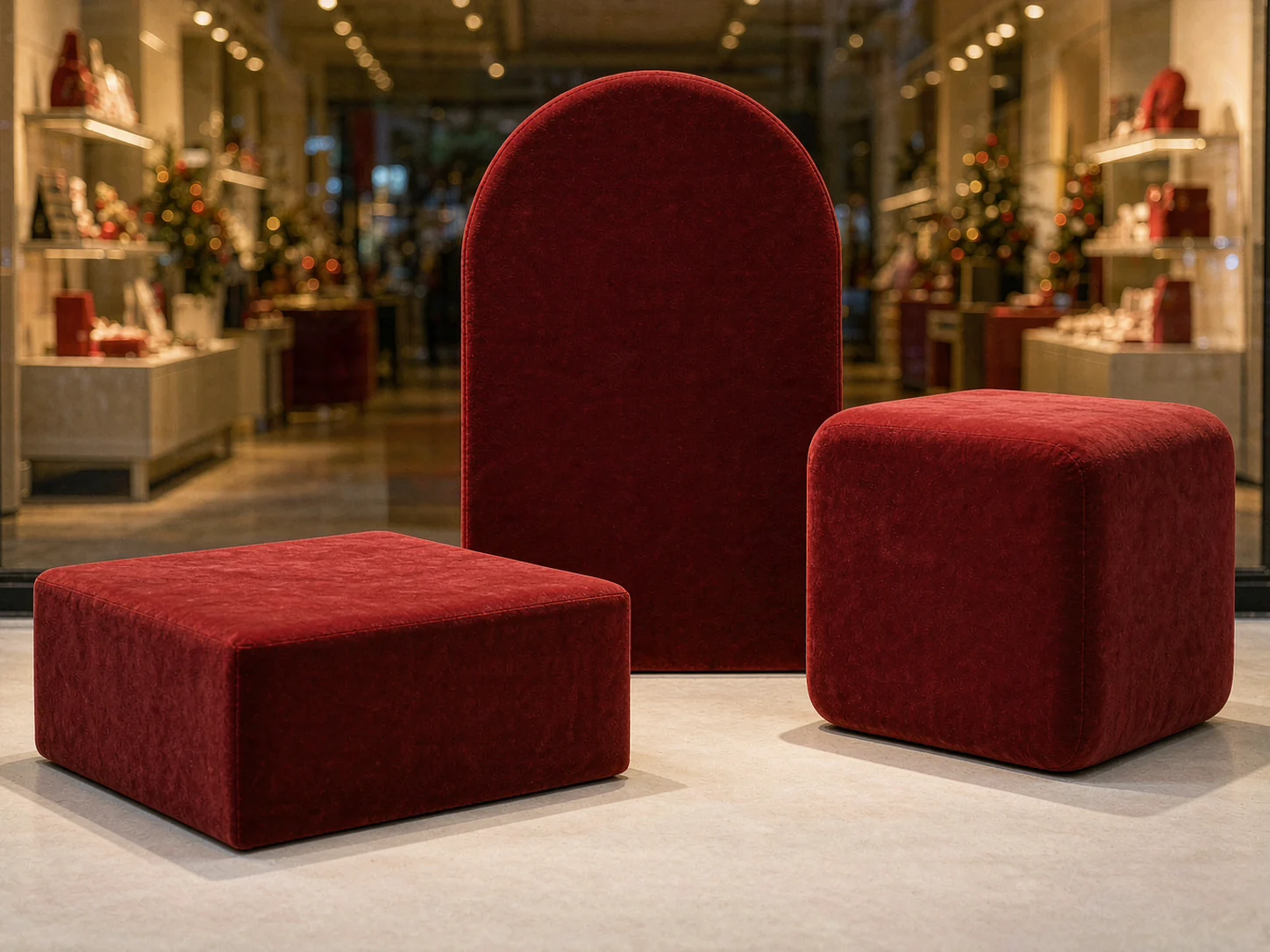
Retail Window Displays and Promotional Props
Large red decorative surfaces can become focal elements in retail displays, exhibition stands and promotional installations. These products are often viewed from several meters away and exposed to directional lighting, so overall visual texture matters more than miniature detail.
Red Flocking Problems & Solutions
Troubleshoot visible defects and material-handling problems during red flocking operations.
| Common Problems | Possible Causes | Recommended Solutions |
|---|---|---|
| Red surface looks patchy | Adhesive thickness or fiber deposition varies across the part. | Check the uniformity of the adhesive layer and the distribution of fibers. |
| Background remains visible | Flock density is insufficient, especially over a contrasting base. | Review fiber deposition and confirm whether the base finish is suitable. |
| Fibers form clumps | Excess moisture or unsuitable storage affects material separation. | Check storage conditions and inspect the fiber condition before feeding. |
| Flock does not remain attached | Adhesive incompatibility, substrate contamination or inadequate curing. | Examine surface preparation, bonding materials and curing instructions. |
| Flocked edges appear untidy | Adhesive extends beyond the intended pattern or masking is inaccurate. | Refine adhesive boundaries and remove unwanted flock from non-coated areas. |
| Pile becomes flattened | Excessive compression or friction during handling and packing. | Review contact points, packaging pressure and handling procedures. |
-
1 What Is Red Flocking Powder Made Of?
-
2 Is Red Flocking Powder the Same as Red Glitter?
-
3 Can Red Flocking Powder Be Applied Using Electrostatic Equipment?
-
4 Can Different Red Shades Be Combined in One Design?
-
5 How Should Red Flocking Powder Be Stored?
-
6 Does Red Flocking Powder Have a Shelf Life?
-
7 Is Red Flocking Powder Suitable for Products That Are Frequently Washed?
-
8 What Is the Minimum Order Quantity for Red Flocking Powder?