What Is Flocked Paper?
Flocked paper is a decorative paper material created by applying short fibers onto a paper or coated surface to produce a soft, velvet-like texture. Unlike traditional paper printing methods that mainly add colors or patterns, flocked paper adds a raised fiber layer that improves both the visual appearance and tactile experience.
The surface of flocked paper feels similar to velvet because the fibers stand vertically and create a soft texture. This makes it widely used for premium packaging, greeting cards, invitations, posters, labels, and decorative paper products where manufacturers want to create a more distinctive surface effect.
For designers and manufacturers, understanding what is flocked paper, how it is produced, and where it can be applied helps select suitable materials for different product requirements.
How Is Flocked Paper Made?
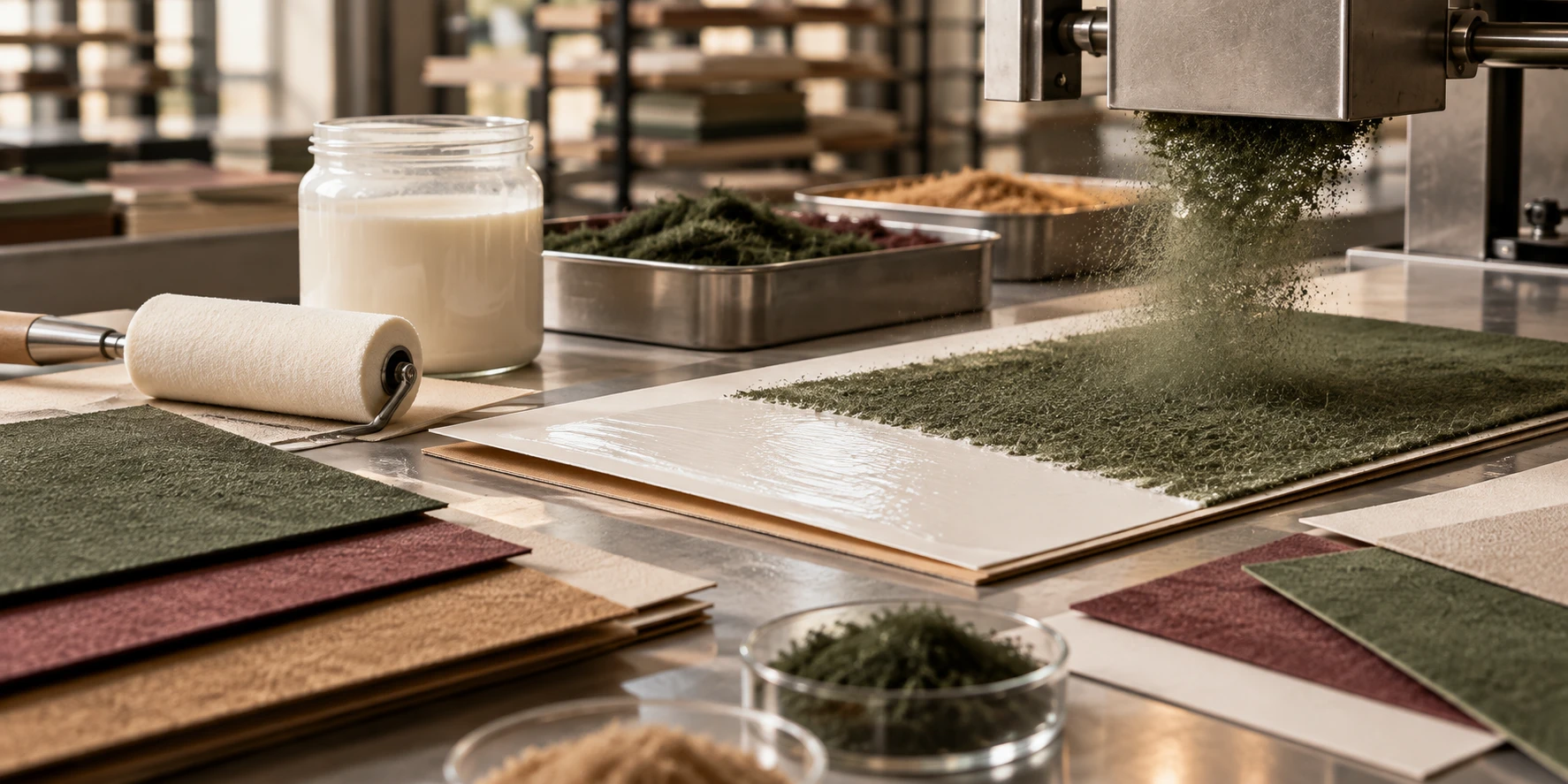
The production of flocked paper is based on the same principle as other flocking applications: attaching short fibers onto a prepared surface through adhesive and flocking technology.
The process usually starts with preparing suitable flocking materials. Fiber type, length, and color are selected according to the required surface effect. During production, adhesive is applied to specific areas of the paper surface, and fibers are transferred onto the adhesive layer.
In electrostatic flocking, fibers receive an electrical charge and move vertically toward the adhesive surface. This allows the fibers to stand upright and create a more uniform velvet-like finish.
After flocking, the material goes through drying and finishing processes to improve fiber bonding and surface consistency.
The final appearance of flocked paper depends on several factors, including fiber material, fiber length, adhesive selection, and production control. Different combinations can create surfaces ranging from fine and smooth textures to more visible raised effects.
What Materials Are Used for Flocked Paper?
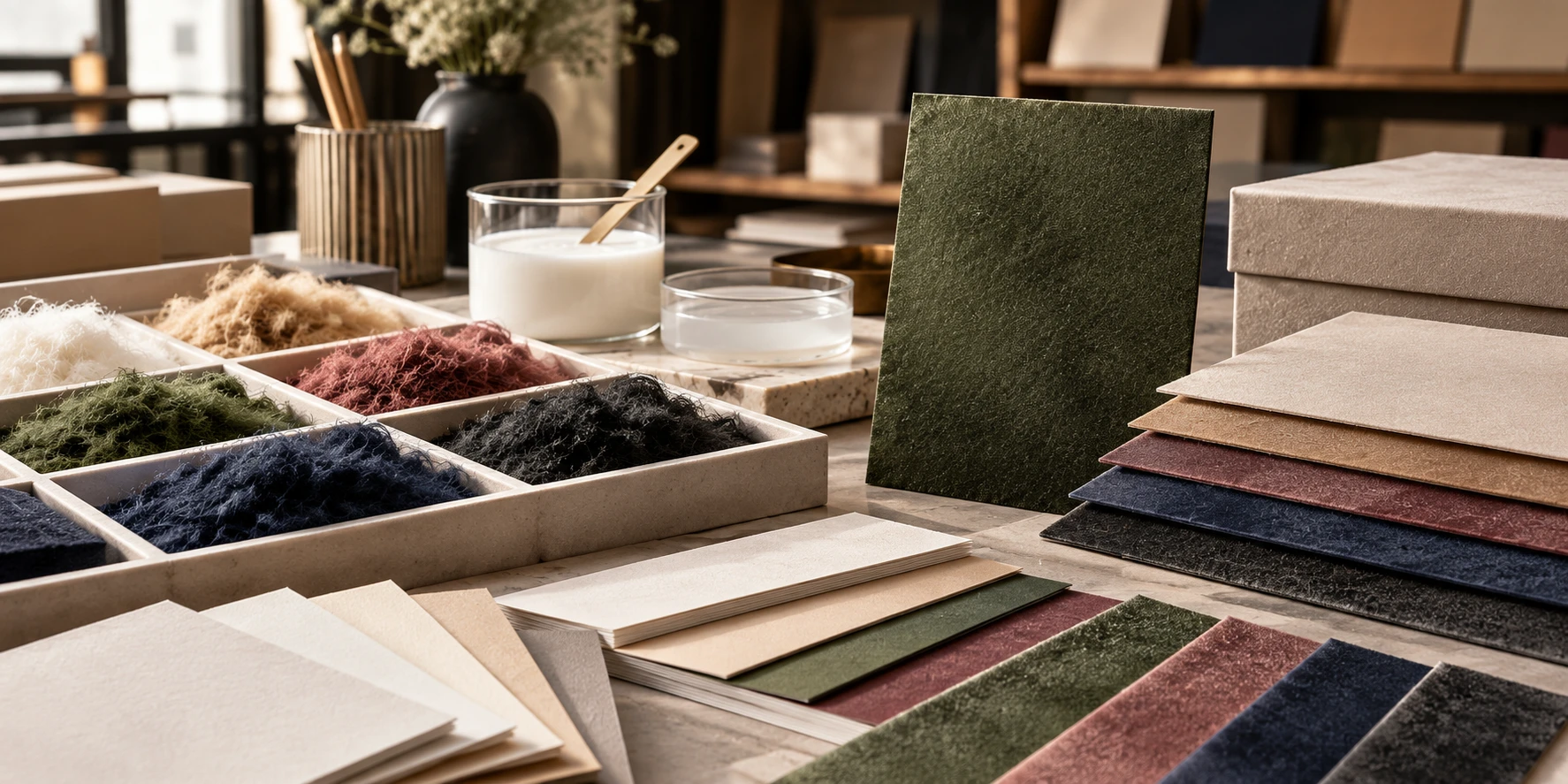
The quality and appearance of flocked paper are closely related to the selection of flock fibers.
Common flocking fiber materials include polyamide, rayon, polyester, and cotton. Different fibers provide different characteristics depending on the application requirements.
Rayon fibers are often selected when a soft and smooth hand feel is important, making them suitable for premium packaging and decorative paper products. Polyamide fibers provide stable performance and are often chosen for applications requiring durability and consistent surface quality. Polyester offers reliable processing characteristics, while cotton provides a more natural fiber feeling.
Fiber length also affects the final surface appearance. Short fibers create a finer and more delicate texture, while longer fibers provide a stronger raised effect.
Zhangs provides different flock fiber options, including polyamide, rayon, polyester, and cotton materials, supporting different product requirements and application needs.
What Are Flocked Paper Used For?
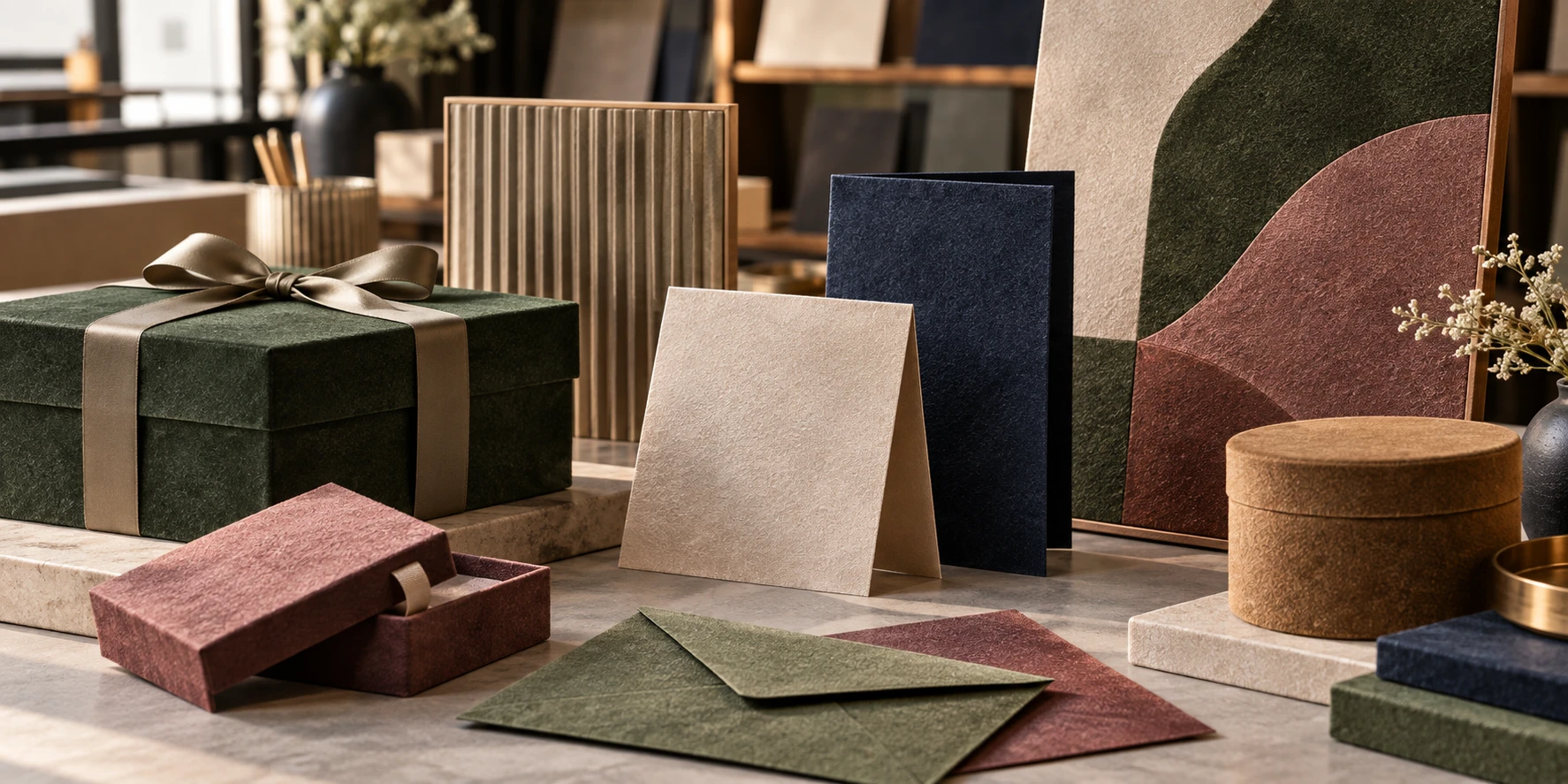
The purpose of flocked paper is not only decoration. Its soft texture and premium appearance make it suitable for products where surface experience and visual differentiation are important.
Premium Packaging Applications
Flocked paper is commonly used in luxury packaging, including jewelry boxes, gift boxes, cosmetic packaging, and specialty product packaging.
Compared with ordinary printed paper, flocked surfaces provide a softer touch and a more premium appearance. This helps brands create packaging that communicates higher product value and improves customer experience.
Cards and Invitations
Flocked paper is also widely used for greeting cards, wedding invitations, business cards, and customized stationery.
The raised fiber surface creates a unique texture that allows printed designs, logos, and decorative patterns to stand out. For high-end stationery products, the tactile effect can become an important part of the overall design.
Posters and Decorative Displays
A flocked poster uses flocking technology to add texture and depth to printed graphics. Compared with traditional flat posters, flocked posters can create stronger visual impact through their raised surface.
They are suitable for advertising displays, exhibition materials, decorative artwork, and promotional products where designers want to combine printing with a special surface effect.
What Makes Flocked Paper Different from Regular Paper?
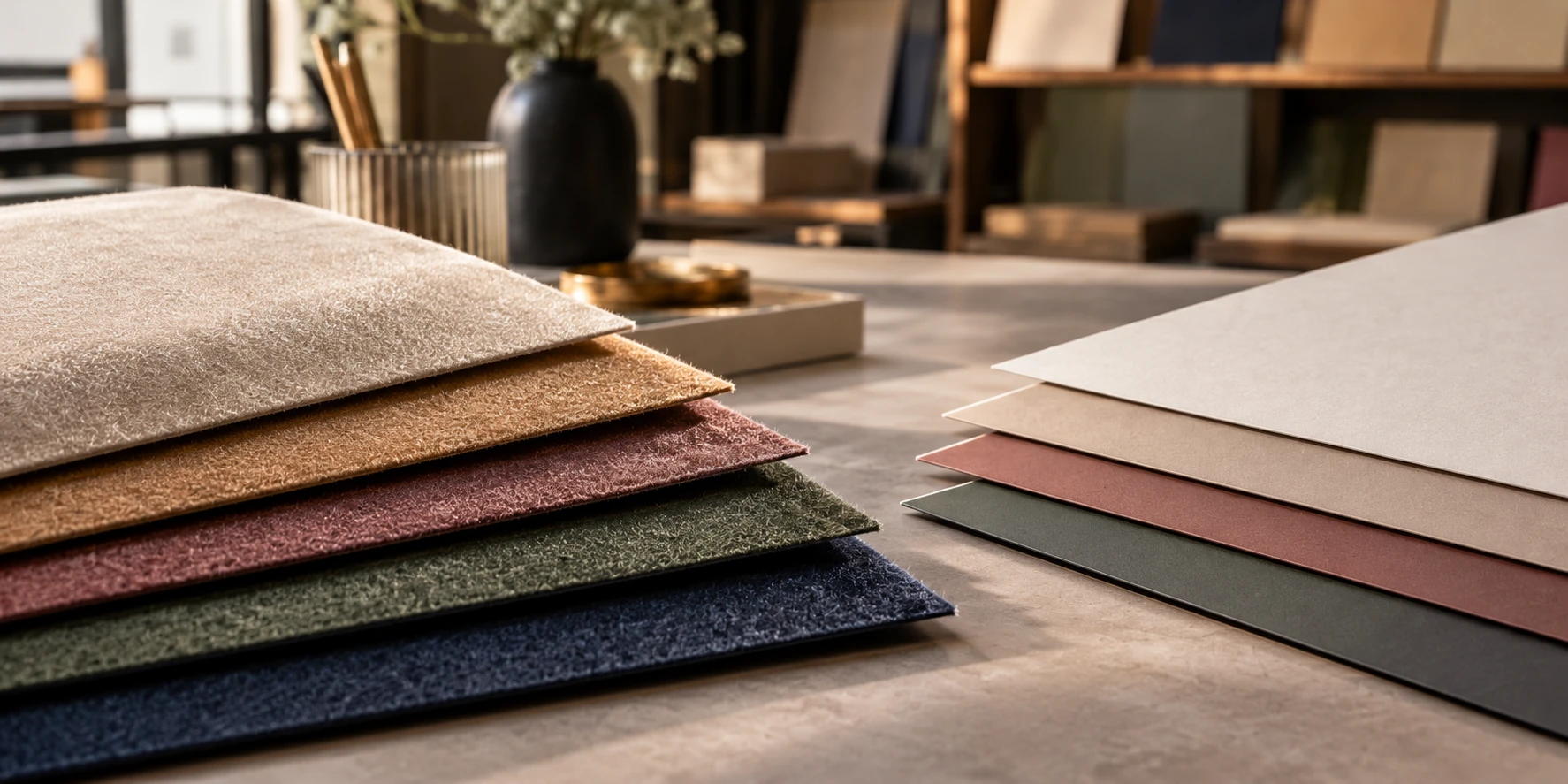
The biggest difference between flocked paper and regular paper is the surface structure.
Regular paper relies mainly on printing, coating, or finishing treatments to create visual effects. Flocked paper adds a fiber layer, which creates a soft touch and three-dimensional appearance.
This additional texture provides several advantages for decorative applications:
• Enhanced tactile experience
• Premium visual appearance
• Greater design flexibility
• Better differentiation from standard printed products
For manufacturers, flocked paper is not simply a printing material but a surface enhancement solution that combines paper design with flocking technology.
How to Choose the Right Flocked Paper Material?
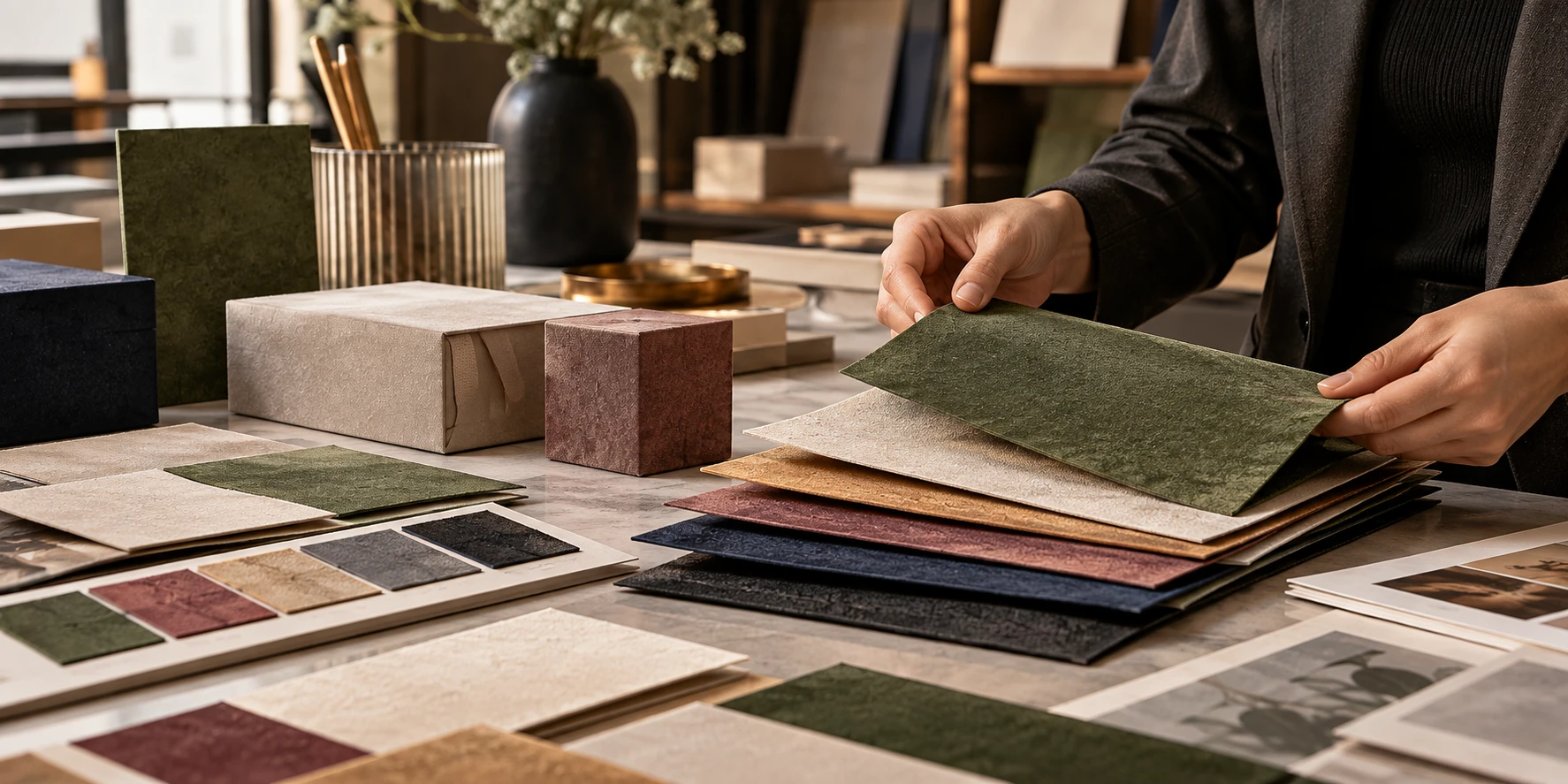
Selecting suitable flocked paper depends on the final product requirements.
For luxury packaging, manufacturers may focus on softness, color consistency, and premium appearance. For cards and posters, surface texture and visual impact may be more important.
Important factors include:
• Fiber material
• Fiber length
• Color requirements
• Base paper compatibility
• Production process stability
Working with an experienced flocking material supplier can help manufacturers choose suitable fiber specifications and achieve consistent production results.
Zhangs controls key flock fiber production stages, including cutting, dyeing, drying, and sieving, to maintain stable fiber performance for different applications.
The company supports different customer requirements with a production capability of 150 tons per month, MOQ from 50KG per color, and typical lead time of 10–15 days.
Frequently Asked Questions About Flocked Paper
What is flocked paper?
Flocked paper is a decorative paper material created by applying short fibers onto a paper surface using adhesive and flocking technology. It provides a soft velvet-like texture and three-dimensional appearance for packaging, cards, posters, and other decorative products.
What is flock paper?
Flock paper is another term commonly used to describe paper with a flocked fiber surface. It is produced by attaching short fibers onto a paper or coated substrate to create a soft and textured finish.
What is a flocked poster?
A flocked poster is a printed display material enhanced with flocking fibers to create a raised and tactile surface. It combines traditional printing with a velvet-like texture, making designs more noticeable and visually distinctive.
Where is flocked paper used?
Flocked paper is commonly used in premium packaging, greeting cards, invitations, posters, labels, and decorative products. It is selected when manufacturers need a soft-touch surface and a more luxurious appearance.
Can flocked paper be customized?
Yes. Flocked paper can be customized through different fiber materials, fiber lengths, colors, and surface effects. Manufacturers can select suitable flocking solutions according to product design and application requirements.
What makes flocked paper different from normal paper?
The main difference is the fiber surface layer. Normal paper mainly relies on printing or coating, while flocked paper uses short fibers to create a soft, raised texture and a unique tactile experience.
Conclusion
Flocked paper combines traditional paper products with advanced flocking technology to create a unique surface effect. By adding a soft fiber layer, it helps packaging, cards, posters, and decorative products achieve stronger visual appeal and tactile value.
Understanding what is flocked paper, selecting suitable flocking materials, and controlling the flocking process are important factors for achieving consistent quality.
For businesses looking to develop premium paper products, choosing an experienced flocking material supplier can help transform creative designs into reliable finished products.