What Does Flocking Powder Falling Off Mean?
Why Does Flocking Powder Fall Off After Application?
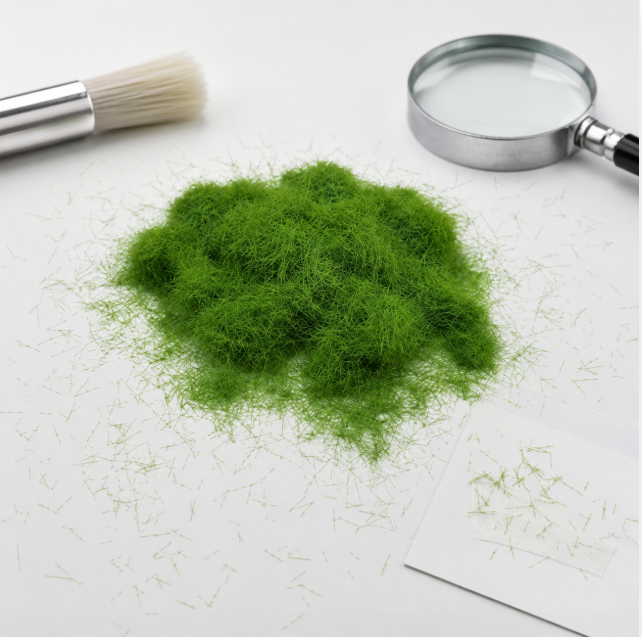
Flocking powder falls off when the flock fibers are not firmly anchored in the adhesive layer. This can happen because the glue is too thin, the surface is dirty, the flock fibers are applied too late, or the material is not suitable for the application.
Light loose fibers after flocking can be normal, but heavy shedding is a sign of a bonding problem. After drying, extra flock powder that did not enter the adhesive layer can be brushed or blown away. However, if the flock coating rubs off easily or exposes the base material, the surface needs to be checked.
Is Flock Powder Shedding Always a Quality Problem?
Flock powder shedding is not always caused by poor flocking powder quality. Adhesive selection, surface preparation, moisture, drying time and process control can all cause the same shedding issue.
A good troubleshooting process should check both the flocking material and the application conditions. Even high-quality flock fibers may fall off if the adhesive for flocking is unsuitable or the substrate is not prepared correctly.
Reason 1: Wrong Flocking Adhesive Was Used
How Can a Flocking Adhesive Problem Cause Shedding?
A flocking adhesive problem is one of the most common reasons for flocking powder falling off. If the glue cannot bond well to both the substrate and the flock fibers, the finished surface may look fine at first but rub off after drying.
The best adhesive for flocking powder should match the surface type and final use. Wood, plastic, fabric, paper, metal and automotive trim all require different adhesive performance, so one glue cannot solve every flocking project.
What Happens When the Flock Adhesive Is Too Weak?
Weak flock adhesive cannot hold enough fibers inside the adhesive layer. The result may include patchy coverage, loose fibers, poor touch and visible base material after light rubbing.
A stronger adhesive is not always the only solution. The glue also needs the right open time, viscosity, flexibility and drying behavior to create a smooth and stable flock coating.
Reason 2: Surface Was Not Properly Prepared
Why Does Surface Preparation Affect Flock Coating?
Surface preparation affects flock coating because adhesive cannot bond well to dust, oil, moisture or release agents. A dirty or untreated surface can make the flocking powder not sticking even when the glue itself is suitable.
The substrate should be cleaned before applying adhesive for flocking. Plastic may need degreasing, metal may need cleaning or primer, and wood or paper may need sealing if they absorb too much glue.
Which Surfaces Need More Care Before Flocking?
Smooth, coated or low-energy surfaces usually need more careful preparation before flocking. Plastic parts, metal components, glossy paper and coated boards may reject adhesive if the surface is not treated properly.
Porous materials also need attention because they may absorb too much glue. If wood, cardboard or paper takes in the adhesive too quickly, there may not be enough glue left on the surface to hold the flock fibers.
Reason 3: Not Enough Adhesive Was Applied
Why Does a Thin Glue Layer Make Flock Fibers Fall Off?
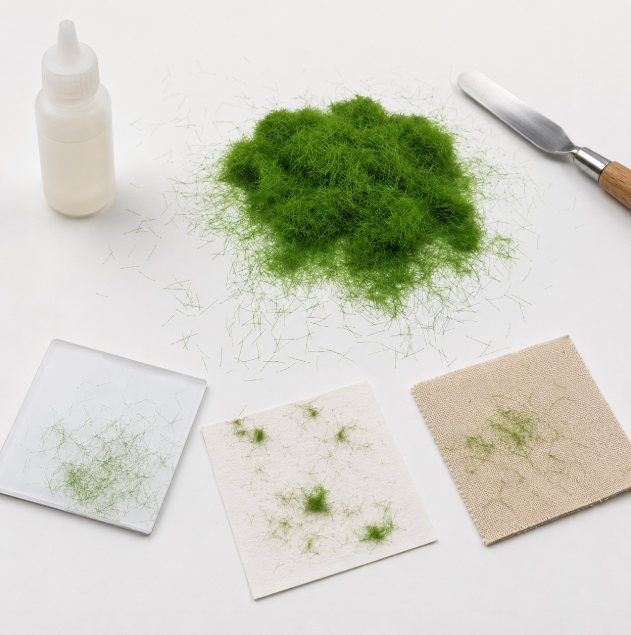
A thin glue layer makes flock fibers fall off because the fibers cannot embed deeply enough into the adhesive. When the adhesive film is too light, the flock powder may only sit on the surface instead of bonding securely.
Uneven glue thickness can also create uneven flock coverage. Thin areas may become sparse, while thick areas may look rough, hard or darker after drying.
How Much Flocking Glue Should Be Applied?
Enough flocking glue should be applied to hold the fibers without flooding the surface. The adhesive layer should be continuous, even and wet enough to capture the short fibers during application.
Too much glue can also create problems. A heavy adhesive layer may reduce softness, blur design edges or make the flocked material feel stiff instead of smooth.
Reason 4: Flock Fibers Were Applied Too Late
Why Does Timing Matter When Applying Flocking Fibers?
Timing matters because flock fibers must be applied while the adhesive still has enough tack. If the glue dries before the flocking fibers are added, the fibers will not anchor properly.
Large surfaces should be handled in sections when needed. This helps prevent the adhesive from passing its open time before enough flock powder has been applied.
How Can Late Application Cause Flocking Powder Not Sticking?
Late application can cause flocking powder not sticking because the glue surface has already started to skin over or dry. Once this happens, the fibers cannot sink into the adhesive layer.
The solution is to control the working time between glue application and flocking. For consistent results, the process should be tested on the actual substrate before bulk production.
Reason 5: Too Little Flocking Powder Was Applied
Can Too Little Flock Powder Cause Sparse Coverage?
Too little flock powder can cause sparse coverage because not enough fibers reach the adhesive layer. A thin application may leave gaps, exposed substrate or a weak velvet effect.
Flocking usually needs more loose fiber than the final surface will hold. Extra fibers can be removed after drying, but insufficient application during the wet stage can leave the final surface uneven.
How Can You Improve Flock Fiber Coverage?
Flock fiber coverage can be improved by applying enough material while the adhesive is still wet. The surface should be fully covered so the fibers can settle into all adhesive areas.
Corners, edges and recessed areas often need extra attention. These areas are more likely to show gaps or weak flock coating if powder distribution is not even.
Reason 6: Flocking Powder Was Damp or Clumped
Why Does Moisture Cause Flock Powder Shedding?
Moisture can cause flock powder shedding because damp fibers may clump and spread unevenly. When flocking powder absorbs moisture, it may lose flowability and fail to cover the adhesive layer properly.
Clumped flocking material can also create rough or patchy surfaces. Instead of forming an even layer, the fibers may gather in small lumps and leave thin areas behind.
How Should Flocking Powder Be Stored?
Flocking powder should be stored in a dry, sealed and clean environment. Good storage helps prevent moisture absorption, dust contamination and color mixing.
Opened flock powder should be closed tightly after use. If the material becomes damp, lumpy or contaminated, it should be tested before being used in production.
Reason 7: Wrong Flock Material or Fiber Length Was Chosen
How Can Flocking Material Affect Shedding?
The wrong flocking material can increase shedding when the fiber type does not match the application. A decorative flock material may not perform well in a high-friction or frequently handled environment.
Nylon flock fibers are often selected for stronger handling resistance, while softer fibers may be better for decorative surfaces. The choice should depend on touch, durability, abrasion requirement and final product use.
Can Fiber Length Make Flock Fibers Fall Off?
Fiber length can affect how firmly flock fibers sit in the adhesive layer. Longer fibers may create a plush look, but they may also need stronger adhesive support and better process control.
Shorter fibers are often easier to use for smooth, detailed and low-profile surfaces. If the product needs a stable fine texture, a shorter flocking fiber may reduce the risk of uneven bonding.
Common Causes and Solutions for Flocking Powder Falling Off
Quick Troubleshooting Table
Most shedding problems can be solved by checking adhesive, surface preparation, timing and material condition.
Problem | Possible Cause | Practical Solution |
Flocking powder rubs off | Glue is too thin or weak | Use a suitable flock adhesive and apply an even layer |
Surface looks sparse | Too little flock powder was applied | Apply enough flock fibers while the glue is tacky |
Flock coating is patchy | Surface is dirty or uneven | Clean, dry and prepare the substrate before flocking |
Flock fibers falling off | Adhesive dried before flocking | Apply fibers within the adhesive open time |
Powder forms lumps | Flocking powder is damp or clumped | Store material dry and test before use |
Surface feels hard | Too much glue was applied | Reduce glue thickness and test a smoother coating |
Poor bonding on plastic or metal | Surface is too smooth or oily | Clean, degrease, prime or treat the surface |
How to Fix Flocking Powder Falling Off?
How Can You Repair a Weak Flock Coating?
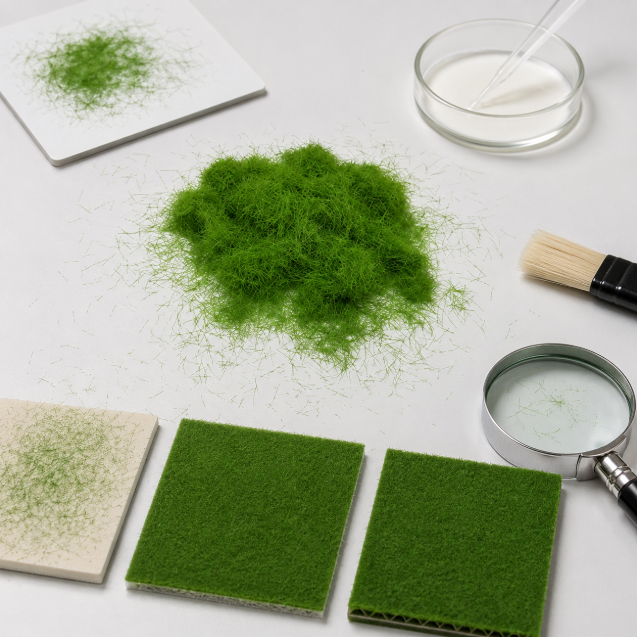
Flocking powder falling off can be fixed by removing loose fibers, checking the adhesive layer and reapplying the correct glue and flock powder. The repair method depends on whether the issue is light shedding or full coating failure.
If only extra loose fibers are present, the surface can often be cleaned after full drying. If the bonded flock coating is peeling or rubbing off, the surface may need to be stripped, cleaned and flocked again.
What Is the Best Way to Stop Flocking Powder from Shedding?
The best way to stop flocking powder from shedding is to match the glue, substrate and flocking fiber before production. A small sample test can confirm whether the flock powder, adhesive and surface work together.
Testing should include rubbing, brushing and handling checks. For packaging, fabric, decorative parts or industrial components, the finished flocked material should be tested under the conditions it will actually face.
How to Prevent Shedding Before Mass Production?
What Should Buyers Check Before Bulk Flocking?
Buyers should check the adhesive, substrate, flock material, fiber length and drying condition before mass production. These factors decide whether the flock coating will stay stable after handling.
A pre-production sample is the safest way to confirm performance. It helps verify color, coverage, touch, bonding strength and the chance of shedding before full production begins.
Flocking Powder Shedding Prevention Checklist
A simple checklist can reduce the risk of flock powder shedding in production.
Checklist Item | What to Confirm |
Adhesive | Is it suitable for the substrate and final use? |
Surface | Is it clean, dry and properly prepared? |
Glue layer | Is the adhesive applied evenly and thick enough? |
Application timing | Are fibers applied before the adhesive dries? |
Flock material | Is the material suitable for friction and handling needs? |
Storage | Is the flock powder dry and free from clumps? |
Sample test | Has the flocked surface passed rubbing and handling checks? |
FAQ About Flocking Powder Shedding
1.Why Does Flocking Powder Fall Off?
Flocking powder falls off when the fibers do not bond firmly into the adhesive layer. The most common causes are unsuitable glue, poor surface preparation, too little adhesive, late application or damp flock powder.
2.Why Is My Flocking Powder Not Sticking?
Flocking powder may not stick because the adhesive is too dry, too thin or unsuitable for the substrate. The surface may also be dirty, oily, too smooth or not properly prepared.
3.How Do You Stop Flocking Powder from Shedding?
You can stop flocking powder from shedding by using the right flock adhesive, cleaning the substrate and applying enough fibers while the glue is still tacky. Full drying and sample testing are also important.
4.What Is the Best Adhesive for Flocking Powder?
The best adhesive for flocking powder is the one that matches the substrate and final application. Wood, plastic, fabric, paper and metal usually need different adhesive properties.
5.Is Some Loose Flock Powder Normal?
Some loose flock powder is normal after application because not all fibers enter the adhesive layer. After the surface is fully dry, extra fibers can usually be removed by light brushing, blowing or vacuuming.
6.Can Damp Flocking Powder Cause Shedding?
Damp flocking powder can cause shedding because moisture makes fibers clump and spread unevenly. Dry storage helps maintain better flow, coverage and adhesion.
7.Can Wrong Fiber Length Cause Flock Fibers to Fall Off?
Wrong fiber length can contribute to shedding if the adhesive cannot support the selected flock fibers. Longer fibers may need stronger bonding and more careful process control than shorter fibers.