Toy Flocking Powder
Toy flocking powder from Zhangs creates soft, velvet-like surfaces on collectible figures, dolls and decorative toys. Compare nylon, rayon and polyester fibers, cut lengths and colors for your toy projects.
Quick Facts
Product Type: Short-cut flock fibers for toy decoration
Fiber Options: Nylon, rayon and selected polyester fibers
Referenced Substrates: Plastic, resin and coated toy surfaces
Appearance: Soft matte, velvet-like or fuller textured finish
Decorative Options: Custom colors, full or partial flocking, detailed patterns
Intended Use: Collectible figures, character toys, dolls and decorative models
What Is Toy Flocking Powder?
Explore flocking materials that add soft textures, visual depth and distinctive finishes to collectible toys and character figures.
Toy flocking powder consists of short fibers applied to an adhesive-coated toy surface to create a textured finish. Unlike conventional paint, which changes the color of a figure, flocking adds a physical fiber layer that changes how the surface looks and feels.
For toy manufacturers, the choice of fiber depends on the intended character design. A miniature figure with detailed facial features may require a fine, short pile, while a plush-inspired collectible may benefit from longer fibers that create a fuller appearance. The right specification should preserve the details that make each character recognizable.
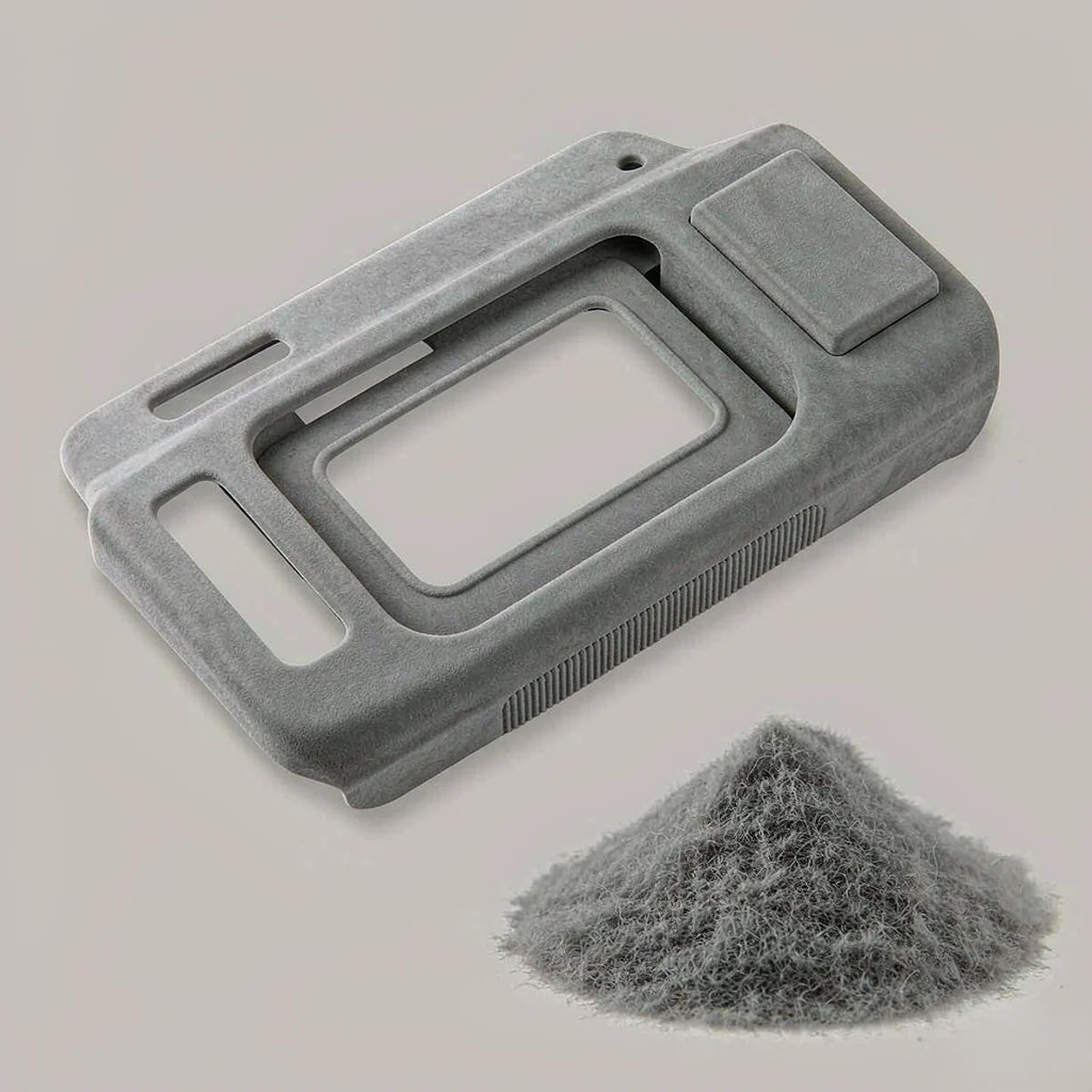
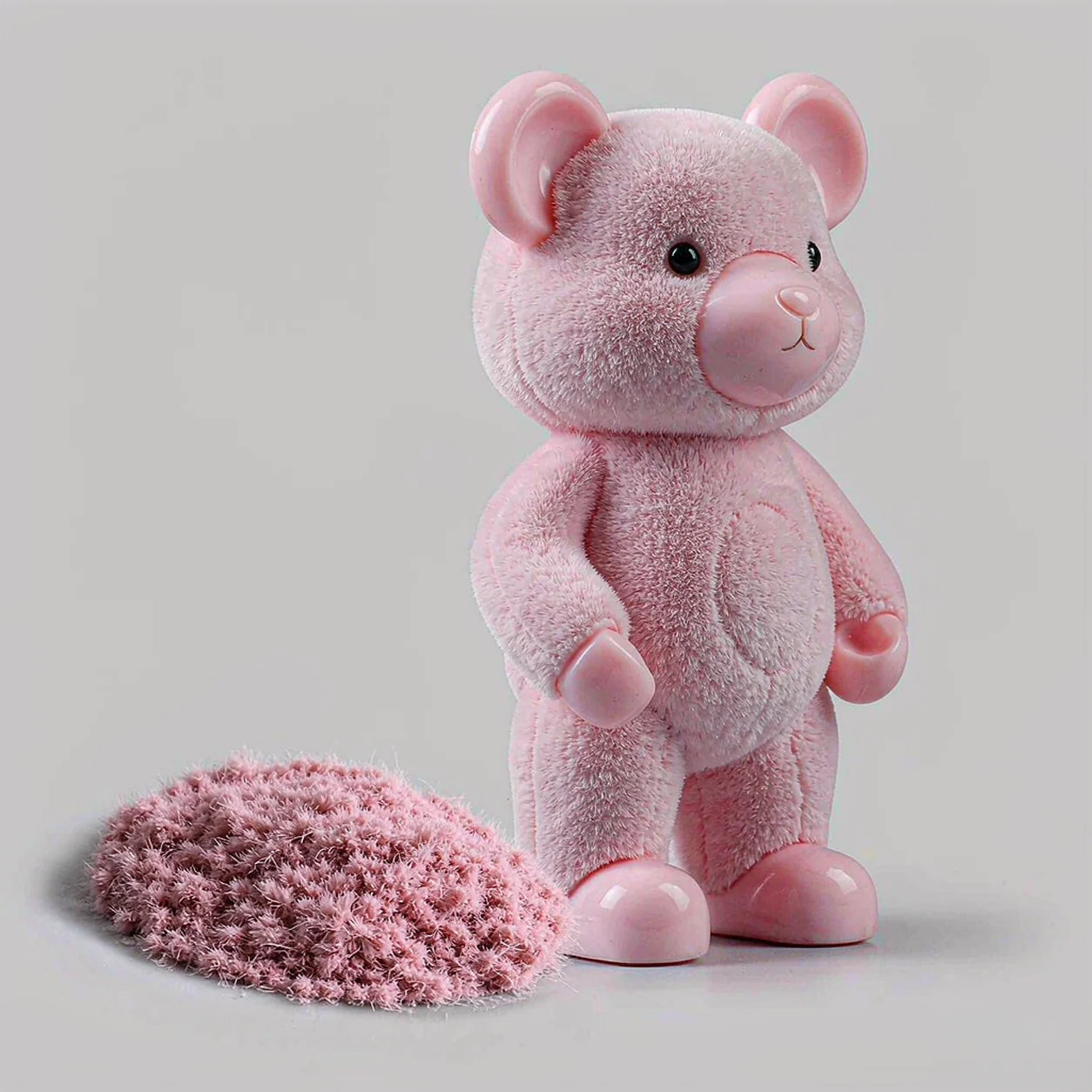
Zhangs supplies flocking materials in different fiber types, lengths and colors. Its existing toy application includes pink 5D x 2mm fibers used to create a full, even flocked finish. Buyers can use finished samples and design references to discuss suitable material options for their own projects.
Toy Flocking Fiber Specifications
Compare fiber materials, length, fineness, color and surface effects to select suitable flocking materials for your toy designs.
| Specification | Details |
|---|---|
| Product Name | Toy Flocking Powder |
| Fiber Form | Prepared short-cut flocking fibers |
| Material Options | Nylon / Polyamide, Rayon / Viscose, selected Polyester |
| Referenced Toy Grade | Pink 5D x 2mm flock fibers |
| Fiber Length | Selected according to toy dimensions, details and desired pile effect |
| Fiber Fineness | Selected according to surface texture and flocking requirements |
| Color Options | Standard colors and custom color matching |
| Surface Appearance | Fine matte, soft velvet-like or fuller textured finish |
| Referenced Substrates | Plastic, resin and coated toy surfaces |
| Flocking Process | Electrostatic flocking with a compatible adhesive system |
| Decorative Options | Full coverage, partial flocking, selected patterns |
| Sample Evaluation | Fiber adhesion, coverage, color matching and detail retention |

Soft, Touchable Surface Texture
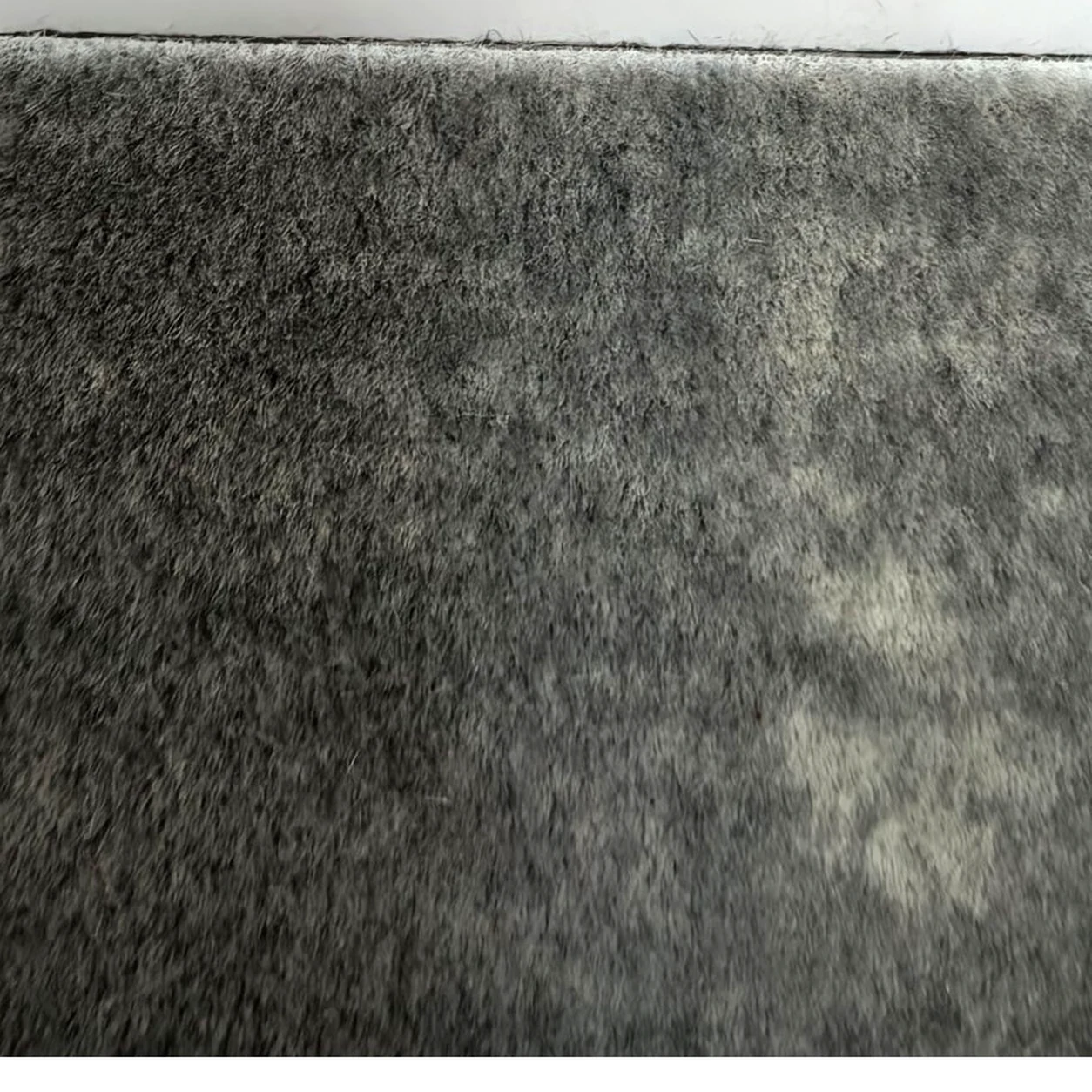
A flocked finish gives toy figures a different surface character from conventional painted plastic. Fine fibers create a gentle velvet-like feel, while a fuller pile produces a more noticeable fuzzy texture. Designers can select the finish that best matches the intended character style.

Fine Details or Fuller Flocked Effects
Fiber length influences how clearly molded features remain visible. Shorter fibers are generally preferable for narrow grooves and small details, while longer fibers create a more prominent surface effect. Zhangs' pink 5D x 2mm toy application demonstrates a fuller flocked appearance for designs where softness is part of the visual identity.

Uniform Color and Surface Coverage
Even fiber distribution is important for consistent toy finishing, especially across curved surfaces and repeated production batches. Suitable material preparation and color matching help manufacturers work toward a uniform appearance, while the actual result must be evaluated on finished samples.

Flexible Decorative Design
Flocking can cover an entire figure or selected parts of a design. Manufacturers can combine flocked surfaces with exposed plastic, painted eyes, molded details or contrasting colors to achieve a distinctive character appearance without covering every feature.
Practical Experience with Toy Flocking Materials
Zhangs has supplied flock fibers for toy and decorative applications, including a pink 5D x 2mm specification developed for plush-inspired collectible surfaces. This experience provides a useful reference when discussing texture, fiber size and finished appearance with toy manufacturers.
Controlled Fiber Cutting
Fiber length consistency matters when flocking molded characters with small features or curved surfaces. Zhangs' production process includes controlled cutting and regular length inspections, helping maintain prepared fiber specifications for subsequent application.
Color Development and Electro-Treatment
Toy collections often require consistent shades across different parts, designs and production orders. Zhangs develops dyed fiber colors according to reference samples and manages electro-treatment during material preparation to support electrostatic flocking requirements.
Drying and Fiber Sieving
Moisture conditions and unwanted longer fibers can affect handling and application. Zhangs uses drying and sieving processes to improve the consistency of prepared flock materials before they are supplied for production.
Custom Specifications and Repeat Orders
Manufacturers can discuss fiber composition, length, fineness, color and the intended application process. Once a sample is approved, the agreed material details provide a reference for subsequent orders. General flock fiber supply information includes an MOQ starting at 50kg per color and a typical lead time of 10-15 days, subject to the specific order.
 01
Designer Toys & Art Collectibles
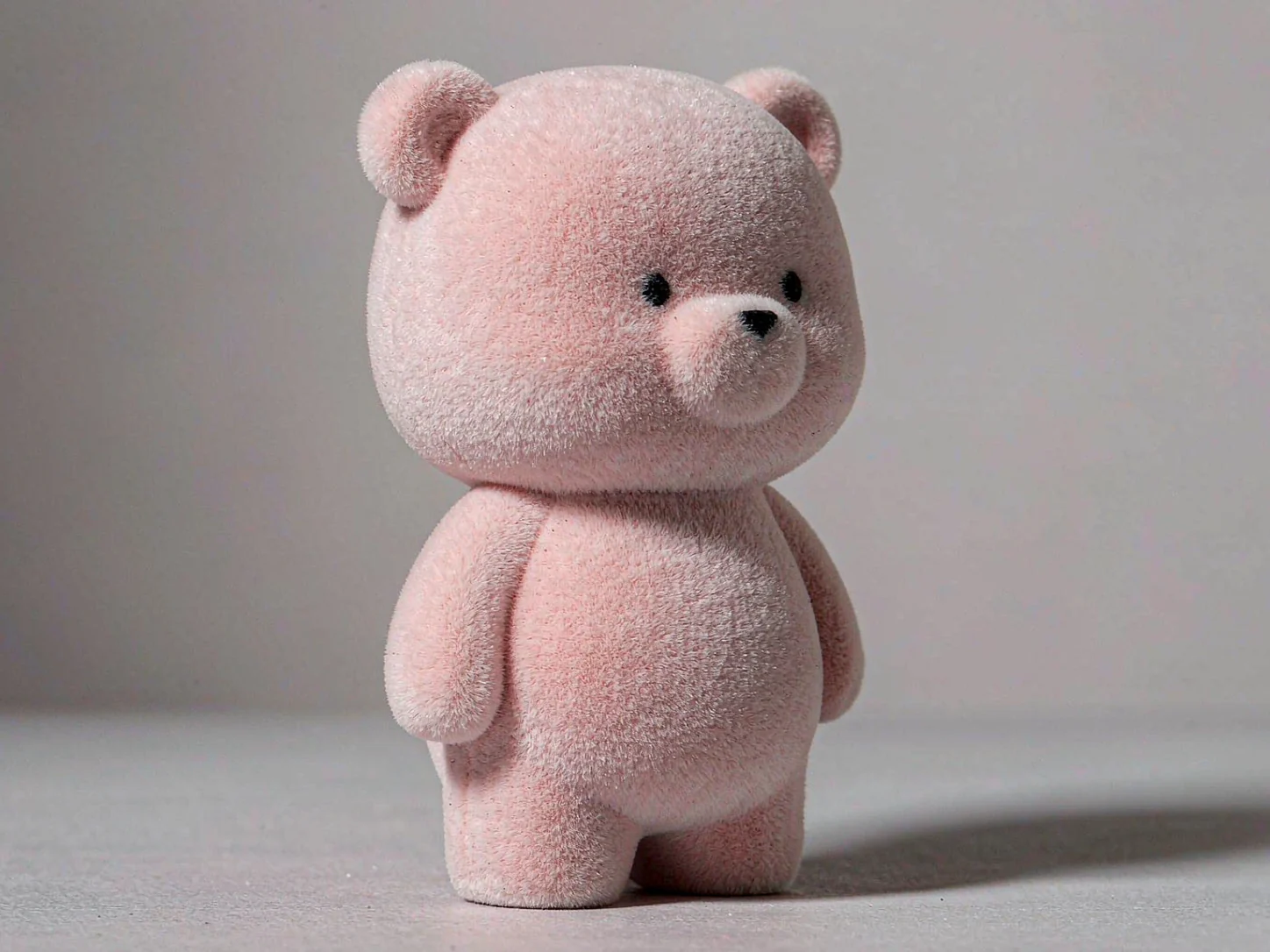
Designer toys often rely on unusual finishes to make a character recognizable. Toy flocking powder introduces a fiber-based surface that adds texture beyond ordinary paint. Manufacturers can use different fiber lengths and colors to create limited-edition finishes or distinct designs within the same collectible series.
 02
Animal & Character Figurines
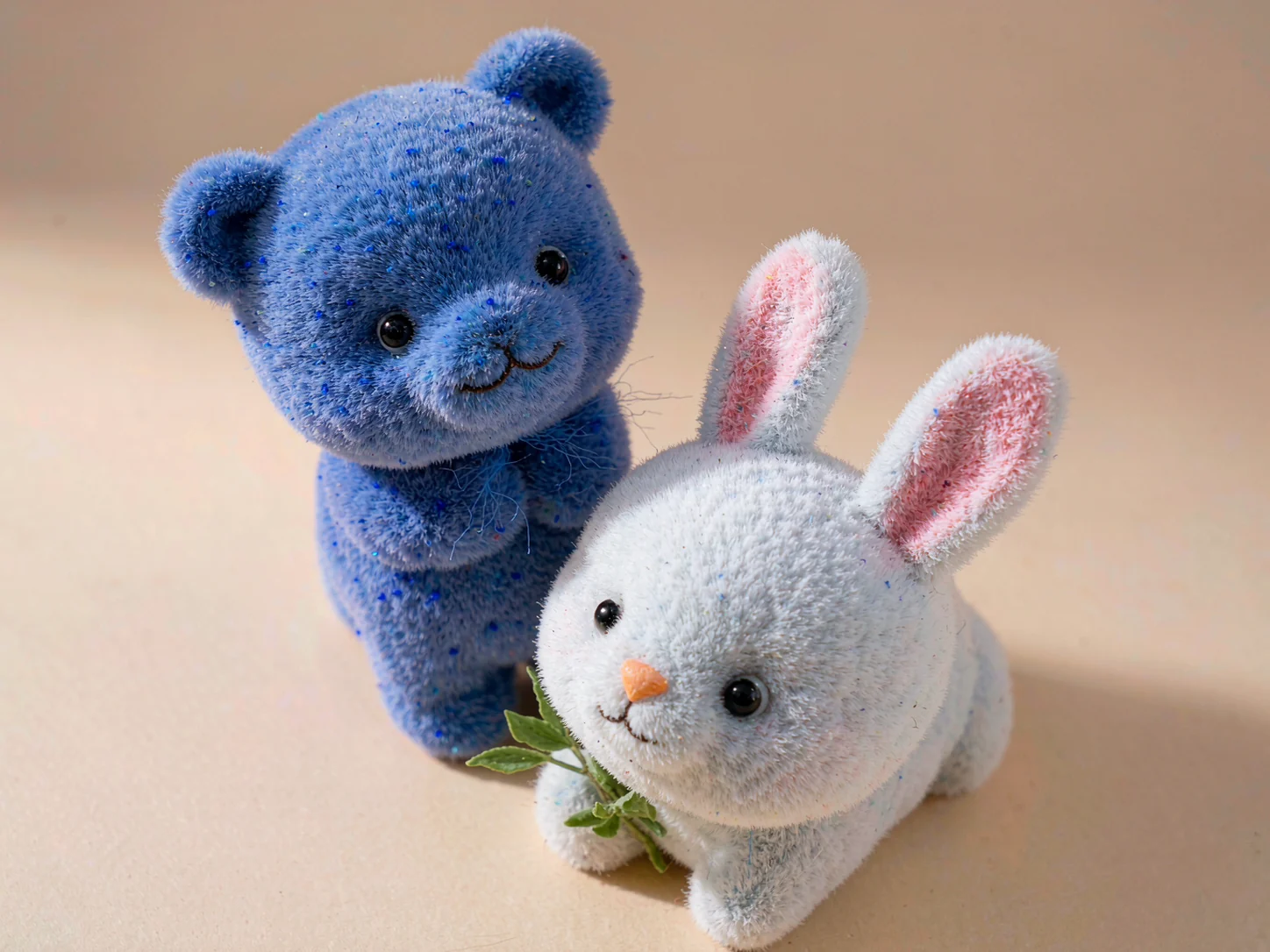
Flocked surfaces can help represent fur-like textures on rabbits, bears and other molded animal characters. Fiber length should be selected according to the size of the figure, with special attention to the ears, face, paws and other areas where molded details need to remain visible.
 03
Dolls & Decorative Toy Components
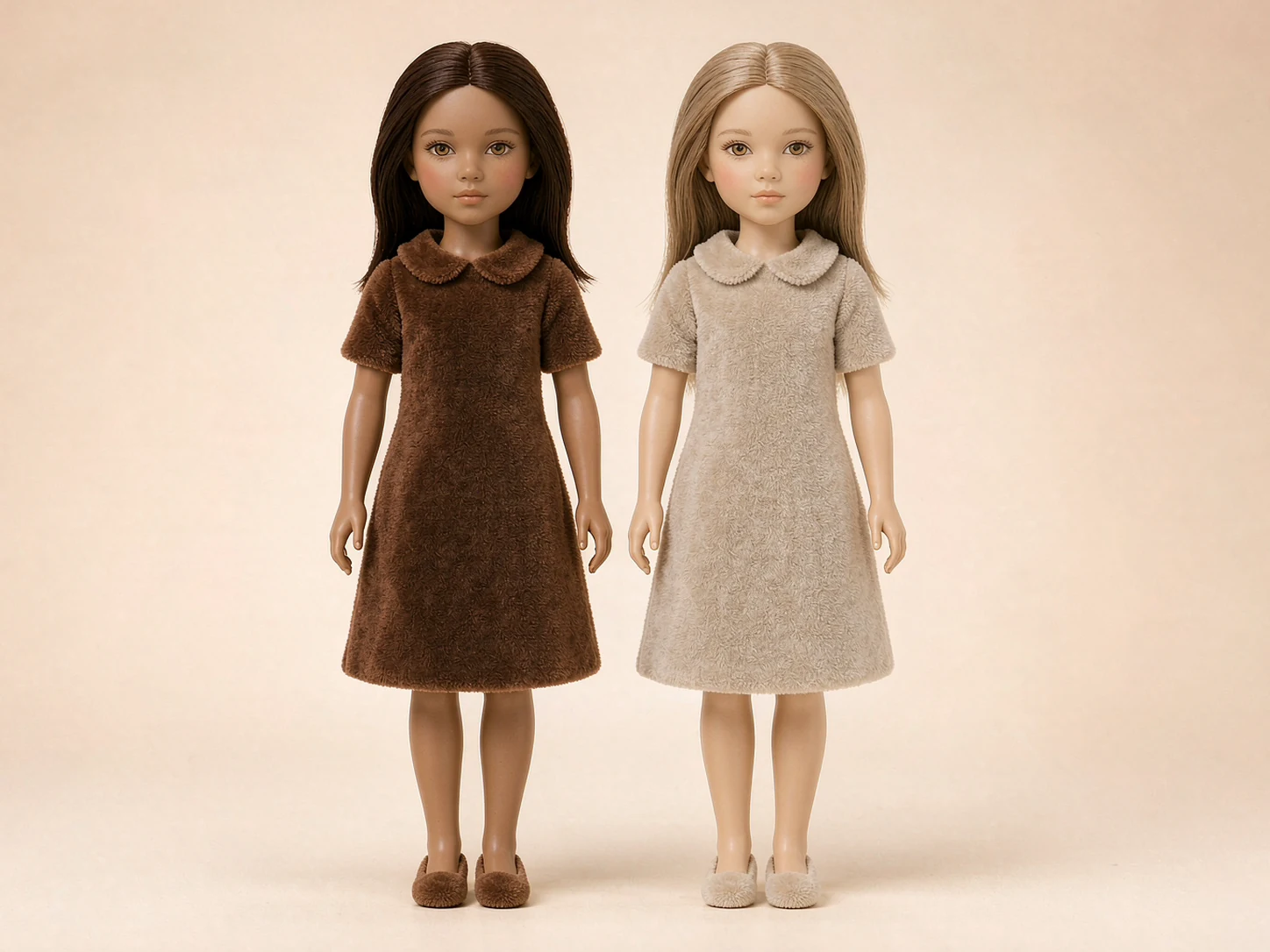
Dolls and character accessories may use flocking on selected parts such as molded hairstyles, decorative accessories or other rigid components. Partial application allows manufacturers to combine a soft-looking surface with painted or exposed areas while retaining the original character design.
 04
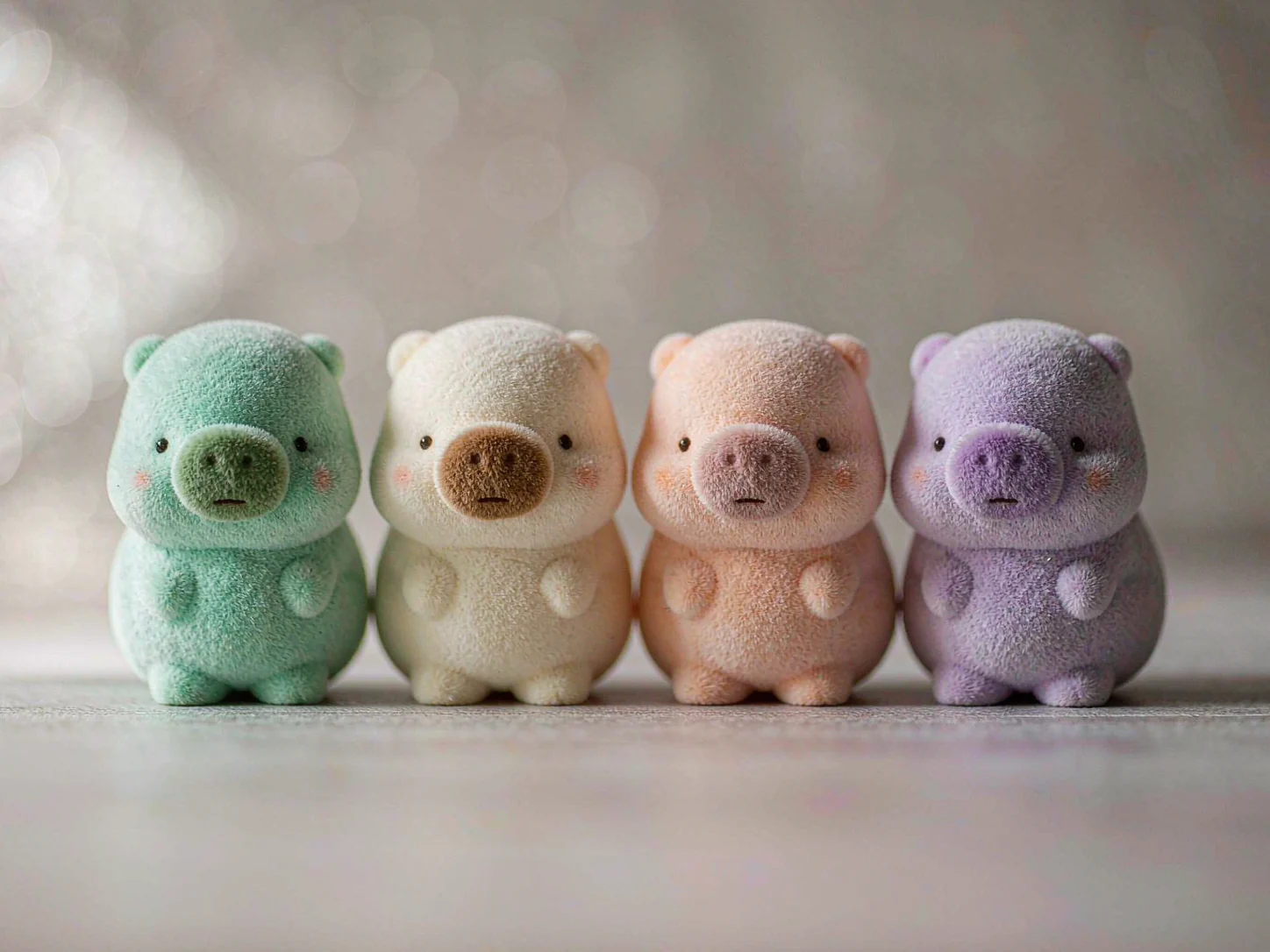
Miniature Models & Collectible Figures
Small models require careful control of pile height and coverage. Fine flocking fiber can add texture to miniature surfaces, while precise masking and adhesive placement help prevent the loss of molded details. The chosen grade should be evaluated on a model of the actual production size.
 05
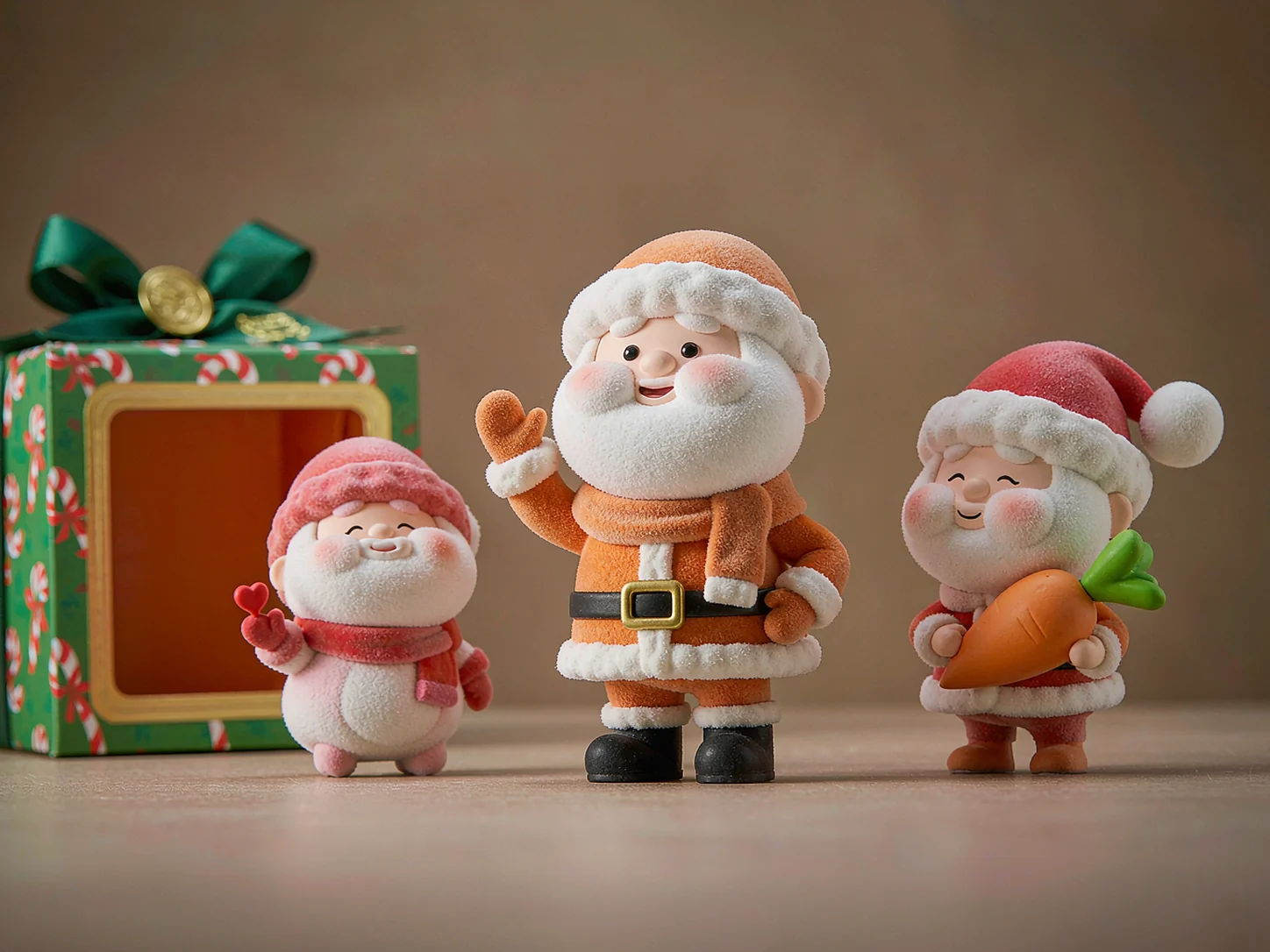
Promotional Toys & Character Gifts
Branded figurines and promotional character products can use flocked textures to differentiate special editions or themed gifts. Color matching, logo visibility, packaging contact and repeatability are important when producing multiple items with the same visual identity.
 06
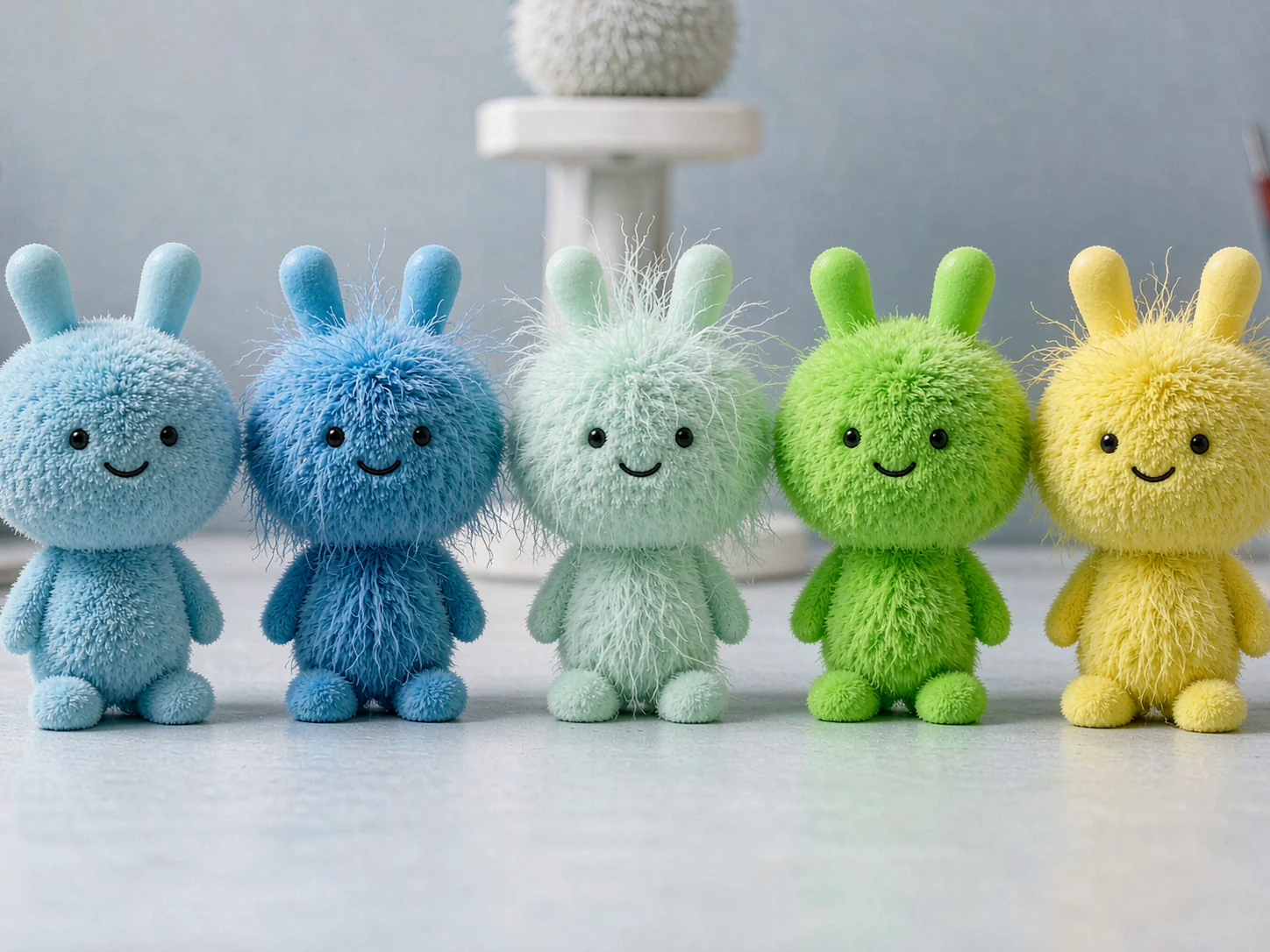
Custom Toy Development Projects
For manufacturers developing new collectible characters, custom toy flocking powder provides options for testing different surface effects. Prototype comparisons can help determine whether a fine matte coating, a fuller velvet finish or selective flocking best supports the finished product design.
Toy Flocking Problems & Solutions
Identify common adhesion, coverage, color and finishing problems that can affect the quality of flocked toy figures.
| Common Problems | Possible Causes | Recommended Solutions |
|---|---|---|
| Uneven flock coverage | Curved surfaces, recessed areas or inconsistent application conditions affect fiber deposition. | Inspect the figure from different angles and adjust the flocking setup using representative molded samples. |
| Fibers shed during handling | Adhesive incompatibility, insufficient curing or loose fibers remaining on the finished surface. | Verify substrate preparation, adhesive compatibility and curing conditions. Conduct rubbing and handling tests after finishing. |
| Small details become unclear | Fiber length or adhesive buildup is too prominent around narrow molded features. | Compare shorter fibers and refine adhesive placement around eyes, facial features and fine patterns. |
| Visible color differences | Substrate color, fiber density or batch variation changes the finished appearance. | Approve color on a flocked sample rather than loose fibers alone. Maintain reference samples for production comparison. |
| Flock clumping or inconsistent flow | Moisture, material handling or unsuitable preparation affects fiber separation. | Review storage and handling conditions and check that the selected fibers suit the application equipment. |
| Marks after packaging | Pressure or friction from the packaging alters the finished pile. | Test the actual packaging with completed figures and adjust contact points or protective inserts where needed. |
-
1 What Is the Best Flocking Powder for Toy Figures?
-
2 Can Toy Flocking Powder Be Applied to Plastic and Resin Figures?
-
3 Why Does Flocking Come Off Toy Figures?
-
4 How Do You Clean Flocked Toy Figures Without Damaging Them?
-
5 Can Toy Flocking Fibers Be Customized in Different Colors and Lengths?
-
6 How Can Manufacturers Keep Flocked Toy Colors Consistent?
-
7 Is Toy Flocking Powder Safe for Children's Toys?
-
8 What Information Is Needed When Ordering Toy Flocking Powder in Bulk?