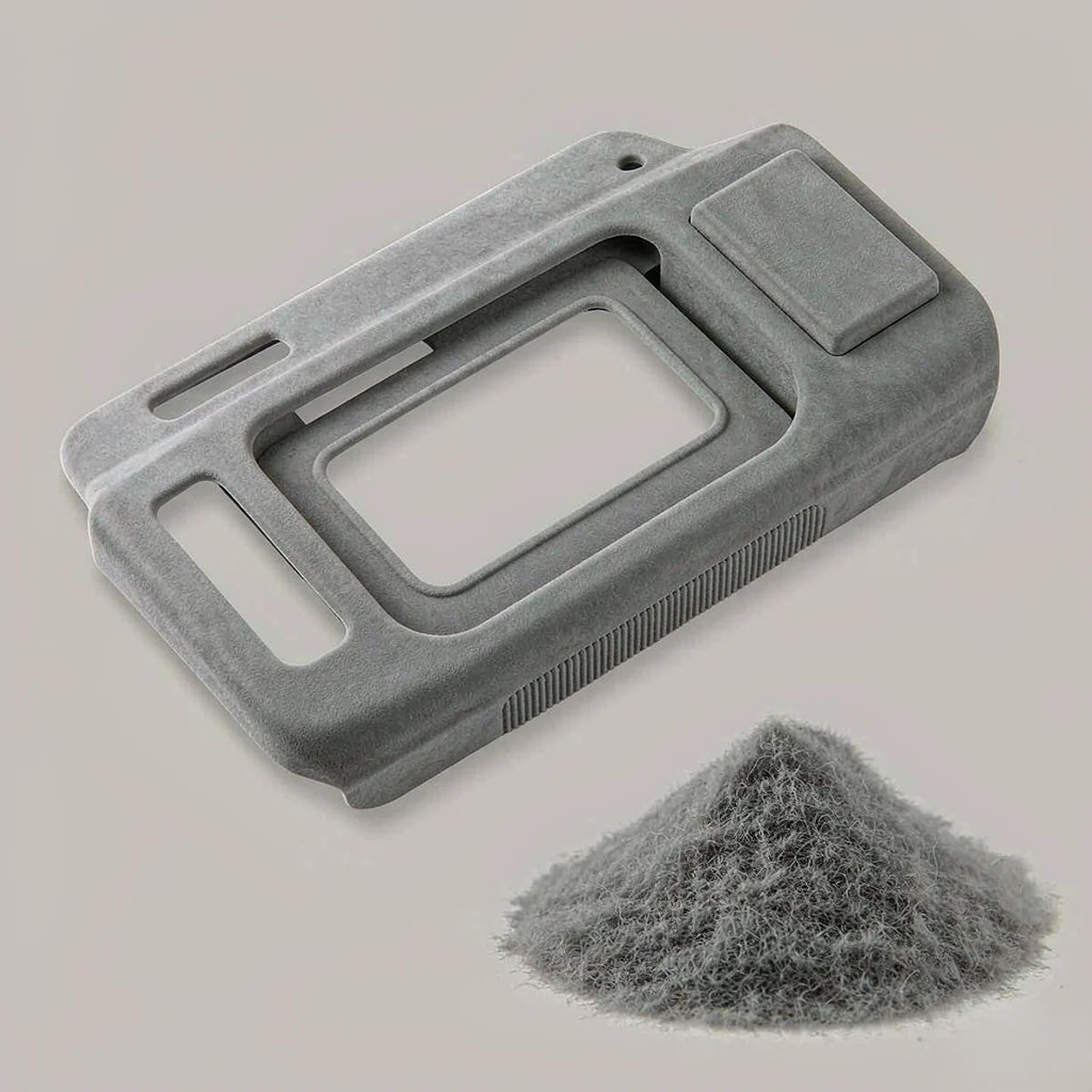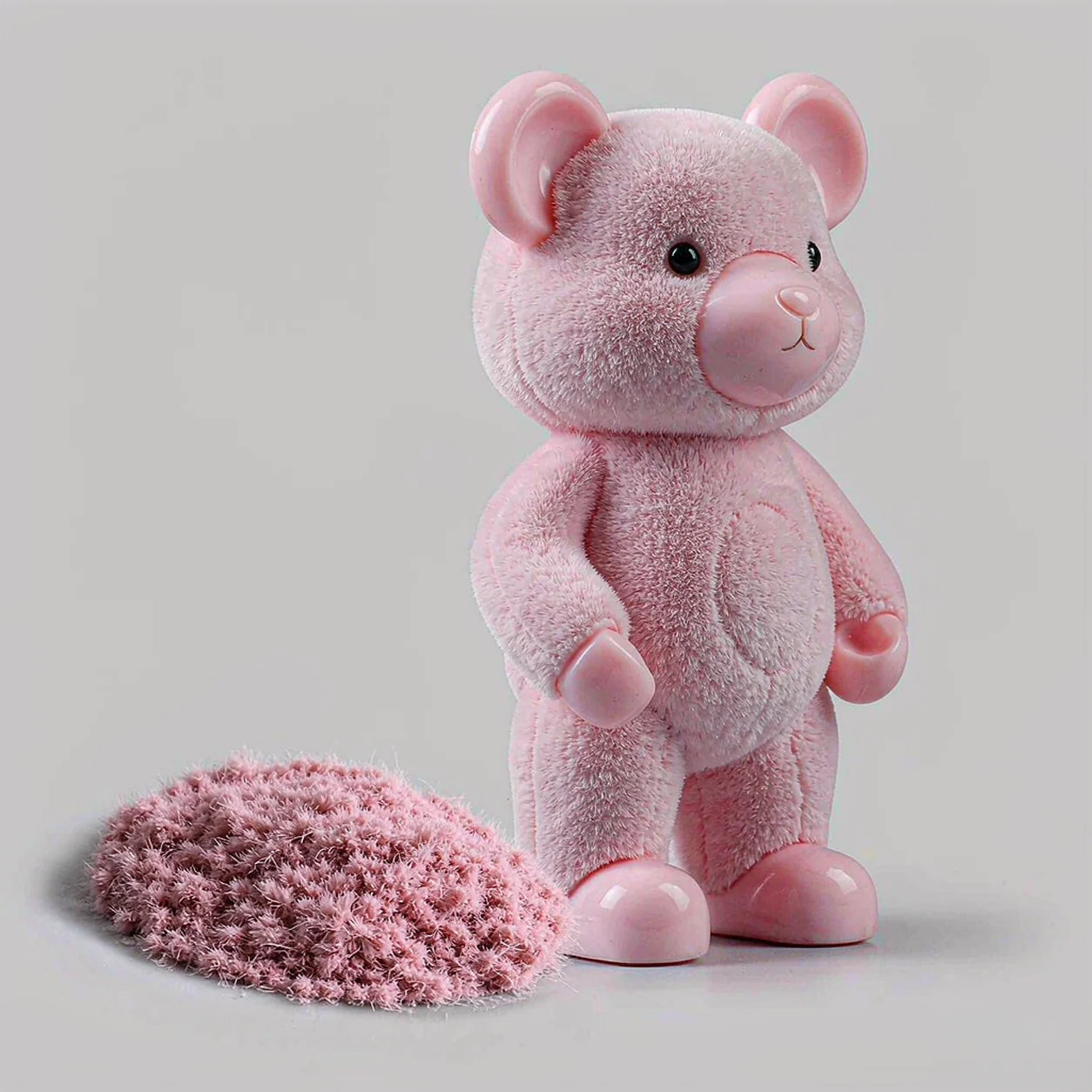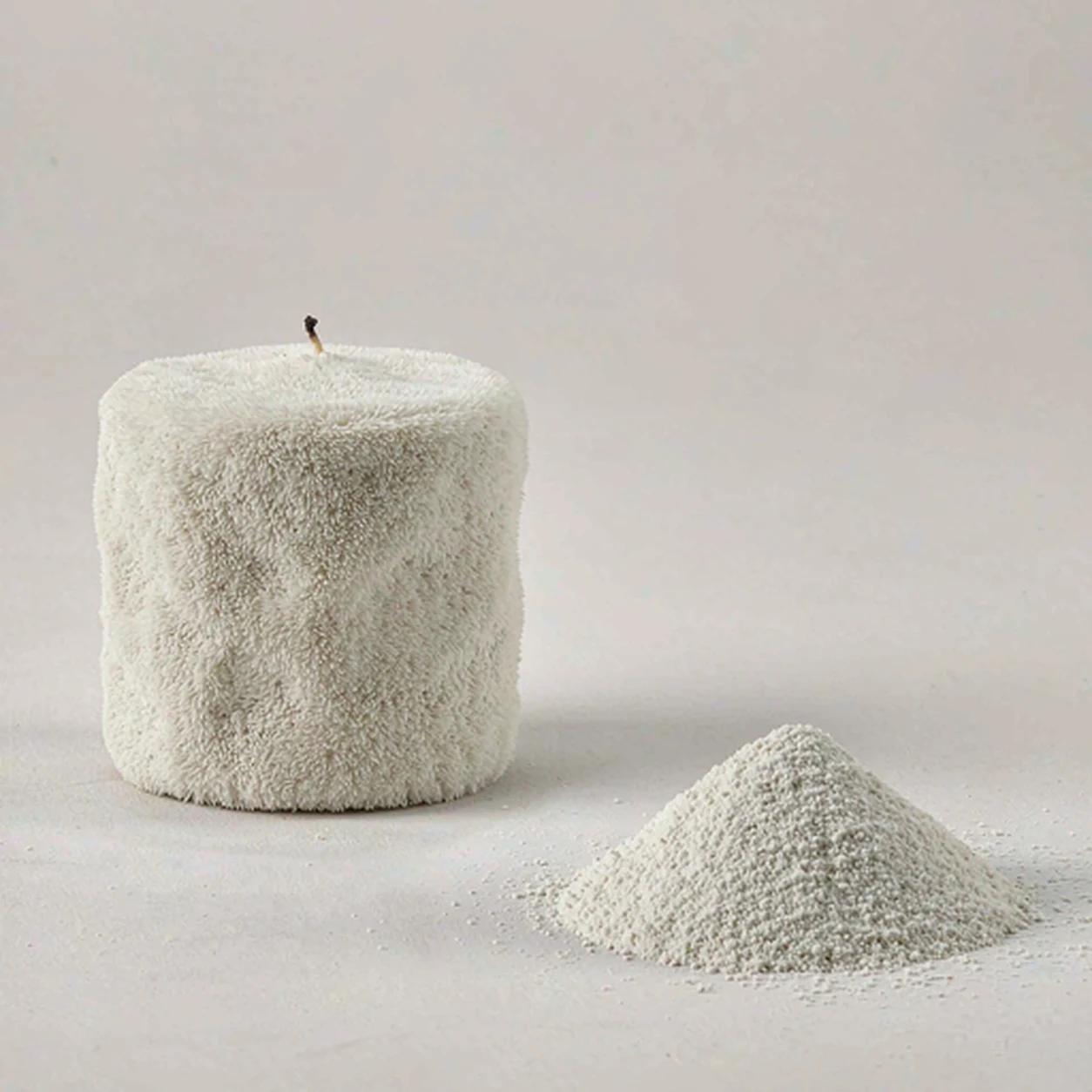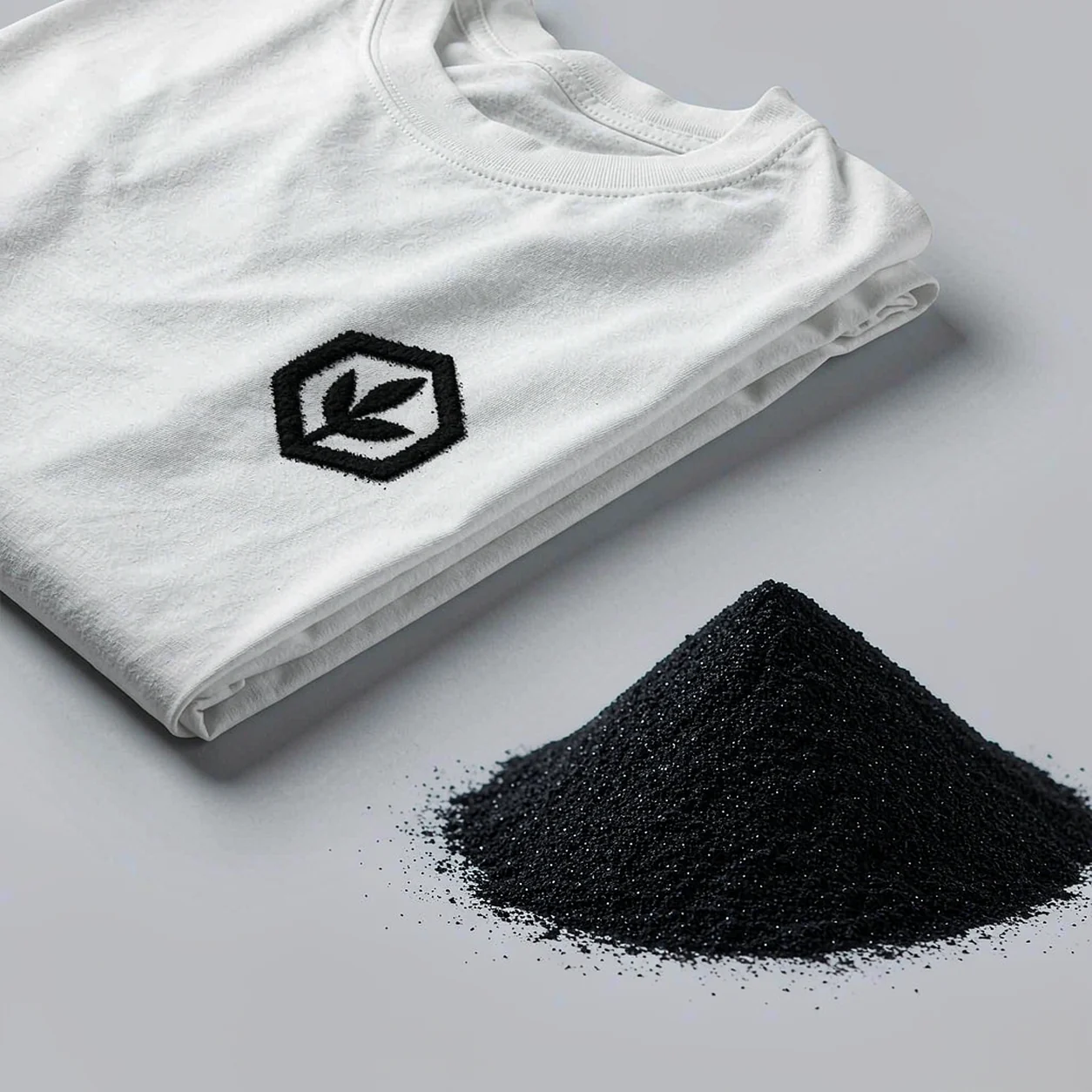
Heat Transfer Flocking Powder
Heat transfer flocking powder from Zhangs creates soft, raised graphics for apparel logos and lettering. Choose rayon or nylon flock fibers in suitable lengths and colors for custom flock transfer projects.
Quick Facts
Product Type: Short-cut flock fibers for heat transfer applications
Fiber Options: Rayon / Viscose, Nylon / Polyamide
Referenced Substrates: Flock transfer paper and compatible carrier materials
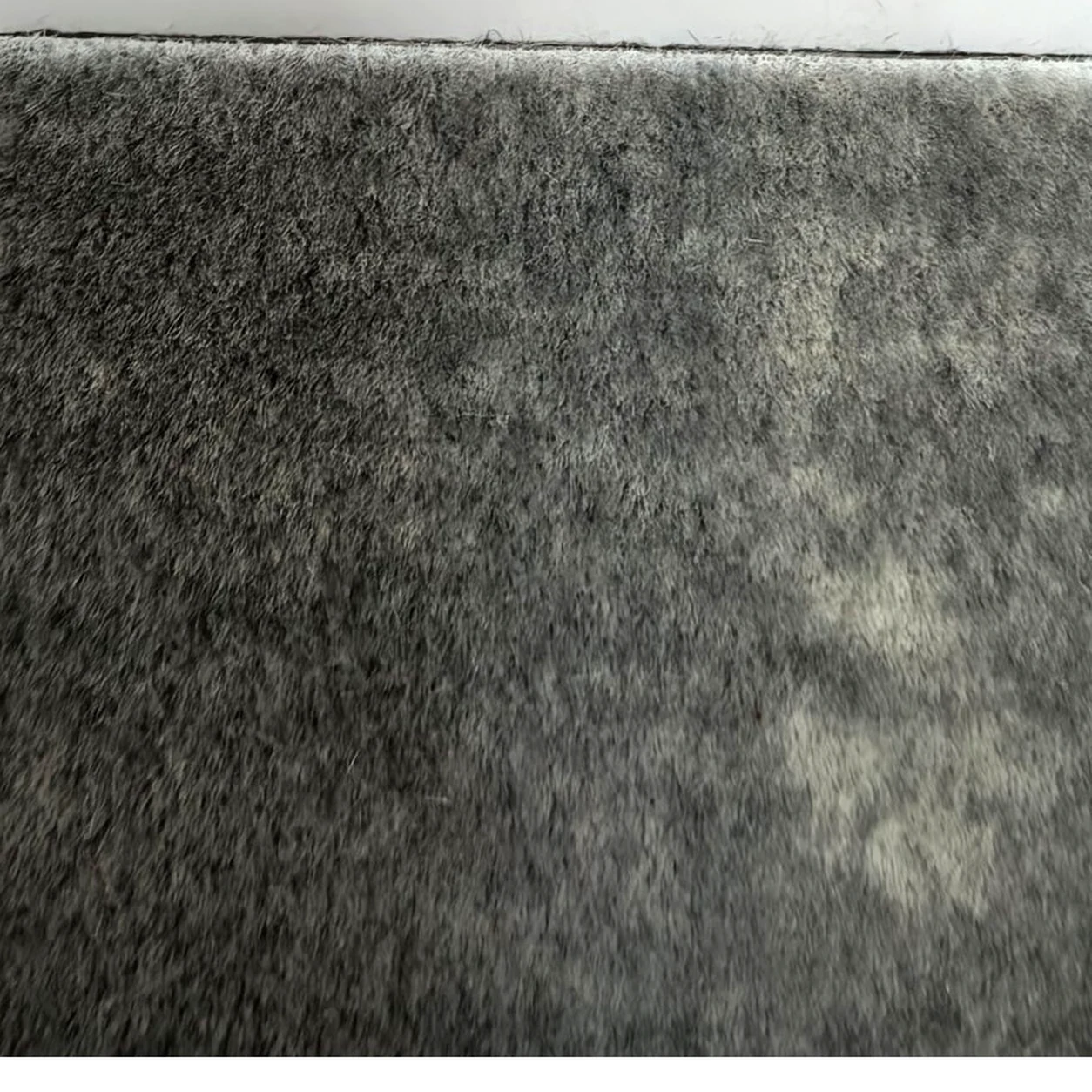
Appearance: Soft, raised, velvet-like fiber finish
Decorative Options: Custom colors, logos, lettering and decorative patterns
Intended Use: Flock heat transfer graphics for apparel, uniforms and textile branding
Heat Transfer Flocking Powder for Apparel
Understand the role of flock fibers in transfer production and how material selection affects the finished textile decoration.
Heat transfer flocking powder refers to short-cut flock fibers used to create textured graphics on suitable transfer carrier materials. During production, the fibers are deposited onto prepared areas and incorporated into a transfer construction that can later be applied to fabric using heat and pressure.
Unlike direct flock printing, which applies fibers directly to the garment, flock heat transfer allows the graphic to be prepared separately before application. This production method is used for selected logos, lettering and decorative apparel designs.
For manufacturers sourcing flocking materials, the main considerations are fiber composition, length, fineness, color consistency and compatibility with the intended transfer process. Zhangs supplies flock fibers for these requirements, while the final transfer performance also depends on the carrier, adhesive system and production conditions.
Flocking Fiber Specifications for Heat Transfer
Compare fiber materials, cut lengths, colors and process requirements to select suitable flocking fibers for textile transfer production.
| Specification | Details |
|---|---|
| Product Name | Heat Transfer Flocking Powder |
| Product Form | Prepared short-cut flock fibers |
| Fiber Material Options | Rayon / Viscose, Nylon / Polyamide |
| Fiber Length | Selected according to artwork details and desired pile height |
| Fiber Fineness | Selected according to surface texture and transfer requirements |
| Color Options | Standard shades and custom color matching |
| Surface Finish | Soft matte, velvet-like or raised flock texture |
| Application Process | Flock transfer production |
| Referenced Carrier Materials | Flock transfer paper and compatible carrier sheets |
| Adhesive Compatibility | Requires evaluation with the selected transfer adhesive system |
| Artwork Requirements | Logos, lettering, graphics and decorative patterns |
| Sample Evaluation | Fiber distribution, color, adhesion, artwork definition and finished transfer performance |

Selectable Fiber Length and Fineness
Different artwork requires different fiber configurations. Fine lettering benefits from controlled fiber dimensions, while designs requiring a more pronounced texture may use a fuller pile. Selecting the right fiber grade helps manufacturers balance surface appearance with artwork definition.

Uniform Fiber Distribution
Consistent flock powder preparation supports more even fiber feeding and distribution during application. Fiber length uniformity, moisture conditions and electrostatic behavior are important factors when producing repeated graphics with similar surface characteristics.

Stable Color Appearance
For branded transfers, color consistency matters across multiple designs and production orders. Dyed flock fibers provide a textured color layer, while the finished shade can also be influenced by fiber coverage and the underlying transfer construction. Color should therefore be approved on a completed transfer sample.

Flexible Surface Effects
Flock fibers can be selected to create fine matte surfaces or more prominent velvet-like textures. This makes them suitable for different decorative finishes without requiring the same pile height or material grade for every transfer design.
Application-Based Material Selection
Zhangs offers different flock fiber materials, including rayon and nylon. Rather than selecting fibers based only on composition, buyers can discuss artwork dimensions, expected texture, application equipment and finished transfer requirements to identify suitable grades for evaluation.
Controlled Fiber Cutting
Zhangs prepares flock fibers through a controlled cutting process. The company monitors cutting accuracy and conducts periodic inspections to help maintain the required fiber dimensions. This is particularly important when supplying materials for repeated graphic production.
Custom Dyeing and Electro-Treatment
Color development is carried out according to the required shade, while conductivity and electro-treatment characteristics are managed during fiber preparation. These controls support the preparation of flock materials for electrostatic application processes.
Drying and Sieving for Material Consistency
Drying helps manage fiber moisture, while sieving separates oversized fibers from the prepared material. These processes support more uniform fiber handling and help reduce variation in subsequent flocking operations.
Custom Orders and Supply Coordination
Once the required fiber grade, color and finished sample have been established, Zhangs can coordinate specifications for repeat orders. General supply information includes approximately 150 tons of monthly production capacity, an MOQ from 50kg per color and a typical lead time of 10-15 days.
 01
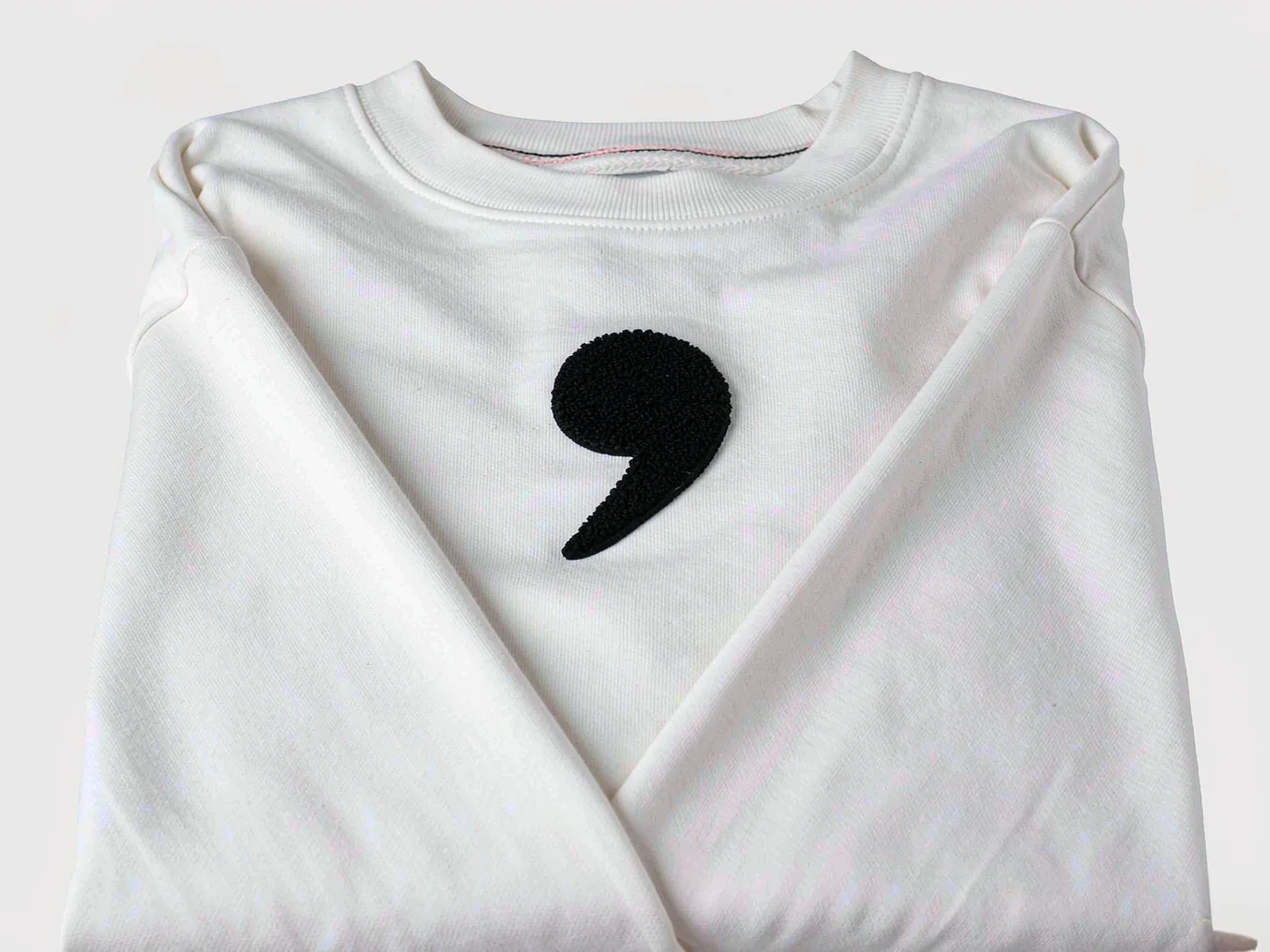
Fashion Apparel Logos
Fashion brands use heat transfer flock to produce raised logos and decorative elements on T-shirts, sweatshirts, hoodies and selected clothing collections. The finished design needs to match the brand's color references and desired surface appearance.
 02
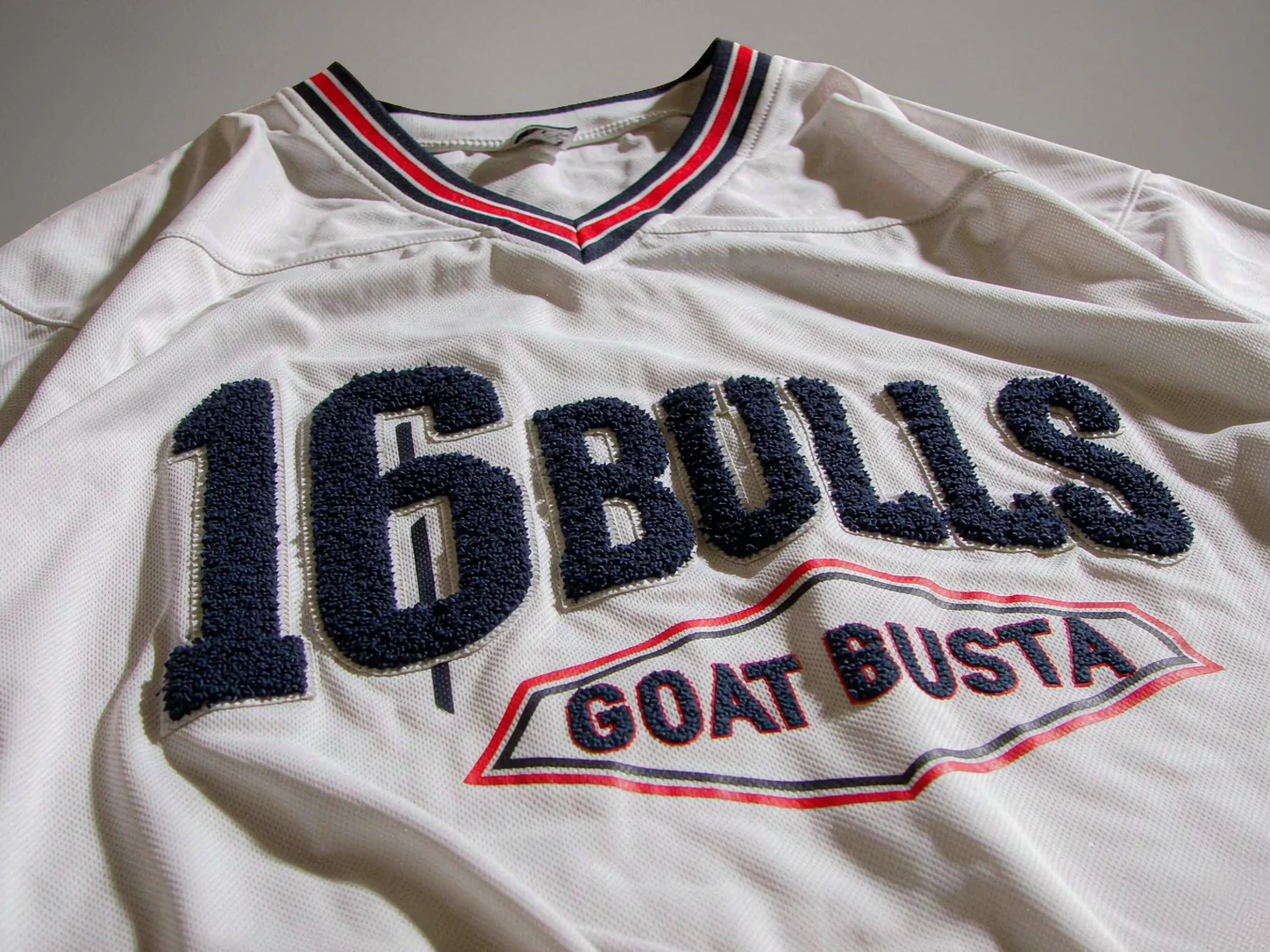
Sportswear Names and Numbers
Teamwear and sportswear manufacturers may use flock transfers for player names, numbers and selected emblems. These applications require attention to lettering dimensions, fabric characteristics and the intended washing conditions.
 03
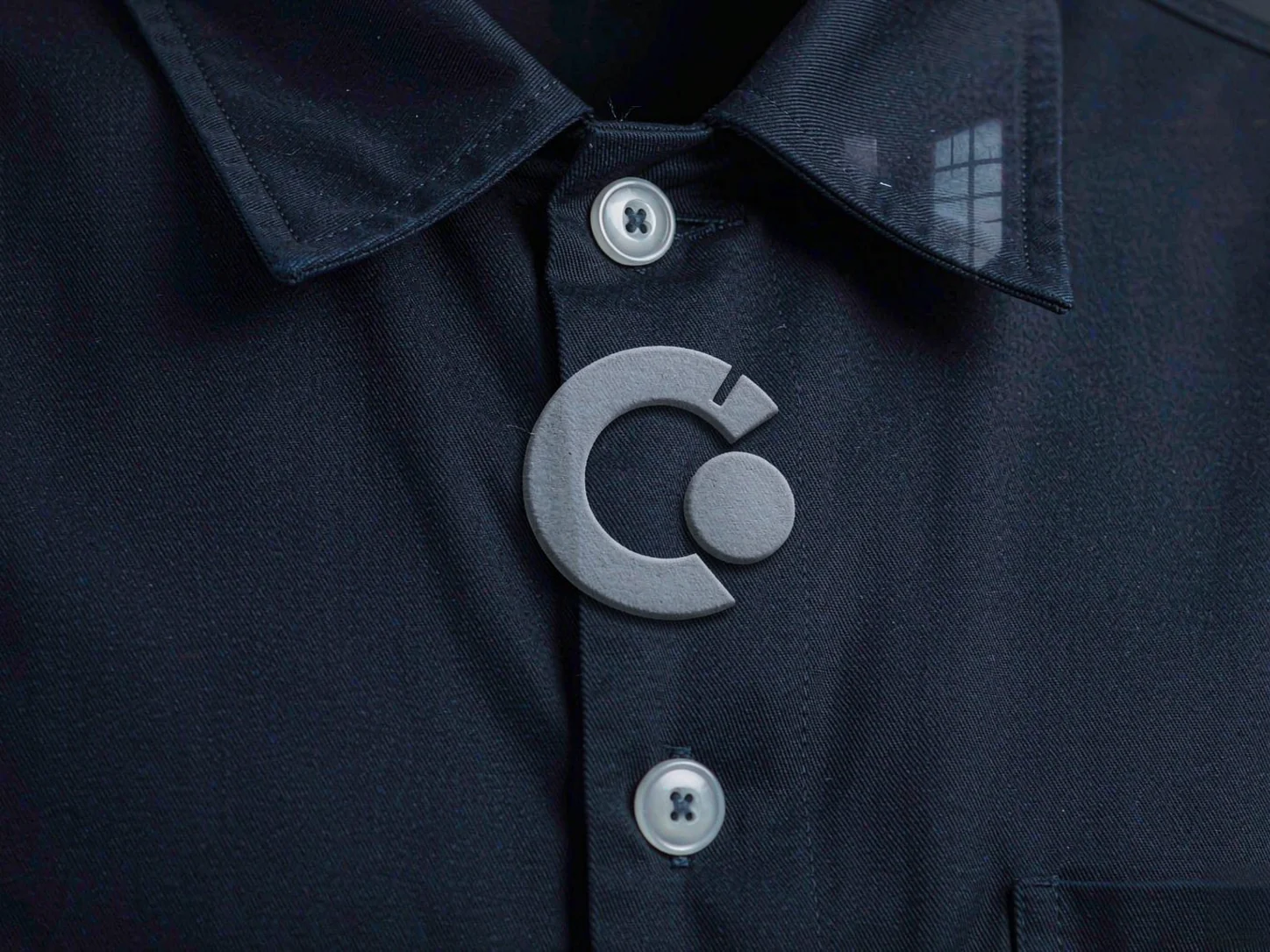
Workwear and Uniform Branding
Uniform manufacturers often need consistent branding across different garment sizes and repeat orders. Flock transfer graphics can be considered for logos and identifiers where a textured finish is desired.
 04
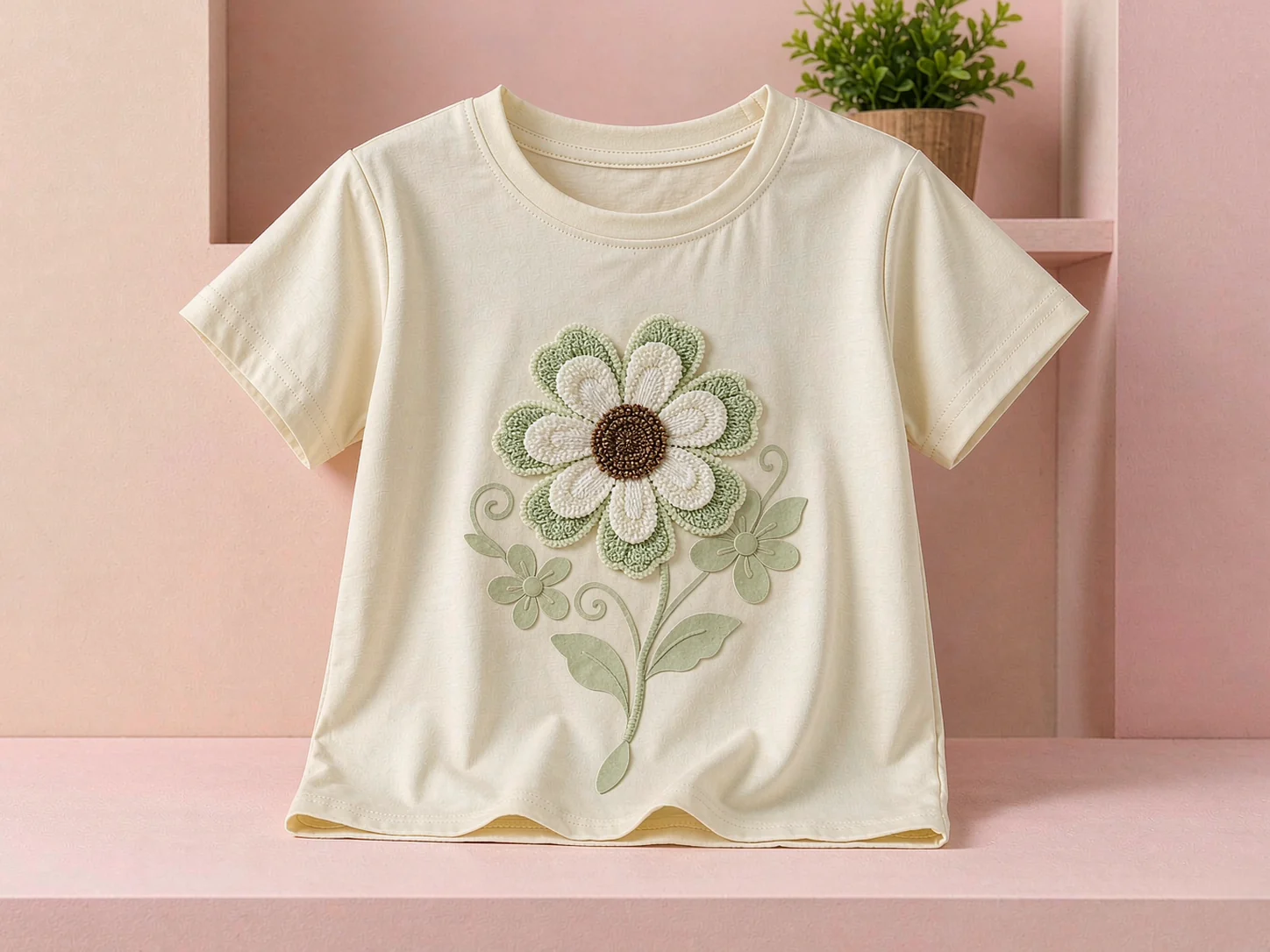
Children's Apparel Decorations
Children's clothing may feature flocked motifs, decorative lettering and character designs that add texture to the garment. Manufacturers should consider comfort, adhesion, washing requirements and applicable safety standards.
 05
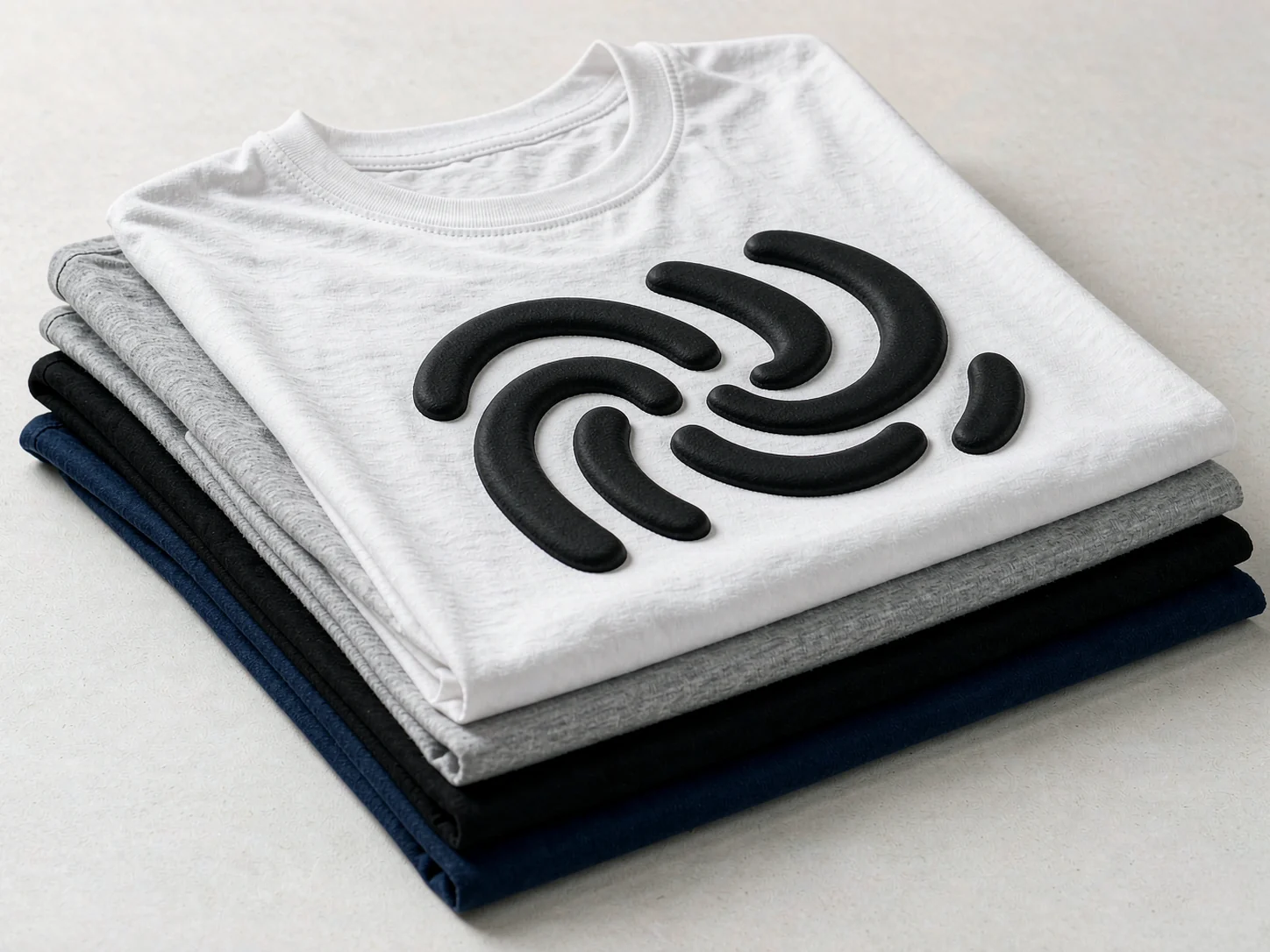
Promotional Apparel and Merchandise
Event T-shirts, branded garments and promotional merchandise can use flock heat transfer graphics to create distinctive visual effects. These projects often involve fixed artwork, brand colors and repeat production.
 06
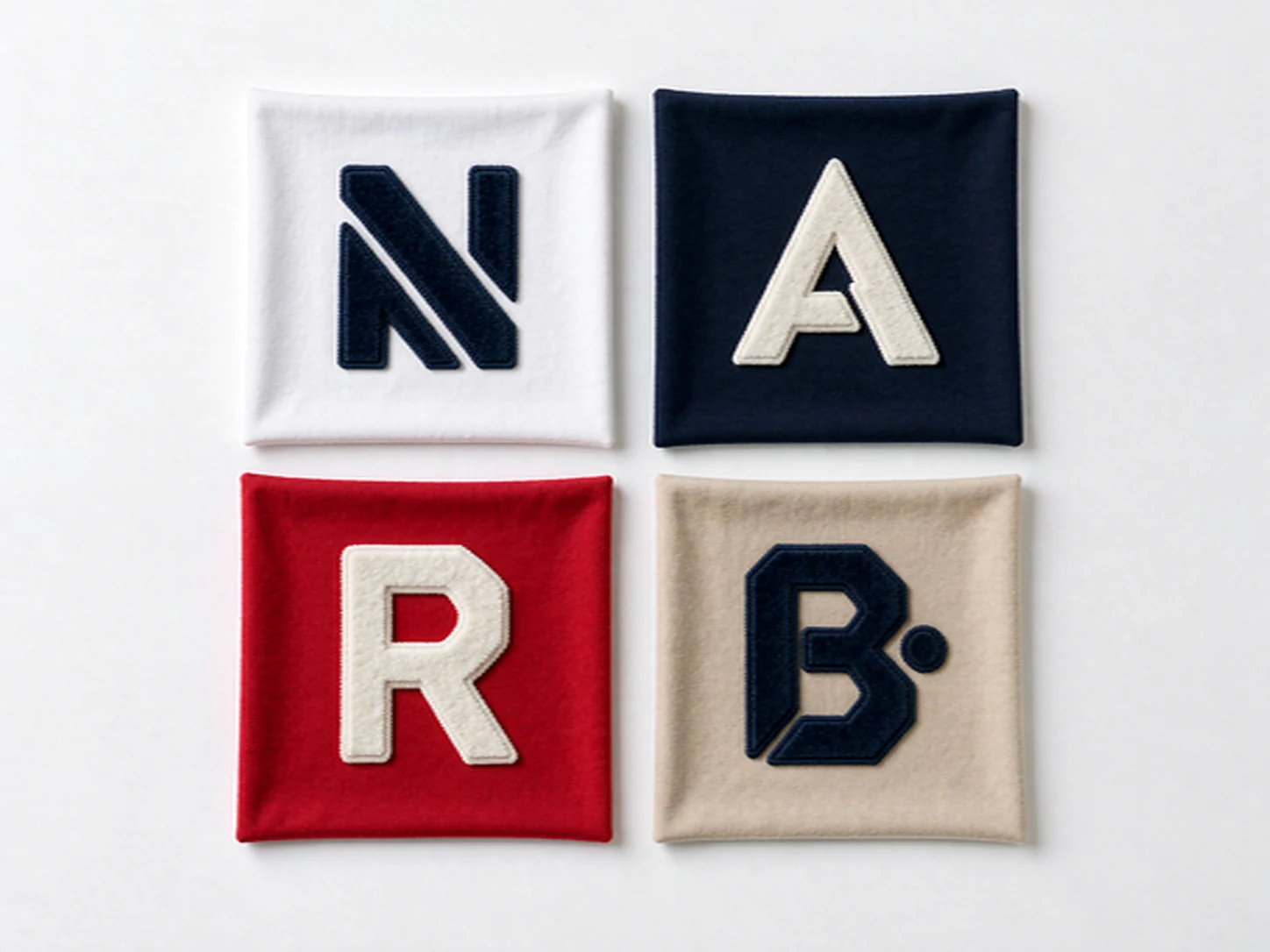
Custom Textile Graphics and Collections
Custom textile projects may combine flocked lettering, decorative graphics and selected textured areas across coordinated product collections. Manufacturers can compare different fiber grades, colors and pile effects before finalizing the transfer design.
Heat Transfer Flocking Problems & Solutions
Identify common issues involving flock coverage, carrier release, transfer adhesion, surface definition and production consistency.
| Common Problems | Possible Causes | Recommended Solutions |
|---|---|---|
| Uneven flock coverage | Inconsistent adhesive deposition or fiber distribution leaves visible gaps in the design. | Check adhesive coverage, flock feeding and application conditions using representative transfer samples. |
| Small lettering loses definition | Fiber length or adhesive buildup is excessive for narrow lines and fine details. | Evaluate shorter or finer fibers and refine the adhesive pattern according to the artwork dimensions. |
| Incomplete carrier release | Carrier compatibility, release conditions or transfer construction prevents clean separation. | Test the carrier and adhesive system together, following the recommended release and peeling conditions. |
| Logo edges lift after pressing | Insufficient bonding, uneven pressure, unsuitable fabric or incorrect application settings. | Review fabric compatibility, actual press conditions and adhesive instructions using finished garment samples. |
| Fiber shedding after washing | Weak fiber adhesion, incomplete curing or mechanical abrasion affects the flocked surface. | Evaluate flock retention and adhesive curing through suitable washing and rubbing tests. |
| Inconsistent appearance between batches | Changes in fiber shade, distribution, material handling or production settings affect the final graphic. | Maintain approved material specifications and finished transfer samples as production references. |
-
1 What Is the Difference Between Heat Transfer Flocking Powder and Heat Transfer Adhesive Powder?
-
2 Which Flocking Fiber Is Best for Heat Transfer Printing?
-
3 Can Flock Heat Transfers Be Applied to Cotton, Polyester and Stretch Fabrics?
-
4 What Should Buyers Check Before Approving a Flock Transfer Fiber Sample?
-
5 Will Heat Transfer Flock Lose Fibers After Washing?
-
6 What Heat Press Temperature and Time Should Be Used for Flock Transfers?
-
7 Can Heat Transfer Flocking Powder Be Customized for Logos and Lettering?
-
8 What Information Should I Provide When Ordering Heat Transfer Flocking Powder in Bulk?