Plastic Flocking Powder
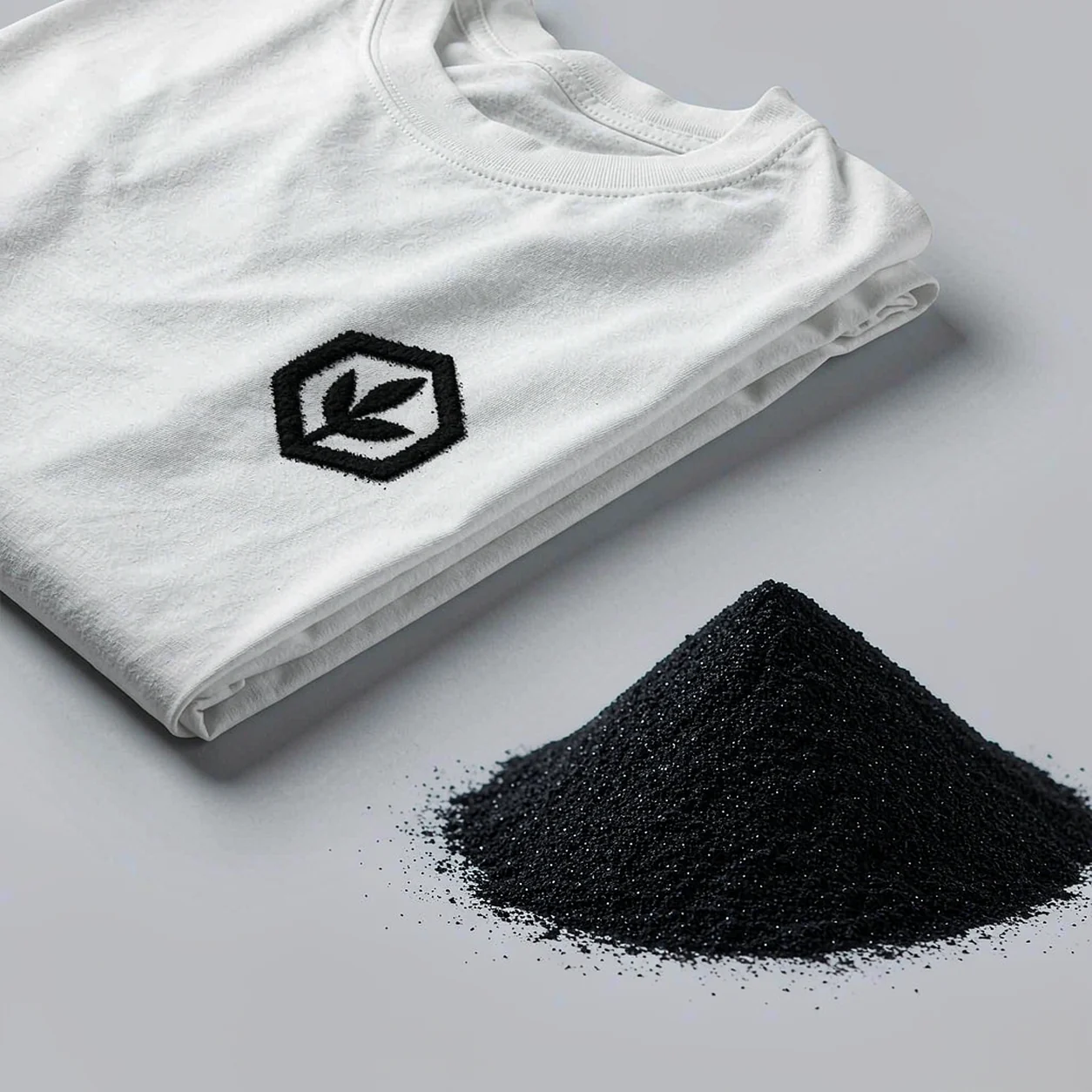
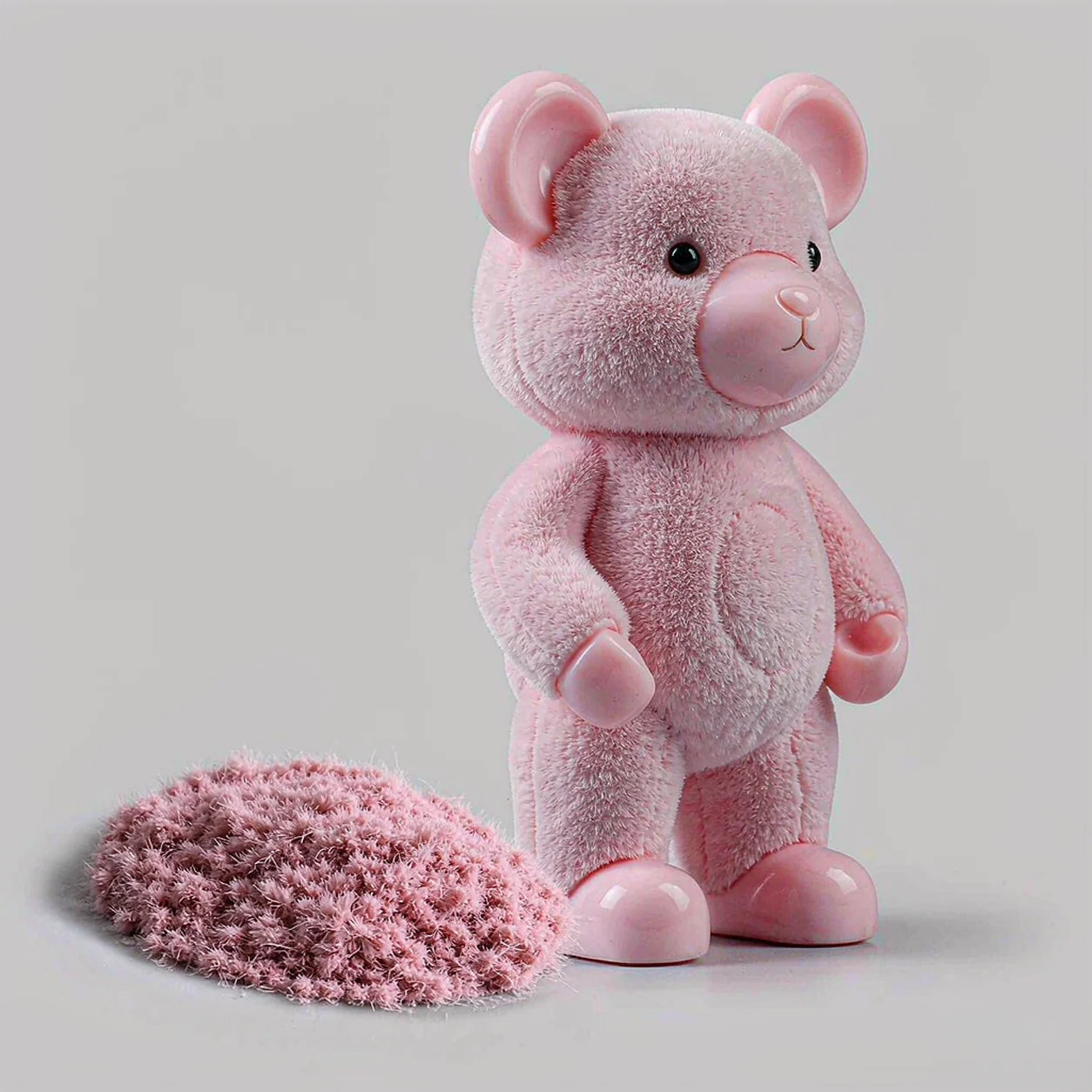
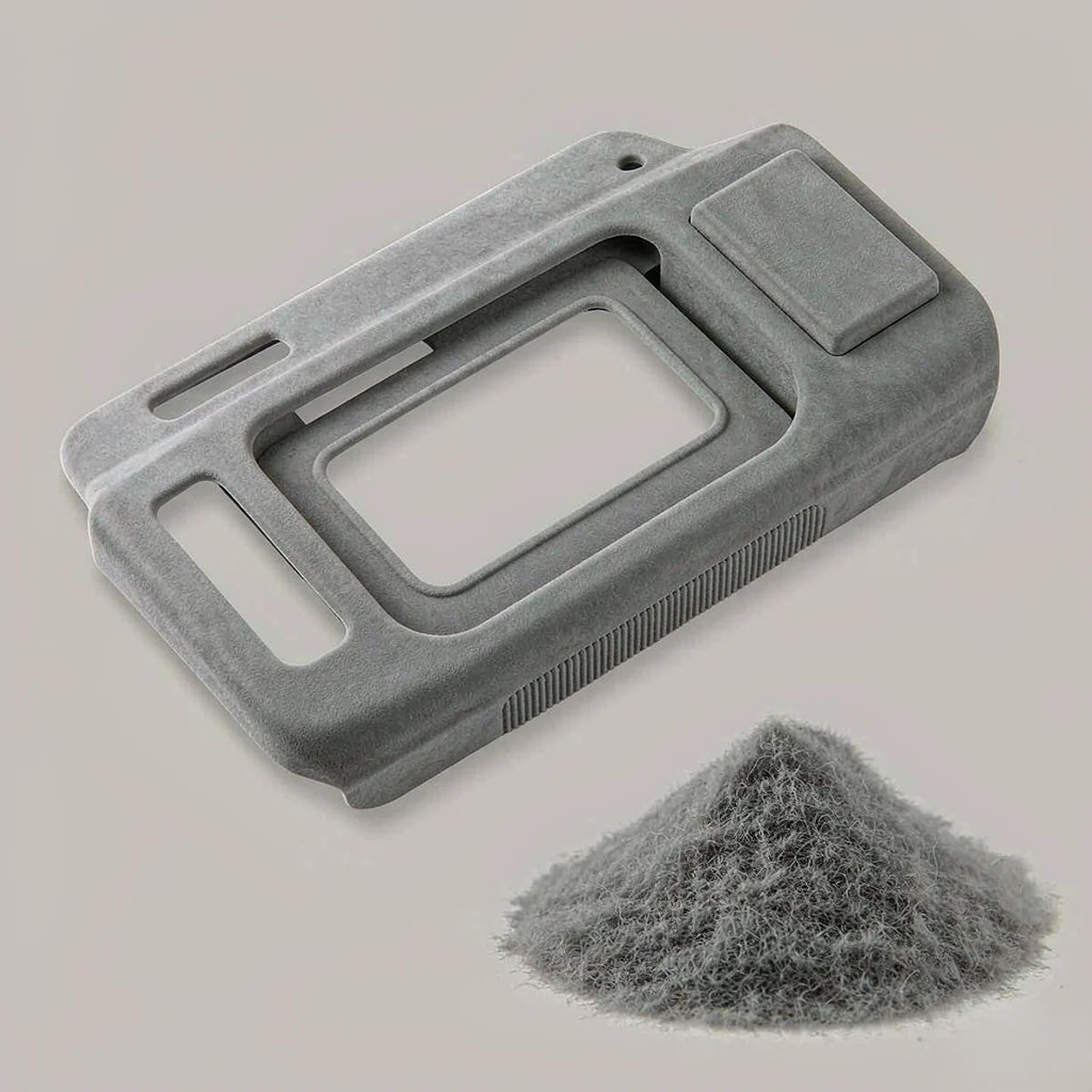
Plastic flocking powder from Zhangs creates soft, velvet-like finishes on ABS, PVC and molded components. Choose nylon, rayon or polyester short-cut fibers in different lengths and colors for custom plastic flocking.
Quick Facts
Product Type: Short-cut flock fibers for plastic surface finishing
Fiber Options: Nylon / Polyamide, Rayon / Viscose, selected Polyester
Referenced Substrates: ABS, PVC, selected PP, PE and coated plastics
Appearance: Soft matte, velvet-like or dense textured surface
Decorative Options: Custom colors, full coverage, partial flocking and selected patterns
Intended Use: Plastic components, decorative panels, molded products and custom surface finishing
Plastic Flocking Powder for Molded Parts
Understand how short-cut flock fibers create textured surfaces on plastic components and what affects material selection.
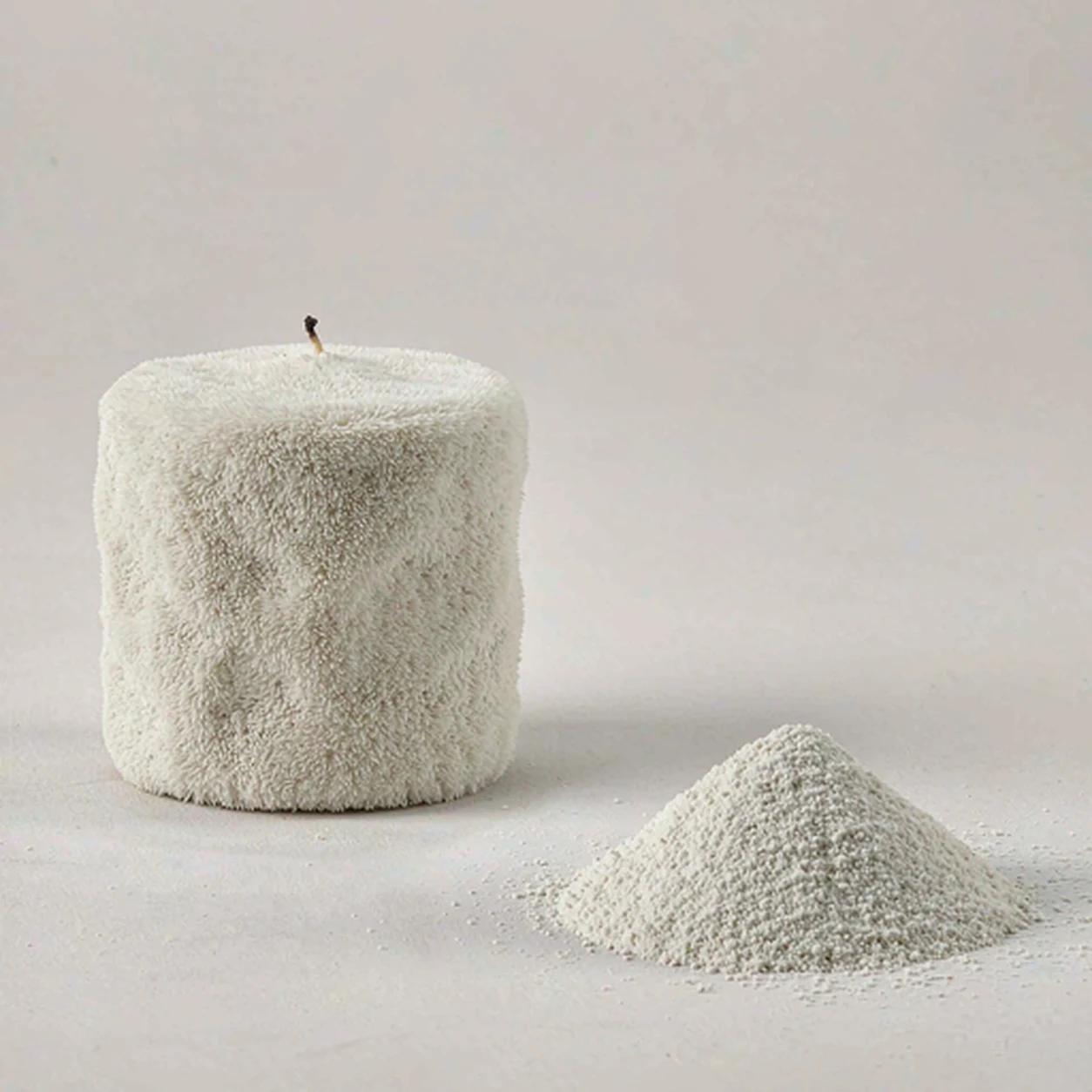
Plastic flocking powder consists of short-cut fibers applied to adhesive-coated plastic surfaces to create a soft, textured finish. Depending on the fiber type and application process, the finished surface can range from a fine matte appearance to a fuller velvet-like texture.
Plastic components have different surface characteristics. ABS and PVC parts, for example, may require different adhesive and surface preparation conditions from polypropylene or polyethylene. The compatibility of the plastic, flock adhesive and selected fibers influences the quality of the finished surface.
For manufacturers sourcing flocking powder, the important starting points are the plastic material, component shape, required surface effect and intended use. Zhangs provides different flock fiber materials and specifications to help buyers evaluate suitable options before production.
Flocking Fiber Specifications for Plastic Parts
Compare fiber materials, dimensions, colors and process requirements when selecting flocking fibers for plastic components.
| Specification | Details |
|---|---|
| Product Name | Plastic Flocking Powder |
| Product Form | Prepared short-cut flock fibers |
| Fiber Material Options | Nylon / Polyamide, Rayon / Viscose, selected Polyester |
| Fiber Length | Selected according to component geometry, detail size and desired pile height |
| Fiber Fineness | Selected according to surface texture, coverage and process requirements |
| Color Options | Standard shades and custom color matching |
| Surface Finish | Fine matte, soft velvet-like or dense textured finish |
| Referenced Substrates | ABS, PVC, selected PP, PE and coated plastics |
| Application Method | Electrostatic flocking or a suitable adhesive-based flocking process |
| Adhesive Compatibility | Requires evaluation with the actual plastic substrate |
| Customization | Fiber material, length, fineness, color and treatment |
| Sample Evaluation | Coverage, fiber adhesion, color matching and surface texture |

Soft, Textured Surface Finish
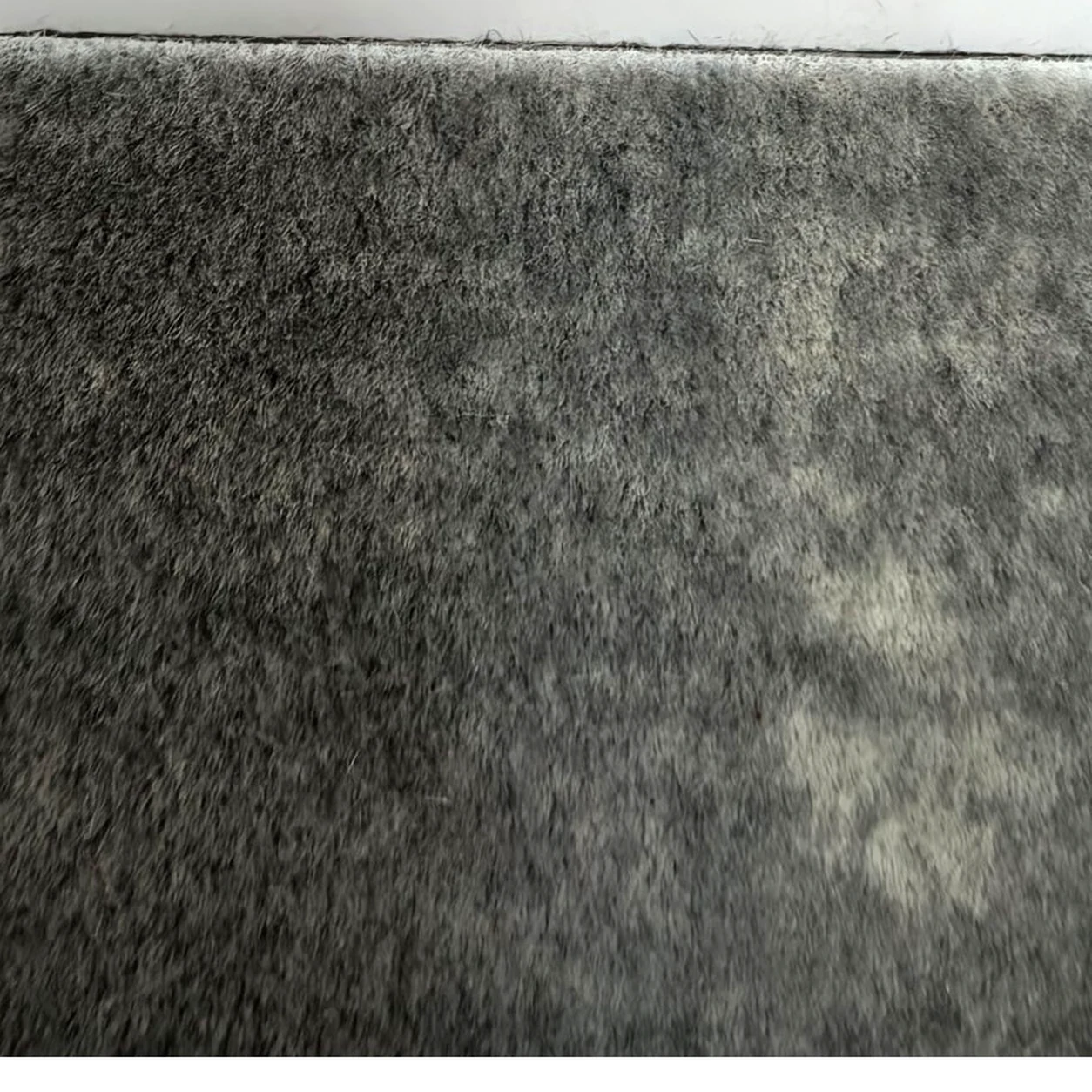
Flocking introduces a physical fiber layer to otherwise smooth or rigid plastic surfaces. Depending on the selected material and finishing conditions, the result can provide a refined matte appearance or a more noticeable velvet-like texture, giving manufacturers an additional surface finishing option.

Coverage on Complex Shapes
Plastic components often include curves, edges, cavities and recessed areas. Consistent flock powder preparation supports more predictable application, while actual coverage depends on adhesive placement, electrostatic conditions and component geometry.

Custom Color and Surface Effects
Dyed flock fibers allow manufacturers to coordinate textured finishes with plastic components or create contrasting decorative areas. Full or partial flocking can be selected according to the intended design, while final color approval should be based on a finished component.

Material Options for Different Requirements
Nylon, rayon and polyester fibers offer different handling and surface characteristics. The most suitable material depends on the intended texture, processing method and finished product requirements. Sample comparisons help manufacturers evaluate alternatives before confirming a specification.
Fiber Selection Based on Plastic Samples
Buyers can provide plastic component samples, material information, preferred colors and surface texture requirements. Zhangs can review these details to discuss suitable fiber types, lengths and fineness levels for sample evaluation, especially when a project involves complex molded shapes or unfamiliar substrates.
Controlled Fiber Cutting
Zhangs prepares flocking fibers through a controlled cutting process. Fiber length consistency supports more predictable application and helps reduce material-related variation across repeated production batches.
Custom Dyeing and Electro-Treatment
Different plastic products may require specific colors or electrostatic application characteristics. Zhangs develops dyed fiber shades according to customer requirements and manages electro-treatment during material preparation.
Drying and Fiber Sieving
Drying helps manage fiber moisture conditions, while sieving separates oversized fibers and improves the uniformity of prepared flock materials. These processes help reduce material-related variation during subsequent flocking operations.
Flocking Material and Adhesive Support
Zhangs supplies flock fibers and related flocking adhesives, including ZS-860 for selected flocking applications. Buyers can discuss flock material and adhesive requirements together, but compatibility must be verified using the actual plastic formulation, surface treatment and production conditions.
 01
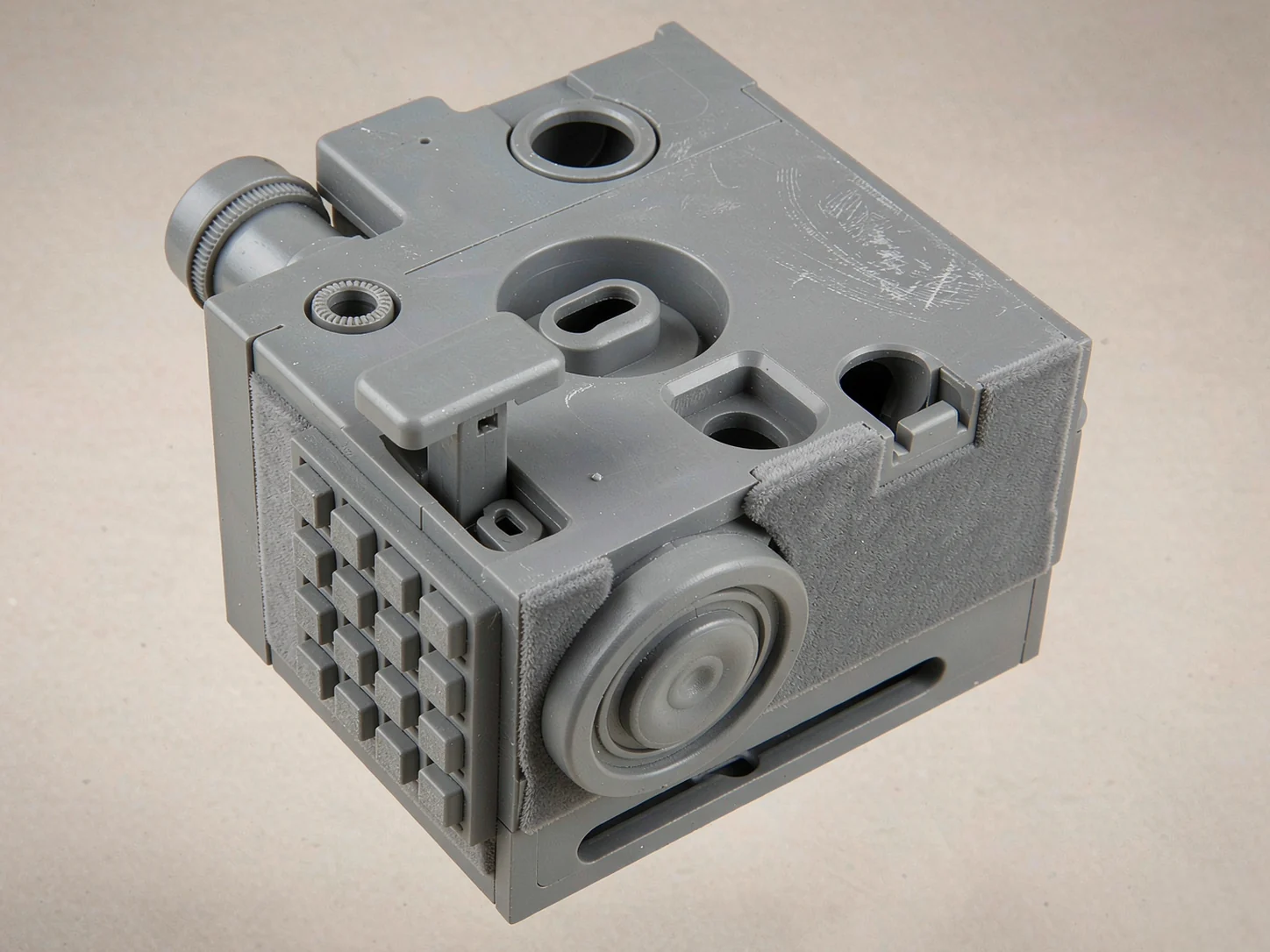
Plastic Product Housings
Selected plastic housings and exterior covers can use flocking to create a softer-looking surface or a decorative contrast with exposed plastic. For components with openings, buttons or fitting areas, the flocked sections should be defined during design review.
 02
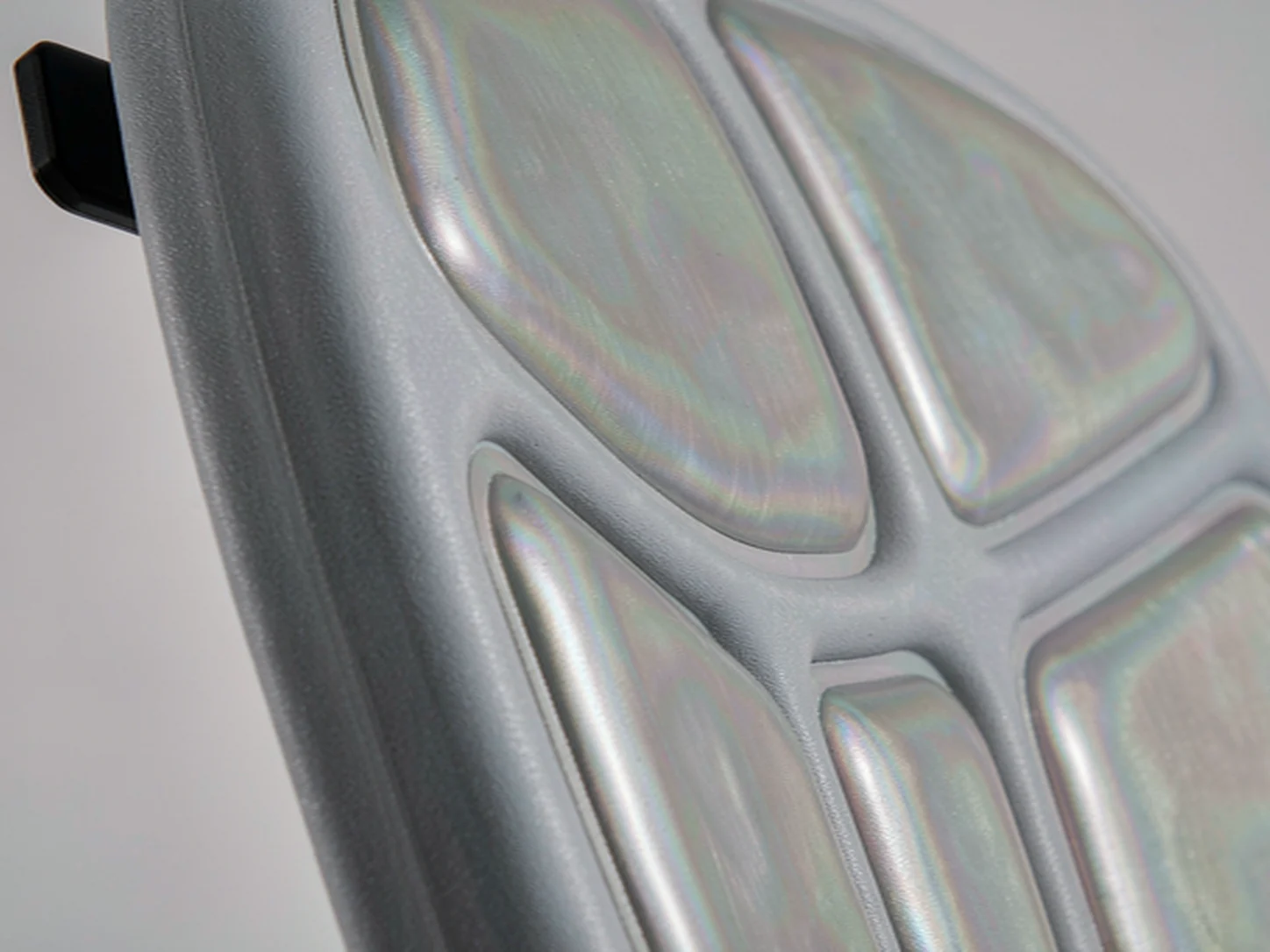
Consumer Product Components
Consumer products may include plastic parts that require a distinctive surface appearance or a more pleasant touch. Flocked plastic components can be considered for selected decorative panels, grips and non-critical contact areas.
 03
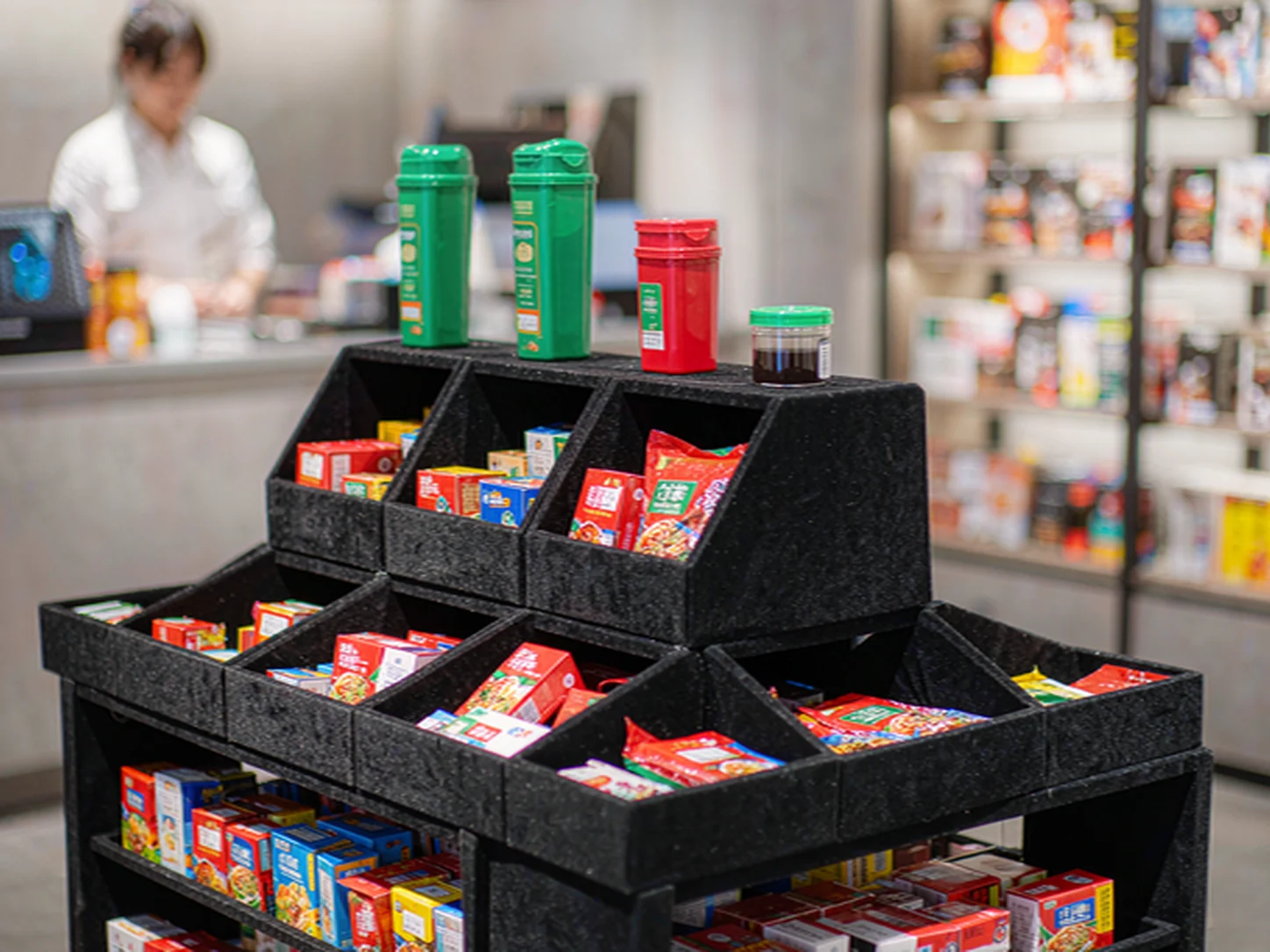
Plastic Display Stands & Fixtures
Retail display stands, promotional fixtures and molded display components can use flocked surfaces to create a matte, textured presentation. Color consistency, coverage around molded corners and appearance under display lighting are important for repeated batches.
 04
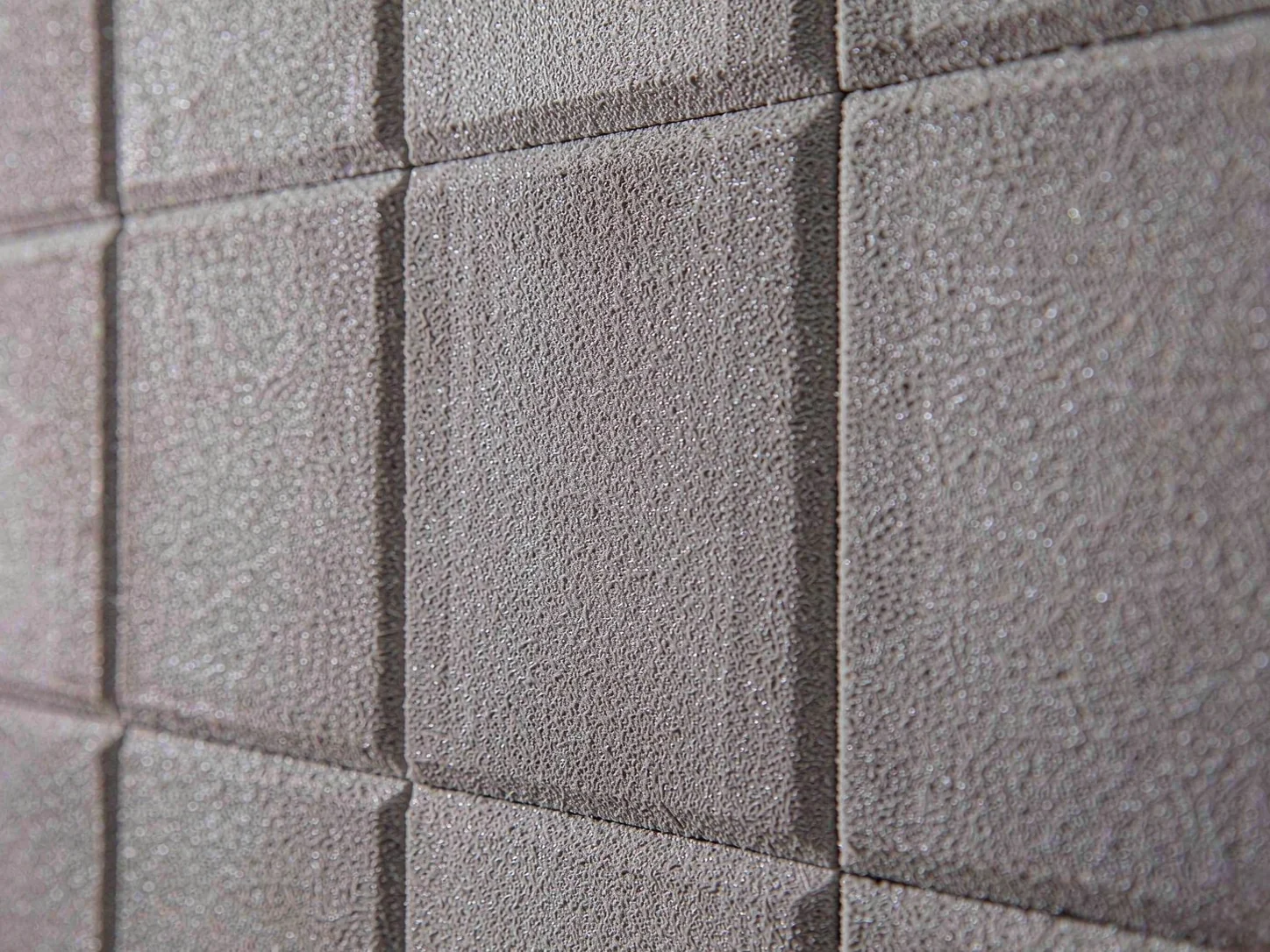
Decorative Plastic Panels
Plastic panels used in decorative interiors or product assemblies may require full or partial flock coverage. For larger panels, adhesive distribution and overall surface appearance should be evaluated across the complete area.
 05
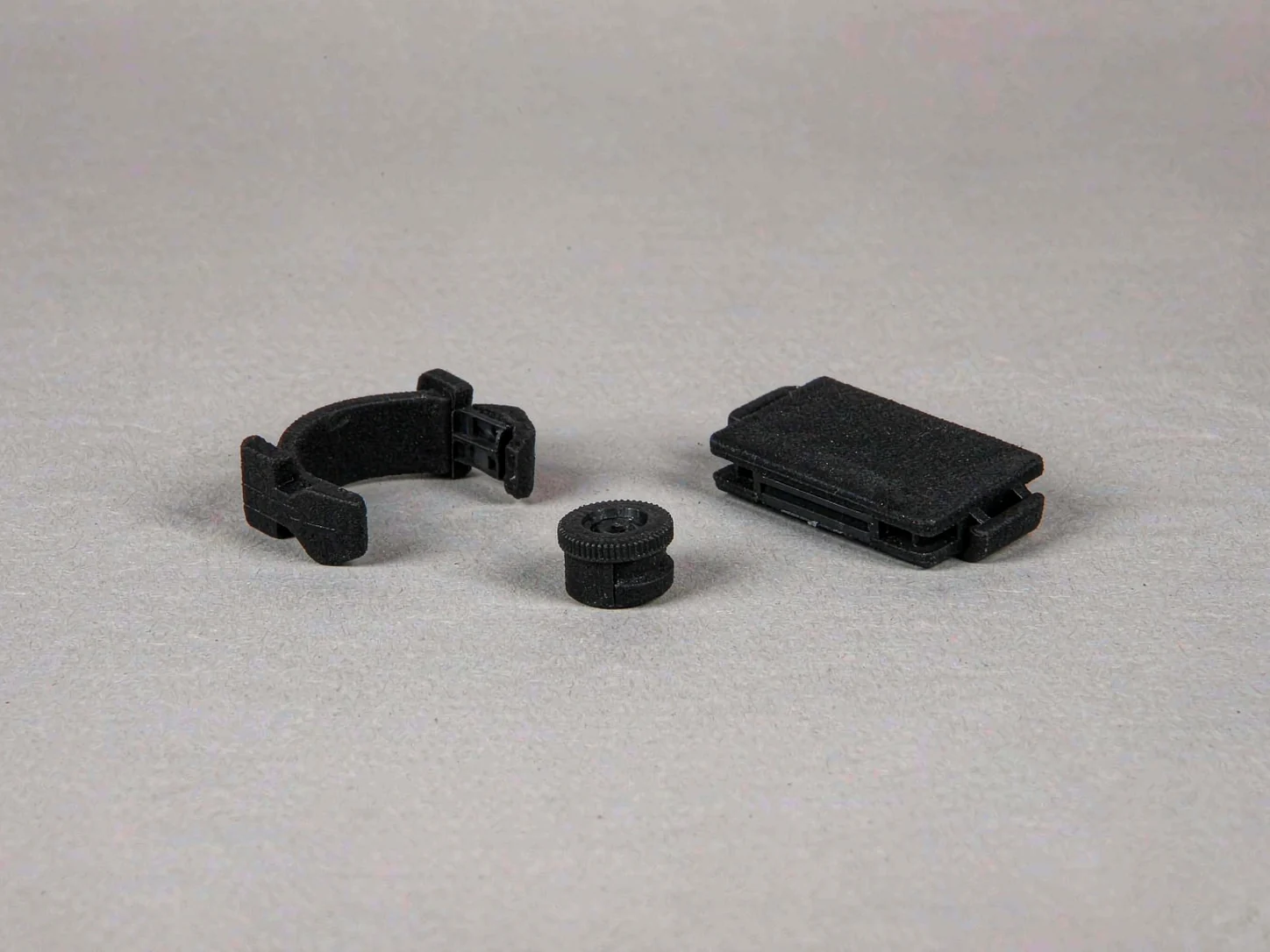
Molded Accessories & Decorative Parts
Small molded accessories and decorative components may benefit from flocking on selected sections rather than full coverage. Precise adhesive placement and appropriate fiber selection help maintain the visibility of molded details, patterns and edges.
 06
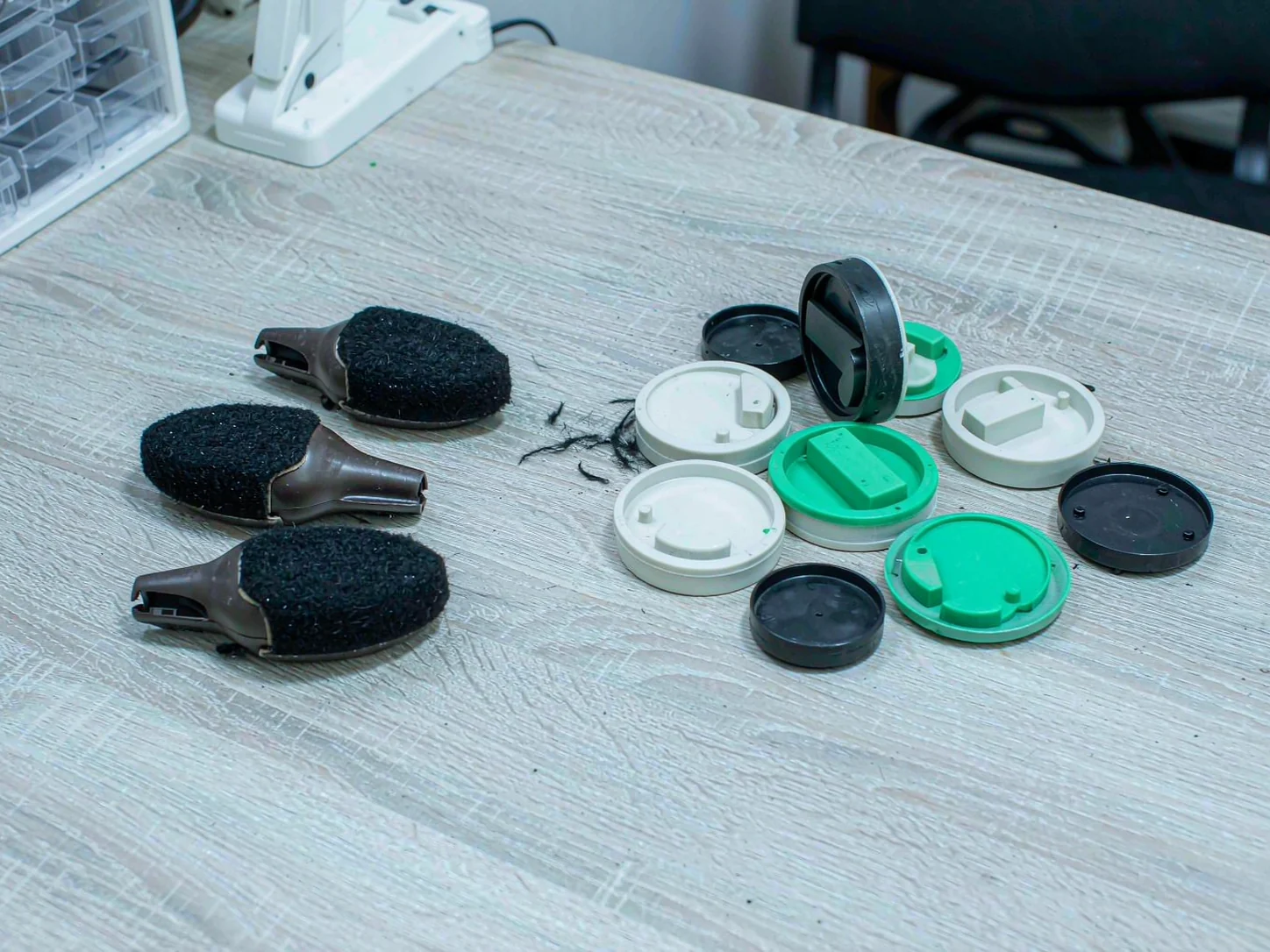
Custom Plastic Product Development
Manufacturers developing new surface finishes can compare different fiber grades, colors and adhesive systems through prototype testing. Completed samples help determine which combination best meets the intended appearance and production conditions.
Plastic Flocking Problems & Solutions
Identify common problems involving plastic surface adhesion, uneven flock coverage, fiber retention and finished-part consistency.
| Common Problems | Possible Causes | Recommended Solutions |
|---|---|---|
| Poor adhesion on plastic | Mold-release agents, oils, low surface energy or incompatible adhesives prevent proper bonding. | Clean the substrate and evaluate suitable adhesive selection and approved surface preparation methods. |
| Uneven coverage on curved parts | Complex geometry, recessed areas or electrostatic field limitations affect fiber deposition. | Review component positioning, adhesive coverage and application conditions using representative molded parts. |
| Visible bare spots | Inconsistent adhesive coating, insufficient flock deposition or contrasting substrate color exposes the plastic. | Check adhesive uniformity and fiber distribution. Evaluate a compatible base color where appropriate. |
| Fibers shed during handling | Incomplete curing, weak bonding or loose excess fibers affect retention. | Review adhesive compatibility and curing instructions, remove excess fibers and conduct appropriate rubbing tests. |
| Fine details become obscured | Fiber length or adhesive thickness is excessive for the component geometry. | Compare suitable fiber grades and refine adhesive placement around small features. |
| Different appearance between batches | Fiber grades, dye shades, substrate conditions or application settings vary. | Retain approved samples and document fiber specifications, substrate preparation and process settings. |
-
1 What Is the Best Flocking Powder for Plastic Surfaces?
-
2 Can Flocking Powder Be Applied to ABS, PVC, PP and PE?
-
3 What Information Is Needed to Evaluate Plastic Surface Preparation?
-
4 How Should Buyers Select Flocking Fibers for Small Plastic Components?
-
5 What Should Buyers Check Before Approving a Plastic Flocking Sample?
-
6 Can Plastic Flocking Powder Be Used for 3D-Printed Parts?
-
7 Can Zhangs Provide Custom Colors and Fiber Specifications for Plastic Flocking?
-
8 What Should Buyers Provide When Ordering Plastic Flocking Powder in Bulk?