Flock coating is a surface treatment process that applies short fibers onto an adhesive-coated substrate to create a soft, textured or functional surface. Unlike conventional paint or flat coating, flocking adds a physical fiber layer, which can change not only appearance but also touch, friction, light reflection and surface behavior.
For buyers, the important question is usually not simply what flock coating is, but whether it is suitable for a specific part. Automotive dashboards, plastic components and packaging structures can all use flocking, but each application places different demands on fiber type, adhesive, substrate preparation and final durability.
This guide focuses on how flock coating works in practical applications and what manufacturers should confirm before sampling.
What Is Flock Coating?
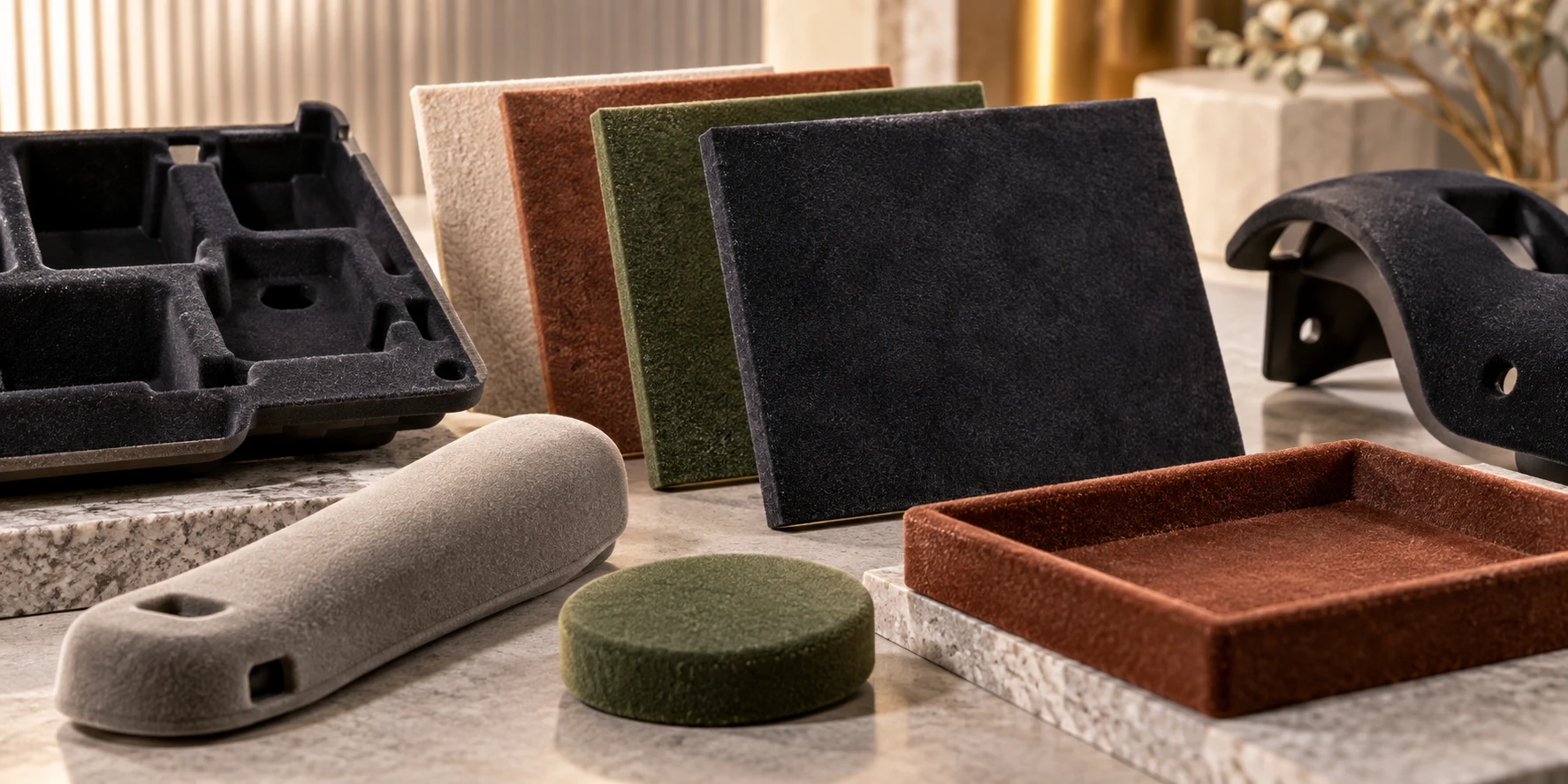
Flock coating creates a fiber-covered surface by combining a substrate, adhesive and prepared flock fibers.
During production, adhesive is applied to the target area first. The flock fibers are then transferred onto the adhesive layer. In electrostatic flocking, the fibers are electrically charged so they move toward the coated surface and stand more vertically, helping create a more uniform finish.
The final result depends on the complete material system. Fiber length affects texture and visual depth, fiber material influences softness and durability, while adhesive compatibility determines how well the flock remains bonded to the substrate.
For this reason, the same flock specification should not automatically be used for an automotive dashboard, a molded plastic component and a premium packaging insert.
How Does Flock Coating Work?
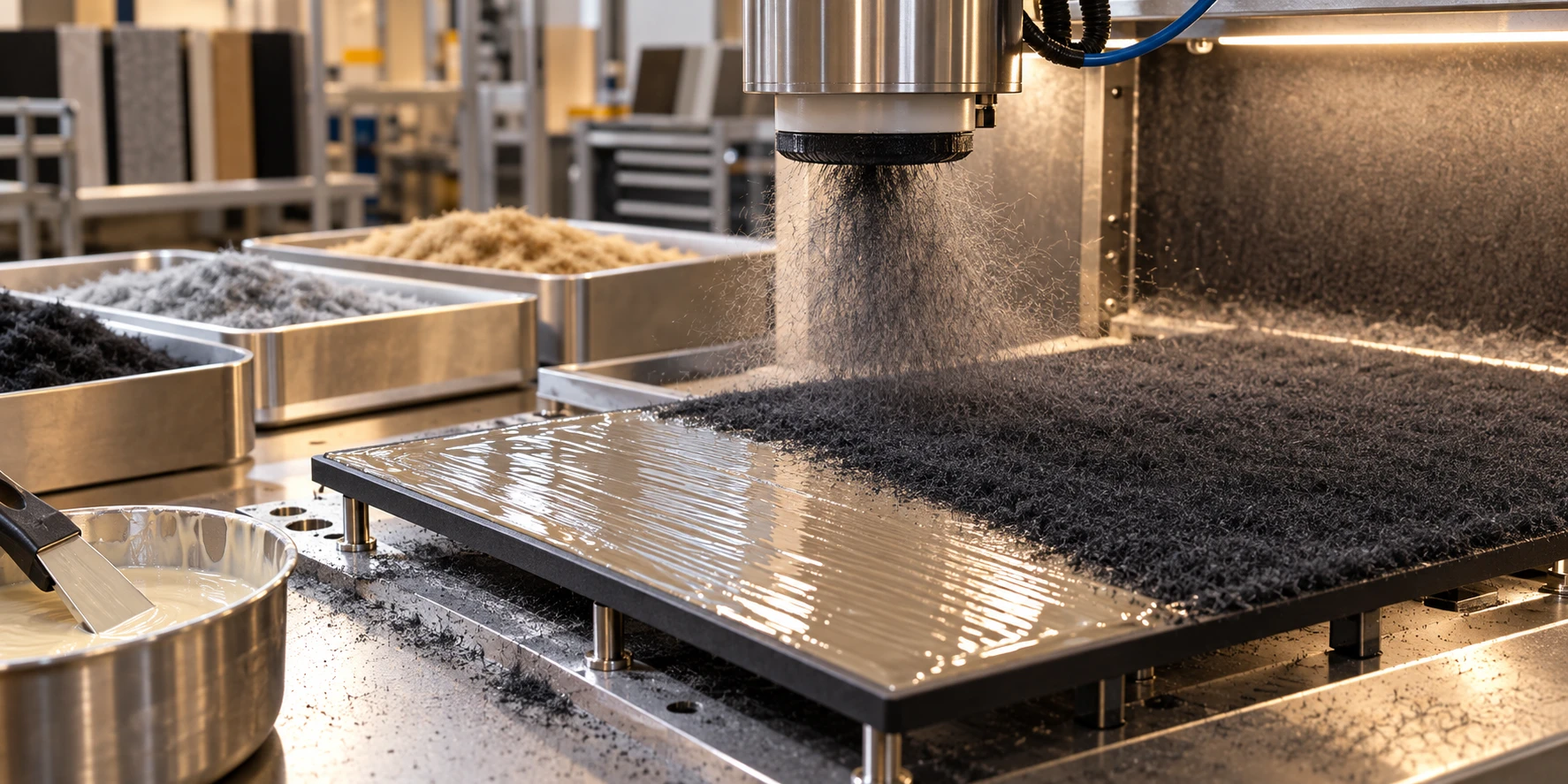
A typical flock coating process begins with surface preparation. Dust, oil, mold-release residues or other contaminants can interfere with adhesive bonding, especially on plastic and rubber parts.
Once the surface is ready, a suitable flocking adhesive is applied at a controlled thickness. Flock fibers are then deposited onto the wet adhesive, often through electrostatic application when consistent fiber orientation is required.
After flocking, the coated part is cured or dried according to the adhesive system. Loose fibers are then removed so that only the bonded flock remains.
The stability of the result depends on several connected factors: substrate condition, adhesive chemistry, fiber conductivity, fiber length, curing conditions and the intended use of the part.
Zhangs supports flocking projects with different fiber materials, including rayon, polyamide, polyester and cotton, and controls production stages such as cutting, dyeing, drying and sieving to maintain consistent fiber characteristics.
Flock Coating for Automotive Dashboards
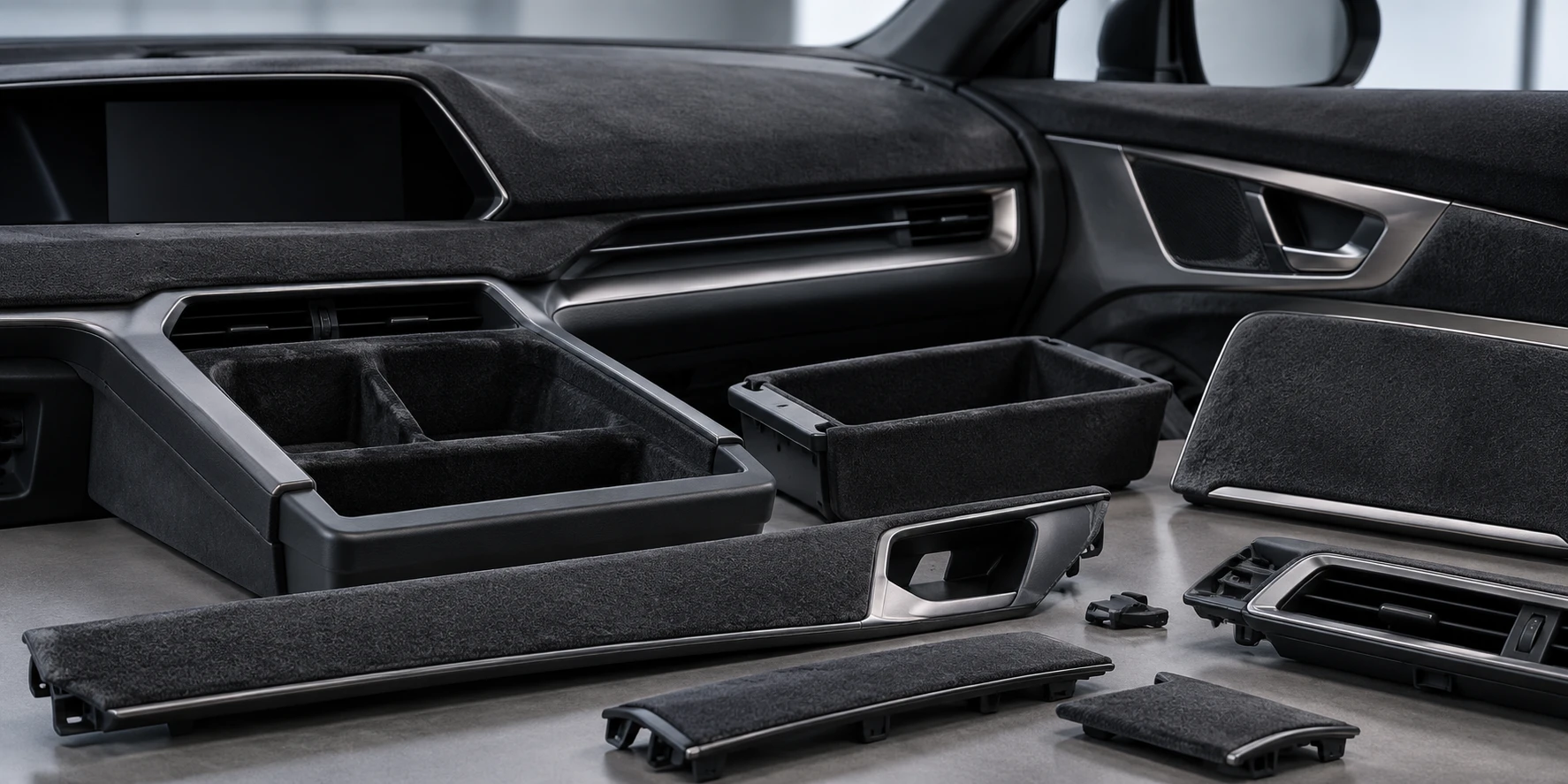
Dashboard flock coating is used when automotive interior components require a low-reflective, soft-touch or visually refined surface.
One important advantage of flocking on dashboards and interior trim is light management. A flocked surface can reduce direct reflection compared with smooth plastic, which can be useful on parts positioned close to the windshield or within the driver’s field of view.
The fiber layer can also change the perceived quality of molded plastic surfaces by adding texture and reducing the hard appearance associated with untreated polymer parts.
For automotive flock coating, material selection should consider temperature exposure, abrasion, interior durability requirements and adhesive compatibility with the plastic substrate.
Parts such as dashboard sections, storage compartments, trim panels and interior accessories may require different flock lengths or fiber types depending on how frequently the surface is touched and how visible it is in the finished vehicle.
Flock Coating for Plastic and Rubber Parts
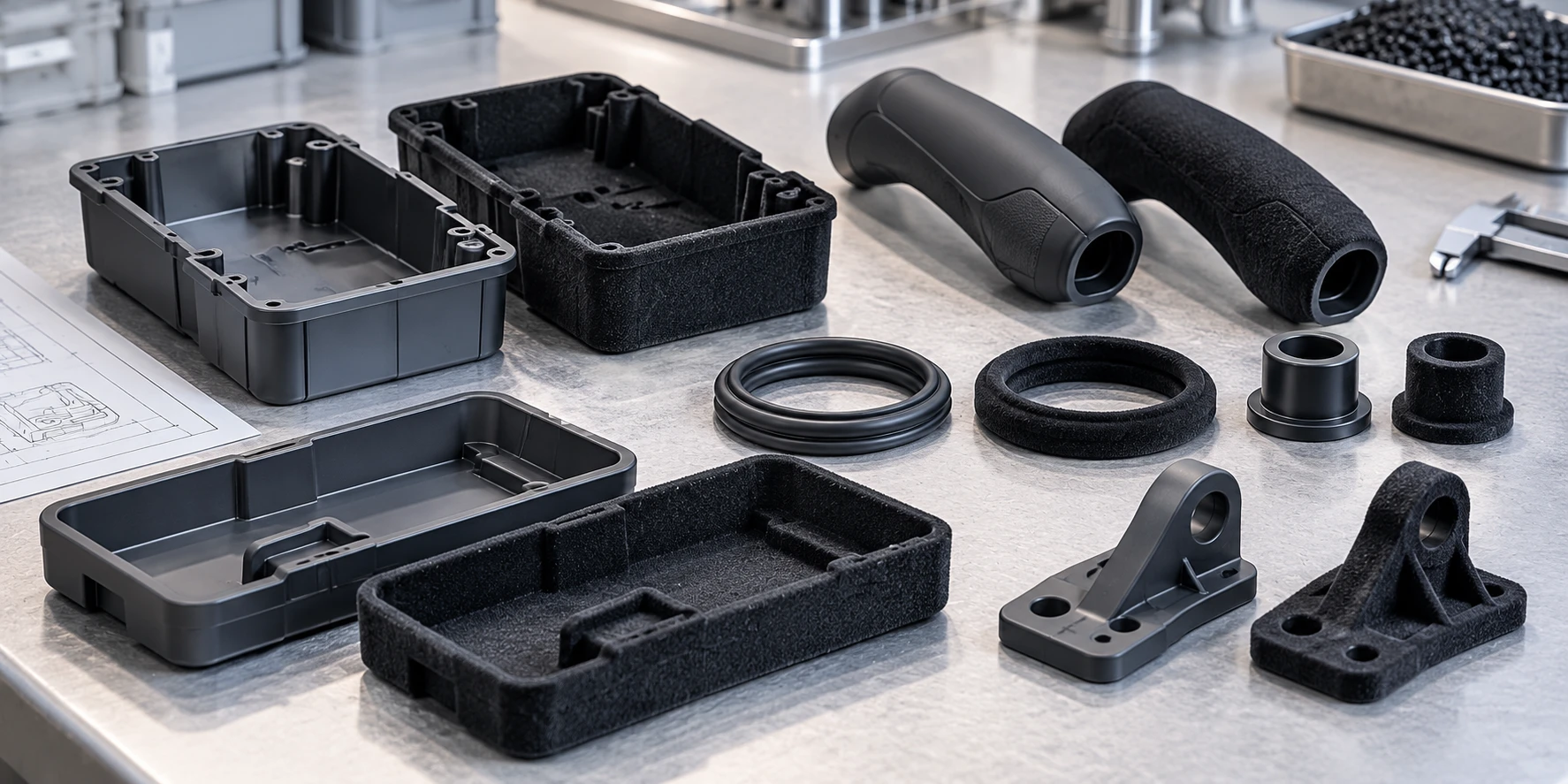
Plastic and rubber components are common candidates for flock coating because the process can modify the surface without changing the basic molded structure of the part.
For decorative plastic products, flocking can create a more premium and tactile finish. For functional parts, it may also help reduce friction, noise or direct contact between surfaces, depending on the application.
The key challenge is adhesion.
Different plastics have different surface characteristics, and some substrates may require cleaning, surface treatment or a specifically matched adhesive before flocking. A process that works well on one polymer should not automatically be applied to another without testing.
Part geometry also matters. Flat areas, deep recesses, sharp corners and complex molded shapes can affect fiber distribution during electrostatic flocking. Sampling is therefore important when coating three-dimensional plastic or rubber parts.
Flock-Coated Packaging Applications

Flock coated packaging is commonly used when the package itself contributes to the perceived value of the product.
Jewelry boxes, cosmetic packaging, gift boxes, presentation boxes and inserts can use flocking to create a soft, velvet-like surface. The flock may be applied to the entire box, selected exterior panels or only the inner tray and insert.
For packaging, appearance and touch are usually more important than extreme mechanical performance. Color consistency, surface density and the way the flock interacts with lighting can strongly affect the finished presentation.
Shorter fibers usually create a finer and cleaner surface, which can work well for structured packaging and smaller decorative areas. Longer fibers create stronger visual depth and a more pronounced tactile effect.
The paperboard, plastic insert or other packaging substrate should be considered together with the adhesive and flock specification before production.
How to Select Flock Fiber and Adhesive
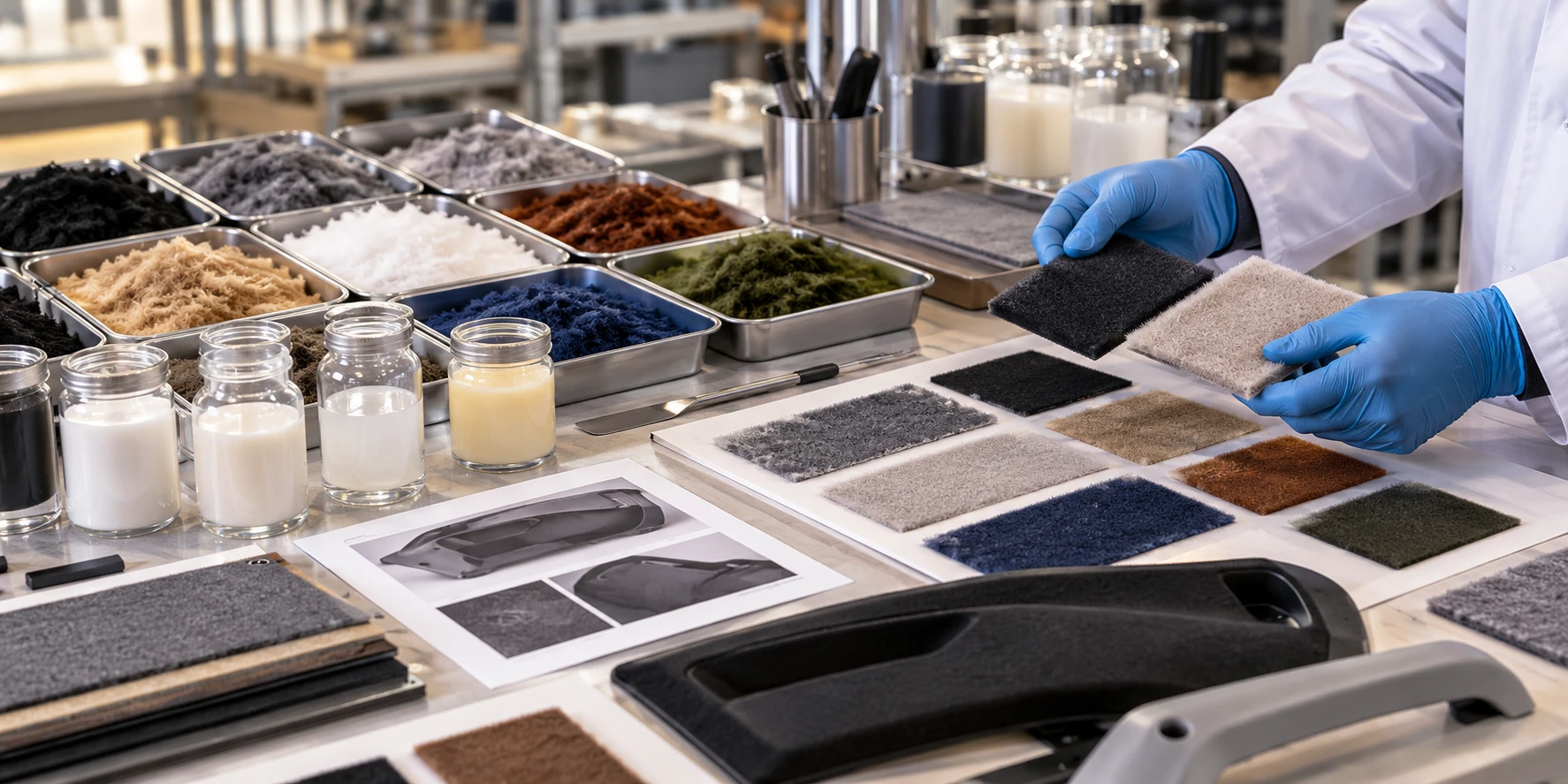
Fiber and adhesive should be selected as one system rather than as two separate purchasing decisions.
Rayon flock is often considered where softness and visual smoothness are important. Polyamide can be selected for applications requiring more robust performance and stable processing. Polyester provides another option for consistent industrial production, while cotton may be used when a more natural fiber character is preferred.
Fiber length changes the final texture. Short fibers generally create a finer surface, while longer fibers produce a more obvious raised effect.
The adhesive must match both the substrate and the intended use. Paperboard, ABS, PP, PVC, rubber and coated surfaces can require different adhesive strategies.
Before final production, the supplier should know the substrate type, target texture, expected durability, curing conditions and whether the finished part will be frequently handled, exposed to heat or subjected to friction.
Common Flock Coating Problems
Many flock coating defects come from material mismatch rather than from the flocking step alone.
Uneven fiber density may result from inconsistent adhesive coverage, poor electrostatic conditions or unsuitable fiber conductivity. Weak bonding can occur when the substrate is not properly cleaned or when the adhesive does not match the surface.
Color or texture variation may come from inconsistent flock batches, uneven fiber length or differences in application conditions.
Excessive loose fibers after curing can indicate poor bonding, incorrect curing or insufficient finishing.
For buyers, these problems are easier to prevent during sampling than to correct after mass production. This is why substrate testing, adhesive compatibility and fiber specification should be confirmed before a production order.
What Buyers Should Confirm Before Sampling
Before requesting a flock coating sample, buyers should provide more than a color reference.
The supplier should know the substrate material, product dimensions, coated area, target surface effect, preferred fiber length if known, expected durability and final use environment.
For automotive parts, temperature, abrasion and interior performance requirements should be included. For packaging, visual appearance, softness and color matching may be more important. For plastic or rubber parts, substrate identification and surface treatment requirements are especially important.
Providing the actual component or representative substrate can make the sampling process more reliable because flock performance depends on the full combination of part, adhesive and fiber.
Frequently Asked Questions About Flock Coating
What is flock coating used for?
Flock coating is used to add a soft, textured or functional fiber surface to substrates such as plastic, paperboard, rubber and automotive interior components. Common applications include dashboards, packaging inserts, decorative parts and molded components.
Is flock coating suitable for automotive dashboards?
Yes. Automotive flock coating can be used on dashboard and interior components where reduced reflection, softer touch or improved surface appearance is required. Fiber and adhesive selection should match the substrate and interior durability requirements.
Can plastic parts be flock coated?
Yes. Many plastic parts can be flocked, but surface preparation and adhesive compatibility must be checked first. Different polymers may require different cleaning, treatment or bonding systems before flocking.
What fibers are used for flock coating?
Common flock fibers include rayon, polyamide, polyester and cotton. The correct material depends on the required softness, durability, appearance, fiber length and application conditions.
What causes poor adhesion in flock coating?
Poor adhesion may result from surface contamination, incompatible adhesive, incorrect curing or insufficient substrate preparation. Testing the substrate and adhesive before production helps reduce bonding problems.
What should I provide before requesting a flock coating sample?
Provide the substrate material, part size, application area, desired texture, color, durability requirements, expected environment and order quantity. Sending the actual part or material sample can improve the accuracy of testing.
Need to Evaluate a Flock Coating Application?
If you are developing an automotive interior part, plastic component, packaging product or other flocked surface, Zhangs can support material selection, flock fiber matching, adhesive coordination and sample development.
Send us your substrate, drawing or application requirements to evaluate the suitable flocking solution before production.