Flocking a 3D print is a surface finishing process that applies short fibers onto a printed part to create a soft, textured, and velvet-like appearance. Compared with traditional painting or coating methods, flocking adds a three-dimensional fiber layer that changes both the visual effect and tactile experience of the printed object.
With the development of 3D printing technology, more designers and manufacturers are exploring 3D print flocking for prototypes, product models, decorative components, and customized parts. By combining 3D printing with flocking technology, manufacturers can create products with unique surface textures and premium finishes.
The basic process involves preparing the printed surface, applying suitable adhesive, transferring flock fibers, and completing the drying and finishing steps. The final quality depends on surface preparation, fiber selection, adhesive compatibility, and process control.
What Materials Are Needed for 3D Print Flocking?
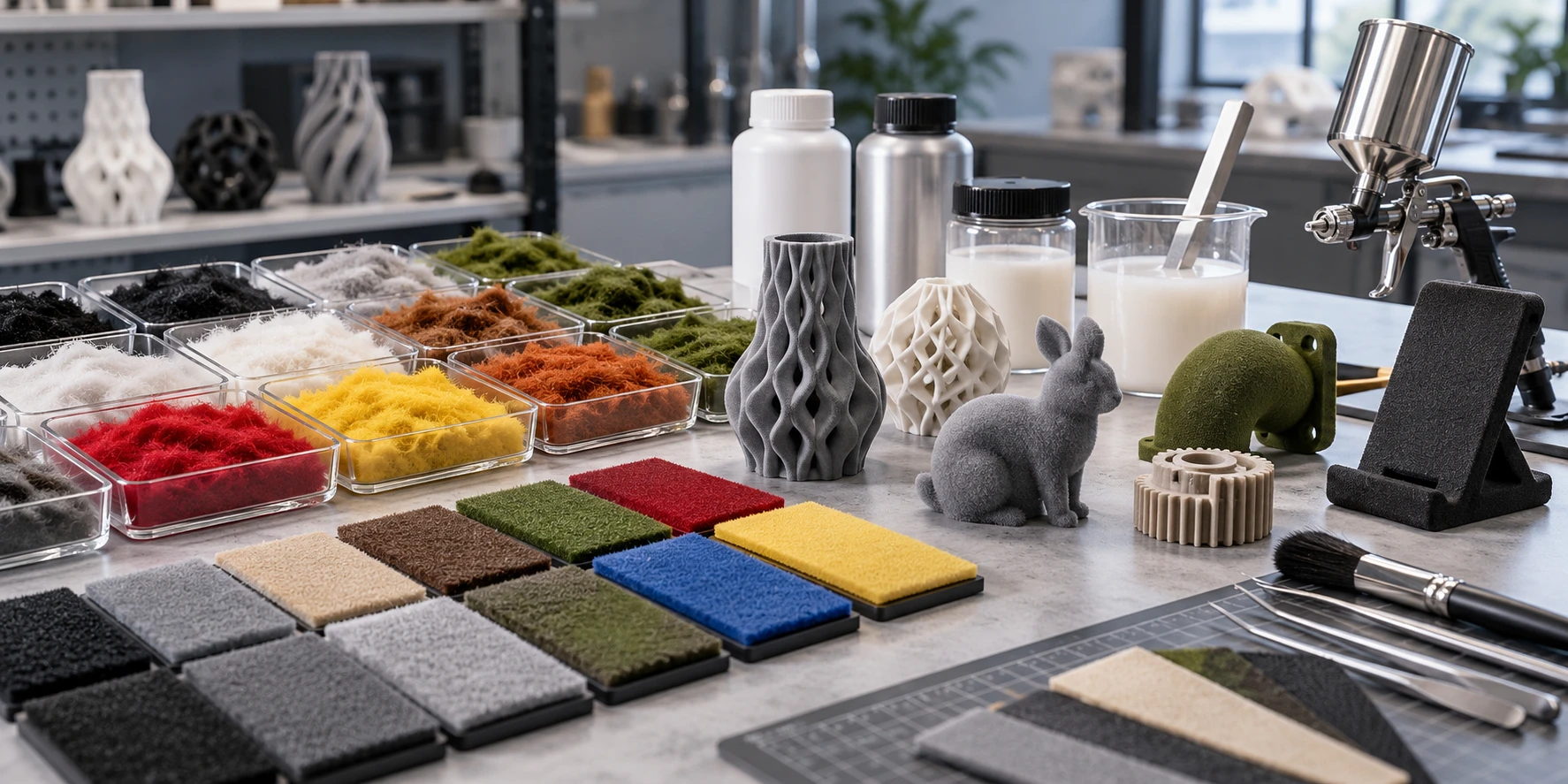
Successful flocking 3D print applications require the right combination of printed substrate, adhesive, and flocking materials.
The first requirement is suitable flocking fiber. Different fibers provide different surface effects, softness, and performance characteristics. Common flocking fiber materials include polyamide, rayon, polyester, and cotton.
Rayon fibers are often selected for applications requiring a soft hand feel and smooth appearance. Polyamide fibers provide stable performance and consistent flocking results, while polyester offers reliable processing characteristics for different applications.
Fiber length is another important factor. Short fibers create a finer and smoother texture, while longer fibers create a stronger raised velvet effect. The selection should depend on the desired appearance and the final product requirements.
Zhangs provides different flock fiber solutions, including polyamide, rayon, polyester, and cotton materials, supporting customers with different application needs.
How to Prepare a 3D Print Surface Before Flocking?
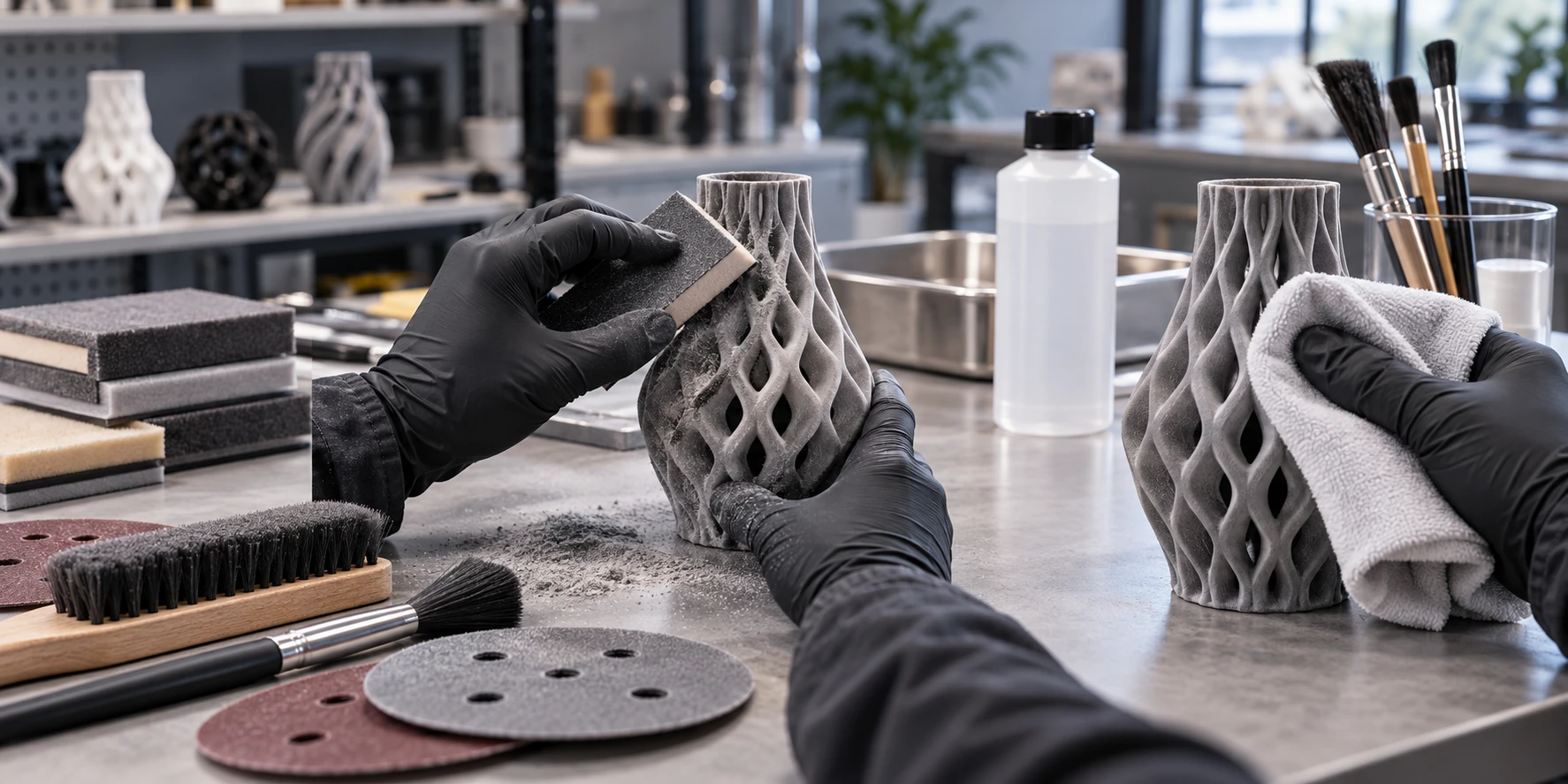
Surface preparation is one of the most important steps when learning how to flock a 3D print.
The printed surface should first be cleaned to remove dust, oil, and loose particles. Depending on the printing material and required finish, additional surface treatment may be needed to improve smoothness and adhesive bonding.
For better flocking results, manufacturers usually check:
• Surface cleanliness
• Surface smoothness
• Adhesive compatibility
• Final texture requirements
A properly prepared surface allows the adhesive to form a stable bonding layer and helps flock fibers attach evenly.
For industrial applications, surface preparation is especially important because uneven surfaces or poor bonding can affect fiber density and final appearance.
How Does the Flocking Process Work on a 3D Print?
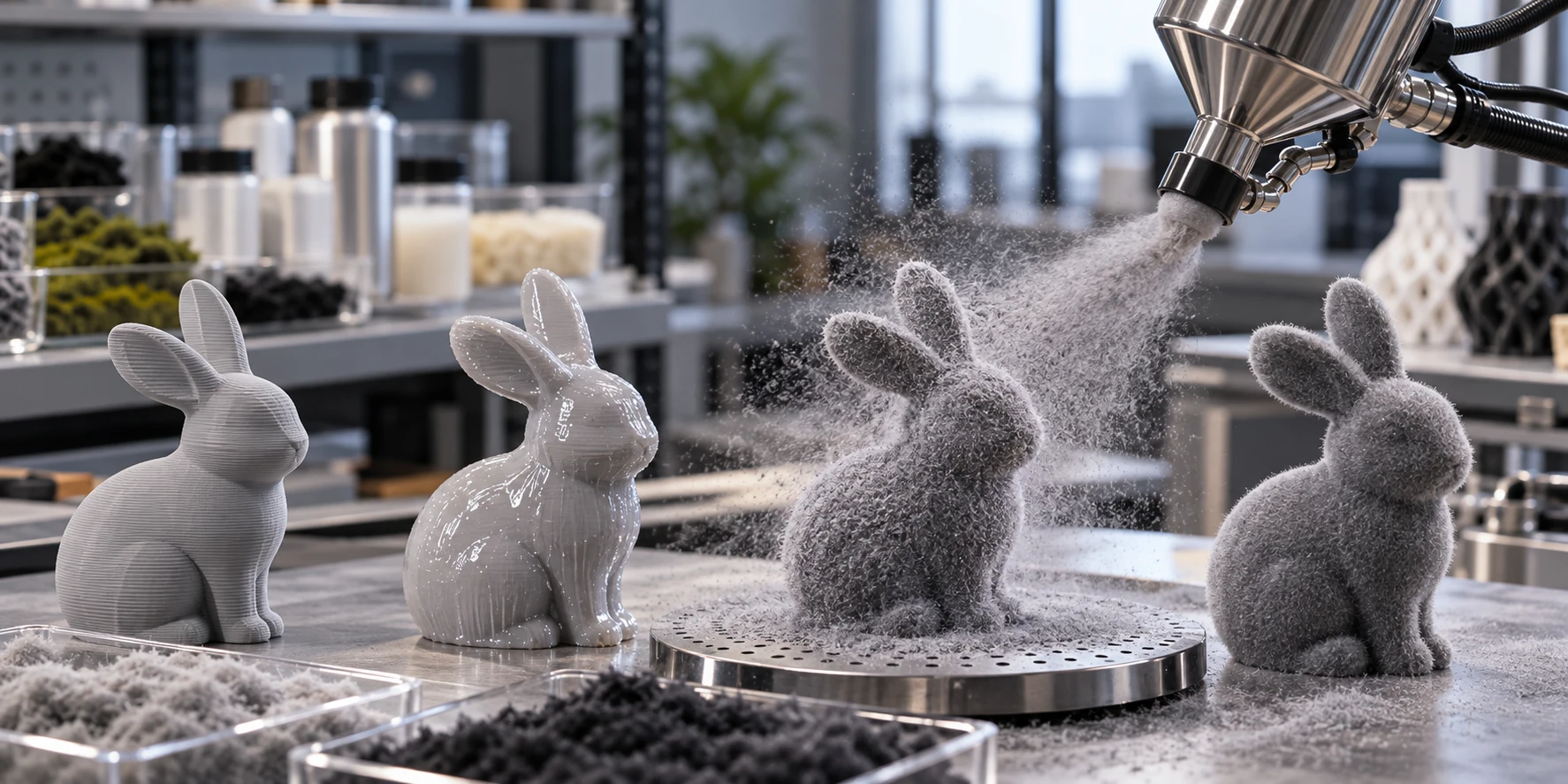
The 3D print flocking process follows similar principles to other industrial flocking applications.
The first step is applying a suitable flocking adhesive to the printed surface. The adhesive layer determines how effectively fibers bond to the part, so thickness and coverage need to be controlled.
After adhesive application, flock fibers are transferred onto the surface. In professional production, electrostatic flocking is commonly used because charged fibers can move vertically toward the adhesive layer, creating a more uniform fiber arrangement.
After flocking, the part requires drying and finishing. Excess fibers are removed, and the surface is checked to ensure consistent coverage and appearance.
Zhangs controls important fiber production stages including cutting, dyeing, drying, and sieving to maintain stable flocking performance for different applications.
What Types of 3D Prints Can Be Flocked?
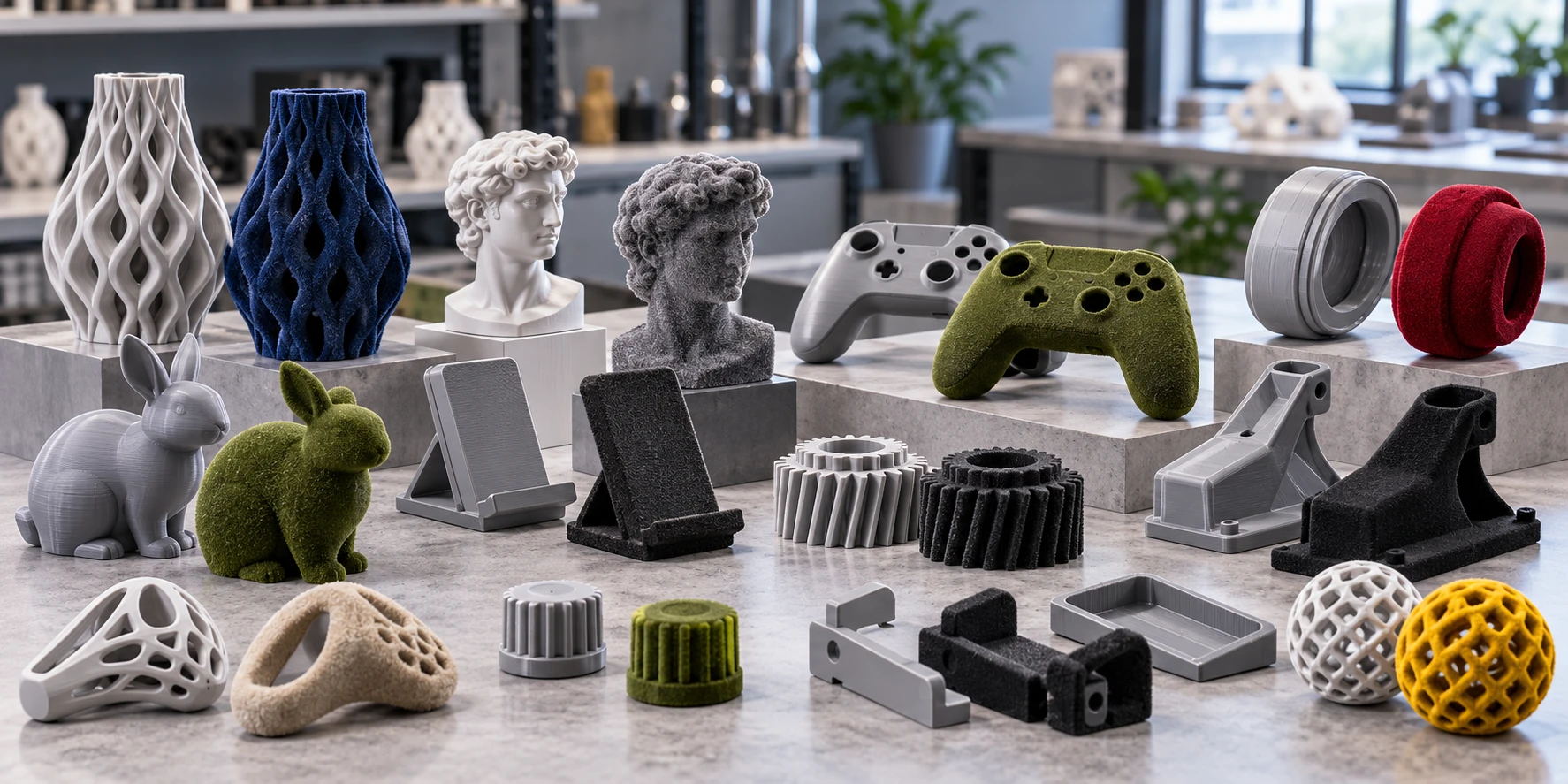
Flocking can be applied to many types of 3D printed parts when the surface condition and adhesive compatibility are suitable.
Common applications include:
Prototype Models
Designers can use flocking to improve the appearance of prototypes and create more realistic surface simulations before mass production.
Decorative Products
3D printed decorative objects can use flocking to achieve a premium soft-touch finish that is difficult to achieve through ordinary painting methods.
Display Models and Exhibition Parts
For exhibition models, architectural models, and creative displays, flocking can add visual depth and make surfaces appear more refined.
Functional Components
Some industrial parts may use flocking where a soft surface, reduced friction, or improved touch experience is required.
What Are the Benefits of Flocking a 3D Print?
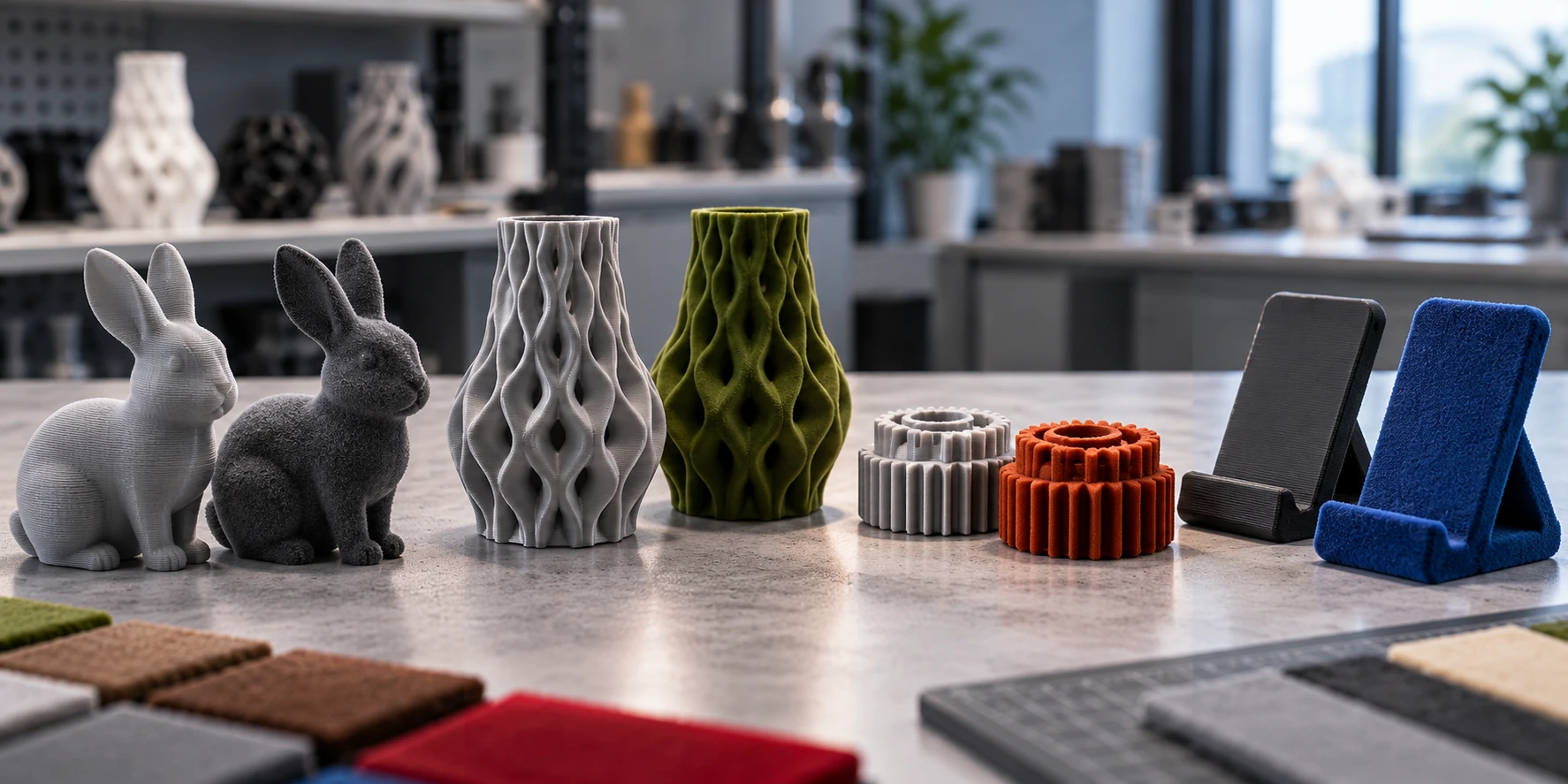
Adding flocking to a 3D printed product can provide several advantages compared with standard printed surfaces.
A flocked surface can create:
• A soft velvet-like texture
• Improved visual appearance
• A premium product feeling
• Customized colors and surface effects
For designers and manufacturers, flocking provides an additional way to enhance 3D printed products without changing the original printing structure.
The combination of 3D printing and flocking technology allows companies to develop unique prototypes and customized products with greater design flexibility.
How to Choose the Right Flocking Materials for 3D Prints?
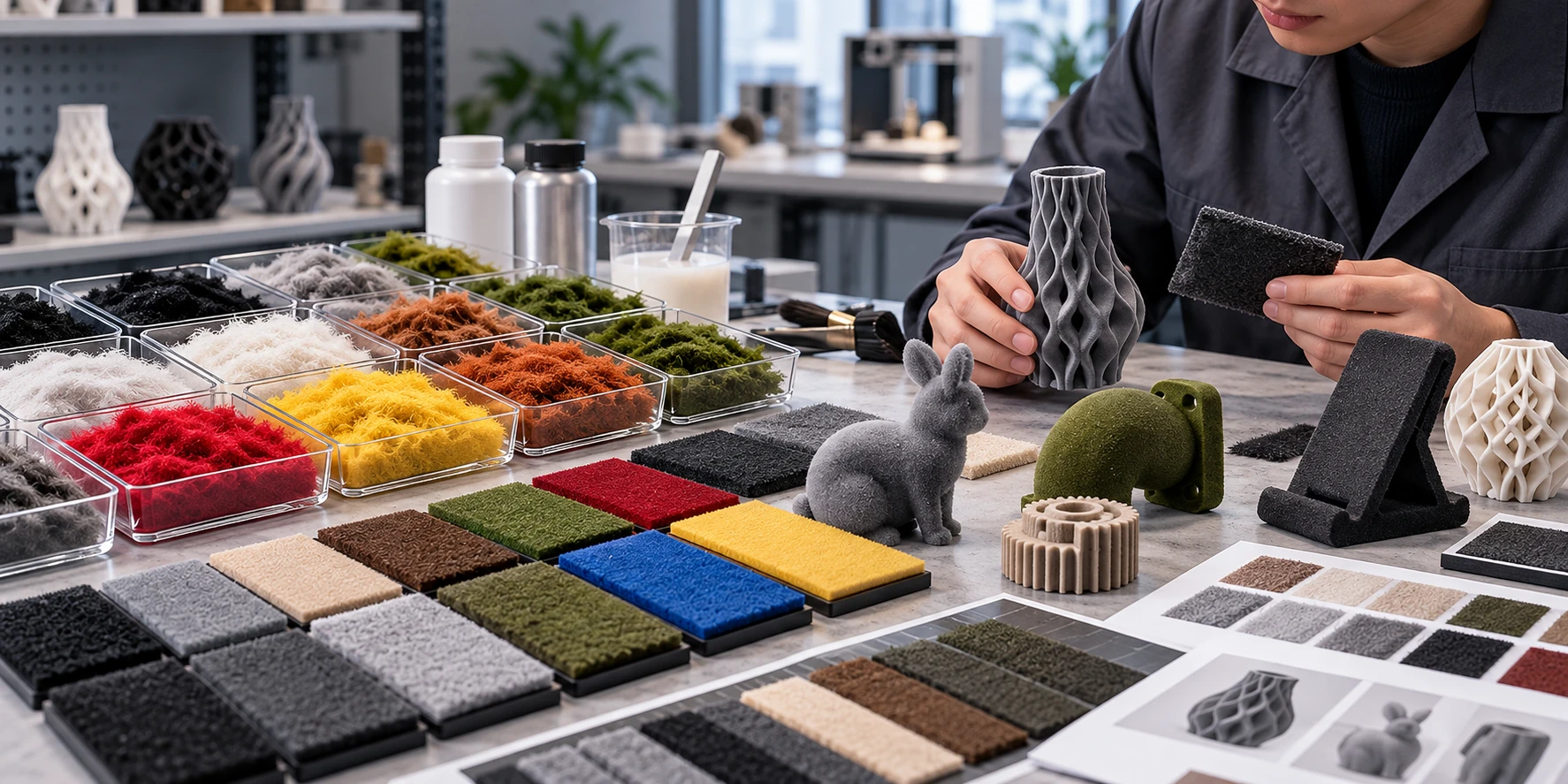
Choosing the correct materials is essential for achieving stable flocking results.
Important considerations include:
Fiber Selection
Different fibers create different softness, appearance, and durability. The choice depends on whether the product requires decorative effects, premium touch, or functional performance.
Fiber Length
Short fibers are suitable for fine textures, while longer fibers create stronger visual depth.
Adhesive Compatibility
The adhesive must match the 3D printing material to ensure good bonding performance.
Production Requirements
For commercial production, manufacturers should consider color consistency, supply stability, and processing capability.
Working with an experienced flocking material supplier helps ensure that fiber selection and production parameters are suitable for the final application.
Frequently Asked Questions About 3D Print Flocking
How to flock 3D prints?
To flock 3D prints, prepare and clean the printed surface, apply suitable flocking adhesive, and transfer flock fibers onto the adhesive layer. Professional applications often use electrostatic flocking to create an even velvet-like surface.
How to flock a 3D print?
Flocking a 3D print requires selecting suitable fibers and adhesive according to the printed material and desired finish. The process includes surface preparation, adhesive application, fiber application, drying, and final cleaning.
What flocking materials are suitable for 3D prints?
Suitable flocking materials depend on the required texture and application. Rayon, polyamide, polyester, and cotton fibers can be selected according to softness, appearance, and performance requirements.
Can all 3D printed parts be flocked?
Not all 3D printed parts are automatically suitable for flocking. Surface condition, material compatibility, and adhesive bonding performance should be evaluated before production.
Does flocking improve the appearance of 3D prints?
Yes. Flocking adds a soft, textured surface that can make 3D printed parts look more premium and closer to finished products rather than raw printed models.
What is the difference between painting and flocking a 3D print?
Painting mainly changes color and surface appearance, while flocking adds a fiber layer that creates a soft tactile effect and three-dimensional texture.
Conclusion
Flocking a 3D print is an effective way to transform a standard printed surface into a soft, premium, and visually distinctive product.
The quality of 3D print flocking depends on several factors, including surface preparation, adhesive selection, fiber type, and process control. By choosing suitable flocking fiber and working with an experienced supplier, manufacturers can achieve consistent and customized surface effects.
For companies developing prototypes, decorative models, or customized products, combining 3D printing with professional flocking technology provides a flexible solution for creating unique product experiences.